The Native Oregon Groundcover That Spreads Aggressively In A Good Way
Most spreading plants in the garden come with a warning attached. Invasive tendencies, crowded root systems, the kind of aggressive behavior that has you regretting the whole decision two seasons later.
Redwood Sorrel is the rare exception that earns its reputation for spreading and actually gets praised for it, because what it leaves behind is genuinely beautiful and remarkably useful.
This low-growing native groundcover moves through shady spots with quiet determination, filling in bare soil under trees and along slopes where most plants refuse to cooperate.
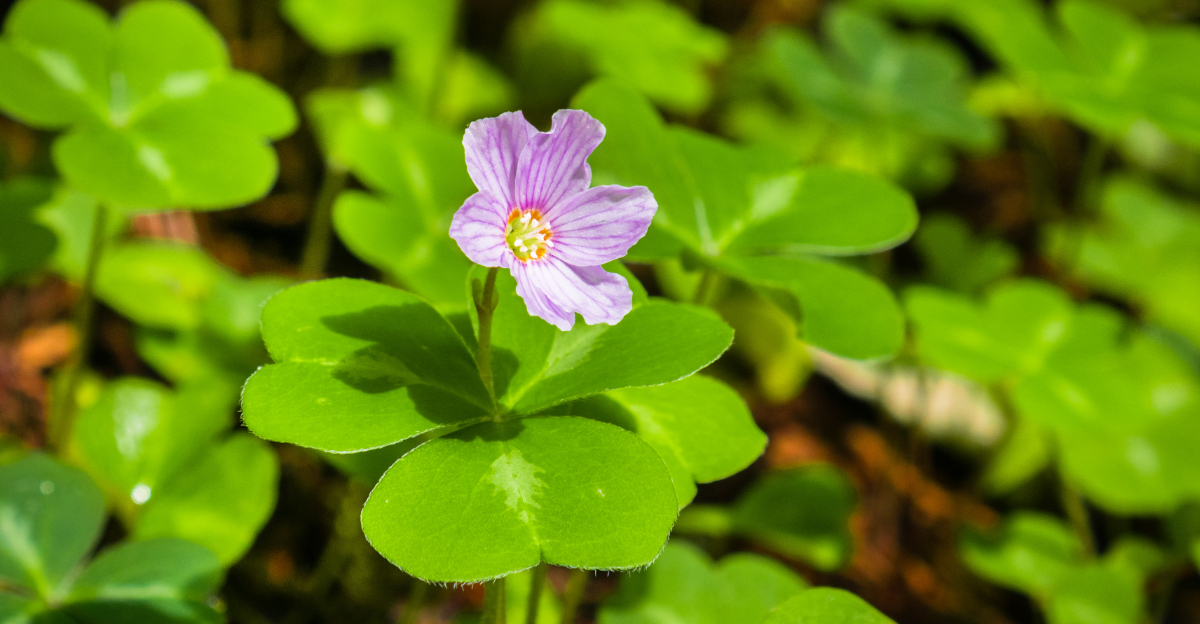
It suppresses weeds, protects soil moisture, and produces delicate little pink and white flowers that look far too pretty for something so tough. It belongs here, too.
Redwood Sorrel has been carpeting the forest floors of western Oregon for thousands of years, which means it knows exactly how to thrive in the conditions most Oregon gardeners are working with.
Sometimes the best plant for the job has been growing wild in your region all along.
The Good Kind Of Aggressive

Most people hear the word “aggressive” when talking about plants and immediately worry. But not every fast-spreading plant is a problem.
Redwood sorrel is one of those happy exceptions that earns its reputation as a spreader in the best possible way.
Native to the Pacific Northwest, including Oregon and parts of Northern California, this groundcover uses underground stems called rhizomes to creep quietly across the soil. It fills in bare patches under trees and along shaded pathways without smothering other native plants around it.
It works with the landscape, not against it.
Gardeners in Oregon often struggle to find plants that will grow happily under large conifers, where the soil is dry, acidic, and deeply shaded. Redwood sorrel handles all of those conditions without complaint.
It is not trying to take over your yard. It is simply doing what it was built to do, cover ground and protect soil.
Think of it like a natural mulch that is also alive. It holds moisture in the soil, prevents erosion on slopes, and reduces weed pressure without any extra effort from you.
That kind of helpful spreading is something every gardener should welcome with open arms.
Made For Oregon Shade
Oregon is famous for its towering Douglas firs, western red cedars, and coast redwoods. These beautiful trees create deep, cool shade that most garden plants simply cannot handle.
That is exactly where redwood sorrel feels most at home.
Oxalis oregana, its scientific name, was literally named after Oregon. That tells you something important about how perfectly suited it is to this region.
It evolved right alongside the trees and soils of the Pacific Northwest, which means it already knows how to survive here without much help from you.
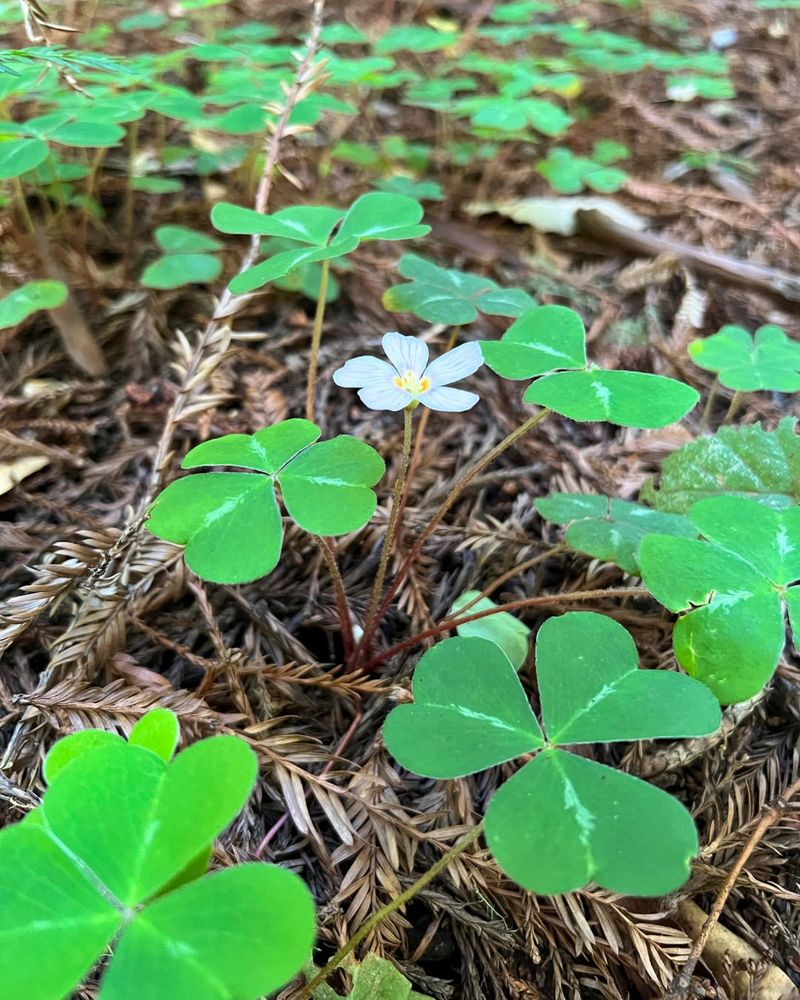
In its natural habitat, you will find it blanketing the ground beneath old-growth forests from Oregon all the way up through Washington and down into Northern California. The deep shade that discourages other plants actually encourages redwood sorrel to spread and thrive.
It is uniquely adapted to low light conditions that would stress most ornamental groundcovers.
Your Oregon Garden Changes Every Week. Your Plan Should Too.
Gardening in Oregon changes quickly throughout the season. Every Friday you’ll receive a simple weekly plan showing exactly what to plant, prune, fertilize, harvest, and protect so you never miss the right timing.
For Oregon homeowners with mature trees in their yards, this plant is a dream come true. Instead of fighting the shade, you can work with it by letting a native plant do what it naturally does best.
Your garden will look lush, green, and full of life even in the darkest corners.
Fast, But Useful
Speed is usually not a quality gardeners celebrate in a groundcover. Fast-spreading plants often become nightmares that are nearly impossible to manage.
Redwood sorrel, however, pairs its quickness with genuine usefulness that makes every inch it covers worthwhile.
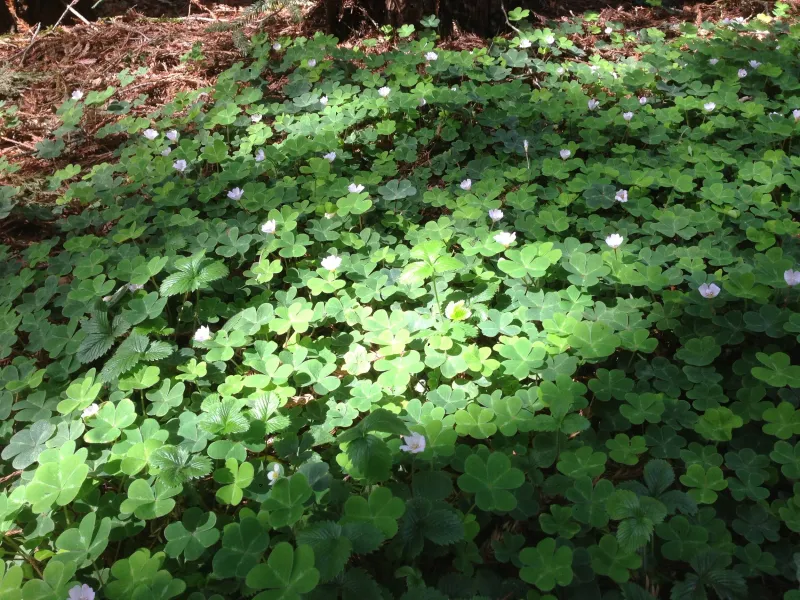
It spreads primarily through its rhizomes, which are horizontal underground stems that send up new plants as they travel through the soil. On a good growing season in Oregon, a single patch can expand noticeably in just a few months.
That kind of growth means you spend less money buying plants and less time worrying about bare spots in your garden.
Beyond filling space quickly, redwood sorrel performs several important jobs at once. It shades the soil surface, which keeps moisture from evaporating too fast during Oregon’s dry summer months.
It also creates a soft, living layer that protects the soil from compaction caused by rain.
Gardeners who have used it under large trees report that it dramatically reduces the amount of weeding they need to do. Once established, the dense mat of leaves leaves little room for unwanted plants to move in.
Fast and functional is a rare combination, and redwood sorrel delivers both without asking for much in return from you.
Where It Thrives

Knowing where to plant something makes all the difference between a thriving garden and a struggling one. Redwood sorrel has a clear set of preferences, and when you match those conditions, it rewards you with incredible growth and coverage.
First, it loves shade. Deep shade, dappled shade, and everything in between all work well.
Direct afternoon sun is the one thing it genuinely dislikes. In the intense summer heat of Oregon’s Willamette Valley or southern regions, too much sun will cause its leaves to fold up and look stressed.
Morning sun is usually fine, but afternoon exposure should be avoided whenever possible.
Moist, well-drained soil rich in organic matter is its ideal growing medium. The forest floors of Oregon naturally provide this, but you can recreate those conditions in your garden by adding compost to the planting area before getting started.
Slightly acidic soil, which is common throughout much of Oregon, suits it perfectly.
It also does well on slopes and hillsides where erosion is a concern. The spreading root system holds soil in place naturally.
Whether you are planting it along a shaded woodland path, under a canopy of trees, or in a north-facing garden bed, redwood sorrel will likely reward your choice with steady, reliable coverage year after year.
Tiny Flowers, Big Impact
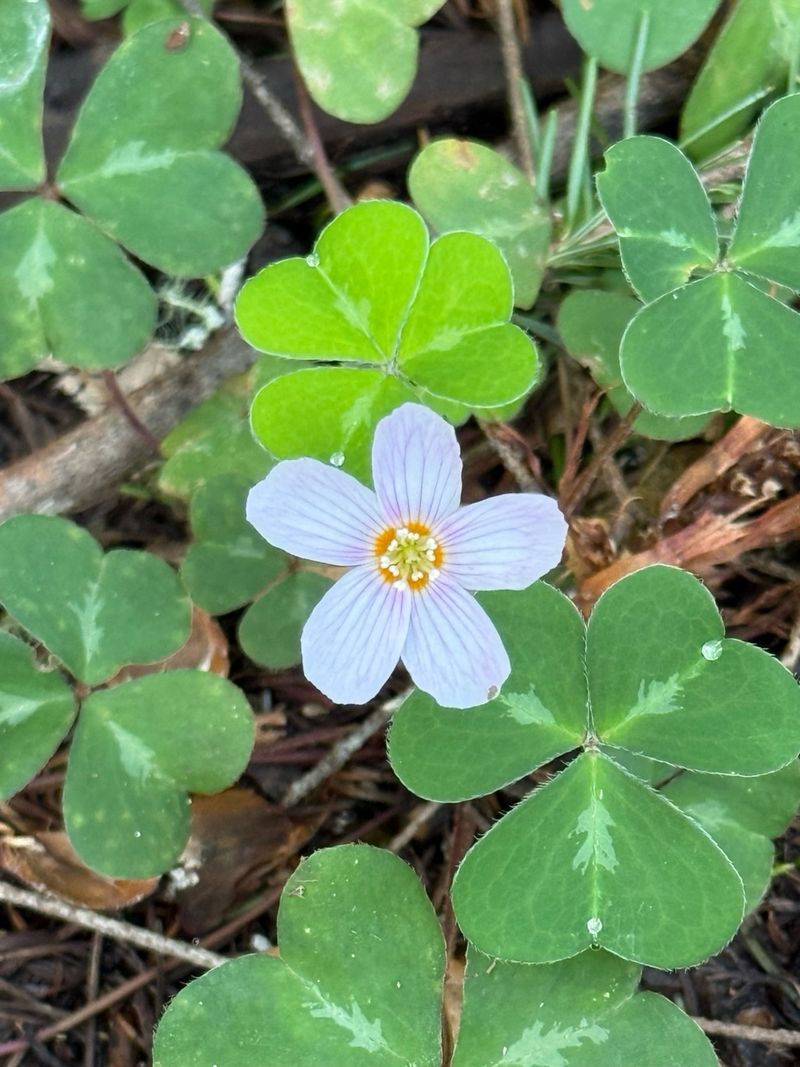
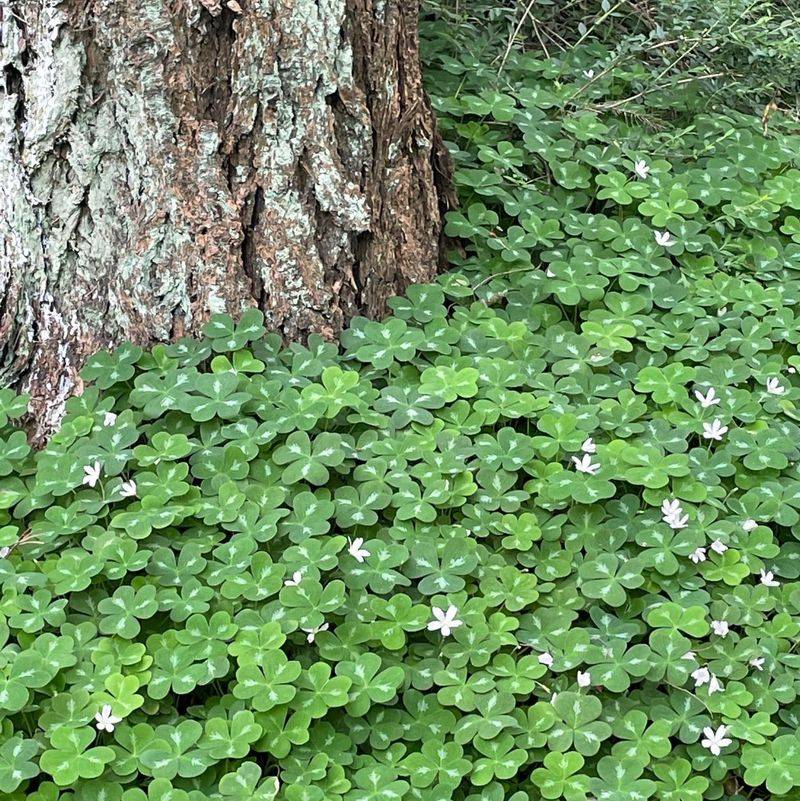
Do not let the small size of redwood sorrel flowers fool you. These dainty blooms pack a serious visual punch, especially when the plant has spread into a wide, dense carpet across a shaded garden bed.
Seeing hundreds of tiny flowers all at once is genuinely stunning.
The flowers appear in early to mid-spring throughout Oregon and are typically pale pink to white with delicate veining. They sit on thin upright stems just above the clover-like foliage, giving the whole planting a soft, almost magical look.
In a shaded Oregon garden, where color can be hard to come by in early spring, these blooms arrive at exactly the right moment.
Pollinators notice them too. Native bees and other early-season insects visit the flowers for nectar, making redwood sorrel a quiet but meaningful contributor to local pollinator health.
That ecological role adds real value beyond just good looks.
After the flowers fade, the foliage remains attractive all season long. The heart-shaped leaves, often with purple or maroon markings underneath, provide visual interest even when the plant is not blooming.
Some leaves will fold downward in bright light or at night, which adds a charming, almost playful quality to the plant that most people find delightful and unexpected.
When It Spreads Too Far

Even a well-behaved plant can occasionally overstep its welcome. Redwood sorrel is native and helpful, but it is still a vigorous spreader, and there are situations where it can move into areas where you would rather it not go.
Knowing when that is happening helps you stay in control.
The most common issue Oregon gardeners face is redwood sorrel creeping into adjacent lawn areas or spreading beyond a defined garden bed. Because it travels underground through rhizomes, the movement can happen gradually and catch you off guard if you are not watching.
One season it is contained, and the next it has crossed a border you set for it.
It can also spread into areas where other low-growing native plants are trying to establish themselves. While redwood sorrel is not considered invasive in Oregon, it can outcompete slower-growing native species if given the chance.
Keeping an eye on its edges during the growing season is a smart habit to build.
The good news is that it is not a difficult plant to manage when you catch it early. Unlike truly aggressive invasives, redwood sorrel responds well to simple removal techniques and does not require harsh chemicals or extreme measures to bring back under control.
Staying observant is really the most important tool you have.
How To Control It
Controlling redwood sorrel is much easier than controlling most aggressive plants, and that is one of the reasons Oregon gardeners keep choosing it despite its spreading habit. A little routine maintenance goes a long way with this plant.
Hand-pulling is the most effective method for removing patches you do not want. Because the rhizomes run close to the surface, they pull out fairly cleanly when the soil is moist.
After a good Oregon rain is the perfect time to tackle any unwanted spread. Try to get the roots as you pull so regrowth is slower.
Physical barriers like garden edging installed several inches deep can help keep it within a defined area. This works especially well when you want to protect a neighboring lawn or a section of the garden planted with other species.
Consistent edge trimming a couple of times a season also keeps it looking tidy and contained.
For larger patches that have gotten out of hand, cutting back the foliage and then covering the area with cardboard and a thick layer of wood chip mulch can suppress regrowth effectively over time. Redwood sorrel is persistent, but it is not unstoppable.
With a simple, consistent approach, you can enjoy all the benefits this wonderful Oregon native offers while keeping it exactly where you want it to grow.