The Best Vegetables For Vertical Growing That Actually Thrive In Michigan Gardens
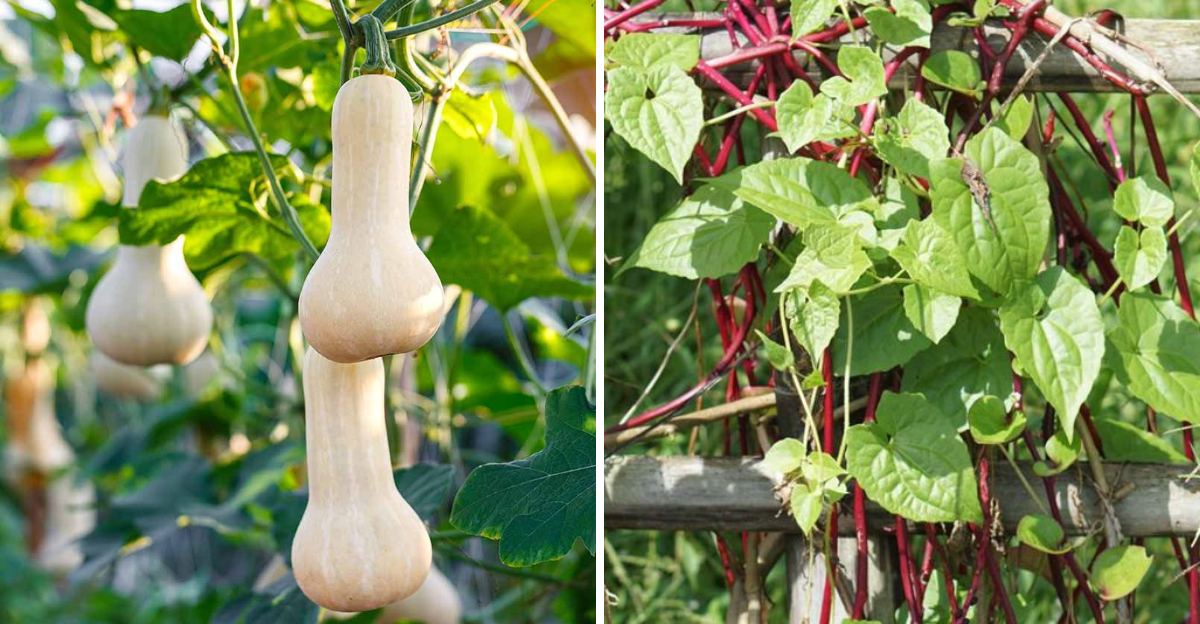
Vertical growing changes the math on a small Michigan garden in a way that few other strategies can.
Training vegetables upward instead of letting them spread across the ground reclaims space, improves airflow through the canopy, and in a state where the growing season has a firm deadline, the efficiency that comes with a well structured vertical setup can meaningfully increase what you harvest before fall arrives.
Not every vegetable takes to vertical growing equally well though, and planting something up a trellis that would rather sprawl along the ground creates more frustration than it solves.
The vegetables that genuinely thrive when grown vertically in Michigan tend to share a few key characteristics, responding to support with stronger growth, better fruit production, and fewer disease issues than their ground grown counterparts.
These are the ones worth building a trellis or tower around this season, and Michigan’s warm, productive summers give each of them exactly the conditions they need to perform at their best going upward.
1. Pole Beans (Phaseolus vulgaris)
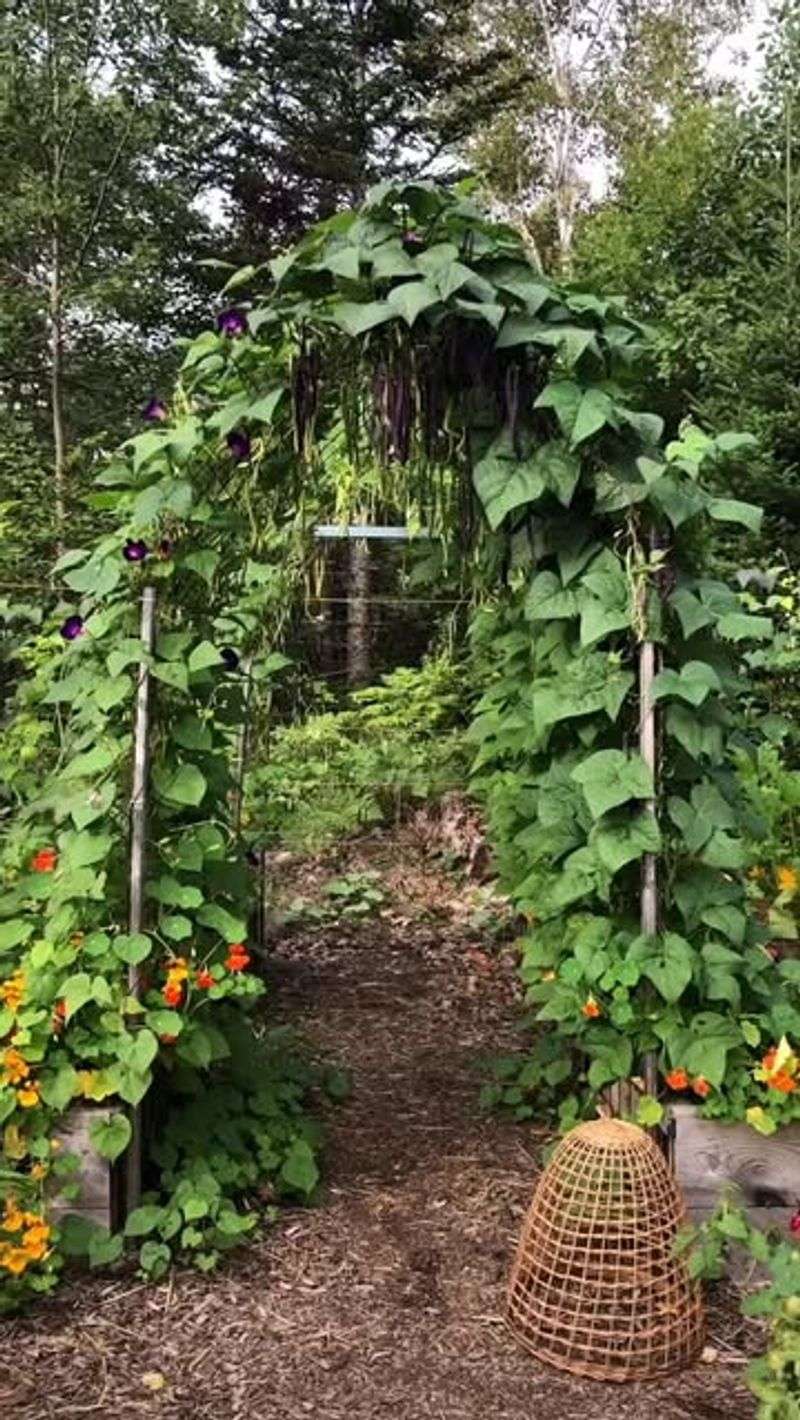
Pole beans are the workhorses of the vertical Michigan garden, and once you grow them this way, you will never go back. They climb almost effortlessly up any support you give them, whether that is a simple bamboo teepee or a sturdy wire trellis.
Michigan summers give them exactly the warm, sunny conditions they need to absolutely flourish.
What makes pole beans so special is their incredibly long harvest window. Unlike bush beans that produce all at once, pole beans keep pumping out pods week after week through summer.
That consistent production means you get fresh beans from late June all the way into September in most Michigan growing zones.
Setting up their support early matters a lot. Get your trellis or poles in place before you even plant the seeds, because once those vines start reaching, they move fast.
Space seeds about four to six inches apart at the base of your support for the best coverage and airflow.
Michigan gardeners in areas like Traverse City and Lansing love pole beans because they take up almost no horizontal space. A single row along a fence can produce an impressive harvest.
Varieties like Kentucky Wonder and Blue Lake Pole are especially reliable in Michigan’s climate, tolerating brief cool snaps without skipping a beat.
2. Cucumbers (Cucumis sativus)
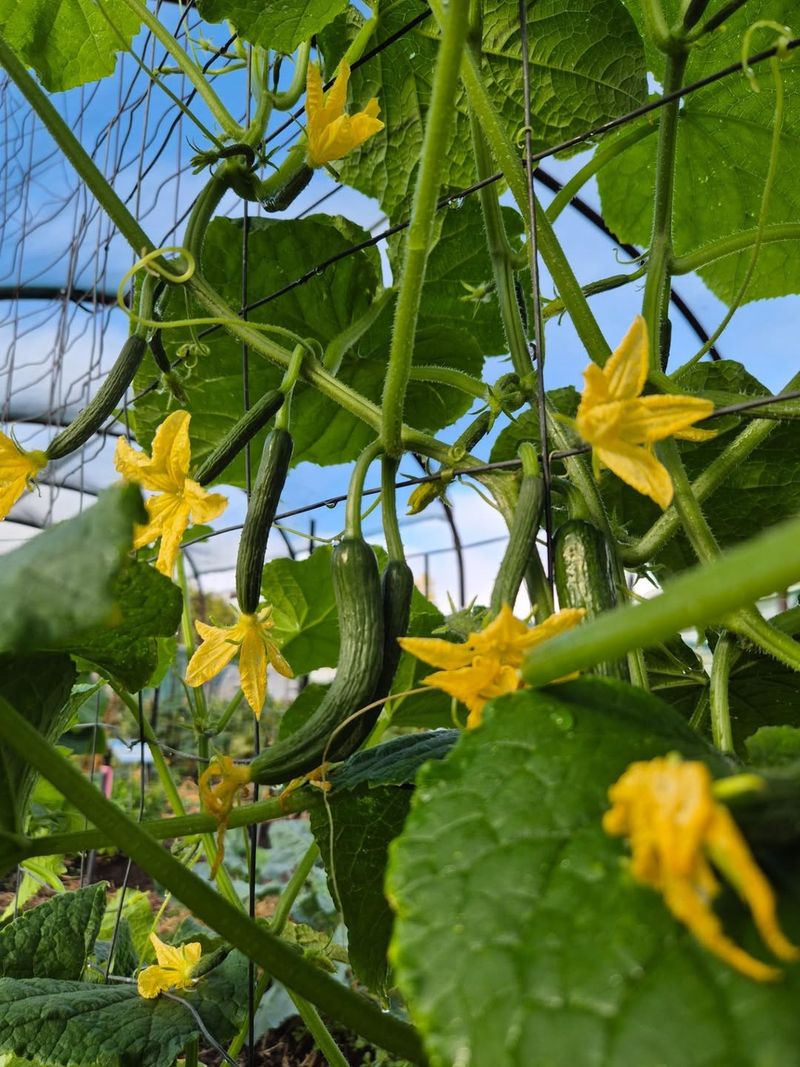
Few vegetables transform as dramatically when grown vertically as cucumbers do. Sprawling cucumber plants grown on the ground can take over an entire raised bed, but trained up a trellis, they become tidy, productive, and surprisingly elegant.
Michigan’s warm summers from June through August give cucumbers plenty of heat to thrive.
One of the biggest benefits of trellising cucumbers in Michigan is improved airflow around the leaves. Michigan summers can get humid, especially near the Great Lakes, and that moisture creates conditions where powdery mildew and other fungal issues love to spread.
Keeping vines elevated and open to air circulation cuts down on those problems significantly.
Harvesting becomes so much easier when cucumbers hang freely from a trellis. You can spot every fruit without digging through ground-level foliage, and cucumbers that hang straight tend to be smoother and more evenly shaped than those that curl on the soil.
Your Michigan Garden Changes Every Week. Your Plan Should Too.
Gardening in Michigan changes quickly throughout the season. Every Friday you’ll receive a simple weekly plan showing exactly what to plant, prune, fertilize, harvest, and protect so you never miss the right timing.
Pick them young and often to keep the plant producing at full speed. Slicing varieties like Straight Eight and bush-type climbing varieties like Spacemaster work wonderfully in Michigan gardens.
Plant seeds or transplants after the last frost, which typically falls in mid-May across most of Michigan, and give them a trellis at least five feet tall. You will be amazed at how much fruit one vertical row can deliver.
3. Snap Peas (Pisum sativum)
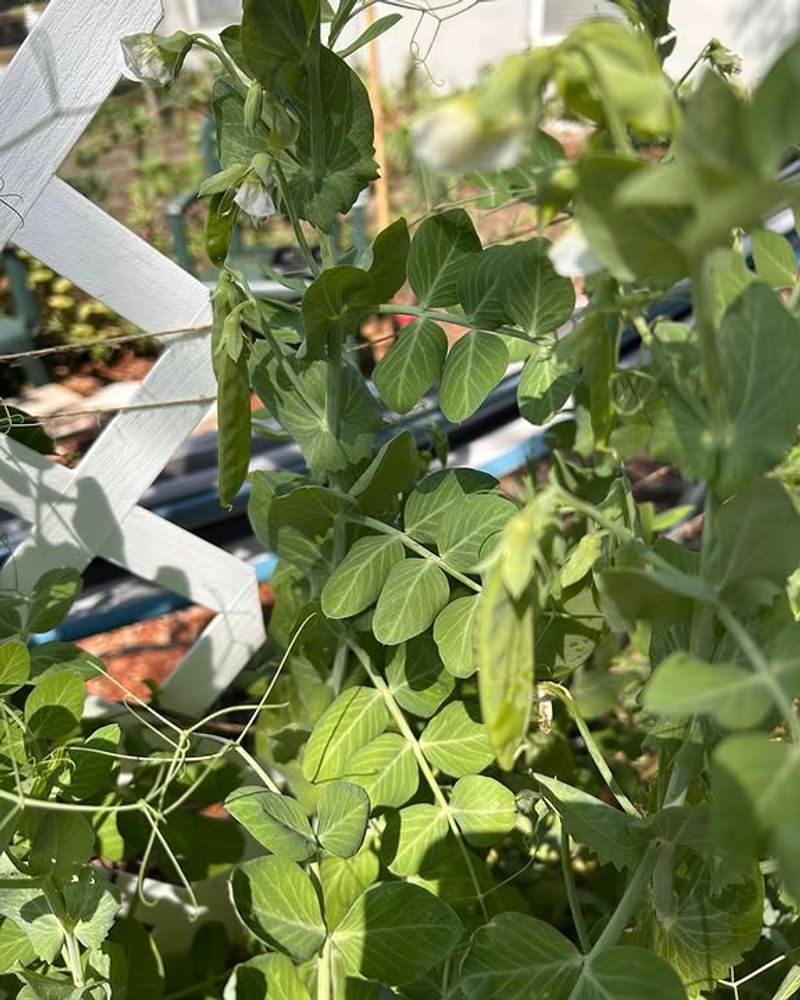
Snap peas are the undisputed champions of the Michigan spring garden, and growing them vertically makes the experience even better.
They actually prefer the cooler temperatures that Michigan delivers in April and May, shooting up trellises with impressive speed once the soil warms even slightly. That early-season energy is something gardeners genuinely look forward to each year.
The key with snap peas is getting support in place early, ideally before the seedlings even reach two inches tall. Young pea tendrils are eager and will grab onto almost any surface, from wire mesh to twine netting.
A trellis that is four to five feet tall is usually perfect for most snap pea varieties grown in Michigan.
Sugar Snap is the variety that most Michigan gardeners swear by, and for good reason. The pods are sweet, crisp, and incredibly satisfying to eat right off the vine while standing in the garden.
Planting can begin as early as late March in southern Michigan, giving you a head start that most warm-season crops simply cannot match.
Once temperatures climb above 80 degrees Fahrenheit, snap peas slow down and eventually stop producing. That is perfectly fine because you can pull them out and plant warm-season crops in the same vertical space.
Michigan gardeners love this two-crop strategy, using the same trellis for peas in spring and then cucumbers or beans in summer.
4. Indeterminate Tomatoes (Solanum lycopersicum)
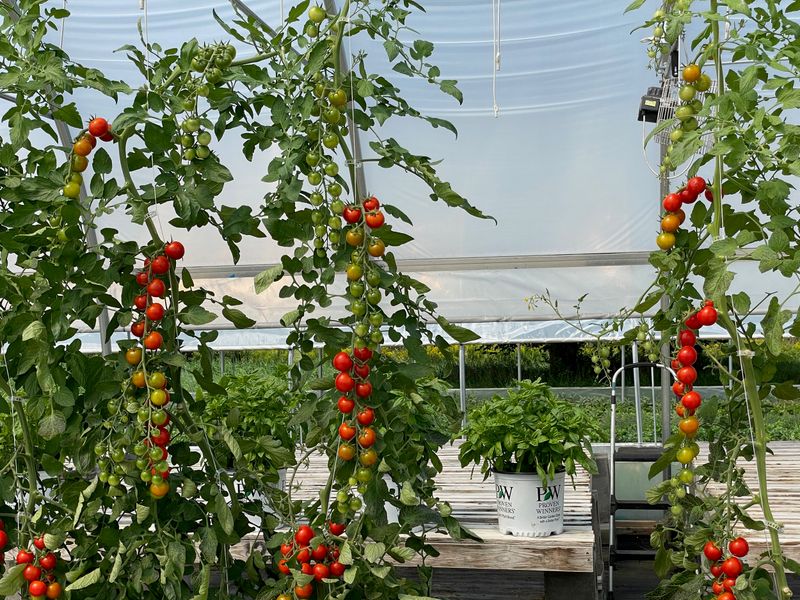
Indeterminate tomatoes are the crown jewel of Michigan vegetable gardens, and they absolutely need vertical support to reach their full potential.
Unlike determinate types that stay compact and stop growing at a set height, indeterminate varieties keep growing taller and producing fruit all season long. That growth habit demands sturdy staking, strong cages, or a reliable trellis system.
Michigan’s growing season runs roughly from late May through September, and indeterminate tomatoes use every single day of that window.
Varieties like Brandywine, Big Boy, and Celebrity are beloved by Michigan gardeners because they balance flavor with enough heat tolerance to ripen fully before fall frosts arrive.
Starting plants indoors six to eight weeks before the last frost date gives them a critical head start.
Keeping tomato plants vertical improves airflow dramatically, which matters a lot in Michigan where late blight can spread quickly during wet summers.
When leaves and fruit stay off the ground and have space between them, moisture dries faster and disease pressure drops noticeably.
Pruning suckers on vertical plants also helps energy go toward ripening fruit rather than endless leafy growth.
Stake each plant with a post at least six feet tall and tie the main stem loosely as it grows. Michigan gardeners in cities like Grand Rapids and Ann Arbor often use the Florida weave method along rows, which is simple, affordable, and surprisingly effective for supporting heavy-producing plants through a full season.
5. Malabar Spinach (Basella alba)
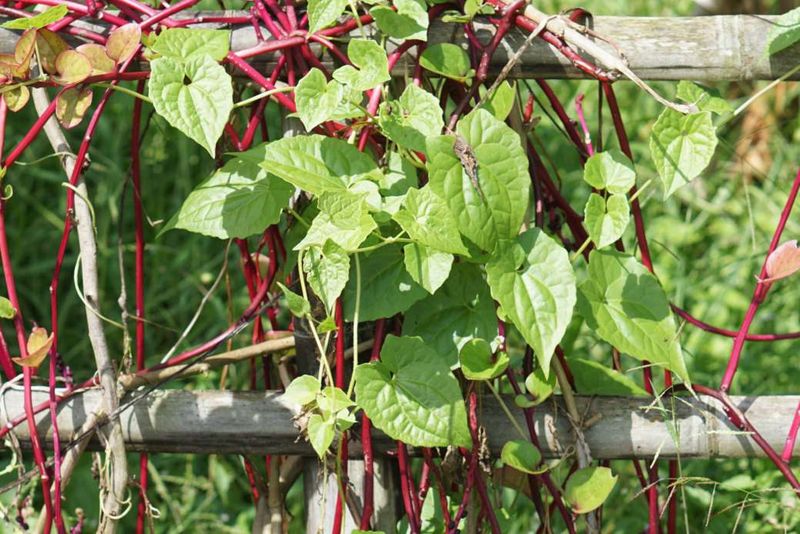
When regular spinach gives up in the summer heat, Malabar spinach steps in and takes over beautifully. This tropical climbing green is not actually related to true spinach, but its thick, glossy leaves taste similar and hold up far better in cooking.
Michigan summers, especially the warm stretch from July through August, suit Malabar spinach perfectly once the soil is consistently warm.
Growing it vertically on a trellis or fence keeps those big, lush leaves clean and easy to harvest. The vines can climb six feet or more in a single season if given enough support and sunshine.
Michigan gardeners who struggle to grow greens in midsummer often discover Malabar spinach as a game-changing solution for filling that gap in the harvest calendar.
Start seeds indoors about four weeks before transplanting, or direct sow after soil temperatures reach at least 65 degrees Fahrenheit. The plant is slow to establish at first but then accelerates rapidly once warm weather settles in.
Consistent moisture helps it perform at its best, and Michigan’s summer rainfall often provides just enough natural irrigation to keep things moving.
Harvest young leaves and shoot tips regularly to encourage bushy, productive growth rather than long, bare vines. The leaves are excellent sauteed with garlic or added to soups and stir-fries.
For Michigan gardeners looking for something different and highly productive through the hottest months, Malabar spinach is a truly rewarding choice.
6. Scarlet Runner Beans (Phaseolus coccineus)
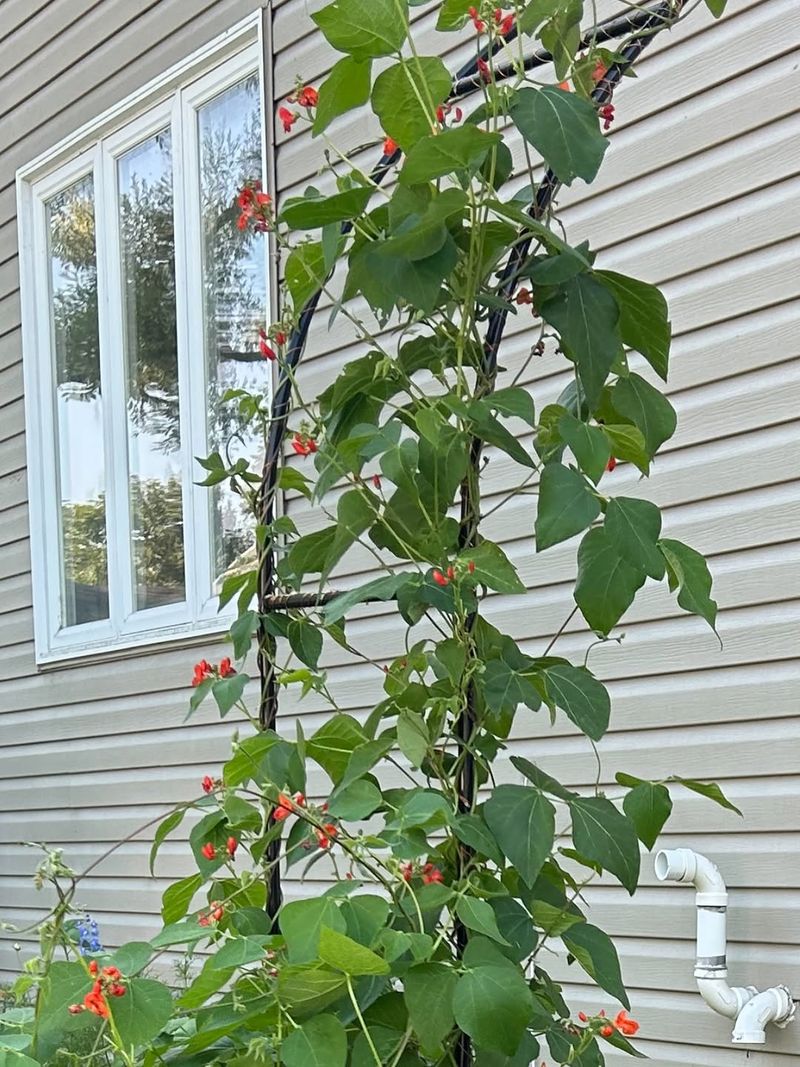
Scarlet runner beans bring something to the Michigan garden that most vegetables simply cannot match: stunning beauty combined with serious food production.
Their vivid scarlet-orange flowers attract hummingbirds and pollinators from across the neighborhood, turning a functional trellis into a genuine showpiece.
Few climbing plants manage to be both this gorgeous and this productive at the same time.
Michigan’s cooler northern summers are actually a huge advantage for scarlet runner beans. They prefer temperatures that do not climb too high, making them better performers in northern Michigan counties than in areas with intense, prolonged heat.
In places like Petoskey or Marquette, they thrive from midsummer through early fall with very little fuss from the gardener.
Plant seeds directly in the garden after the last frost, pressing them about an inch deep at the base of a sturdy support. These vines grow vigorously and can easily reach eight to ten feet, so a tall, strong trellis is worth the investment.
Twine, wire mesh, or wooden lattice all work well as long as the structure is firmly anchored against Michigan wind.
Harvest pods young and tender for fresh eating, or allow them to mature fully for dried beans that store beautifully through winter. The mature dried beans are large, streaked purple and black, and absolutely stunning in a jar on the kitchen shelf.
Michigan gardeners who grow scarlet runner beans almost always make them a permanent part of their annual garden plan.
7. Winter Squash On Vertical Supports (Cucurbita moschata)
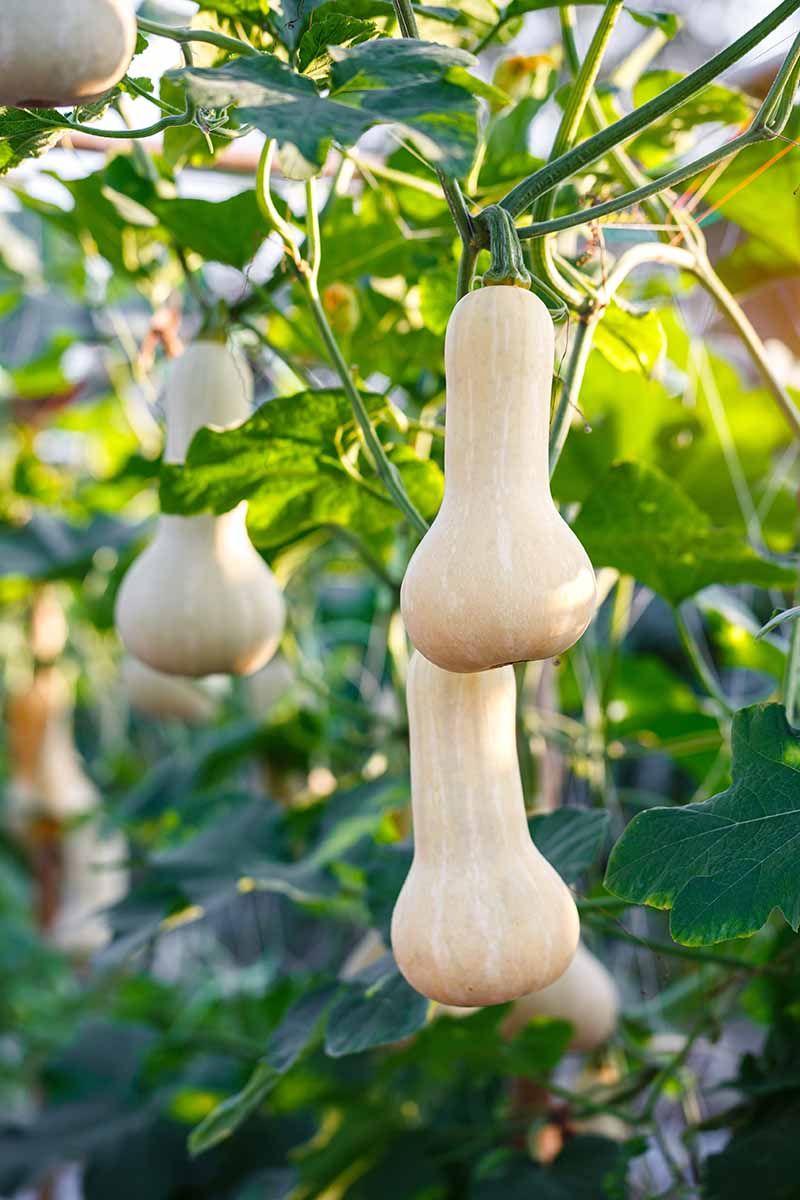
Winter squash trained vertically is one of those ideas that sounds unconventional until you actually try it, and then you wonder why you ever grew it any other way.
Smaller-fruited varieties like Butternut, Delicata, and Sweet Dumpling are the best choices for Michigan vertical gardens because their fruits stay light enough to support safely on a trellis.
Sprawling squash vines can take over enormous amounts of ground space, so training them upward is a genuinely practical solution for Michigan gardeners with limited room.
Support is everything with vertical squash growing. Each developing fruit needs its own sling made from fabric, mesh, or old t-shirt strips tied securely to the trellis frame.
Check slings regularly as fruits grow because the weight increases quickly during warm Michigan August days when squash puts on size fast.
Plant squash after all frost danger has passed, typically after mid-May across most of Michigan. These vines grow aggressively and will cover a six-foot trellis in a matter of weeks once warm weather arrives.
Consistent watering during dry spells is important because squash leaves are large and lose moisture quickly in hot, sunny Michigan summer weather.
Vertical squash benefits enormously from improved airflow, which helps reduce powdery mildew, a very common problem in Michigan gardens during late summer. Keeping the foliage off the ground also reduces contact with soil-borne issues.
For Michigan gardeners who love winter squash but hate how much space it takes, growing vertically is a total game changer.
8. Tomatillos (Physalis philadelphica)
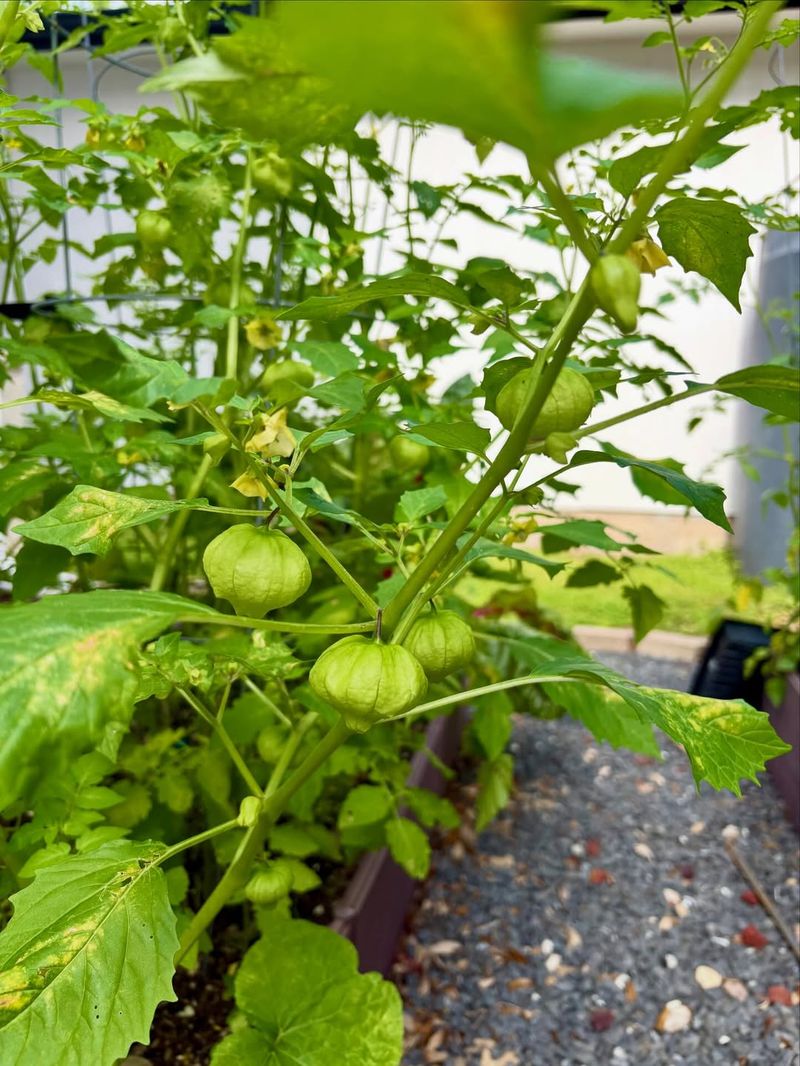
Tomatillos are one of those vegetables that Michigan gardeners often overlook, and that is a real missed opportunity. These tall, sprawling plants produce an abundance of papery-husked fruits that are essential in salsa verde and dozens of other recipes.
Without proper vertical support, tomatillo plants flop over under their own weight and become a tangled, unmanageable mess by midsummer.
Caging or staking tomatillos early in the season makes a dramatic difference in how the plants perform.
A sturdy tomato cage or a simple stake-and-tie system keeps the main stems upright, improves airflow between branches, and makes harvesting far easier when the fruits start coming in waves during August.
Michigan gardeners who stake their tomatillos consistently report cleaner fruit and much easier end-of-season cleanup.
One important fact that surprises many first-time tomatillo growers: you need at least two plants for pollination to occur. Tomatillos are not self-fertile, so a single plant will flower abundantly but produce very little fruit.
Plant two or more in close proximity and the harvest will reward that small extra investment of space and effort.
Start tomatillos indoors six to eight weeks before Michigan’s last frost date, then transplant after mid-May when soil has warmed. They grow vigorously in Michigan’s summer heat and can easily reach four to five feet tall by harvest time.
Green Husk and Purple varieties both perform well in Michigan, producing generous harvests of tangy, firm fruits that store well for weeks after picking.
9. Yardlong Beans (Vigna unguiculata subsp. sesquipedalis)
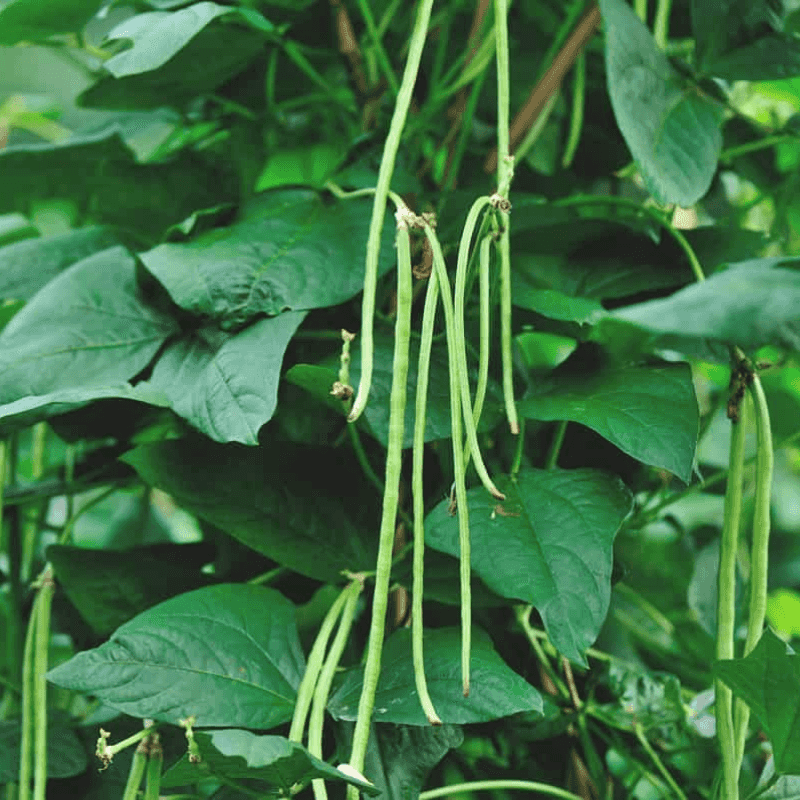
Yardlong beans are one of the most fascinating and productive climbing vegetables a Michigan gardener can grow, and their name is not much of an exaggeration. Pods routinely reach 18 inches or longer, hanging from the trellis like green ribbons in the summer sun.
They belong to the same family as cowpeas, and they bring a slightly different flavor and texture compared to standard green beans, making them a genuinely exciting addition to the Michigan garden.
The most important thing to know about yardlong beans in Michigan is that they need heat. Plant them only after soil temperatures reach at least 60 degrees Fahrenheit, which in most of Michigan means waiting until late May or early June.
Planting too early in cold soil leads to poor germination and sluggish growth, so patience pays off enormously with this crop.
Once established in warm soil, yardlong beans climb with remarkable speed and enthusiasm. A trellis of six to eight feet gives them room to really perform, and they will cover that structure with lush foliage and dangling pods throughout July and August.
Regular harvesting every few days keeps the plants producing at full capacity rather than slowing down to focus on seed development.
Red Noodle and Orient Wonder are two varieties that perform particularly well in Michigan’s warm summer months. Stir-frying yardlong beans is the most popular preparation, and their firm texture holds up beautifully under high heat.
Michigan gardeners who try yardlong beans even once almost always carve out a permanent spot for them in next year’s vertical garden plan.