The 9 Native Oregon Trees To Plant Instead Of Japanese Maple
Japanese maple gets a lot of attention, and it is easy to see why. The graceful shape, beautiful foliage, and elegant look make it a favorite in Oregon yards.
Still, plenty of homeowners want something that feels just as special while offering the added benefits of being native to the region. That is where Oregon’s own trees deserve a closer look.
Several native options bring standout color, strong seasonal interest, and better support for local wildlife, all while fitting more naturally into the landscape.
Some offer brilliant fall leaves, some bring striking bark or spring flowers, and others create that same sculptural presence gardeners love in ornamental trees.
Choosing a native alternative can help your yard feel more connected to its surroundings and often makes long-term care a little easier too. The result is a landscape that looks distinctive, beautiful, and right at home in Oregon.
1. Vine Maple
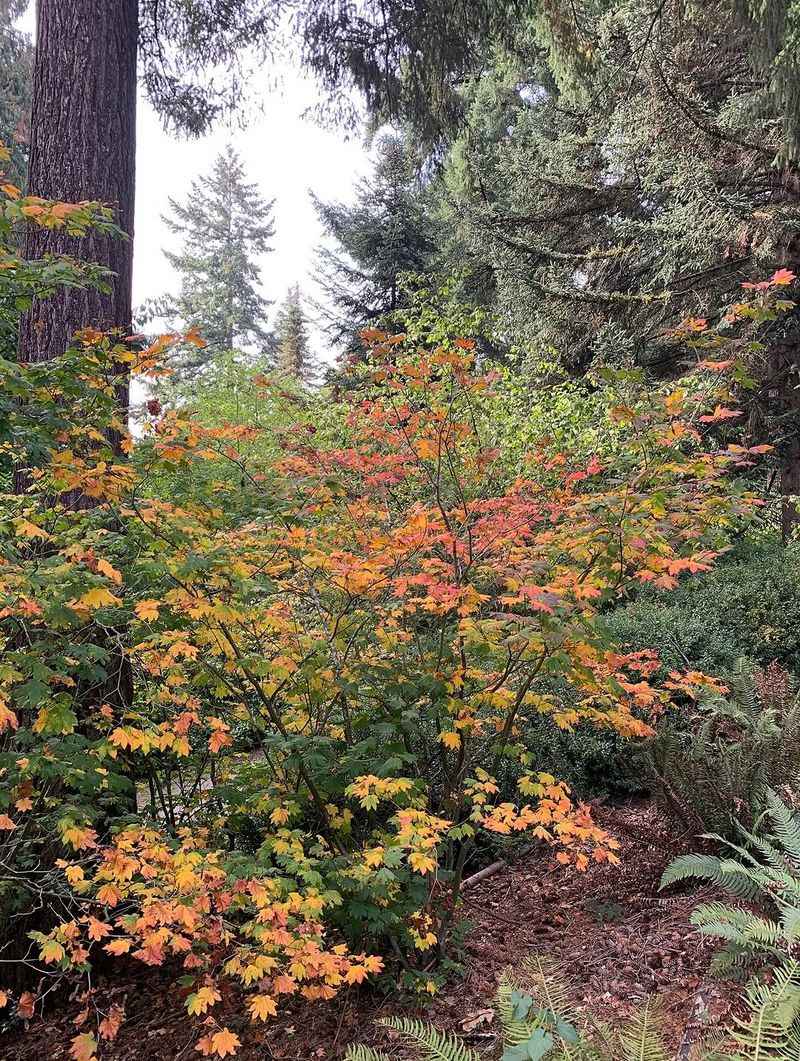
Few native trees can match the stunning fall color of the Vine Maple. Found naturally throughout western Oregon, this small to medium-sized tree turns brilliant shades of red, orange, and yellow every autumn.
It looks strikingly similar to the Japanese maple, making it a perfect native swap.
Vine Maple thrives in shaded spots beneath taller trees, which makes it ideal for understory planting in Oregon yards. It grows in moist, well-drained soil and handles shade far better than most ornamental trees.
You can also find it growing along streams and forest edges across the state.
This tree grows slowly and stays relatively compact, reaching about 15 to 25 feet tall. Its graceful, arching branches give it a natural elegance that works beautifully in landscaped gardens.
Birds love nesting in its branches, and deer browse its leaves in the wild.
Planting a Vine Maple means you are supporting Oregon’s native ecosystem while enjoying gorgeous seasonal color right in your backyard. It requires very little maintenance once established, making it a smart, low-effort choice for homeowners across Oregon who want beauty without the extra work.
2. Pacific Dogwood
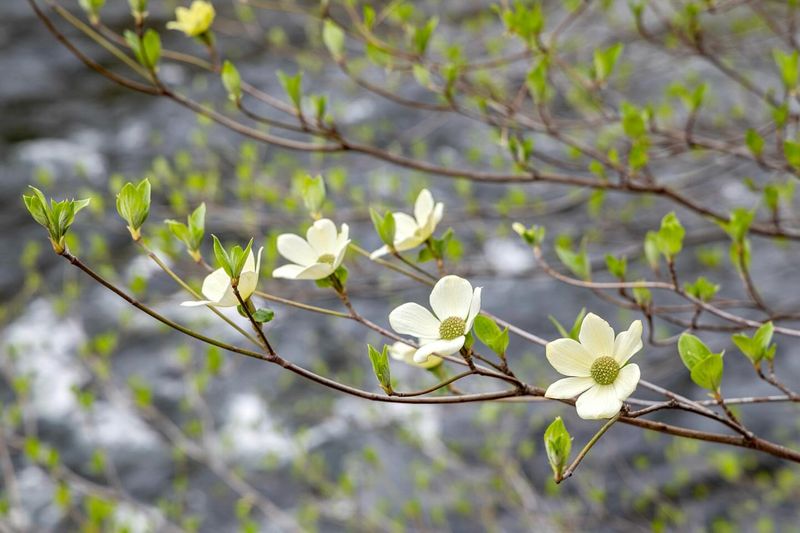
Walking through an Oregon forest in spring and spotting a Pacific Dogwood in bloom is truly unforgettable. Its large, white flower bracts light up the forest like natural lanterns, making it one of the most eye-catching native trees in the entire Pacific Northwest.
Pacific Dogwood grows as a small understory tree, usually reaching 15 to 40 feet tall. It prefers well-drained, slightly acidic soil and does best in partial shade, especially during hot Oregon summers.
Planting it near larger trees that provide afternoon shade will help it thrive.
Beyond its spring blooms, this tree puts on another show in fall when its leaves turn vibrant shades of red and orange. Red berry clusters appear in late summer and attract many bird species, including robins and cedar waxwings.
It is truly a four-season tree for Oregon gardens.
One helpful tip: Pacific Dogwood can be sensitive to lawn chemicals and compacted soil. Give it plenty of space and avoid heavy foot traffic around its roots.
Once settled in, it rewards patient gardeners with decades of breathtaking seasonal beauty and valuable wildlife habitat right outside your window.
Your Oregon Garden Changes Every Week. Your Plan Should Too.
Gardening in Oregon changes quickly throughout the season. Every Friday you’ll receive a simple weekly plan showing exactly what to plant, prune, fertilize, harvest, and protect so you never miss the right timing.
3. Western Redbud
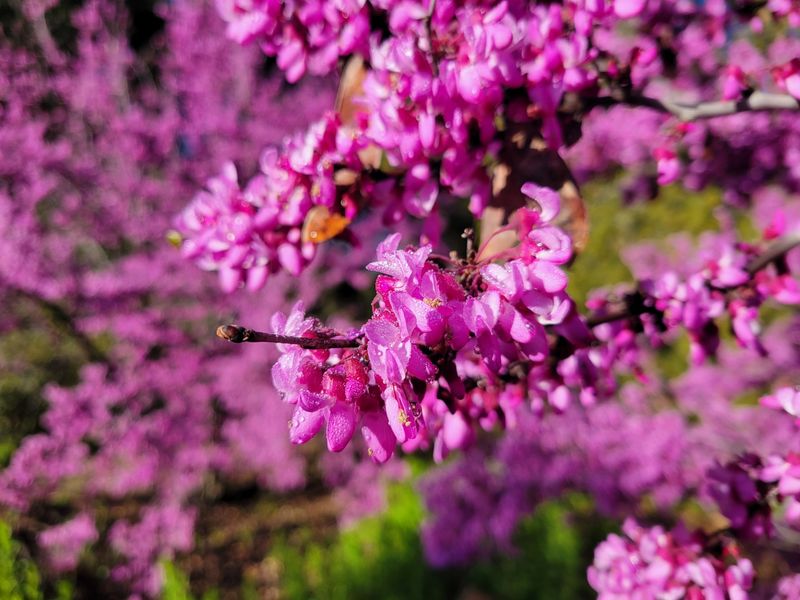
Imagine stepping outside in early spring and seeing a tree absolutely covered in bright pink flowers before a single leaf appears. That is exactly what Western Redbud delivers every year, and it is one of the most dramatic flowering trees you can plant in Oregon.
Western Redbud is native to southwestern Oregon and California, where it grows in dry, rocky hillsides and woodland edges. It thrives in well-drained soil and handles drought conditions well once established.
This makes it a smart choice for Oregon gardeners dealing with dry summers.
The tree stays manageable in size, usually growing between 10 and 20 feet tall. After the flowers fade, heart-shaped leaves emerge in a fresh green color that turns yellow in fall.
Flat seed pods hang on the branches through winter, adding extra visual interest during colder months.
Pollinators absolutely love Western Redbud. Bees flock to its flowers in early spring when few other plants are blooming, making it an important food source for local wildlife in Oregon.
Planting one near a patio or window gives you a front-row seat to a spectacular natural show every single spring season.
4. Western Serviceberry
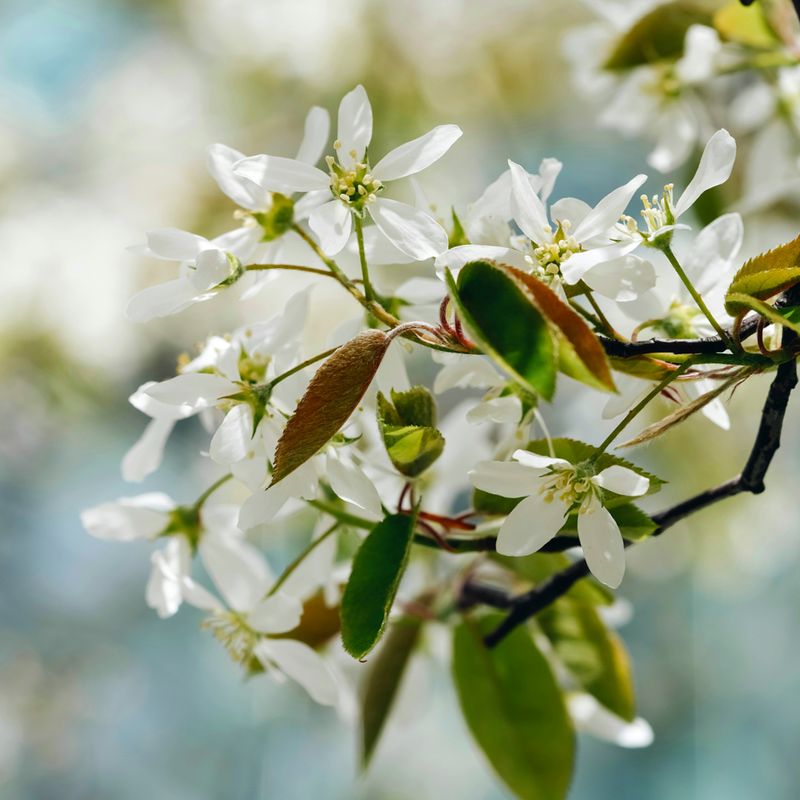
Western Serviceberry might not be as widely known as some other native Oregon trees, but gardeners who plant it quickly become devoted fans. It blooms early in spring with clusters of delicate white flowers that appear even before the leaves fully open, creating a soft, cloud-like effect.
This versatile tree grows throughout Oregon, from coastal forests to mountain slopes. It adapts well to a variety of soil types and light conditions, tolerating both full sun and partial shade.
That flexibility makes it one of the easiest native trees to establish in home landscapes across the state.
Wildlife absolutely depends on Western Serviceberry. Its small, blueberry-like fruits ripen in early summer and are eagerly eaten by birds, bears, and deer.
The berries are also edible for people, with a sweet, mild flavor that works well in jams and baked goods.
Fall color is another bonus, as the leaves shift to warm shades of orange and red before dropping. Western Serviceberry typically grows 10 to 25 feet tall, staying compact enough for most Oregon yards.
It is a truly generous tree that gives back to both people and wildlife season after season without demanding much in return.
5. Cascara
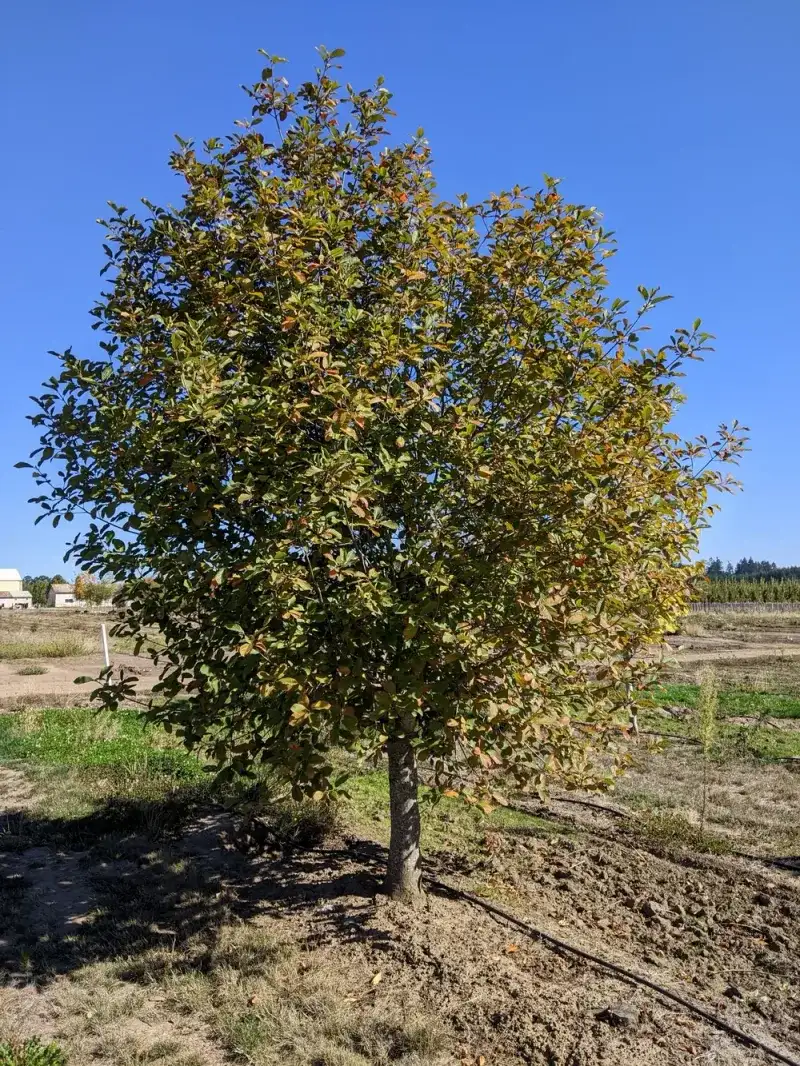
Cascara is one of those quiet, underappreciated native Oregon trees that deserves far more attention than it gets. It does not put on a flashy flower show, but what it lacks in drama it more than makes up for in ecological value and practical usefulness throughout the seasons.
Native to western Oregon and the broader Pacific Northwest, Cascara grows naturally along stream banks, forest edges, and moist hillsides. It prefers moist, well-drained soil and does well in partial shade, making it a great fit for yards with existing tree cover or areas near water features.
The tree produces small yellowish-green flowers in spring, which are not showy but attract many pollinators. By late summer, clusters of small berries ripen to a deep purple-black color.
Birds, especially cedar waxwings and American robins, flock to the berries and help spread the seeds naturally.
Cascara typically grows 20 to 35 feet tall with a slender, upright form that fits well into narrow spaces. Its glossy green leaves turn soft yellow in fall, adding a gentle seasonal touch.
For Oregon homeowners wanting a low-maintenance native tree that quietly supports local wildlife, Cascara is an excellent and rewarding choice.
6. Bitter Cherry
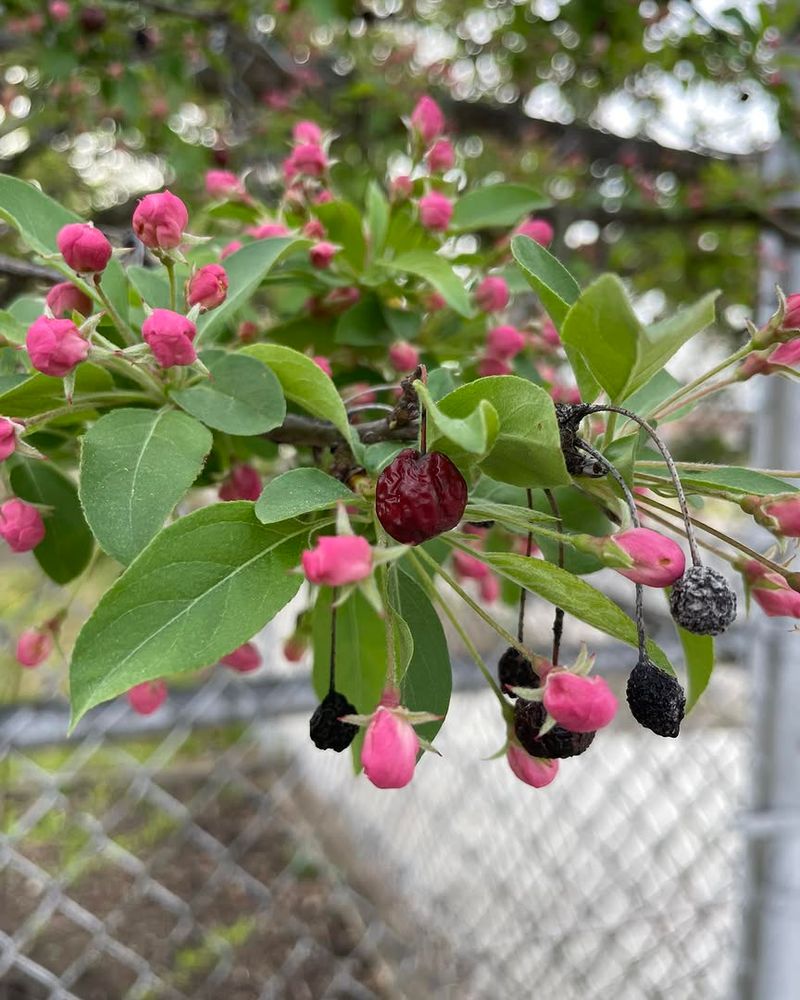
Bitter Cherry is a native Oregon tree with real seasonal personality. In spring, it bursts into bloom with clusters of small, fragrant white flowers that blanket the branches and attract swarms of pollinators.
Few spring sights in the Oregon landscape are quite as cheerful and lively.
Found naturally across Oregon from coastal forests to mountain slopes, Bitter Cherry adapts to a wide range of conditions. It grows in moist to moderately dry soils and tolerates both full sun and partial shade.
Its adaptability makes it a reliable native option for many different yard types throughout the state.
The small, bright red cherries that ripen in summer are not tasty for people, but birds absolutely love them. Species like band-tailed pigeons, robins, and woodpeckers eagerly seek out the fruit, making Bitter Cherry an excellent wildlife tree.
The berries also feed small mammals like chipmunks and squirrels.
Bitter Cherry grows quickly and can reach 20 to 40 feet tall, with attractive reddish-brown bark that adds year-round visual interest. Fall foliage turns warm shades of yellow and orange before the leaves drop.
For Oregon gardeners wanting a fast-growing native tree that actively feeds local wildlife, Bitter Cherry is a standout choice worth considering.
7. Black Hawthorn
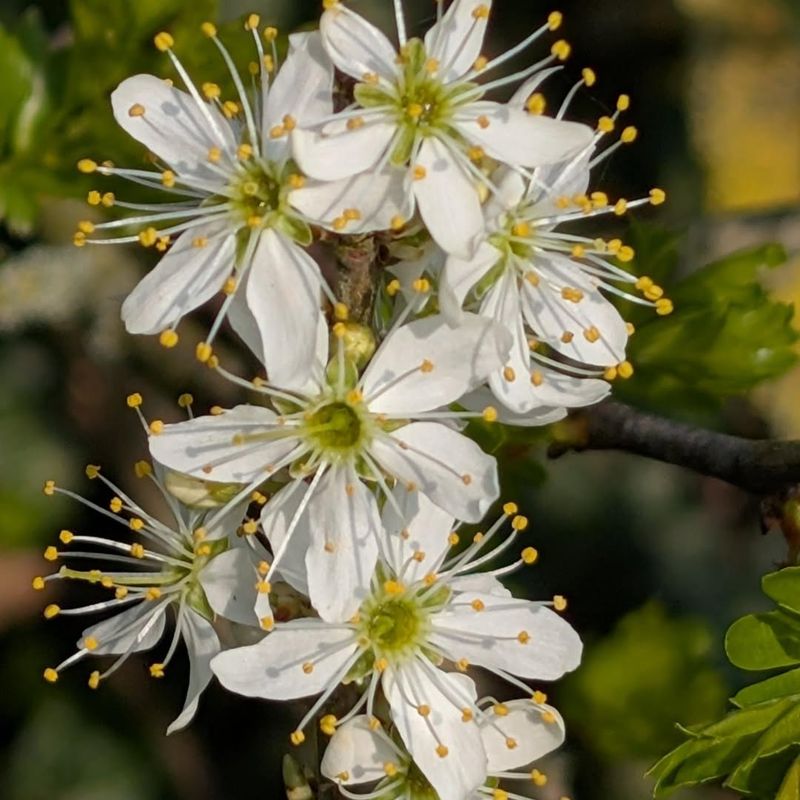
Tough, resilient, and wildly useful for wildlife, Black Hawthorn is a native Oregon tree that earns its place in any yard. It has been growing across the Pacific Northwest for thousands of years, and local birds and insects have evolved right alongside it, depending on it for food and shelter.
Black Hawthorn grows in a wide range of Oregon habitats, from moist stream banks to open meadows and forest edges. It handles wet soils better than many native trees, which makes it especially valuable for low-lying areas or yards with poor drainage that other trees struggle to tolerate.
In late spring, the tree produces clusters of small white flowers that attract bees and other pollinators. By fall, dark blue-black berries called haws appear and persist well into winter, providing critical food for birds like thrushes, waxwings, and grosbeaks during colder months when food is scarce.
Its thorny branches also create protective nesting habitat that songbirds find very appealing. Black Hawthorn usually grows 10 to 25 feet tall with a dense, shrubby form.
The fall foliage turns rich shades of red and orange, adding color to the Oregon landscape. It is a hardworking native tree that never stops giving back.
8. Oregon White Oak
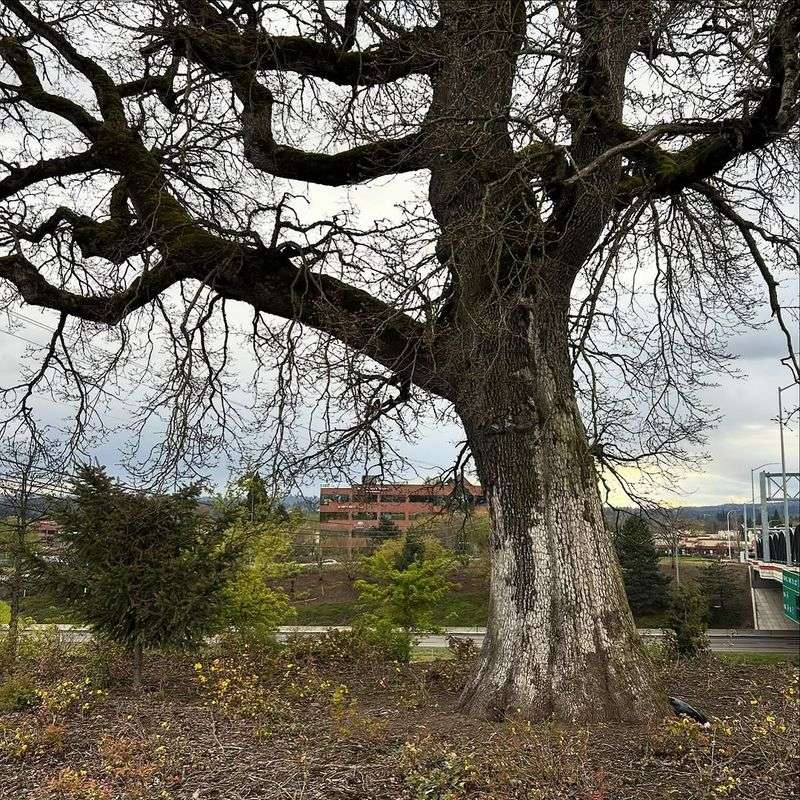
Some trees make a yard look good. Oregon White Oak makes a yard look legendary.
With its broad, spreading canopy and deeply lobed dark green leaves, this native Oregon tree has a commanding presence that few other trees can match in the entire Pacific Northwest region.
Oregon White Oak is a slow-growing but extraordinarily long-lived tree, with some specimens in Oregon reaching several hundred years old. It thrives in well-drained soils and full sun, making it ideal for open yards with plenty of space to spread.
Over time, it becomes a true centerpiece of any landscape.
The ecological value of this tree is remarkable. Research shows it supports over 200 species of insects, birds, and mammals.
Acorns feed deer, squirrels, woodpeckers, and jays. Its thick, furrowed bark provides homes for cavity-nesting birds and insects that are essential to healthy Oregon ecosystems.
Oregon White Oak grows best in the Willamette Valley and other drier parts of western Oregon, where it once formed vast savannas. Planting one is genuinely an act of ecological restoration.
It may grow slowly, but every year it becomes more magnificent and more valuable to the living world around it. Patience with this tree is absolutely worth it.
9. Pacific Madrone
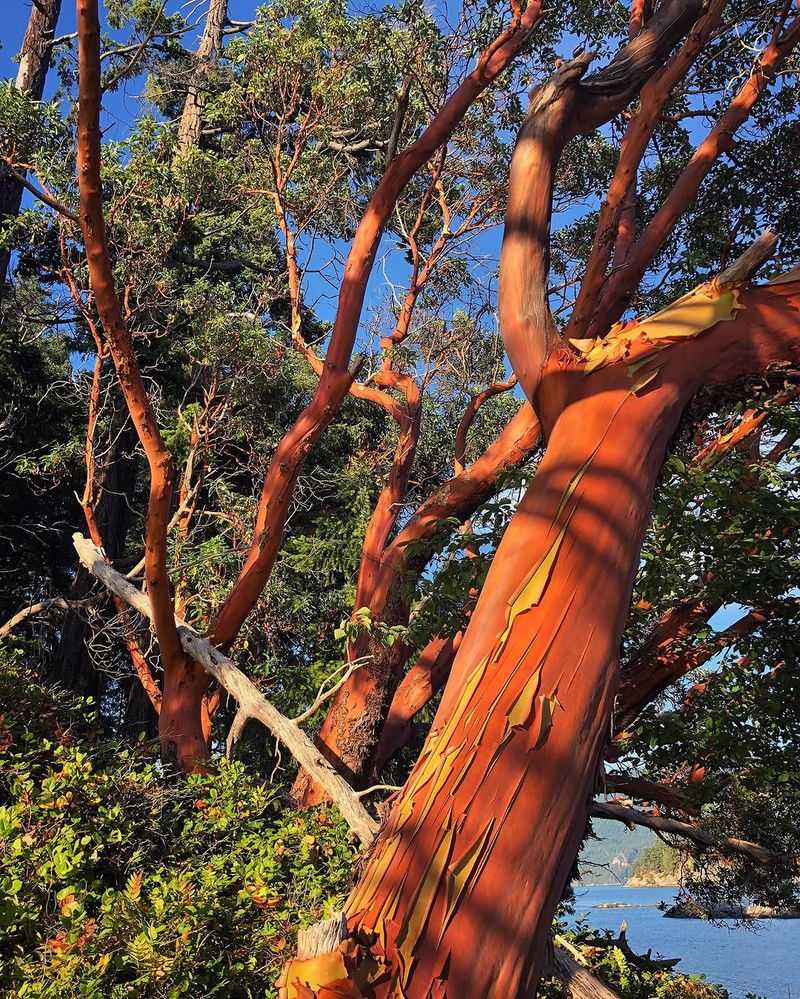
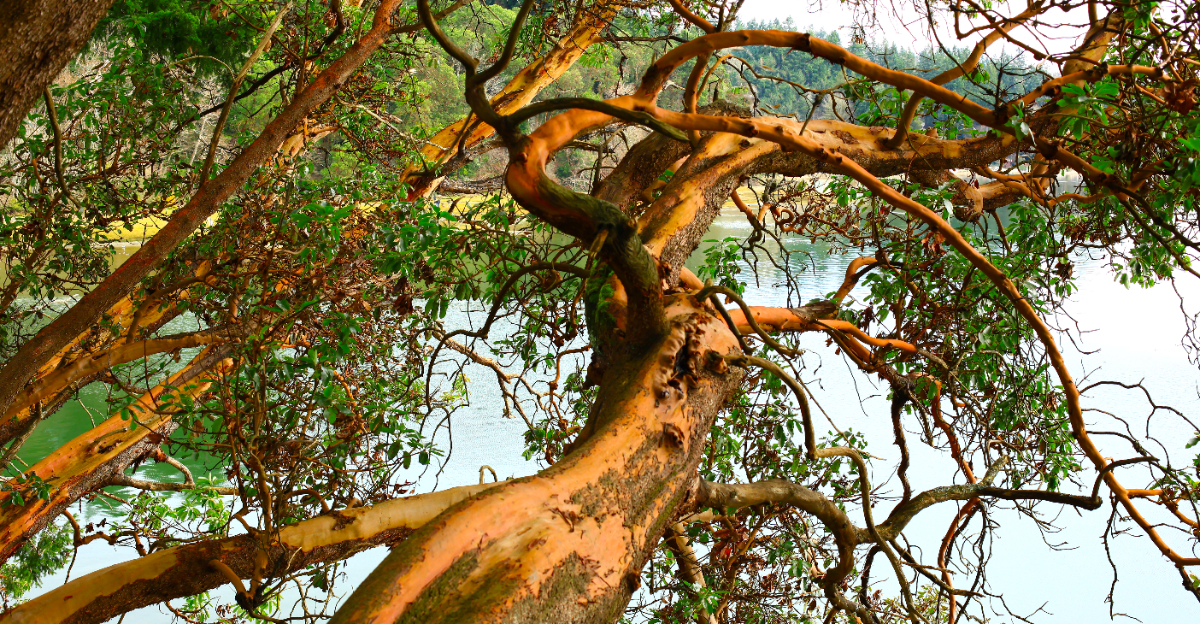
No native Oregon tree turns heads quite like Pacific Madrone. Its smooth, peeling bark transitions from bright orange-red to a cool greenish tone as it ages, creating one of the most visually striking trunks in all of North American forestry.
People often stop and stare the first time they see one up close.
Pacific Madrone is an evergreen broadleaf tree native to coastal and inland Oregon. It thrives in dry, rocky, well-drained soils and handles drought conditions well once established.
Full sun exposure suits it best, and it does particularly well on slopes and hillsides where water drains quickly away from the roots.
In spring, clusters of small white flowers appear and attract bees and other pollinators. By fall, clusters of bright red-orange berries ripen and become an important food source for birds like band-tailed pigeons, robins, and varied thrushes that live throughout Oregon’s forests and coastal areas.
Pacific Madrone can be tricky to transplant, so starting with a young nursery-grown tree and disturbing its roots as little as possible gives you the best chance of success. Once established, it is remarkably tough and long-lived.
Growing one in your Oregon yard means enjoying a truly iconic Pacific Northwest native tree for generations to come.