The Native Pennsylvania Vine That Spreads Aggressively In A Good Way Along Fences
Most gardeners approach aggressive spreading vines with immediate suspicion, and usually that suspicion is well earned.
A vine that spreads without invitation tends to become a removal project within a few seasons.
But there are exceptions, and this native Pennsylvania vine is one of the most useful ones available to residential gardeners in the state.
It spreads along fences with a confidence that would normally be concerning. But what it does as it moves is exactly what you want from a fence planting.
Dense, layered coverage that crowds out weeds, creates habitat for birds and beneficial insects, and delivers seasonal interest that no fence panel replicates.
Because it’s native to Pennsylvania, it belongs here ecologically in ways that non-native spreaders never do. Here’s the vine worth letting loose along your Pennsylvania fence line.
Plant Virginia Creeper To Quickly Cover A Fence
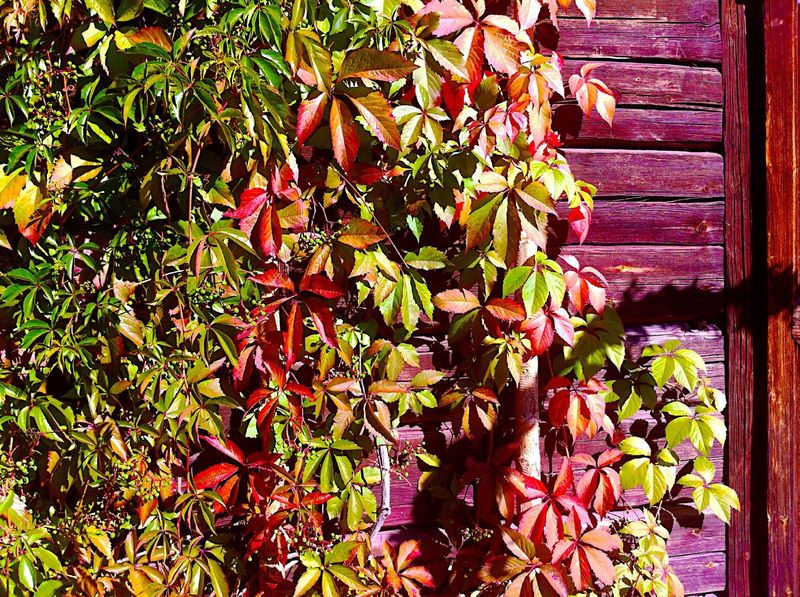
Picture a plain fence transformed into a wall of green in a single growing season. That is the kind of magic Virginia creeper (Parthenocissus quinquefolia) brings to a yard.
Native to Pennsylvania and much of eastern North America, this vine has been climbing trees and fences long before gardeners started planting it on purpose.
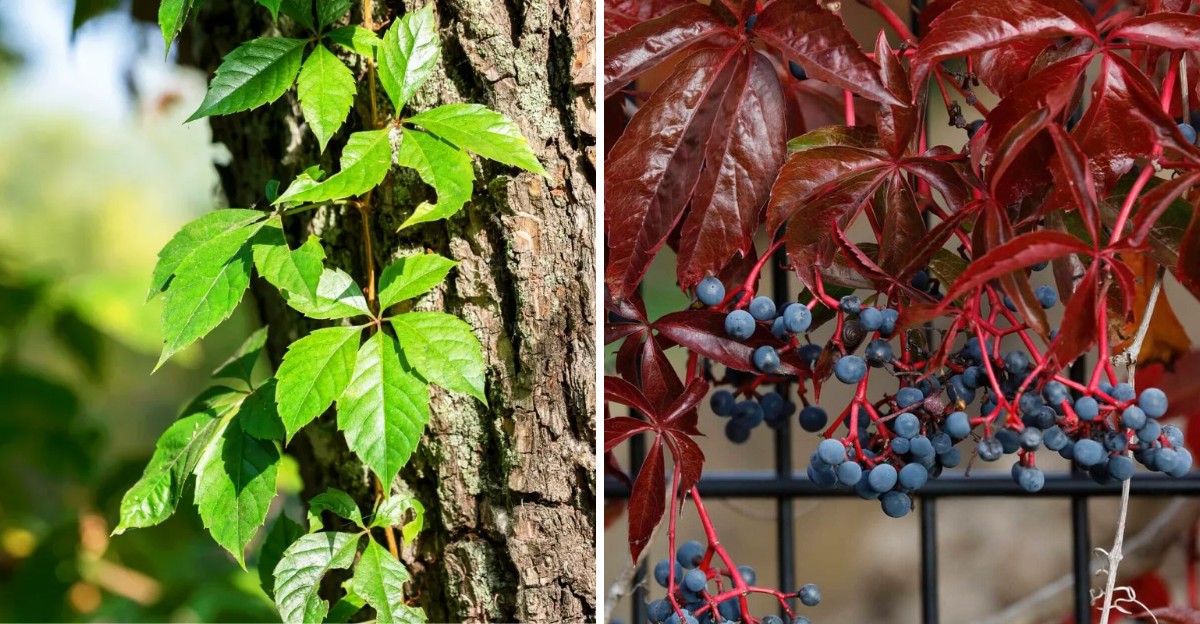
It is famous for its leaves, which come in groups of five leaflets that fan out like fingers on a hand. People sometimes mistake it for poison ivy, but poison ivy grows in threes, not fives.
What makes this vine so useful is its speed. Once it settles into a spot, it can push out many feet of new growth each year. That fast pace means a bare fence can turn into a leafy natural screen faster than most other climbing plants.
Gardeners love it for privacy, too. A thick blanket of foliage can block the view of a busy street, hide a compost pile, or soften the hard edges of a metal fence.
Because it is a true native, it fits right into local conditions without much fuss. It handles Pennsylvania winters, humid summers, and everything in between.
You do not need fancy tools to get started. Plant a young vine near the base of a fence in spring, water it while it settles, and give it a little time.
Within a season or two, you will see it grabbing hold and reaching upward. For anyone who wants big results without big effort, this vine is a smart and reliable choice.
Why Virginia Creeper Spreads So Effectively
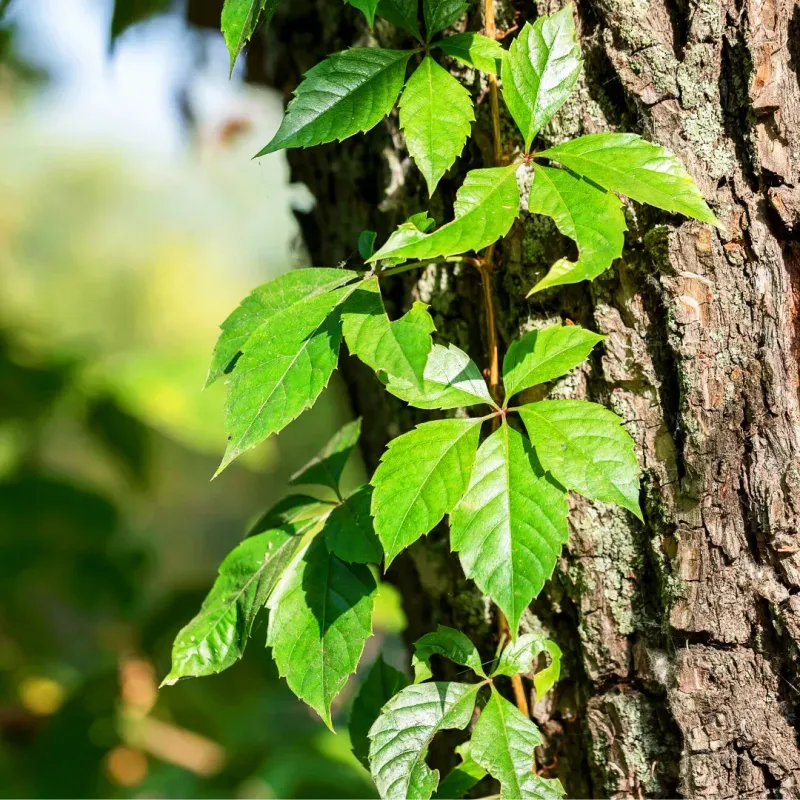
Ever wonder how some vines cling to walls without any wires or strings to hold them? Virginia creeper has a clever trick built right into its stems.
The vine grows thin, branching tendrils that reach out searching for something to grab. At the tip of each tendril are tiny pads called adhesive discs.
These little suction-like pads stick firmly to almost any surface, from rough bark to smooth fence boards.
Because of these sticky pads, the plant is self-clinging. That means it does not need a traditional trellis or netting to climb. It simply attaches itself and keeps moving upward and outward on its own.
Your Pennsylvania Garden Changes Every Week. Your Plan Should Too.
Gardening in Pennsylvania changes quickly throughout the season. Every Friday you’ll receive a simple weekly plan showing exactly what to plant, prune, fertilize, harvest, and protect so you never miss the right timing.
This self-clinging habit is a huge time-saver for gardeners. You skip the work of tying stems or building support structures. The vine handles the hard part all by itself.
Its tendrils are surprisingly strong. Once those discs latch onto a fence, they hold tight through wind and rain. That grip is part of why the plant covers surfaces so completely and evenly.
The stems also root where they touch the ground, which helps the vine spread sideways and fill in gaps. This double method of climbing up and creeping along explains the plant’s impressive coverage.
One thing worth knowing is that those sticky pads can leave small marks on painted surfaces if you ever remove the vine. On a fence you want fully covered, that is rarely a problem.
Understanding how the vine grabs on helps you guide it where you want. Point it toward your fence, and its natural tools take over from there.
Give Virginia Creeper The Right Growing Conditions
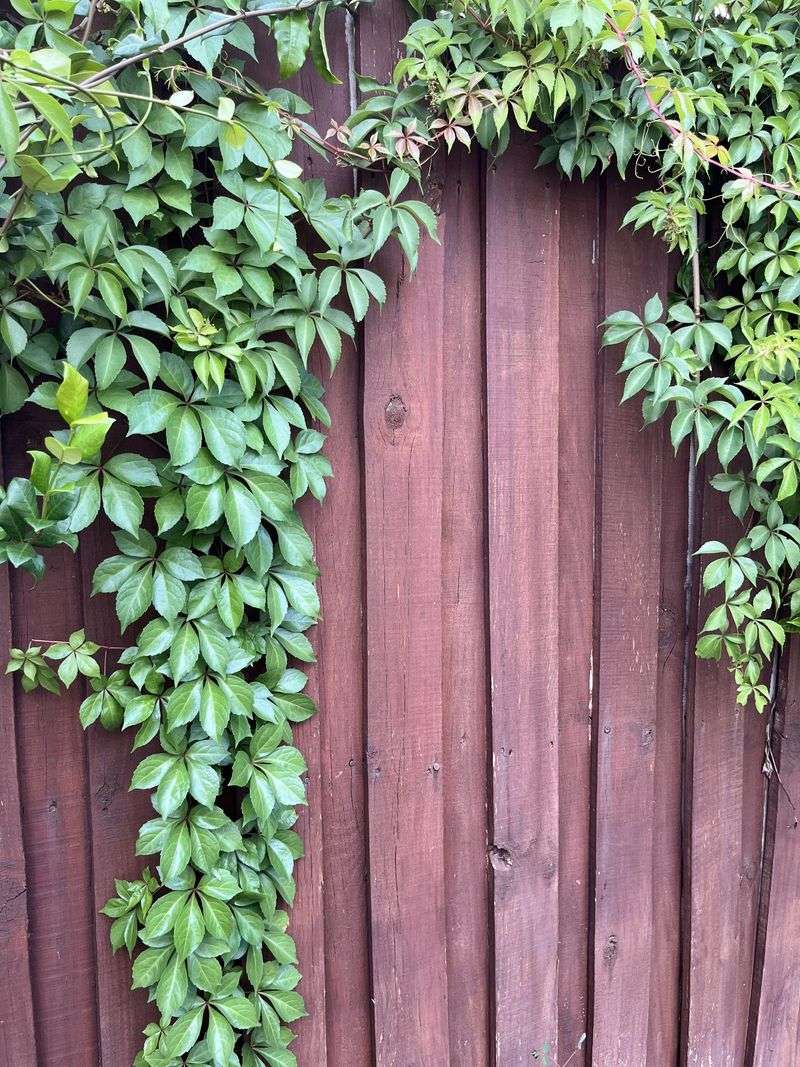
One of the friendliest things about this vine is how forgiving it is. You do not need perfect soil or a perfect spot to grow it well.
Virginia creeper handles a wide range of light. Plant it in full sun, and it grows lush and thick. Tuck it into a shady corner, and it still puts on plenty of growth.
That flexibility makes it useful along fences that get different amounts of light throughout the day.
Soil is another area where it stays easygoing. Sandy soil, clay soil, dry ground, or moist ground all work fine for this tough native. It even tolerates poor soil where many fussier plants would struggle.
Watering is simple, too. Give a new vine regular water during its first season so the roots can settle in. After that, it usually gets by on rainfall alone, though a drink during a long dry spell never hurts.
For the best start, dig a hole a bit wider than the root ball and set the plant at the same depth it grew in the pot. Firm the soil gently and water it in well.
A layer of mulch around the base helps hold moisture and keeps weeds down while the young vine gets established.
Because it adapts so easily, you can grow it in spots where other climbers fail. Steep banks, shady fence lines, and dry corners all become fair game.
This adaptability is exactly what makes it a low-stress choice. Plant it, water it early on, and let nature do most of the work for you.
How Virginia Creeper Supports Pennsylvania Wildlife
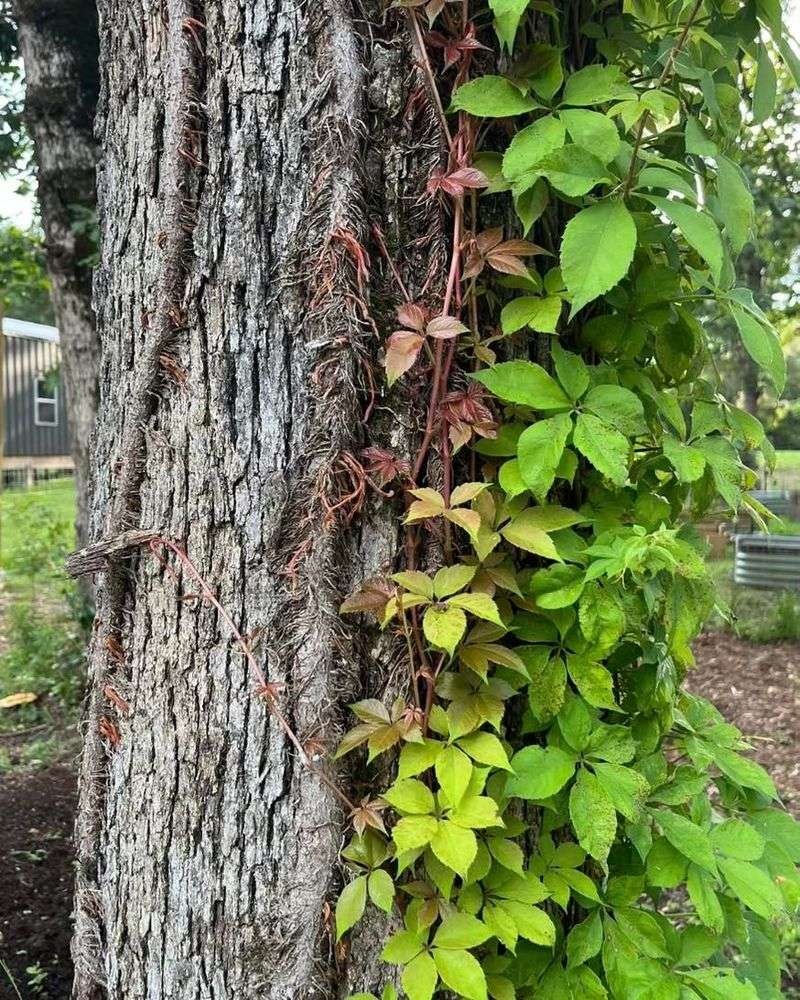
A fence covered in Virginia creeper does more than look nice. It quietly becomes a busy hub for local wildlife.
In late summer and fall, the vine produces small dark blue berries. Many Pennsylvania birds love these berries, including bluebirds, chickadees, robins, and woodpeckers. The fruit gives them energy as they prepare for colder months or long migrations.
The thick foliage matters just as much as the food. Dense leaves create safe cover where birds can hide from predators and shelter from bad weather. Some birds even build nests within the tangle of stems.
Small mammals benefit as well. The leafy growth offers hiding spots and travel routes along the fence line, connecting one part of a yard to another.
Pollinators get a turn earlier in the season. The vine’s small greenish flowers may not catch your eye, but bees and other insects visit them for nectar and pollen.
By planting a native like this, you support the whole food web. Insects feed on the plant, birds feed on the insects and berries, and the cycle keeps going.
There is one caution worth sharing. The berries are good for birds but are not safe for people to eat, so keep that in mind around curious kids.
Choosing native plants over exotic ones gives local creatures the food and shelter they evolved to use. Virginia creeper does this job beautifully while covering your fence at the same time.
If you enjoy watching birds from your window, this vine turns an ordinary fence into a front-row seat for backyard wildlife all year long.
Keep This Vigorous Vine Under Control
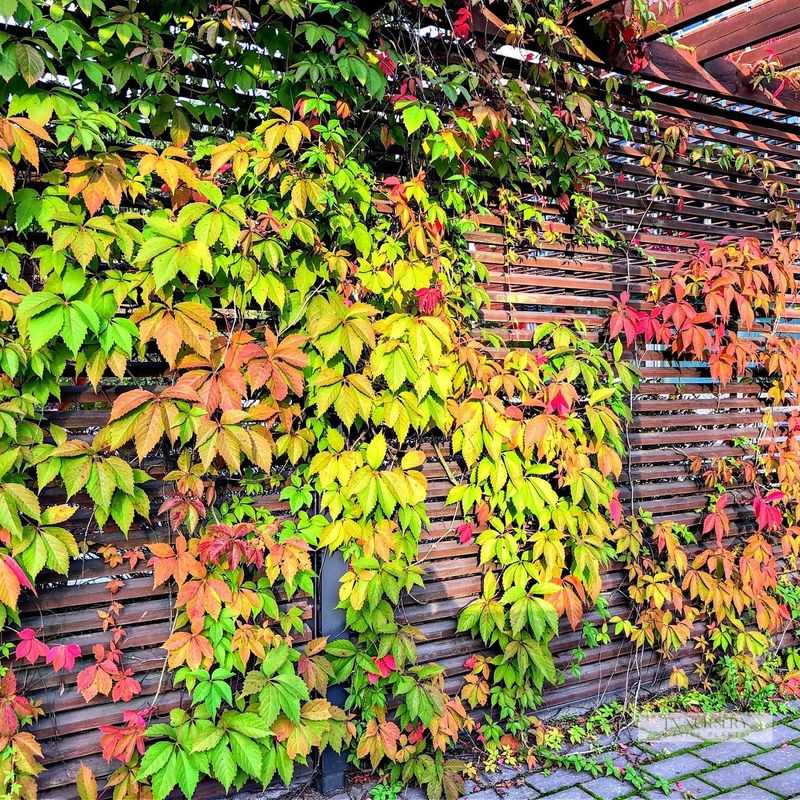
All that fast growth comes with a catch. If you look away too long, Virginia creeper will happily wander into places you never intended.
The same energy that covers a fence quickly can send the vine into trees, gutters, roofs, and neighboring plants.
Left alone, it may climb structures where it is not welcome and shade out smaller plants nearby.
Regular checking is your best defense. Walk the fence line every few weeks during the growing season and look for stems reaching beyond your target area.
When you spot wandering growth, simple pruning solves the problem. Use clean hand pruners to snip stems back to where you want them. The vine bounces back easily, so you never have to worry about hurting it.
A hard trim in late winter or early spring keeps the whole plant tidy before the new season takes off. Cutting it back at that time encourages fresh, full growth right where you want it.
Watch out for stems that touch the ground, since they can root and start new plants. Pull those up if you want to keep the vine contained.
Wearing gloves is a smart move while you work. Some people get mild skin irritation from the sap, so covering your hands keeps things comfortable.
Think of pruning as steering rather than fighting. A little effort a few times a season keeps the vine full, neat, and pointed in the right direction.
With steady attention, you get all the lush coverage without the headache of a plant that takes over. Managing this vine is easy once you make it a routine part of your yard care.
Enjoy The Fall Color And Wildlife Benefits
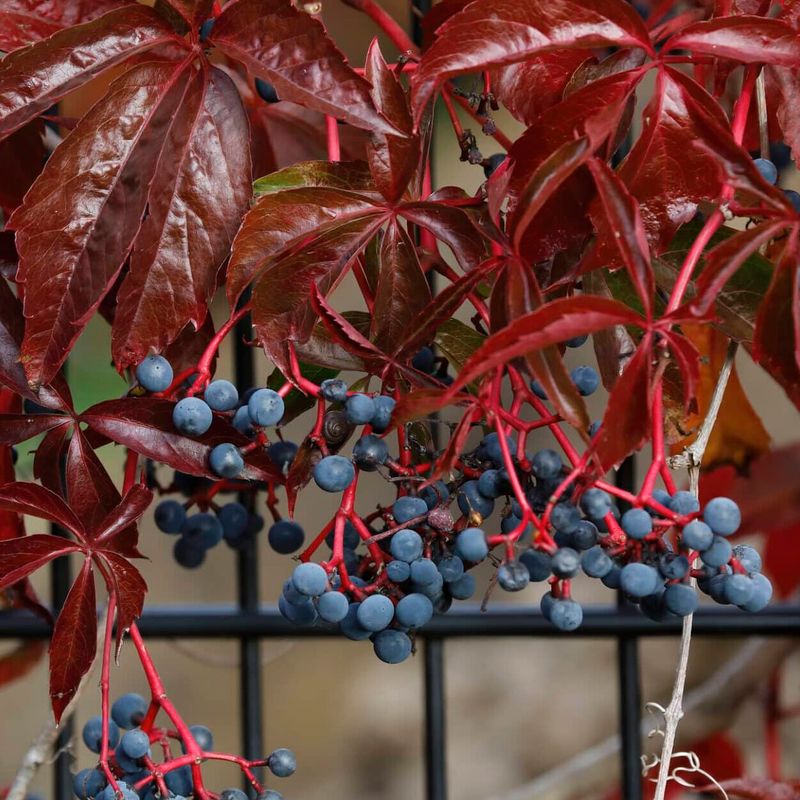
Save the best for last, because autumn is when Virginia creeper truly shows off. As cooler days arrive, its green leaves burst into shades of scarlet, crimson, and deep red.
That fiery display is one of the earliest signs of fall in Pennsylvania. A fence draped in these bright leaves can become the highlight of your whole yard.
The color does not just look pretty. It pairs perfectly with the vine’s dark berries, creating a mix of red foliage and blue fruit that catches the eye and draws in birds at the same time.
You get double value from this seasonal show. While you admire the color, wildlife stops by to feast on the berries hiding among the leaves.
The dense growth also keeps working through fall, offering birds shelter as temperatures drop. Beauty and habitat come together in one easy plant.
To make the most of the autumn view, plant the vine where you and your guests will see it often, such as along a backyard fence near a patio or window.
Here is a fun bit of history. Early American settlers noticed how brilliantly this native vine colored up each fall, and it has decorated fences and stone walls across the region for generations.
Come spring, the cycle starts fresh with new green growth, and the whole process repeats year after year.
For a plant that covers fast, feeds birds, and paints your fence with fall color, Virginia creeper is hard to beat. Give this hardworking native a spot in your yard, and it will reward you through every season.