7 New York Trees To Leave Alone When September Pruning Season Begins
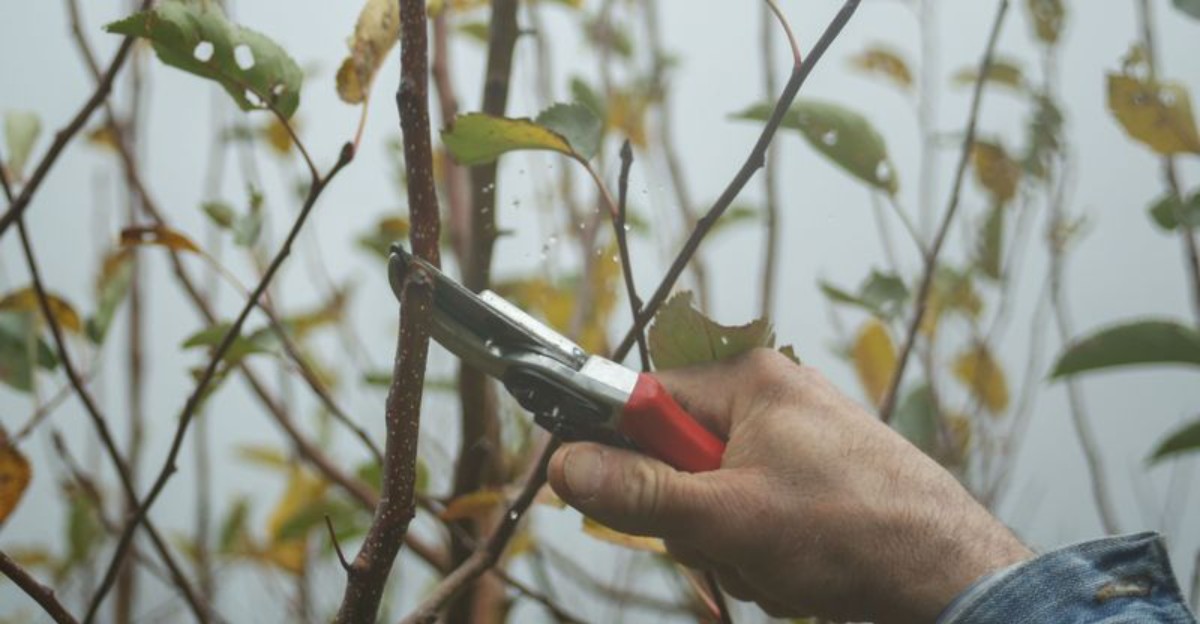
The first cool morning arrives, and suddenly every branch looks like it needs trimming. But September is not always the right time to reach for the pruners.
Many New York trees are still preparing for winter. Cutting at the wrong time can lead to sap loss, pest problems, or fewer flowers next spring.
Some trees handle light pruning well. Others are better left alone until the proper season. The tricky part is that a healthy-looking branch can already be carrying next spring’s flower buds.
Before you make that cut, check which trees prefer a fall pruning break. A little patience now can mean healthier growth and better blooms later.
1. Maples Can Leak Sap After Late Season Cuts
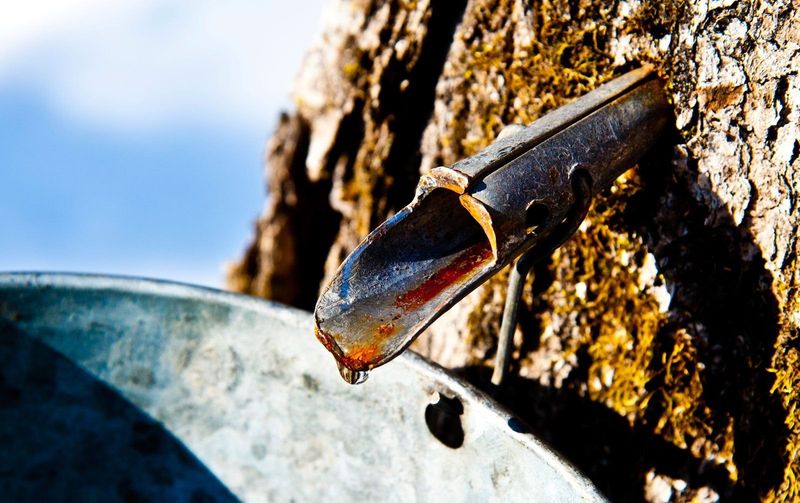
Anyone who has tapped a maple in February knows these trees run wet. That same plumbing is why a September cut often weeps sticky sap for days.
The oozing itself rarely ruins a healthy maple, but it does look messy and it draws in insects. Sugar maples, red maples, and silver maples all share this habit, and younger trees take the biggest hit.
There is a second problem with early fall trimming. Cutting stirs the tree into pushing soft new shoots, and those tender tips have no chance to toughen up before the first hard frost rolls through upstate.
Wounds made in autumn also seal slowly. A slow-closing cut is an open door for fungi and decay organisms that are still active in damp September weather.
Timing makes all the difference here. February or early March, while the tree is still napping, gives you clean cuts and fast healing once growth resumes.
Late July or early August can also work for light pruning once the main growth flush has settled down. Some arborists use that window for light shaping on street maples.
Fun bit of history: those same sap channels are why the state produces gallons of syrup every spring. Respecting that flow is simply working with the tree instead of against it.
If a branch is cracked or hanging over a driveway, safety wins and you cut it now. Otherwise, mark the limb with flagging tape and wait for winter.
2. Birches Prefer Pruning Outside Their Active Season
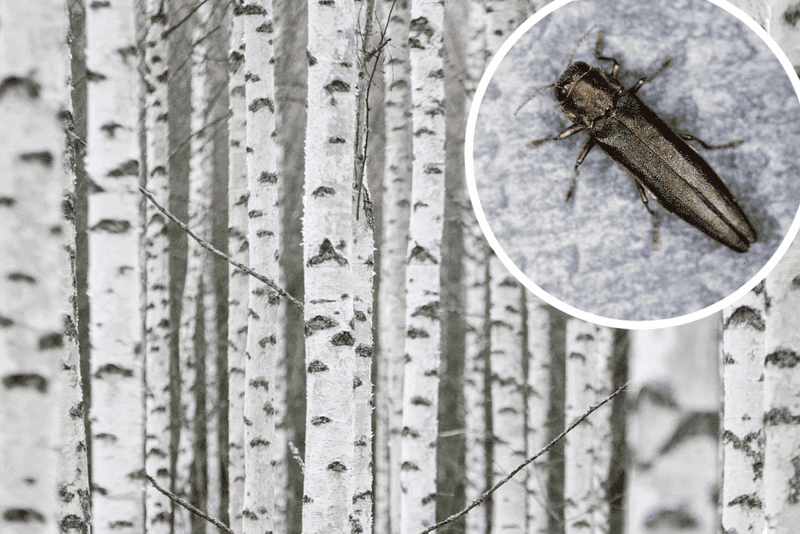
White bark, papery curls, and a habit of gushing sap when the timing is wrong. Birches are beautiful and a little dramatic about cuts.
Pressure builds inside birch trunks during late winter freeze and thaw swings, so pruning then sends sap running down the bark. The mess is mostly cosmetic on a strong tree, yet most gardeners would rather skip it.
Late spring into early summer brings a bigger worry. Bronze birch borer adults are on the move then, and fresh wounds act like a dinner bell for them.
September is better treated as a pause for routine pruning. If a birch needs attention, stick to dry, damaged, or hazardous branches and save major cuts for a better pruning window.
A practical rule: if you must touch a birch around now, keep it small. Remove rubbing twigs and dry branches, then stop.
Your New York Garden Changes Every Week. Your Plan Should Too.
Gardening in New York changes quickly throughout the season. Every Friday you’ll receive a simple weekly plan showing exactly what to plant, prune, fertilize, harvest, and protect so you never miss the right timing.
Early winter dormancy is another workable option, though some sap flow can still happen. Cooler temperatures at least keep borers out of the picture.
Watch the tree itself for clues. Thinning at the top or D-shaped exit holes in the bark means the tree is already fighting borers, and cutting adds pressure it cannot spare.
Mulch the root zone and water during dry spells instead. A relaxed birch resists insects far better than a stressed one does.
3. Walnuts Need Careful Timing Before Cutting
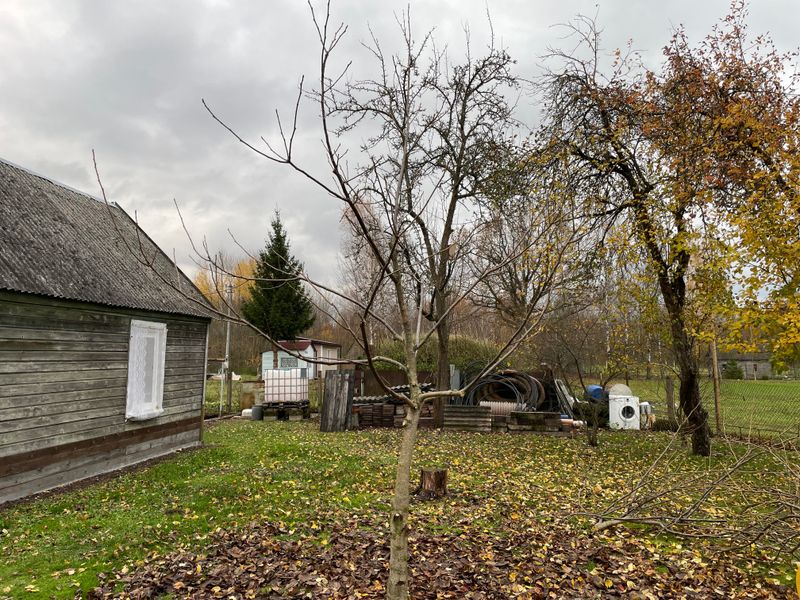
Black walnut is the tree that fights back chemically. Cut it during the growing season and you get sap, stains, and a chemical called juglone doing its thing.
March through September counts as active time for walnuts. Pruning during the growing season can leave wounds that are more vulnerable to pest and disease problems.
Walnut cuts can release sap during the growing season, sometimes leaving noticeable streaks on the trunk.
Patience pays off here. October through February is the sweet spot, once leaves have dropped and the tree has pulled resources down into its trunk and roots.
Late February into early March, right before buds swell, is a favorite window among growers who want straight timber. Clean cuts then callus quickly once spring arrives.
There is one exception worth remembering. Minor corrective work, like reducing a competing leader after frost damage, is sometimes handled in late June or early July.
Walnut wood is valuable, which is why timing matters beyond looks. A trunk free of wounds and side branches brings a much better price if the tree is ever harvested.
Homeowners with a walnut near a garden already know about juglone and its effect on tomatoes and other sensitive plants. Pruning does not change that, so plan beds accordingly.
Leave the saw alone in September. Circle October on the calendar and enjoy the nut harvest in the meantime.
4. Oaks Need Fall Pruning Caution To Reduce Problems
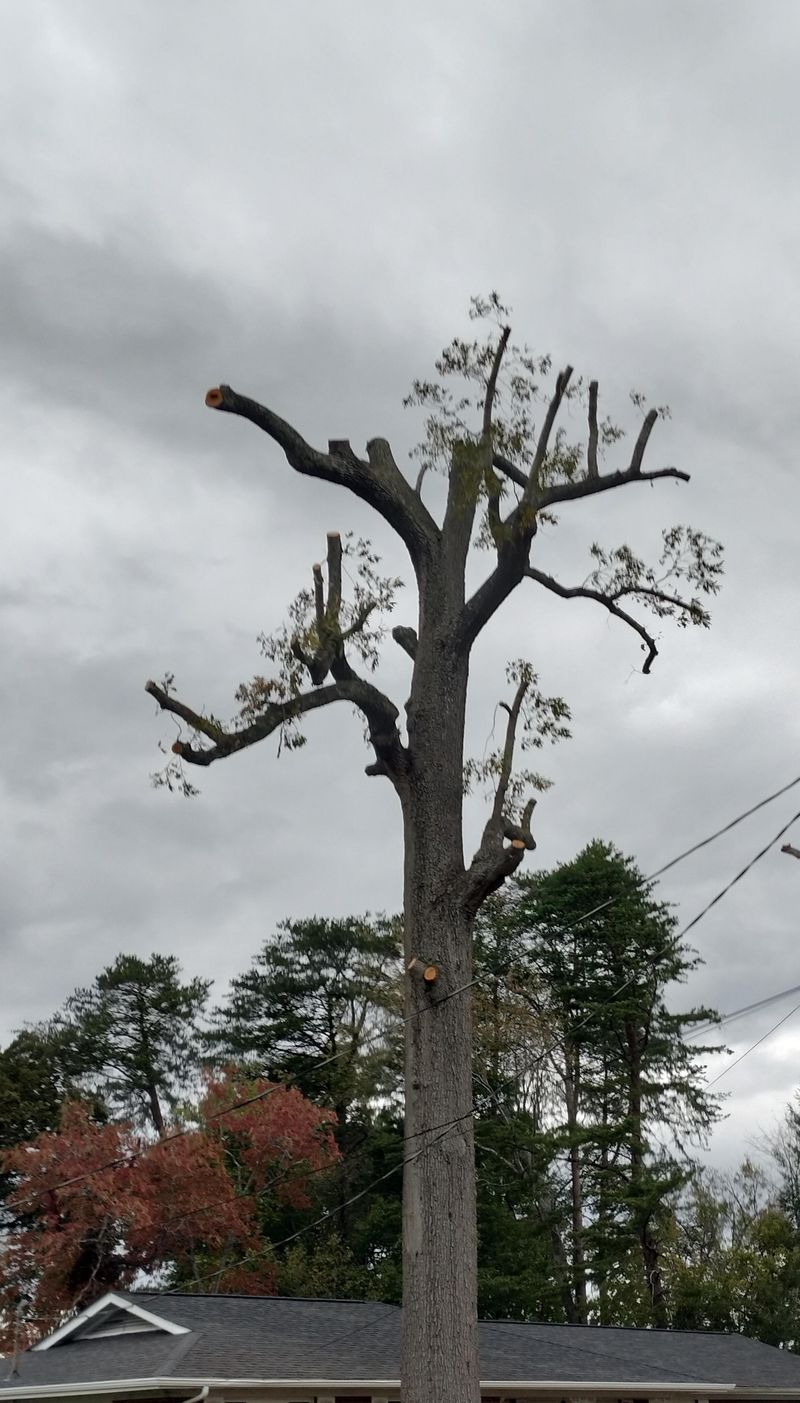
Oak wilt has been confirmed in parts of New York, and that single fact changes how careful you should be with a saw. The fungus travels from tree to tree, and fresh cuts help it along.
Sap-feeding beetles are the delivery service. They pick up fungal spores, then fly straight toward the sweet smell of a new pruning wound.
Beetle activity peaks roughly between February and June, which is why spring and early summer cuts carry the highest risk. September sits closer to the safe zone, but not fully inside it on warm years.
Warm, humid early fall weather in the Hudson Valley can keep insects moving longer than expected. Waiting removes the guesswork entirely.
November through February is the reliable window. Beetles are quiet, spores are far less active, and the bare canopy lets you see structure clearly.
If storm damage forces your hand in September, make the necessary cut and leave the wound clean. In areas with a history of oak wilt, Cornell recommends covering fresh wounds with paint to reduce beetle transmission risk.
Keep an eye on the canopy through the season. Leaves that brown from the edges inward and drop early can signal wilt, and a call to a certified arborist is the right next step.
Oaks feed more wildlife than nearly any other tree in the state, from squirrels to hundreds of caterpillar species. Protecting one mature oak does a lot of quiet good for your whole neighborhood.
5. Dogwoods Benefit From Proper Pruning Timing
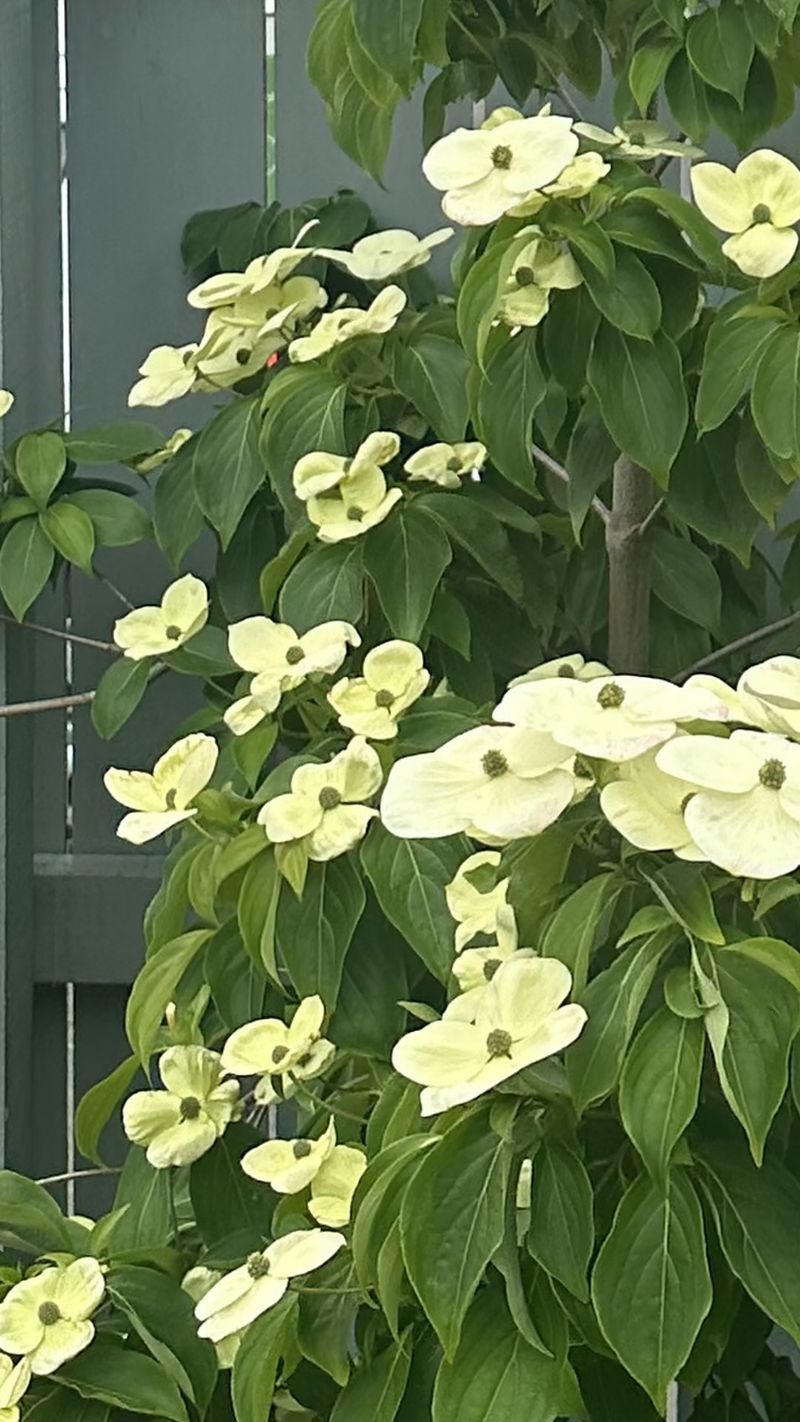
Picture those white blossoms floating along the branches in May. Now picture a September trim quietly removing half of them before they ever open.
Flowering dogwoods set next spring’s buds on growth made the previous year. Cut in early fall and those buds go into the yard waste bag.
Sap leakage is the second issue. Dogwoods bleed when cut during active months, and the scent of fresh sap draws dogwood borers looking for a place to lay eggs.
Borers are a real headache on stressed trees. A wound made in warm weather gives them exactly the opening they want.
September also tends to bring lingering heat and dry soil. Pruning adds stress at a moment when the tree is trying to build root reserves.
Late winter or very early spring works well for structural cuts, while the tree is still dormant and leafless. You can see crossing branches clearly and the wounds close fast once growth starts.
For bloom lovers, the better choice is trimming right after flowers fade in late spring. That short window lets the tree recover and form fresh buds for the following year.
Suckers at the base can be snapped off almost any time without harm. Everything else deserves a calendar note.
A dogwood in good shape needs very little cutting anyway. Their tiered, layered branching is half the charm, so light hands win.
6. Fruit Trees Need Seasonal Cuts For Better Growth
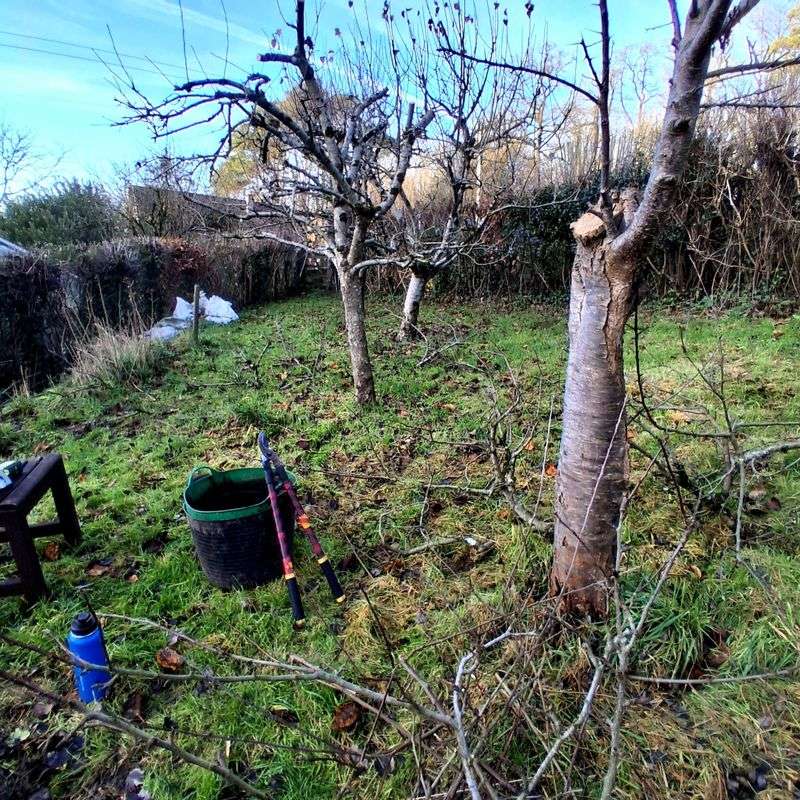
Ask any Hudson Valley orchardist when they prune and they will point at a snowy calendar page. Apples and pears get shaped in the quiet of late winter, not during harvest season.
September pruning can encourage new growth at a time when trees are preparing for winter. That growth may not harden off fully before freezing weather arrives.
There is also a nutrient story happening right now. Fruit trees pull sugars and minerals out of leaves and small twigs and move them into branches, trunk, and roots before dormancy.
Removing healthy twigs late in the season also removes some of the resources the tree is storing for winter.
Late winter through early spring, before buds break, is the prime window for structural work. Cuts made then trigger strong, well-timed growth once temperatures climb.
Dormant pruning also helps with disease pressure. Apple scab and fire blight bacteria spread far less readily in cold, dry conditions than in humid early fall.
Summer has its own small role. Light thinning in July helps let sunlight into the canopy and slows down overly vigorous watersprouts.
Right now, focus on the fun part instead. Pick your apples, rake up fallen fruit to reduce disease carryover, and water young trees if rainfall has been thin.
Central New York growers often walk their rows in fall with flagging tape, marking what needs to go. Come February, the job is already half planned.
7. Flowering Trees Need Bud Protection Before Spring
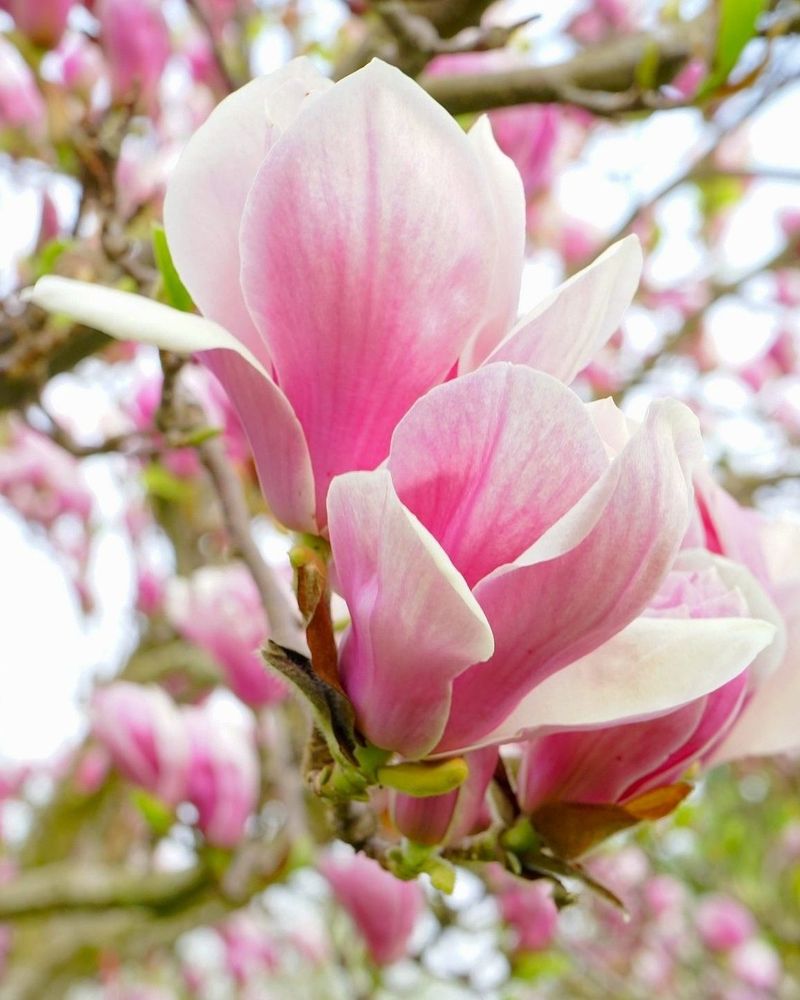
Those fuzzy little bumps on your magnolia twigs right now are not random. Each one holds a flower that is already packed and waiting for April.
Spring bloomers like magnolias, flowering cherries, crabapples, redbuds, and serviceberries build their buds during summer. September cuts remove them before anyone gets to enjoy the show.
Losing blooms stings the most on street-side trees that neighbors look forward to every year. One well-meaning fall trim can mean a quiet, green spring instead of a pink one.
Beyond the flowers, late season cutting nudges the tree into growing when it should be slowing down. Fresh shoots meeting a December rarely end well.
The straightforward fix is waiting until blossoms fade in late spring. Prune within a few weeks of the petals dropping and the tree has plenty of season left to set buds for next year.
Summer-flowering trees follow a different script. Crapemyrtles and similar bloomers flower on new wood, so late winter or early spring trimming actually improves their display.
Not sure which camp your tree belongs to? Note the month it blooms this coming season and write it on a garden tag.
Broken, rubbing, or clearly unhealthy branches can come off whenever you spot them. Safety and structure beat flower counts every time.
Otherwise, let September be a season for raking, planting bulbs, and admiring what New York yards already have going on.