The Native Wildflower Every Texas Garden Should Have This Spring
There’s something magical about the wildflowers that burst into bloom across Texas in the spring. Their vibrant colors add a lively touch to gardens, fields, and roadsides, creating a scene that feels fresh and full of life.
While many flowers thrive in the Texas landscape, one particular beauty truly stands out for its bold, cheerful display and effortless charm.
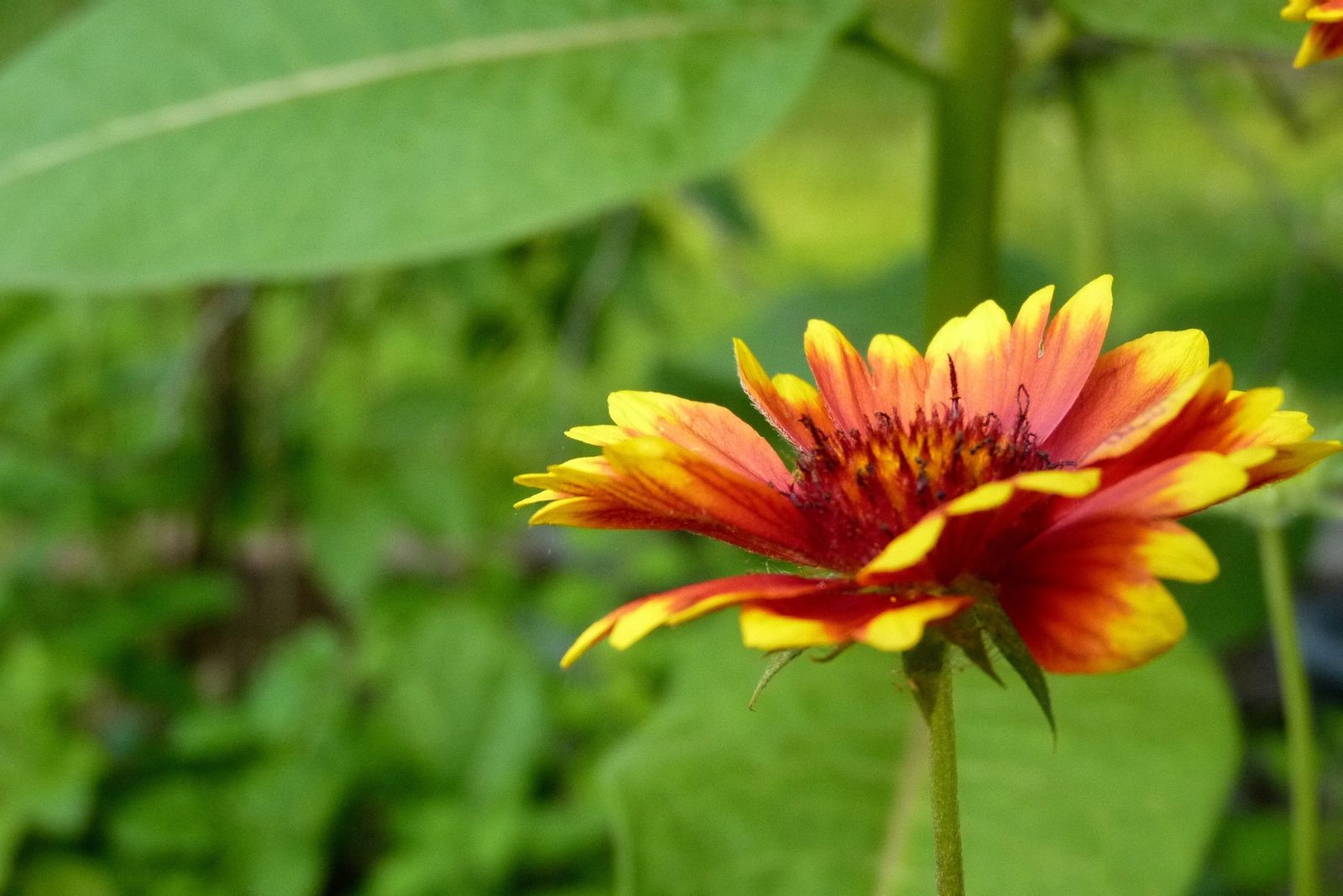
This wildflower is known for its striking red and yellow petals, which seem to glow against the green of the grass.
It’s not only a showstopper in terms of color, but it also attracts pollinators like bees and butterflies, helping to support the local ecosystem. Plus, it’s perfectly suited to the Texas climate, handling both heat and drought with ease.
If you want to bring a bit of Texas’ natural beauty into your own garden this spring, Indian blanket is a must-have for its stunning blooms and low-maintenance care.
1. Why Indian Blanket Is A Must-Have For Texas Gardens?
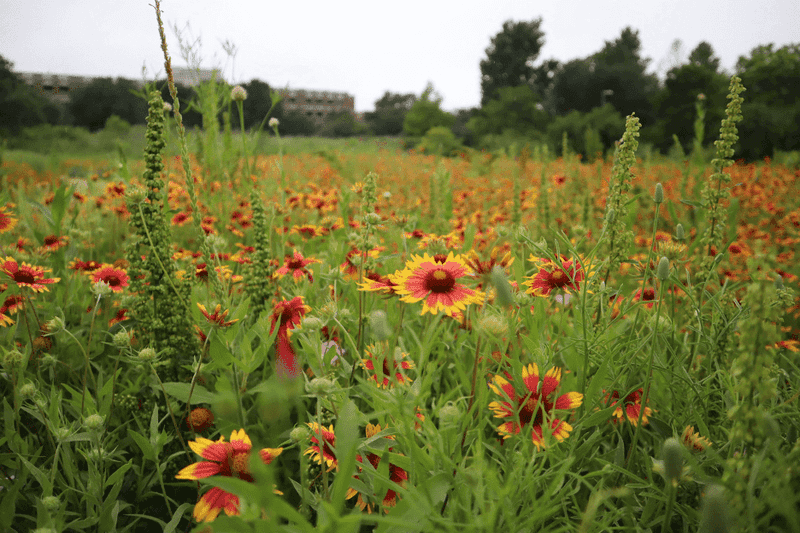
Picture a flower so bold and bright that it stops you in your tracks. That is exactly what Indian Blanket does every spring across Texas.
This native wildflower, known by its scientific name Gaillardia pulchella, has been painting the Texas landscape for centuries with its striking red-and-yellow blooms. The petals fan out like the points of a sunburst, and the colors are so vivid they almost look painted on.
Indian Blanket earned its name from the way large groups of the flower resemble the colorful woven blankets of Native American tribes. And just like those blankets, this wildflower is both beautiful and built to last.
It thrives in the Texas heat, handles dry spells without complaint, and comes back year after year by reseeding itself naturally. That means once you plant it, it keeps rewarding you with color season after season.
Gardeners across Texas, from Austin to El Paso, love Indian Blanket because it asks for very little but gives back so much.
It adds instant curb appeal to any yard, fills in bare spots with cheerful color, and creates a welcoming habitat for bees, butterflies, and other pollinators. In fact, it is one of the best native plants you can grow if you want to support local wildlife.
Beyond its beauty, Indian Blanket is one of the most low-maintenance flowers you will ever grow. You do not need fancy soil, expensive fertilizers, or a green thumb to make it work.
For Texas gardeners who want big color with minimal effort, this wildflower is the perfect choice every spring.
2. Best Time To Plant Indian Blanket Seeds
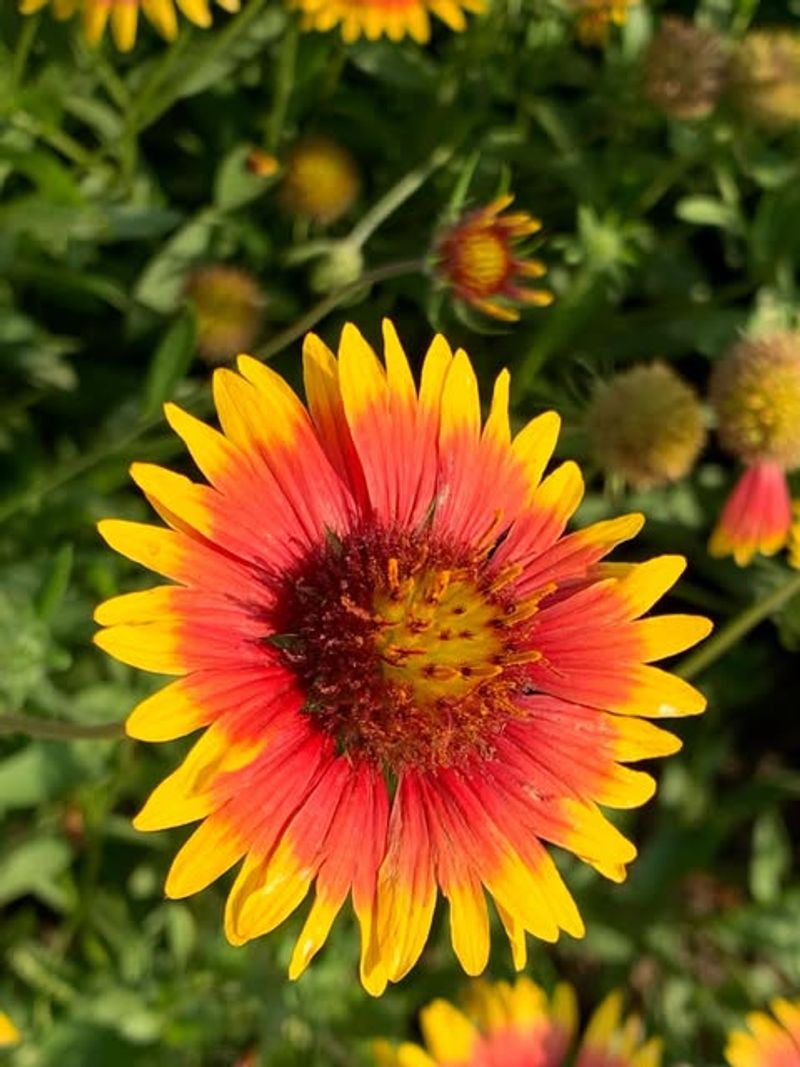
Timing really does make a big difference when it comes to growing Indian Blanket. In most parts of Texas, early spring is the sweet spot for planting seeds directly in the ground.
The soil needs to be warm enough to wake the seeds up, ideally somewhere between 65 and 70 degrees Fahrenheit. Once that warmth settles in, germination happens quickly, usually within 10 to 14 days.
Most Texas regions hit that soil temperature range somewhere between late February and early April, depending on where you live. Gardeners in South Texas, around San Antonio or Corpus Christi, can often start a little earlier.
Those in North Texas or the Panhandle near Amarillo should wait until mid-March or even early April to be safe. Planting too early in cold, wet soil can slow things down or prevent germination altogether.
One of the great things about Indian Blanket is that spring planting leads to beautiful blooms by late spring and into early summer. That means you will not be waiting forever to see results.
Within just a few weeks of planting, tiny seedlings will start poking through the soil, and by May or June, your garden will be bursting with color.
You can also plant Indian Blanket seeds in fall in some Texas regions, which allows them to overwinter and bloom even earlier the following spring. But for most gardeners just getting started, an early spring planting is the easiest and most reliable approach.
Mark your calendar, warm up that soil, and get those seeds in the ground for a spectacular Texas spring show.
3. Choosing The Right Location In Your Yard
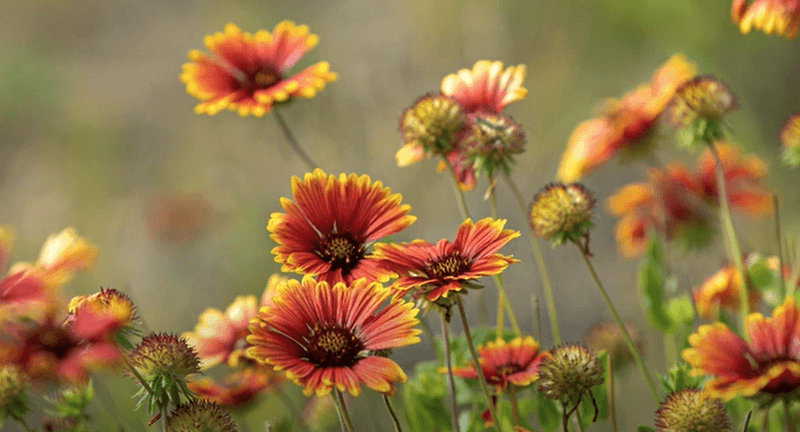
Sunshine is non-negotiable for Indian Blanket. This wildflower is a total sun lover and needs at least six to eight hours of direct sunlight each day to grow and bloom at its best.
If you plant it in a shady corner, it will struggle to flower and may not survive the season. Choose a spot in your yard that gets full sun from morning to afternoon for the happiest plants.
Soil quality is much less of a concern, which is one of the reasons gardeners all over Texas celebrate this flower. Indian Blanket actually prefers well-draining soil, and it handles poor, sandy, or rocky soils surprisingly well.
If you have heavy clay soil that holds water, consider amending it with a little sand or gravel to improve drainage. Overly wet roots are one of the few things that can cause problems for this otherwise tough wildflower.
As for where to plant it in your yard, the options are wide open. Indian Blanket looks stunning along garden borders, where its bright blooms create a cheerful edge.
It thrives in wildflower meadows, filling in large areas with natural-looking color that feels right at home in the Texas landscape. It even grows well in containers on patios and porches, making it a flexible choice for both large and small outdoor spaces.
Whether your garden is in Dallas, Houston, or a small town in the Texas Hill Country, finding the right sunny spot is the most important first step.
Get the location right, and Indian Blanket will practically take care of itself from there, rewarding you with weeks of brilliant color and garden-fresh beauty.
4. Planting And Care Tips That Actually Work
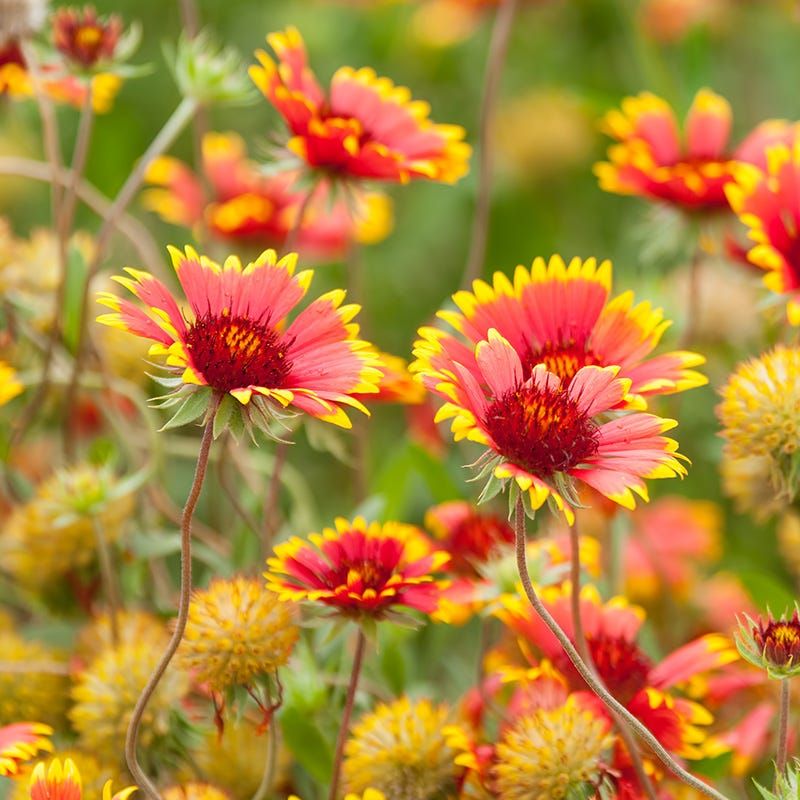
Planting Indian Blanket could not be simpler, and that is a big part of its charm. Start by scattering seeds lightly across the soil surface in your chosen sunny spot.
You do not need to plant them deep. A light covering of soil, about an eighth of an inch, is all they need.
Press the seeds gently into the ground to ensure good contact with the soil, and you are already halfway done.
After planting, water lightly but consistently until seedlings emerge. The goal is to keep the soil slightly moist without soaking it.
Overwatering at this stage can actually cause more harm than good. Once you see those first little green shoots poking up, you can start to ease back on watering.
Indian Blanket is drought-tolerant by nature, which means it is perfectly suited for the often dry springs and summers across Texas.
Once established, Indian Blanket is one of the most self-sufficient plants you will find. It needs very little watering, no fertilizer, and almost no pruning.
Deadheading spent blooms can encourage more flowers to form, but even if you skip that step, the plant will keep blooming on its own schedule. At the end of the season, let the seed heads dry out naturally on the plant.
Here is a fun bonus: Indian Blanket reseeds itself every year. The dried seeds fall to the ground and sprout new plants the following spring, giving you a continuous display of color with almost zero effort.
Many Texas gardeners find that their Indian Blanket patch actually grows bigger and more beautiful with every passing year, all without replanting a single seed.
5. Companion Plants For A Stunning Texas Wildflower Display
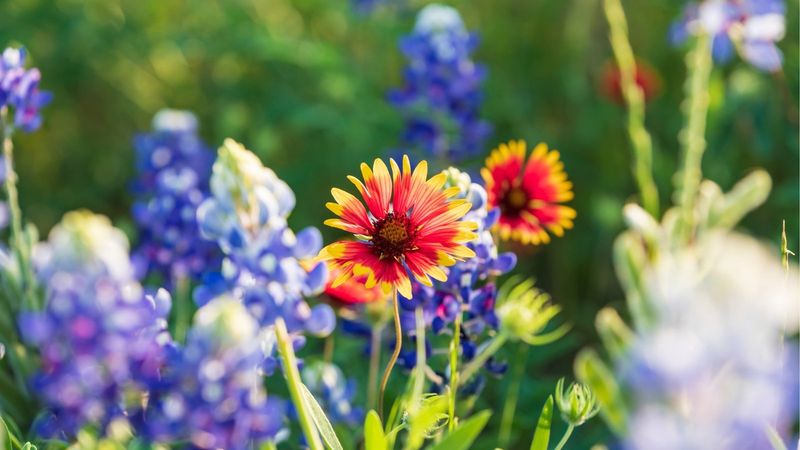
Indian Blanket is gorgeous on its own, but pair it with the right neighbors and your Texas garden becomes something truly breathtaking.
Native wildflowers tend to grow well together because they evolved in the same environment, face the same weather challenges, and attract the same pollinators.
Mixing a few well-chosen companions with Indian Blanket creates a layered, natural look that blooms for months at a time.
Black-Eyed Susan is one of the best companions you can choose. Its golden-yellow petals with a dark center complement Indian Blanket’s red-and-yellow tones beautifully, and both flowers bloom around the same time in spring and early summer.
Winecup is another fantastic pairing. Its deep magenta blooms add rich contrast and fill in the spaces between taller plants, creating a full, lush look across garden beds and meadows alike.
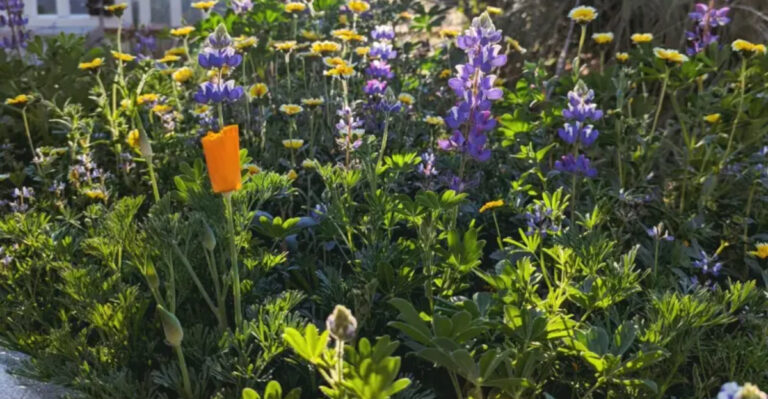
Of course, no Texas wildflower garden would be complete without Bluebonnet. As the official state flower of Texas, Bluebonnet brings cool blue-purple tones that make the warm reds and yellows of Indian Blanket pop even more.
Plant them together in a sunny open area, and the color combination is absolutely showstopping, especially during peak bloom season in April and May.
Beyond beauty, mixing these native plants together creates a richer habitat for pollinators and wildlife. Bees, butterflies, and even hummingbirds will visit regularly when you offer a variety of blooms.
Birds also appreciate the seed heads at the end of the season. Building a native wildflower mix in your Texas garden is not just pretty, it is also a meaningful way to support the local ecosystem and celebrate the natural beauty of the Lone Star State.
6. Enjoying Your Indian Blanket Blooms All Season Long
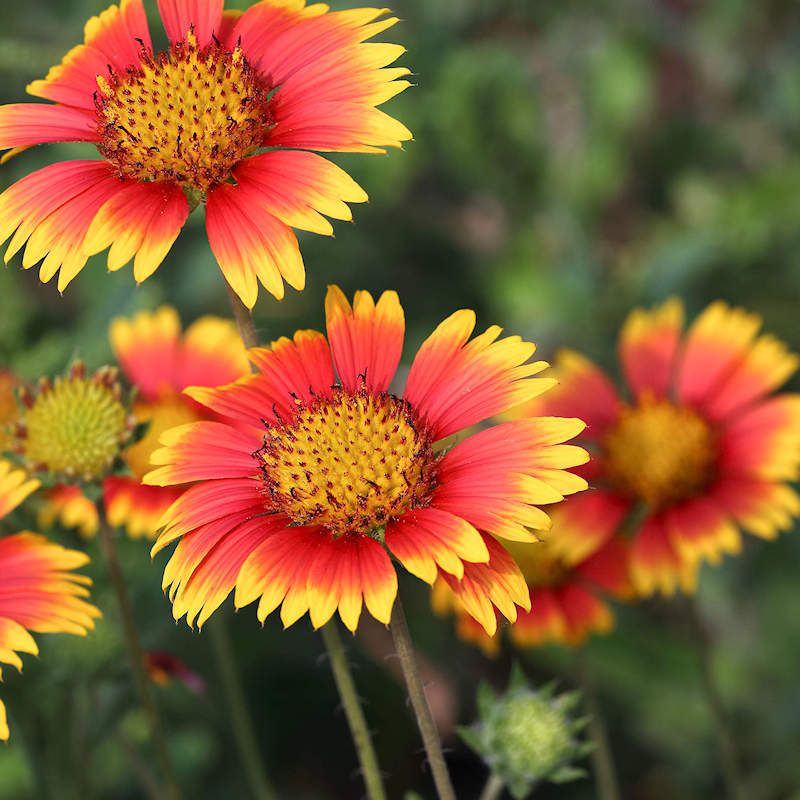
There is something deeply satisfying about watching a flower you planted from seed burst into full bloom. Indian Blanket delivers that joy reliably every spring across Texas.
Flowers typically begin appearing in late April and can keep going strong well into June or even July in some parts of the state. That is weeks of vibrant color that brightens your yard without demanding much attention from you at all.
If you enjoy fresh-cut flowers indoors, Indian Blanket makes a wonderful addition to any vase. The stems are sturdy enough to hold up well after cutting, and the bold red-and-yellow blooms bring a burst of Texas sunshine right into your home.
Cutting flowers regularly can actually encourage the plant to produce even more blooms, so do not be shy about snipping a few stems for your kitchen table or living room.
For gardeners who prefer a more natural look, Indian Blanket is also perfect for naturalized areas of the yard. Let it spread freely across an open patch of ground and it will create a wild, meadow-like feel that looks stunning and requires almost no upkeep.
It is the kind of garden feature that impresses neighbors and visitors without requiring weekends of hard work to maintain.
As summer winds down, resist the urge to cut everything back right away. Leaving the dried seed heads on the plant allows natural reseeding to happen, which means your Indian Blanket patch will return even stronger next spring.
Across Texas, from the Piney Woods of East Texas to the wide plains of West Texas, this cheerful wildflower continues to earn its place as a springtime garden favorite year after year.