The Nighttime Pest Leaving Perfect Half-Moon Bites On Oregon Leaves
You walk through your Oregon garden in the morning, coffee in hand, and something looks suspicious.
A few leaves that seemed perfectly fine yesterday now have neat little half-moon bites along their edges. Not ragged holes. Not random chewing.
These marks look almost too tidy, as if someone stopped by overnight with a miniature hole punch and excellent attention to detail.
Naturally, the first instinct is to start searching for the culprit. You check beneath the leaves, inspect nearby stems, and maybe stare accusingly at every insect that happens to wander past.
Yet the visitor responsible can be surprisingly difficult to catch in action, especially if your garden inspection happens during daylight hours.
That is what makes these distinctive bites such an interesting clue. Their shape can tell you quite a bit about what has been happening after sunset, even when the mystery guest is nowhere to be seen.
If those curved notches keep appearing on plants around your yard, your garden may be hosting a nighttime visitor with some very recognizable dining habits. And apparently, presentation matters.
1. Those Half-Moon Bites Point Straight To The Culprit
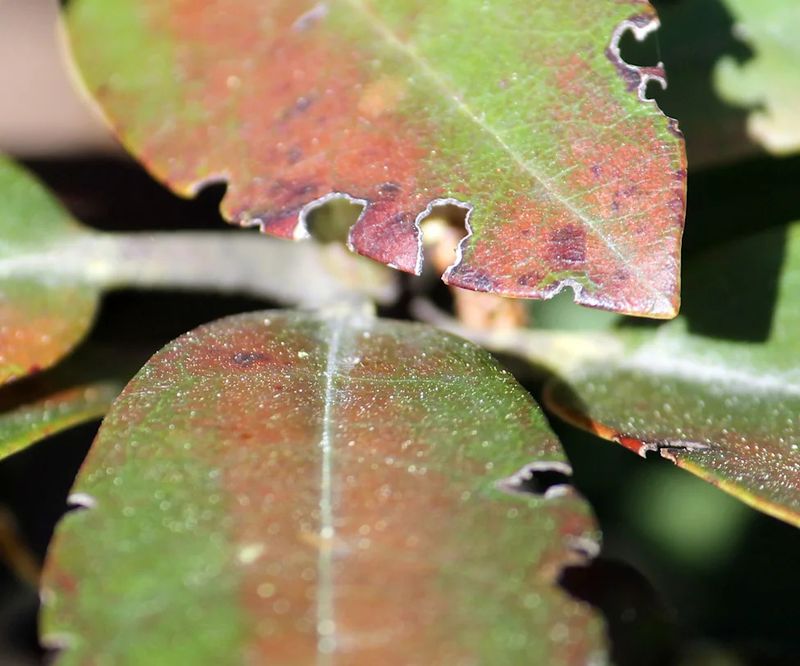
Not every garden pest leaves behind such a neat calling card. The half-moon bites you see along your leaf edges are almost always the work of root weevils.
These small, hard-shelled beetles chew in a very specific way, creating smooth, curved notches that look almost too perfect to be made by an insect.
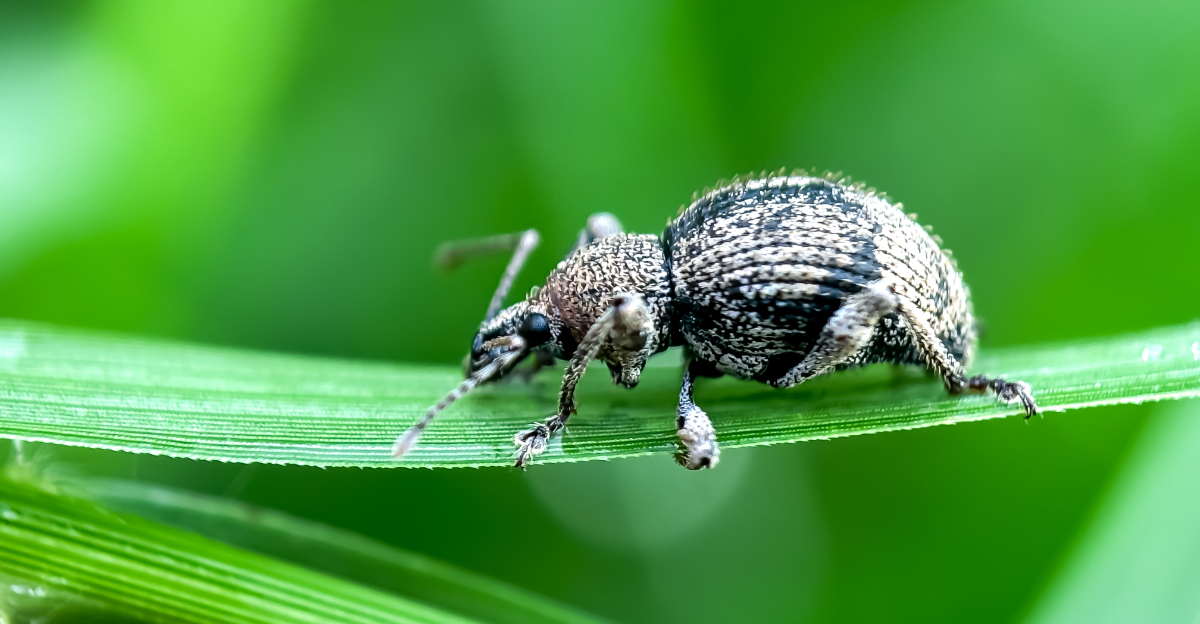
Root weevils belong to a large family of beetles called Curculionidae. There are many species, but the black vine weevil is one of the most common troublemakers in home gardens.
They are usually dark brown or black and are only about a quarter to half an inch long. Their snouts are short and stubby compared to other weevil types.
The notching pattern is caused by the way weevils feed. They grip the leaf edge and chew in a slow, steady arc.
Each bite removes a small piece of leaf tissue in a curved shape. Over time, one plant can end up with dozens of these notches all around its leaves.
Many gardeners mistake this damage for slug or caterpillar feeding, but those pests leave ragged, irregular edges. Root weevil damage is smooth and consistent.
Once you recognize the pattern, it becomes easy to spot. Knowing the pest is half the battle when it comes to protecting your garden plants from further harm.
2. The Culprit Usually Comes Out After Dark
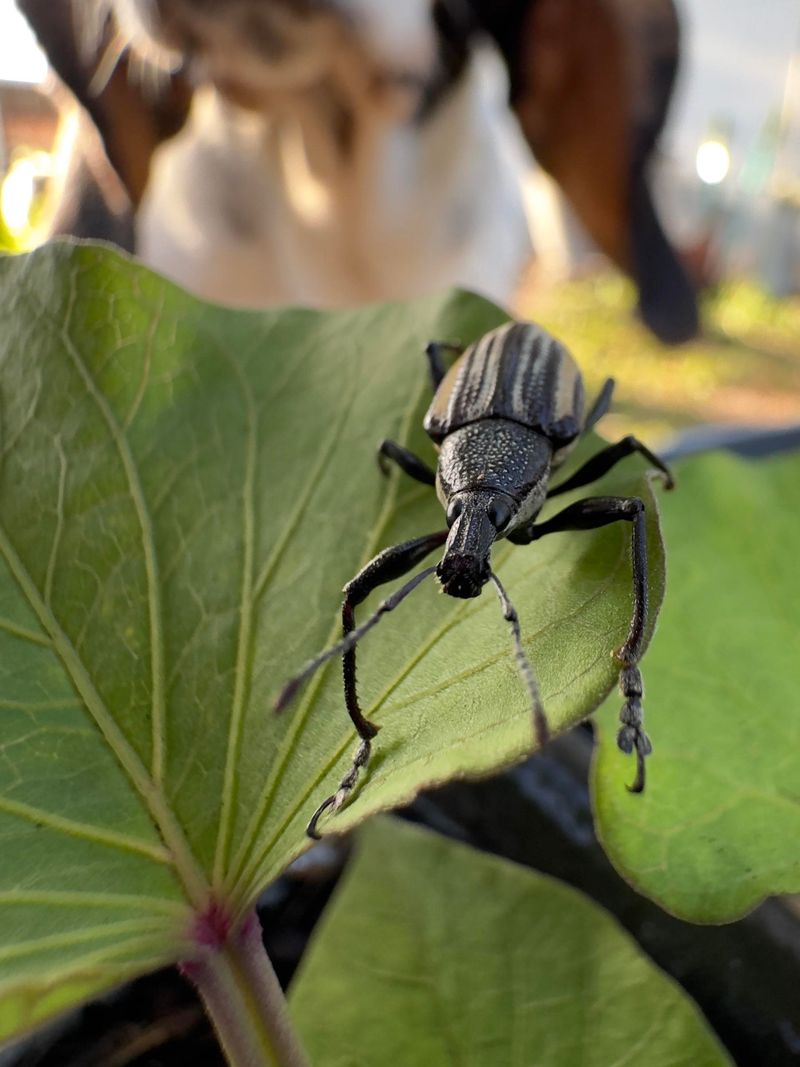
Waiting until nightfall is a classic survival trick for many garden pests, and root weevils have mastered it. As soon as the sun goes down and temperatures cool off, these beetles crawl up from the soil and begin feeding on whatever plants are nearby.
They are surprisingly active and can cover a lot of ground in a single night.
Root weevils are flightless, which means they cannot fly from plant to plant. Instead, they walk.
This actually works in your favor because it means infestations tend to spread slowly from one area of a garden to another. Plants closest to the soil edge or garden borders tend to get hit first.
Your Oregon Garden Changes Every Week. Your Plan Should Too.
Gardening in Oregon changes quickly throughout the season. Every Friday you’ll receive a simple weekly plan showing exactly what to plant, prune, fertilize, harvest, and protect so you never miss the right timing.
During the warmer months, adults feed heavily on leaves from late spring through early fall. Females lay eggs near the base of plants, and the larvae burrow into the soil to feed on roots.
The adult feeding on leaves is annoying, but the larval root damage can be far more serious for plant health.
Oregon’s mild, wet climate is very welcoming to root weevils. The cool nights and moist soil create perfect conditions for these pests to thrive.
Gardeners in the Willamette Valley and coastal regions tend to see the most activity. Staying alert during the warmer months gives you the best chance of catching them early.
3. Adults Hide Near The Soil During The Day
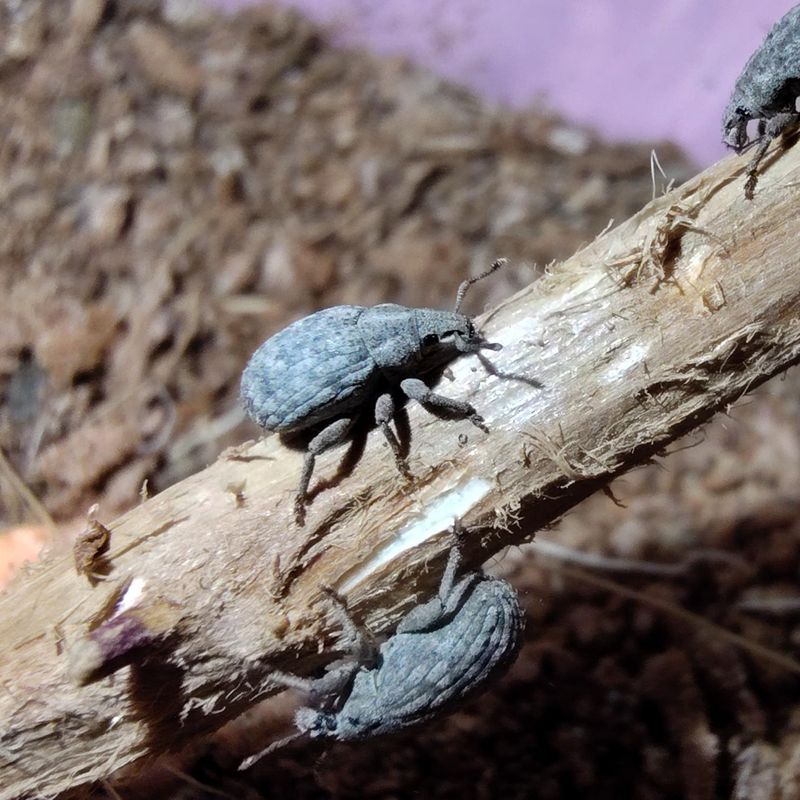
Trying to find root weevils during the day is mostly a frustrating exercise. These insects are experts at hiding.
When the sun comes up, they drop back down to the base of plants and tuck themselves under mulch, loose soil, fallen leaves, or garden debris. They stay very still and are easy to miss even if you are looking for them.
Their dark coloring helps them blend in with soil and plant material. Adults press themselves flat against the ground or curl up under bark to avoid detection.
Some species can even act passed out when disturbed, which makes them harder to catch and remove by hand.
One useful trick is to place a piece of burlap or a damp cardboard sheet near the base of affected plants before nightfall. In the morning, flip it over carefully.
Root weevils often shelter underneath these materials and can be collected and removed from the garden. Repeat this process several nights in a row for better results.
Sticky barriers placed around plant stems can also trap adults as they climb up to feed at night. These barriers do not harm the plant and can reduce the number of adults reaching the leaves.
Combining trapping methods with nighttime checks gives you the most effective approach to managing adult root weevil populations in your garden.
4. Leaf Edges Get Chewed Into Neat Little Notches
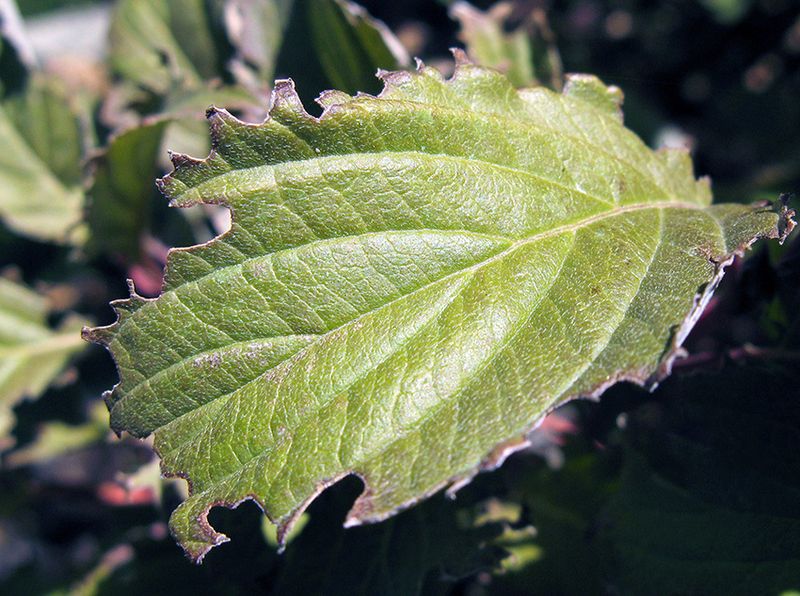
Few things are more puzzling than finding your healthy plants suddenly covered in tidy little bite marks. The notching that root weevils create is very uniform.
Each bite curves inward from the leaf edge in a smooth arc, almost like a series of small smiles lined up along the margin. It can look decorative at first glance, but it signals real trouble.
Heavy feeding can remove a significant portion of a leaf’s surface area over time. While adult feeding rarely causes a plant to fail on its own, it does weaken the plant and reduce its ability to photosynthesize efficiently.
Stressed plants become more vulnerable to other problems like fungal infections or drought damage.
Young plants and recently transplanted shrubs are especially sensitive to this kind of feeding. A small plant with limited leaf coverage can suffer noticeable setbacks when weevils remove too much leaf tissue early in the growing season.
Larger, established plants can usually tolerate moderate notching without major issues.
Checking your plants regularly helps you catch damage early. Look along the outer edges of leaves on rhododendrons, azaleas, and other broadleaf shrubs.
Fresh notches will appear lighter in color than older damage. If you see new notching appearing frequently, that is a clear sign adult weevils are still actively feeding and your management efforts need to be stepped up right away.
5. Rhododendrons Are One Of Their Favorite Targets
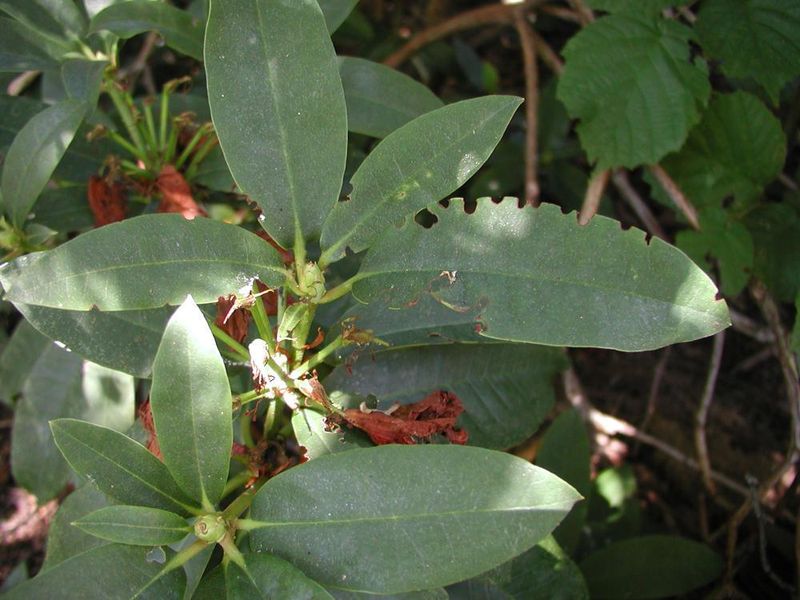
Ask any rhododendron grower in the Pacific Northwest and they will likely have a root weevil story to tell. These flowering shrubs are among the most popular landscape plants in Oregon, and unfortunately, root weevils absolutely love them.
The thick, leathery leaves of rhododendrons seem to be especially appealing to feeding adults.
Rhododendrons provide ideal shelter too. Their dense canopy of leaves creates a shaded, humid environment near the soil that root weevils find very comfortable.
The mulch-covered ground beneath these shrubs offers perfect daytime hiding spots. This combination of food and shelter makes rhododendrons a prime target.
Azaleas, which are closely related to rhododendrons, face the same problem. Both plants are broadleaf evergreens, meaning they hold their leaves year-round.
This gives weevils a reliable food source across multiple seasons, especially in regions with mild winters where adults can remain active longer than expected.
Protecting your rhododendrons starts with good monitoring habits. Walk around your shrubs every few days during the growing season and look for fresh notching on the outer leaves.
You can also shake branches over a white sheet at night. Weevils often drop when disturbed, making them easier to spot and collect.
Applying beneficial nematodes to the soil around your rhododendrons in late summer can help reduce larval populations before they mature into leaf-feeding adults next season.
6. Strawberries And Other Shrubs Can Get Hit Too
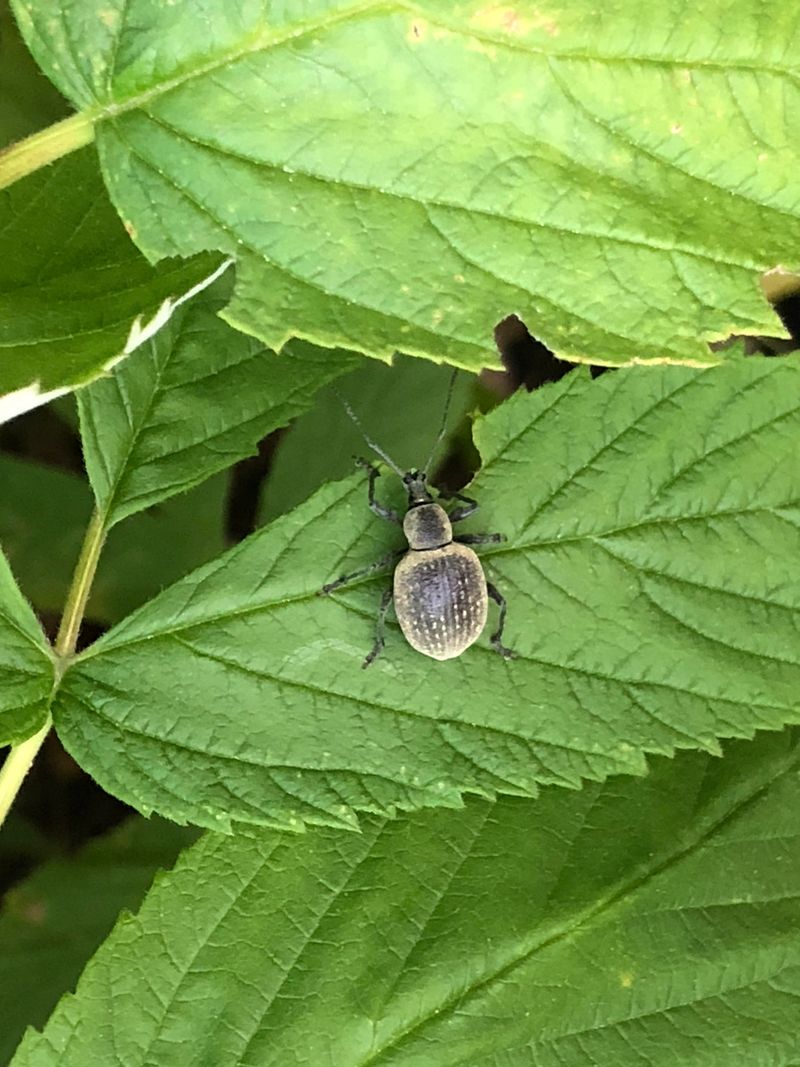
Root weevils are not picky eaters. While rhododendrons get a lot of the attention, strawberries are also a major target.
Gardeners growing strawberry patches near ornamental shrubs often find both crops showing the same telltale notching at the same time. The weevils simply move from one plant to the next as they forage through the night.
Strawberry root weevil is actually its own species, known scientifically as Otiorhynchus ovatus. It is smaller than the black vine weevil but causes similar leaf damage.
More concerning, its larvae feed on strawberry roots and crowns, which can reduce fruit production significantly over time. A healthy-looking plant above ground may be struggling badly below the soil surface.
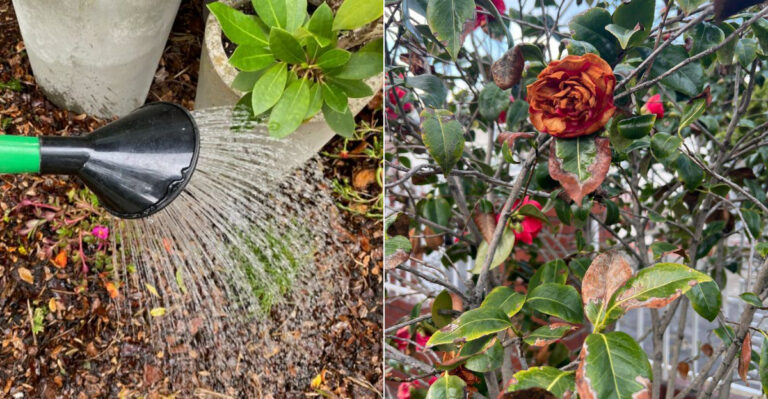
Beyond strawberries and rhododendrons, root weevils also target blueberries, camellias, yews, hemlocks, and many types of ornamental ground covers. Euonymus and bergenia are also frequently affected.
The range of host plants is wide, which is why infestations can spread across a mixed garden without much trouble.
Rotating strawberry beds every few years helps disrupt the weevil life cycle by removing their preferred host from a given area. Adding physical barriers like copper tape around raised beds can also deter adults from climbing in.
Keeping garden beds clean and free of excess mulch near plant crowns reduces the shelter available to hiding adults and makes your garden a less welcoming place for these persistent nighttime feeders.
7. A Flashlight At Night Can Catch Them In The Act
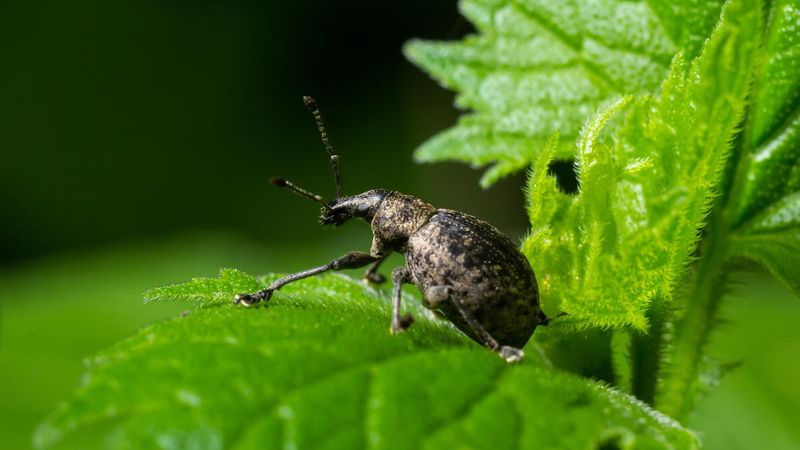
Sometimes the simplest tool is the most effective one. Grabbing a flashlight and heading out to your garden after dark is one of the best ways to confirm a root weevil problem.
These beetles are slow-moving and fully focused on feeding at night, which makes them relatively easy to spot once you know where to look.
Start your nighttime search about one to two hours after sunset. Check the upper and lower surfaces of leaves on your most affected plants.
Root weevils tend to sit right on the leaf edge as they feed, which makes them visible if you shine your light at the right angle. Look for small, dark, oval-shaped beetles with short legs and a stubby snout.
Once you find them, you can pick them off by hand and drop them into a container of soapy water. Wear gloves if you prefer.
Even removing a small number of adults each night can make a noticeable difference in the level of leaf damage over the course of a few weeks.
Bring a notebook or use your phone to record where you find the most activity. This helps you identify which plants are most heavily infested and where to focus your management efforts.
Consistent nighttime checks over two to three weeks give you a clear picture of the infestation size.
Pairing hands-on removal with soil treatments creates a well-rounded strategy for keeping root weevils under control in your garden.