What Oregon Gardeners Need To Know About Slugs Before Summer Arrives
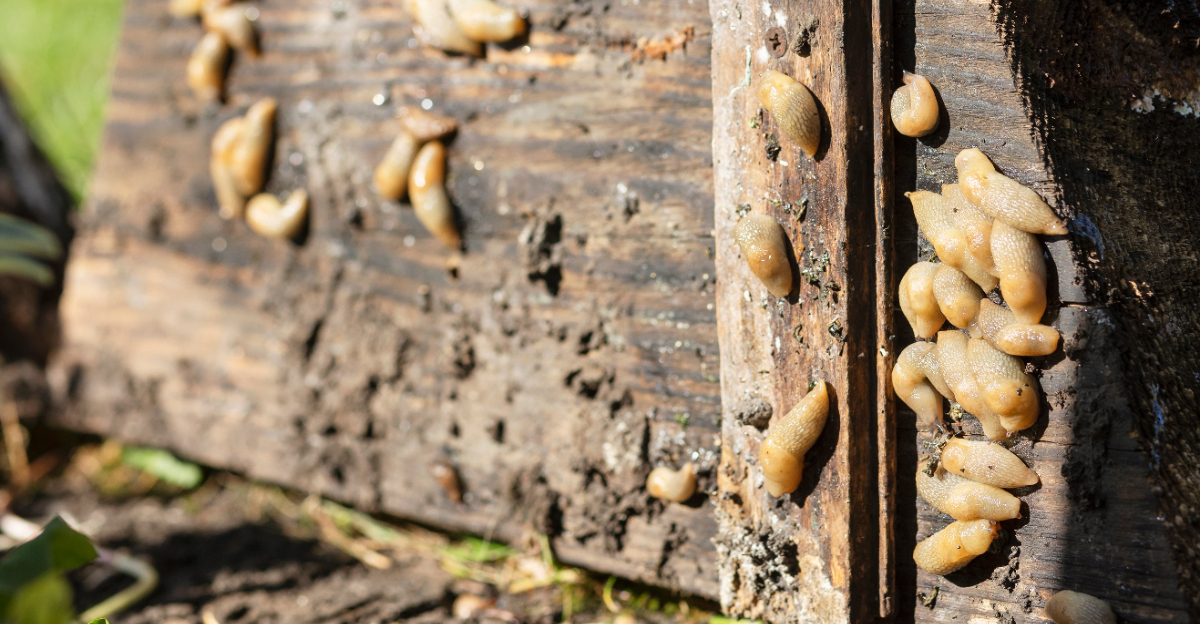
Slugs do not wait for an invitation. They are already out there, moving through beds at night, chewing through seedlings, and leaving that telltale slime trail across everything you worked hard to grow.
Oregon is basically their dream address. Wet soil and plenty of shade make this state one of the most slug-friendly places in the country.
Spring is when their population explodes before most gardeners even realize what is building up out there.
The problem with slugs is not just the damage they do right now. It is that a slug problem left alone heading into summer gets significantly harder to manage once the garden fills in and they have more places to hide.
Getting ahead of them in May is worth ten times the effort of dealing with them in July. A few smart moves made right now can completely change how the rest of your season goes, and some of them take almost no time at all.
Slug Season Doesn’t End When The Rain Slows Down
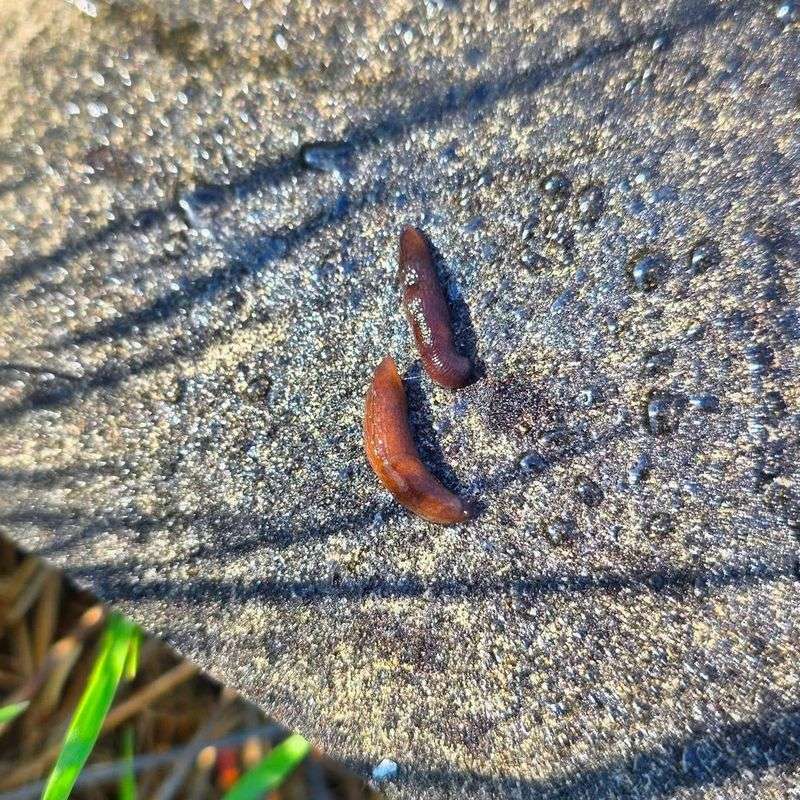
A lot of gardeners breathe a sigh of relief when the spring rains start to taper off. It feels like slug season is wrapping up, but that is not really how it works.
Slugs do not need heavy rain to stay active. They just need moisture, and the Pacific Northwest has plenty of that hiding in the soil, under leaves, and in shady corners of the yard.
Even when the surface of the garden looks dry, slugs are still out there. They tend to stay underground or under cover during the day and come out at night when humidity rises.
Evening dew, drip irrigation, and dense plant growth all keep things wet enough for slugs to stay active well into summer.
Slug populations actually peak in late spring and early summer in this region. That timing lines up with when many gardeners are putting out their most vulnerable transplants and seedlings.
Keeping an eye on slug activity even after the rainy season ends is one of the most important things you can do for your garden. Do not let a few dry days fool you into thinking the slugs have gone away.
They are still there, waiting for their next opportunity. Checking your garden regularly and staying consistent with your slug control methods through May, June, and beyond will help you protect your plants.
Late Spring Is The Time To Cut Down Hiding Places
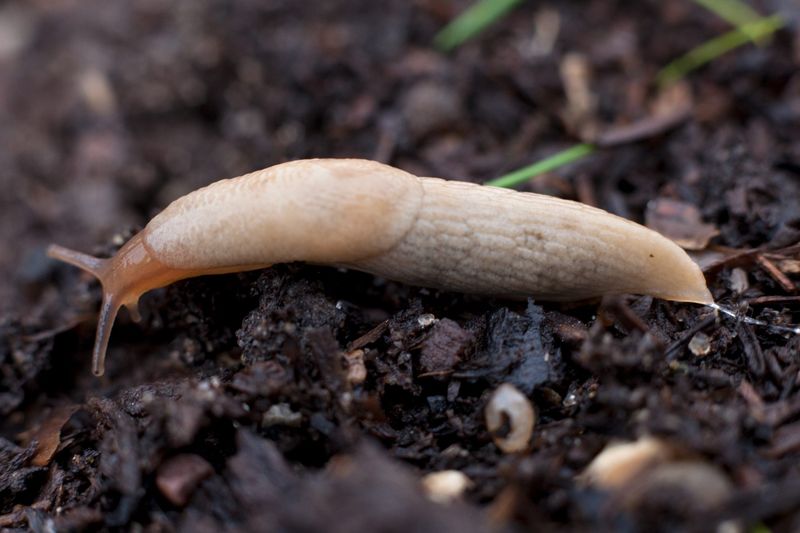
Slugs are not bold creatures. They spend most of their lives tucked away in dark, damp spots where nothing can bother them.
Old boards, piles of dead leaves, overgrown weeds, and dense ground cover all make perfect slug shelters. When late spring arrives, doing a thorough garden cleanup is one of the smartest moves you can make.
Walk through your yard and look for anything that stays damp and shaded throughout the day. Flat rocks sitting directly on soil, stacked pots, and rotting wood are all common hiding places.
Removing or relocating these items takes away the spots where slugs rest, lay eggs, and wait for nightfall. You do not have to make your garden look bare to make it less slug-friendly.
Your Oregon Garden Changes Every Week. Your Plan Should Too.
Gardening in Oregon changes quickly throughout the season. Every Friday you’ll receive a simple weekly plan showing exactly what to plant, prune, fertilize, harvest, and protect so you never miss the right timing.
The goal is simply to reduce the number of cool, dark, moist places close to your plants. Rake up old mulch that has broken down into a soggy mat.
Pull weeds around the base of your vegetables and flowers. Give your garden edges a good tidy.
Even small changes can make a big difference in how many slugs feel comfortable setting up camp near your plants.
Reducing hiding spots does not take a lot of time, but it can seriously cut down on the number of slugs you have to deal with all season long. A cleaner garden is a much harder place for slugs to call home.
Mulch Can Protect Plants And Shelter Slugs
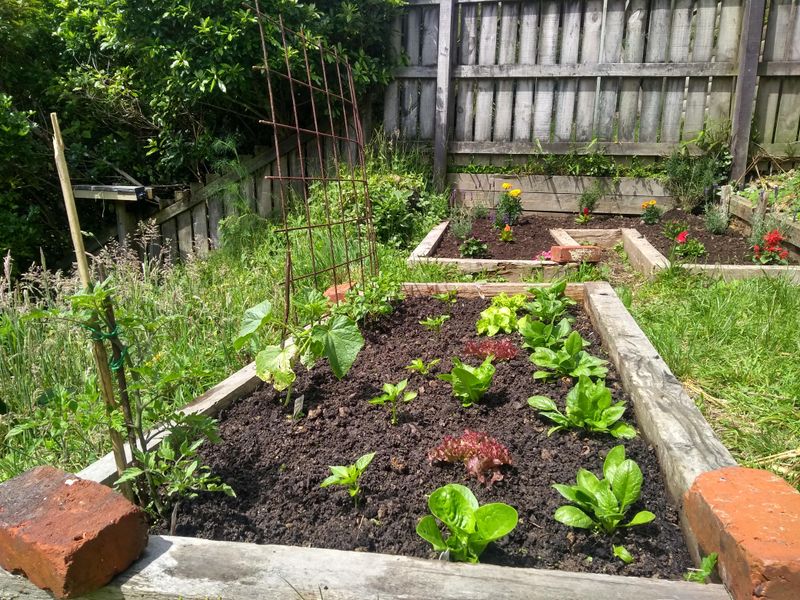
Mulch is one of the most useful things you can add to a garden. It holds moisture in the soil, keeps weeds down, and regulates soil temperature.
Most gardeners in this state rely on it heavily, and for good reason. But mulch also has a downside that does not get talked about enough: it creates exactly the kind of environment slugs love most.
A thick layer of mulch stays cool and damp underneath, even when the surface looks dry. Slugs can hide there all day and travel to your plants at night without ever crossing open ground.
Wood chips, straw, and shredded bark are all great insulators for your soil, but they also work as slug hotels if you are not careful about how you use them.
The trick is not to stop using mulch, but to use it more thoughtfully. Keep mulch pulled back a few inches from the base of your plants.
Avoid piling it too thick, especially around seedlings or tender transplants. A layer of two to three inches is usually enough to get the benefits without creating a massive slug shelter.
Some gardeners also switch to rougher mulch materials like crushed eggshells or coarse gravel near slug-prone plants. These textures are harder for slugs to cross comfortably.
With a few small adjustments, mulch can stay one of your best garden tools without becoming a problem.
Watering Habits Matter More As Days Get Warmer
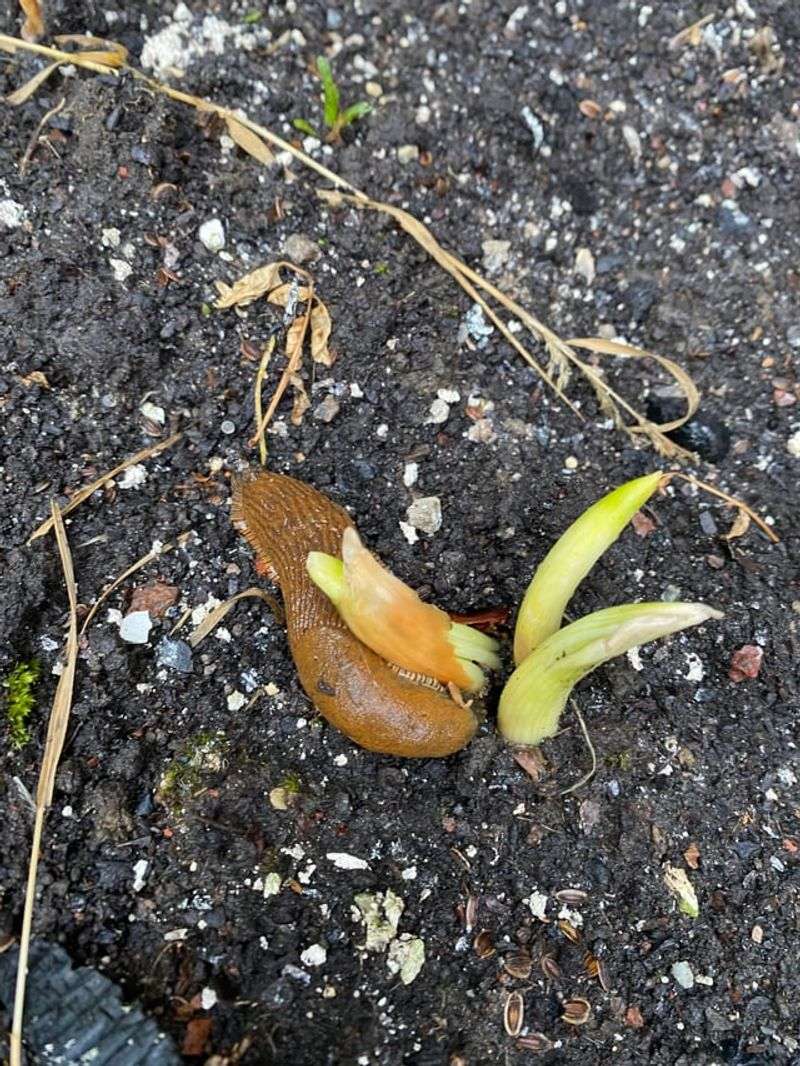
When temperatures start climbing, most gardeners water more often. That makes sense because plants need more moisture as the heat increases.
But how and when you water can have a big impact on slug activity around your garden. Changing your watering routine slightly can make your garden much less inviting to slugs without hurting your plants at all.
Overhead watering in the evening is one of the most common habits that accidentally supports slug populations. When you wet down your whole garden at dusk, you are basically rolling out the welcome mat.
The soil and foliage stay wet all night, which is exactly when slugs are most active. That combination of wet leaves and warm soil gives them everything they need to travel and feed freely.
Switching to morning watering is one of the easiest changes you can make. When you water in the morning, the sun dries out the surface of the soil and the leaves before evening arrives.
Slugs prefer to move across wet surfaces, so drier conditions at night make it harder for them to get around.
Drip irrigation is another great option because it puts water right at the root zone without wetting the surrounding soil or foliage.
It takes a little adjustment to change your routine, but your plants will still get all the water they need. The difference in slug activity can be noticeable within just a few weeks.
Evening Watering Can Bring Slugs Out Overnight
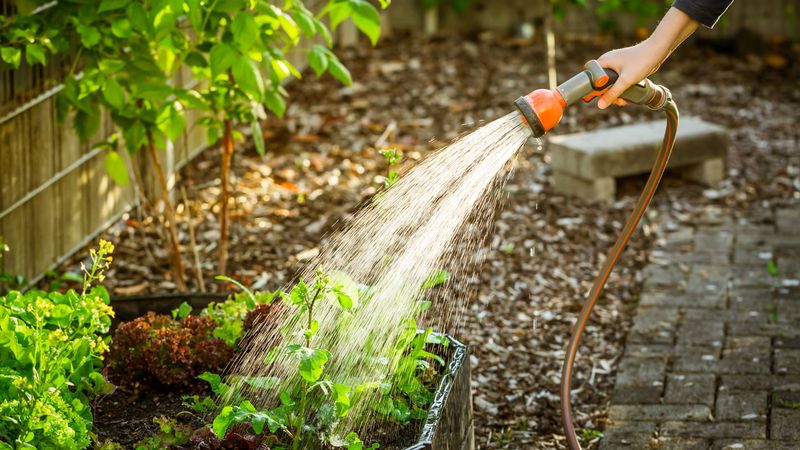
There is something satisfying about watering your garden at the end of a long day. The evening feels cooler, the water pressure is often better, and it fits naturally into a lot of routines.
But for gardeners dealing with slugs, that evening watering habit can quietly make the problem much worse over time.
Slugs are nocturnal. They come out after dark, and they rely heavily on moisture to move around.
A freshly watered garden at night is like a highway for them. Wet soil is easier to glide across, wet leaves are easier to cling to, and the overall humidity makes the whole garden feel safe and comfortable.
Plants that were dry and somewhat protected during the day suddenly become accessible after an evening watering session.
This does not mean you should let your plants go thirsty. It just means timing matters.
If evening is the only time you can water, try to focus the water at the base of the plants rather than using a sprinkler or overhead hose. Keeping the soil surface drier and the foliage dry can reduce how far slugs travel during the night.
You can also try setting out slug traps or barriers in the evening right after watering, when slugs are most likely to be on the move.
Small timing and technique changes add up quickly and can reduce the amount of damage you see each morning on your most prized plants.
Tender Summer Starts Are Still At Risk
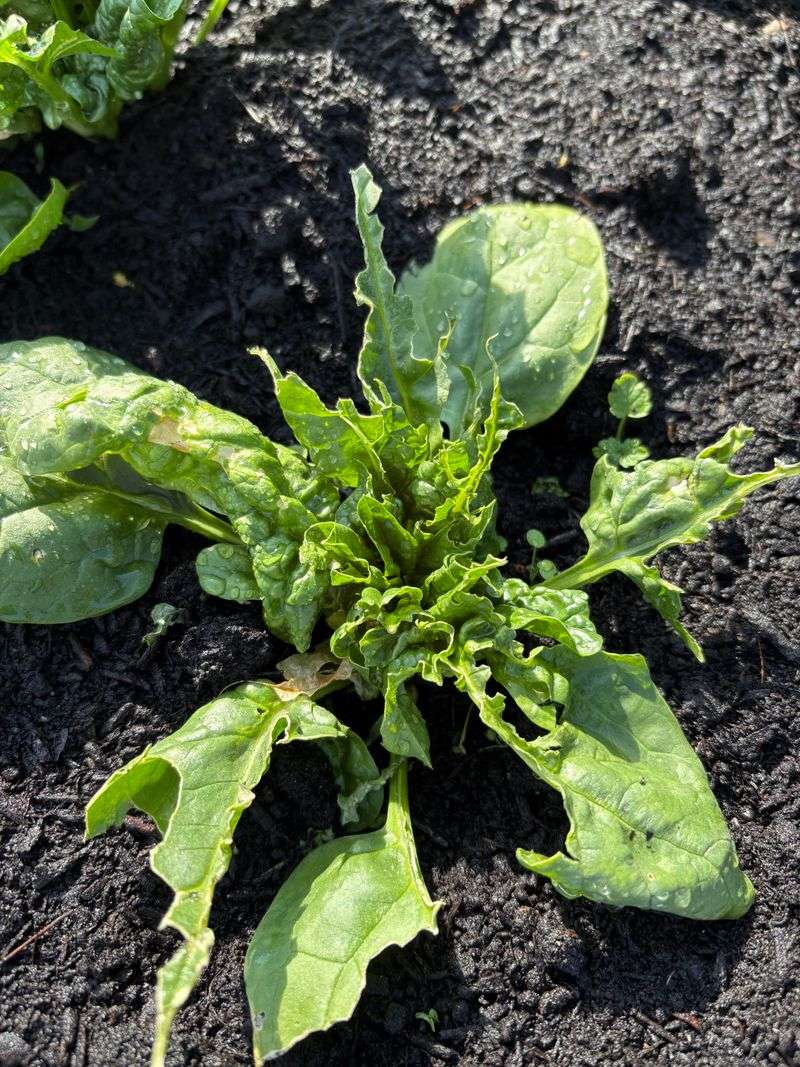
By the time late spring rolls around, a lot of gardeners feel like their seedlings are finally past the danger zone. The last frost has come and gone, the weather is warming up, and the plants are starting to look strong and healthy.
But slugs do not stop targeting young plants just because the season has shifted. Tender new growth is always at risk.
Summer starts like basil, zucchini, beans, and lettuce are especially vulnerable because they have soft, easy-to-chew leaves and stems. A single slug can do a shocking amount of damage to a small seedling in just one night.
In some cases, it can wipe out a whole row of young transplants before you even realize what happened.
The damage often looks like irregular holes in leaves or completely missing seedlings with just a stub left behind.
Protecting your summer starts means staying vigilant even after the weather warms up. Copper tape around raised beds and containers can deter slugs because the metal creates a mild reaction when they touch it.
Slug pellets made with iron phosphate are considered safe for use around pets and wildlife and can be scattered near vulnerable plants. Hand-picking slugs at night with a flashlight is surprisingly effective and costs nothing.
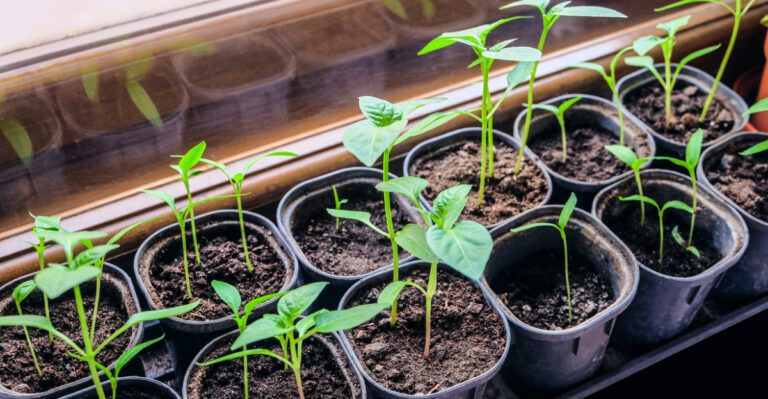
Starting plants indoors a little longer before transplanting also gives them a head start, so they are bigger and tougher when they go into the ground.
Check Under Pots, Boards, Trays, And Dense Leaves
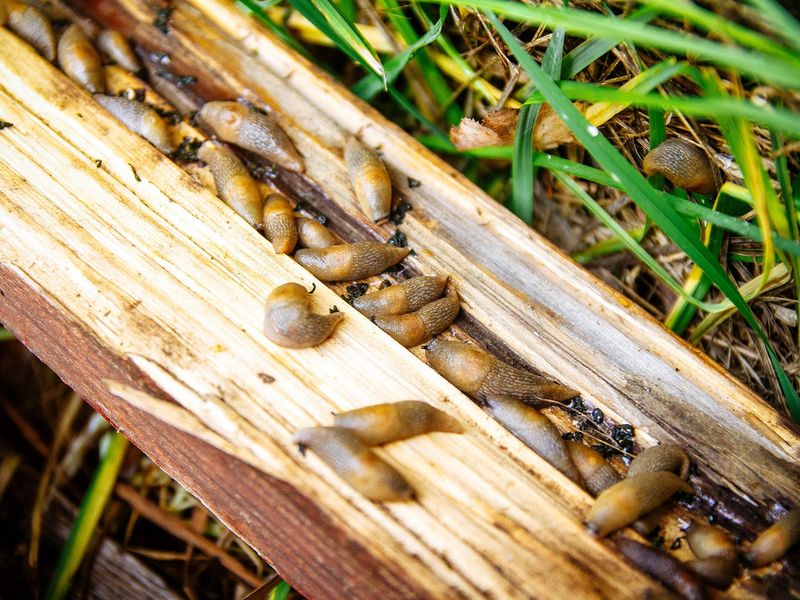
Most people only see slugs when they have already done their damage. You find the holes in the leaves, the slime trails on the soil, and the half-eaten seedlings in the morning.
But to really get ahead of the problem, you have to find the slugs before they find your plants. That means checking in all the places they like to hide during the day.
Slugs are champion hiders. They tuck themselves under anything that stays damp and dark.
Plastic pots sitting on the ground, wooden boards, seed trays, flat rocks, and dense clumps of leaves near the soil are all common daytime hideouts.
Checking these spots regularly, especially during the warmer months, lets you find and remove slugs before they have a chance to come out at night.
Make it a habit to do a quick inspection of your garden every few days. Lift pots and check the underside and the soil beneath them.
Flip boards and trays and look carefully at the ground underneath. Part dense foliage at the base of plants and look for slugs resting there.
You might be surprised how many you find in spots you walk past every day. Removing them by hand and dropping them into soapy water is a straightforward and effective method.
Doing this consistently during late spring and early summer can seriously reduce the number of slugs that are active in your garden at night.
Raised Beds Still Need A Slug Barrier Plan
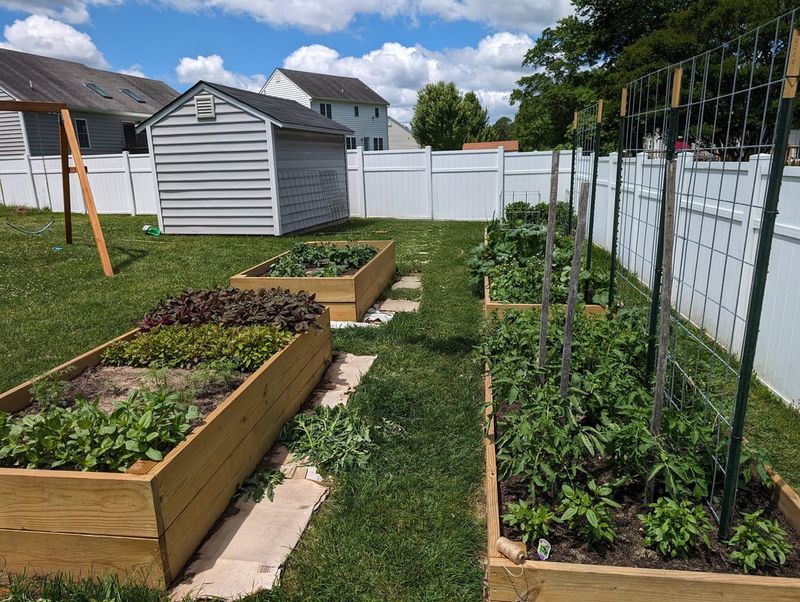
Raised beds give gardeners a lot of advantages. Better drainage, warmer soil, and easier access to plants are just a few of the reasons so many people in this state have switched to them.
Some gardeners also assume that raised beds are naturally slug-proof because they are elevated off the ground. That assumption can lead to some unpleasant surprises come summer.
Slugs are surprisingly good climbers. They can scale rough wood, brick, and even smooth plastic with ease.
If there is food inside your raised bed, slugs will find a way in. They can also hide inside the bed itself, in the corners, under the edge of the wood, or deep in the soil where they wait out the daylight hours.
Having a real barrier plan for your raised beds makes a big difference. Copper tape applied around the top edge of the bed is one of the most popular options and works well when applied in a wide enough band.
Some gardeners also use food-grade diatomaceous earth sprinkled along the inside edges of the bed, though it needs to be reapplied after rain or watering. Checking inside the corners and edges of your raised beds regularly is also important.
Just because a bed is raised does not mean it is safe. Treating raised beds with the same level of slug awareness as ground-level beds will help you get the most out of your growing season without losing plants to overnight feeding.