The November Task That Helps Georgia Daffodils Bloom Better Next Spring
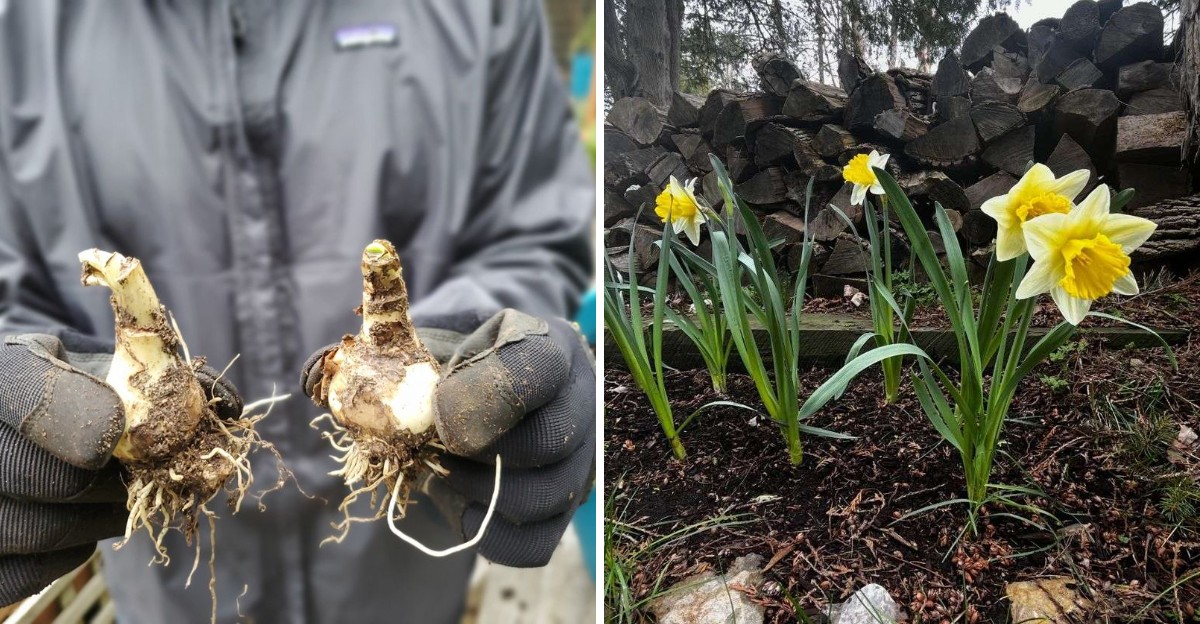
November is a good time to think about next spring’s daffodils, even though there isn’t a single yellow flower in sight. What you do with the bulbs now can influence how well they establish before blooming season arrives.
Daffodils need time underground to develop roots, and cooler fall soil provides favorable conditions for that growth.
For Georgia gardeners, November can still offer a useful planting window, particularly in areas where the ground remains workable.
But getting bulbs into the soil is only part of the job.
Planting depth, drainage, and the condition of each bulb all deserve attention before you cover everything up. Healthy bulbs placed in suitable conditions have a better chance of producing strong growth when temperatures begin warming again.
A little care during planting can help prevent disappointing results next spring.
1. November Is A Good Time To Get Daffodil Bulbs Into The Ground
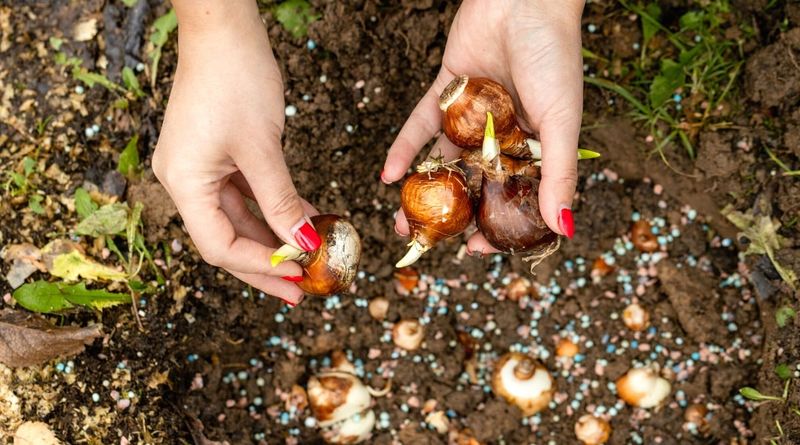
Spring flowers begin in fall, even if you cannot see anything happening for months. Daffodils are planted as bulbs in autumn so they can build roots before they bloom.
In Georgia, many gardeners plant daffodils from October into early December, and November falls right in that window.
Planting now gives each bulb time to settle into the soil while the air turns cooler. Roots can grow during this period, which helps the plant take up water and nutrients later on.
Store-bought bulbs do best when they go into the ground fairly soon after you buy them.
Leaving them in a warm garage or a sunny car for weeks can dry them out. Keep them in a cool, dry, airy place until planting day, and check that each one feels firm.
Soft, moldy, or shriveled bulbs are worth tossing, since they may not grow well.
Picking healthy bulbs also matters. Larger, solid bulbs often produce stronger plants, though the variety and growing conditions play a big role too.
Planting a little later than ideal usually still works if the ground is not frozen. Blooms may simply show up a bit later or look smaller in the first season.
Getting bulbs planted in November is one of the easiest ways to set up a cheerful spring display.
2. Cooling Soil Encourages Roots To Grow Before Leaves Appear
Underground work comes first. Before a single green shoot pokes up, a daffodil bulb spends time growing roots in the cooler soil of late fall.
Cooling temperatures signal the bulb that it is time to start this root growth.
Warm soil in early fall can be less helpful, which is one reason planting too early in hot spells is not ideal. Once nights grow cooler, the ground slowly follows.
Daffodils also need a period of cool weather to bloom well in spring.
Across most of the state, Georgia winters usually supply enough chill for daffodils. Some types handle warmer winters better than others, so gardeners near the coast may want varieties suited to mild climates.
Local garden centers or your county Extension office can suggest varieties that tend to perform well in your area.
Roots that form in fall help the plant stay anchored through winter rain and wind. They also help it take up moisture once leaves begin to grow.
A light watering right after planting can help settle the soil around the bulb.
After that, fall and winter rain often provides enough moisture. During an unusually dry stretch, an occasional watering may help, but soggy soil should be avoided.
Patience is part of the process, since most of the action stays hidden until spring.
3. Planting Bulbs At The Right Depth Helps Them Establish
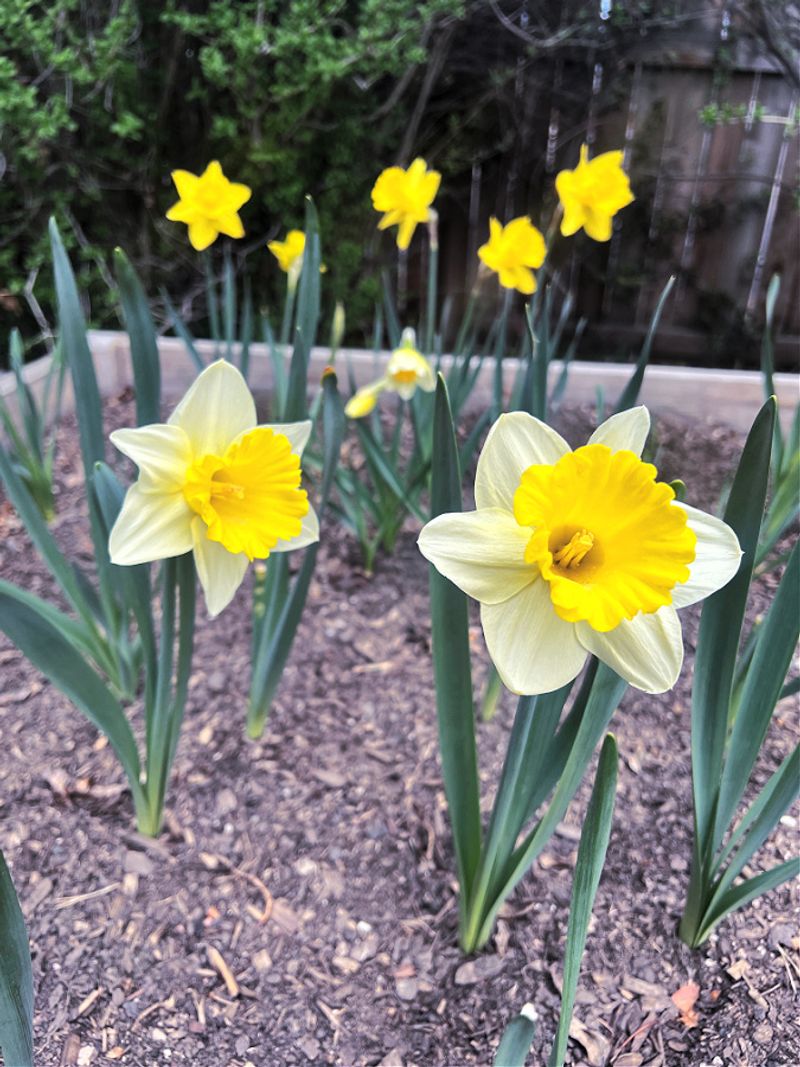
Six inches makes a difference. A common guideline is to plant daffodil bulbs about two to three times as deep as the bulb is tall.
For many standard daffodils, that works out to roughly six inches deep, measured from the bottom of the bulb.
Smaller types, often called miniatures, can go a bit shallower. Check the package for the depth suggested for your variety.
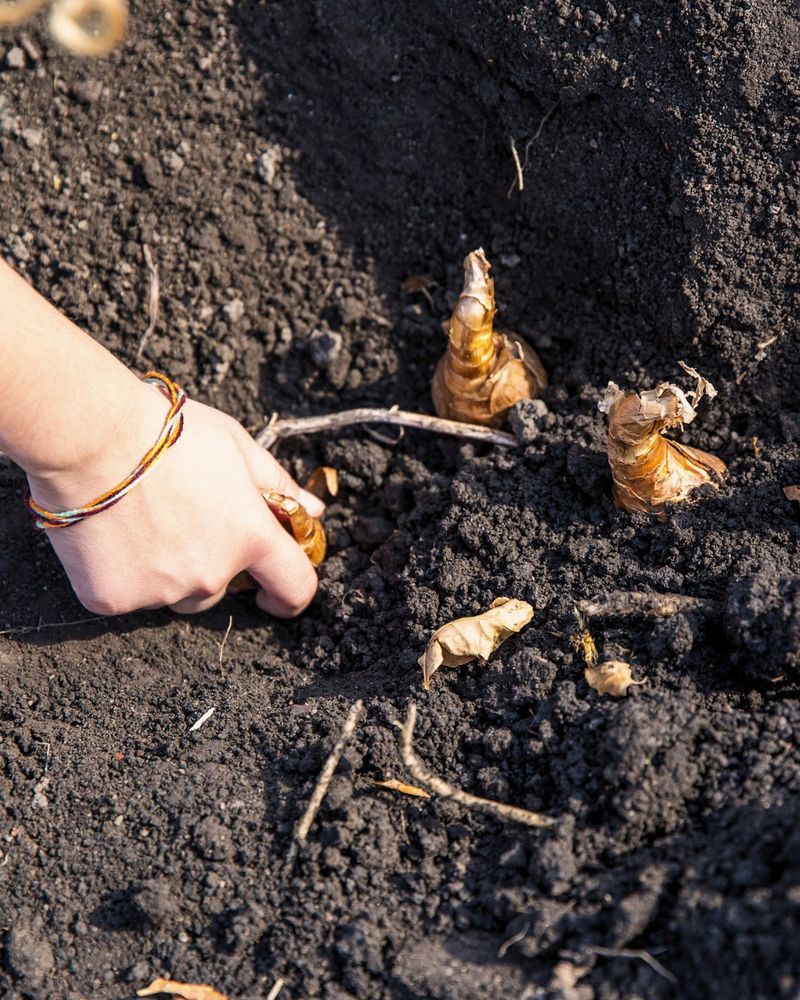
Point the narrow tip upward and set the flat, root side down.
If you cannot tell which end is which, planting the bulb on its side usually works. The shoot can find its way up through the soil.
Spacing matters too. Leaving a few inches between bulbs gives them room to grow and multiply over the years.
Planting too shallow may leave bulbs more exposed to swings in temperature. Squirrels and other diggers may also find shallow bulbs more easily, although daffodils are generally avoided by many animals because they are toxic.
Going much deeper than recommended can slow shoots and use up stored energy.
After setting bulbs, backfill with soil and press gently to remove large air pockets. Some gardeners in Georgia add a thin layer of mulch to help hold moisture and keep weeds down.
Planting in groups rather than single rows often creates a fuller, more natural look in spring.
4. Well-Drained Soil Keeps Bulbs From Sitting In Winter Wetness
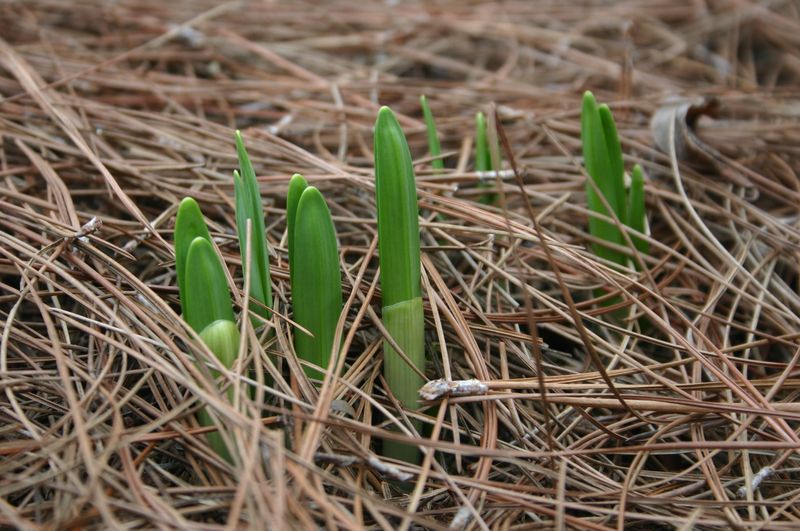
Soggy ground is one of the biggest threats to a daffodil bulb. Bulbs that sit in cold, wet soil for long periods can rot before they ever bloom.
Red clay is common in parts of Georgia, and it can hold water much longer than sandy or loamy soil.
Before planting, check how your spot drains. Dig a hole about a foot deep, fill it with water, and watch how long it takes to empty.
Water that lingers for many hours suggests a drainage problem worth fixing.
Mixing compost or other organic matter into the bed can help loosen heavy soil. It may also improve the soil structure over time, though clay rarely changes overnight.
Raised beds offer another option where drainage stays poor.
Gentle slopes and spots that do not collect puddles after rain are often good choices. Low corners of the yard, where water pools, are best saved for plants that like wet feet.
Watering habits matter as well.
Once bulbs are planted, avoid running sprinklers often in winter unless the weather is dry for a long time. Too much extra water can do more harm than good.
Good drainage will not solve every problem, but it gives bulbs a healthier start and a better chance at strong spring flowers.
5. Sunny Spots Give Daffodils The Light They Need To Bloom
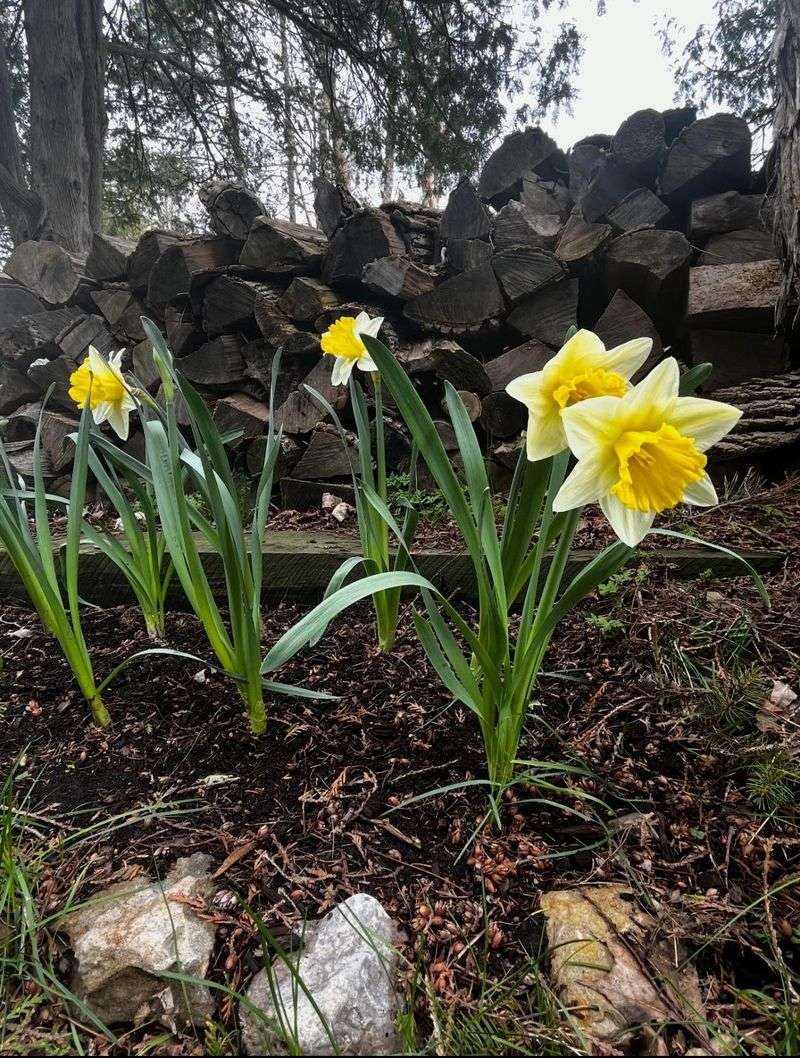
Light is fuel. Daffodils generally bloom best in spots that get full sun or at least a good amount of direct sunlight during the day.
Six or more hours of sun is a common recommendation for strong flowering.
Bright light helps the leaves make the food the bulb stores for next year. Without enough of it, plants may grow leaves but produce fewer flowers over time.
Spots under deciduous trees can still work surprisingly well.
In many Georgia yards, oaks and maples are bare during late winter and early spring. Daffodils often get plenty of light then, since they grow and bloom before the tree canopy fills in.
Evergreen trees and the north side of buildings can be trickier, because shade stays in place all year.
Before planting, take a few minutes to watch your yard. Notice where sunlight falls in the morning and afternoon, keeping in mind that shadows shift with the seasons.
Partial shade may still give you some blooms.
Results can depend on the variety, soil, and how much light the spot really receives. If a planting fades over a few years, a shady location could be one possible reason.
Choosing a bright location in November sets up your bulbs for many seasons of color.
6. Crowded Clumps With Few Flowers May Need Dividing Later
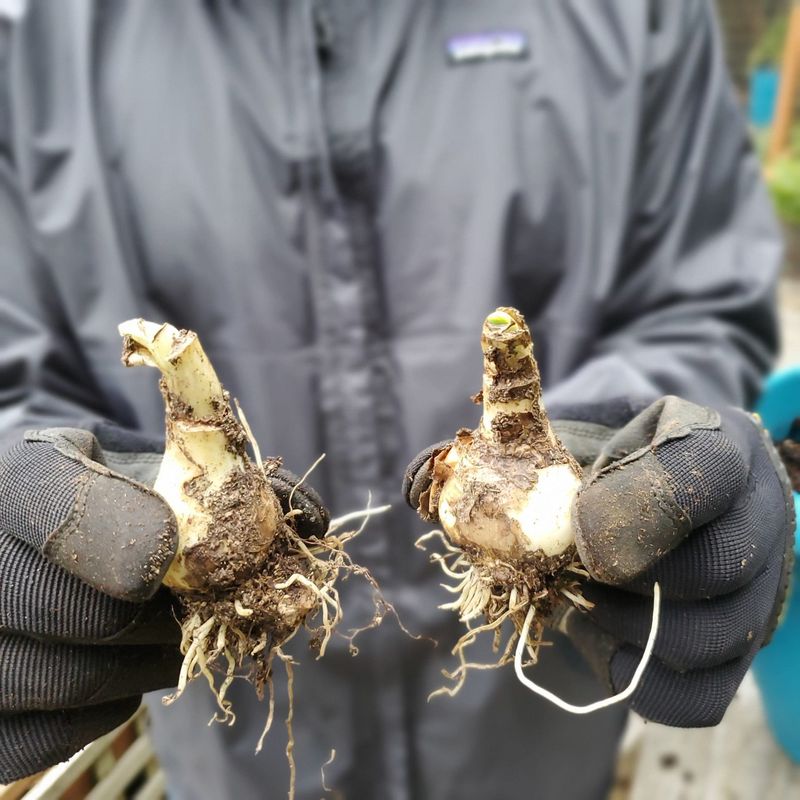
Lots of leaves but hardly any flowers? A clump that has grown too crowded could be part of the story.
Daffodils multiply underground over the years, forming more and more bulbs in the same small space.
Eventually, those bulbs compete for water, nutrients, and room to grow. Flowering may slowly drop off, even though the foliage still looks healthy.
Crowding is only one possible cause, though.
Too much shade, cutting leaves too soon, or poor drainage can also reduce blooms. Looking at the whole picture helps you avoid fixing the wrong problem.
Dividing is usually done after the foliage has yellowed in late spring, not in November.
Gardeners often mark crowded clumps in spring so they are easy to find later. A small stake or plant tag works well.
When the time comes, dig carefully around the clump with a garden fork. Gently pull the bulbs apart and replant them with more space, either right away or in fall.
Some Georgia gardeners store lifted bulbs in a cool, dry, shaded place until autumn planting.
Not every clump needs dividing. If yours still blooms nicely, you can simply leave it alone and enjoy the show.
Planting new bulbs with good spacing this November may also delay crowding for several years.
7. Letting Spring Foliage Yellow Naturally Recharges Next Year’s Bulbs
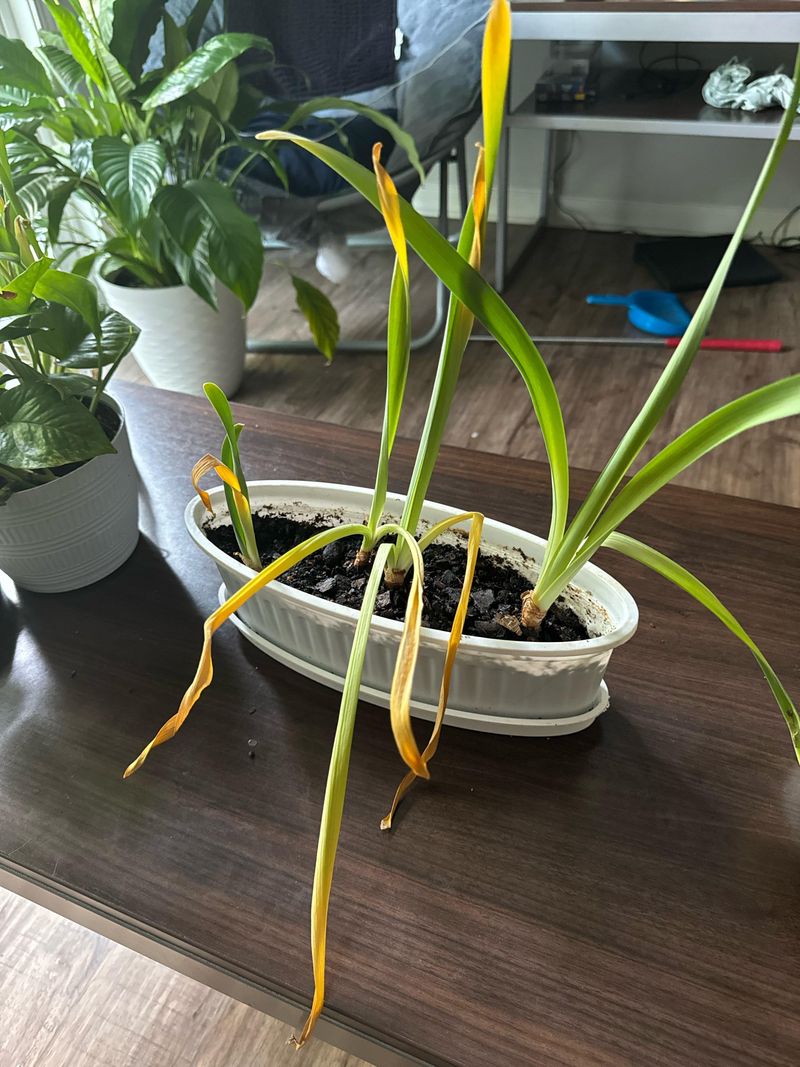
Floppy leaves may look messy, yet they are doing important work. After daffodils bloom, the green foliage keeps making food that gets stored in the bulb.
That stored energy helps the plant produce flowers the following spring.
Cutting, mowing, or tying leaves into tight bundles too early can reduce how much food the bulb saves. Over time, blooms may become smaller or less common.
A good rule is to wait until the leaves turn yellow or brown before removing them.
In Georgia, that often happens several weeks after flowering, though timing changes with weather and variety. Once leaves pull away easily, they can usually be trimmed.
Removing the spent flower heads is a helpful step you can take sooner.
Snipping off faded blooms keeps the plant from putting energy into seed. Leave the stem and leaves in place so they can keep working.
Fading foliage can be hidden with smart planting. Daylilies, hostas, or other perennials that grow up in late spring can help cover the yellowing leaves.
Mowing around daffodils planted in lawns takes some patience.
Waiting may feel like a chore, but it is an easy way to support next year’s display. Your November planting pays off best when spring care follows through.