The Native Perennial More Georgia Gardeners Are Starting To Grow
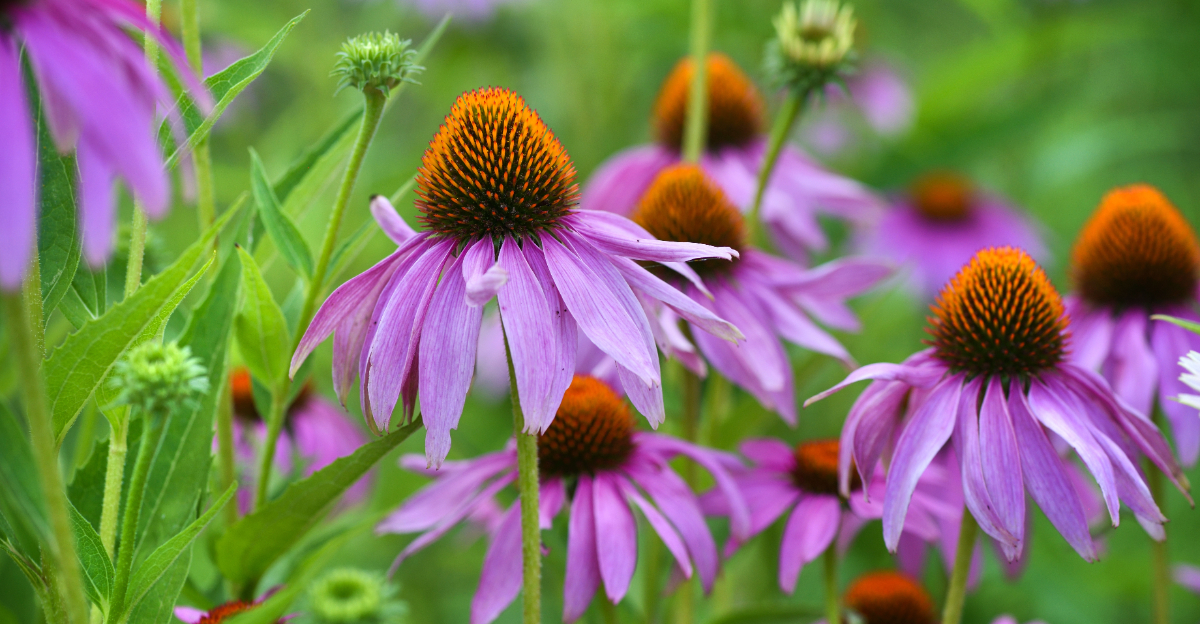
Backyards start feeling different once a native perennial really settles in and begins thriving through Georgia heat without constant attention.
Fresh growth keeps showing up, pollinators stay nearby for hours, and flower beds somehow look more natural instead of overly planned out.
Summer gardens can get rough fast once humidity and long stretches of heat start wearing everything down, which makes dependable plants stand out even more.
One native perennial has been quietly getting more attention lately because it keeps looking good while many other plants start fading out or struggling by mid summer.
Long bloom periods, easier upkeep, and that relaxed backyard look seem to fit exactly what more gardeners want right now.
Perfect looking flower beds matter less these days. Plants that still look alive and full during brutal summer weather matter a whole lot more.
1. Purple Coneflower Continues Showing Up In More Backyards
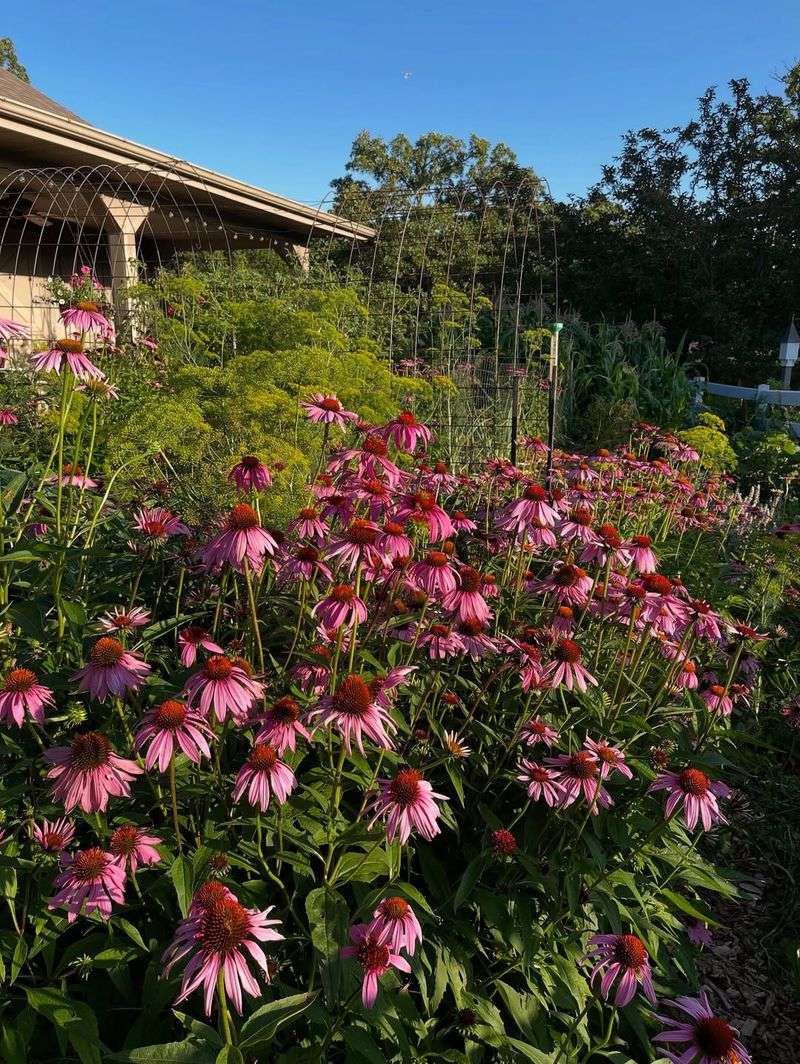
Walk through almost any Georgia neighborhood right now and you will spot it, that bold splash of purple-pink rising up from garden beds where hostas and impatiens used to live.
Purple coneflower has made a quiet but serious move into mainstream gardening over the past several years.
It is not hard to understand why once you see how well it handles the long, brutal summers the Southeast is famous for.
Native to much of the eastern United States, Echinacea purpurea grows naturally in open meadows, roadsides, and woodland edges.
Gardeners are catching on to the fact that planting something already adapted to the regional climate cuts down on work dramatically.
Once established, the plant usually needs far less attention than many traditional garden perennials. Nurseries across the state, from small independent garden centers in Athens to larger retailers in the Atlanta suburbs, have reported steady increases in coneflower sales.
Gardeners who started with one or two plants often return the following spring ready to expand.
Neighbors notice the blooms, ask questions, and soon their yards are sporting the same cheerful flowers.
2. Long Bloom Periods Bring Color Deep Into Summer
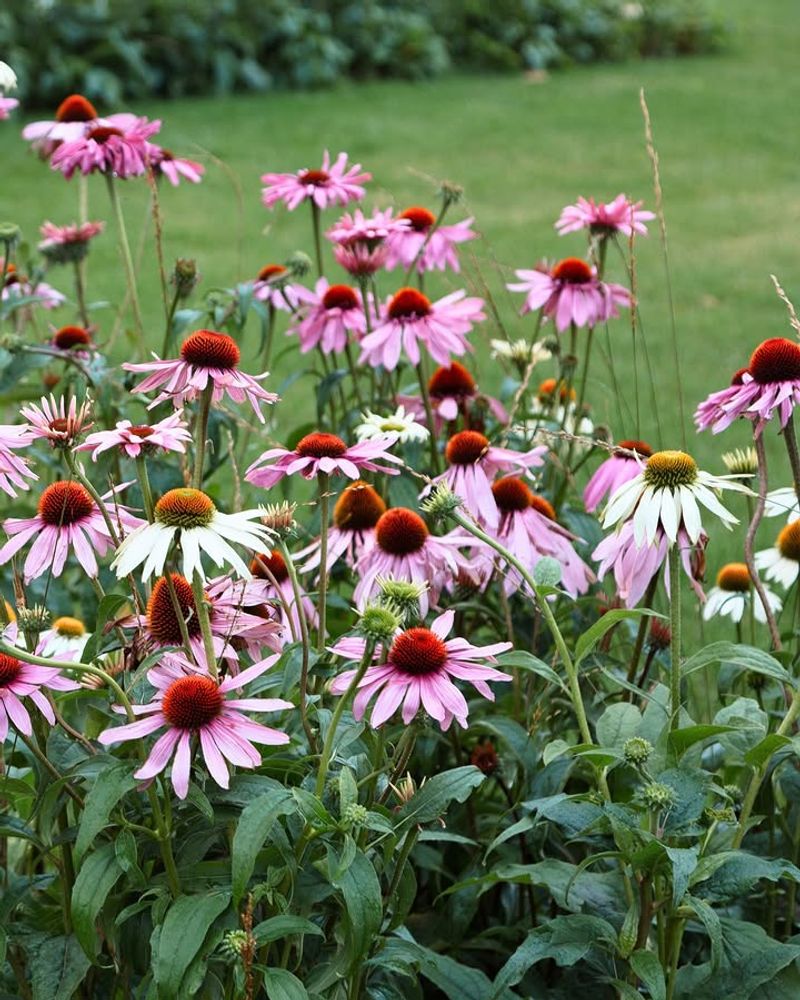
Most flowering perennials in Georgia hit their peak and fade fast once July heat kicks in. Purple coneflower operates on a completely different schedule, one that gardeners genuinely appreciate when the rest of the garden looks exhausted and scorched.
Blooming typically begins in late spring or early summer, depending on location within the state, and continues steadily through August and sometimes into September. Each individual flower stays open for several weeks before petals begin to drop.
New buds keep opening on the same plant throughout the season, so the display never looks tired or sparse during peak summer heat.
Gardeners in the northern mountains often see blooms starting a bit later than those in coastal plain regions near Brunswick or Valdosta, where the season begins earlier and stretches longer.
Either way, the bloom window is impressive compared to most other herbaceous perennials available at local nurseries.
Deadheading, which means removing spent flowers, can encourage additional blooms and extend the season slightly. However, leaving some seed heads in place attracts birds and supports the plant’s natural reseeding process.
Your Georgia Garden Changes Every Week. Your Plan Should Too.
Gardening in Georgia changes quickly throughout the season. Every Friday you’ll receive a simple weekly plan showing exactly what to plant, prune, fertilize, harvest, and protect so you never miss the right timing.
Balancing between deadheading and leaving seed heads gives you both extended color and future plants at no extra cost.
3. Sturdy Stems Hold Up Better During Heavy Rain
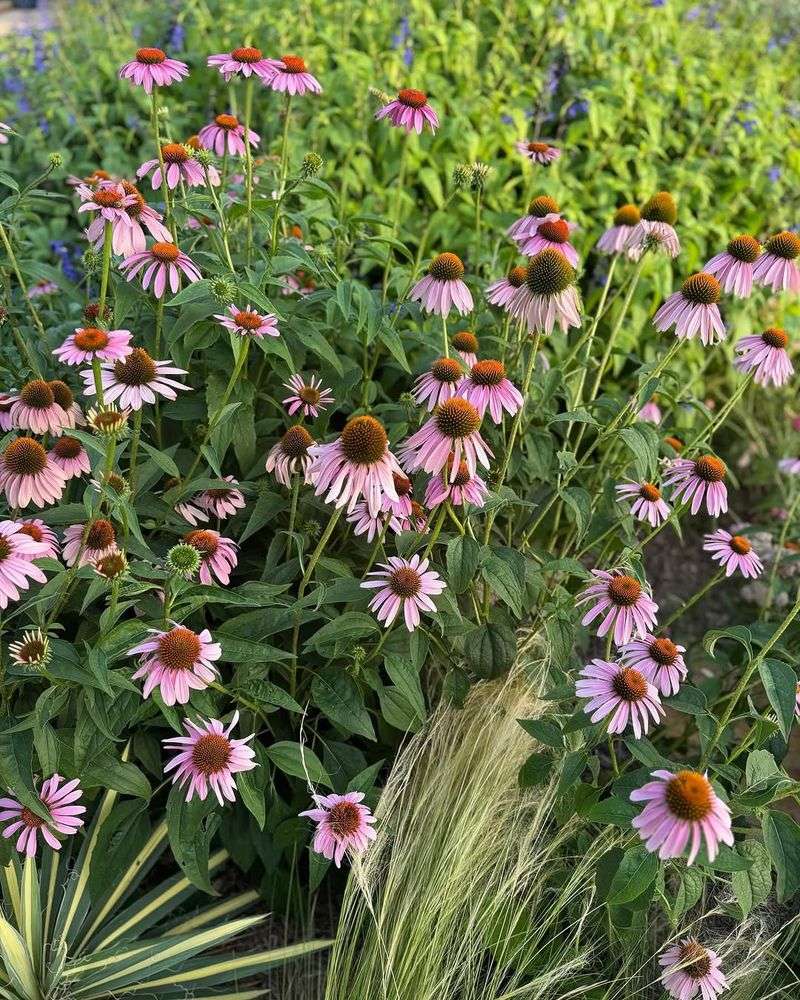
Georgia weather does not play nice. Summer storms roll in fast, drop serious rain, and leave gardens looking battered.
Plenty of ornamental plants snap, flop, or rot after repeated soakings, which makes purple coneflower stand out in a practical and important way.
Sturdy, fibrous stems give this plant real structural strength. Even after heavy downpours, coneflower stems typically spring back upright without staking or support.
That resilience matters a lot in Georgia, where afternoon thunderstorms are a near-daily event from June through August.
Gardeners who have lost expensive plants to storm damage tend to gravitate quickly toward anything that holds its shape reliably.
Root depth contributes to that stability. Coneflower develops a strong taproot over time, which anchors the plant firmly and also helps it access moisture during dry spells between storms.
A well-established plant handles short wet periods and dry stretches better than many garden perennials.
Spacing plants correctly from the start helps prevent issues. Crowded coneflowers compete for light and air circulation, which can weaken stems over time.
Planting about eighteen to twenty-four inches apart allows each clump to develop fully without leaning on neighbors for support.
4. Butterflies Gather Around Newly Opened Flowers
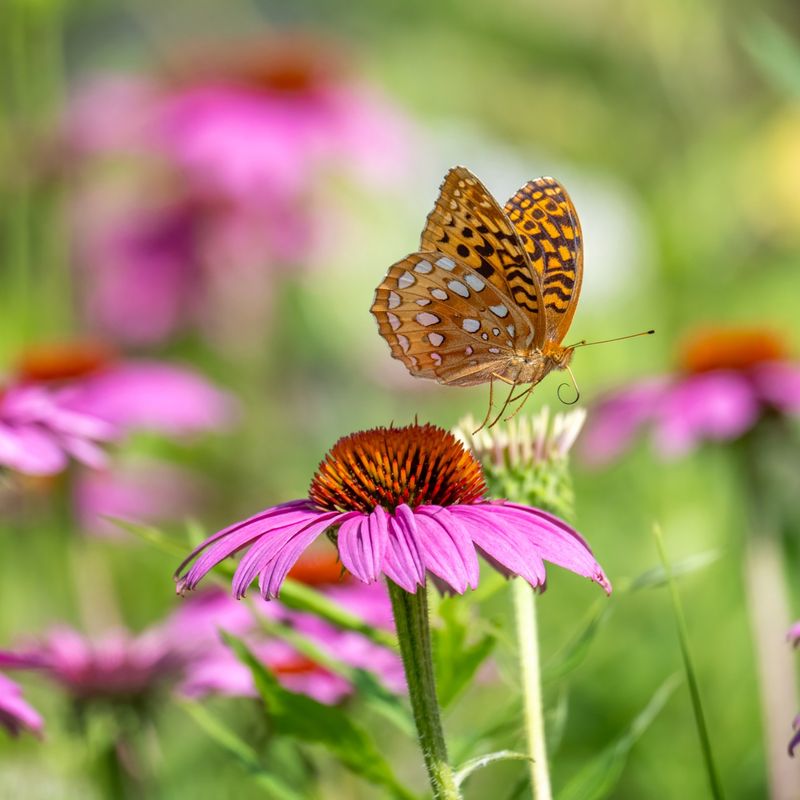
Crack open a window on a warm July morning in Georgia and step outside to a garden with purple coneflower in bloom. Within minutes, butterflies will find it.
Eastern tiger swallowtails, painted ladies, skippers, and fritillaries treat coneflower like a reliable diner, returning every day as long as blooms remain open.
Nectar production in coneflower is consistent and generous, which is exactly what pollinators need during the long Georgia summer.
Native bees also work these flowers heavily, often arriving earlier in the morning before butterfly activity peaks.
Watching the steady traffic of insects on a sunny coneflower patch gives a clear picture of how much wildlife value one plant can deliver.
Georgia has seen declines in several native pollinator populations over recent decades, tied to habitat loss and reduced availability of native flowering plants. Planting coneflower contributes directly to reversing that trend at a neighborhood level.
Even a small cluster of plants in a suburban yard provides meaningful forage for butterflies and bees that struggle to find food in heavily maintained landscapes.
Newly opened flowers attract the most activity. Fresh blooms release the strongest scent signals and offer the most accessible nectar.
Older flowers still get visited, but the real action centers on the freshest blooms in any given patch.
5. Seed Heads Continue Standing After Petals Drop
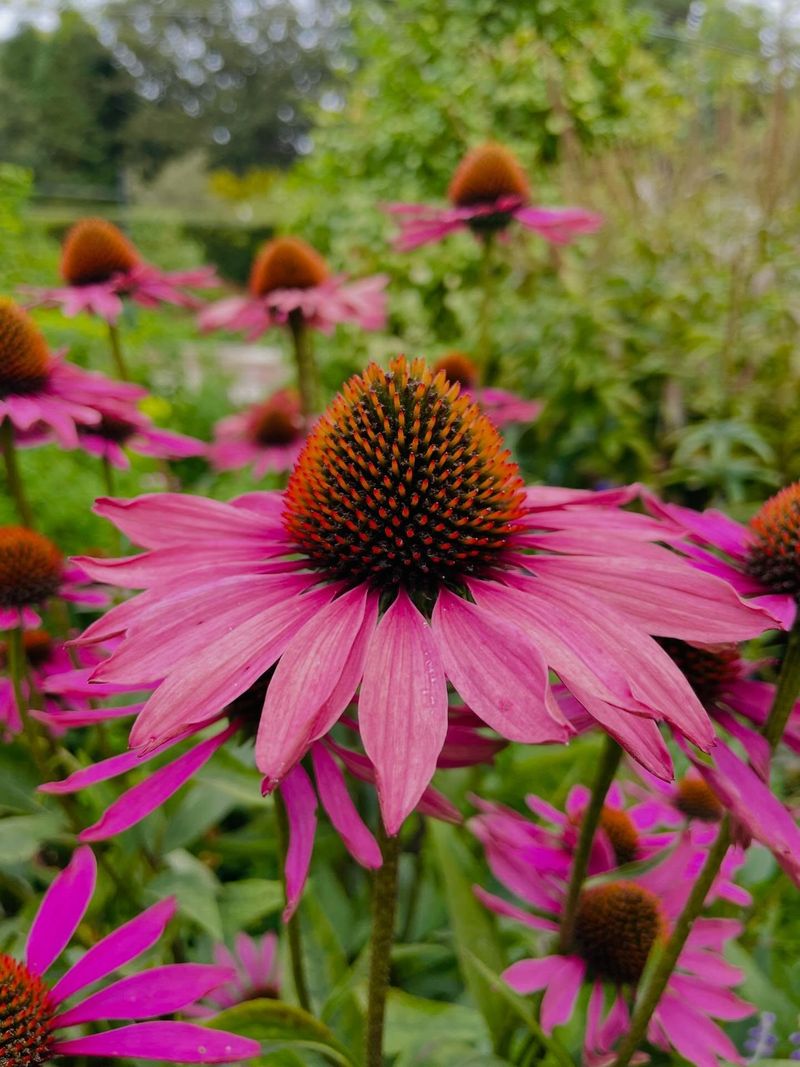
Once the purple petals fall away in late summer, something interesting takes their place. Spiky, dome-shaped seed heads rise up and hold their form through fall and well into winter across much of Georgia.
Far from looking messy, these structures add genuine texture and visual interest to a garden that would otherwise look bare and flat.
Goldfinches love them. Watching a small flock of goldfinches clinging to coneflower seed heads on a cool Georgia morning in November is one of those simple garden moments that sticks with you.
Each seed head holds dozens of seeds, and birds work through them methodically over several weeks. Leaving seed heads standing rather than cutting plants back in fall makes a real difference for overwintering songbirds.
Landscape designers working in Georgia increasingly use coneflower seed heads as a deliberate winter garden feature.
Paired with ornamental grasses that also hold their structure, the combination creates a naturalistic scene that looks intentional and polished even without any flowers present.
Winter interest is something many Georgia gardeners overlook when planning plantings, and coneflower solves that problem almost automatically.
From a practical standpoint, seed heads also contribute to natural reseeding. Some seeds fall close to the parent plant and germinate the following spring, slowly expanding the original clump.
6. Mature Clumps Return Reliably Each Growing Season
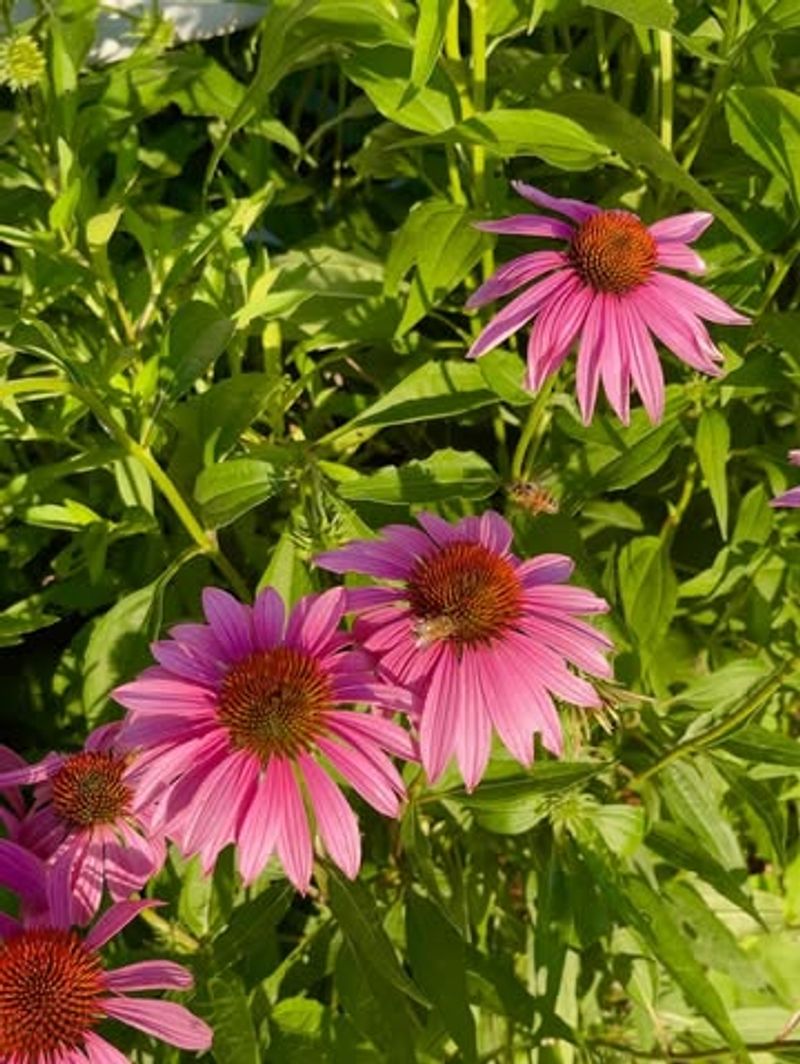
Planting something once and watching it come back stronger every year is about as satisfying as gardening gets.
Purple coneflower delivers exactly that kind of reliability, which explains a lot about why Georgia gardeners keep recommending it to anyone willing to listen.
Established clumps emerge from the soil each spring with noticeably more vigor than the previous year. Root systems deepen and expand through each growing season, giving the plant better access to water and nutrients without any outside help.
By year three or four, a single coneflower plant can fill a two-foot-wide space with dense, healthy growth that needs almost no maintenance to perform well.
Georgia’s relatively mild winters work in coneflower’s favor.
Even in the northern mountain counties where temperatures drop harder, established plants come through winter with roots intact and push new growth reliably once soil warms in early spring.
Gardeners in the warmer central and southern parts of the state often see green growth emerging even earlier, sometimes as soon as late February.
Clump division is something to consider every four to five years.
When the center of a mature clump starts looking sparse or less productive, splitting it up refreshes the plant and gives you new divisions to spread elsewhere in the yard or share with neighbors.
7. Natural Looking Growth Blends Into Mixed Plantings
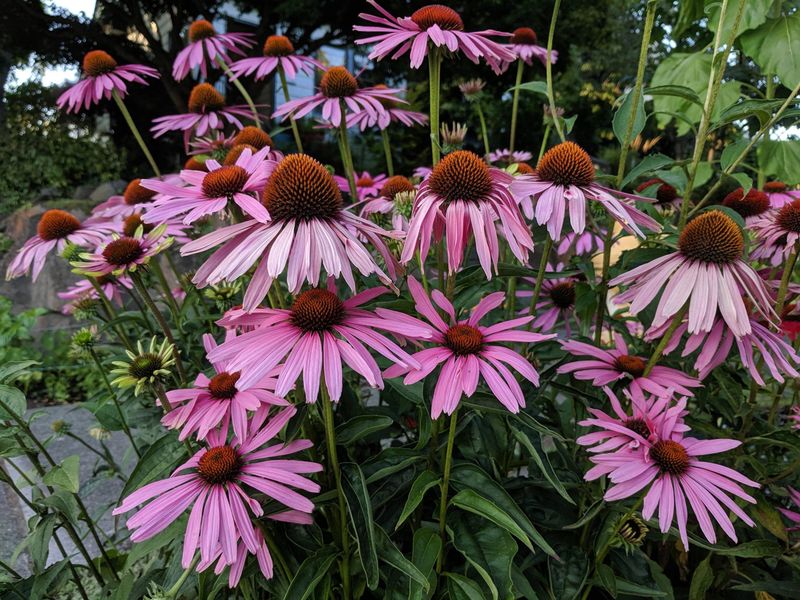
Rigid, over-manicured gardens are losing ground to something more relaxed and natural-looking across Georgia. Purple coneflower fits that shift perfectly because its growth habit is inherently casual without ever looking neglected or out of control.
Upright stems topped with those distinctive blooms rise naturally above lower-growing plants without crowding them out.
Coneflower works as a mid-height anchor in mixed borders, tall enough to provide visual structure but not so dominant that it overwhelms neighboring plants.
That balance is genuinely useful when designing layered plantings with varied heights and textures.
Native grasses like little bluestem pair especially well with coneflower in Georgia gardens. The grass provides fine-textured contrast while coneflower supplies bold flower color, and both plants share similar requirements for sun and drainage.
Black-eyed Susan is another natural companion, blooming on a slightly overlapping schedule so the two plants share the spotlight rather than taking turns.
Gardeners who want a more cottage-style look can let coneflower naturalize freely among other perennials.
Seedlings that pop up between established plants add to the spontaneous, unplanned appearance that makes cottage gardens feel authentic rather than staged.
Managing how much reseeding happens is easy enough by pulling unwanted seedlings early in spring before roots establish deeply.