The Ohio Birds That Sleep In Your Shrubs On Freezing Nights
Rake the frost off your car on a bitter January morning, and a tiny sleeper may be tucked inside the juniper just a few feet from your boot.
Ohio’s coldest nights test every living thing outside. Feathers, fat, and a bit of clever planning get small birds through hours that would flatten a person in a thin jacket.
Their bedtime tricks read like a survival manual.
Some pile in together. Some pick a specific kind of cover.
A few do something with their bodies that sounds made up until you watch it happen.
Your shrubs could be serving as a motel right now, and you’d never know. Plenty of yards miss out because one small detail of the landscaping keeps the guests away.
Take a lantern walk out there after dark this week. What’s tucked inside might change how you trim in the fall.
1. Juncos Tuck Into Dense Evergreens
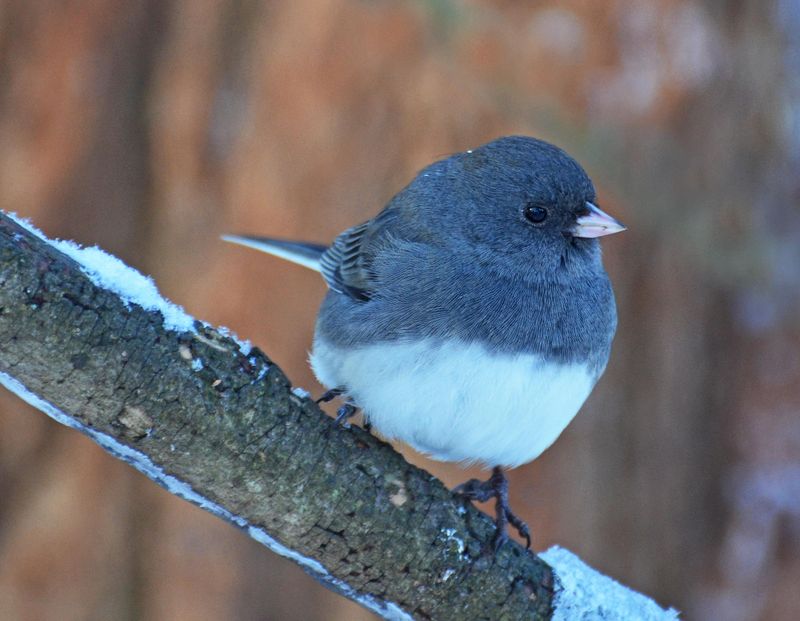
Picture a tiny gray bird with a snow-white belly hopping under your spruce at dusk. That little visitor is the Dark-eyed Junco, and many Ohioans call it the snowbird because it shows up as winter arrives.
Juncos spend their nights low and hidden. They often settle on the ground beneath thick evergreen boughs, or tuck into yew thickets, conifers, and brush piles where the wind cannot reach them easily.
Grouped evergreens work best for these birds. When several trees stand close together, their branches form a sheltered pocket that stays calmer and a bit warmer than the open yard.
Here is a fun fact to share at dinner. In winter, juncos carry over 30 percent more feathers by weight, which works like adding an extra blanket to the bed.
At night, a junco fluffs those feathers to trap warm air close to its body. It also tucks its bill and feet into its plumage, since bare skin loses heat fast.
Want to help? Leave a brush pile in a back corner and skip trimming the lowest branches on your evergreens, because that skirt of greenery is prime junco bedroom space.
Scatter some millet or sunflower chips near the cover before sunset. A full belly gives these small birds the fuel they need to stay warm until morning.
2. Cardinals Head For The Thickest Cover They Can Find
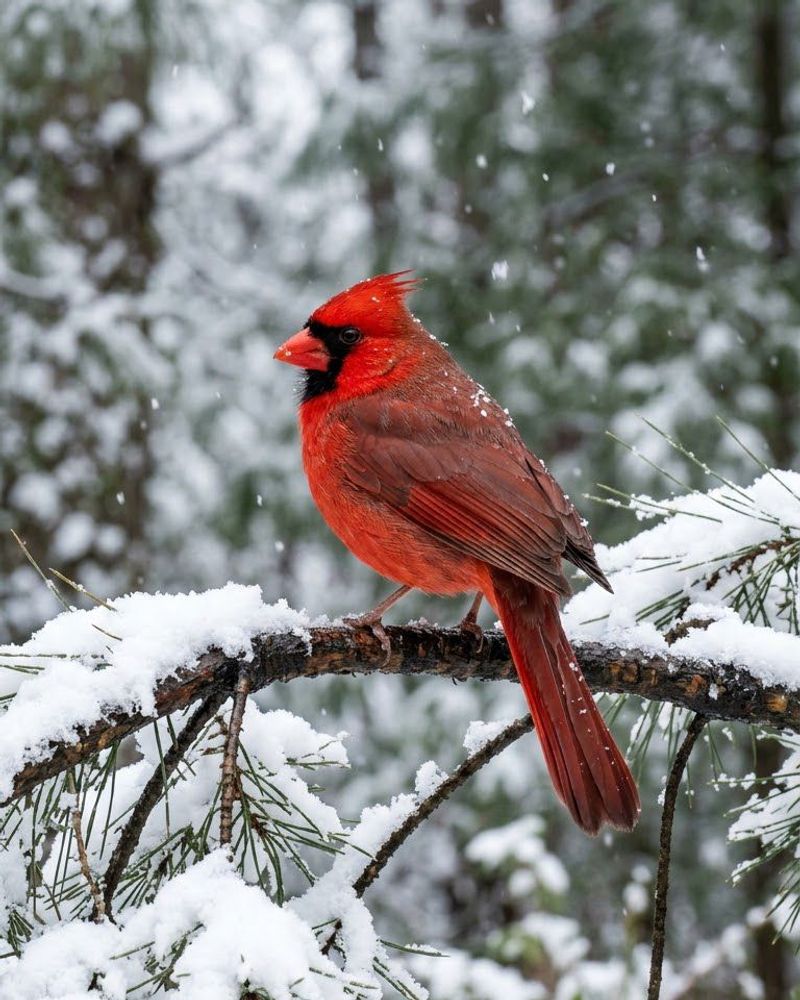
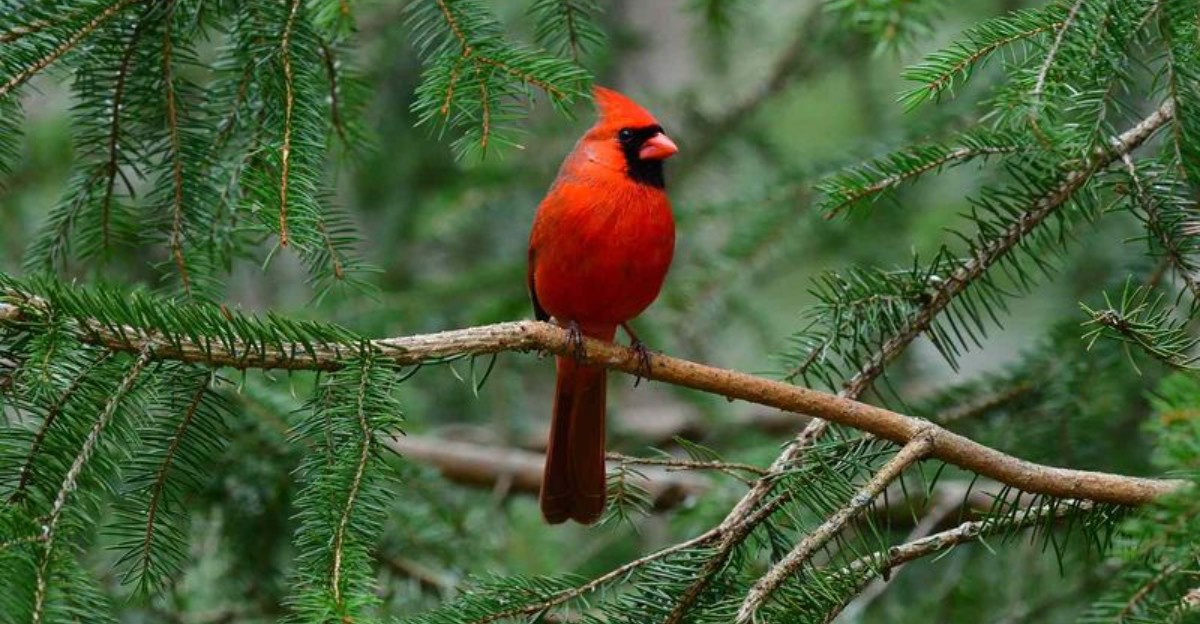
Ohio picked the Northern Cardinal as its state bird, and it is easy to see why. That flash of red against white snow can brighten even the grayest January afternoon.
Cardinals stick around all year, so they face every cold snap head-on. When evening comes, they look for the densest evergreen growth in the neighborhood and slip deep inside.
Thick cover matters more than you might guess. Packed needles and leaves slow the wind, which cuts down on convective heat loss, the chill you feel when a breeze steals warmth from your skin.
Think of it like standing behind a wall on a windy day. The air is just as cold, but you feel much warmer because the moving air is blocked.
Your Ohio Garden Changes Every Week. Your Plan Should Too.
Gardening in Ohio changes quickly throughout the season. Every Friday you’ll receive a simple weekly plan showing exactly what to plant, prune, fertilize, harvest, and protect so you never miss the right timing.
Cardinals also puff their feathers into round little balls. Some birds shiver through the night too, turning muscle movement into a small but helpful source of heat.
If you have arborvitae, holly, or a tangle of juniper, you may already host a pair. Watch around sunset, and you might spot a red bird diving into the greenery like it owns the place.
Keep a feeder stocked with black oil sunflower or safflower seeds. Rich, fatty food helps cardinals burn enough energy to last through a long, frosty night.
3. Blue Jays Settle Into Pines At Sunset
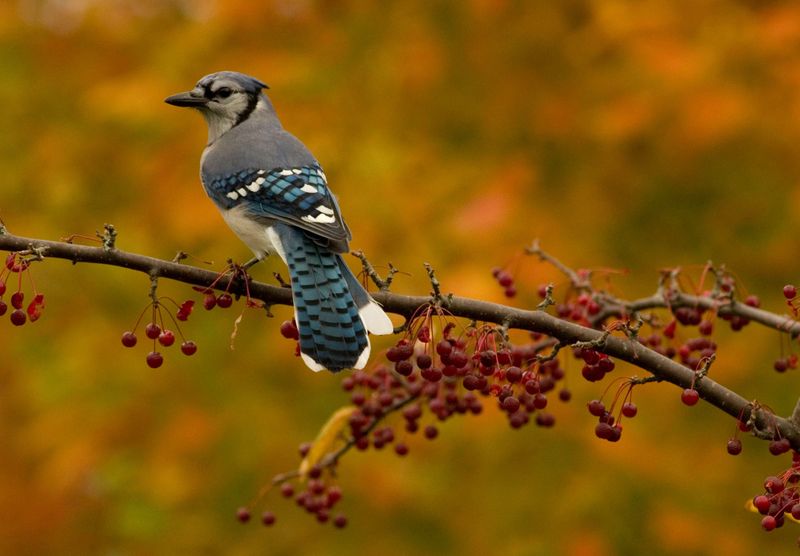
Loud, bold, and a little bossy, the Blue Jay is the neighborhood announcer. All day it screams warnings and gossip, but at sunset it gets surprisingly quiet.
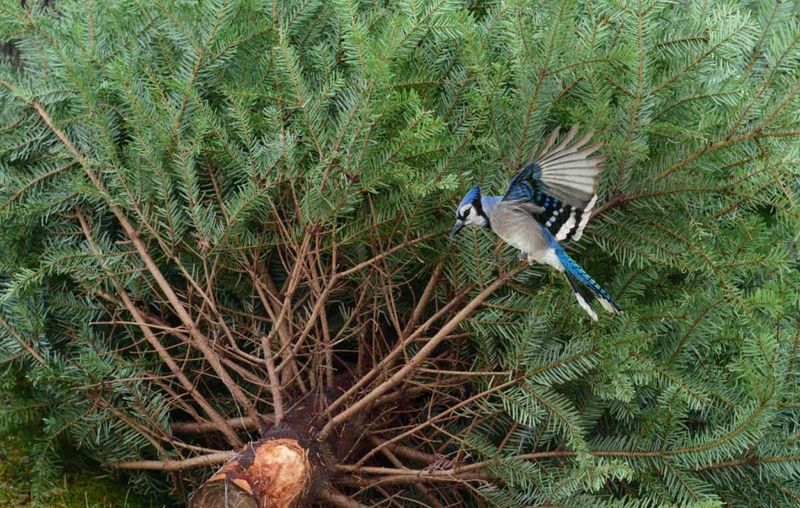
Plenty of jays stay in Ohio all winter long. As light fades, they fly into dense evergreen foliage such as pines and cedars to spend the night out of the cold.
Why pines? Their long needles grow in thick clusters that block wind and catch snow on the outside, leaving a calmer space near the middle of the tree.
Jays add their own trick to that shelter. They fluff their bright blue feathers until they look almost twice their normal size, building a puffy layer of trapped warm air.
Here is a quirky detail to enjoy. Blue Jays bury acorns in fall and dig many up in winter, so a pine near an oak gives them both a bed and a pantry.
You can make your yard jay-friendly with a few simple steps. Offer peanuts in the shell, keep a heated birdbath open, and protect any big pines or cedars on your property.
Next time you hear a jay shriek in the late afternoon, glance toward the tallest evergreen. That noisy bird might be heading home for the evening.
4. Mourning Doves Roost In Bushy Conifers Too
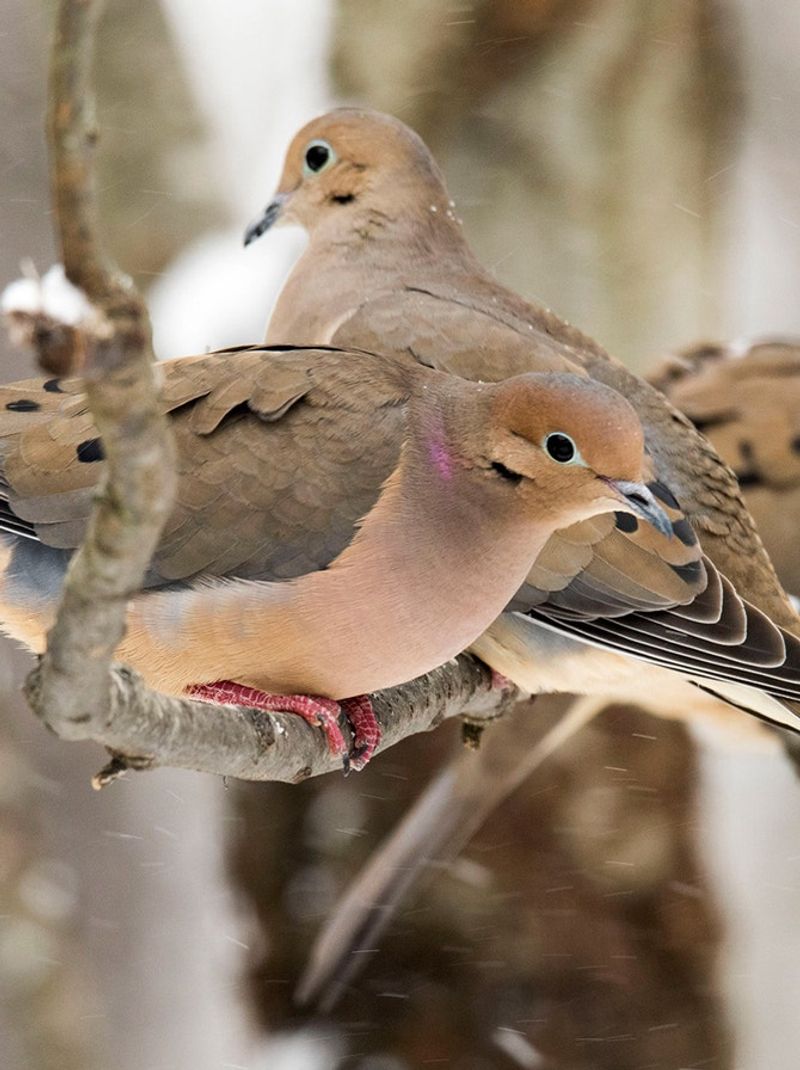
That soft, sad-sounding coo outside your window belongs to the Mourning Dove. Despite the gloomy name, these gentle birds are tough customers that handle Ohio winters well.
Many doves spend the whole year in the state. At night, they roost in evergreens or heavy brush, and they love the inner crotches of mature white pines, where thick limbs meet the trunk.
Doves are social sleepers once nesting season ends. Flocks of 20 to 50 birds sometimes gather in woodlots or thick evergreen plantations to dodge freezing winds together.
Crowding close has real benefits. Each bird stays a little warmer when surrounded by friends, kind of like kids piling under one big blanket during a sleepover.
Have you noticed doves sitting puffed up on a wire on cold mornings? They are soaking up early sunlight to recover heat lost overnight before heading off to find seeds.
To support them, scatter cracked corn or millet on the ground or on a low platform feeder. Doves prefer eating on the ground, so open space near cover makes them feel safe.
A row of white pines along your property line could become a winter dove dormitory. With patience, you may count a dozen birds slipping in at dusk.
5. House Finches Slip Into Shrubs And Vine Tangles
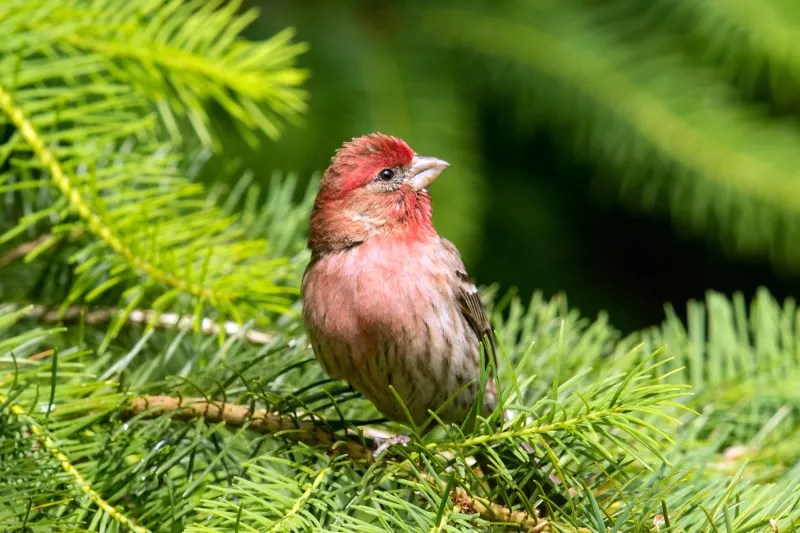
Cheerful and chatty, House Finches might be the most familiar faces at Ohio feeders in winter. The males wear a rosy red cap, while the females dress in streaky brown.
These birds feel right at home near people. They nest on porches and in hanging plants, so it makes sense that they rest close to our houses on cold nights too.
Small birds like finches often crowd into shrubs, vines, and evergreens after dark. Huddling side by side lets them share body heat and spend less energy staying warm.
Vine tangles are an underrated hideout. A mass of wild grape or native honeysuckle over a fence creates a twisty maze that blocks wind and keeps sneaky predators guessing.
So that messy corner you keep meaning to clean up might be doing important work. Leaving some tangled growth through winter could give a little flock a safe spot to sleep.
Fill tube feeders with sunflower hearts or nyjer to keep these finches fueled. High-fat seeds help them build up the inner fire they need on frosty evenings.
Watch your shrubs around twilight, and listen for soft twittering. You may find a whole crew of finches settling in just a few feet from your kitchen window.
6. Purple Finches Roost In Groups In Pines And Hemlocks
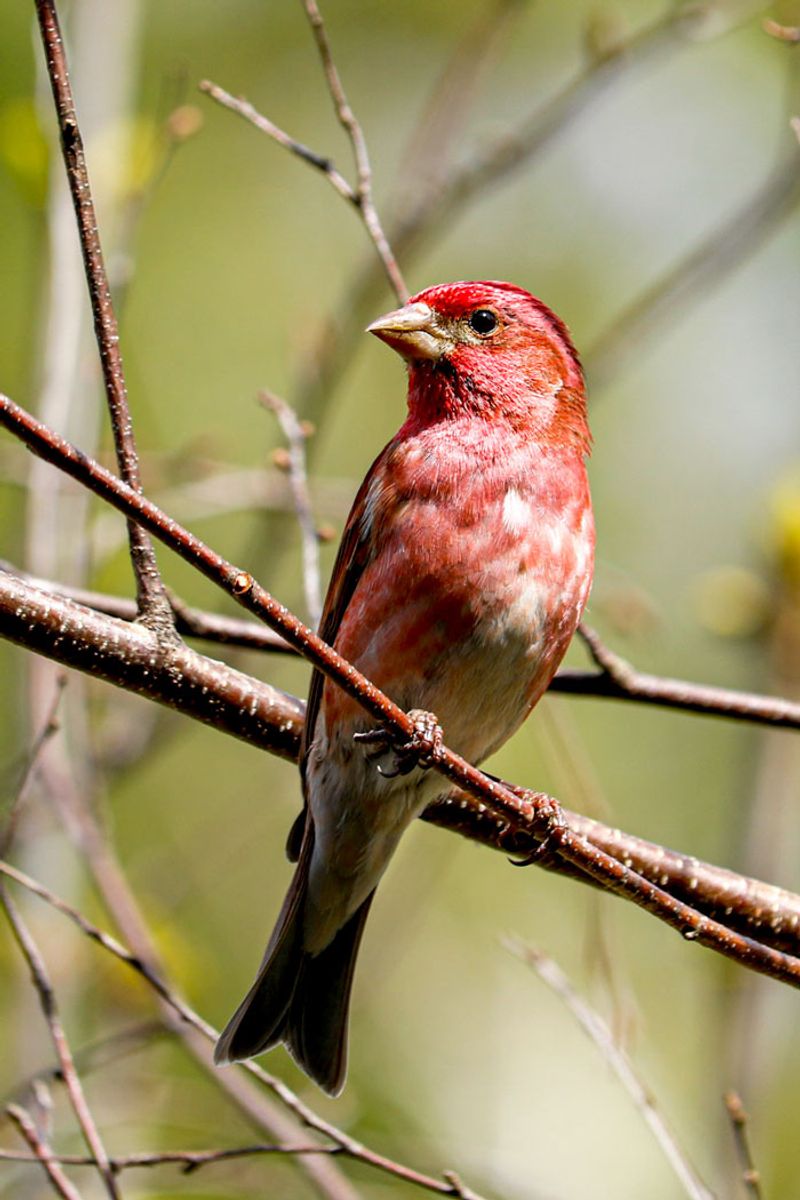
Some winters they arrive in crowds, and other winters you barely see one. Purple Finches are Ohio’s surprise guests, showing up in numbers that change wildly from year to year.
Bird lovers often describe the male as looking dipped in raspberry juice. Females are brown and streaky, with a bold white stripe over the eye that sets them apart.
These finches breed in cool forests packed with conifers. When food runs short up north, many travel south into the state, bringing their love of evergreens along with them.
At night, they tend to roost in groups among pines and hemlocks. They also mix with other finches, such as Pine Siskins and American Goldfinches, forming lively winter flocks.
Old Ohio records show Purple Finches nesting in planted spruce and patches of native pine and hemlock. That history hints at how much these birds value thick, needled cover.
To tempt them, offer black oil sunflower seeds in a tube or hopper feeder. Planting a hemlock or a small cluster of pines can make your yard look like a familiar hotel.
Keep your binoculars handy during a good finch year. Telling a Purple Finch from a House Finch makes a fun winter challenge for the whole family.
7. Leafless Shrubs Still Offer Shelter
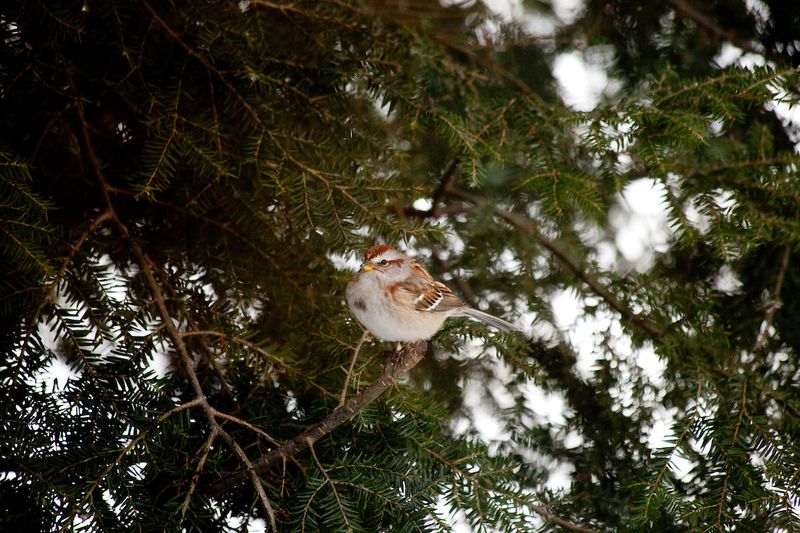
A bare shrub in January might look useless, just a bundle of gray sticks poking out of the snow. Birds see it differently, and their view is worth borrowing.
Leafless bushes and small trees still give birds perches to rest on. The crisscross of twigs also makes it harder for hawks and cats to swoop in for a quick grab.
Of course, there is a tradeoff. Shrubs with dense canopies, like evergreens, offer better camouflage and stronger protection from wind, rain, and snow than bare branches can.
Still, a twiggy shrub beats an empty lawn by a mile. Many birds hop between bare bushes during the day, then move to thicker cover as darkness and colder air arrive.
Native options such as dogwood, viburnum, and serviceberry pull double duty. They provide branches for shelter and berries or seeds that feed birds through the lean months.
Hold off on heavy pruning until late winter. Each extra stem adds another layer of safety, and a fuller shape means more hiding spots for tired little visitors.
Try placing bare shrubs near your evergreens for a winning combo. Birds get a safe hallway to travel through before ducking into their snug nighttime spots.
8. Dense Conifers Help Birds Burn Less Energy
Step inside a thick spruce on a windy day, and you will feel the difference right away. The roaring gusts outside fade into a hush, almost like closing a car door.
Birds rely on that calm to save energy. Dense conifers block cold winds, rain, and snow, so a resting bird does not have to burn as much fuel just to stay warm.
Shape plays a big role here. Conifers with wide profiles and tiered branches break up fast winter winds, creating quiet pockets inside where heat loss drops sharply.
Here is a neat bit of science. Birds often perch close to the trunk, where bark that soaked up sunshine during the day can release a little leftover warmth at night.
Every calorie counts for a small bird on a frozen night. Some can even slow their metabolism, letting their body run on low power until sunrise, much like a phone in battery saver mode.
For your yard, aim for conifers with thick, layered growth from top to bottom. Spruce, white pine, and eastern red cedar handle Ohio weather well and offer plenty of shelter.
Give each tree enough room to grow full and wide. A well-shaped conifer becomes a winter refuge that birds will return to year after year.
9. Plant Evergreens To Give Them A Place To Sleep
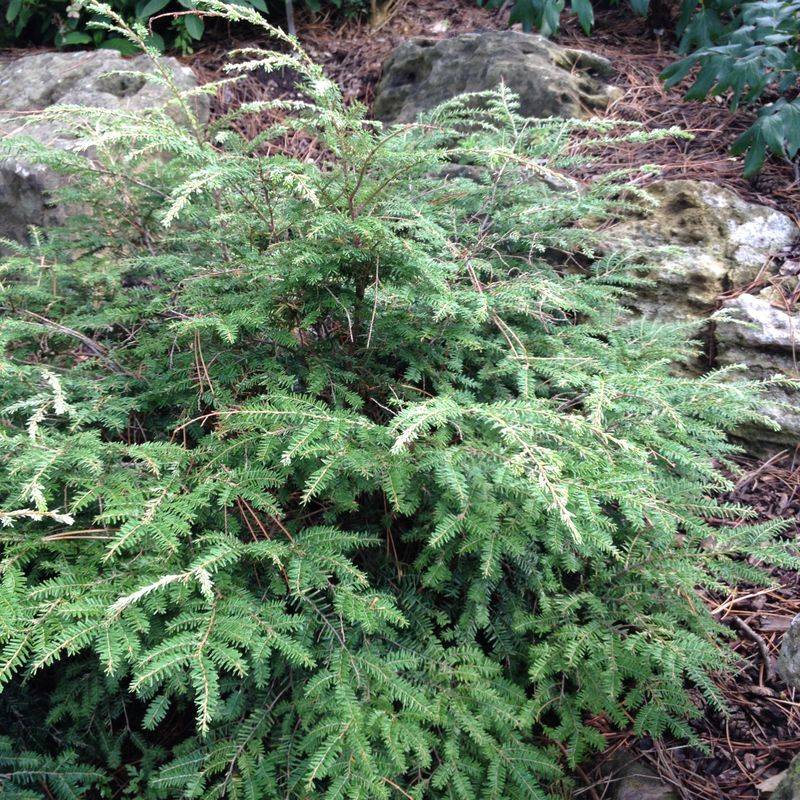
Planting one evergreen today is like building a guest room that birds will use for decades. It is one of the simplest and most rewarding gifts you can give your feathered neighbors.
Evergreens offer shelter all year, but they shine brightest in winter. They shield birds from harsh weather and hide them from predators when everything else stands bare.
Native picks for our state include Eastern Red Cedar, White Pine, Common Juniper, and Canadian Yew. Several of these also produce berries or cones that birds love to snack on.
Other solid choices include Norway Spruce, Spring Grove Arborvitae, and Emerald Green Arborvitae. Inkberry holly and American holly add glossy leaves and bright berries to the mix.
Placement makes a big difference. Group several evergreens close together to create a sheltered pocket, and leave the lower branches untrimmed so ground birds like juncos can hide underneath.
Early fall or spring is usually the best planting time in the state. Water young trees well during dry spells so their roots get settled before the ground freezes.
Pair your evergreens with a feeder and a heated birdbath for a full winter setup. Soon, you may spot cardinals, doves, and finches heading to bed in the trees you planted.