The One April Move That Prevents Citrus Stress In Arizona Heat
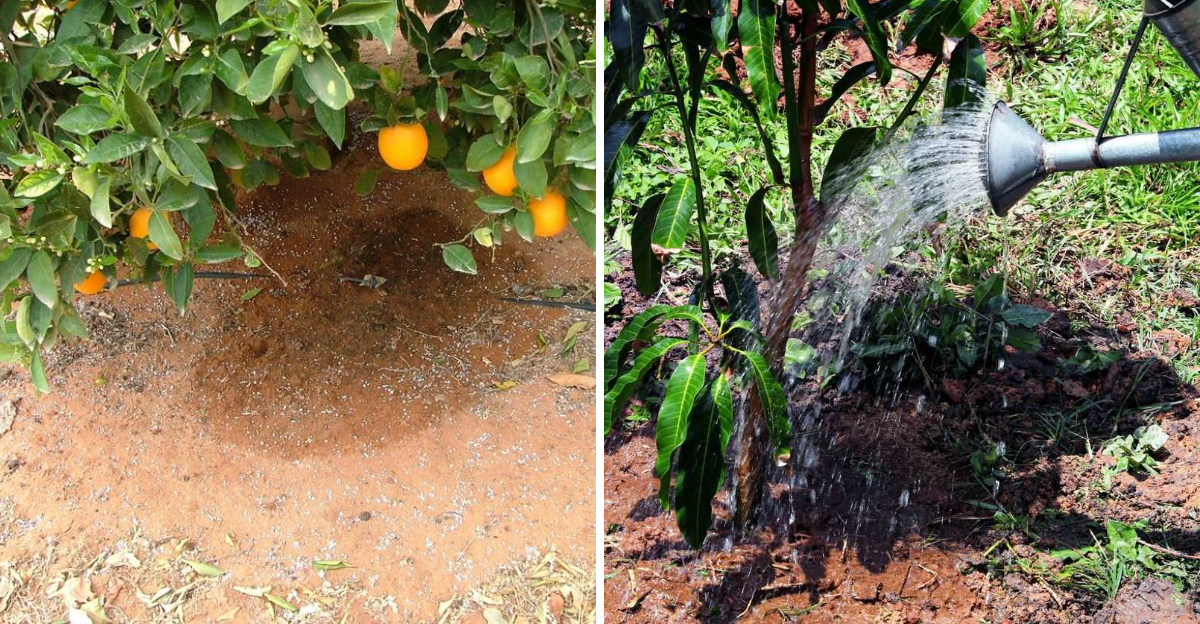
Arizona heat does not give citrus trees much room for mistakes, and what happens early in the season matters more than most expect. Many trees look strong in spring, then start showing stress once temperatures rise.
That shift is often tied to one step that gets overlooked or done too late. More gardeners are starting to focus on it in April instead of reacting when the heat is already in full force.
It is not about adding extra work or using complicated methods. Getting this one move right early on helps citrus trees stay steady as conditions get tougher.
Once that is handled at the right time, trees are better prepared to deal with rising heat and keep growing without falling behind.
1. Start Deep Watering Early To Prepare Roots For Heat
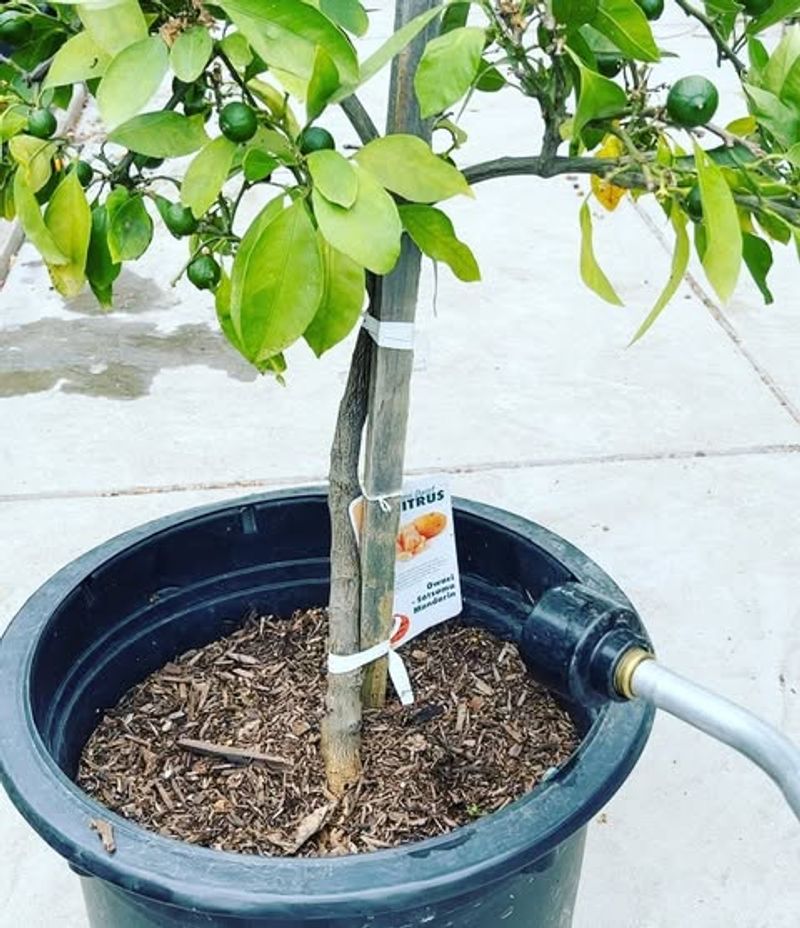
Roots that go deep stay cool longer. That simple fact matters a lot when Arizona temperatures start pushing past 90 degrees in April and keep climbing from there.
Shallow roots bake fast, and a tree with shallow roots will show stress signs within days of a heat spike.
Starting deep watering in early April gives your citrus a real advantage. When you water slowly over a longer period, moisture has time to sink down 18 to 24 inches into the soil.
That lower zone stays cooler and holds moisture longer than the top few inches ever could.
Most citrus roots actively feeding on water are found in that deeper layer, not right at the surface. Watering deeply once or twice a week in April, rather than a quick daily splash, trains roots to reach down where conditions are more stable.
Over time, those roots anchor better and access more consistent moisture.
Arizona soil, especially in the Phoenix and Tucson areas, tends to be compacted and clay-heavy in spots. Water can pool at the surface and run off before ever reaching the roots.
Watering slowly and allowing time for absorption solves that problem better than any other method.
2. Water Slowly So Moisture Reaches Deep Root Zones
Speed is the enemy of good watering. Blasting water at a citrus tree for five minutes might look productive, but most of it runs off or evaporates before it ever reaches where the roots need it most.
Slow watering changes everything about how moisture moves through Arizona soil.
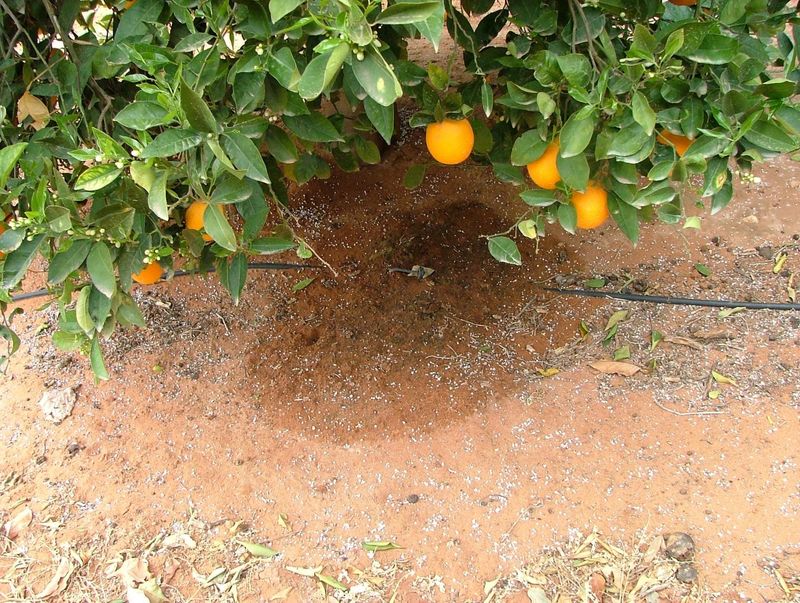
A drip system set to run for 45 minutes to an hour delivers water at a pace the ground can actually absorb. That slow delivery allows moisture to travel downward through the soil profile instead of spreading sideways along the surface and then disappearing into the dry air.
In Arizona, where low humidity pulls moisture out of soil quickly, slow application is especially critical.
Flood irrigation, which some older Arizona properties still use, works well when done correctly. Running water slowly around the base of a tree and letting it soak in over an extended period achieves the same deep penetration as a drip system.
What does not work is rushing the process.
Citrus trees in the greater Phoenix area and across the Sonoran Desert region respond noticeably to slow, deep watering within just a few weeks. Leaves hold their color better, fruit set improves, and new growth looks stronger.
Your Arizona Garden Changes Every Week. Your Plan Should Too.
Gardening in Arizona changes quickly throughout the season. Every Friday you’ll receive a simple weekly plan showing exactly what to plant, prune, fertilize, harvest, and protect so you never miss the right timing.
3. Check Soil Moisture Before Increasing Frequency
Watering more does not always mean watering better. One of the most common mistakes Arizona citrus growers make in April is increasing watering frequency without first checking whether the soil actually needs it.
Overwatering causes root problems just as real as drought stress, and the symptoms can look surprisingly similar.
Before adding more irrigation time or more watering days, push a wooden dowel or a thin metal rod about 12 inches into the soil near the tree’s drip line. If it slides in easily and comes out with moist soil clinging to it, the tree has enough water.
If it hits resistance and comes out dry and dusty, it is time to water more.
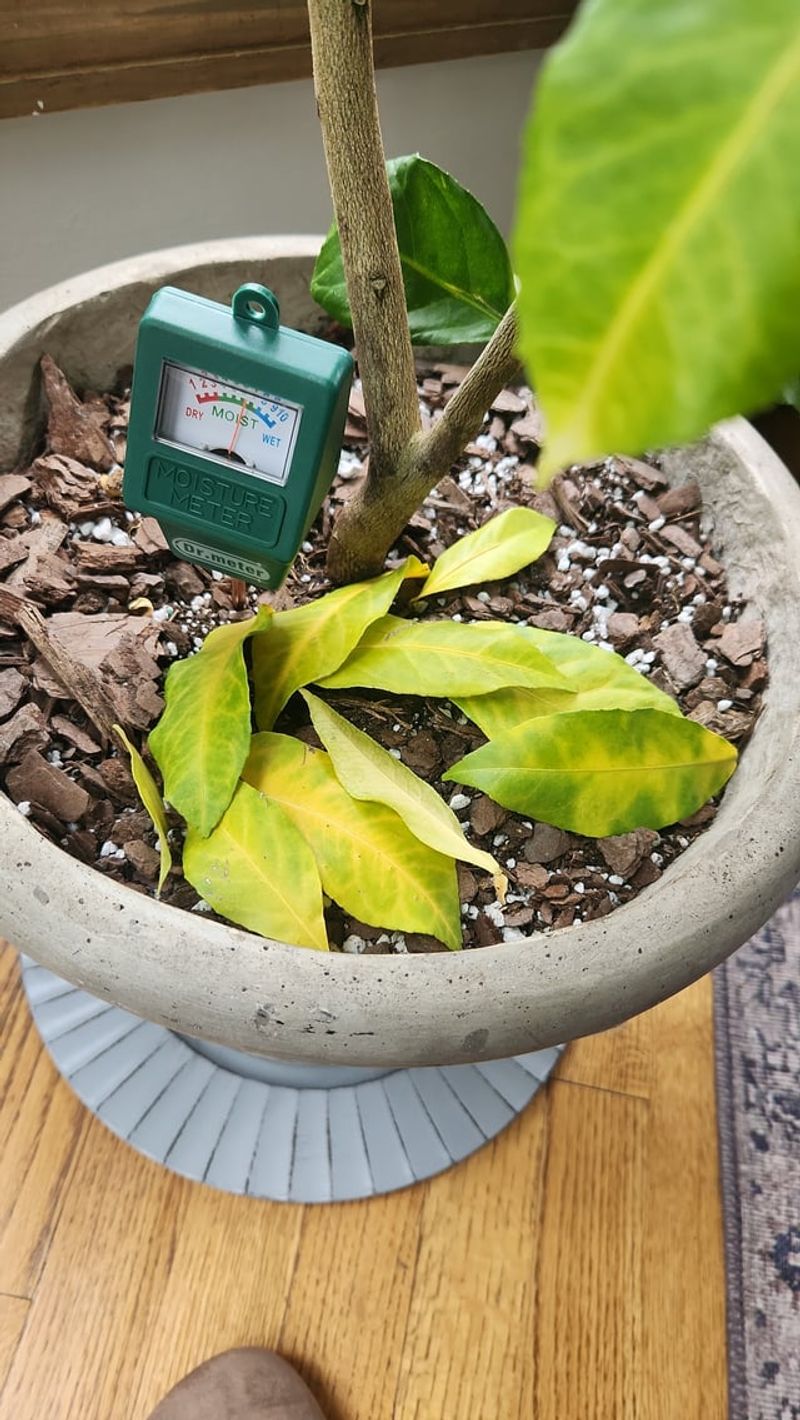
Soil moisture meters are inexpensive and widely available at garden centers across Arizona. They take the guesswork out of the process entirely and are especially helpful for gardeners who are newer to growing citrus in the desert.
Checking moisture two or three times a week in April gives you a clear picture of how fast your soil is drying out as temperatures climb.
Sandy soils common in parts of the Tucson and Phoenix areas drain faster and may need more frequent watering than heavier clay soils. Knowing your soil type helps you set realistic expectations before temperatures peak in May and June.
4. Adjust Irrigation Before Temperatures Spike
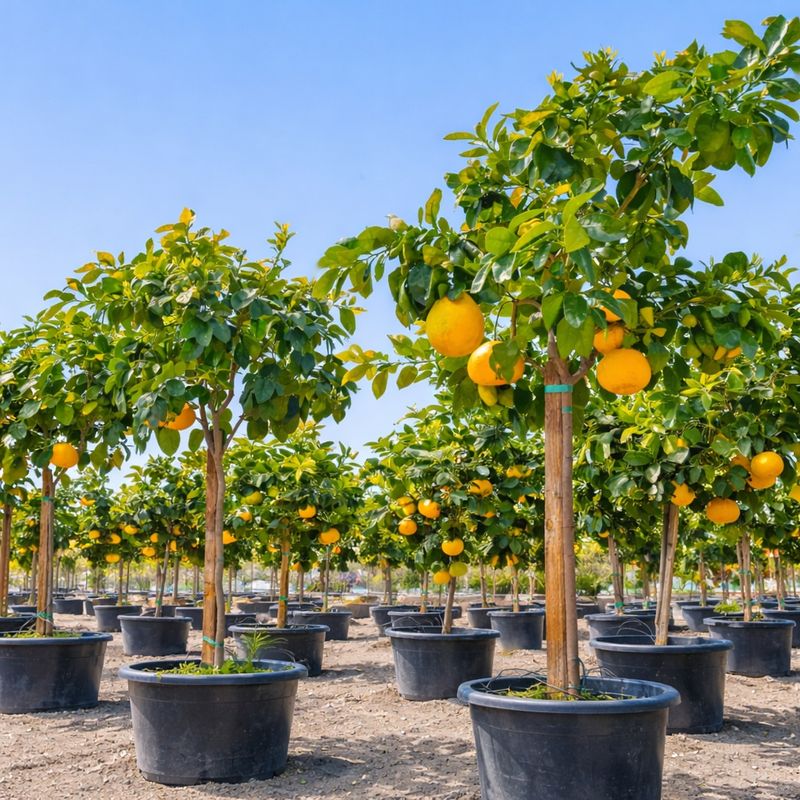
Waiting until your citrus tree looks stressed to change your irrigation schedule is too late. By the time you see wilting leaves or dropped fruit in Arizona, the tree has already been struggling for days.
Adjusting your irrigation system before temperatures climb past 95 degrees is one of the smartest moves you can make in April.
Most irrigation timers in Arizona are set for winter schedules that made sense in January but fall short by mid-spring. A tree that needed water once a week in February may need it twice a week or more by late April.
That shift happens fast, and it catches a lot of citrus growers off guard every single year.
Check your local weather forecast and watch for that first stretch of days where highs consistently hit the upper 90s. That is your signal to bump up irrigation time or frequency.
Adding one extra watering session per week and extending run times by 10 to 15 minutes can make a significant difference in how well your tree handles the transition.
Arizona Cooperative Extension recommends adjusting citrus irrigation schedules monthly from spring through summer to match evapotranspiration rates, which are publicly available for most Arizona cities.
5. Avoid Shallow Watering That Weakens Roots
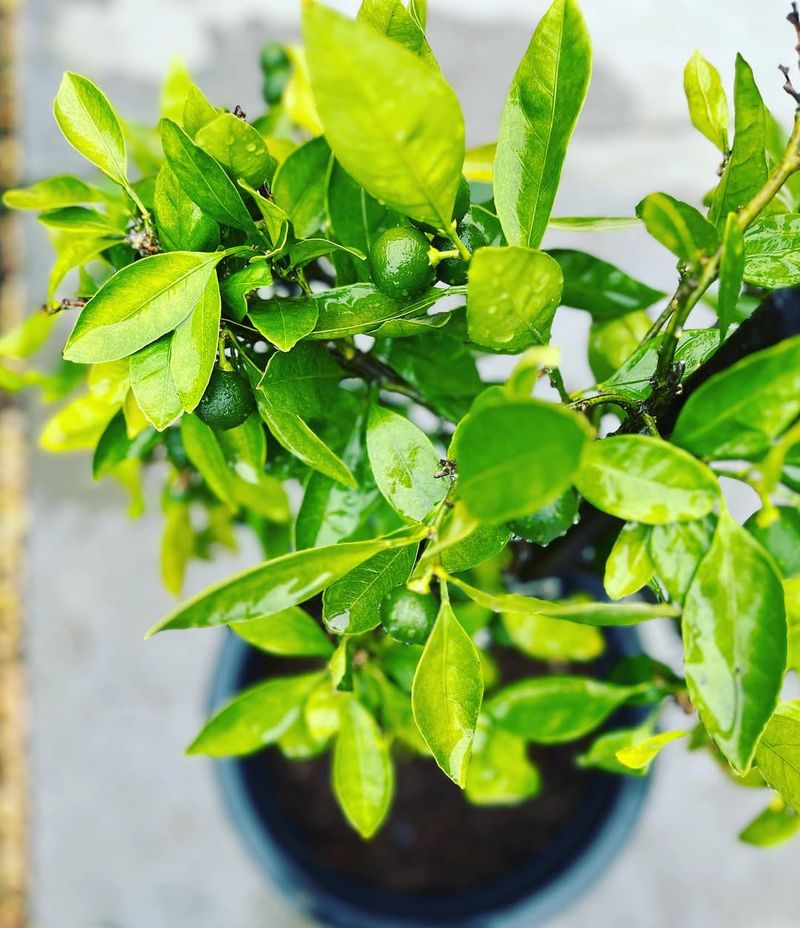
Shallow watering creates shallow roots, and shallow roots cannot survive an Arizona summer. When water only penetrates the top three or four inches of soil, roots have no reason to grow deeper.
They cluster near the surface chasing moisture, which puts them in the worst possible position when heat arrives and the top layer of soil dries out within hours.
A citrus tree with surface-level roots is far more vulnerable to heat stress than one with deep roots. Surface soil in Arizona can reach temperatures that damage roots directly, especially in sandy or rocky soils that absorb and radiate heat quickly.
Once root damage occurs, the tree struggles to pull up enough water to keep leaves hydrated even if irrigation continues.
Switching from daily shallow watering to less frequent but longer irrigation sessions is one of the most impactful changes an Arizona citrus grower can make in April.
It feels counterintuitive at first, but watering deeply every three to four days pushes roots downward where soil stays cooler and holds moisture longer.
Mulching around the base of the tree also plays a role here. A three to four inch layer of wood chip mulch slows surface moisture loss, keeps the root zone slightly cooler, and encourages roots to stay in a more protected zone.
6. Water Early In The Day To Reduce Stress
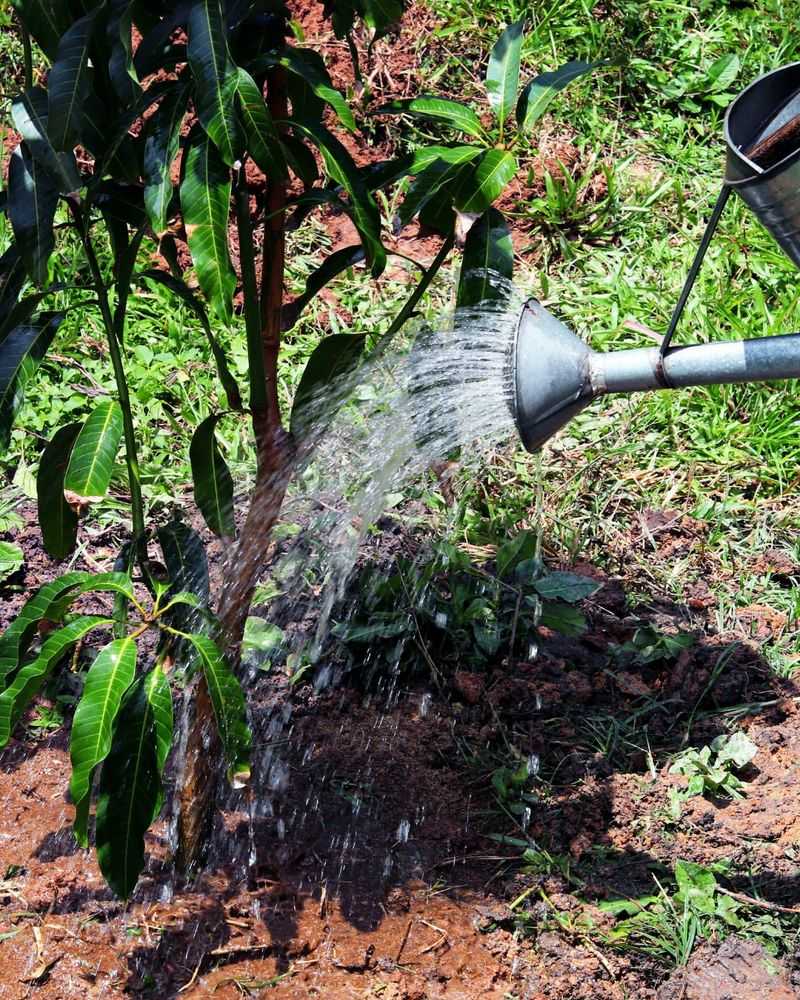
Timing your irrigation might matter just as much as how much water you actually apply. Watering citrus trees early in the morning, ideally before 8 a.m., gives moisture time to soak deep into the soil before the heat of the day accelerates evaporation.
By midday in Arizona, surface soil moisture can vanish within an hour or two.
Early morning watering also reduces the chance of fungal issues. When water sits on leaves or at the base of the tree in warm, humid conditions overnight, it can encourage problems.
Morning irrigation means leaves dry quickly as the day warms up, which is healthier for the tree overall.
Afternoon watering during an Arizona summer is especially inefficient. Water applied when temperatures are at their peak evaporates quickly before it can penetrate deeply.
Any water that does make it into the soil is pulled back toward the surface fast. You end up using more water and delivering less benefit to the roots that actually need it.
Setting your drip timer to run in the early morning hours is a simple fix that costs nothing.
7. Maintain Consistent Moisture As Heat Builds
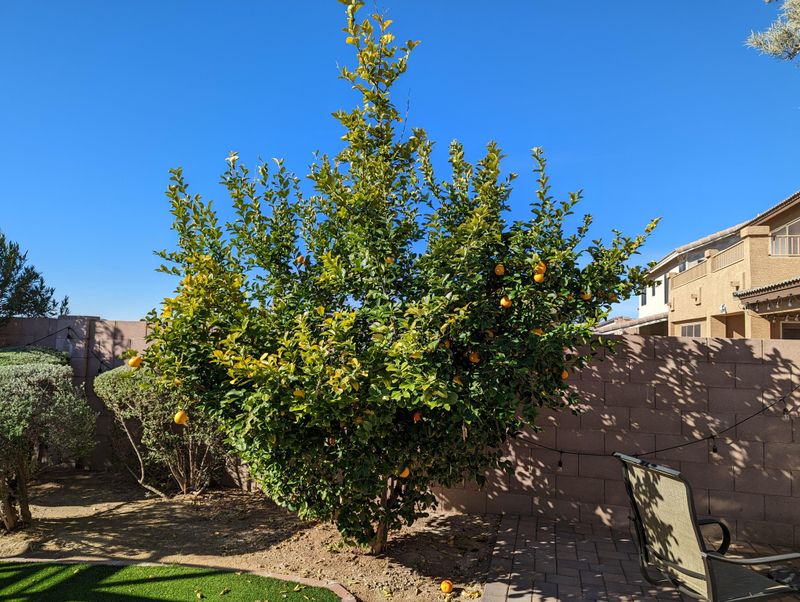
Consistency is the word that defines successful citrus care in Arizona. Swinging between dry spells and heavy watering sessions stresses citrus trees more than almost any other management mistake.
When roots experience repeated wet-dry cycles, the tree spends energy recovering from each swing instead of putting that energy into fruit and healthy growth.
As May approaches and temperatures begin regularly hitting triple digits, your goal is to keep the soil moisture in a stable range. Not waterlogged, not bone dry, but consistently damp at the root zone depth.
Checking soil moisture weekly and adjusting irrigation run times to match the changing weather keeps that balance achievable.
Arizona summers do not follow a perfectly predictable schedule. A stretch of 110-degree days will dry soil faster than a mild week in the low 100s.
Staying attentive to both the weather forecast and the actual soil conditions lets you make small adjustments before your tree shows any visible signs of struggle.
Citrus trees that experience consistent moisture through April, May, and June typically hold their fruit better and produce a stronger fall harvest.