10 Best Companion Herbs To Grow In Your Ohio Garden
Most Ohio gardeners treat herbs like an afterthought. A pot of basil by the back door, maybe some parsley squeezed into a corner, and that’s about as far as the thinking goes.
But herbs pull way more weight in a garden than most people realize. Tuck the right ones near your tomatoes, peppers, or squash and something shifts.
Pest pressure drops. Pollinators show up in bigger numbers.
The soil holds moisture a little better. Neighboring plants just seem to perform at a higher level.
That’s not gardening folklore, that’s companion planting doing exactly what it’s supposed to do. Ohio’s growing season gives you a solid window to experiment, and herbs are the lowest-stakes, highest-reward bet in the whole garden.
You don’t need a massive plot or a complicated plan. You just need to know which herbs actually earn their space and which ones are worth growing right alongside everything else you’ve already got going.
1. Basil Makes Tomatoes Feel Like A Summer Classic
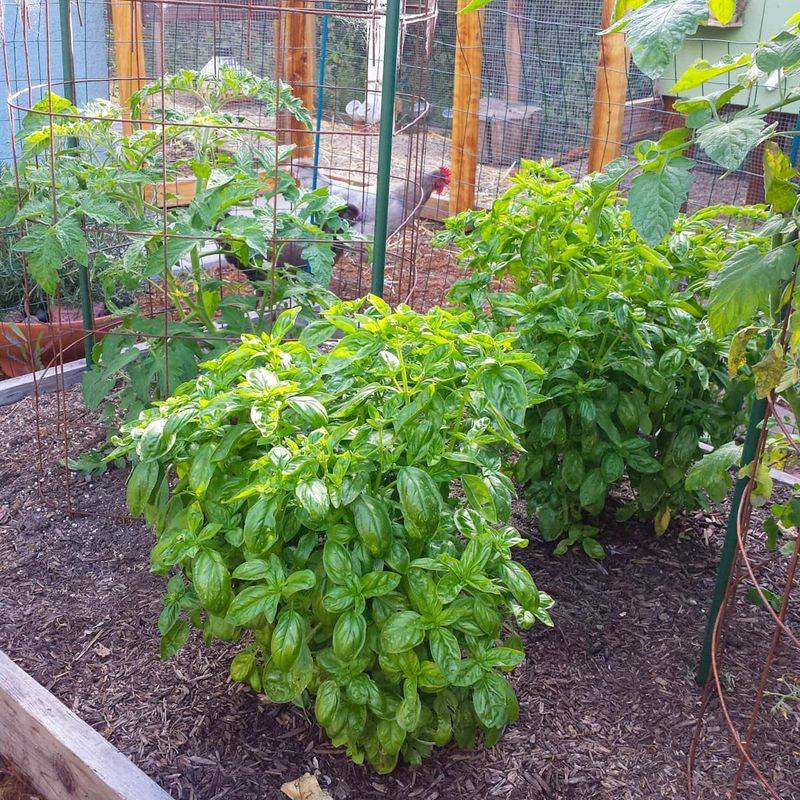
A midsummer vegetable bed in Ohio almost always has at least one tomato plant anchoring the row, and basil slots in beside it like they were always meant to share space.
The two are one of the most well-known flavor pairings in the kitchen, and growing them together makes both harvests more convenient.
Basil does not provide guaranteed pest protection, but its flowers, when allowed to open, attract bees and other pollinators that benefit the entire garden.
Basil needs warm soil to thrive, which means Ohio gardeners should wait until late May or early June before planting outdoors. A cold snap after transplanting can stunt young plants and set back the whole season.
Northern Ohio gardeners especially should resist the urge to rush basil into the ground during a warm April stretch.
Pinching flower spikes regularly keeps plants producing fresh leaves longer into the season. Southern Ohio summers can get intense, and basil may bolt faster in that heat, so planting in a spot with afternoon shade can help.
Water consistently at the base of the plant to reduce fungal pressure on leaves during Ohio’s humid summer months.
2. Chives Fit Neatly Around Vegetables And Flowers
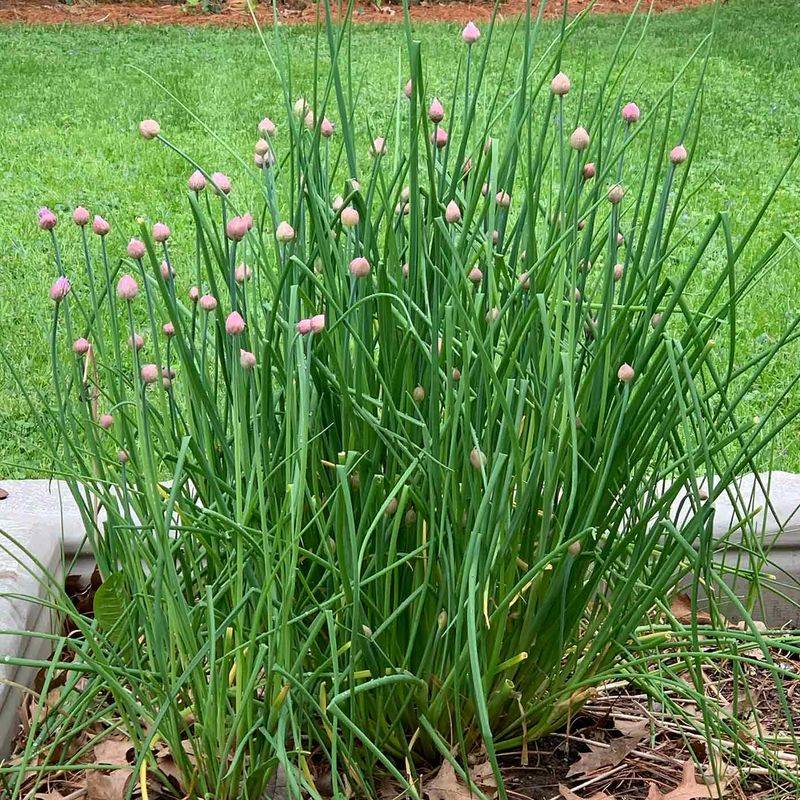
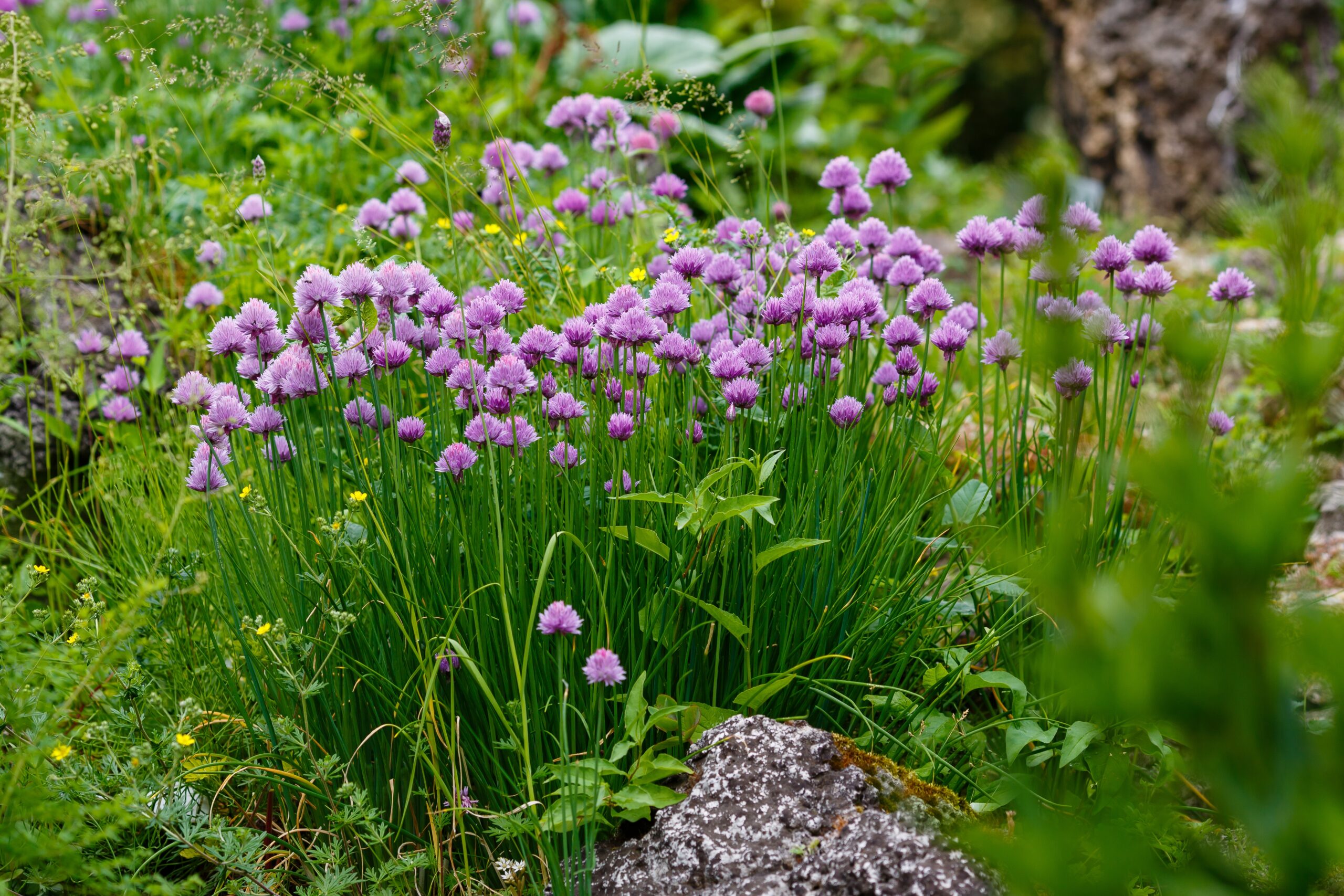
Along a raised-bed edge in central Ohio, chives are one of the most dependable herbs you can plant and mostly forget about. They stay compact, rarely flop over, and come back reliably each spring without much fuss.
Their slender upright habit makes them easy to tuck between larger plants without crowding anyone out.
The purple globe-shaped flowers that appear in late spring are genuinely beautiful and attract bees and other pollinators before many summer bloomers have even started.
Once the flowers fade, you can snip off the spent heads or let a few go to seed for a small amount of natural spread.
Chive clumps can be divided every few years to keep them vigorous and to share starts with neighbors or other parts of the garden.
In the kitchen, chive leaves work fresh in salads, eggs, soups, and dips without any cooking required. Central Ohio clay soil benefits from a bit of organic matter worked in before planting, since chives prefer well-drained but consistently moist conditions.
Your Ohio Garden Changes Every Week. Your Plan Should Too.
Gardening in Ohio changes quickly throughout the season. Every Friday you’ll receive a simple weekly plan showing exactly what to plant, prune, fertilize, harvest, and protect so you never miss the right timing.
Mulching lightly around clumps helps regulate moisture and keeps the root zone comfortable during Ohio’s unpredictable spring weather swings.
3. Dill Brings Beneficial Insects To The Garden
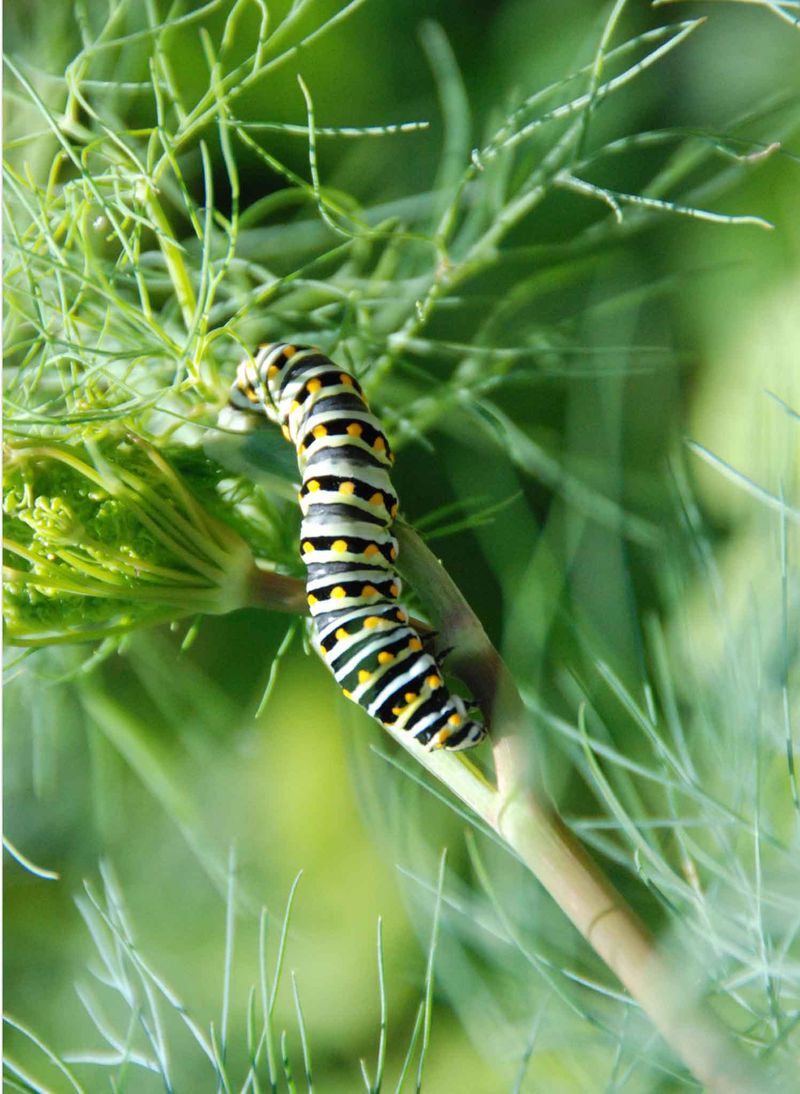
On a breezy Ohio afternoon, tall dill plants sway above the vegetable bed with their feathery foliage and flat yellow flower clusters catching the light.
Those umbrella-shaped blooms are magnets for hoverflies and parasitic wasps, two groups of beneficial insects that prey on common garden pests.
Planting dill nearby does not guarantee pest elimination, but adding that kind of insect diversity to a garden can support a healthier overall ecosystem over time.
Dill also serves as a host plant for black swallowtail butterfly caterpillars, which means you may find striped caterpillars munching on the foliage during summer.
Planting a few extra dill plants gives caterpillars room to feed while still leaving enough for your kitchen harvest.
That trade-off is worth it for anyone who enjoys watching swallowtails in the garden.
Dill grows tall and can topple in windy Ohio locations, so staking or planting near a fence line helps. It self-seeds enthusiastically, and volunteer seedlings will pop up the following spring without any extra effort.
Allow a few plants to go to seed at the end of the season if you want free dill next year, but pull extras before they spread too widely across the bed.
4. Parsley Feeds Swallowtail Caterpillars And The Kitchen
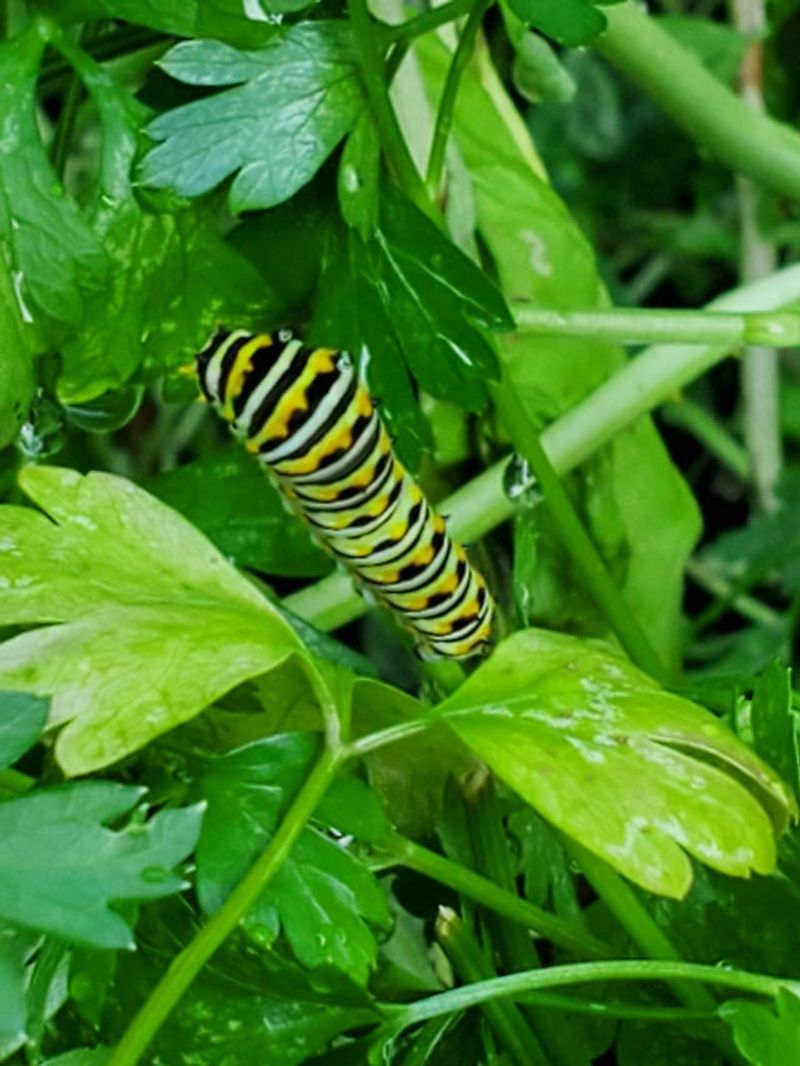
Rainy Ohio mornings are when parsley looks its absolute best, dark green and glossy with water droplets sitting on the leaves.
It is a steady, reliable herb that most Ohio gardeners grow for the kitchen, but it pulls double duty as one of the top host plants for black swallowtail butterflies.
Female swallowtails lay eggs on parsley, and the hatched caterpillars feed on the foliage before forming a chrysalis and emerging as one of Ohio’s most striking butterflies.
If you plant parsley specifically to support pollinators, expect some caterpillar feeding. The plants can handle a fair amount of leaf loss and usually bounce back.
Growing a few extra parsley plants gives both the caterpillars and your kitchen enough to share without anyone going short.
Parsley is technically a biennial, meaning it completes its life cycle over two growing seasons. In Ohio, it often survives mild winters and flowers in its second year, which provides additional nectar for beneficial insects.
Start parsley indoors in late winter or purchase transplants in spring. It prefers consistent moisture and does well in central Ohio gardens with amended clay soil.
Avoid letting it dry out completely between waterings, especially during summer heat stretches.
5. Cilantro Shines Before Ohio Summer Heat Arrives
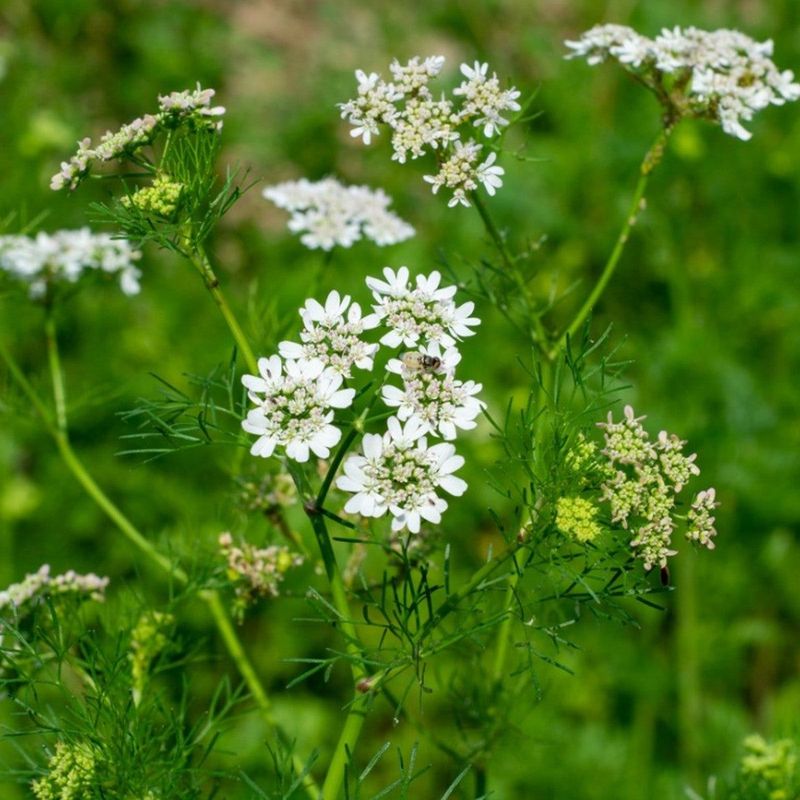
Before the Ohio heat really settles in, cilantro is one of the most productive herbs in the garden. It thrives in cool soil and mild air temperatures, making spring and early fall its prime growing seasons.
Ohio gardeners who try to grow cilantro in July often end up frustrated when plants bolt almost immediately, shooting up flower stalks and turning bitter before much leaf harvest is possible.
Bolting is simply what cilantro does when days get long and temperatures climb. Rather than fighting it, succession planting is the smarter approach.
Sow a small patch every two to three weeks starting in early April, and you can extend the harvest window well into June before summer shuts things down. A second round planted in late August often produces well into October in central and southern Ohio.
The white flower clusters that appear when cilantro bolts are actually useful in the garden. They attract hoverflies, predatory wasps, and other small beneficial insects that feed on nectar and pollen.
Letting a few plants flower rather than pulling them immediately adds another layer of insect diversity to the bed. Cilantro also self-seeds freely, so expect volunteer plants to appear in the same area the following spring.
6. Thyme Tucks Into Sunny Edges Without Taking Over
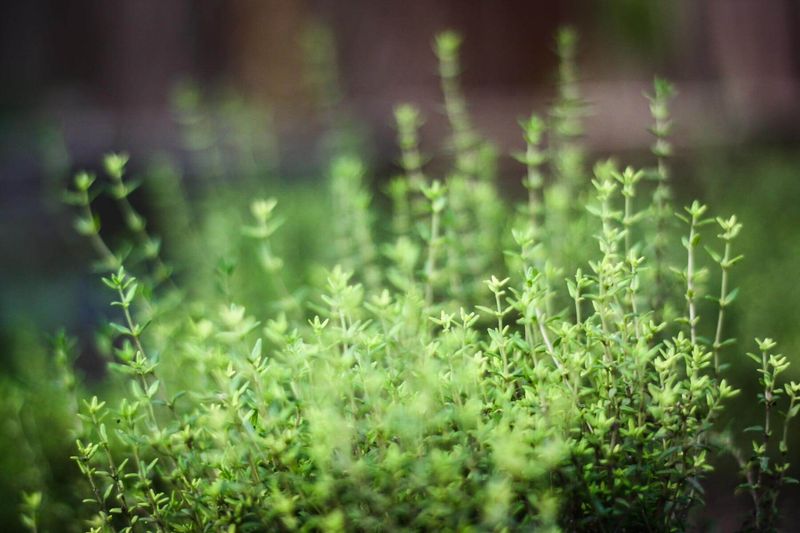
The sunny border of a garden bed is some of the most underused real estate in an Ohio yard, and thyme is one of the best plants to fill it without causing trouble.
It stays low, spreads slowly, and handles dry spells better than most herbs once it has had a full season to establish its root system.
That drought tolerance makes thyme especially practical for raised beds that tend to dry out faster than in-ground rows.
Thyme needs well-drained soil above everything else. In central Ohio, where clay soil holds moisture longer, planting thyme in raised beds or on a slight slope prevents the root rot that can develop in poorly drained spots.
Mixing coarse sand or perlite into the planting area helps in heavier soils. Southern Ohio gardeners with sandier or loamier ground will find thyme even easier to establish.
The small pink or purple flowers that appear in late spring attract bees reliably and are worth leaving on the plant rather than trimming off immediately.
Thyme grows slowly enough that it rarely needs aggressive management, but a light trim after flowering keeps the plant tidy and encourages fresh growth.
Harvest regularly throughout the season to keep stems from becoming too woody at the base.
7. Oregano Works Best Where It Has Room To Spread
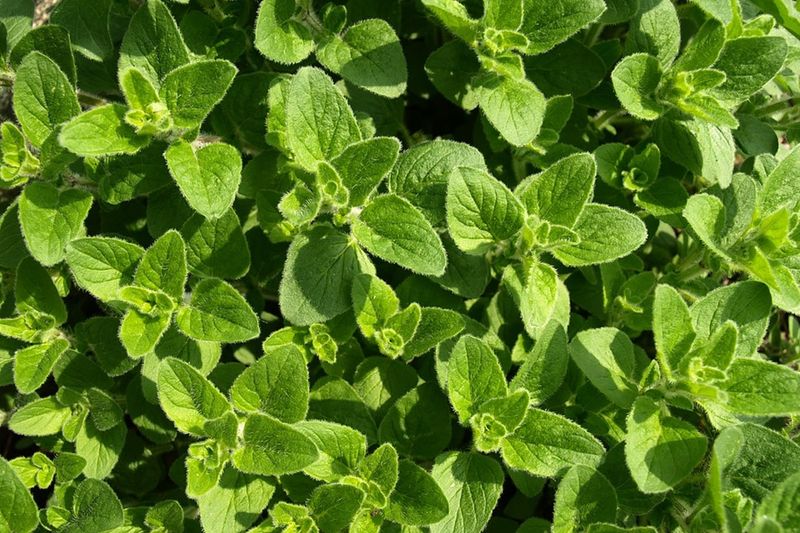
Give oregano an inch and it will cheerfully take a foot, which is not a complaint so much as fair warning. In a good Ohio growing season with decent drainage and plenty of sun, oregano spreads steadily outward from its original planting spot.
That vigor is actually an asset in the right place, like filling a long raised-bed edge or anchoring a dry sunny corner where other herbs struggle to fill in.
The key is planting oregano somewhere you can either allow expansion or commit to trimming it back regularly. Tucking it into a crowded bed without a plan often leads to oregano elbowing out smaller neighbors by midsummer.
Planting it in its own dedicated section or along an outside edge gives it room without creating conflict.
Oregano flowers attract bees and beneficial insects, and the plant holds up well through Ohio’s humid summers better than some other Mediterranean herbs.
Northern Ohio gardeners will find oregano reliably perennial, returning each spring with little intervention.
Harvest stems frequently throughout the season to encourage bushy, full growth rather than long leggy stems. The flavor intensifies as the season progresses, and sprigs harvested just before flowering are often considered the most aromatic for kitchen use.
8. Sage Helps Fill Hot Dry Garden Corners
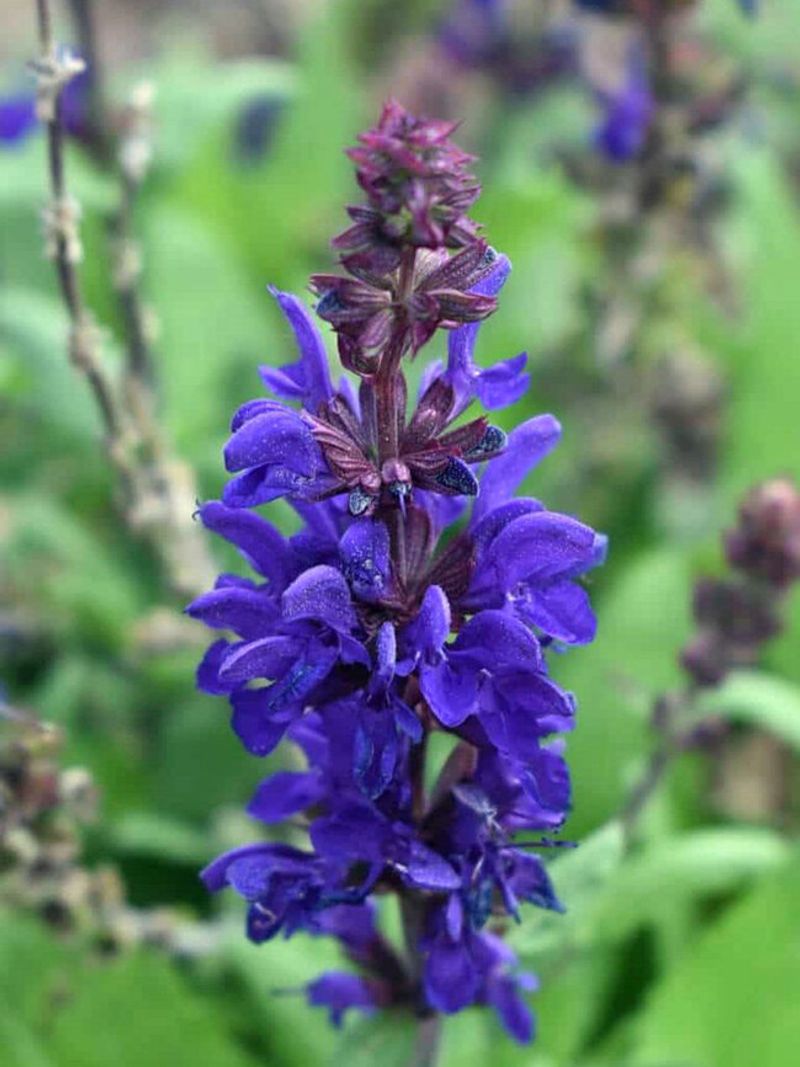
That corner of the yard where the sun beats down all afternoon and the soil dries out between every rain is exactly where sage earns its place.
Most vegetables struggle in those conditions, but sage handles dry heat with the composure of a plant that evolved in Mediterranean hillsides with thin, well-drained soil.
In Ohio, that kind of spot can be hard to plant well, and sage fills it without complaint.
Soggy soil and heavy clay saturation are the real threats to sage in Ohio.
Southern Ohio gardens with loamy or well-amended soil give sage ideal conditions, while central Ohio gardeners dealing with clay should raise the planting area or work in grit and organic matter before planting.
Avoid spots where water pools after rain, since extended wet roots weaken the plant over time.
Sage is a perennial in most of Ohio and returns each spring with woody stems that benefit from a light trim to encourage fresh growth. The purple flower spikes that appear in late spring are genuinely attractive and bring in bumblebees and other native pollinators.
Harvest leaves regularly throughout the growing season to keep the plant from getting too rangy. Fresh sage is excellent in roasted vegetables, bean dishes, and herb butters.
9. Mint Belongs In A Pot Near The Garden
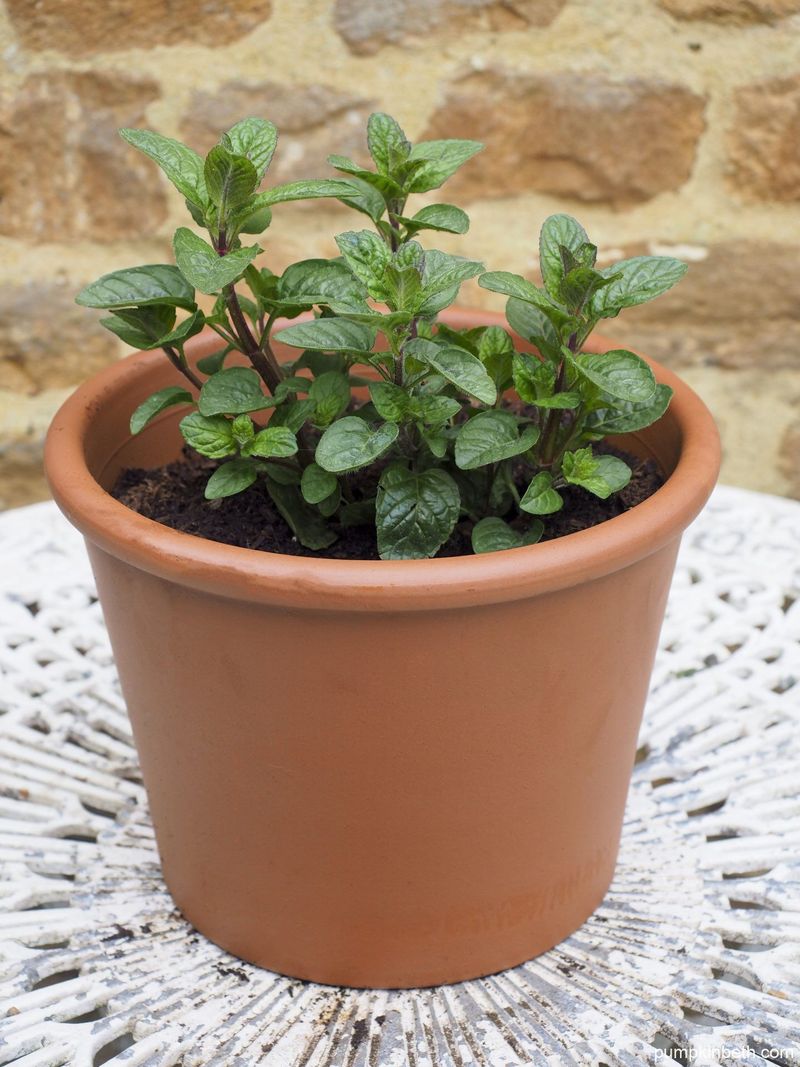
Ask anyone who has planted mint directly in a garden bed without containment, and you will hear the same story. It started as one small plant, and within two seasons it had spread under the mulch, through the raised-bed frame, and into the lawn.
Mint is genuinely useful and worth growing, but it belongs in a container rather than open ground.
A large pot placed near the garden gives mint the moisture and sunlight it needs while keeping its spreading rhizomes fully contained.
You still get generous harvests of fresh leaves for tea, cooking, and garnishes, and when mint flowers in summer, the blooms attract bees and other pollinators just as effectively as they would in an open bed.
The container can be moved around the garden as needed, which adds flexibility.
Spearmint and peppermint are both well-suited to Ohio conditions and handle the state’s humid summers without much trouble. Water container-grown mint consistently, since pots dry out faster than garden soil.
A light liquid fertilizer once or twice a season keeps potted mint producing well. Refreshing the soil every two years or dividing the root mass prevents the container from becoming overcrowded and keeps flavor quality strong through the season.
10. Borage Brings Blue Blooms And Pollinator Buzz
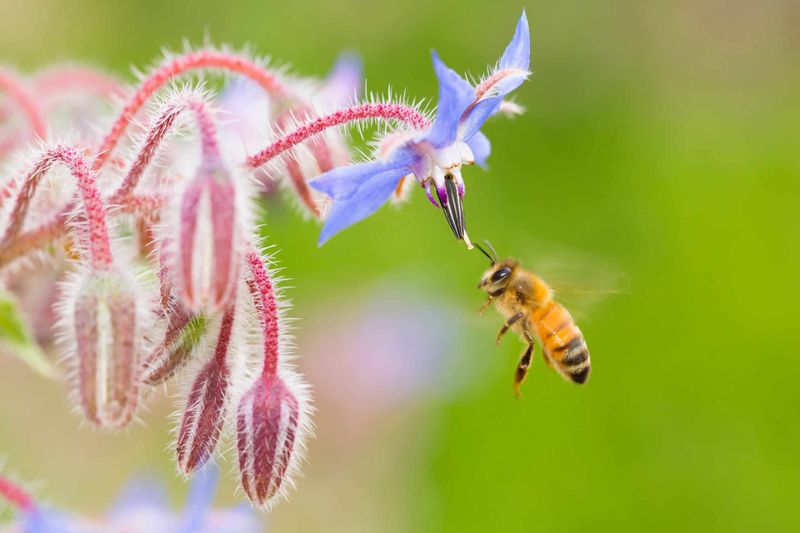
Few herbs stop garden visitors mid-step the way borage does when it opens its vivid blue star-shaped flowers in midsummer. The blooms are almost impossibly blue, and bees seem to find them irresistible.
On a warm Ohio afternoon, a borage plant in full flower can have multiple bees visiting at once, making it one of the most active pollinator spots in the garden during its peak bloom period.
Borage is an annual that grows quickly from seed and reaches two to three feet tall by midsummer. That size means spacing matters.
Planting borage too close to smaller herbs or compact vegetables can shade them out as the season progresses. Give each plant at least eighteen inches of space and position taller borage toward the back or sides of a bed rather than the center.
Self-seeding is the one management detail that catches Ohio gardeners off guard. Borage drops seeds generously at the end of the season, and volunteer seedlings appear the following spring in surprising numbers.
Pulling unwanted seedlings while they are small is much easier than managing mature plants later. The edible flowers can be used fresh in salads or frozen in ice cubes, and the leaves have a mild cucumber-like flavor worth exploring in the kitchen.