The One April Palm Care Mistake Florida Homeowners Keep Making
April has a way of making everything in a Florida yard look like it needs attention right now. The weeds are waking up, the grass is growing faster, and even the palms start looking like they could use a little cleanup before the season shifts again.
That is usually where the trouble starts. A lot of homeowners make the same move this time of year without giving it much thought, and at first, it even looks like the right call.
The yard appears neater. The palm looks more polished.
Everything feels a little more under control. Then summer hits, and that “smart” spring cleanup does not look so smart anymore.
The frustrating part is how easy this mistake is to make, especially when it has been repeated for so long that it starts to feel normal. In Florida, though, normal and helpful are not always the same thing.
One common April habit can set palms up for a rougher season ahead, and most people do not realize it until the damage is already done.
1. April Is Not The Time To Give Palms A Severe Cut
Something about warm spring air makes a pair of loppers feel necessary. April in Florida brings that familiar cleanup energy, and for many homeowners, palms are first on the list.
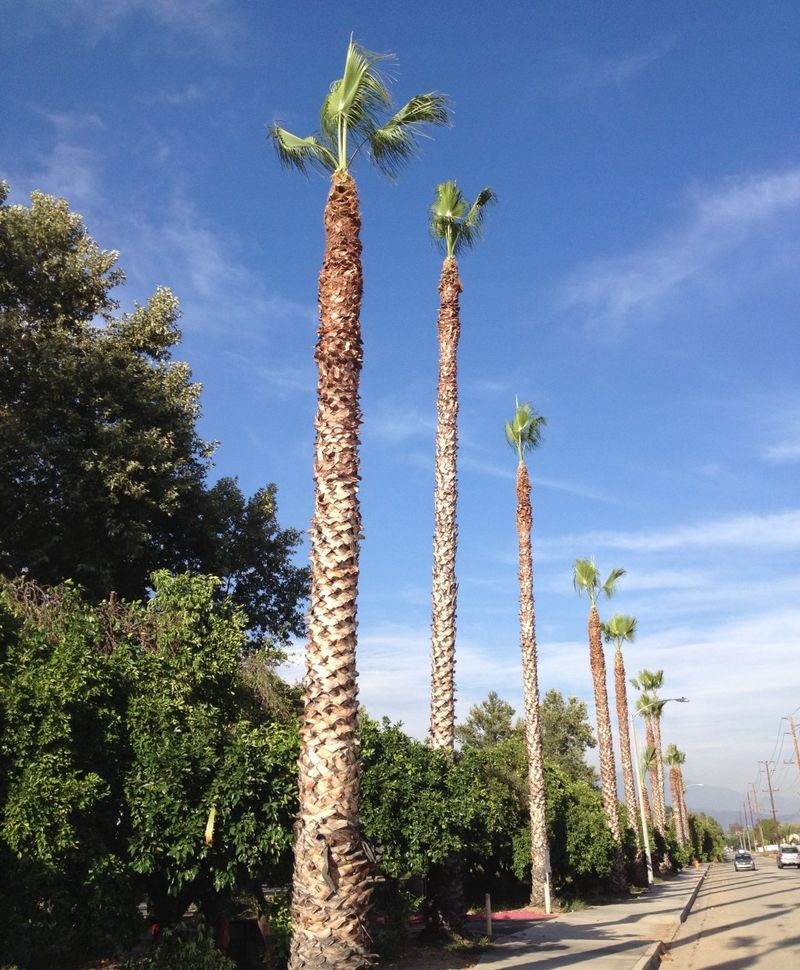
The fronds look a little ragged after winter, a few are yellowing, and the whole canopy could use a refresh. So out come the tools, and before long, a perfectly healthy palm is stripped down to a tight, bare cluster of fronds at the very top.
That aggressive cut might feel productive, but it is actually one of the worst things you can do to a palm in April. Florida’s hurricane season begins June 1st, and the months right before it are when palms need every healthy frond they can hold onto.
Those fronds are not just decorative. They are actively producing the energy the tree needs to grow strong roots, push out new growth, and handle the stress that Florida summers bring.
Pruning too severely in April leaves palms weakened right before their most demanding season. The University of Florida IFAS warns that over-pruning can weaken palms and contribute to decline in Florida landscapes.
Giving a palm a severe cut this time of year does not prepare it for summer. It puts it at a disadvantage before the heat and storms even begin.
2. Too Many Healthy Fronds Are Getting Removed Too Soon
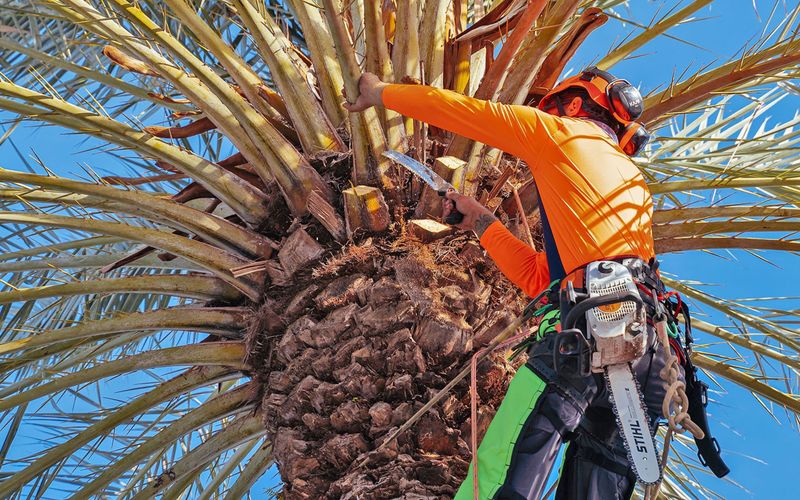
Walk through almost any Florida neighborhood in April and you will see the same scene repeated: palms with their canopies cut back so far that only a handful of fronds remain at the top. Most of those removed fronds were not gone.
Many were still green, still growing, and still doing real work for the tree.
Homeowners often pull off fronds the moment they notice any discoloration or drooping, assuming that anything less than perfectly green is a problem. But palms do not work the way most people think.
Your Florida Garden Changes Every Week. Your Plan Should Too.
Gardening in Florida changes quickly throughout the season. Every Friday you’ll receive a simple weekly plan showing exactly what to plant, prune, fertilize, harvest, and protect so you never miss the right timing.
Older fronds that are still partly green are actively moving nutrients back into the trunk before they naturally fall. Cutting them off early interrupts that process and forces the palm to use up stored energy faster than it should.
Palms also cannot replace fronds the way other trees replace leaves. Each species has a fixed rate of new frond production, and removing fronds faster than the palm can replace them creates a real deficit.
According to University of Florida IFAS guidance, a palm should never have more fronds removed in a single pruning than it can grow back in one season. Taking off too many healthy fronds too soon is not cleanup.
It is a setback the palm will spend months trying to recover from.
3. Yellowing Fronds Still Matter More Than You Think
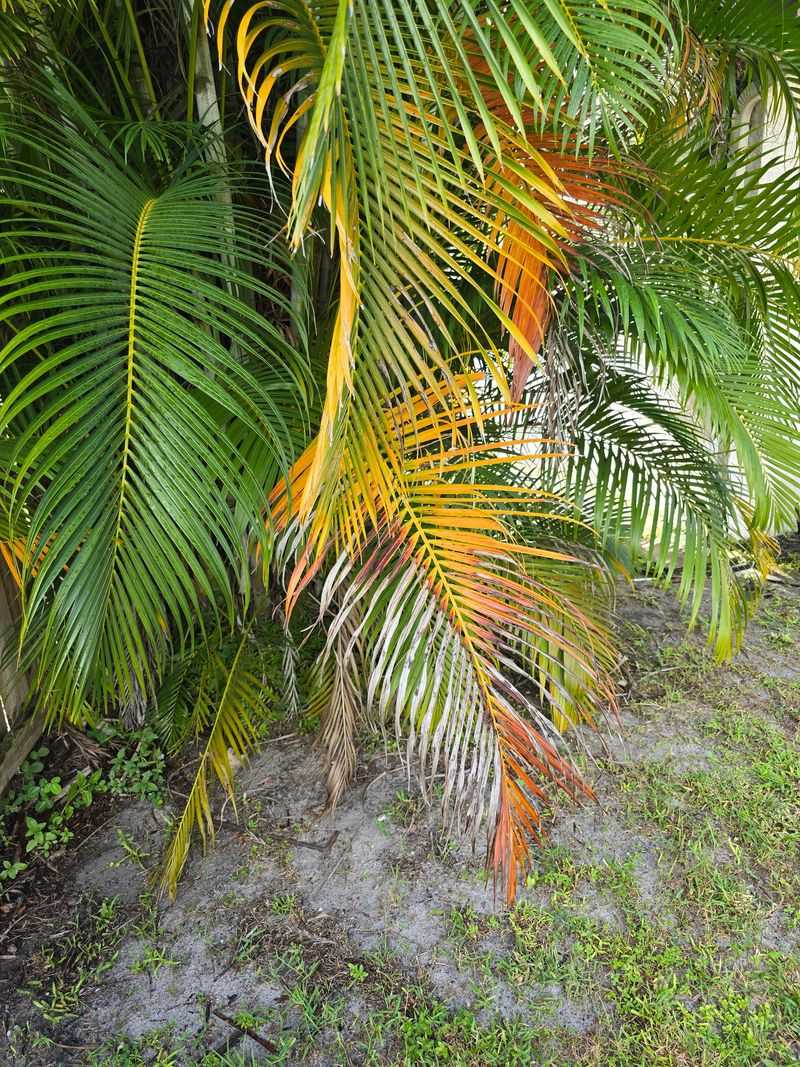
Yellowing fronds have a reputation they do not entirely deserve. Most homeowners see yellow and think the frond is finished, useless, and ready to come off.
That logic makes sense for most plants, but palms follow their own set of rules.
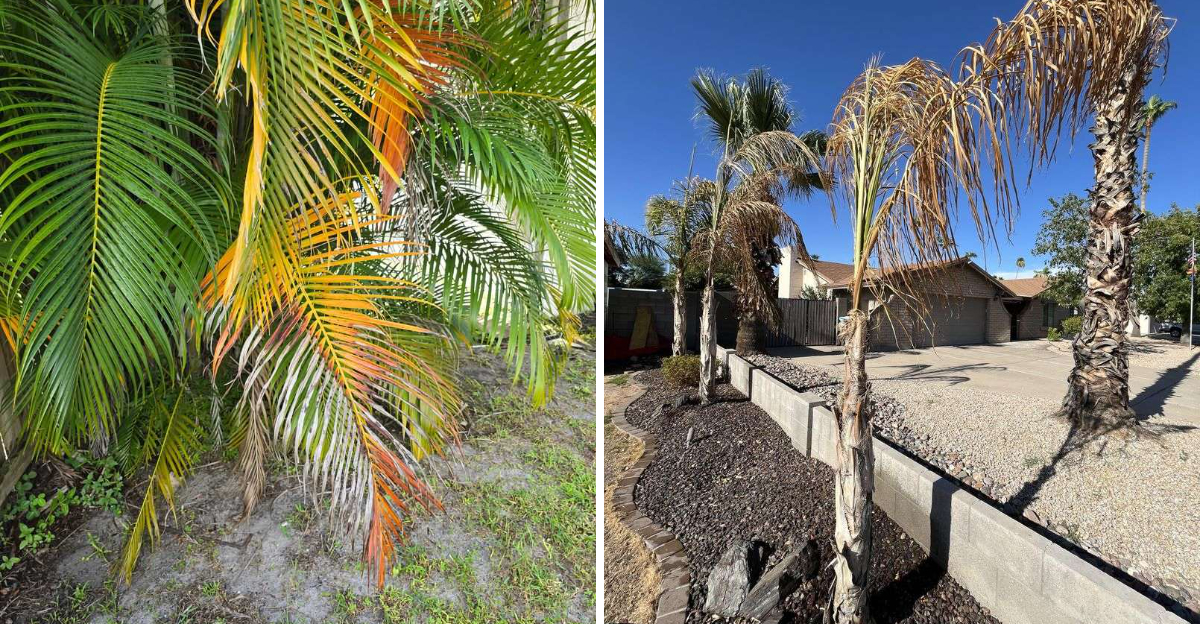
A frond that is turning yellow is often still pulling its weight. Palms naturally recycle nutrients from older fronds before those fronds drop on their own.
Potassium, in particular, moves from the older outer fronds back toward the growing center of the tree. If you remove a yellowing frond before that recycling process is complete, the palm loses nutrients it was counting on.
This is especially relevant in Florida, where many soils are naturally low in potassium and palms are already working harder to get what they need.
The University of Florida IFAS specifically warns against removing fronds that are not yet fully brown, pointing out that premature removal can actually worsen nutrient deficiencies over time. A frond that looks like a problem may actually be solving one.
The smarter move is to leave yellowing fronds in place until they have fully browned and dried out on their own. Patience here is not laziness.
It is exactly the kind of care that keeps palms nutritionally balanced and better prepared for the long, hot months ahead.
4. That “Hurricane Cut” Is Doing More Harm Than Good
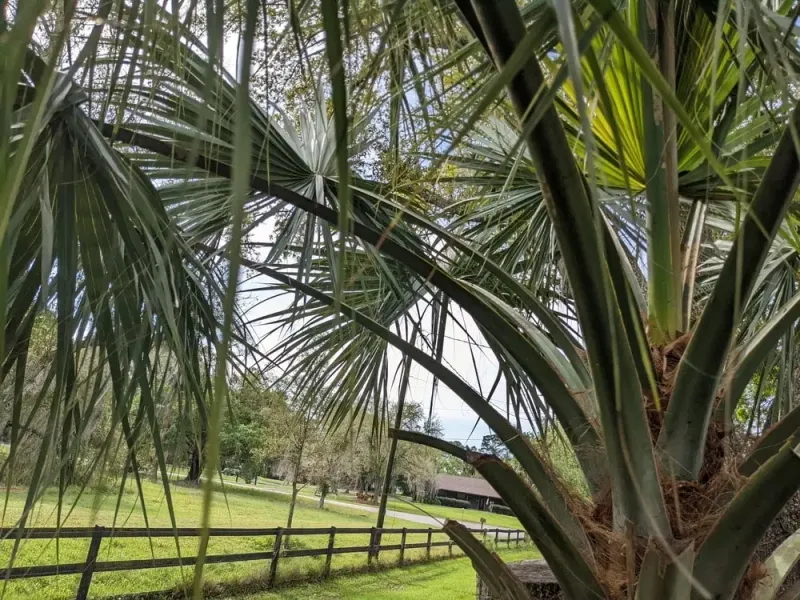
The hurricane cut has been around Florida neighborhoods for decades. The idea behind it sounds reasonable enough: strip the palm down to a tight pom-pom of fronds so that wind has less to grab onto during a storm.
It looks tidy, it feels like preparation, and plenty of neighbors do it every year. The problem is that it simply does not work the way people assume it does.
Research from the University of Florida IFAS has found that the hurricane cut actually increases storm risk rather than reducing it. A palm with a full, healthy canopy is more flexible and better able to handle strong winds.
The fronds act as a natural buffer, bending with the wind rather than fighting it. When you strip that canopy down to almost nothing, you remove that flexibility and leave the trunk more exposed to stress and structural strain.
Beyond storm risk, the hurricane cut causes real biological damage. Removing that many fronds forces the palm to redirect energy away from root development and new growth just to try to recover.
It also opens the tree up to pests and fungal issues that target stressed palms. What looks like smart storm prep is actually a practice that landscape professionals and extension experts have been trying to discourage for years.
A palm with a natural, full canopy is a much stronger tree than one left looking like a feather duster.
5. A Rounded Canopy Is Better Than A Bare Top
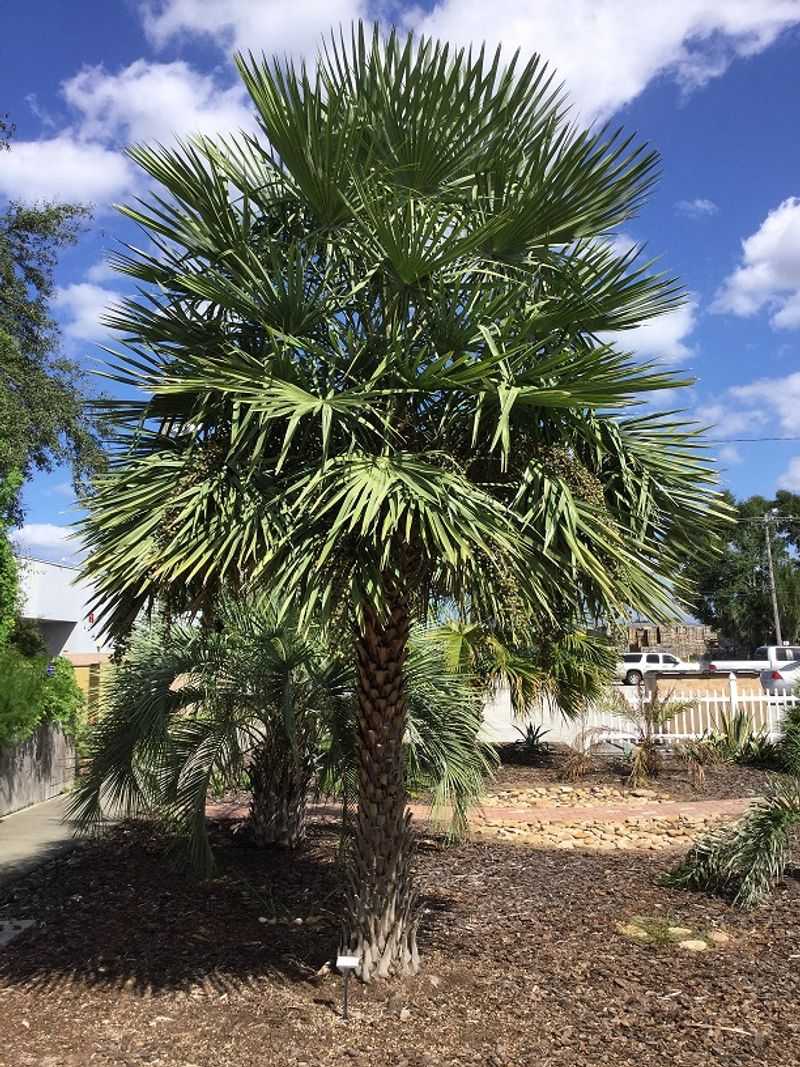
Picture a healthy, well-maintained palm in its natural form. The canopy arcs outward in a full, layered circle, with fronds at different stages of growth radiating in every direction.
That rounded shape is not an accident or a sign of neglect. It is exactly what a thriving palm is supposed to look like.
When a palm is pruned correctly, the canopy keeps that rounded, balanced appearance. Fronds that are fully brown and dry get removed, while everything green stays in place.
The result is a palm that looks tidy without looking stripped. Many homeowners mistake a bare, tight top for a sign of good care, but professional arborists and extension horticulturalists will tell you the opposite is true.
A full canopy means the palm has plenty of leaf surface area for photosynthesis, which is how the tree produces the energy it needs for root growth, trunk development, and new frond production. Reducing that canopy too aggressively limits the palm’s ability to feed itself.
Going into Florida’s hot, wet summer with a stripped canopy means the palm is starting the season already behind. A naturally rounded, full canopy is not a landscaping preference.
It is a genuine indicator of palm health, and keeping it intact through April is one of the simplest ways to support your tree before the toughest months of the year arrive.
6. Spring Cleanup Should Not Leave Your Palm Stripped
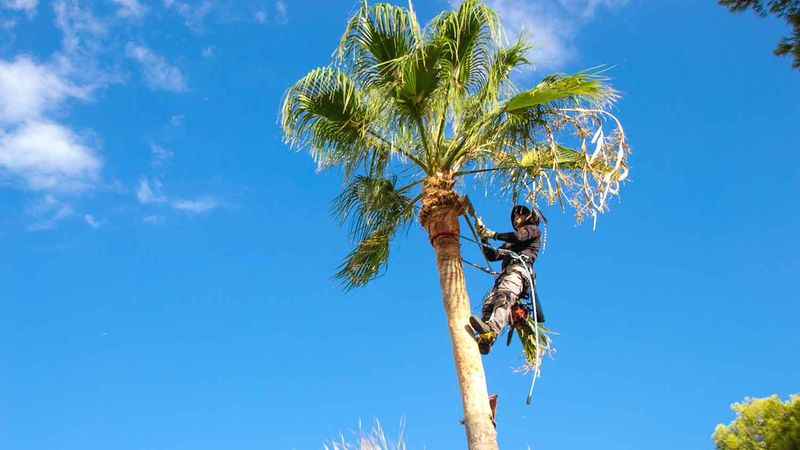
Spring cleanup season in Florida has its own rhythm. The cooler months are winding down, the lawn needs attention, the flower beds want freshening, and the whole yard gets a top-to-bottom review.
Palms naturally end up on that list, and a little light tidying is completely fine. The trouble starts when spring cleanup turns into an all-or-nothing approach.
Homeowners sometimes treat palms like hedges or shrubs, cutting them back hard to create a clean, uniform look. But palms are not like other landscape plants.
They cannot push out new growth from trimmed branches or fill in gaps the way a bush would after a hard cut. Whatever gets removed stays removed until the palm grows a new frond from its center, and that process takes time the palm does not have to spare going into summer.
A good spring cleanup for palms is a light one. Walk around the tree, look up at the canopy, and identify only the fronds that are fully brown, dry, and hanging down below a horizontal line from the trunk.
Those are the ones that can safely come off. Flower stalks and old seed clusters can also be removed if they are spent.
Everything else should stay. Leaving the palm mostly intact after spring cleanup is not skipping a step.
It is doing the job right.
7. Removing Only Brown Fronds Makes A Big Difference
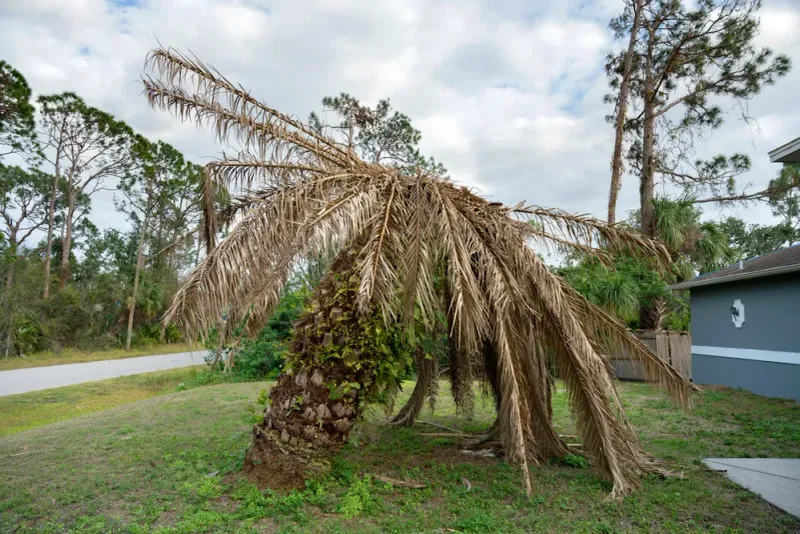
Here is the simplest pruning rule for Florida palms, and it holds up in almost every situation: if a frond is not fully brown, leave it alone. That single guideline can prevent most of the over-pruning mistakes that happen across the state every April.
Fully brown fronds are the ones that have completed their life cycle and are no longer contributing to the tree. They hang down below the canopy, feel dry and brittle, and often come off with very little effort.
Removing them tidies the palm’s appearance without taking anything the tree still needs. Spent flower stalks and dried seed clusters fall into the same category.
Once they are fully dry and past their purpose, they can come off without any harm to the tree.
The University of Florida IFAS uses a simple visual guide for this: if you imagine a clock face on the palm, fronds hanging below the nine o’clock and three o’clock positions are generally safe candidates for removal.
Anything above that line, including fronds that are yellowing, partly green, or horizontal, should stay.
Following this approach keeps the palm looking well-maintained without crossing into territory that causes stress. It also cuts down on the frequency of pruning needed, since palms that are not over-cut tend to shed old fronds more naturally and on their own schedule.
8. One Bad Pruning Habit Can Stress Palms Before Summer
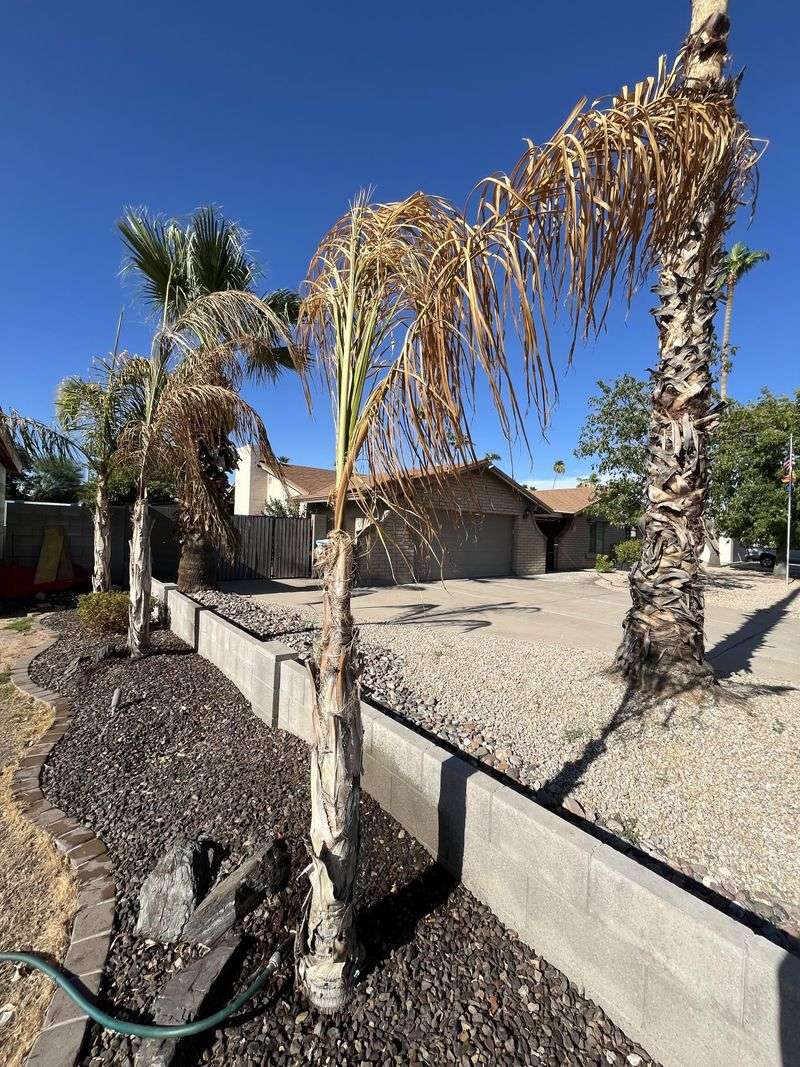
Florida summers are not gentle on plants. The combination of intense heat, heavy rainfall, high humidity, and the constant threat of storms puts real pressure on landscape trees from June through September.
Palms that go into that season in strong condition handle it well. Palms that go in already stressed have a much harder time.
Over-pruning in April is one of the most direct ways to send a palm into summer already running low.
When too many fronds are removed, the palm has to spend energy trying to recover and push out new growth at the exact same time it is dealing with heat stress, potential flooding, and storm exposure.
That is a lot to ask of a tree that has just had a significant portion of its food-producing capacity taken away.
Stressed palms are also more attractive to certain pests, including the palmetto weevil, which tends to target weakened trees. Fungal issues can also take hold more easily when a palm’s natural defenses are down.
None of this means that a single bad pruning will cause catastrophic damage, but it does mean the palm will spend the summer recovering instead of thriving. The less-is-more approach to April pruning is not just good advice for appearances.
It gives your palm the best possible foundation for surviving and growing through Florida’s most demanding season.