The One Fall Task That Keeps Pennsylvania Raspberry Canes Productive Next Year
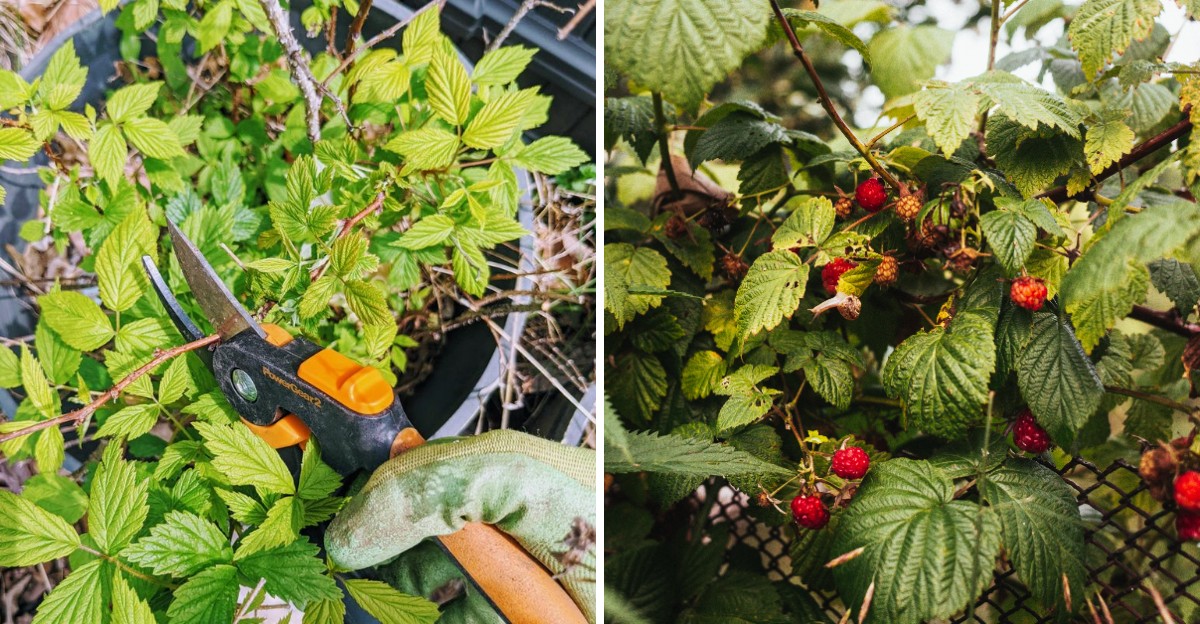
Raspberry plants are perennials, but their canes live by a very different clock. Each one grows for a season, produces fruit the next, and then it’s done for good.
Meanwhile, the roots keep sending up fresh canes year after year. That cycle is what keeps a berry patch going. It’s also what can turn it into a tangled mess.
By fall, many Pennsylvania raspberry beds are crowded with a mix of old and new growth. The patch looks thick and healthy, but it’s often hiding problems.
Tired canes can harbor disease and pests, block sunlight, and steal space from the young canes that will carry next summer’s crop. Air can’t move freely, and fungal issues get a head start.
One simple task this fall can clear the way. It takes a little time and a good pair of gloves, but the reward is bigger, sweeter harvests next year.
Remove The Canes That Already Fruited
Every raspberry patch has a secret. The canes that gave you buckets of berries this summer are now finished for good. They will never make fruit again, no matter how much you water or feed them.
You can spot these old canes pretty easily. They usually look gray or brown, with peeling bark and a woody feel.
Their side branches may still hold dried berry stems or a few crispy leaves. The new canes, on the other hand, are green, smooth, and bendy.
So why bother cutting the old ones out? Think of your raspberry row like a crowded school bus.
When old canes stay put, they take up seats that the young canes need. They block sunlight, trap moisture, and make it hard to reach the good berries next year.
Removing spent canes gives the new ones room to stretch out. More sunlight means stronger canes.
Stronger canes mean more flowers next spring, and more flowers mean more berries for your morning cereal or homemade jam.
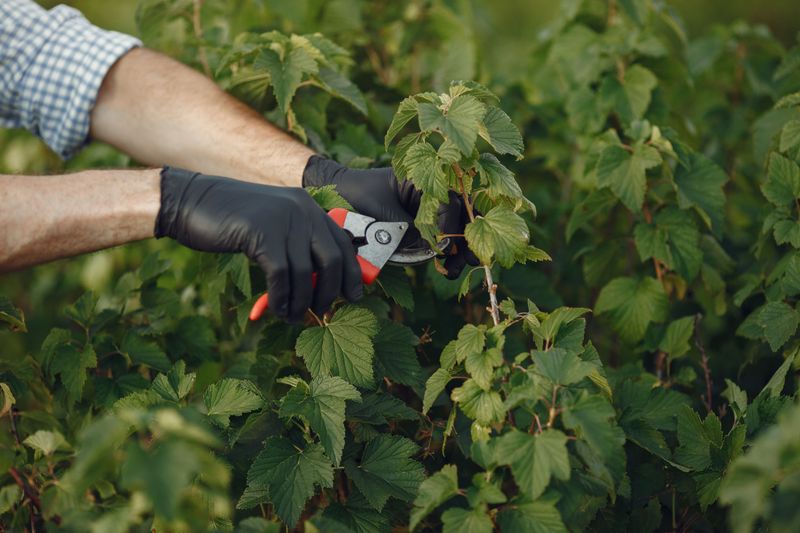
Grab a sharp pair of bypass pruners and some thick gloves before you start. Raspberry canes can have tiny prickles that scratch your hands and arms. A long-sleeved shirt is a smart idea too.
Work slowly down the row. Follow each old cane down to the base and snip it off. Pile the cut canes on a tarp so cleanup is quick later.
Many gardeners say this job feels like giving the patch a fresh haircut. After an hour or so, the row looks neat and open. Best of all, your plants can now put their energy where it counts, which is into next year’s harvest.
Why Raspberry Canes Need A Yearly Cleanup
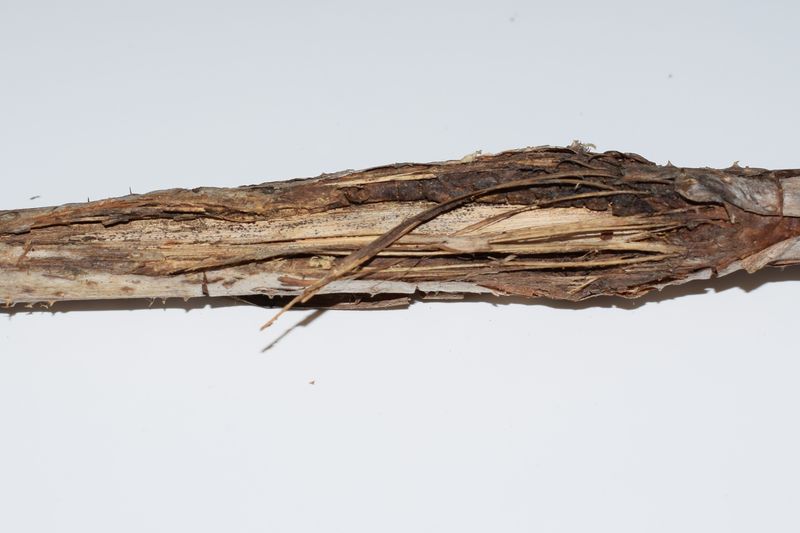
Here is a fun fact that surprises many new growers. A raspberry plant can live for ten years or more, yet each cane only lasts two growing seasons. The roots are the long-term part, while the canes come and go.
In the first year, a new cane grows tall and leafy. Gardeners call it a primocane. In its second year, it becomes a floricane, which flowers, makes fruit, and then slowly fades away.
Your Pennsylvania Garden Changes Every Week. Your Plan Should Too.
Gardening in Pennsylvania changes quickly throughout the season. Every Friday you’ll receive a simple weekly plan showing exactly what to plant, prune, fertilize, harvest, and protect so you never miss the right timing.
Those fading canes do not just sit there quietly. They can become hideouts for trouble. Diseases like cane blight and anthracnose love old, weak wood.
Cane blight causes dark, purplish patches that spread along the stem. Anthracnose shows up as small sunken spots with gray centers and purple edges.
Pests join the party too. Raspberry cane borers lay eggs inside the stems. Their larvae tunnel down through the cane over the winter.
If you leave the old canes standing, those pests and fungus spores can move right over to your healthy young canes in spring.
Pennsylvania weather makes things a bit trickier. Our springs are often cool and damp, which is exactly what many fungal problems enjoy. A crowded, messy row stays wet longer after rain.
Cutting out old canes breaks that cycle. You remove the places where germs and bugs spend the winter. You also open up the row so air can move and leaves dry faster.
Think of it like cleaning your room before a new school year. You clear out the old junk so the new stuff has space. Your raspberries will thank you with healthier leaves and juicier fruit next summer.
Know Which Type Of Raspberry You Have
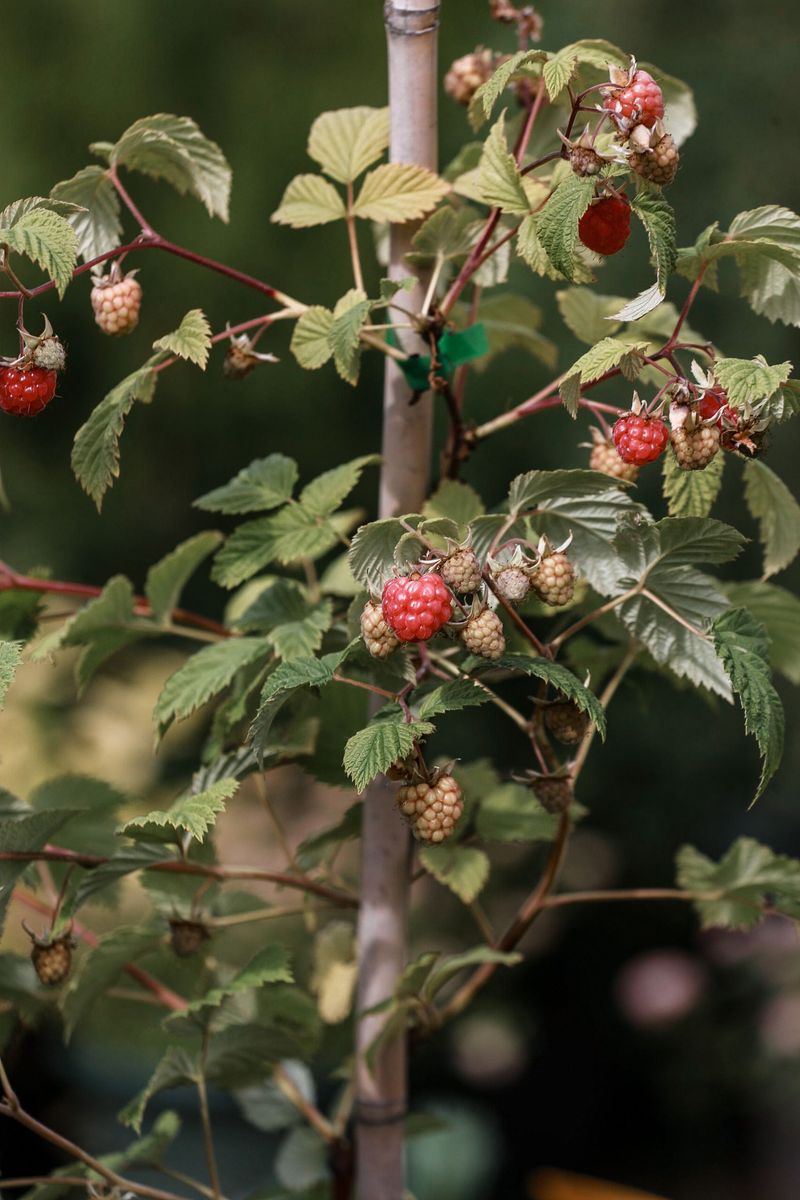
Before you make a single cut, ask yourself one quick question. Do your raspberries ripen in early summer, or do they keep going until the first frost? The answer changes everything about how you prune.
Summer-bearing raspberries make their fruit on second-year canes. Popular types in Pennsylvania include Latham, Killarney, and Prelude.
These plants ripen in June and July. For these, you only remove the canes that fruited this summer. Leave all the green, first-year canes alone, because they hold next year’s crop.
Fall-bearing raspberries work differently. Also called everbearing, they fruit on first-year canes, starting in late summer.
Heritage, Caroline, and Joan J are common picks in local gardens. Their berries show up near the tops of the new canes.
Many growers handle fall-bearing types the easy way. After the last fall berries are picked, they cut every cane down to the ground. Next year, fresh canes pop up and give one big, strong crop in late summer and fall.
Some people prefer two smaller harvests from fall-bearing plants. In that case, they cut off only the top part of the canes that already fruited. The lower parts then bear a small crop the next summer.
Not sure which type you have? Think back to when you picked the most berries. A big June or July harvest points to summer-bearing. Berries in September and October usually mean fall-bearing.
If you bought plants from a nursery, check old tags or receipts. Knowing your type keeps you from accidentally chopping off next year’s berries, which is a mistake nobody wants to make twice.
How To Cut And Thin The Canes
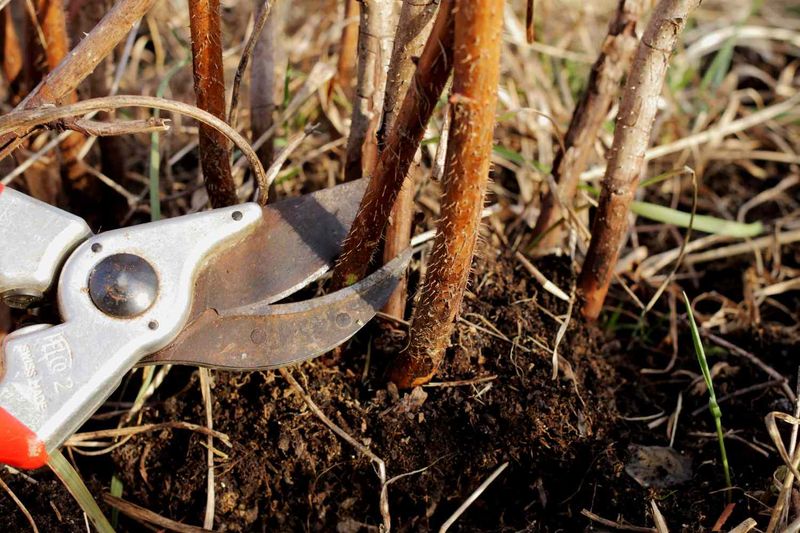
Ready to get your hands dirty? Good cutting is the heart of this whole job, and a few smart habits make it go smoothly. Sharp tools and a steady eye are your best friends here.
Start by cutting each spent cane right at ground level. Try not to leave stubs sticking up. Short stubs can rot and invite disease into the crown of the plant. A clean cut close to the soil heals better and looks tidier too.
Once the old canes are gone, take a good look at what is left. You will likely see a mix of thick, sturdy canes and thin, wobbly ones. Now it is time to thin.
Remove canes that are weak, short, or skinny like a pencil. Also cut out any that look bent, broken, or damaged by bugs. Keep the thickest and tallest canes, since they will carry the most fruit.
Spacing matters a lot. Aim to leave the best canes about four to six inches apart. In a typical hedgerow, that works out to around three or four canes per foot of row. Keep the row itself about one to two feet wide.
Why thin at all? Fewer canes mean each one gets more sunlight, water, and food. Air can flow through the row, which helps leaves dry faster after rain. The result is bigger, sweeter berries that are easier to pick.
A quick tip from experienced growers: clean your pruners with rubbing alcohol between plants if you spot disease. It only takes a second, and it stops germs from hitching a ride from one cane to the next.
Clean Up The Row Before Winter
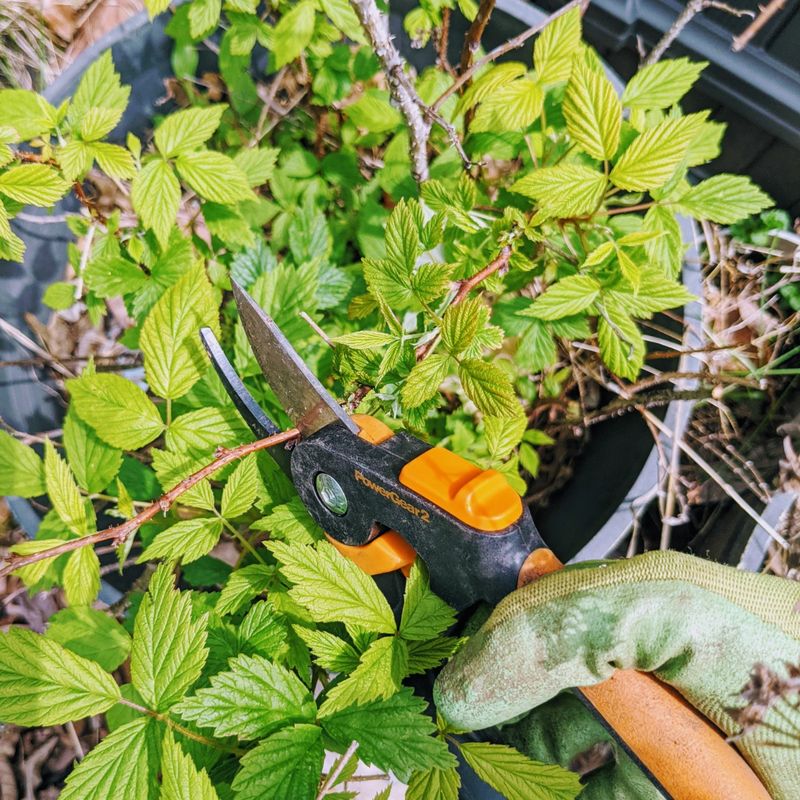
Pruning is only half the battle. A pile of cut canes left on the ground is like leaving dirty dishes in the sink. It looks bad, and it can attract unwanted guests.
Gather up every cane you cut, along with fallen leaves and old fruit. A tarp or wheelbarrow makes the job much easier. Rake gently around the plants so you do not disturb the shallow roots.
Now comes an important choice. Should you toss these canes in the compost pile? Usually, the answer is no.
Home compost piles often do not get hot enough to destroy fungus spores and insect eggs. If your patch had cane blight, anthracnose, or borers, it is safer to bag the debris for trash pickup or burn it where local rules allow.
Next, tackle the weeds. Weeds steal water and nutrients from your raspberries. Pull them out by hand, especially grasses that creep into the row. Fall is a great time because the soil is often soft after rain.
Then spread a layer of mulch about two to four inches deep. Shredded leaves, straw, or wood chips all work well. Keep the mulch an inch or two away from the cane bases so moisture does not sit against them.
Mulch acts like a cozy blanket for the roots. Pennsylvania winters swing from freezing to thawing many times.
That up-and-down action can heave roots out of the soil. A good mulch layer keeps the ground temperature steadier.
As a bonus, mulch breaks down slowly and feeds the soil. Come spring, you will have fewer weeds and happier plants ready to grow.
Timing Matters In Pennsylvania
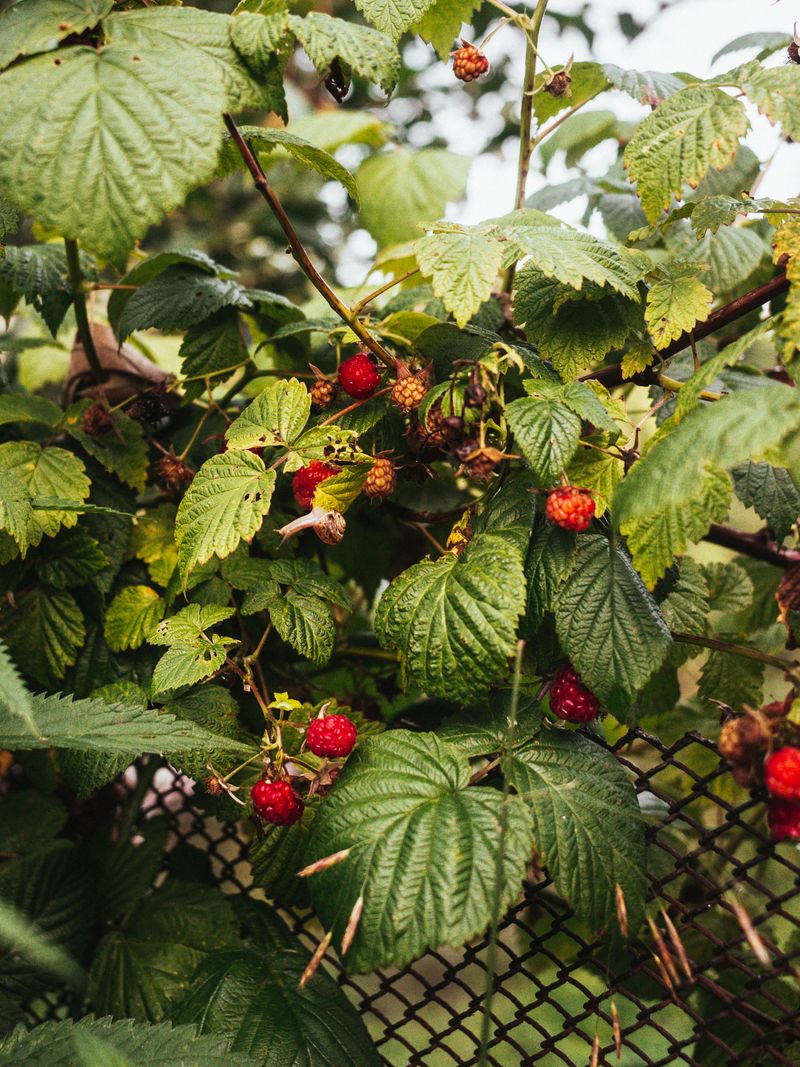
Ask any longtime Pennsylvania gardener, and they will tell you our weather keeps everyone guessing. A warm October can turn into a snowy November overnight. That is why planning your pruning time is so helpful.
For summer-bearing raspberries, you have plenty of wiggle room. You can cut out the old canes right after the harvest ends in July or August.
Many growers like this early timing because it opens up the row while the new canes are still growing. If you get busy, anytime in fall works fine too.
Fall-bearing raspberries need a little more patience. Wait until you pick the very last berries, which is often in October or even early November. Cutting too soon means losing fruit you could have enjoyed.
The big goal is to finish before the ground freezes solid. In much of Pennsylvania, that happens sometime between late November and December. Northern counties and higher areas may freeze earlier than places near Philadelphia or Pittsburgh.
Missed your fall window? No worries at all. Late winter is a perfectly good backup plan. Late February or March, before buds start to swell, works well. You can easily see the canes once the leaves are gone, and any winter damage will be clear.
Some gardeners even split the job in two. They remove old canes in fall, then do a final thinning in late winter. That way they can cut out anything damaged by ice or heavy snow.
Mark a date on your calendar or set a phone reminder. A small habit like that keeps your patch on track, year after year, with berries worth bragging about.