What It Means When Coyotes Start Yipping Around Arizona Neighborhoods This Fall
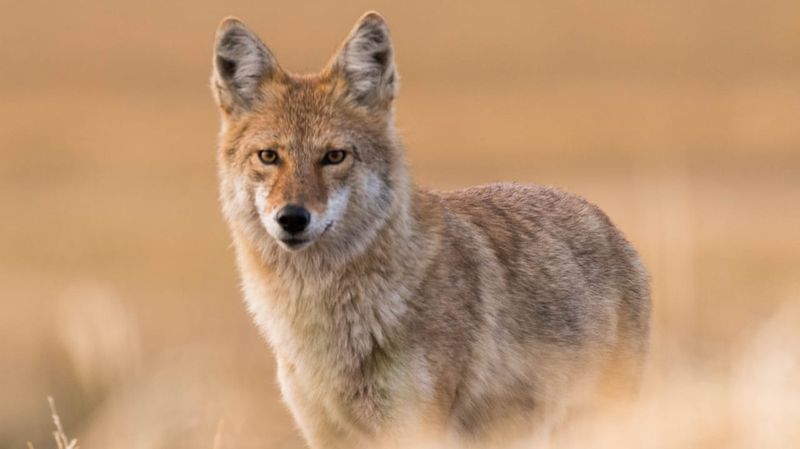
Few sounds carry across a desert neighborhood like a burst of coyote yips and howls after dark. It can make you stop mid-step and wonder what is going on out there.
Many people assume the noise means trouble or a sudden fall surge. Here is what the sound can tell you, what it cannot, and how to keep your household calm and safe.
A chorus is communication, not a coded announcement
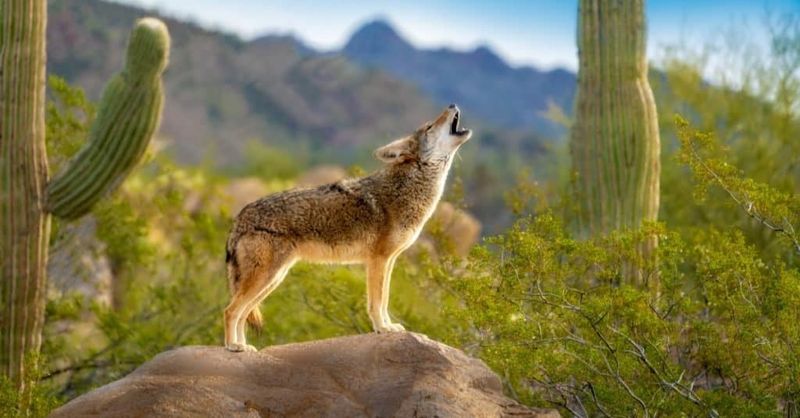
Night and early morning are the usual times Arizona coyotes get vocal, and their repertoire includes howls, yelps, and barks, as noted in Arizona Game and Fish guidance. So a chorus drifting over your block is ordinary coyote behavior, not a strange event.
Group yip-howls can serve several jobs. According to the Arizona-Sonora Desert Museum, they can work as a greeting among group members, as a way to stay in contact, or as a sign that a territory is occupied.
One chorus may even do more than one of those things at once.
What you cannot do is pin a single meaning on the song you happen to hear. From your back patio, the exact purpose or situation behind it stays hidden.
It is also not a hunt announcement, and nothing about the sound shows that prey was caught. Think of it as coyotes keeping in touch, much like neighbors calling across a fence.
A chorus is not a reliable headcount
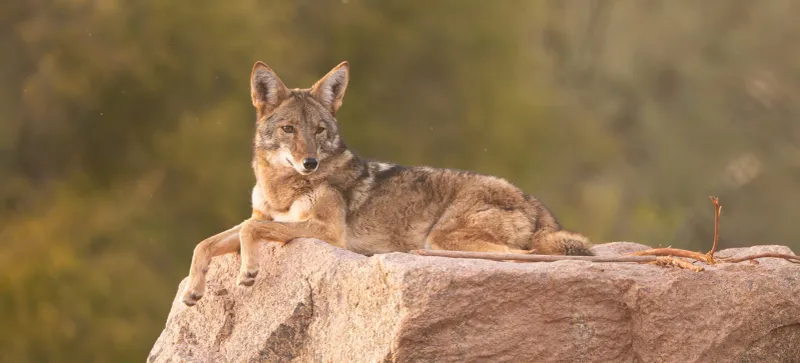
Ten voices or two? Your ears may not be able to say.
Coyotes do live in family groups, but Arizona Game and Fish explains that they typically travel and hunt alone or in loose pairs. A loud, tangled chorus does not mean a big pack is roaming your street.
Coyote voices are also tricky because yips and howls overlap and bounce around, which can make a small number of animals sound like a crowd. In a playback study,
427 participants listened to recordings of one to four coyotes and overestimated the number by nearly twofold on average.That result is a caution about guessing numbers by ear. It does not give a count for the chorus outside your window, and nobody can supply one from sound alone.
If the noise seems enormous, a few animals may well be responsible.
Fall timing offers context, not proof
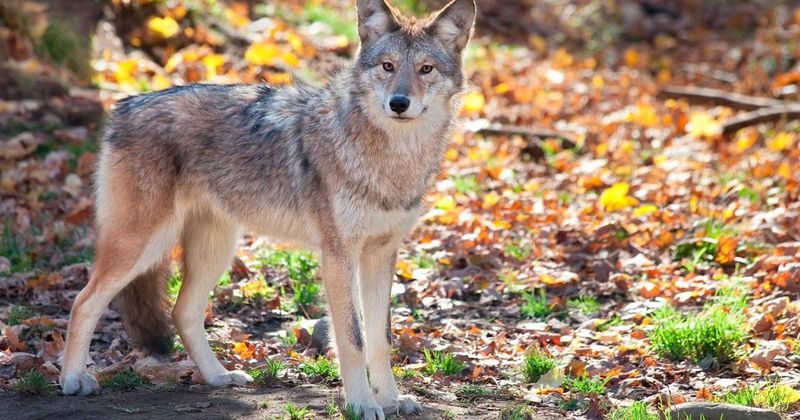
Autumn does line up with a few things in a coyote’s year. Arizona sources say pups are generally born between March and May, and University of Arizona Extension notes that young coyotes may leave their parents at about 6 to 9 months, though not all do.
By fall, some youngsters are reaching that age.
A study of coyotes in Yellowstone found that howling rates peaked during dispersal and breeding seasons. That is interesting background, but Yellowstone is a long way from a Phoenix cul-de-sac, and it does not describe what happens in Arizona neighborhoods.
So the fall link is a plausible backdrop, nothing more. Coyotes are not known to get louder in every Arizona neighborhood each autumn, and a particular chorus cannot be blamed on pups heading out on their own.
Your Arizona Garden Changes Every Week. Your Plan Should Too.
Gardening in Arizona changes quickly throughout the season. Every Friday you’ll receive a simple weekly plan showing exactly what to plant, prune, fertilize, harvest, and protect so you never miss the right timing.
Some listeners simply have their windows open again once the heat eases, and that alone may make the calls seem more noticeable.
Hearing coyotes does not mean they are approaching
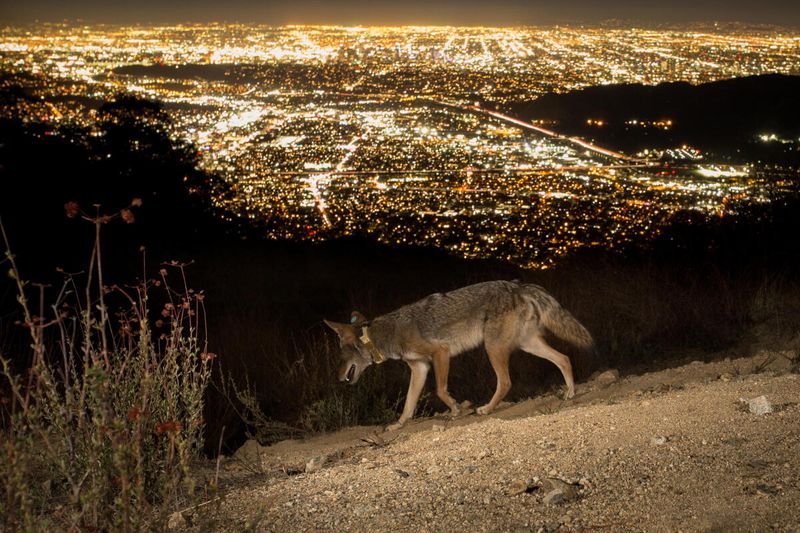
Calls and close encounters are two different things. Coyotes are common across Arizona, and Arizona Game and Fish says most are wary of people and that interactions with humans are generally rare.
Living near them is the norm here, from desert edges to city parks.
That is why a chorus on its own is not a warning sign. Hearing yips from the next street over does not show that a coyote is heading toward you or that anyone is in immediate danger.
It simply tells you that coyotes live in your area, which they probably already did.
What matters more is what you actually see. A coyote trotting through a wash at dusk is behaving normally.
A coyote that lingers near people, shows little fear, or goes after food left outside is a different situation, and the steps in the next sections are meant for those moments.
Make the yard less inviting to coyotes
Food is what draws coyotes close to homes, so removing it does the most good. Arizona Game and Fish recommends securing garbage, bringing pet food indoors, picking up fallen fruit, and never feeding coyotes.
Citrus and fig trees drop plenty in fall, so a quick weekly cleanup under them helps.
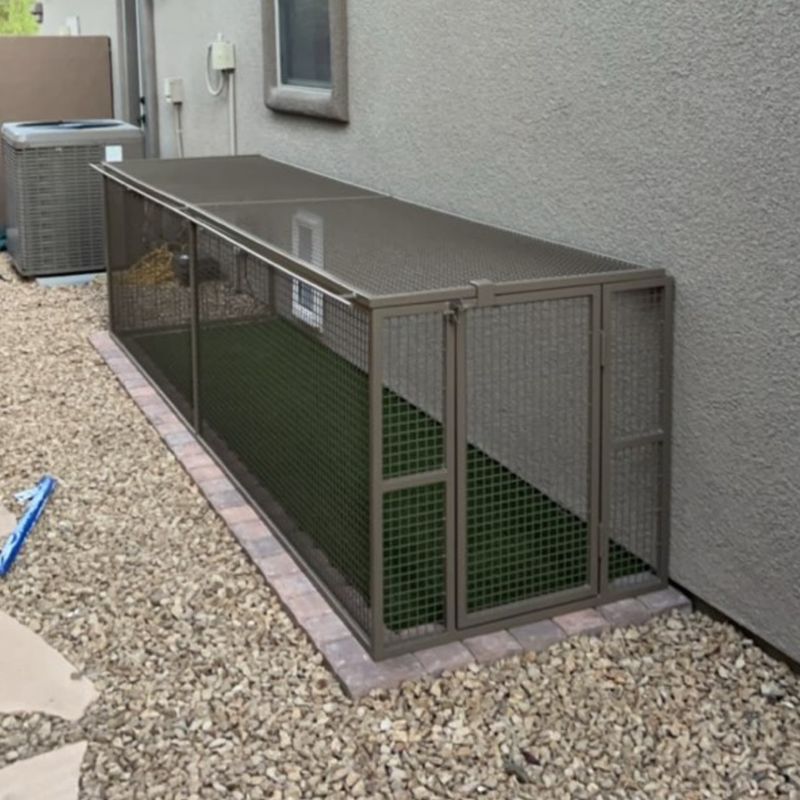
Small pets need extra care. Keep them supervised when they are outside, leash them on walks, and use a secure covered enclosure if they spend time in the yard.
A closed top matters, because coyotes can be good jumpers and a bare fence may not stop them.
Also try a few simple habits. Rinse and lid trash cans, feed pets during the day and take bowls in afterward, and turn on a porch light before letting a small dog out at night.
These steps make a yard less appealing, though no method guarantees coyotes will stay away.
If a coyote approaches, give it space
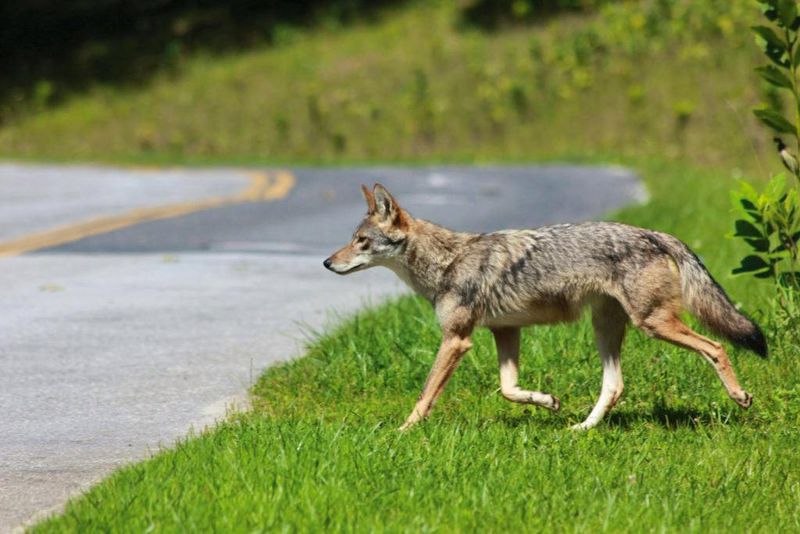
Routine nighttime howling needs no response at all. A coyote that actually comes toward you is another matter, and Arizona Game and Fish has clear advice for it.
Do not run, and do not approach the coyote. Stay where you are, maintain eye contact, and use loud noises or broad gestures to scare it away.
Shouting, clapping, or waving your arms overhead can show the animal that this is not a safe place to hang around.
Pick up small pets or keep them close while you do this. Never toss food, try to get a closer look, or attempt to coax a reaction from a coyote.
Giving it room is the goal.
A chorus is a sound that tells you coyotes share your neighborhood, and a calm, prepared household can listen to it without worry.