The One June Task That Keeps Minnesota Peonies Blooming Year After Year

Your hands are elbow-deep in Minnesota soil when you finally smell it. That perfume hits sharp and sweet, almost medicinal, nothing like a candle claims.
Petals brush your forearm, cool and impossibly soft. You planted these yourself, three years ago, half-convinced they would struggle. They did not struggle. They absolutely did not struggle.
Now you stand there, slightly ridiculous, face inches from a bloom the size of a dinner plate. This is what gardening actually feels like when something goes right.
But here is the thing nobody told you at the nursery: the moment right after peak bloom is the moment that matters most.
What happens in your Minnesota garden during those quiet post-bloom weeks quietly rewrites next year’s entire show.
Did you know one small decision now can transform your blooms entirely next season? Ignore it, and you will spend next June wondering why everyone else’s peonies look better than yours.
Removing Peony Blooms In June For Stronger Blooms Year After Year
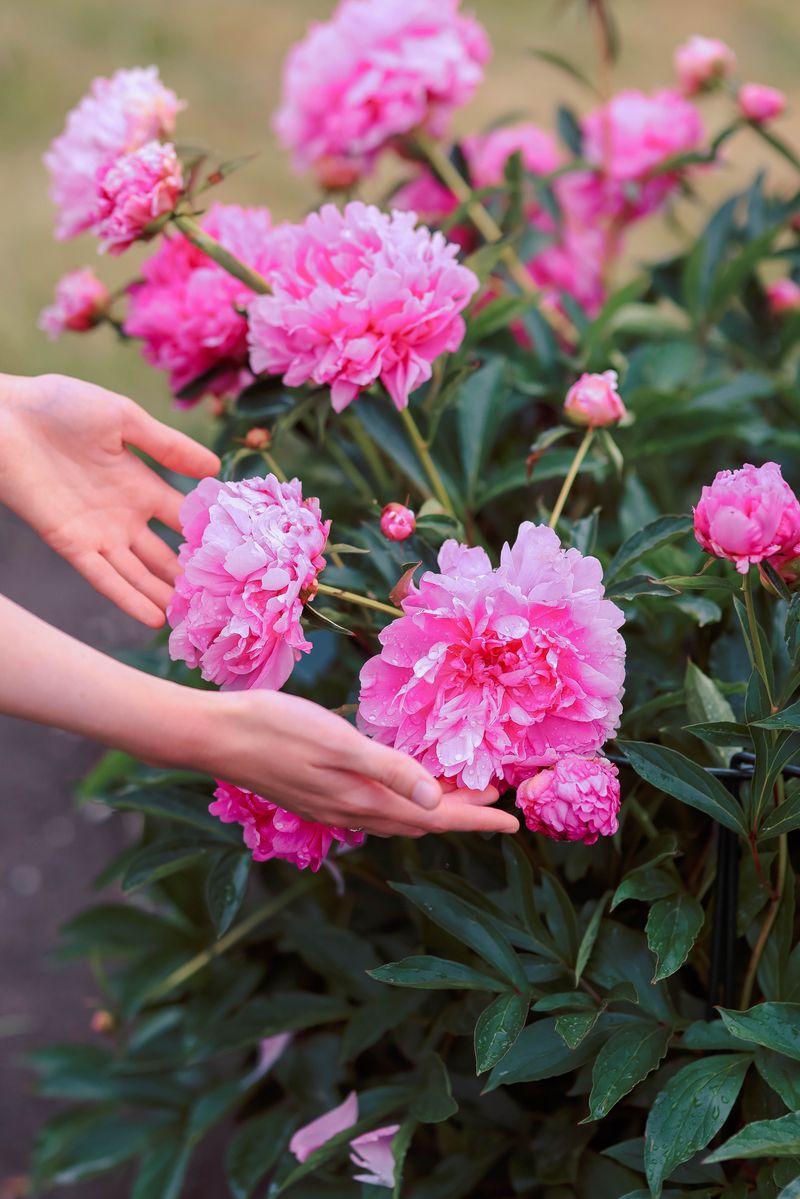
June is the time to remove blooms as soon as petals wilt or fall. Waiting too long wastes energy your plant needs for next year.
Grab clean, sharp bypass pruners before you start. Dirty blades spread disease faster than you can blink. Wipe your pruner blades with rubbing alcohol before touching each plant.
Cross-contamination is a real threat in a garden full of peonies. Follow the stem down to the first healthy leaf below the bloom. That leaf junction is your target, and precision matters here.
Snip at a 45-degree angle, slanting away from foliage. Angled cuts shed water and reduce rot at the wound site.
Never rush this step or hack randomly at the plant. Sloppy cuts leave stubs that invite fungal problems all summer long.
Collect and bin all debris immediately after cutting. Fallen petals and stems left on soil create ideal conditions for botrytis blight to establish.
Bag the clippings and toss them in the trash, not compost. Diseased material in compost just cycles problems back into your garden beds.
Check for buds that never opened and remove those too. Blind buds drain the plant without delivering any reward to you or the garden.
Run your fingers gently along each stem to feel for hidden buds. Sometimes small, firm knobs hide beneath the foliage and get overlooked easily.
After removing, give your peonies a deep, slow watering at the base. Healthy roots fuel the underground energy storage that powers next June’s spectacular show.
Wait Until Petals Have Fully Faded And Begun To Drop
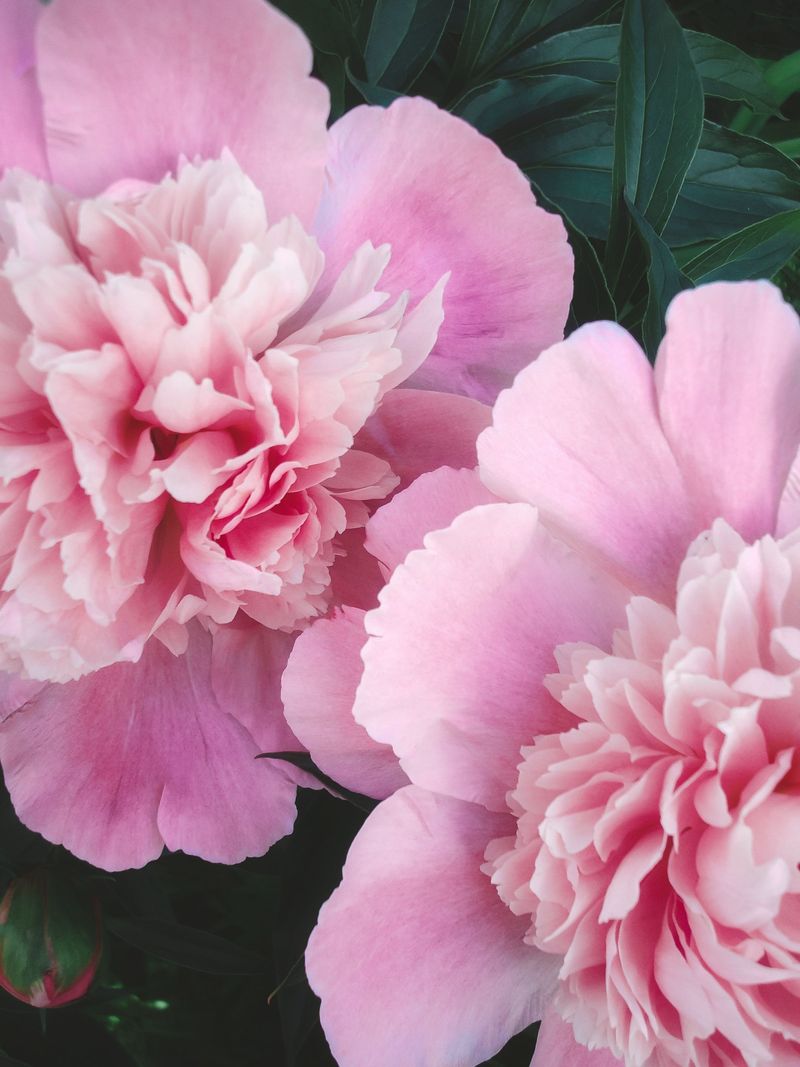
Timing is everything here. Jump in too early and you interrupt pollination processes still finishing quietly inside the bloom.
Petals that are simply wilting are not the same as petals actively releasing from the flower head. Watch for the moment petals loosen and begin falling without any help from wind or touch.
That visual cue is your green light. A bloom still clinging to most of its petals is a bloom still finishing its biological work.
Your Minnesota Garden Changes Every Week. Your Plan Should Too.
Gardening in Minnesota changes quickly throughout the season. Every Friday you’ll receive a simple weekly plan showing exactly what to plant, prune, fertilize, harvest, and protect so you never miss the right timing.
Touching the flower head gently tells you more than looking at it. If two or three petals drift off at that contact, the plant is ready for you to step in.
Rushing this step is one of the most common mistakes in peony care. Patience here costs nothing and protects everything the plant has been building since spring.
Check your plants every two days once blooms start showing age. Conditions in Minnesota can shift fast, and a bloom that looked firm on Monday may be ready by Wednesday.
Morning is the best time to assess, when foliage is dry and your eye is fresh. A fully faded bloom has a papery, almost translucent quality that looks unmistakably different from a bloom simply past its peak visual moment.
Trust that difference before you pick up your pruners. One extra day of patience at this stage protects months of underground energy accumulation your peony has been quietly completing since early spring.
Use Clean, Sharp Pruning Shears Before You Touch A Single Stem
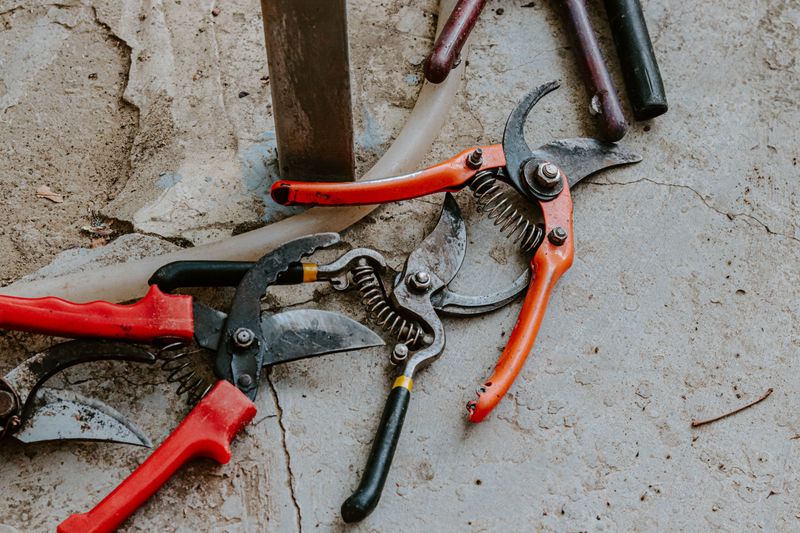
Dull blades are silent saboteurs. They crush stem tissue rather than cutting it, leaving ragged wounds that take far longer to seal and invite infection immediately.
Sharp bypass pruners make a clean, precise cut that the plant can close quickly. That speed of closure is the difference between a minor trim and an open wound sitting exposed through a humid Minnesota summer afternoon.
Cleanliness matters just as much as sharpness here. One swipe across an infected plant followed immediately by a cut on a healthy one is all it takes to transfer botrytis spores between specimens.
Wipe blades with rubbing alcohol between each plant, not just at the start of the session. A folded paper towel soaked in alcohol takes ten seconds per plant and blocks the most common path of fungal spread in the peony bed.
Bypass pruners are the correct tool for this job every time. Anvil pruners, which crush the stem against a flat plate, cause tissue damage that bypass models avoid entirely by using two sharp blades passing each other like scissors.
Invest in one quality pair and keep them dedicated to your perennial beds. Cheap pruners lose their edge after a single season and cost you far more in plant health than the few dollars saved at the register.
Sharpen your pruners at the start of every June before peony season peaks. A few passes with a whetstone or a pull-through sharpener restores the edge that makes every cut cleaner, faster, and genuinely kinder to your plants.
A sharp, clean tool is not a luxury in the peony garden. It is the foundation that every other step in this process depends on entirely.
Cut Each Stem Back To The First Healthy Leaf Below The Bloom
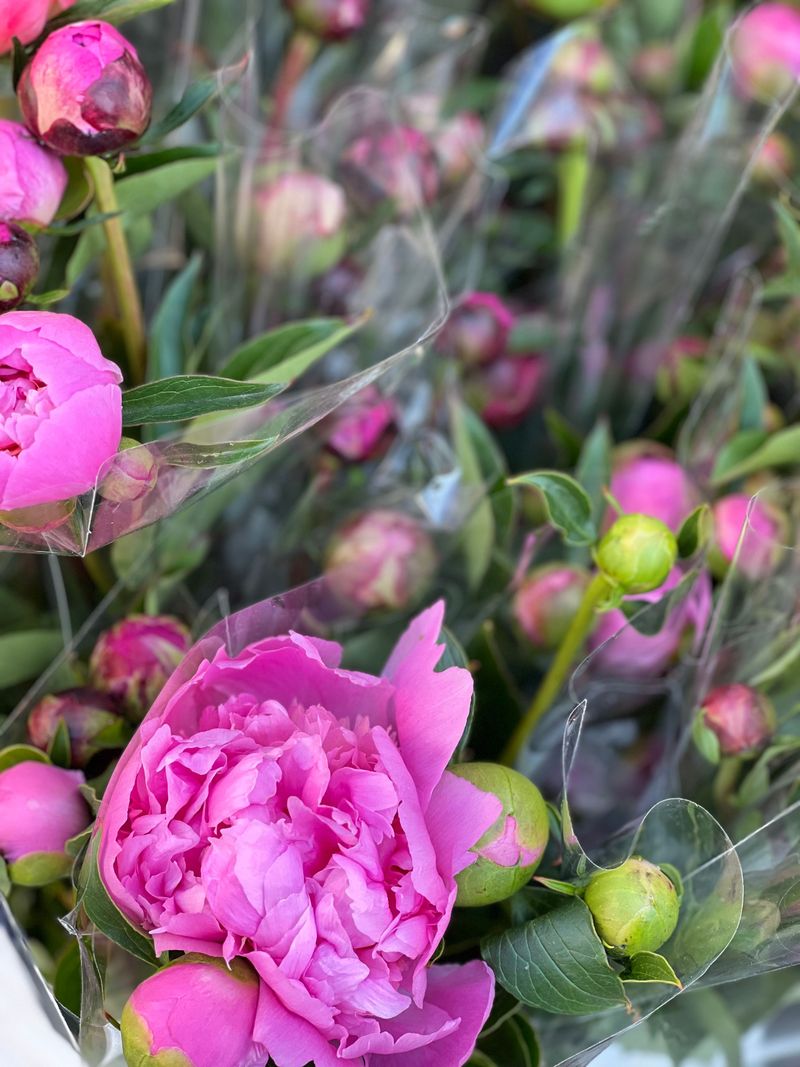
This is the cut that shapes next season. Your target is the first fully formed, healthy leaf sitting below the spent bloom on the same stem.
That leaf junction is not an arbitrary landmark. It is the point where the stem retains enough active tissue to continue photosynthesizing through summer without leaving a dry stub above it.
Cutting too high leaves a naked stub that cannot heal cleanly. That exposed tissue becomes a landing pad for fungal spores looking for entry points during warm, humid post-bloom weeks.
Cutting too low removes leaf surface area your plant genuinely needs. Every healthy leaf left on the plant is contributing to the underground energy reserves that power next June’s blooms.
Find the first leaf below the bloom that looks fully formed and deeply green. Yellowing, small, or distorted leaves do not count as your target, so keep moving down the stem until you find one that looks vigorous and healthy.
Position your blade just above that leaf node, angled at roughly 45 degrees. That angle sheds water away from the cut surface and reduces the time the wound stays moist after rain or irrigation.
Make the cut in one smooth, confident motion rather than sawing back and forth. Sawing creates micro-tears in the stem tissue that a single clean cut avoids completely and permanently.
Step back and look at what remains after every cut. A well-cut stem looks intentional, ends just above a healthy leaf, and leaves the plant looking tidy rather than hacked.
Remove Any Nearby Side Buds That Also Failed To Open
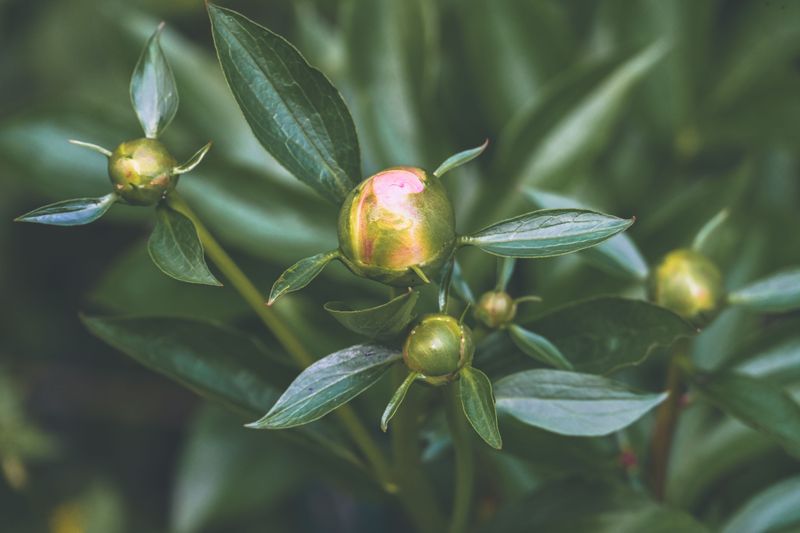
Blind buds are silent energy thieves. They sit on the plant looking like they might still do something, quietly draining resources that belong to next year’s growth cycle.
A bud that never opened by late June will not open. The window for that bloom has closed, and the plant does not know that unless you intervene directly.
Feel along each stem with your fingertips after removing the main spent bloom. Small, firm knobs hiding beneath foliage are easy to miss visually but obvious to the touch once you are actively searching for them.
Remove each unopened side bud at its base where it connects to the stem. A clean cut at that junction removes the drain without damaging the surrounding tissue that remains productive through summer.
Do not assume a firm bud is still viable simply because it feels intact. Firmness in a late-season bud indicates arrested development, not potential, and that distinction matters for how you manage the plant.
Check the same plant twice because buds hide effectively in dense foliage. A second pass with fresh eyes catches the ones your first inspection missed, and missing even one continues the energy leak you are working to stop.
Removing these failed buds is an act of redirection, not loss. Every resource no longer wasted on a bud that will never perform is a resource now flowing directly into the root system building next year’s spectacular display.
This one extra step after removing takes under two minutes per plant. Those two minutes may be the highest-value two minutes in your entire June gardening calendar.
Leave All Remaining Foliage Completely Intact After Bloom Removal
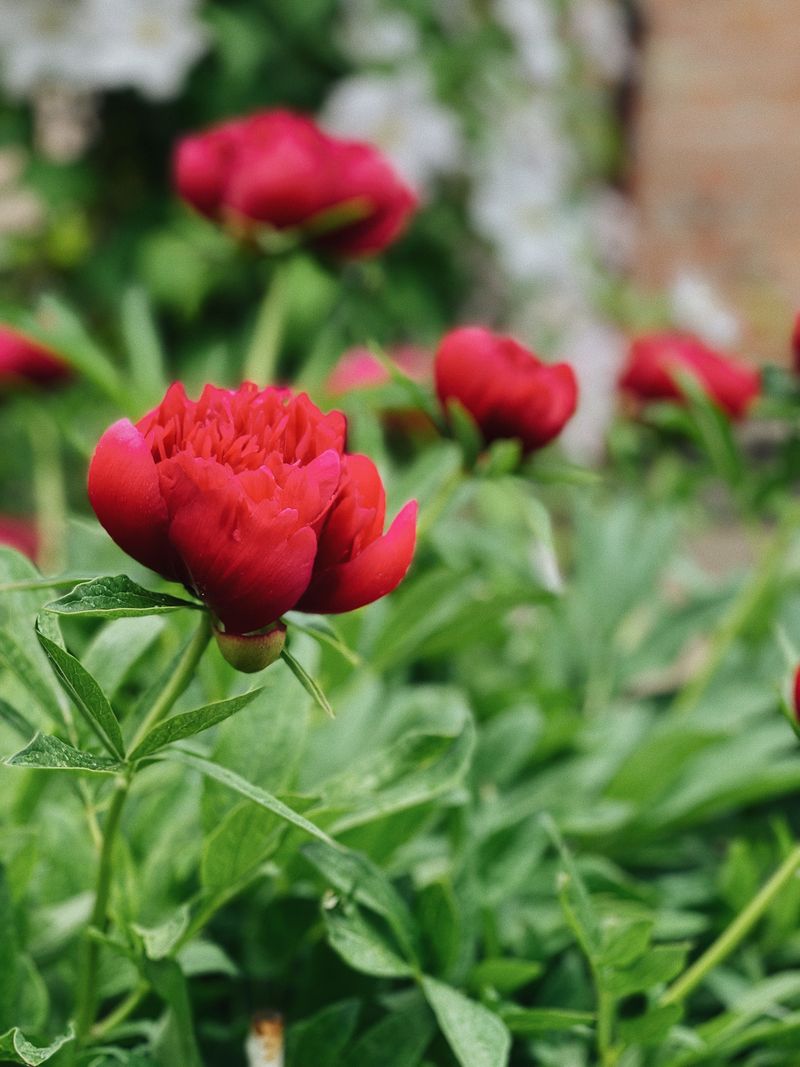
Walk away from the leaves. Every single one of them is earning its place on the plant right now, even if it looks unremarkable from the outside.
Peony foliage is a photosynthesis engine running at full capacity from June through October.
Those leaves are converting sunlight into carbohydrate energy that travels down into the tuberous roots, building the reserves your plant draws on next spring.
Cutting foliage back after bloom season is one of the most damaging things a well-meaning gardener can do.
Shorter leaf season translates directly into fewer and smaller blooms the following year, and the effect compounds negatively over multiple seasons of early cutting.
Let the leaves look a little tired by August without reaching for the pruners. Tired foliage is still working foliage, and working foliage is building next June’s show one photon at a time.
The only foliage worth removing before fall is foliage showing clear signs of disease. Yellowing from age, minor cosmetic blemishes, and end-of-season fatigue are all normal and none of them justify removing productive leaf surface area.
Powdery mildew appearing on leaves in late summer is common in humid conditions. Treat it with diluted neem oil spray instead.
That one step manages the problem without sacrificing any productive leaf surface. Support flopping stems with garden stakes rather than cutting them back.
Foliage resting on soil picks up pathogens quickly, and staking keeps leaves clean, upright, and actively working through the long productive post-bloom months.
Your peonies will reward your restraint with their performance. The gardener who leaves the foliage alone through summer always has better blooms than the one who tidied too aggressively in June.
Dispose Of Removed Blooms Far Away From Your Peony Bed

Never leave cut material on the soil. Fallen petals and severed stems decompose into exactly the kind of damp organic matter that botrytis blight and other fungal pathogens require to establish and spread.
Carry a bucket or paper bag into the garden before your bloom removal session begins. Dropping cut material directly into a container as you work keeps the ground around each plant clean throughout the entire session.
Bag all collected material and place it in your household waste bin, not your compost heap. Diseased or potentially infected plant matter in a compost pile simply recycles the problem back into your garden beds at a later date.
Even material that looks perfectly healthy should go to the trash after removal. Botrytis spores are invisible to the naked eye, and assuming cleanliness based on appearance is a risk that consistently costs gardeners their following season’s performance.
Rake a one-foot radius around each plant after finishing your cuts. Petals that dropped before you arrived need clearing just as much as the ones you cut yourself.
A clean soil surface around your peonies after June bloom removal is not just aesthetic. It is a genuine disease-prevention measure that reduces spore load in the immediate environment your plants will live in through the rest of the growing season.
Finish every removing session by washing your hands before moving to other garden beds. Spores that hitchhike on gloves or skin can introduce problems to plants that had no prior exposure to disease pressure.
Your June cleanup effort is an investment that compounds beautifully over time. Gardeners who treat disposal as seriously as the cutting itself are the ones whose Minnesota peonies look jaw-dropping and vigorous.
That discipline is what separates a disease-free garden season after season from one that struggles every June.