The One Landscaping Choice That Undoes All Your Other Defensible Space Efforts In California
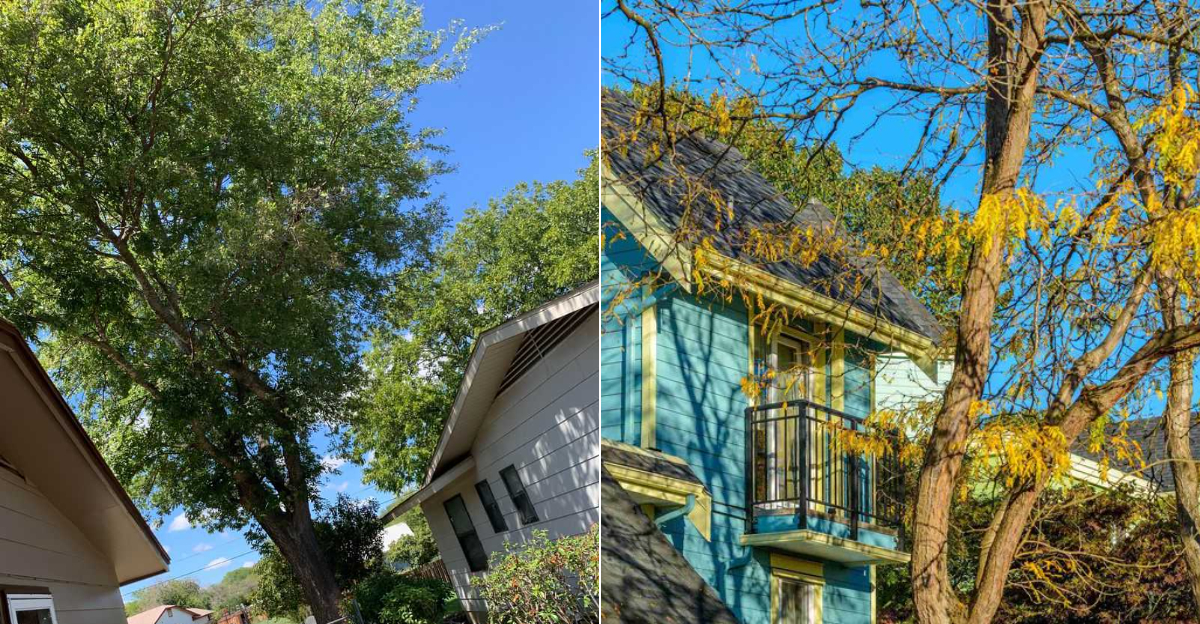
You can clear dry leaves, move firewood, trim shrubs, and still leave one major wildfire pathway untouched.
Around California homes, a single landscaping oversight can give windblown embers and flames a much easier route toward the structure, quietly weakening every other defensible space improvement you have made.
It often develops gradually, so homeowners stop noticing it as plants mature and seasonal growth fills in.
What once looked neat and harmless can become a direct connection between the yard and the most vulnerable parts of the house.
The problem is especially easy to miss when the landscape appears green, healthy, and well maintained. Fire safety is not only about removing dry vegetation.
It also depends on breaking up the routes heat and flames can follow. Before assuming your property is ready for peak fire season, take another look at how closely the tallest plants interact with your home.
1. The Branch That Turns Into A Fire Bridge
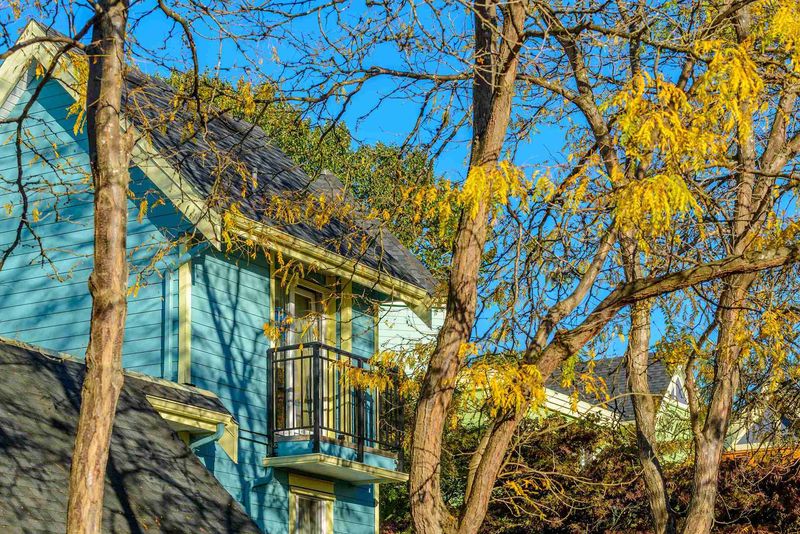
Most homeowners put a lot of energy into clearing brush, spacing plants, and keeping their yards tidy. What they often miss is the danger right above their heads.
A single tree branch that touches or crosses over your roof can undo all of that effort in seconds.
Fire experts use the term fire bridge to describe what happens when a branch connects a tree to a structure.
Flames or embers can travel along that branch like a highway, moving from an ignited tree straight to your home.
The branch does not need to be large to cause serious damage.
California wildfire moves fast and unpredictably. Wind-carried embers can land in a tree near your home and quickly set a branch on fire.
If that branch is touching your roof, the fire has already made it to your house before firefighters can respond.
Defensible space is built on the idea of creating a gap between your home and potential fire sources. A branch that closes that gap defeats the whole purpose.
Removing the bridge is one of the most effective things you can do to protect your home.
Think of it as the last line of defense. The rest of your yard can be perfect, but if one branch is resting on your rooftop, your work is incomplete.
A simple cut can make all the difference.
2. Why Roof-Hugging Limbs Are So Risky
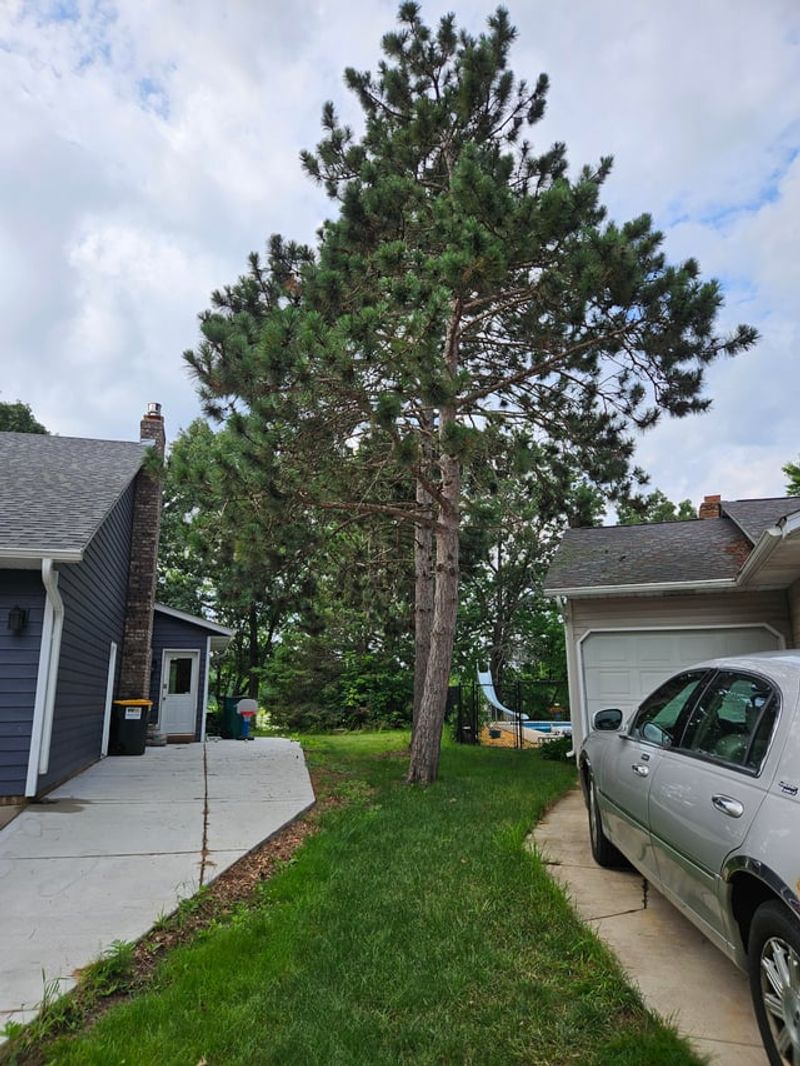
There is something most people do not think about when they see a tree branch resting on a roof. It looks harmless, maybe even picturesque.
But that branch is sitting in one of the most fire-vulnerable spots on any home.
Roofs collect debris over time. Leaves, twigs, and bark pieces fall from overhanging branches and pile up in gutters, valleys, and corners.
That dry material acts like kindling, and when an ember lands nearby, it has plenty of fuel to start a fire right on top of your house.
A limb that rests directly on the roof also creates contact points between the tree and the structure. Embers do not even need to land there.
Your California Garden Changes Every Week. Your Plan Should Too.
Gardening in California changes quickly throughout the season. Every Friday you’ll receive a simple weekly plan showing exactly what to plant, prune, fertilize, harvest, and protect so you never miss the right timing.
If the branch itself catches fire from below or from wind-blown sparks, the flame travels along the limb and touches your roof directly.
Fire inspectors in high-risk zones see this situation over and over again. Even homes with excellent ground-level defensible space can fail at the roofline.
The roof is often the first place a fire tries to enter a structure.
Keeping branches off the roof is a basic but powerful protective move. No special tools are needed in most situations.
A standard pruning saw or pole trimmer can remove the limb safely, and once you cut it back, you have closed one of the most common entry points fire uses.
3. Embers Love Getting Trapped In Leaves
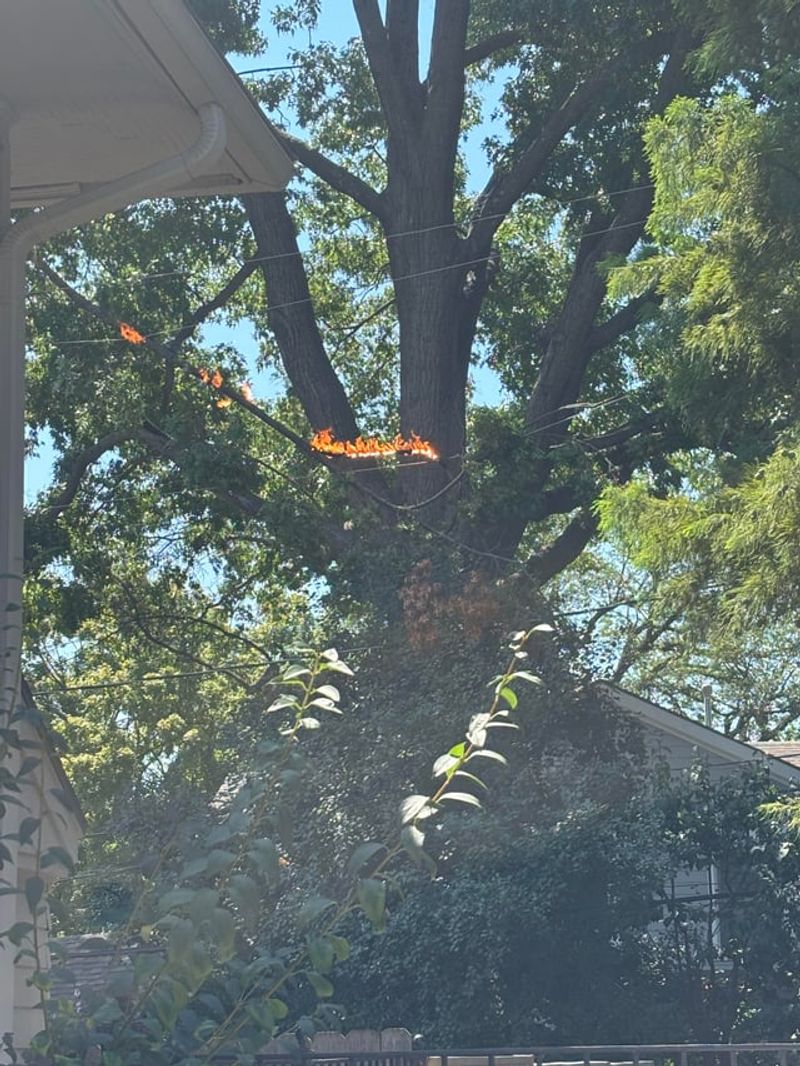
Wildfires do not always spread by direct flame contact. In fact, embers are responsible for igniting many homes during major fire events.
They can travel miles through the air and land in unexpected places, including the leaves of a tree hanging over your roof.
Dense leaf cover is especially problematic. When a cluster of leaves catches an ember, the dry material holds the heat and begins to smolder.
That smoldering can turn into a flame quickly, especially when wind picks up or the air is dry.
Overhanging branches create a kind of canopy that traps traveling embers near your home. Instead of landing on the ground or blowing away, those embers get caught in the foliage.
The closer that foliage is to your home, the faster any resulting fire can reach your structure.
Research from past wildfire seasons in California shows that ember exposure is one of the top causes of home loss. Firefighters often note that it is not the wall of flames that destroys a neighborhood.
It is the thousands of embers drifting ahead of the fire front.
Removing overhanging branches cuts down on the surface area where embers can land near your home. Less leaf cover near your roof means fewer traps for those glowing sparks.
That simple change in your tree coverage makes a measurable reduction in your risk.
4. Overhanging Branches Put Flames Too Close
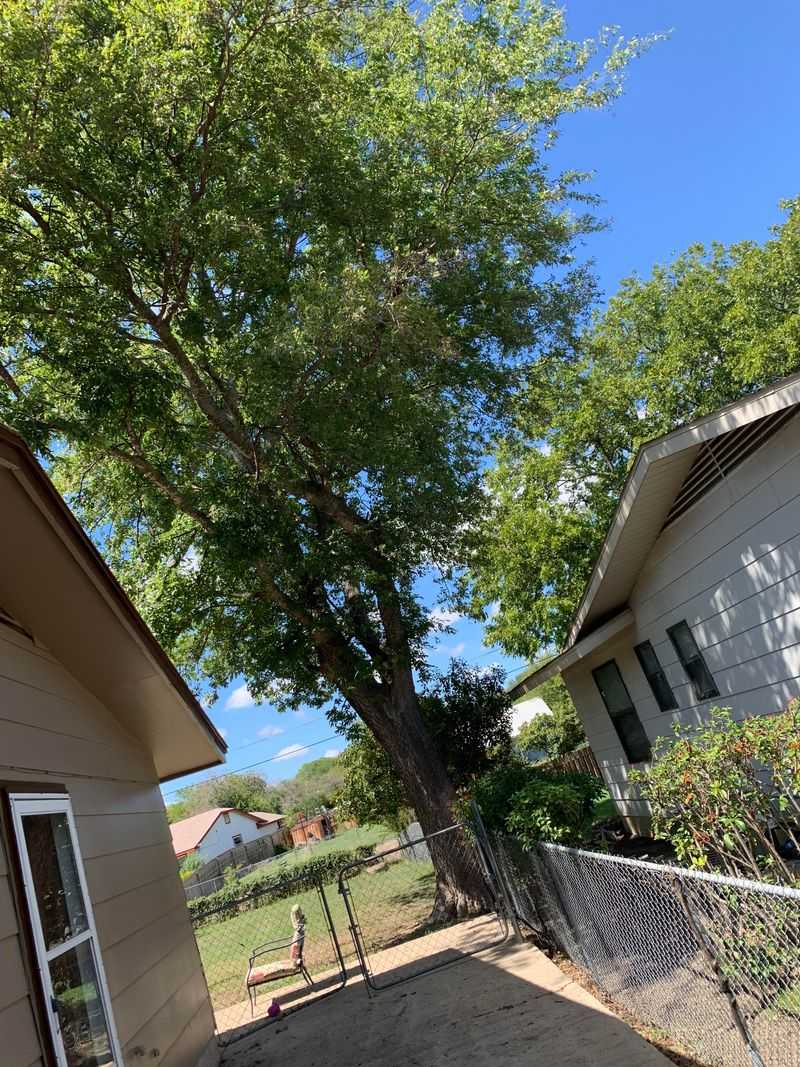
When a branch extends over your rooftop, it shrinks the critical buffer zone between your home and any approaching fire.
Defensible space is designed to slow fire down and give it less fuel near your structure. A branch hanging over the roof defeats that concept before a fire even starts.
Think about what happens when flames reach a tree near your house. The upper canopy can ignite very quickly, especially during hot and dry conditions.
If a branch from that canopy is already reaching over your roof, the flames travel from canopy to home in moments.
Homes in the northern and southern regions of California often sit close to trees for shade and privacy. That makes perfect sense during normal conditions.
But during fire season, every foot of distance between your roof and a nearby branch matters enormously.
Fire needs fuel, heat, and oxygen to spread. When branches cross over or rest on your roof, you are handing fire all three things at once.
The branch is the fuel, the hot dry air provides heat, and wind delivers the oxygen.
Pulling those branches back from your roof disrupts that chain. The fire still has the tree, but it cannot easily reach your home.
A small clearance of even a few feet can slow the spread and give you more time to respond safely.
5. Withered Twigs Make The Problem Even Worse
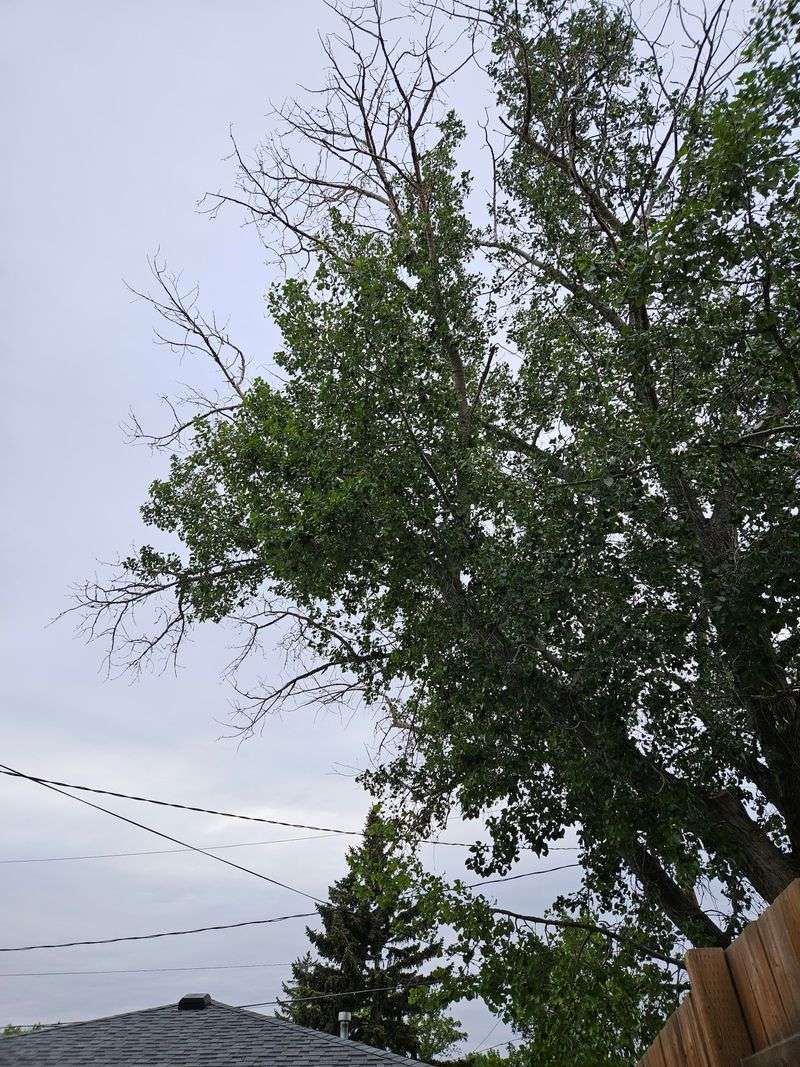
Not every branch on a tree is green and full of moisture. Trees regularly shed smaller limbs and drop twigs throughout the season.
When those withered pieces accumulate along the roofline or inside the canopy overhead, the fire risk increases sharply.
Green branches have some natural moisture that slows how fast they ignite. Dry twigs have none of that.
They light up almost instantly when exposed to heat or a glowing ember, and fire spreads through dry material very quickly.
Dry seasons in California make the problem worse every year. When trees do not get enough water, they shed more leaves and twigs at a faster rate.
That material collects in the canopy and along branches near your home, creating clusters of easy-to-ignite fuel.
Home inspectors often check for this specific issue during fire season evaluations. A tree that looks full and healthy from the street may have significant withered material hidden inside the canopy.
That hidden fuel is just as risky as visible dry brush on the ground.
Removing dry wood from trees is a process called crown cleaning. Many homeowners skip it because it requires looking up carefully and paying attention to what is actually in the tree.
But clearing out twigs and broken branches near your roofline is one of the smartest fire prevention steps you can take.
6. A Clean Yard Cannot Fix A Crowded Roofline
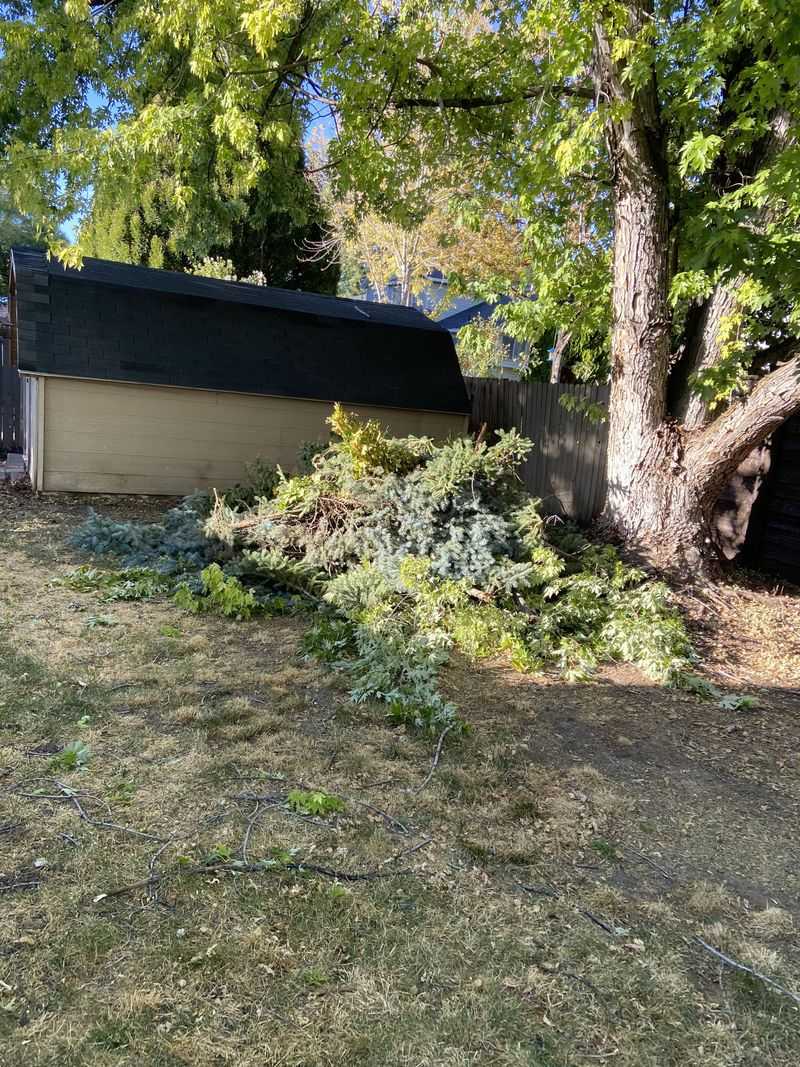
Plenty of homeowners take defensible space seriously at ground level. They clear dry grass, remove withered shrubs, space out their plants, and keep their yard tidy throughout the year.
That work absolutely matters, but it cannot protect your home if overhanging branches are left unchecked.
A fire approaching your property may slow down when it hits your cleared ground-level zone. That is exactly the goal of defensible space.
However, embers from that fire are still drifting through the air and landing on your roof and in nearby trees.
If branches are hanging over your roof at that moment, those embers have a landing zone right next to the most vulnerable part of your home. Your clean yard bought you time, but the crowded roofline wastes it.
Fire can still reach your house through the branches overhead.
Your home’s protection works like a chain. Every link has to hold for the system to work.
Ground clearance is one strong link, and roof clearance is another. If the roofline link is weak, the whole chain fails when it is tested by fire.
Inspectors and fire safety advocates across the state consistently point out this gap in how people approach defensible space. Most attention goes to the ground, and far less goes to what sits directly above the structure.
Fixing that imbalance starts with a simple roofline inspection.
7. How Far Branches Should Stay From The House
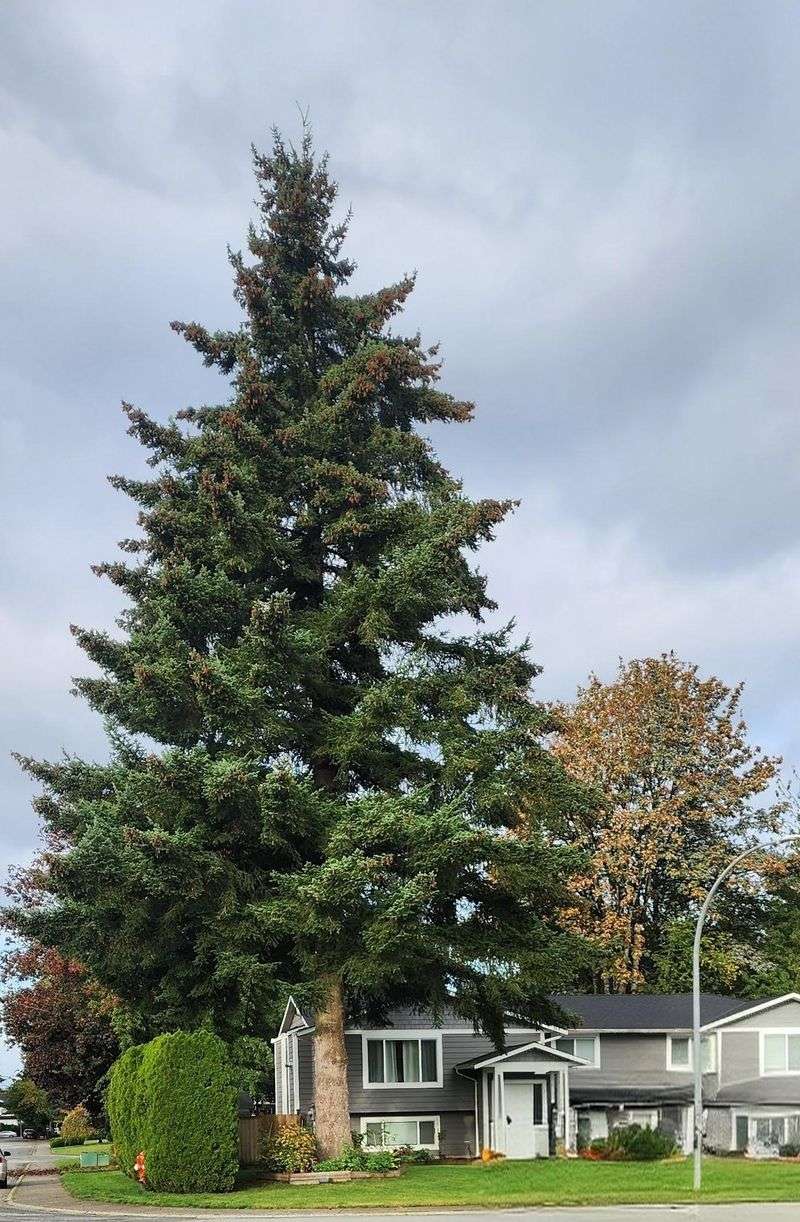
There is a specific clearance distance that fire safety experts recommend for branches near homes in high-risk areas.
Most guidelines suggest keeping all branches at least 10 feet away from any part of your structure, including the roof, walls, and chimney.
Some local codes in California require even greater clearance.
That 10-foot rule exists for very practical reasons. At that distance, a burning branch has a much harder time igniting your home directly.
Embers still travel through the air, but removing branches from directly above the structure reduces the most immediate danger.
Measuring this clearance is easier than most people expect. Stand at the edge of your roof and look straight up.
Any branch hanging within reach of your roofline should be trimmed back, and if you can see branches crossing over the rooftop from any angle, those need to come down.
Vertical clearance matters just as much as horizontal clearance. A branch that reaches out 10 feet from the trunk but then droops close to the roof surface can still be a real problem.
You want branches to clear your roof both in distance and in height.
Local fire departments and California fire agencies offer free home inspections in many communities across the region. They can walk your property and point out exactly which branches need attention.
Taking advantage of that service is a smart, no-cost step toward protecting your home.
8. The Easy Trim That Makes A Big Difference
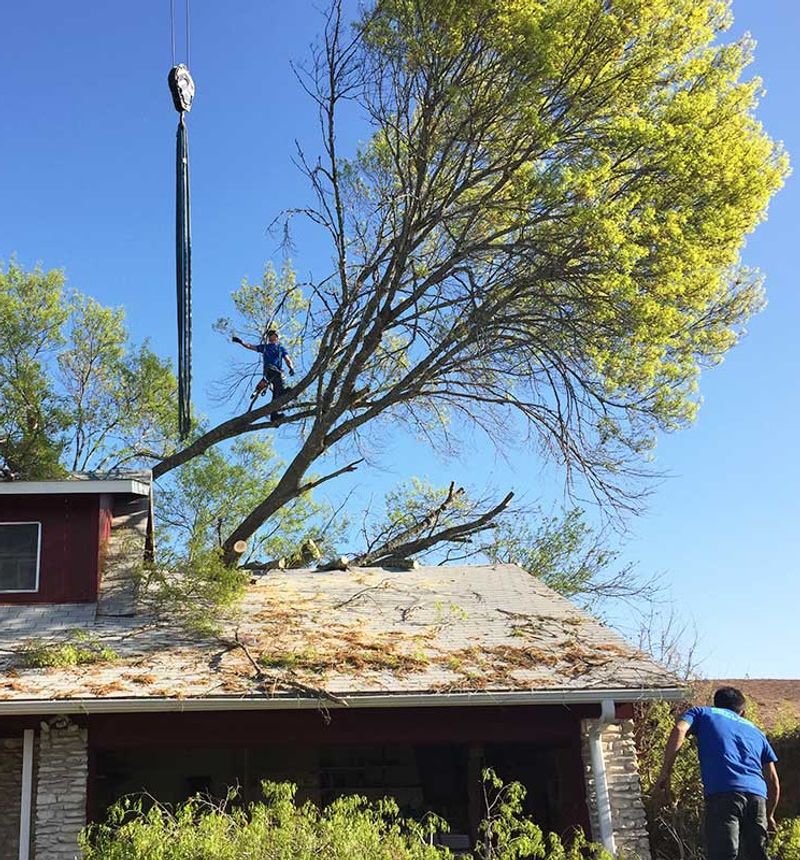
Tree trimming can sound like a big project, but removing branches closest to your roof is often simpler than homeowners expect. In many cases, a pole pruner or extendable saw handles the job without ladders.
Starting with the branches nearest the roofline gives you the biggest return on your effort.
Begin by walking around your home and looking up at every angle. Identify which branches are within 10 feet of your roof.
Make a note of any branch crossing over the roofline or drooping toward the surface, because those are your priority cuts.
For smaller branches, a hand pruner or pole saw works well. Thicker limbs may call for a pruning saw with better reach and control.
Cut each branch cleanly at a natural fork or its point of origin to encourage healthy regrowth and avoid leaving weak stubs.
If a branch is very large or the job requires working at a significant height, calling a licensed arborist is the right move. The cost of a professional trim is small compared to leaving high-risk branches in place.
Many arborists offer free estimates. Once the trimming is done, clean up all the cuttings right away. Piles of branches and leaves near your home add to the fire fuel load around your property.
Chip or haul the debris away to keep your yard consistent with your full defensible space plan.