The One Native Plant Texans Should NEVER Plant In March
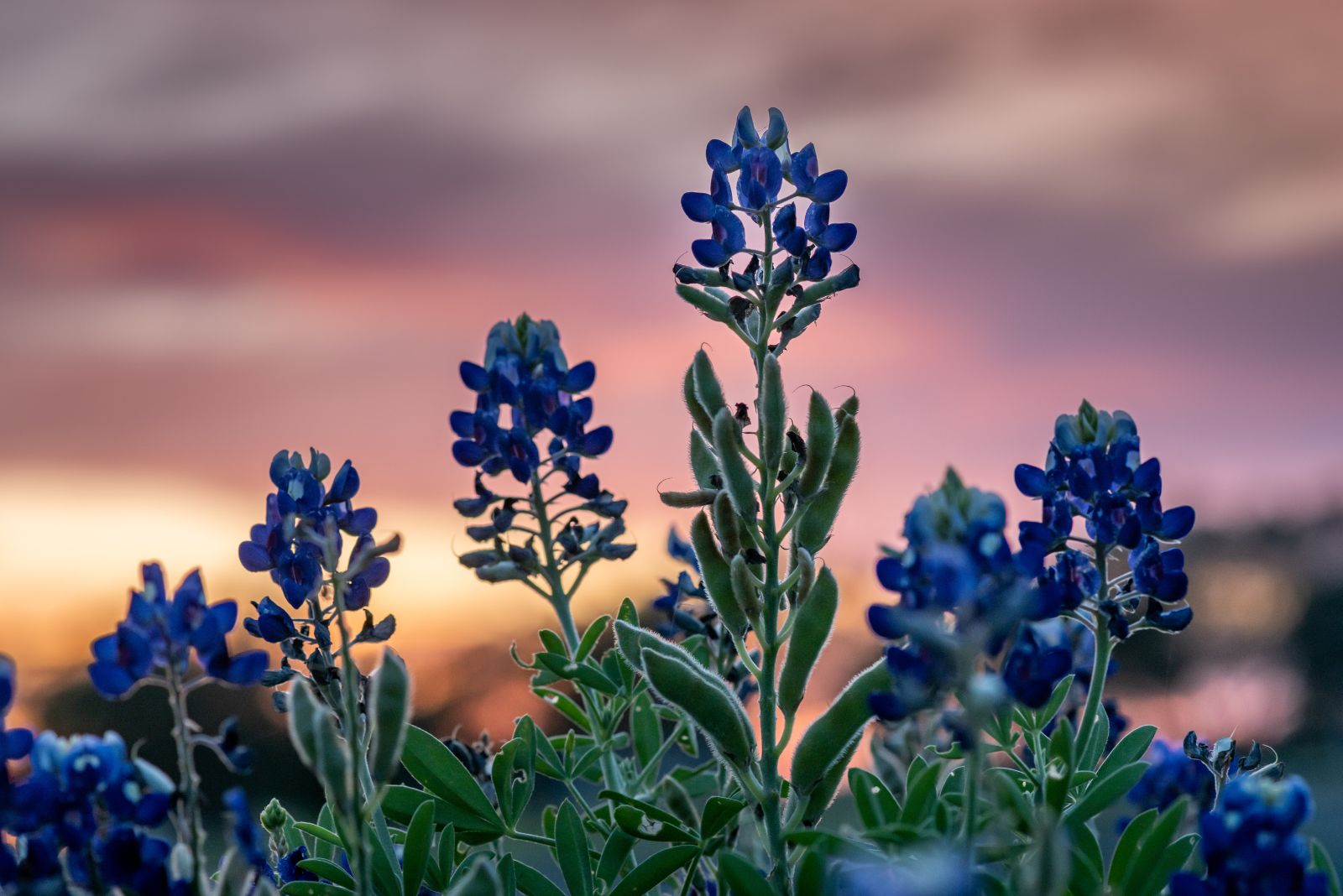
Have you ever planted something in your garden with high hopes, only to realize the timing was completely wrong? In Texas, timing can make or break your planting success, especially when it comes to native plants that follow a very specific seasonal rhythm.
March may feel like the perfect moment to start planting everything in sight, but there is one beloved Texas native that should absolutely not go into the ground this month.
This plant is famous across the state for its stunning spring display and its deep connection to Texas landscapes.
When it blooms, fields and roadsides turn into waves of color that people look forward to every year. Because it is so popular, many gardeners assume it should be planted in early spring.
In reality, planting it in March can prevent it from growing properly and producing those iconic blooms. Bluebonnets need a different schedule to truly thrive in Texas gardens.
1. Bluebonnets Must Be Planted In Fall, Not Spring
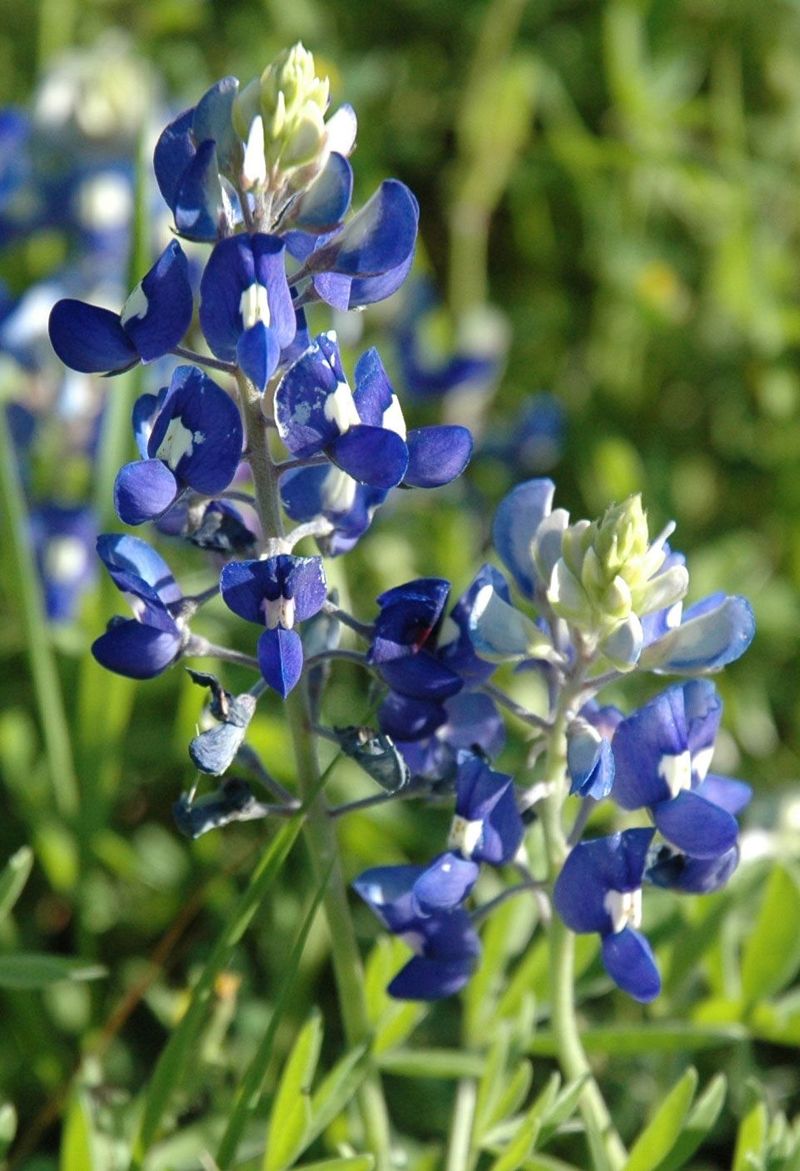
Most people picture spring when they think about planting flowers, so it feels natural to head outside in March and toss some bluebonnet seeds in the ground. Here is the thing: bluebonnets are cool-season annuals, and their whole life cycle is built around fall planting.
Texas wildflower experts and the Lady Bird Johnson Wildflower Center both agree that September through November is the sweet spot for getting seeds in the ground.
When you plant in fall, the seeds have time to settle into the soil before cooler temperatures arrive. They slowly germinate and begin growing tiny roots and leaves during the mild winter months.
By the time February rolls around, those seedlings are already a few inches tall and building strength underground.
Spring planting skips all of that important early growth. Seeds dropped in March face warming soil, unpredictable rain, and rising temperatures almost immediately.
There simply is not enough time for the plant to go through its natural stages before Texas heat takes over.
Bluebonnets are the official state flower of Texas, and they have thrived here for thousands of years by following nature’s schedule. Trying to rush that schedule by planting in spring does not work in your favor.
Fall planting is not just a recommendation; it is the key to success. Mark your calendar for September and give your bluebonnets the head start they need to reward you with a beautiful spring bloom across your Texas yard or garden.
2. March Is Too Late For Proper Root Development
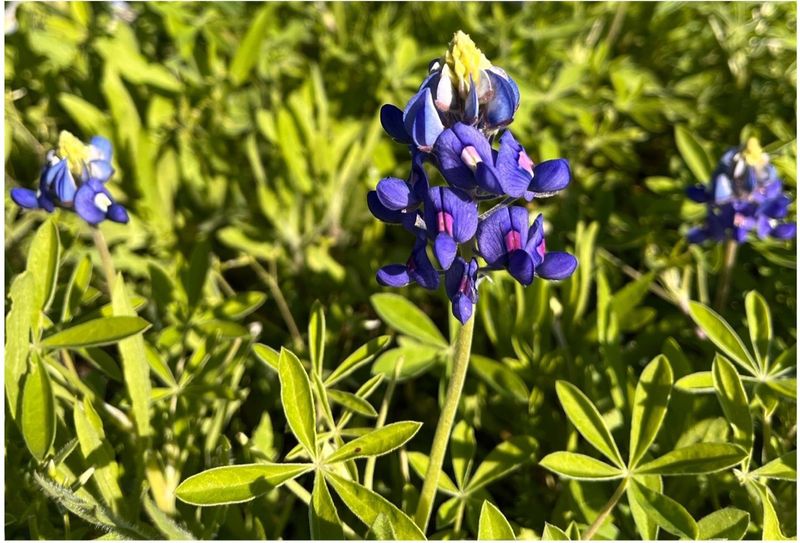
Roots might not be the most glamorous part of a plant, but they are everything when it comes to bluebonnets.
These native wildflowers develop a long, thick taproot during the winter months, and that root is what keeps them alive when Texas spring heat and dry spells arrive. Without it, the plant has almost no defense against tough conditions.
When seeds go into the ground in fall, they spend the entire winter slowly pushing that taproot deeper and deeper. By March, a well-established bluebonnet plant may have roots reaching six to twelve inches underground.
That depth allows the plant to pull moisture from soil layers that dry out more slowly, giving it a real advantage.
Seeds planted in March just do not have that opportunity. The soil is already warming up, which speeds up the top growth but does not give the roots enough time to go deep.
You might see some green leaves pop up, but the root system underneath stays shallow and weak.
A shallow root system means the plant is vulnerable. The first stretch of warm, dry weather that rolls through Texas in April or May can stress those young plants quickly.
They struggle to pull enough water and nutrients to support blooming, so many of them simply stay small and leafy without ever producing a single flower.
Root development is the foundation of a healthy bluebonnet. Fall planting gives that foundation time to form, and skipping it by planting in March leaves the whole plant on shaky ground from the very start.
3. Texas Spring Heat Arrives Too Quickly
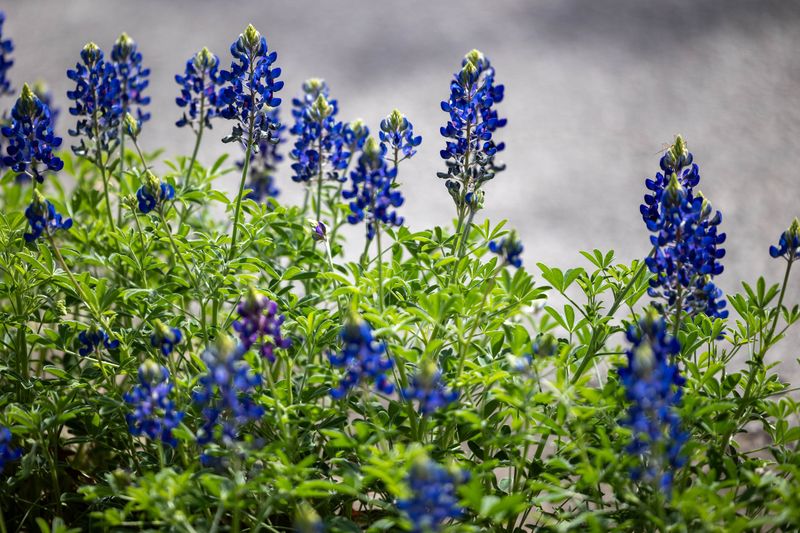
Anyone who has lived in Texas for more than one spring knows how fast the weather can flip. One week you are wearing a jacket, and the next week temperatures are pushing into the 80s or 90s.
That rapid change is beautiful for people heading to the beach, but it is rough on young plants that need cool conditions to grow.
Bluebonnet seedlings are especially sensitive during their early weeks of life. They are built to grow slowly and steadily in cool winter air, not to sprint through their development in a rush of spring warmth.
When seeds are planted in March, the seedlings that do sprout are immediately dealing with rising temperatures and stronger sun than they are ready to handle.
Heat stress in young plants shows up in a few ways. Leaves may look pale or yellowish. Growth slows down or stops. The plant might look limp during the hottest part of the day.
These are all signs that the seedling is struggling to keep up with conditions it was not prepared for.
In many parts of Texas, March and April can bring temperature swings of 30 to 40 degrees within just a few days. That kind of variability is hard on established plants and even harder on seedlings that are just getting started.
Fall-planted bluebonnets, on the other hand, are already strong and rooted by the time that spring heat hits, so they can handle it with ease.
Timing your planting around Texas weather patterns is not optional. It is the smartest gardening move you can make for this beloved state flower.
4. Bluebonnets Require Winter Chilling To Thrive
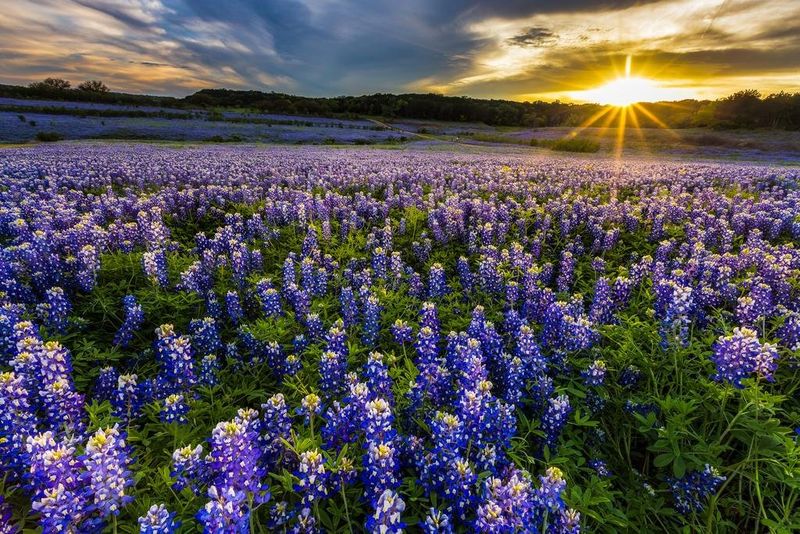
Not every plant needs cold weather, but bluebonnets actually depend on it. These native Texas wildflowers evolved over thousands of years in a climate where cool winters are part of the deal.
That cold period is not just something they can survive; it is something they need in order to grow and bloom correctly.
During winter, cool temperatures slow down the plant’s growth in a controlled way. This allows energy to build up in the roots rather than being spent on rapid leaf growth.
Think of it like charging a battery. The plant stores up power all winter so it can release a burst of blooms when spring arrives.
Seeds planted in March miss that charging period entirely. They sprout in warm soil and immediately start pushing energy into leaves and stems.
There is no stored reserve from a cold winter season, so the plant runs out of steam before it can produce flowers. You end up with a green plant that looks okay but never delivers the blue blooms you were hoping for.
Did you know that bluebonnets actually have a built-in seed protection system? Their hard seed coat keeps them from germinating too early, even after a rain.
This adaptation evolved so seeds wait for the right conditions, which in Texas means fall rains and cooling temperatures. Planting in March fights against that natural design.
Working with the plant’s natural needs rather than against them is the smartest approach. Give bluebonnets their winter chill, and they will reward you with one of the most stunning wildflower displays in all of Texas.
5. Spring-Planted Seeds Rarely Produce Flowers
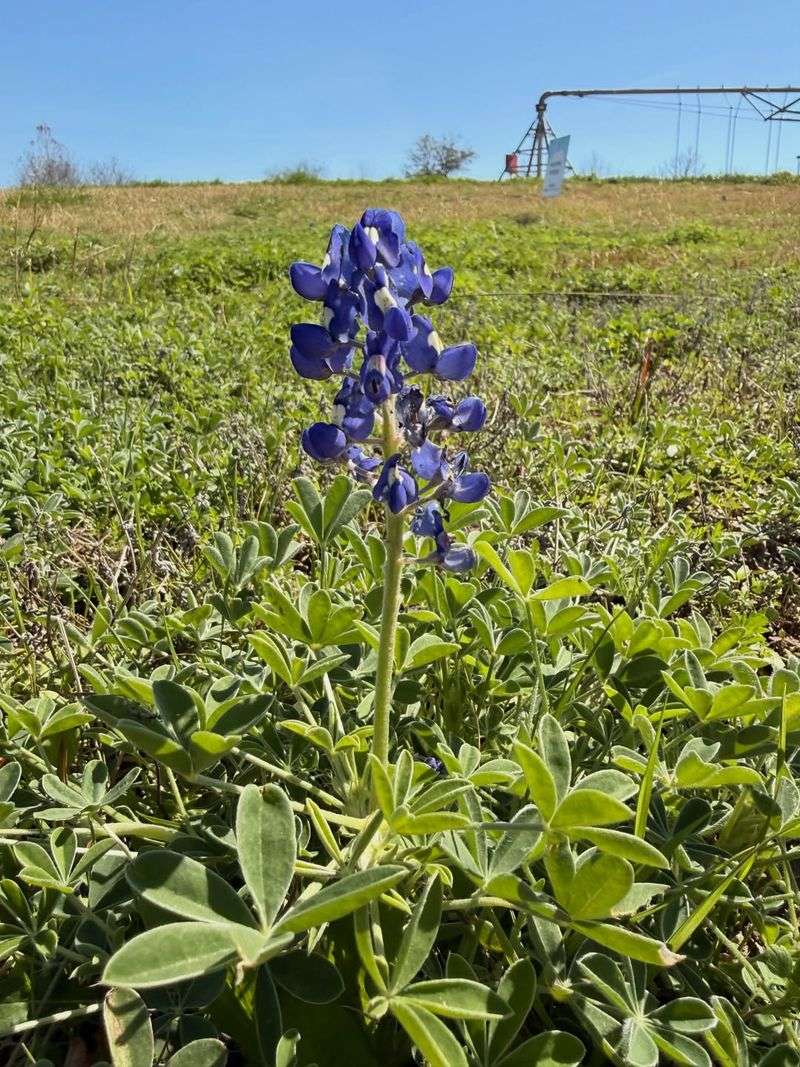
Imagine spending time preparing your soil, buying seeds, and carefully watering your garden all spring, only to end up with a patch of green leaves and zero flowers. That is the reality for many Texans who plant bluebonnet seeds in March.
It happens more often than people expect, and it is one of the most common complaints from first-time wildflower gardeners across the state.
When bluebonnets are planted too late, the plants tend to stay small and leafy. They put their limited energy into basic survival rather than reproduction.
Flowering is one of the last things a plant does, and it only happens when conditions are right and the plant is strong enough to support it. Spring-planted seedlings rarely reach that point before Texas heat shuts everything down.
Some plants might produce a few weak flowers very late in the season, but they tend to be sparse and pale compared to the vibrant blooms you see along Texas roadsides.
Those roadside displays come from seeds that germinated the previous fall and spent months building strength.
The disappointment of a flowerless spring garden can make people think bluebonnets are hard to grow. They are not.
They are actually quite easy when planted at the right time. Fall planting takes the guesswork out of the process and gives you predictable, rewarding results.
If your March-planted seeds did not bloom this year, do not give up on bluebonnets. Plan ahead for fall, follow the natural timing, and next spring your Texas garden could look like a scene straight off a Hill Country postcard.
6. Texas Wildflower Cycles Depend On Fall Germination
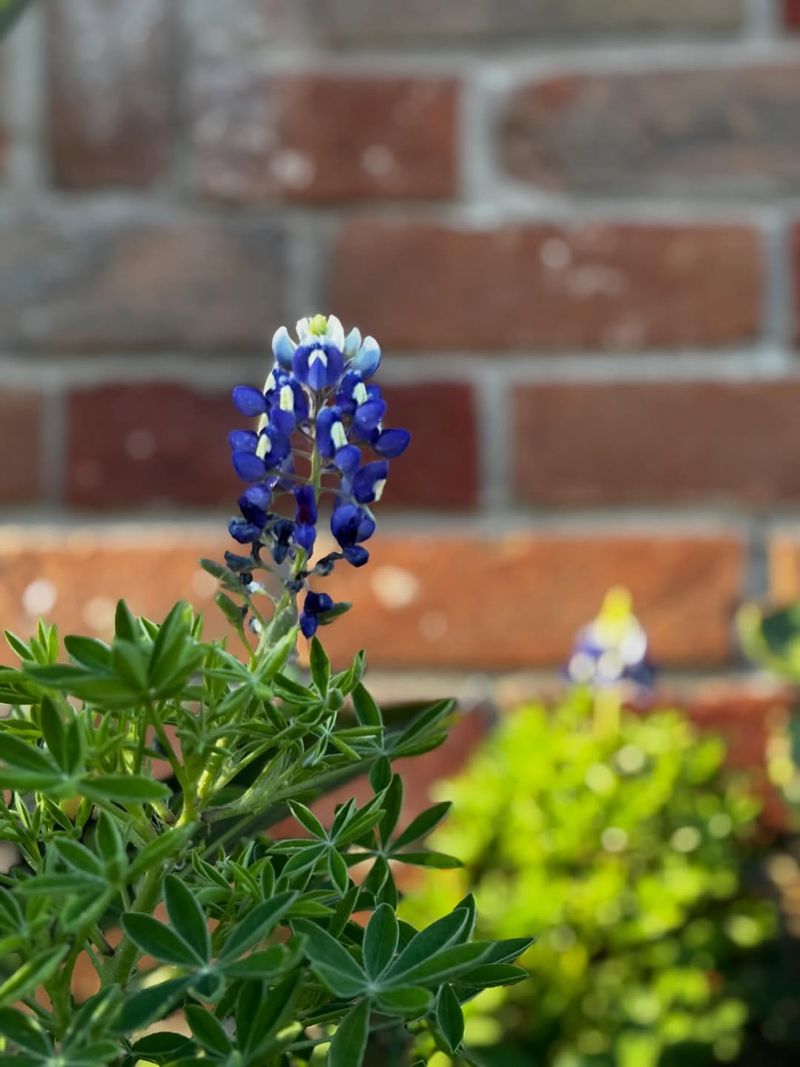
Have you ever wondered how those jaw-dropping fields of bluebonnets along Texas highways come to be every spring? It is not magic, and it is not luck.
It is the result of a very precise natural cycle that starts in the fall and plays out slowly over months. Understanding that cycle is the key to replicating that beauty in your own yard.
In the wild, bluebonnet seeds fall to the ground in late spring after the previous year’s plants finish blooming. They sit in the soil through the hot Texas summer, protected by their tough seed coat.
When fall rains arrive and temperatures drop, those seeds finally germinate. The seedlings grow slowly through winter, staying low to the ground and building root systems.
By early spring, the plants are perfectly positioned. They are established, rooted, and ready to respond to warming temperatures and longer days with a burst of blue flowers.
The timing works because everything happened in the right order, starting with fall germination.
March planting interrupts that cycle at the most critical point. Instead of entering spring as a strong, rooted plant, a March-planted seedling enters spring as a brand-new sprout with almost nothing in reserve.
It is like showing up to a marathon having skipped all your training runs. Across Texas, from the Panhandle to the Gulf Coast, bluebonnets follow this same seasonal rhythm.
Respecting that rhythm and planting in fall means you are working with nature instead of against it, and the results speak for themselves every March and April when the blooms arrive.
7. What Texans Should Do Instead?
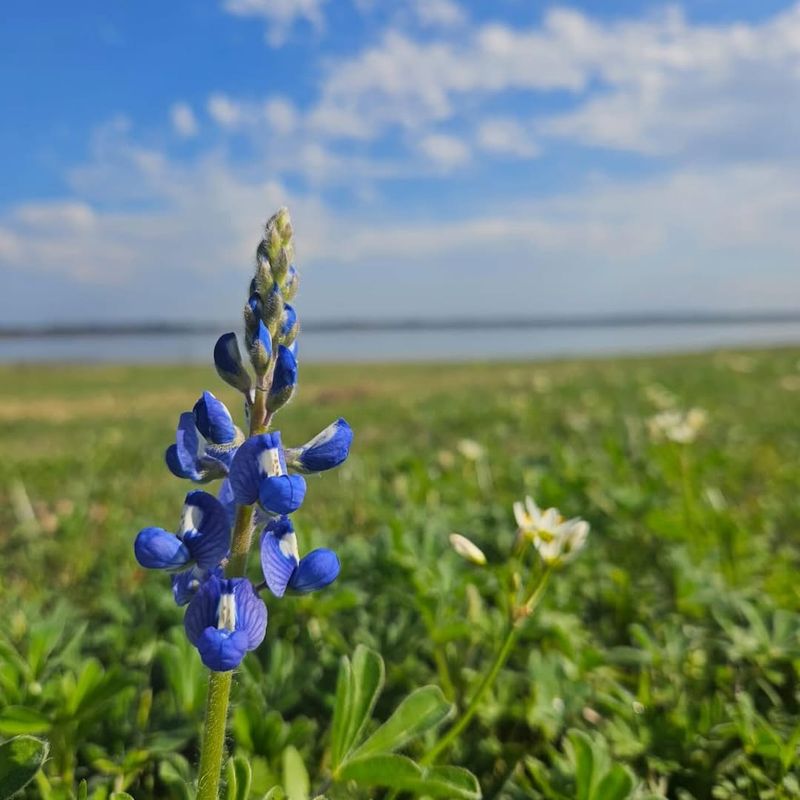
Good news: getting a stunning bluebonnet display is completely achievable, and it does not require special equipment or a lot of experience.
You just need to shift your timing and follow a few simple steps. The payoff next spring will be well worth the wait.
Start planning to plant your bluebonnet seeds in September, October, or November. That window gives seeds the best chance to germinate before winter and build strong roots over the cooler months.
Check your local Texas weather patterns and aim to plant after the first reliable fall rains, when soil moisture is naturally higher.
Before planting, take a moment to scarify your seeds. That just means lightly scratching or nicking the hard seed coat with sandpaper or a nail file.
This simple step helps water penetrate the seed faster and improves germination rates significantly. Many gardeners in Texas swear by this trick.
Choose a planting spot with full sun and well-drained soil. Bluebonnets do not like wet feet, so avoid low areas where water pools after rain.
Sandy or loamy soil works best. Scatter seeds lightly across the surface, press them gently into the soil, and water lightly to settle them in.
After that, nature does most of the work. Water occasionally during dry spells in fall and winter, but do not overdo it.
By February or March, you should start seeing healthy seedlings, and by April, your Texas yard could be covered in the brilliant blue blooms that make this state famous. Patience and proper timing are your two best gardening tools.