The One Plant Worth Adding To A California Yard To Keep Mosquitoes Away
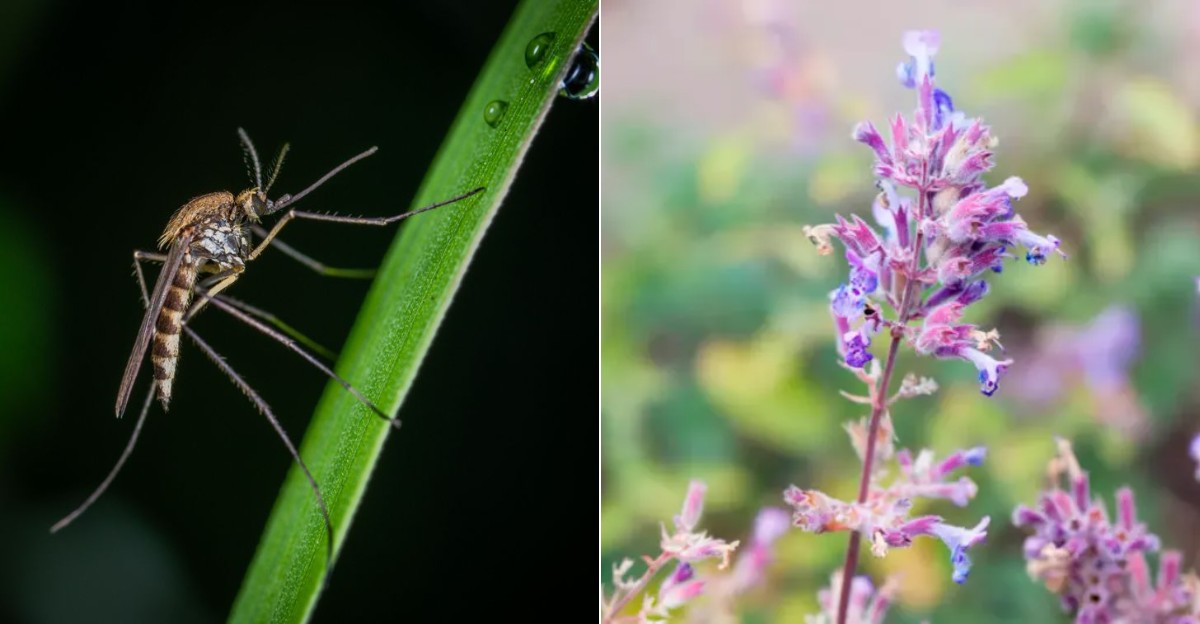
Few things can ruin a relaxing evening in your California yard faster than a swarm of mosquitoes.
You can light candles, cover up, or reach for sprays, but adding the right plant to your landscape can give you another way to make your outdoor space less inviting to these unwanted guests.
Not every so-called mosquito-repelling plant lives up to its reputation, and simply putting a pot on the patio may not be enough to make a noticeable difference. Placement, scent, foliage, and how you use the plant all matter if you want to get the most out of it.
The right choice can also add color, texture, or fragrance to your yard instead of looking like a purely practical pest-control measure.
If mosquitoes have been making your outdoor space harder to enjoy, one well-chosen addition could be worth a spot in your garden.
1. It Contains A Compound Mosquitoes Dislike
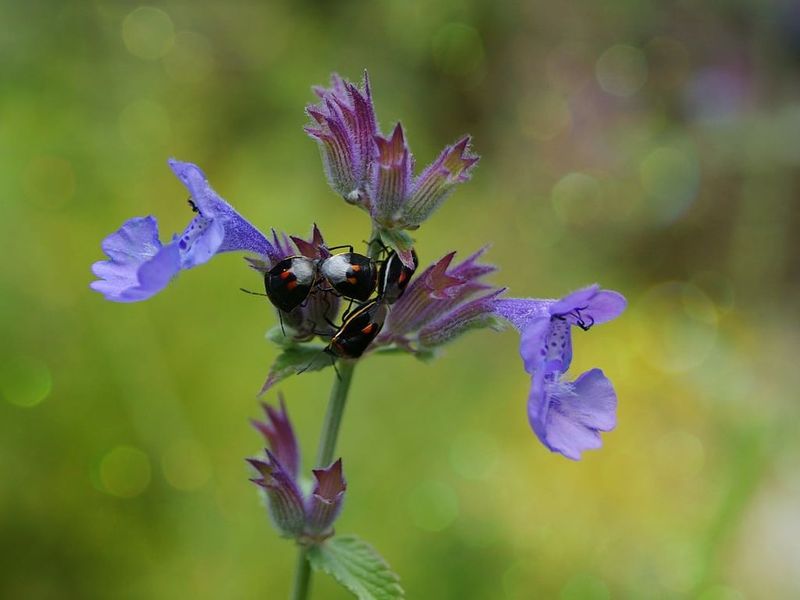
Ever wonder why some plants seem to keep bugs at a distance? Catnip is one of those quiet helpers. It carries a natural compound that mosquitoes really do not enjoy being near.
Scientists have studied this plant closely. Research from Iowa State University found that catnip can be far more effective at repelling mosquitoes than many people expect. The bugs simply want to fly away from it.
The compound inside the leaves creates a smell that bothers mosquitoes but stays pleasant for humans. That makes catnip a friendly choice for gardens where kids and pets play. You get a nice plant and a natural bug helper in one.
Growing a few catnip plants near patios or seating areas can give you a little extra comfort. The effect is strongest when the leaves are fresh and the plant is healthy. Crushing a few leaves releases even more of the scent.
Keep in mind that catnip works best up close. A single plant will not clear an entire yard, but it can help around spots where you sit and relax. Think of it as one useful tool in your outdoor comfort kit.
When paired with good habits, this cheerful herb becomes a smart, low-cost way to make evenings outside more enjoyable.
2. Its Strong Scent Comes From Nepetalactone
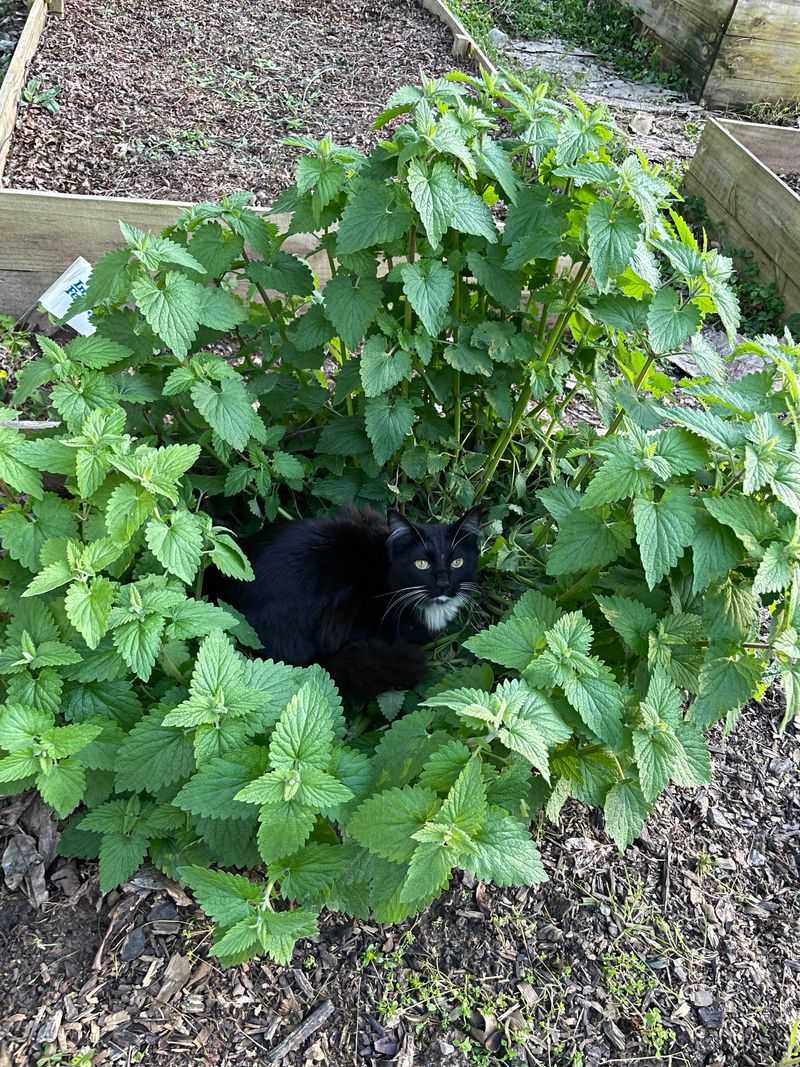
The secret behind catnip’s power has a big name: nepetalactone. This is the natural oil that gives the plant its strong smell. It is also the reason cats go a little wild around it.
Nepetalactone sits inside the leaves and stems. When the plant is touched, brushed, or crushed, the oil releases into the air. That fresh burst of scent is exactly what mosquitoes try to avoid.
What makes this compound interesting is how strong it can be. Some studies suggest nepetalactone works better than certain store-bought repellent ingredients in lab tests. Nature packed a lot of punch into this simple herb.
For your yard, this means placement matters. Growing catnip where people walk by helps release the oil naturally. Every gentle bump against the leaves sends more scent into the air around you.
Your California Garden Changes Every Week. Your Plan Should Too.
Gardening in California changes quickly throughout the season. Every Friday you’ll receive a simple weekly plan showing exactly what to plant, prune, fertilize, harvest, and protect so you never miss the right timing.
You can boost the effect by rubbing a few crushed leaves on outdoor furniture or nearby surfaces. The oil spreads a bit and adds to the protection. Just be gentle so the plant stays healthy.
Because the scent fades over time, fresh leaves are your best friend. A well-cared-for plant keeps producing more of that helpful oil. With a little attention, your catnip becomes a steady source of natural, pleasant-smelling defense against pesky mosquitoes.
3. The Plant Works Best As Part Of A Bigger Strategy
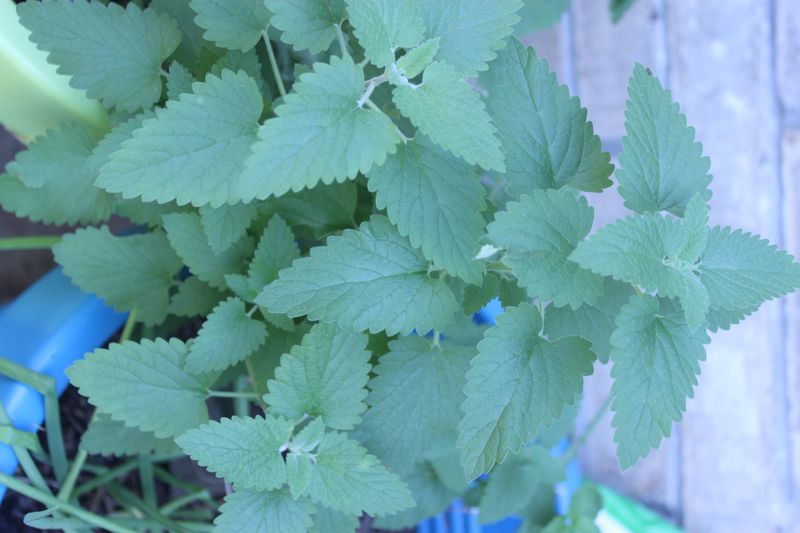
Here is an honest truth: no single plant will solve every mosquito problem. Catnip is helpful, but it shines brightest when it joins a team of good habits and other tools.
Picture your yard as a puzzle. Catnip is one useful piece, and other pieces matter too. Fans, screens, and smart planting all work together to make outdoor spaces more comfortable.
Using catnip alongside other repellent plants can stretch its benefits. Herbs like lavender, rosemary, and marigolds add their own scents that bugs tend to dislike. Mixing them creates a garden that smells great and helps keep pests away.
Timing also plays a role. Mosquitoes are most active at dawn and dusk. Sitting near your catnip during these hours, or lighting a fan to move air around, adds extra protection when you need it most.
Do not forget personal steps too. Wearing long sleeves and using safe repellents on skin still matters. Catnip supports these habits rather than replacing them.
When you combine several small actions, the results add up fast. A little catnip here, some standing water removed there, and suddenly your yard feels far more pleasant. Think of catnip as a reliable teammate that makes your whole mosquito plan work better.
4. Give Catnip Plenty Of Sun And Drainage
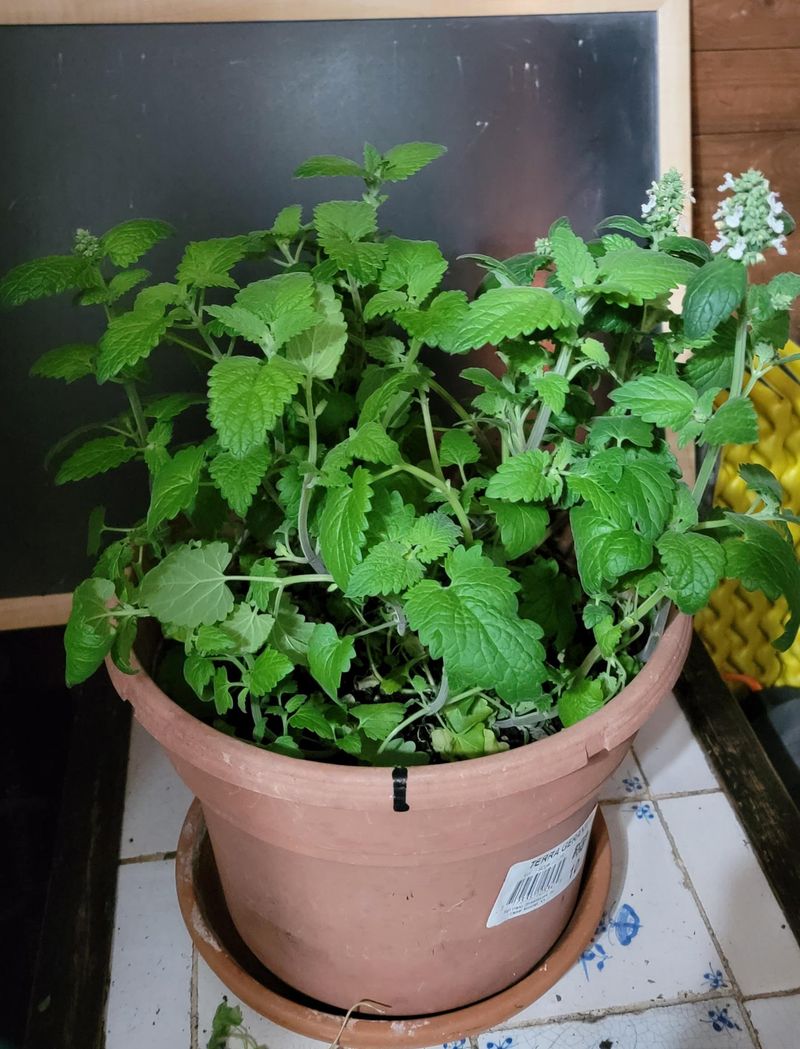
Growing happy catnip is easier than you might think. This plant loves sunshine and does not ask for much fussing. Give it the right spot, and it rewards you with steady growth.
Aim for a location that gets at least six hours of direct sun each day. California’s bright weather is perfect for this. More sun usually means a stronger, bushier plant with plenty of scented leaves.
Good drainage is the other big need. Catnip does not like soggy roots. Planting it in loose soil or a raised bed helps water flow away instead of pooling around the base.
If your soil holds water, try mixing in some sand or compost. This simple change keeps the roots healthier and happier. Containers with drainage holes also work great for patios and small spaces.
Watering should be moderate. Let the top layer of soil dry out a bit between drinks. Overwatering can weaken the plant faster than forgetting a day or two.
Trim your catnip now and then to keep it full and neat. Regular snipping encourages fresh growth and more of that mosquito-fighting oil. With sunshine, decent soil, and light care, catnip becomes one of the most rewarding and low-effort plants in your entire California yard.
5. Do Not Rely On The Plant To Control An Infestation
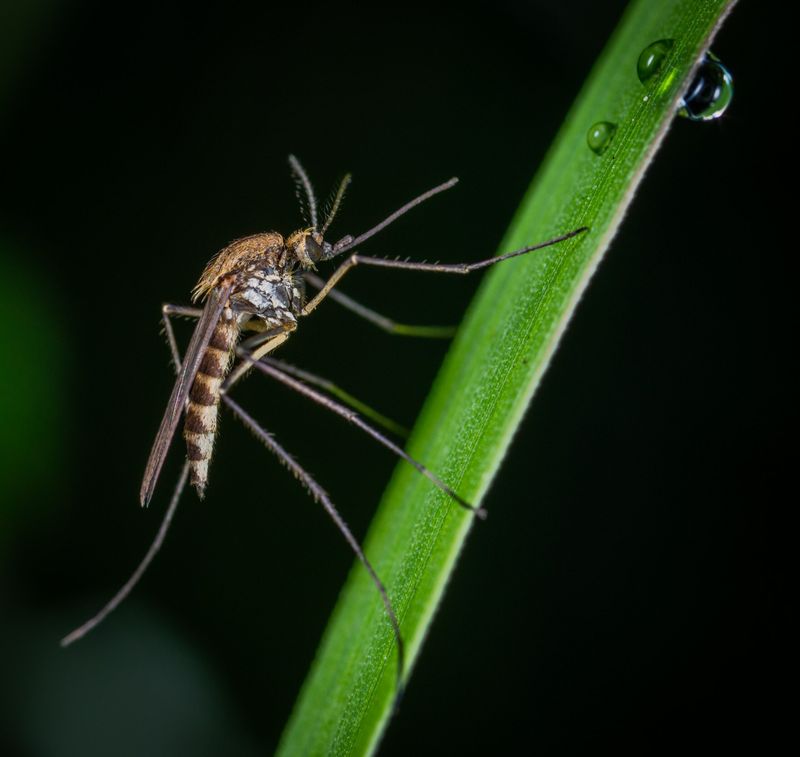
As helpful as catnip is, it has limits. If your yard already has a serious mosquito problem, this plant alone will not fix it. That is an important thing to understand.
A heavy mosquito population needs more than scent to manage. When bugs are breeding fast, you need to tackle the source, not just mask the area with a nice-smelling herb.
Think of catnip as prevention and comfort, not a rescue mission. It helps keep numbers down around seating spots and adds a layer of natural defense. For big outbreaks, stronger action is required.
Removing breeding grounds is the real key. Standing water, thick brush, and clogged gutters give mosquitoes places to multiply. Fixing these problems makes a much bigger difference than any single plant.
If bites keep coming despite your efforts, it may be time to call a professional. Pest experts can find hidden trouble spots you might miss. There is no shame in getting extra help.
Setting realistic expectations keeps you from feeling let down. Catnip is a lovely, useful plant, but it works best as support. Pair it with smart cleanup and, when needed, expert care.
Together these steps give you a far better chance at truly comfortable, bite-free time in your yard.
6. Remove Standing Water Around The Yard
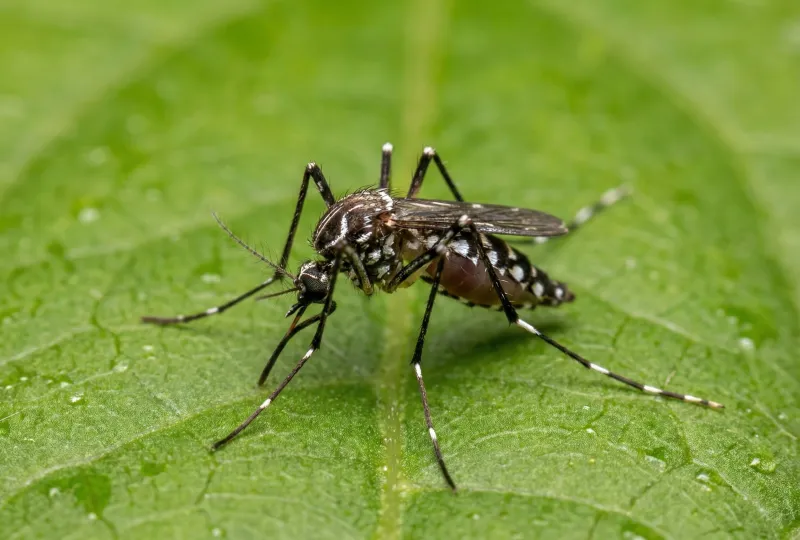
Want to hit mosquitoes where it hurts most? Get rid of standing water. This one habit does more to reduce these pests than almost anything else you can try.
Mosquitoes lay their eggs in still water. Even a small puddle or a forgotten bucket can become a nursery for hundreds of new bugs. Less water means far fewer mosquitoes.
Walk your yard and look for hidden pools. Check plant saucers, old tires, birdbaths, and clogged gutters. These spots collect water easily and often go unnoticed for weeks.
Emptying containers once or twice a week breaks the breeding cycle. Mosquito eggs need standing water to grow, so removing it stops the problem before it starts. It is quick and completely free.
For water you cannot dump, like a decorative pond, add movement. A small fountain or pump keeps water flowing, which mosquitoes dislike. Fish that eat larvae can help too.
Birdbaths deserve special attention. Refresh the water often so it never sits long enough for eggs to hatch. Your feathered visitors will appreciate the clean water anyway.
Pairing this cleanup with your catnip plants creates a powerful combo. One reduces breeding while the other keeps bugs at a distance. Together they make your yard a much less welcoming place for annoying mosquitoes.
7. Keep Dense Growth From Creating Damp Hiding Spots

Thick, overgrown plants might look lush, but they can hide a problem. Mosquitoes love shady, damp corners where they can rest during the hot part of the day.
Dense growth traps moisture and blocks airflow. That creates the cool, humid shelter these pests seek out. Trimming things back removes their favorite resting spots.
Take a look at your bushes, tall grasses, and crowded flower beds. If plants are packed too tightly, air cannot move well between them. Giving each plant some breathing room helps a lot.
Regular pruning keeps your garden healthier overall. It lets sunlight reach the soil and dries out damp areas faster. Mosquitoes have fewer places to hide when your yard stays open and tidy.
This tip even applies to your catnip. While the plant repels bugs, letting it grow into a thick, tangled mass can trap moisture underneath. Keep it trimmed and spaced for the best results.
Mow the lawn often and clear away piles of leaves or clippings. These damp piles are perfect hideouts. A neat yard simply gives pests fewer comfortable corners.
Combining tidy landscaping with your other efforts rounds out a strong plan. Clean up the hiding spots, remove standing water, and add catnip near seating. Small steps like these turn your yard into a far more pleasant place.
8. Catnip Is Safe And Easy For Most California Gardens
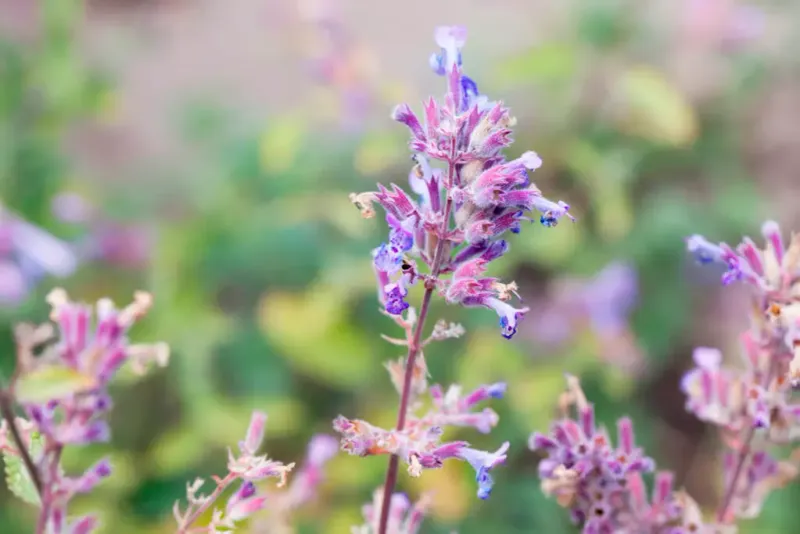
One of the best things about catnip is how friendly it is to grow. It fits right into most California gardens without causing trouble for people or pets.
This herb is safe to have around children and animals. Cats especially enjoy it, so do not be surprised if neighborhood felines come for a sniff. It is a fun bonus for pet lovers.
Catnip also handles California’s climate well. It tolerates heat and can bounce back after dry spells once established. That makes it a smart pick for water-conscious gardeners.
Because it grows fast, you can start small and enjoy results quickly. A young plant fills out in a single season with proper sun and light care. You do not need a green thumb to succeed.
One thing to watch is spreading. Catnip can grow eagerly and take over space if you let it. Planting it in a pot or trimming it back keeps it under control.
Harvesting leaves is easy too. Snip a few whenever you like to rub on furniture or dry for later use. The plant keeps producing more.
With its safe nature, easy care, and helpful scent, catnip earns its place in a California yard. It offers natural bug support while adding a bit of greenery and charm you can truly enjoy.