The One Poinsettia Problem Florida Homeowners Face Each December
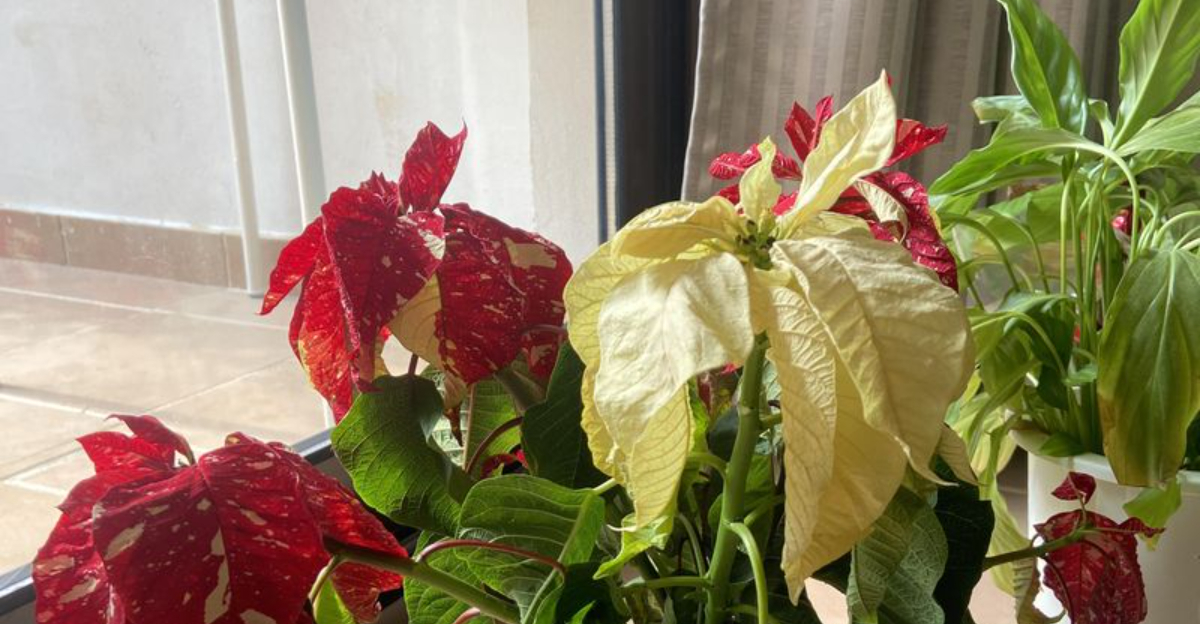
December in Florida brings wreaths, lights, and a poinsettia pride that feels right at home.
Yet many plants hit a brick wall after a few short weeks. Leaves curl, color fades, and frustration rides shotgun.
The culprit hides in plain sight: indoor air that lacks balance.
Holiday décor, sealed windows, and nonstop AC use tip the scales, and poinsettias pay the price.
These plants thrive on steady moisture in the air, not bone dry rooms that cut corners.
Miss that mark, and trouble brews fast.
Homeowners scratch heads, toss plants out, and vow better luck next year.
A small shift turns the tide and saves face.
Once humidity falls in line, poinsettias bounce back and steal the show.
This seasonal snag proves no tall tale, just a fixable flaw that stands between holiday cheer and a plant that throws in the towel far too soon each year.
Excessive Moisture Breeds Fungal Growth
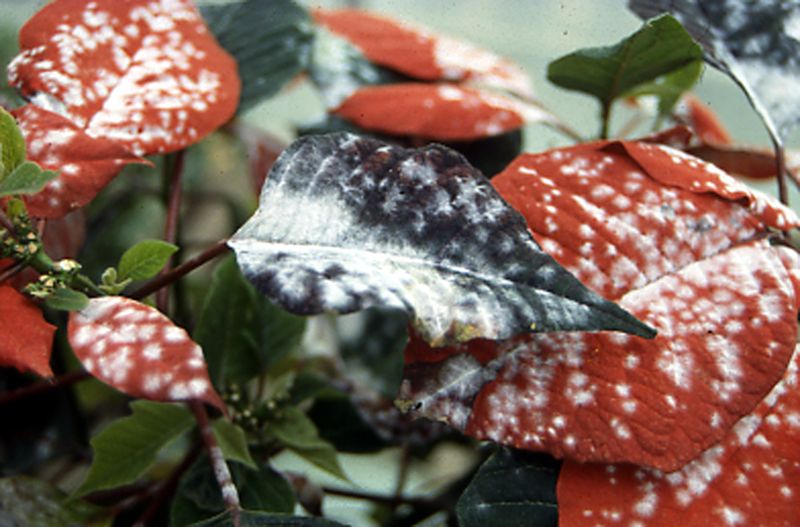
Florida’s humid December air creates the perfect breeding ground for fungal infections that love to attack poinsettias.
When moisture levels stay high day after day, tiny fungal spores find their ideal home on leaf surfaces and soil.
Botrytis blight, powdery mildew, and root rot thrive in these damp conditions, spreading quickly from leaf to leaf.
You might notice brown spots appearing on the colorful bracts or a fuzzy white coating developing overnight.
The fungus spreads through water droplets, and Florida’s humidity keeps surfaces damp long enough for spores to germinate.
Prevention starts with proper air circulation around your plants and avoiding overhead watering that splashes leaves.
Space poinsettias at least six inches apart so air can flow freely between them.
Running a fan nearby helps reduce moisture buildup without creating harsh drafts that poinsettias dislike.
Check plants daily for early signs of fungal problems, removing affected leaves immediately to prevent spread.
Consider using a dehumidifier in rooms where you display poinsettias to maintain ideal moisture levels between 40-60 percent.
Overwatering Happens More Easily Than You Think
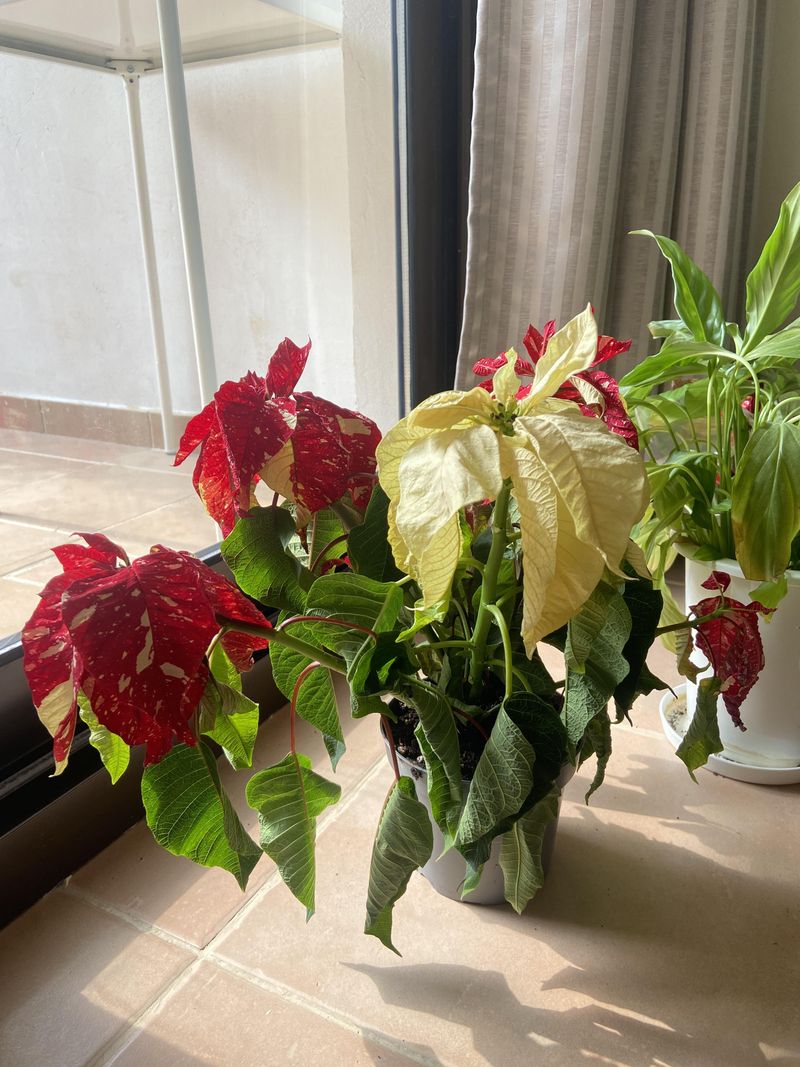
Humidity fools many Florida gardeners into thinking their poinsettias need less water, but the opposite problem often occurs.
Because the air feels damp, people assume the soil stays moist longer and water too frequently.
High humidity actually slows water evaporation from both soil and leaves, meaning plants absorb moisture more slowly.
Poinsettias sitting in constantly wet soil develop root problems that prevent them from taking up nutrients properly.
Yellow leaves falling from the bottom up signal that roots are drowning in too much moisture.
The key is checking soil moisture with your finger before adding more water, pushing down about an inch deep.
Soil should feel dry at that depth before you water again, which might take longer in humid conditions.
Empty drainage saucers within 30 minutes after watering so roots never sit in standing water.
Terra cotta pots work better than plastic in humid climates because they allow excess moisture to evaporate through the sides.
Adjust your watering schedule based on actual soil conditions rather than following a rigid calendar routine.
Leaf Drop Accelerates In Muggy Conditions
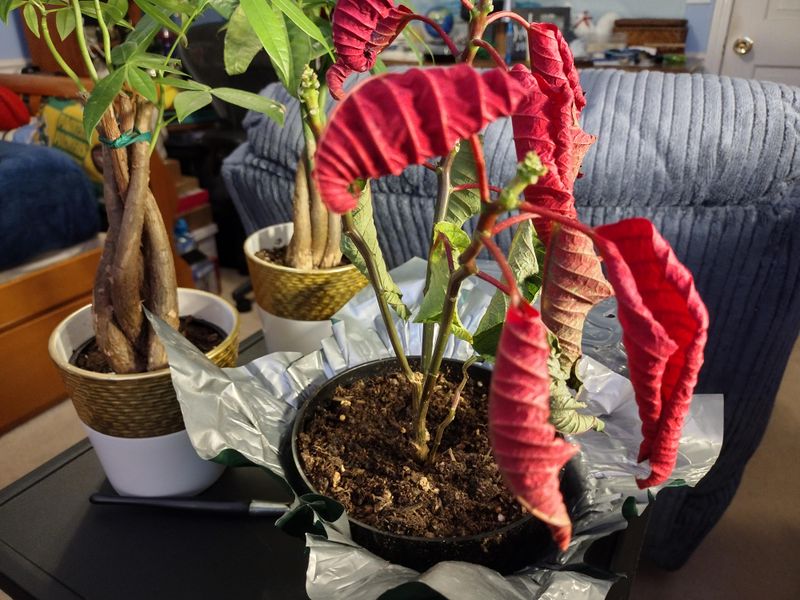
Nothing disappoints holiday decorators more than watching their poinsettia shed leaves faster than a Christmas tree in January.
Florida’s thick December air stresses these plants in ways that trigger premature leaf loss.
Poinsettias naturally prefer moderate humidity levels, and when moisture becomes excessive, they respond by dropping foliage.
The plant tries to reduce its leaf surface area to cope with the uncomfortable growing conditions.
Temperature fluctuations combined with high humidity make the problem worse, especially near air conditioning vents.
Sudden changes from humid outdoor air to dry air-conditioned spaces shock the plant’s system.
Keep your poinsettia away from exterior doors that open frequently, letting in blasts of humid air.
Maintain consistent temperatures between 65-75 degrees Fahrenheit throughout the day and night.
Avoid placing plants near heating or cooling vents that create dramatic shifts in air moisture.
Mist leaves lightly only if indoor air becomes extremely dry from air conditioning, never when humidity already feels high outside.
Pest Infestations Flourish In Damp Air
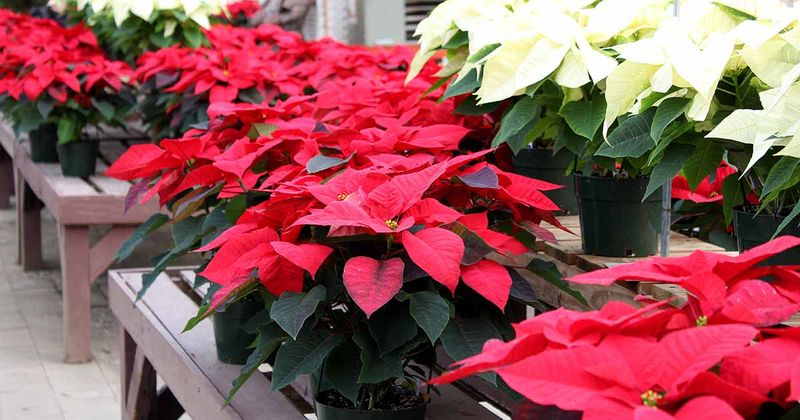
Whiteflies and aphids throw parties on poinsettias when Florida’s humid December weather creates their favorite living conditions.
These tiny insects reproduce faster in warm, moist environments, turning a small problem into a major infestation within days.
High humidity weakens plants naturally, making them more vulnerable to pest attacks and less able to defend themselves.
You might spot clouds of white insects flying up when you touch the plant or sticky residue coating the leaves below.
This honeydew substance attracts ants and encourages black sooty mold growth, creating multiple problems at once.
Inspect new poinsettias carefully before bringing them inside, checking the undersides of leaves where pests hide.
Isolate new plants for a week to ensure they are not carrying unwanted hitchhikers.
Wipe leaves gently with a damp cloth weekly to remove pests before populations explode.
Insecticidal soap works well for minor infestations, but you must spray thoroughly, covering all leaf surfaces.
Repeat treatments every five days to break the pest life cycle and prevent reinfestation in humid conditions.
Bract Color Fading Occurs Faster
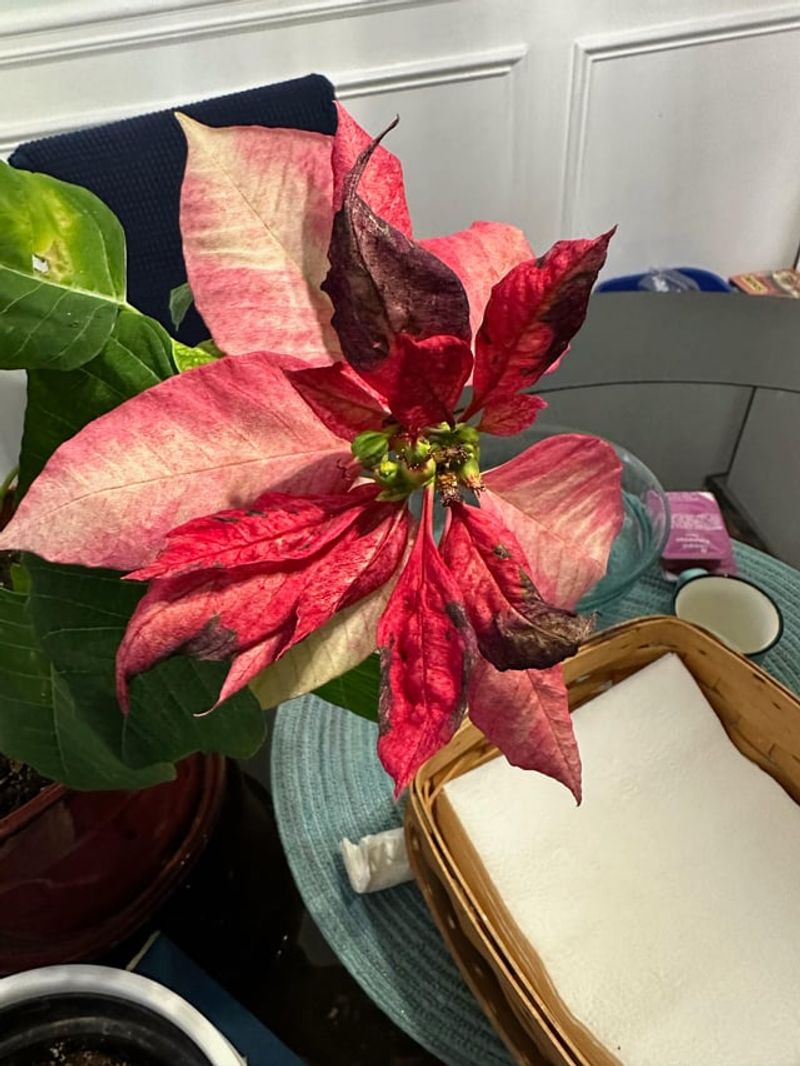
Those gorgeous red, pink, or white bracts that make poinsettias special can fade disappointingly fast in Florida’s humid December climate.
While bracts naturally lighten as they age, excessive moisture in the air speeds up this process considerably.
High humidity interferes with the plant’s ability to maintain the pigments that create those stunning holiday colors.
Moisture stress causes the bracts to age prematurely, turning from brilliant red to pale pink in just a few weeks.
Combined with lower light levels during winter months, humidity makes color retention even more challenging.
Place your poinsettia in the brightest location possible without direct harsh sunlight that could burn the leaves.
South or west-facing windows work well if you use sheer curtains to filter intense afternoon rays.
Supplemental grow lights can help maintain bract color when natural light feels insufficient during cloudy December days.
Fertilize lightly every two weeks with a balanced water-soluble fertilizer to support healthy pigment production.
Avoid temperature extremes and maintain stable growing conditions to help bracts retain their festive appearance longer throughout the holiday season.
Root Rot Develops Silently Underground
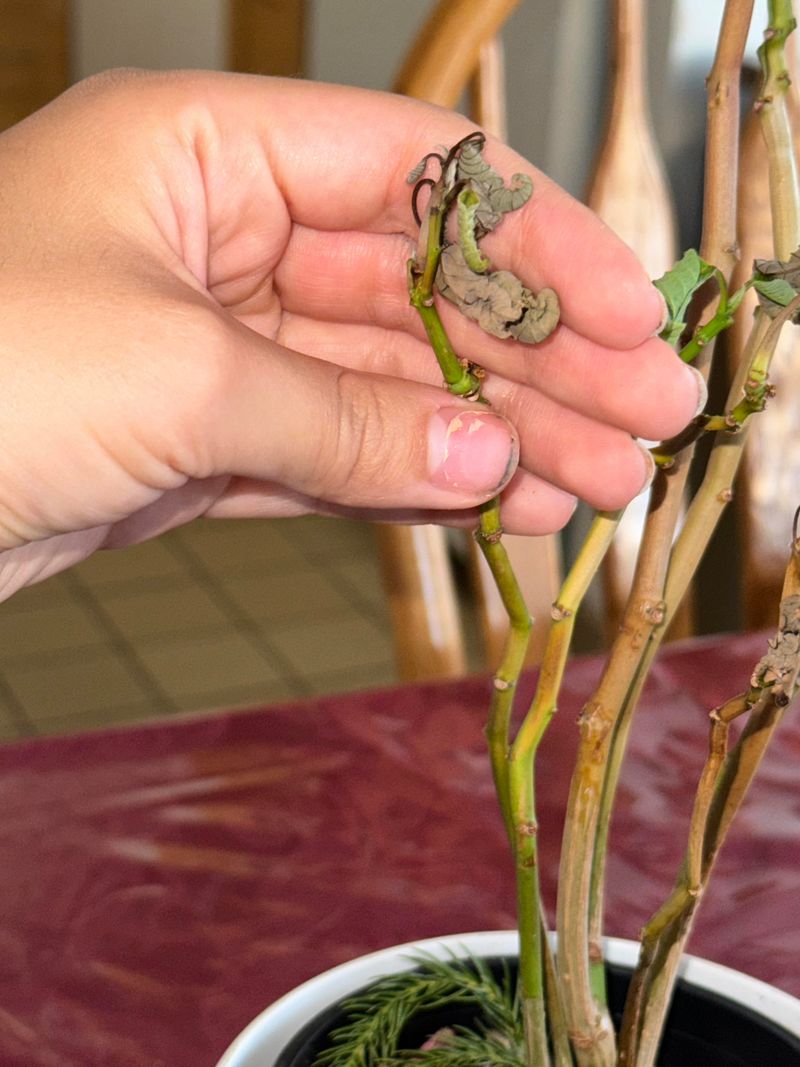
Root rot sneaks up on Florida poinsettia owners because the damage happens underground where you cannot see it developing.
Constant humidity keeps soil moisture levels elevated, creating anaerobic conditions that suffocate roots.
Healthy roots need oxygen to function properly, but waterlogged soil pushes air out of the spaces between soil particles.
Once roots start rotting, they turn brown and mushy, losing their ability to absorb water and nutrients.
Ironically, plants with root rot often look wilted as if they need water, tempting owners to water more frequently.
This creates a vicious cycle where more water causes more root damage and faster decline.
Catch root rot early by gently lifting the plant and checking if it feels unusually light for its size.
Healthy roots appear white or cream-colored and feel firm when you touch them gently.
If you suspect root problems, carefully remove the plant and trim away any brown, smelly roots with clean scissors.
Repot in fresh, well-draining soil and reduce watering frequency significantly to give remaining healthy roots a chance to recover.
Bacterial Infections Spread Rapidly
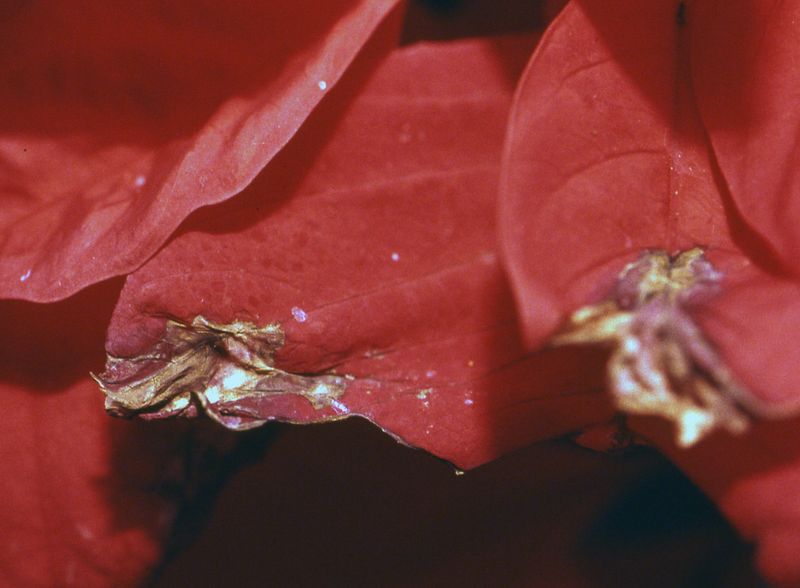
Bacterial infections love Florida’s humid December weather just as much as fungal diseases, spreading rapidly through poinsettia collections.
Water-soaked spots appearing on leaves often signal bacterial problems that high humidity encourages.
Unlike fungal infections that usually look fuzzy or powdery, bacterial issues create dark, wet-looking lesions with yellow halos.
Bacteria enter through tiny wounds in leaves or stems, spreading quickly in moisture-rich environments.
Splashing water carries bacteria from infected leaves to healthy ones, contaminating entire plants within days.
Pruning tools that are not sanitized between cuts can transfer bacteria from one plant to another.
Always disinfect scissors or shears with rubbing alcohol before trimming different poinsettias.
Water plants at soil level rather than from above to keep foliage as dry as possible.
Remove infected leaves immediately and dispose of them in sealed bags, never adding them to compost piles.
Increase air circulation around plants using fans set on low speed to help leaves dry quickly after any moisture exposure.
Quarantine any plant showing suspicious symptoms away from healthy ones until you confirm the problem is not spreading.
Soil Takes Forever To Dry Out
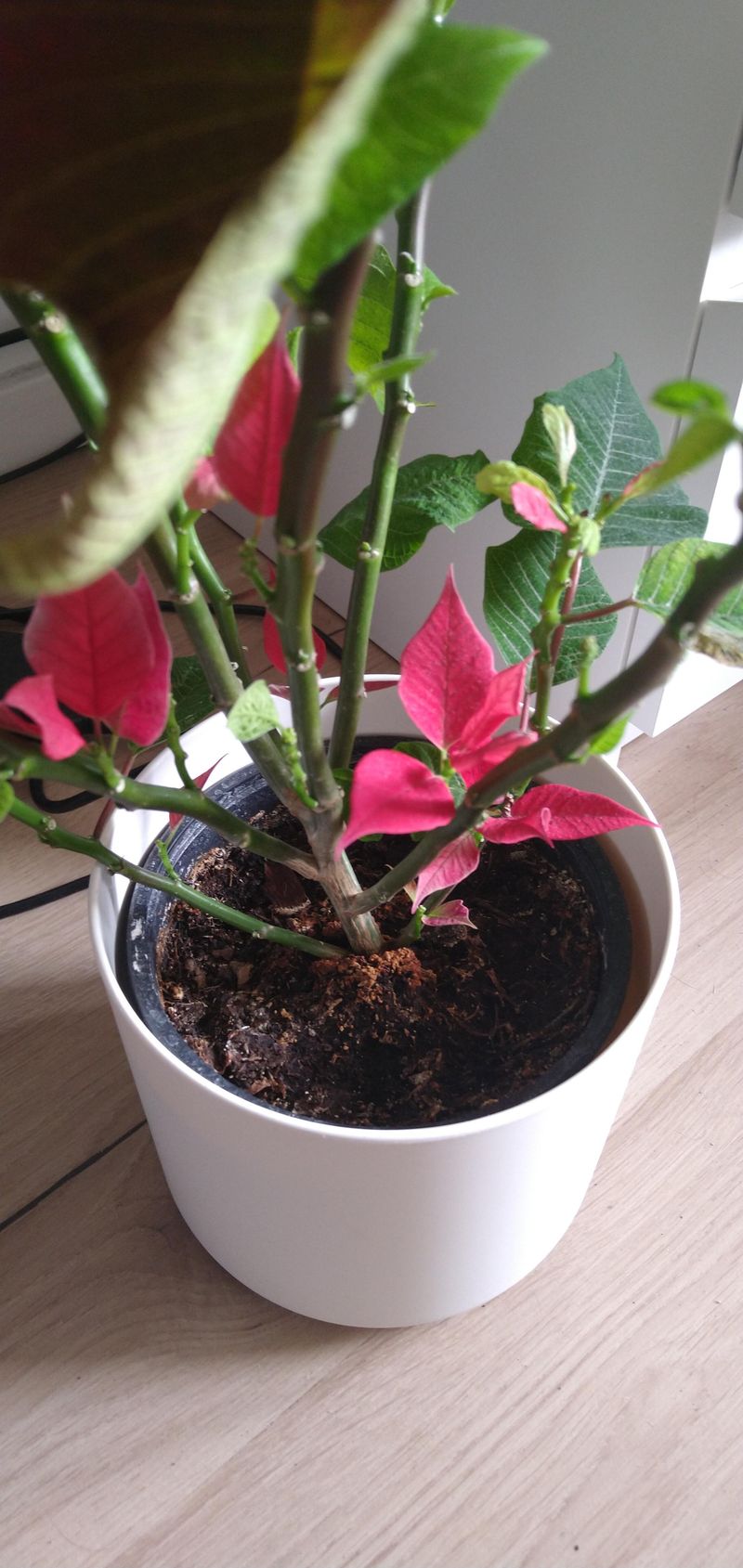
Waiting for poinsettia soil to dry sufficiently between waterings feels like watching paint dry in Florida’s humid December atmosphere.
Standard potting mixes that work perfectly in drier climates stay soggy for days or even weeks in high humidity.
Moisture evaporates slowly when the surrounding air already holds maximum water vapor.
This extended dampness creates all the problems mentioned earlier, from root rot to fungal infections.
Amending your potting mix before planting helps tremendously by improving drainage and aeration.
Add perlite or coarse sand to regular potting soil at a ratio of one part amendment to three parts soil.
This creates larger air pockets that prevent soil from becoming waterlogged even in humid conditions.
Choose pots with multiple drainage holes rather than those with single center holes that drain slowly.
Elevate pots on small feet or pot risers so air can circulate underneath, speeding moisture evaporation.
Invest in an inexpensive moisture meter to take the guesswork out of knowing when soil has dried adequately.
These simple tools stick into the soil and give accurate readings, preventing both overwatering and underwatering problems throughout the holiday season.