The One Task Crape Myrtles Need Before Fall Ends
Some of the prettiest summer trees in the South can quietly suffer root stress from winter cold, and many gardeners don’t notice until spring. I didn’t see this coming the first year I grew them.
Any damage hides underground, where bare soil swings between freezing nights and sunny afternoons. Roots near the surface take the worst of it, and the tree pays later with slow leaf-out and skimpy flowers.
I’m the first to admit I used to fuss over the wrong things each autumn. I grabbed pruners, eyed fertilizer bags, and ignored the ground at my feet. Truth is, the fix costs very little and takes about an hour on a cool weekend.
It doesn’t involve cutting, spraying, or fancy gear. Your tree simply needs something it can’t grab on its own before the cold sets in. So what does a summer bloomer really want from you right now?
Those Crape Myrtle Roots Feel Winter First
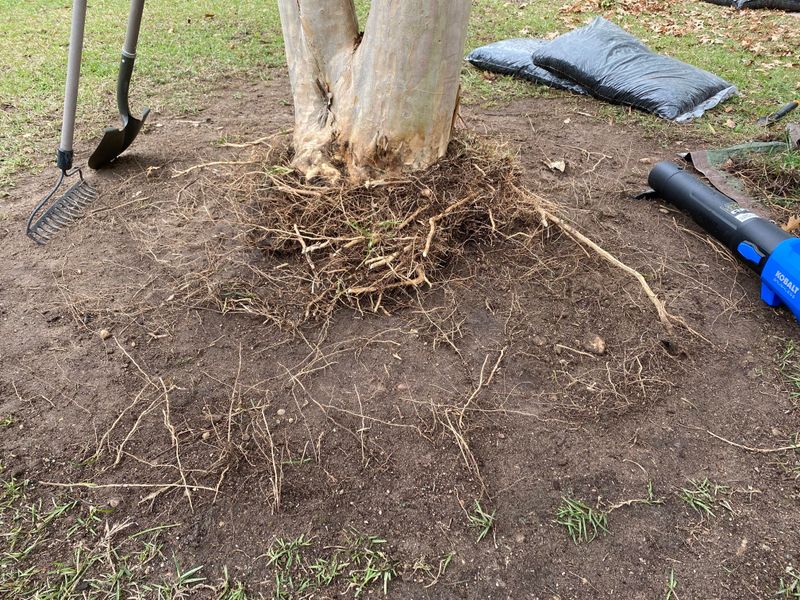
Frost sparkles on the lawn, yet the real story sits a few inches under the dirt. Crape myrtle roots spread wide and shallow, and many of the fine feeder roots live close to the surface.
Those small roots handle most of the water and nutrient pickup. When bare soil freezes hard at night and warms up in afternoon sun, the ground shifts and cracks. That freeze and thaw cycle can stress roots and even push young plants slightly out of the ground, a problem gardeners call heaving.
Above ground, the tree looks calm and sleepy. Below, it may be struggling quietly. Most crape myrtles grow well in USDA zones 7 through 9, with some tough types handling zone 6, and the cooler edges of that range see the biggest swings.
I learned the hard way that a bare, sun-baked circle around the trunk offers little protection. My tree in an open spot leafed out late and bloomed thin, while one in a leafy bed did fine.
So the issue isn’t the branches at all. The ground under your tree needs a buffer, and that clue points straight to the one fall task worth your time. Next up, the answer itself.
A Fresh Ring of Mulch Is the Fall Job That Matters
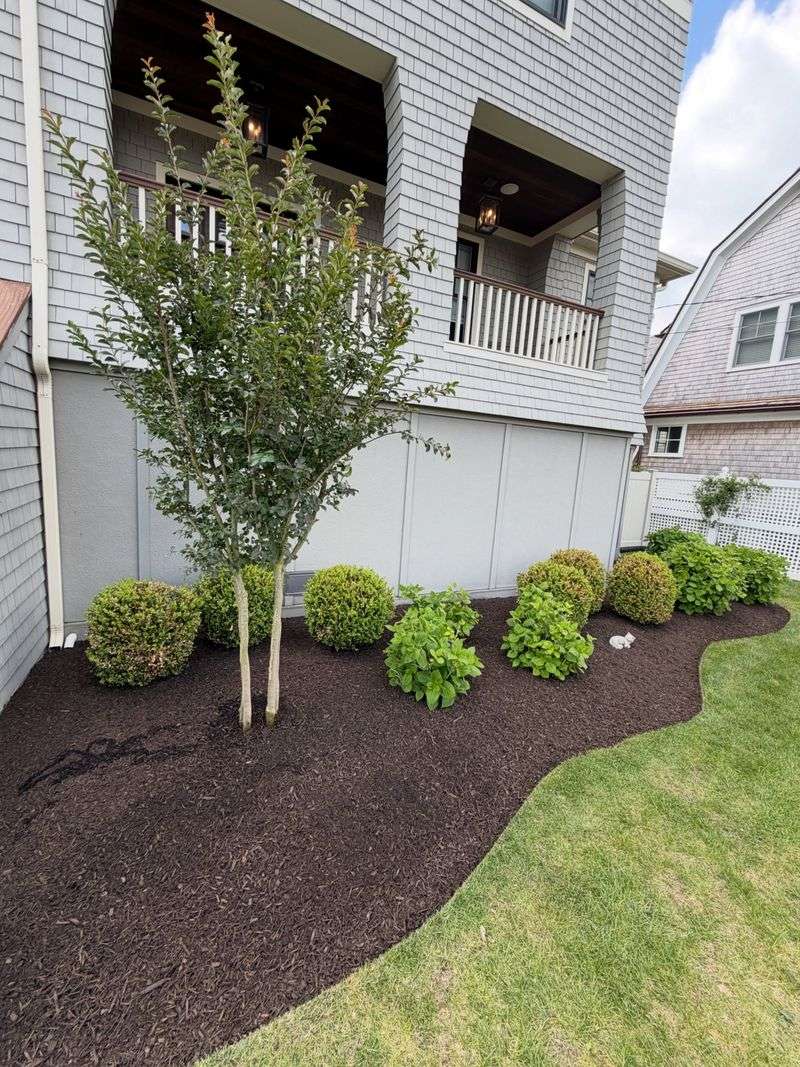
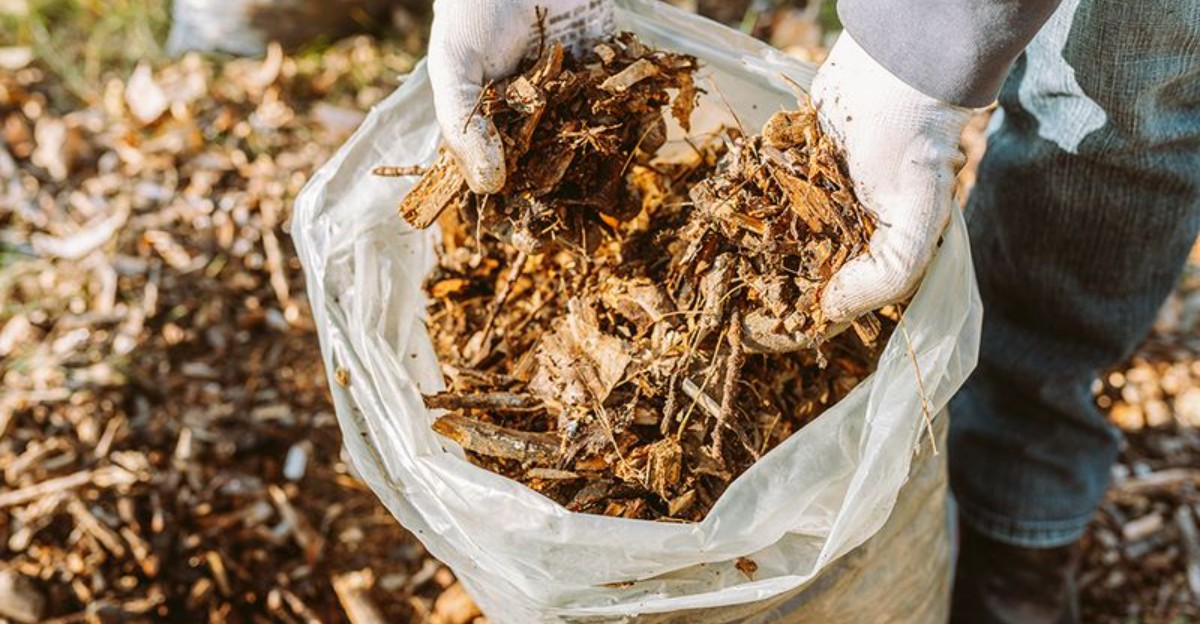
Mulch. That’s the whole secret, and I’ll say this much, it feels almost too simple. A layer of organic mulch spread over the root zone before winter does more for crape myrtles than most fall chores combined.
University extension services in the South recommend mulching woody plants because it moderates soil temperature. The layer slows heat loss on cold nights and keeps the ground from warming too fast on bright days. Fewer wild swings mean calmer, happier roots.
Moisture is another win. Fall and winter can bring dry spells, especially across Texas, Oklahoma, and parts of the Carolinas. Mulch cuts evaporation, so roots stay evenly damp instead of baking or drying out.
There’s a bonus too. As shredded bark, pine straw, or chopped leaves break down, they feed soil life and slowly improve soil texture. Weeds also have a harder time sprouting through a good blanket.
Not going to lie, I used to think fall mulching was just for looks. Now I mark it on my calendar for mid to late fall, after the leaves start dropping but before the hardest freezes arrive. It’s cheap, quick, and your tree rewards you next summer with stronger growth and fuller blooms.
Skip the Mulch Volcano Around Crape Myrtle Trunks
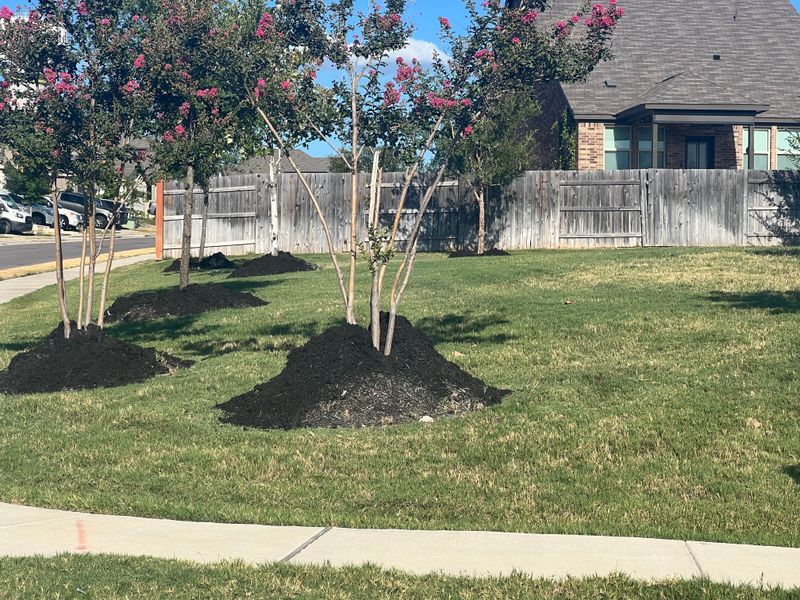
Drive through almost any Southern parking lot and you’ll spot them. Big cone-shaped mounds of mulch piled against tree trunks, nicknamed mulch volcanoes. They look tidy, but they cause trouble.
Mulch pressed against bark holds moisture right where the tree wants air. That damp spot can invite rot, fungal problems, and chewing critters like voles that hide under the pile. Over time, it can even encourage roots to circle the trunk.
Aim for a donut shape instead. Spread mulch 2 to 3 inches deep, and pull it back about 3 to 6 inches from each trunk. Crape myrtles often have several trunks, so check around every one.
Spread the layer as wide as you reasonably can. Roots stretch well past the canopy, so reaching toward the drip line or beyond gives the most cover. A wide, flat ring beats a tall, narrow heap every time.
Fair warning, more isn’t better here. Piling mulch 6 inches deep across established trees can limit air reaching the roots in heavy clay. If old mulch is already thick, just fluff it with a rake and top it lightly. Your trunks will stay dry and your roots will stay snug.
Pine Straw, Bark, or Leaves Can All Work for Crape Myrtles
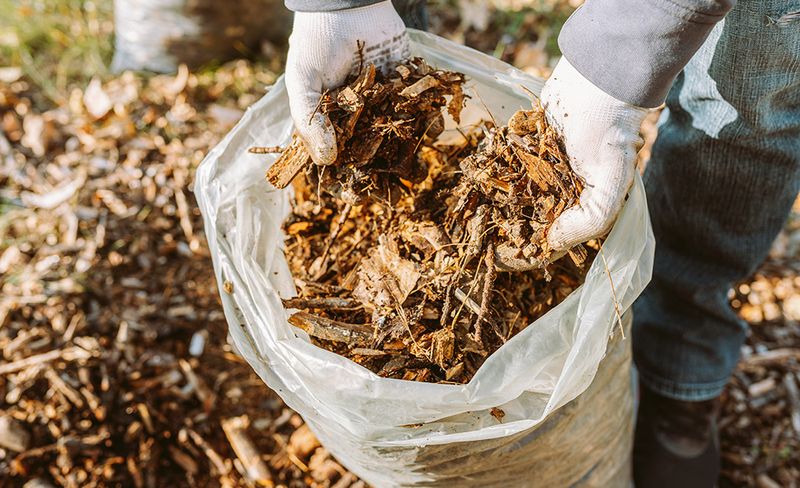
Guilty as charged, I spent far too long staring at mulch bags at the garden center. The truth is, crape myrtles aren’t picky. Several common materials do a fine job.
Pine straw is a Southern favorite. It’s light, stays put on slopes, and lets water soak through easily. Shredded hardwood or pine bark lasts longer and gives beds a neat, finished look.
Chopped fall leaves might be the best deal around, since they’re free. Run them over with a mower first so they don’t mat into a soggy layer. Shredded leaves break down fast and feed the soil nicely.
Compost can go down as a thin first layer, then get covered with coarser mulch on top. That combo protects roots and builds soil at the same time.
A few materials deserve a pass. Fresh grass clippings can heat up and smell sour when piled deep. Dyed mulch made from scrap wood may be fine, but plain natural mulch is simpler and usually cheaper.
Rubber mulch doesn’t break down or improve soil, so I skip it near trees. Pick what’s local and affordable. Your crape myrtle cares more about depth and placement than about the label on the bag.
Young and Potted Crape Myrtles Need Extra Cold Protection
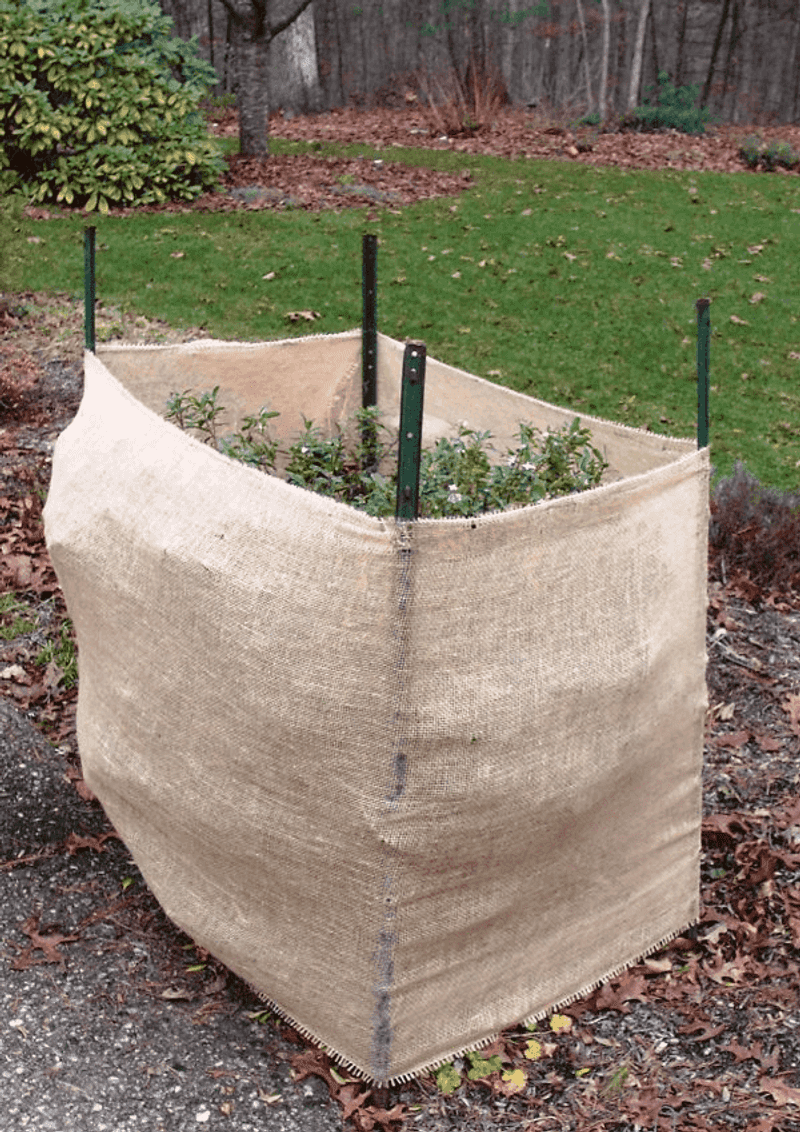
Babies need more blankets, and young crape myrtles are no different. A tree planted this year or last hasn’t spread its roots far yet, so it has less reserve to handle a rough winter.
For new plantings, a full 3 inches of mulch over the root ball and beyond makes sense. Keep it off the trunk, but be generous across the planting area. Water deeply before a hard freeze too, because moist soil holds heat better than dry soil.
Gardeners in zone 6 or chilly parts of zone 7, like the Virginia mountains or northern Arkansas, may see stems freeze back in a harsh winter. Hardy roots under thick mulch often send up fresh shoots in spring, and crape myrtles bloom on new wood.
Containers are a different challenge. Roots in pots sit above ground, exposed on every side, so they get much colder than roots in the soil.
Once potted crape myrtles go dormant, move them to an unheated garage, shed, or against a sheltered wall. Water lightly about once a month so the soil doesn’t go bone dry. Back outside they go when spring warms up.
Put the Pruning Shears Down Until Late Winter
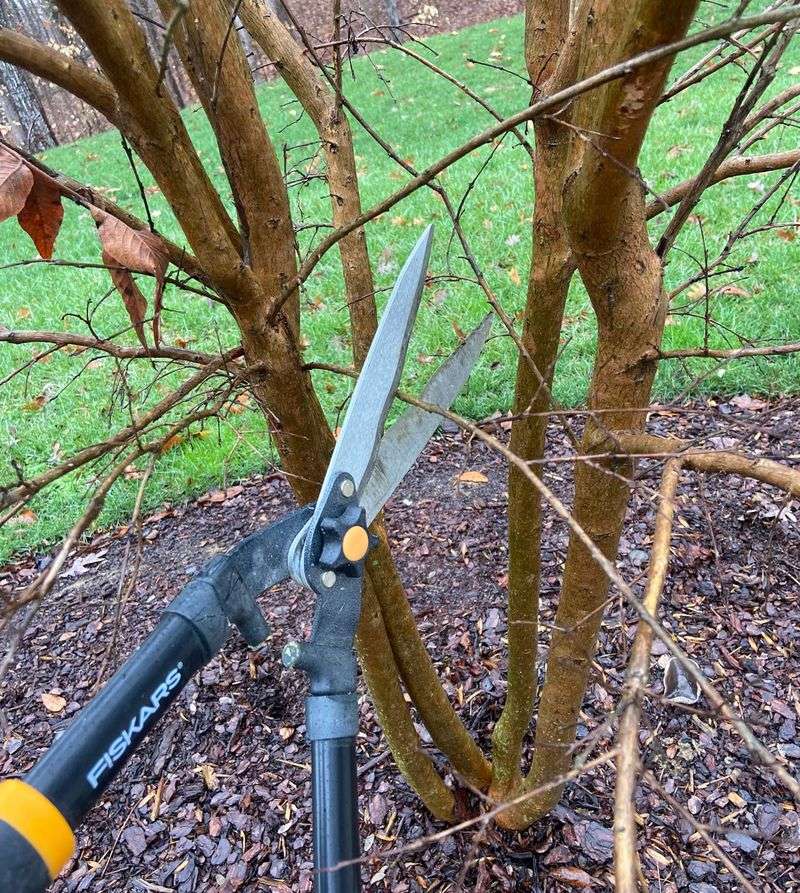
Those brown seed heads can look messy, I get it. Every fall, I feel the itch to tidy them up. Resist that urge for now.
Pruning in fall can trigger soft new shoots if the weather stays warm. Tender growth has no time to toughen before the first hard freeze, and it often gets damaged. That weakens the tree heading into spring.
Extension experts generally suggest pruning crape myrtles in late winter, roughly February into early March across much of the South. Buds are still asleep, and you can easily see the branch structure without leaves in the way.
Removing broken, rubbing, or clearly diseased limbs is fine any time of year. Just keep it light.
One more tip while you hold those shears. Skip the harsh topping that leaves ugly knobs on the trunks, often called crape murder. That habit produces weak, whippy shoots and lumpy knuckles that take years to grow out.
Instead, thin crowded branches back to a trunk or side branch, and remove suckers at the base. Many varieties come in dwarf and medium sizes, so picking the right one avoids heavy cutting later. For now, enjoy the seed pods, since birds often enjoy them too.
Hold the Fertilizer and Let Crape Myrtle Bark Shine
Once the mulch is down, the best move is mostly doing less. Crape myrtles slow down in fall, and they appreciate a quieter routine.
Stop fertilizing by late summer. Feeding in fall can push out soft growth that cold weather damages. Save the fertilizer for spring, when new leaves appear, and use a light hand, since too much nitrogen means lots of leaves and fewer flowers.
Water less as temperatures drop, but don’t ignore dry stretches. Established trees rarely need much in winter. A deep drink during a long dry spell, especially before a cold snap, helps young plants most.
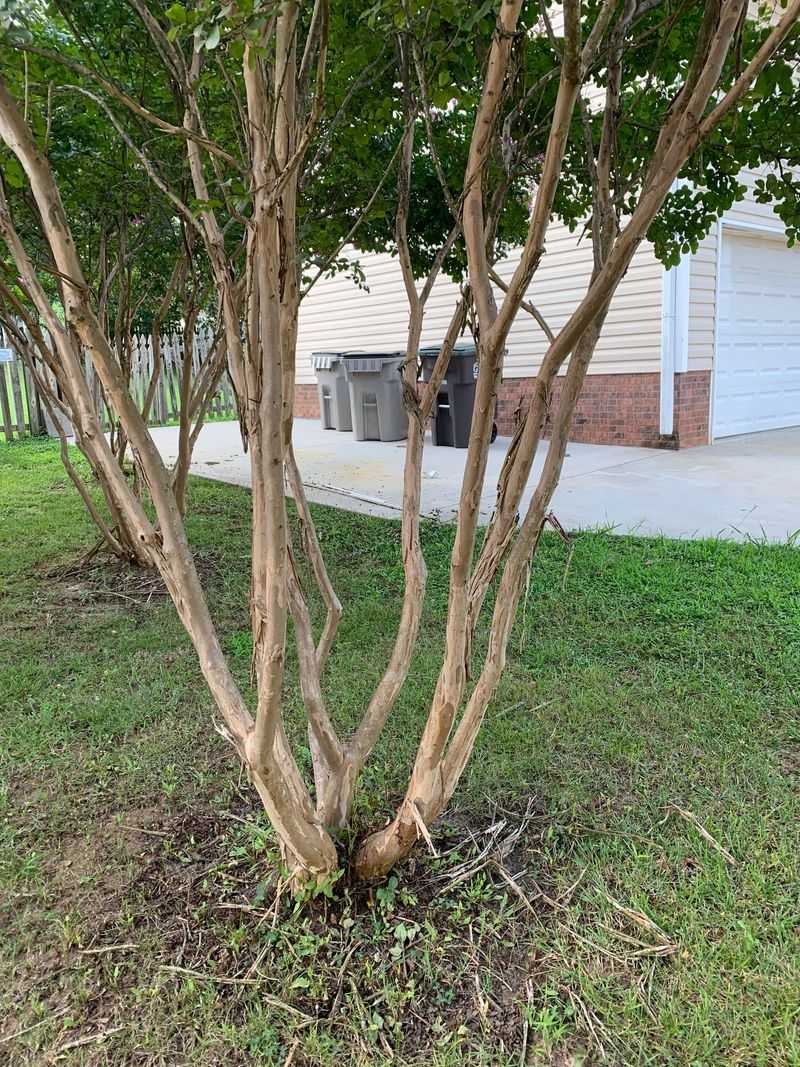
Here’s my favorite part of winter. Without leaves, the peeling bark on many crape myrtles really shows off, with patches of cinnamon, tan, and gray. Varieties like Natchez and Tuscarora are famous for it.
So take a slow walk around your tree on a chilly afternoon. Check the mulch ring, pull it back if it slid toward the trunks, and enjoy the view. One easy hour of mulching now sets the stage for summer, when those crinkly blossoms in pink, red, white, or purple return like an old friend showing up right on time.