The One Thing California Dogwoods Need In October Or They May Skip Blooming Next Spring
Some trees spend autumn quietly preparing a surprise, and few do it as carefully as the dogwood. While leaves shift toward red, the groundwork for next spring’s display is already underway.
That preparation happens out of sight, and it depends on something California falls often fail to provide.
The result shows up months later, either as a cloud of blossoms or a disappointing scatter of leafy branches.
A few well-meaning fall habits can tip the balance the wrong way, while one simple routine can steer it right.
Not every dogwood plays by the same rules, which adds an interesting twist.
What happens in the yard this month may decide what April looks like. Few garden jobs offer such a clear payoff for so little effort.
Deep Water Keeps Flower Buds Developing
Round buds at the branch tips may look finished, yet they remain a work in progress. Inside each one, tiny flower parts keep developing through fall, and they need water to keep building even as the leaves turn red.
Steady, deep watering is the one October job that protects them. Across much of California, real rain may not arrive until November or later.
A tree sitting in dry soil all that time can drop buds early or end up with weak ones that open poorly.
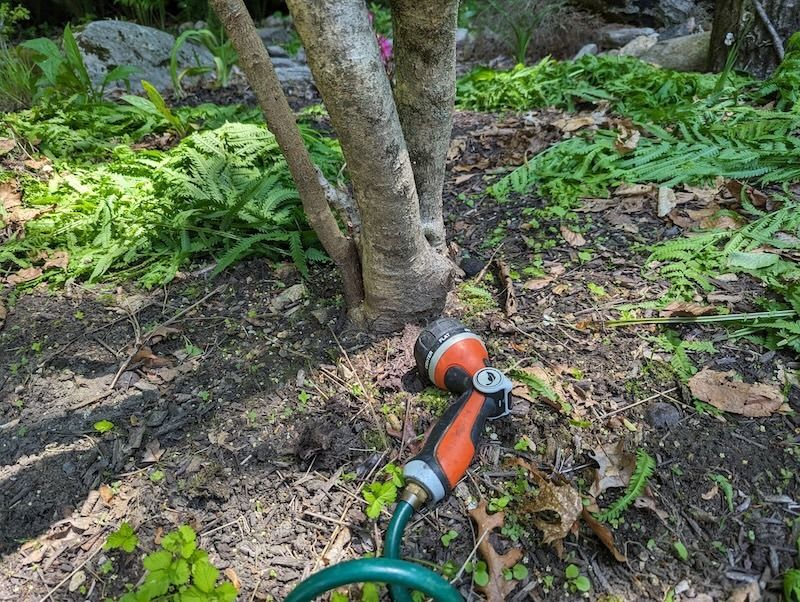
Deep watering means soaking the soil slowly so moisture reaches the root zone rather than just the top inch. A soaker hose or a garden hose on a slow trickle works well, with a trowel or finger check afterward to see how far the water traveled.
Soil that feels like a wrung-out sponge hits the target, while soggy ground invites root rot. The next watering waits until the top few inches start to dry, which may mean weekly on sandy sites and less often in heavier soil.
Watering at the base rather than over the leaves also helps, since wet foliage can spread dogwood anthracnose, a fungal disease.
Weather deserves a watchful eye. A warm, windy Santa Ana spell can dry soil fast, so checks become more frequent then.
Once steady rains arrive, the hose can rest. Pacific dogwood, the California native, follows a gentler plan covered in the final section.
Dogwood Roots Stay Shallow And Thirsty
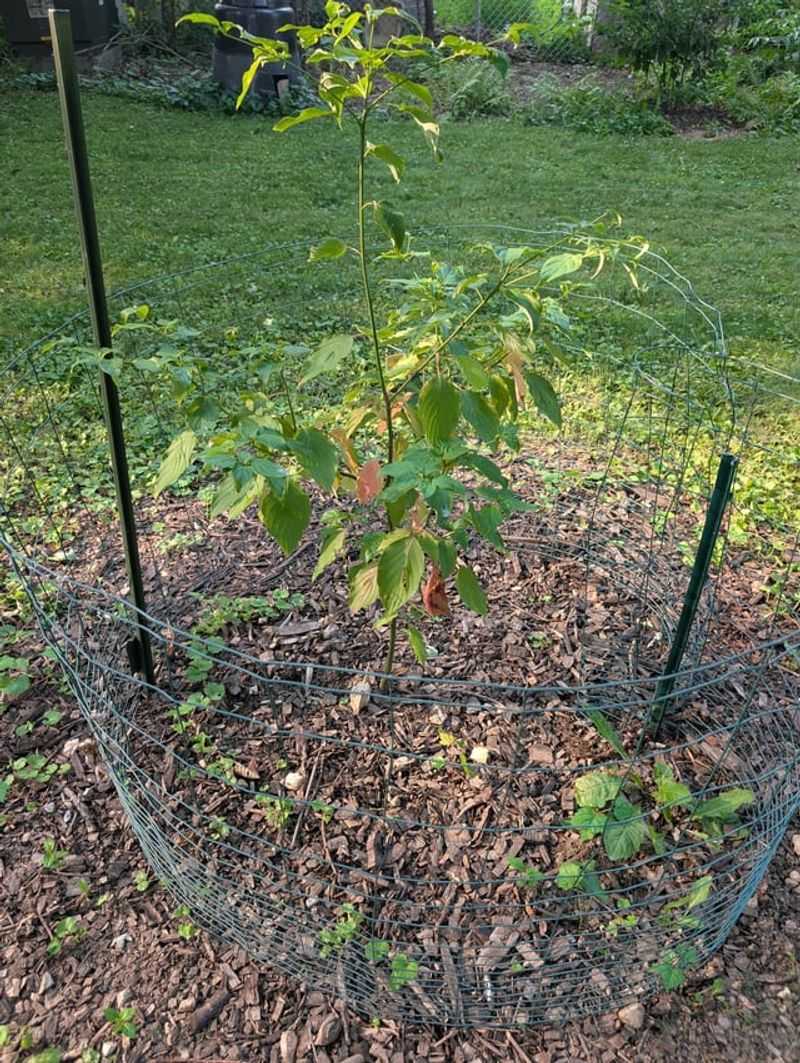
A few inches of digging near the trunk often turns up roots almost right away. Many trees send roots deep into the ground, yet dogwoods keep most of theirs close to the surface, spread out like a thin mat.
That shallow layer dries first. Sun bakes it, wind pulls moisture from it, and nearby lawns or shrubs drink from the same spot, while a deep-rooted oak can reach water far below.
In the wild, dogwoods often grow at forest edges beneath taller trees, where fallen leaves keep the ground cool and damp.
A typical California yard looks very different. Open sun, bare soil, and months of dry weather make life harder for those surface roots.
Shallow roots also bruise easily. Digging, tilling, or planting flowers right under the tree can tear them, and heavy foot traffic packs the soil so water runs off instead of soaking in.
Your California Garden Changes Every Week. Your Plan Should Too.
Gardening in California changes quickly throughout the season. Every Friday you’ll receive a simple weekly plan showing exactly what to plant, prune, fertilize, harvest, and protect so you never miss the right timing.
The area under the canopy does best left calm and undisturbed. Groundcovers or a simple mulch ring suit that space better than thirsty annual beds.
Leaves that curl, droop, or turn brown and crispy at the edges in late summer often signal thirsty roots. Waiting for those clues before watering usually means the tree has already begun cutting back on buds.
A quick finger test in the soil every few days during dry spells keeps the gardener a step ahead. October’s warm afternoons make that habit especially worthwhile.
Drought Stress Cuts Next Spring’s Bloom
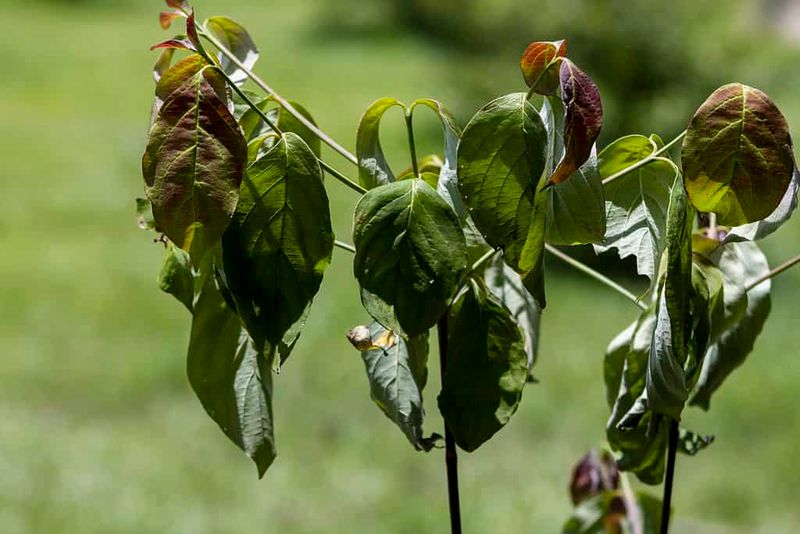
Two trees on the same street next April may look nothing alike. One may glow with white blooms, while the other offers a handful of flowers scattered among green leaves, and the difference often started the previous fall.
Dogwoods form their flower buds during the summer and fall before they bloom. University sources list drought stress among the common reasons dogwoods flower poorly.
A dry spell during bud-building season can mean fewer buds, smaller buds, or buds that fall before spring.
A stressed tree behaves a bit like a hiker low on water, saving what it has for survival. Flowers take energy, so they get cut first, while leaves and roots take priority.
California makes this tricky. Summers run long and dry, and fall often stays warm. Late-season heat waves, common in early October, add even more pressure.
Many gardeners water faithfully in July, then ease off in September once the heat breaks, yet the soil may be just as dry in October as it was in August.
Stress can add up, too. A tree that went thirsty two summers in a row may struggle more than one that weathered a single rough patch, and young trees with small root systems feel it fastest.
A simple notebook or phone note tracking watering dates and tree condition makes the pattern visible. Comparing bloom counts next spring often reveals a clear link between steady fall moisture and a showy display.
Mulch Holds Moisture Around The Roots
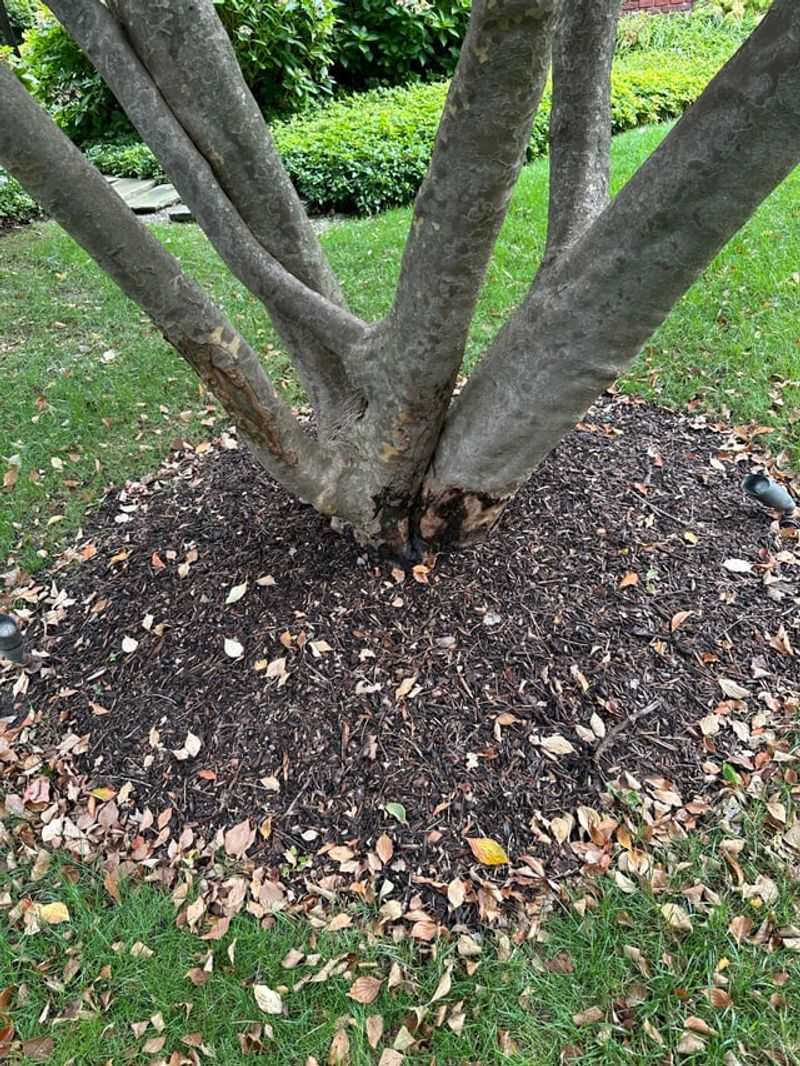
Forest floors hold a simple secret. Fallen leaves and bark pile up year after year, keeping soil cool and damp, and mulch copies that natural blanket in the yard.
A layer about 2 to 3 inches deep works well around dogwoods. Shredded bark, wood chips, or chopped leaves all do the job, spread in a wide circle that ideally reaches toward the edge of the branches to protect more shallow roots.
Mulch slows evaporation, so added water stays put longer. It shades the soil, steadies temperatures, blocks many moisture-stealing weeds, and slowly adds organic matter as it breaks down.
Placement matters as much as depth. Pulling mulch back a few inches from the trunk prevents trouble.
A pile against the bark, often called a mulch volcano, holds moisture on the trunk and invites rot, insects, and disease.
More isn’t better either. A thick layer of 5 or 6 inches can block air and water from reaching roots, so staying near the recommended depth and topping off once a year as it settles works best.
October makes a smart month to refresh it. A deep watering first, followed by mulch over moist soil, locks in that drink like a lid on a pot.
Trees within five feet of the house need a different approach in fire-prone areas, since Zone 0 rules exclude bark mulch and wood chips in that strip. Gravel or bare soil fills that space instead.
Skip Pruning While Buds Are Set
A common fall mistake starts with good intentions. Leaves drop, the tree looks a little shaggy, and the pruning shears come out, sending next spring’s flowers into the yard waste bin snip by snip.
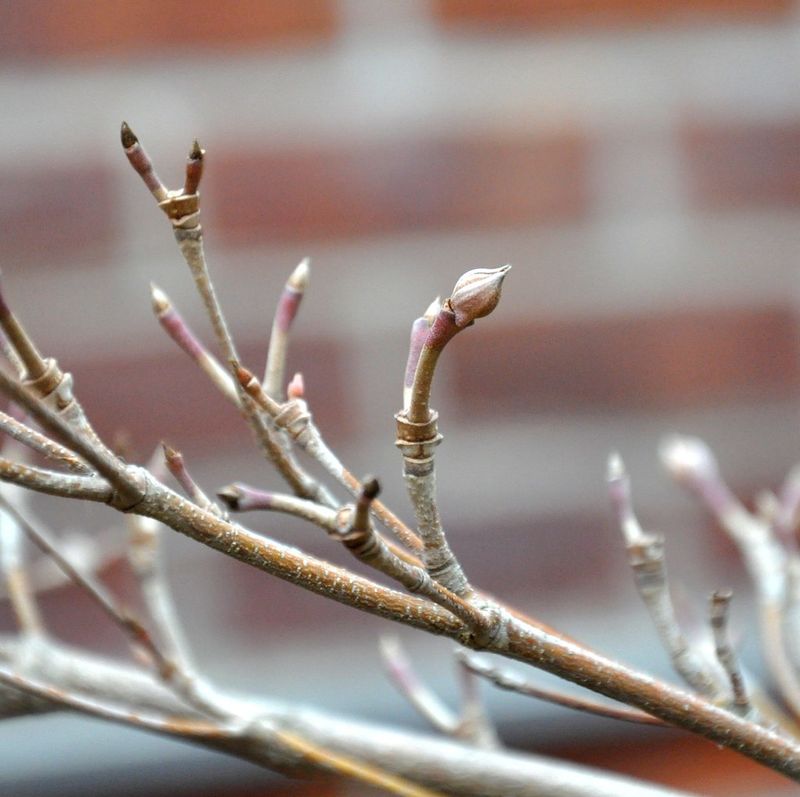
Dogwood flower buds sit at the branch tips and look different from leaf buds. Flower buds are round and plump, like tiny buttons or onions, while leaf buds are slimmer and pointed.
Cutting those branch tips now removes the blooms before they ever open.
University sources recommend pruning dogwoods soon after they finish blooming in spring or early summer. That timing allows shaping while giving the tree plenty of time to set new buds later in the season.
Fresh cuts also stress the tree. A dogwood pruned in fall may push out tender new growth with no time to harden before cooler weather, and open wounds can give pests and fungi an easy way in.
Dogwoods rarely need much trimming anyway. Their natural layered shape forms part of their charm, and most years a light touch is plenty. Branches blocking a walkway can wait until after bloom.
A few cuts make sense any time. Broken, cracked, or brittle branches that could fall or spread disease can come off with clean, sharp tools wiped with household disinfectant between cuts.
Otherwise, the shears can take a seasonal break. Those plump buds offer plenty to admire right now, with the real show waiting for spring.
Hold Back On Fertilizer This Late
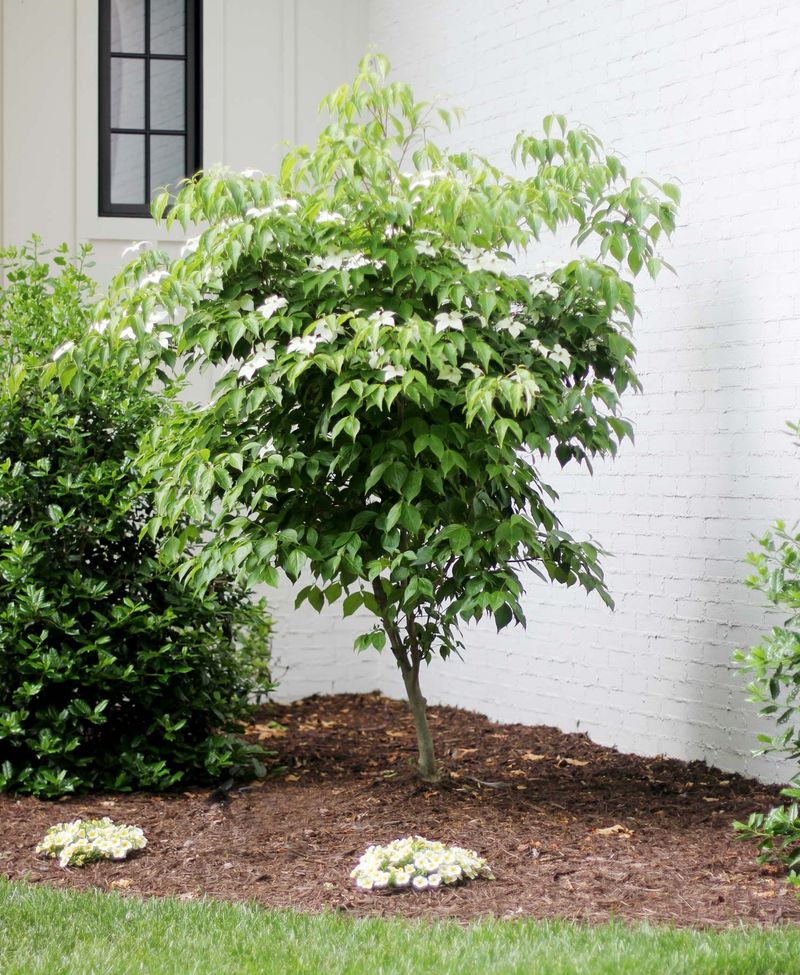
Fall feeding feels generous, yet the tree would rather the bag stay sealed. Late in the season, a dogwood slows down, finishing buds and preparing to rest rather than trying to grow.
Fertilizer, especially kinds high in nitrogen, pushes fresh leafy growth. New shoots in October are soft and tender and may not toughen before cooler nights arrive, while also drawing energy the tree could put toward roots and buds.
Too much nitrogen can even work against flowers. University sources note that heavy feeding may produce lots of leaves and fewer blooms.
Lawn fertilizer spread near a dogwood can cause the same problem, since those shallow roots absorb it readily. Keeping lawn feeding a few feet outside the canopy edge, or replacing turf under the tree with mulch, avoids the issue.
Trees that need feeding at all do better waiting for the next growing season. Late winter or early spring, around the time new growth begins, makes the better window, with a light hand.
Many dogwoods in decent soil need little or no extra fertilizer. A yearly mulch layer slowly feeds the soil as it breaks down, and Pacific dogwood in particular appreciates rich soil without needing regular feeding.
A simple soil test can reveal whether anything is truly lacking before money goes toward a product. Local nurseries can often recommend a lab.
For now, October works best as a season of rest. Water, mulch, and patience cover nearly everything a dogwood needs until spring.
Plant In Fall Where Light Is Soft
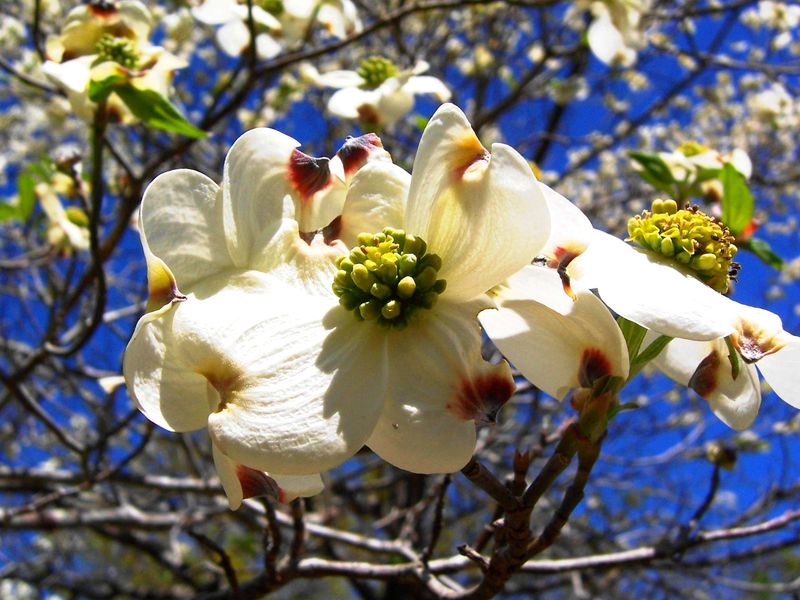
Cool air, warm soil, and the promise of winter rain make fall a sweet spot for planting. A dogwood set in the ground now can grow roots for months before summer heat returns.
Roots keep growing through fall even as leaves drop, so by spring the tree carries a head start. It handles its first dry season far better than one planted in May, though regular water through the first summer or two remains important.
Light comes next, and it depends on the type. Pacific dogwood grows naturally as an understory tree in California forests and does best in part shade with cool, rich, deep, well-drained soil.
Eastern flowering dogwood also prefers dappled shade, especially protection from hot afternoon sun.
Kousa dogwood handles more sun than its relatives, though in very hot inland areas a little afternoon shade still helps.
A spot away from lawns avoids frequent shallow watering and mower bumps. Planting at the same depth the tree grew in its pot matters, since burying the trunk deeper invites trouble.
Placement near the house deserves thought too. Under Zone 0 rules approved this year, new trees belong beyond the first five feet of a home in designated fire hazard areas, and dogwoods’ spreading branches appreciate the extra room anyway.
A deep watering right after planting, followed by a mulch ring, gets things started. Frequent soil checks until the rains settle in help a new tree build a strong foundation for years of bloom.
Know Which Dogwood You Have
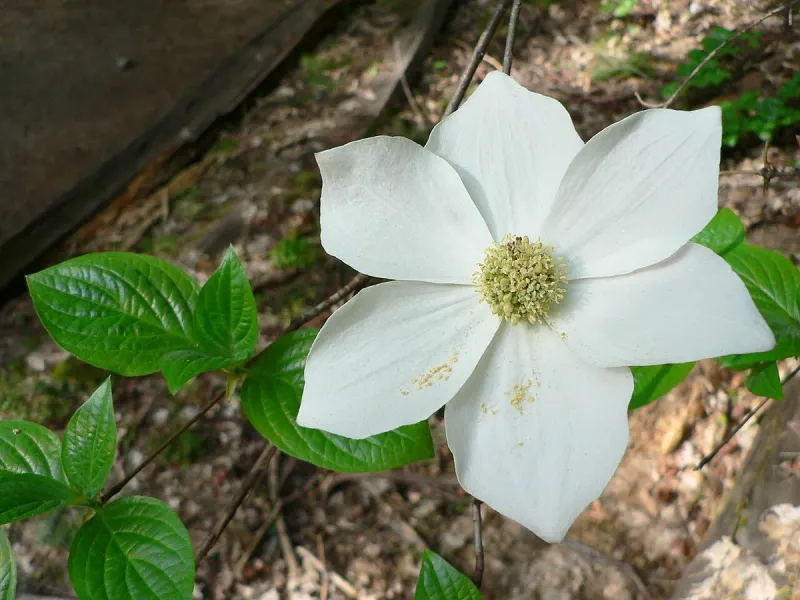
Watering needs vary widely across the dogwood family, so identifying the tree in the yard shapes the whole plan. The right answer can protect a tree from both thirst and soggy roots.
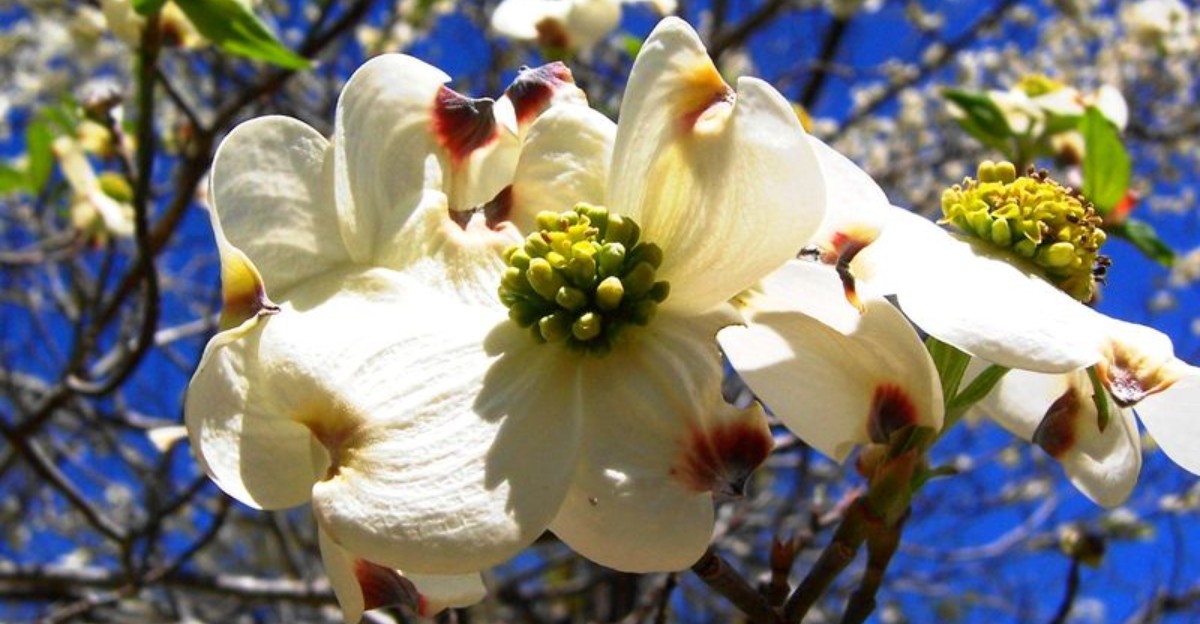
Pacific dogwood is the California native, with big white bracts that can stretch across a hand.
Calscape notes it prefers cool, rich, well-drained soil and part shade, with occasional summer water until established and little or none afterward.
Too much summer water can harm it, so in October, a gentle soak only when soil is truly dry suits it best. Pacific dogwood also tends to be susceptible to dogwood anthracnose, so dry leaves and good air movement help.
Kousa dogwood blooms later, after its leaves appear. Its bracts are pointed, and it produces bumpy red fruit resembling small raspberries.
Infrequent deep watering suits it, with the top layer of soil allowed to dry before the next round.
Eastern flowering dogwood blooms before leafing out, and its bracts carry a small notch at each tip.
As a moisture-loving understory tree, it struggles most in dry California air, so evenly moist soil through fall until the rains return keeps it happiest.
Photos of flowers, fruit, or bark shown at a local nursery can settle any uncertainty. Many nursery staff can identify a dogwood in seconds.
Once the name is clear, matching water to the tree becomes simple, and next spring’s display has the best possible chance.