The One Thing Michigan Gardeners Can Do In October To Help Daffodils Bloom Better Next Spring
Michigan gardens in October smell like wet leaves, cold soil, and a faint backyard fire pit. Most people put away their trowels now, but something underground quietly hopes you will stick around.
Buried a few inches down, sleepy little packages are busy making quiet plans for next year. They look boring from above, yet they build roots and store energy while maples turn orange.
What they need right now is a small, simple snack that many gardeners forget about in fall. Offer it at the right moment, and the payoff may show up as fuller, sturdier blooms later.
Skip it, and next year’s show may turn out a little smaller than it could have been. Daffodils are tough, so the difference can be subtle, but small gains add up underground.
A Light Feeding Of Bone Meal Around The Bulbs
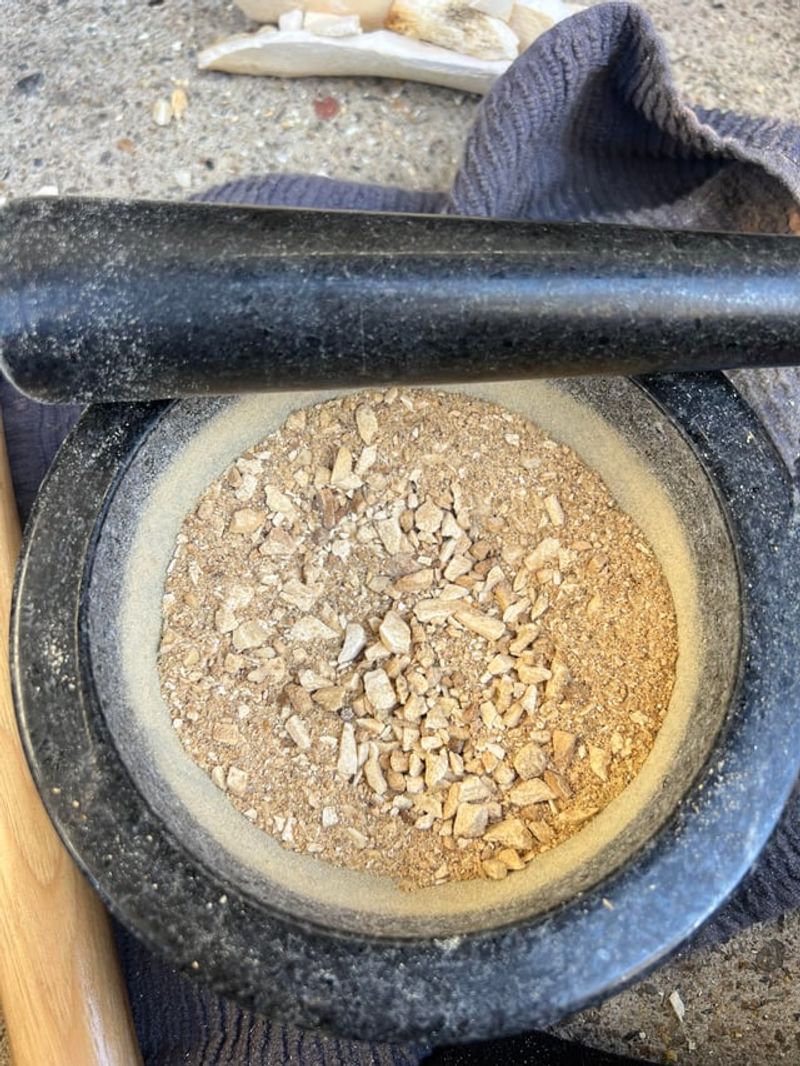
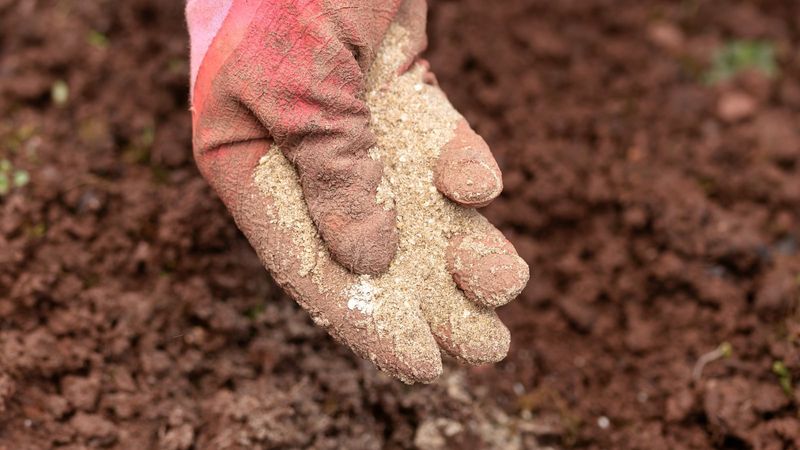
Grandma’s garden trick from decades ago comes in a plain brown bag. Bone meal is a slow-release fertilizer rich in phosphorus and calcium, and it feeds the soil around bulbs gradually.
Daffodils spend October growing fresh roots, even while the tops of the plants are hidden from view. Phosphorus supports that root growth, which helps bulbs settle in before winter.
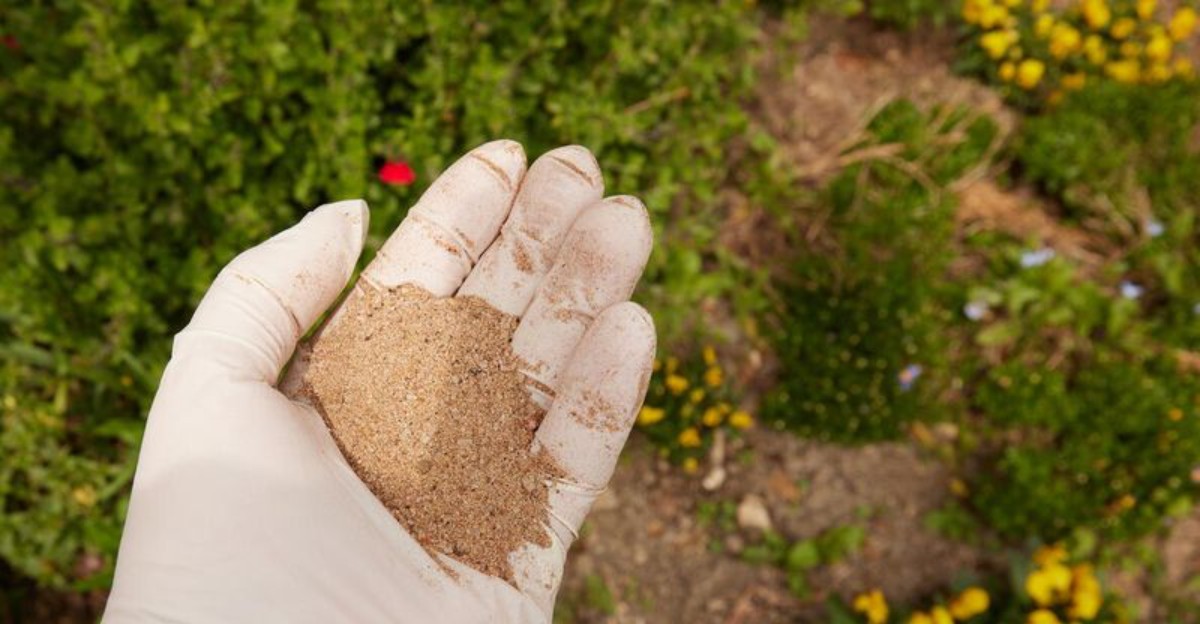
The key word here is light, since a small handful often does more good than a heavy pile. Many gardeners use about one tablespoon per planting hole or a thin, even dusting across a bed.
Bone meal breaks down slowly because soil microbes have to work on it first. That gentle pace suits fall, when bulbs are busy building roots rather than pushing up leaves.
Fun fact: gardeners in Europe were spreading crushed bones on farm fields by the early 1800s, well before modern bagged fertilizers became common. The idea stuck around because many found it helpful, and some Michigan gardeners still swear by it today.
One small warning matters, since the smell can attract curious dogs, raccoons, and the occasional digging squirrel. Mix it into the soil instead of leaving it on top, and the critters often lose interest.
A light feeding now costs only a few dollars and about ten minutes of your weekend time. Come spring, that small effort may show up as sturdier stems and cheerful yellow trumpets lining your walkway.
Nutrients That Daffodil Bulbs Use Most In Fall
Think of a daffodil bulb as a tiny lunchbox that needs restocking before the long Michigan winter arrives. Three main nutrients do most of the work, and each one has a different job underground.
Phosphorus is the star player in fall, since it supports root growth. Roots that grow well in October can pull up more water and food once the ground thaws.
Potassium comes next, and it supports the bulb’s overall health and its ability to handle stress. That can help bulbs cope with cold snaps and freezing and thawing cycles.
Nitrogen is the tricky one, because bulbs need only a small amount of it during the cool months. Too much nitrogen in fall can push soft leafy growth that frost may damage before winter settles in.
Your Michigan Garden Changes Every Week. Your Plan Should Too.
Gardening in Michigan changes quickly throughout the season. Every Friday you’ll receive a simple weekly plan showing exactly what to plant, prune, fertilize, harvest, and protect so you never miss the right timing.
Calcium and magnesium also play supporting roles, helping cell walls stay strong and leaves stay green later. Many Michigan soils already hold decent amounts of these, especially heavier clay soils.
A fertilizer label lists three numbers, such as 5-10-5, which stand for nitrogen, phosphorus, and potassium in order. For fall bulbs, look for a middle or last number that is equal to or higher than the first.
A simple soil test from Michigan State University Extension can show which nutrients your yard lacks. The kit is inexpensive, and the results take the guesswork out of feeding.
The Best Feeding Window For Michigan Soil
Timing matters more than most people expect, and Michigan’s fall weather makes the window fairly easy to spot. Early to mid-October is often the sweet spot for feeding bulbs across most of the Lower Peninsula.
Soil stays warm longer than the air, so roots keep growing even after the first chilly nights. Feeding while the soil sits above roughly 40 degrees gives roots a real chance to use those nutrients.
Gardeners in the Upper Peninsula and northern areas should aim earlier, ideally within the first few days of October. Southern counties near Detroit or Kalamazoo can often wait until the third week without much worry.
A cheap soil thermometer from the hardware store takes the guessing out of this whole decision. Push it about four inches deep in the morning, when readings tend to be the most accurate.
Try to feed right before a gentle rain, since moisture carries nutrients down to the root zone. If the sky stays dry, a slow soak with the garden hose does the same helpful job.
Waiting until the ground freezes in November or December is a common slip, and the food mostly sits unused. Frozen soil keeps roots from taking up nutrients, and heavy spring rain or snowmelt can carry some of it away.
Picture it like packing a snack before a long road trip rather than after the car is parked. Feed while roots are awake and hungry, and the bulbs will carry that energy straight into winter.
Fertilizer Types Worth Choosing For Bulbs
Walk down any garden center aisle in October, and the wall of fertilizer bags can feel a little overwhelming. Luckily, only a handful of options truly suit bulbs, and each one has its own personality.
Bone meal is the old-school favorite, rich in phosphorus and loved for its slow, steady release. It works best in slightly acidic soil, which describes some sandy yards in western Michigan.
Bulb food blends, often labeled something like 4-10-6 or 3-5-3, offer a more balanced mix of nutrients. Many include potassium and trace minerals, so they can cover more bases than plain bone meal alone.
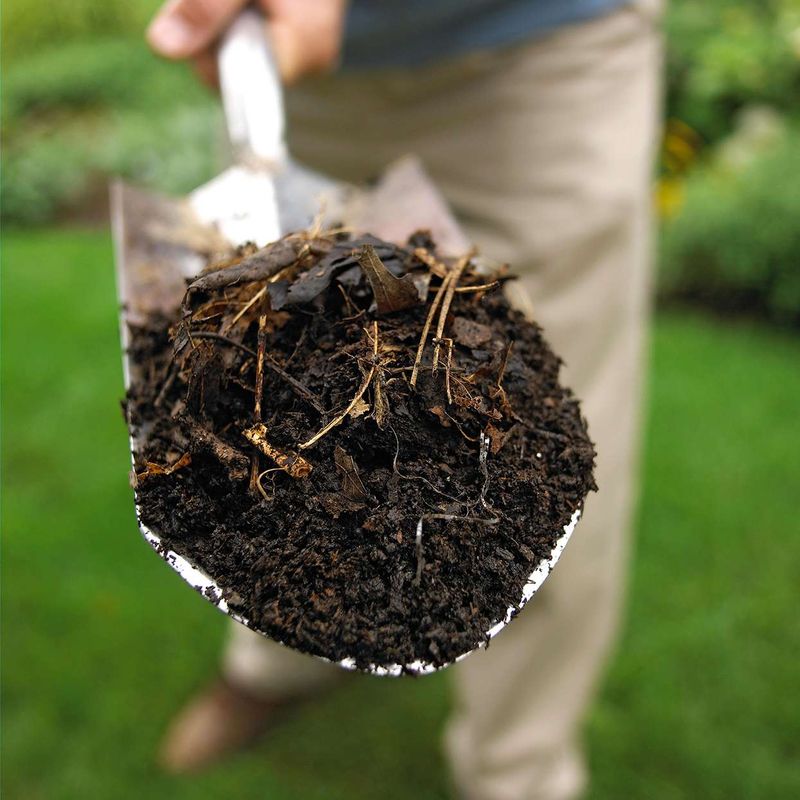
Compost is the humble helper of the group, adding small amounts of food while improving the soil texture. Heavy clay soils, common around Lansing and Flint, drain better when a layer of compost is mixed in.
Slow-release granular fertilizers are another solid choice for busy gardeners who prefer a single fall application. Many of them break down gradually, feeding roots little by little over the cool season.
Fast-acting liquid fertilizers and high-nitrogen lawn products are usually poor picks for bulbs at this time of year. They encourage leafy growth or wash away quickly, leaving the bulbs with little long-term benefit underground.
Organic or synthetic both work fine here, so the choice often comes down to budget and personal preference. Pair a bulb blend with a scoop of compost, and your daffodils get a well-rounded fall meal.
Application Methods For Even Distribution
Ever seen a bed where half the flowers stand tall and the other half look puny and pale? Uneven feeding can be one reason, and fixing it mostly comes down to how you spread things.
For established bulbs, sprinkle fertilizer over the soil surface where the leaves popped up last season. Then scratch it into the top inch or two with a hand cultivator, working gently around the bulbs.
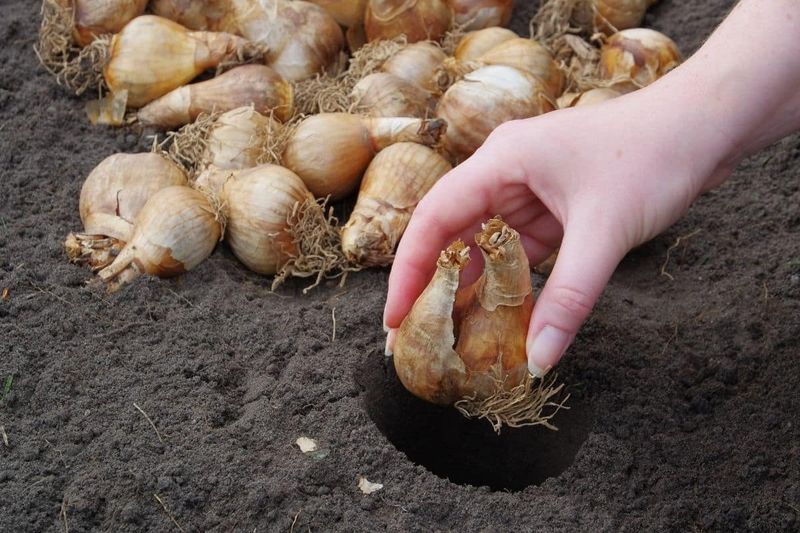
Planting new bulbs this month makes the job even easier, since the hole is already open. Mix the fertilizer into the loose soil at the bottom so roots meet it without touching it directly.
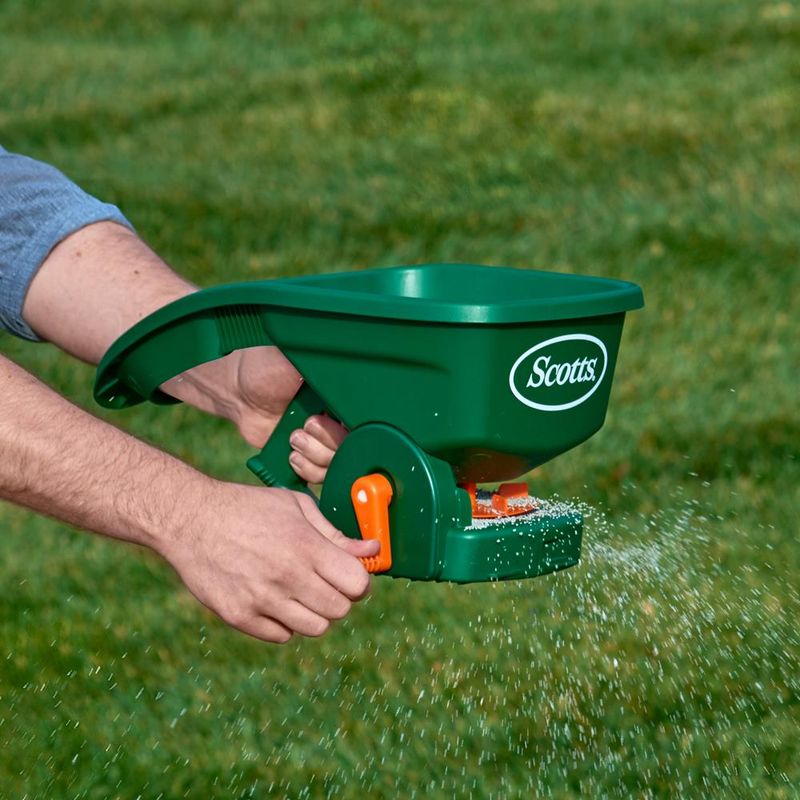
Large beds call for a different trick, and a small handheld spreader can save your wrist a lot. Walk slowly in straight rows, then make a second pass crosswise to fill in any missed spots.
Measuring helps more than eyeballing, so use a kitchen scoop or old coffee cup set aside for garden duty. Check the bag for the suggested rate per square foot, then divide your bed into simple sections.
Watering afterward is an easy step to skip, yet it moves food down to where roots live. A slow, deep soak of about one inch usually does the trick in typical Michigan fall soil.
Finish with a two-inch layer of shredded leaves or mulch to hold moisture and steady soil temperature. Those crunchy October leaves piling up on the lawn make free, handy mulch for your sleeping bulbs.
Mistakes That Reduce The Benefits Of Feeding
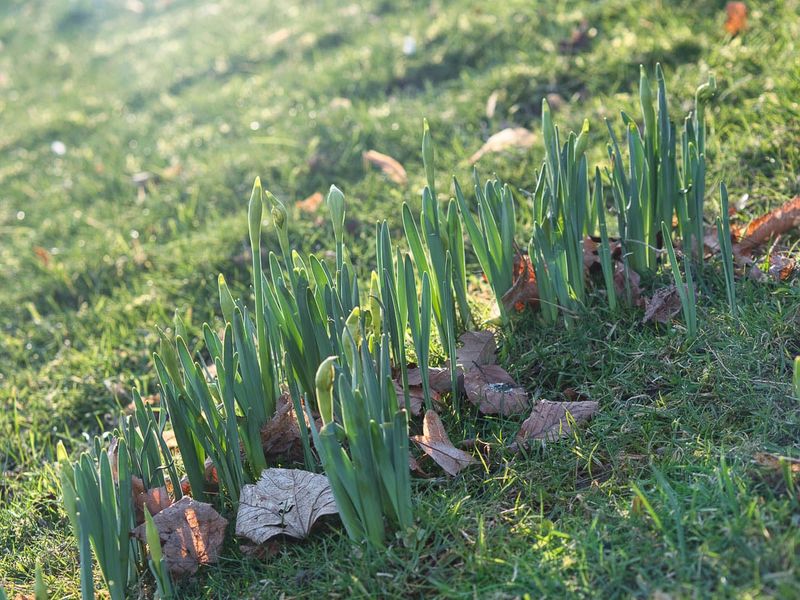
Even careful gardeners slip up sometimes, and a few common habits can quietly undo October effort. Spotting these mistakes early can help your spring display look its best.
Overfeeding tops the list, since more fertilizer rarely means more flowers and can damage tender new roots. Stick to the label amount, even when that extra scoop feels like a kind and generous gesture.
Dropping fertilizer straight onto bulbs during planting is another slip, because direct contact can harm them. Mix it into the surrounding soil instead, leaving a thin buffer between the bulb and the food.
Using lawn fertilizer on the flower bed seems handy, but its high nitrogen often favors leaves over blooms. Many weed-and-feed products also contain herbicides that can harm bulbs, so keep those bags far away.
Poor drainage can undo good feeding, since soggy soil can rot bulbs before they ever use those nutrients. If puddles linger after rain, work in compost or move bulbs to a slightly higher, sunnier spot.
Cutting daffodil leaves too soon last season may also explain weak results, no matter how well you feed. Those floppy green leaves recharge the bulb, so letting them yellow naturally pays off the following year.
Crowded clumps that bloom less each year often need dividing as much as they need extra fertilizer. Dig them up, separate the bulbs, and replant with space, and your next spring display should look refreshed.