The Late-Summer Soil Feeding Michigan Gardeners Swear By For Fall Harvests
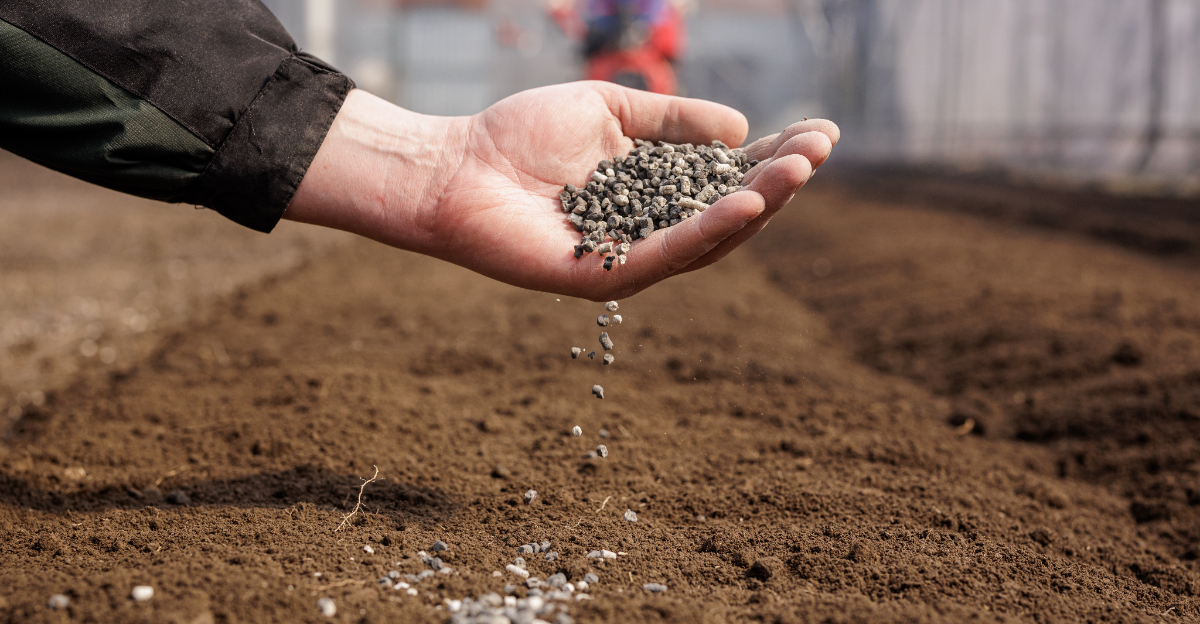
Late summer in Michigan tricks a lot of gardeners. The tomatoes are winding down, the heat is fading, and it feels like the season is quietly closing its doors.
But underneath the surface, something else is happening. The soil is still holding onto its warmth, roots are still hungry, and there’s a narrow window most people miss entirely.
Gardeners who consistently pull kale, carrots, and broccoli past the first frost aren’t lucky. They’re feeding their beds a very specific way right now, before the cold makes the decision for them.
A Nutrient Boost Timed For The Final Growth Stretch
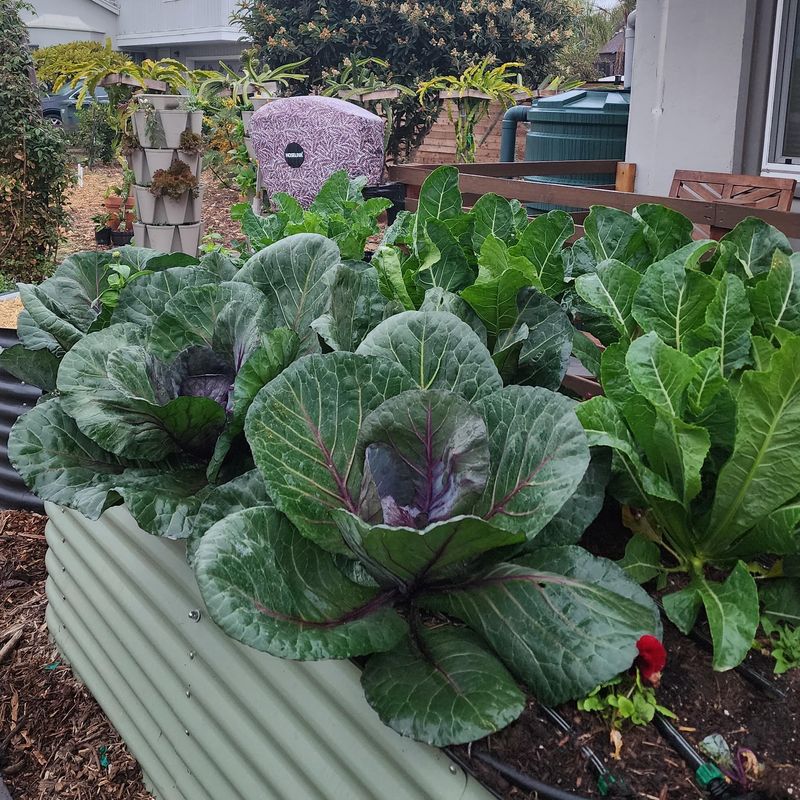
Your garden has been working hard all summer long. Now it needs one final fuel-up before the cool season kicks in.
Late-summer soil feeding is the practice of adding targeted nutrients to your garden beds around mid-August. The timing lines up perfectly with when cool-season crops need strong root development most.
Think of it like a halftime snack for a marathon runner. The plants are not done yet, but they need a refill to finish strong.
Michigan gardeners have learned to watch the calendar closely. Once daytime highs start slipping below 80 degrees, it’s a good signal to get moving.
The soil is still warm enough to activate microbes and break down organic material fast. That warmth speeds up nutrient delivery directly to plant roots.
A well-fed soil at this stage supports thicker stems, deeper roots, and more productive harvests. Crops like kale, cabbage, and carrots especially benefit from this boost.
Skipping this step often leads to slow growth and disappointing yields come October. One afternoon of feeding work now pays off for weeks afterward.
The late-summer soil feeding Michigan gardeners rely on is not complicated or expensive. It simply requires the right materials applied at the right moment.
Gardeners who try this method once rarely skip it again. The results show up clearly on the dinner plate, and that is the best kind of proof.
Why Late Summer Is A Critical Feeding Window
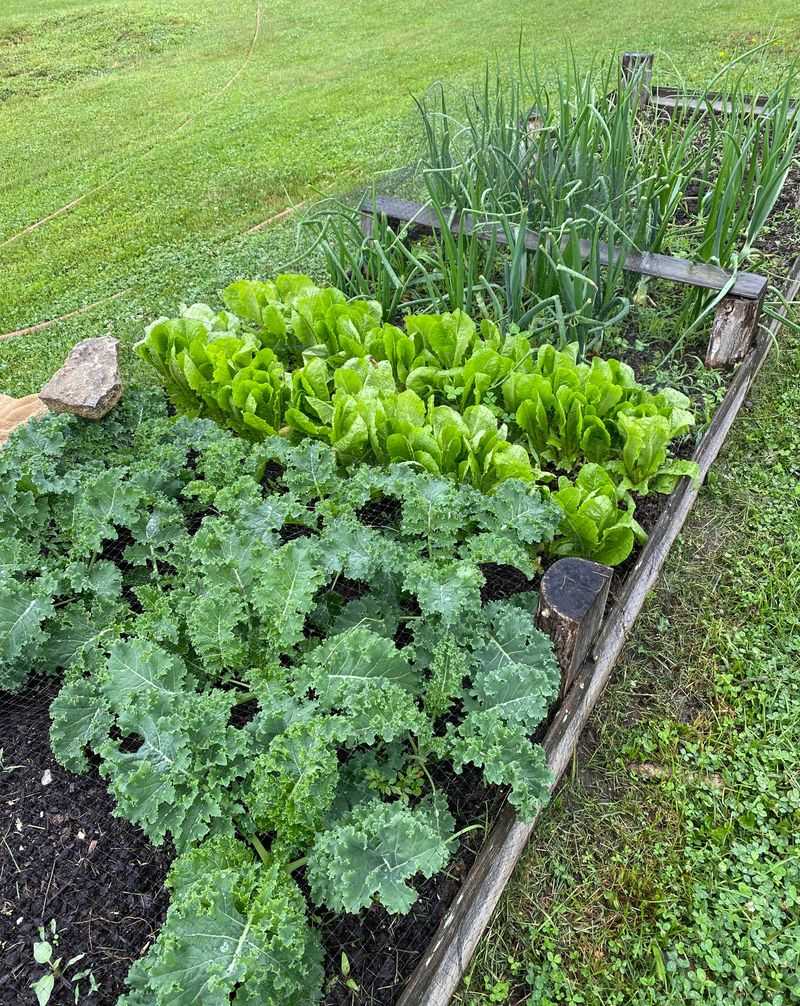
Timing is everything in gardening, and late summer is the window most people miss. Missing it can cost you weeks of productive harvest time.
Soil biology is most active when temperatures are between 60 and 80 degrees. Late summer in Michigan hits that sweet spot almost perfectly.
Beneficial microbes in the ground work faster during this window. They break down organic matter and release nutrients that roots can actually absorb and use.
Cool-season crops planted in late August or early September need to establish roots quickly. A nutrient-rich soil gives them the head start they need to survive early frosts.
If you wait until September to feed the soil, the ground cools down and microbial activity slows significantly. Nutrients sit in the soil but never fully reach the plants.
August feeding also gives amendments time to integrate before seeds or transplants go in. That pre-planting boost creates a more welcoming environment for young roots.
Michigan’s frost dates make this urgency very real. Most of the state sees first frost between late September and mid-October, leaving a tight window for fall crops.
Your Michigan Garden Changes Every Week. Your Plan Should Too.
Gardening in Michigan changes quickly throughout the season. Every Friday you’ll receive a simple weekly plan showing exactly what to plant, prune, fertilize, harvest, and protect so you never miss the right timing.
Delay for too long, and that window starts closing fast. Acting in late August gives your garden the longest possible runway before cold weather settles in.
This feeding window is not just helpful, it is genuinely critical. Get the timing right, and your fall garden will reward you generously.
Signs Your Soil Needs This Boost Right Now
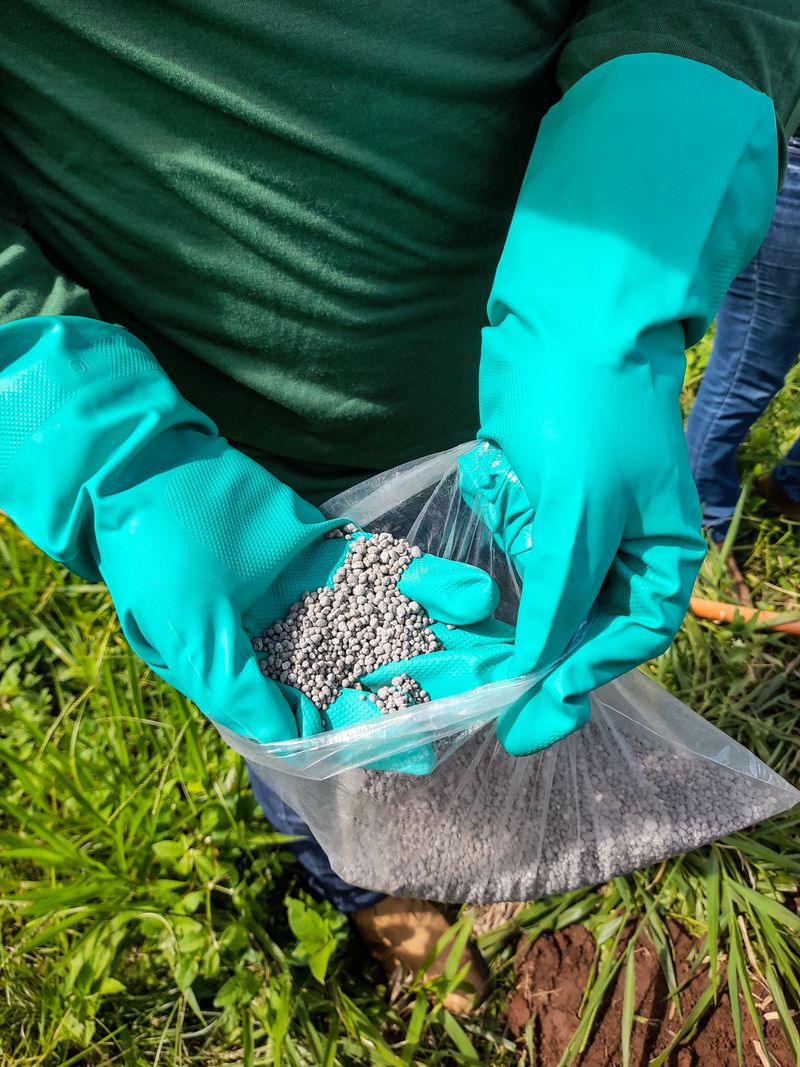
Your garden is talking to you right now. You just need to know what to listen for.
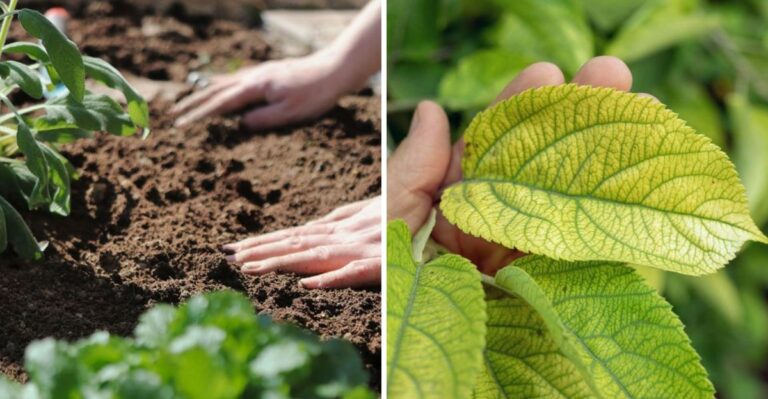
Yellowing leaves on plants that should still look green are one of the clearest signals. That color change usually means nitrogen levels in the soil have dropped low.
Slow or stunted growth in mid-to-late summer is another red flag worth paying attention to. Plants that seem stuck often need a fresh supply of nutrients to push forward.
Dry, compacted soil that cracks in the heat is a physical sign of trouble. Compaction blocks root movement and limits how well plants can access water and food.
If your tomatoes or peppers look exhausted and production has slowed, the soil may be depleted. Heavy summer crops pull a lot of nutrients out of the ground over time.
A quick soil test from a local extension office or garden center can confirm what is missing. Michigan State University Extension actually offers affordable testing kits that give clear results.
Pale green foliage, poor fruit set, and weak stems all point to the same root cause. The soil has given what it had, and now it needs replenishing.
Even healthy-looking gardens can benefit from a late-summer boost. Surface appearances do not always reflect what is happening several inches below ground.
Catching these signs early means you can still act in time. A few days of attention now can rescue a garden that looked like it was running out of steam.
Ingredients That Make Up This Feeding Method
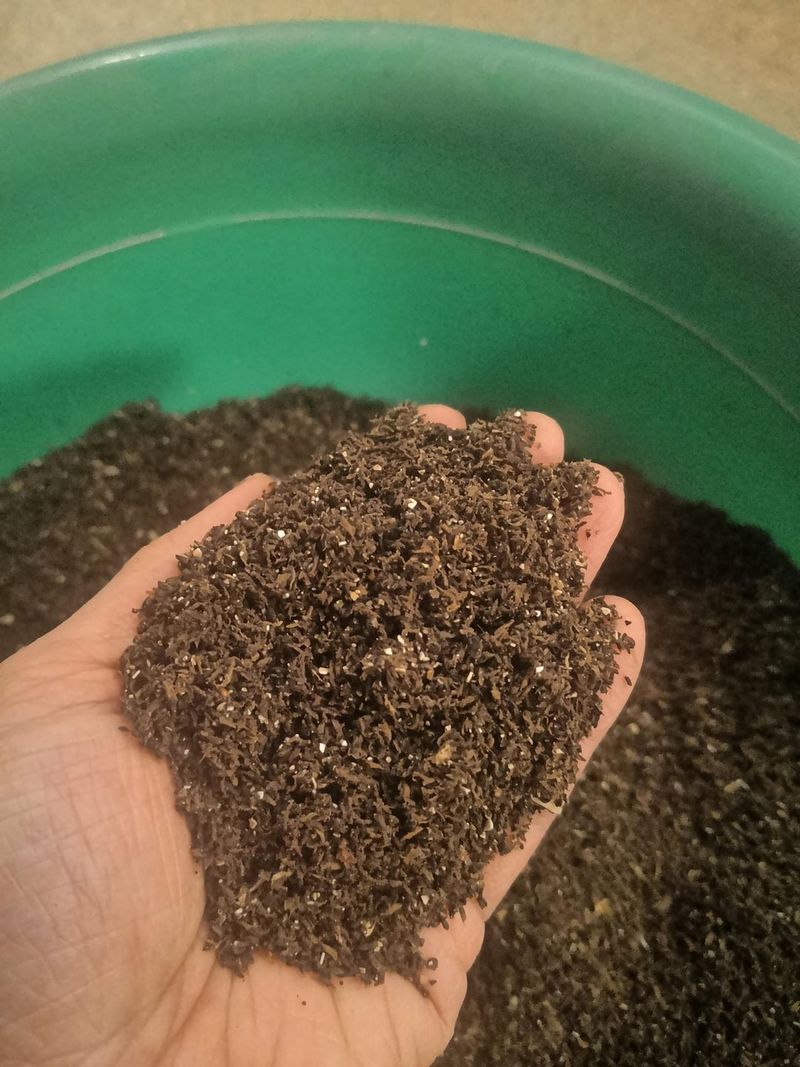
The best soil feeding methods are not complicated, but they do rely on the right combination of ingredients. Michigan gardeners have refined this mix over many seasons.
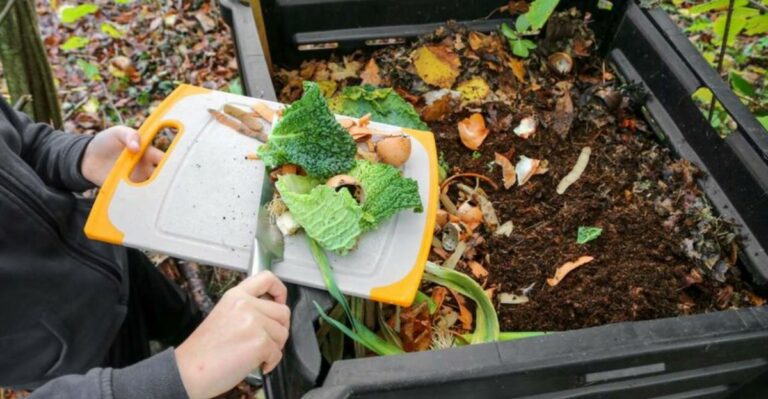
Finished compost is the foundation of this approach. It adds organic matter, feeds soil microbes, and slowly releases a wide range of nutrients plants can use.
Aged manure is another key player in this feeding method. Chicken, cow, or rabbit manure adds nitrogen and helps loosen compacted soil at the same time.
Kelp meal brings trace minerals that standard fertilizers often leave out. These micro-nutrients support root strength and help plants handle temperature swings better.
Bone meal is a slow-release phosphorus source that encourages strong root development. Roots that grow deep before frost can keep feeding plants well into October and beyond.
Worm castings are a gentler addition that many gardeners swear by. They improve soil texture and introduce beneficial microbes that help break down other amendments faster.
Greensand, a mineral mined from ancient sea beds, adds potassium slowly over time. Potassium supports overall plant health and helps crops resist cold stress as nights cool down.
You do not need all of these ingredients to see results. Even two or three of them, applied correctly, can transform tired late-summer soil into something truly productive.
Sourcing locally from a farm supply store or co-op often saves money and ensures freshness. Fresh amendments work faster and more reliably than old or improperly stored materials.
Steps To Apply It Correctly In Your Garden
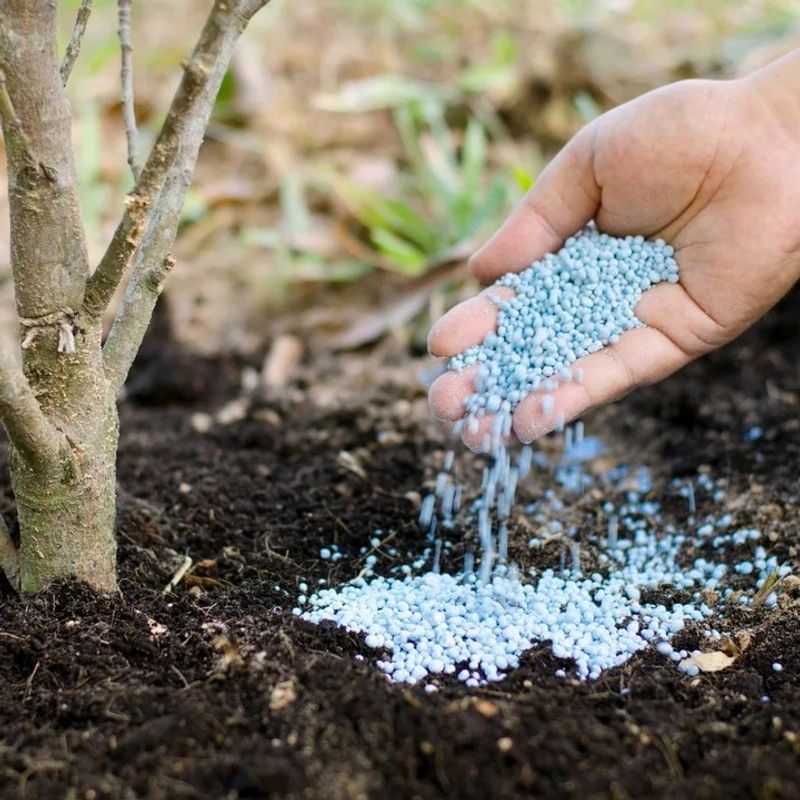
Knowing what to apply is only half the job. How you apply it makes all the difference between mediocre results and a genuinely impressive fall garden.
Start by clearing out spent summer plants from your beds. Leaving old roots and stems can harbor pests and slow down the nutrient integration process.
Loosen the top six inches of soil with a garden fork before adding anything. Breaking up compaction allows amendments to work their way down to where roots actually live.
Spread a two-inch layer of finished compost across the entire bed surface. This is your base layer, and it sets the tone for everything that follows.
Sprinkle bone meal and kelp meal according to package directions, usually a few tablespoons per square foot. More is not better here, so stick to the recommended amounts.
Work all the amendments into the top four to six inches of soil using your fork or a hand cultivator. Mixing them in rather than leaving them on top speeds up availability to roots.
Water the bed thoroughly after amending to activate microbial activity. Moisture is the trigger that gets soil biology moving and starts releasing nutrients.
Wait at least three to five days before planting seeds or transplants into freshly amended soil. This short rest period lets the ingredients settle and begin breaking down properly.
Follow this sequence in order, and your beds will be primed to perform when it matters most.
Results You Can Expect Before Fall Harvest
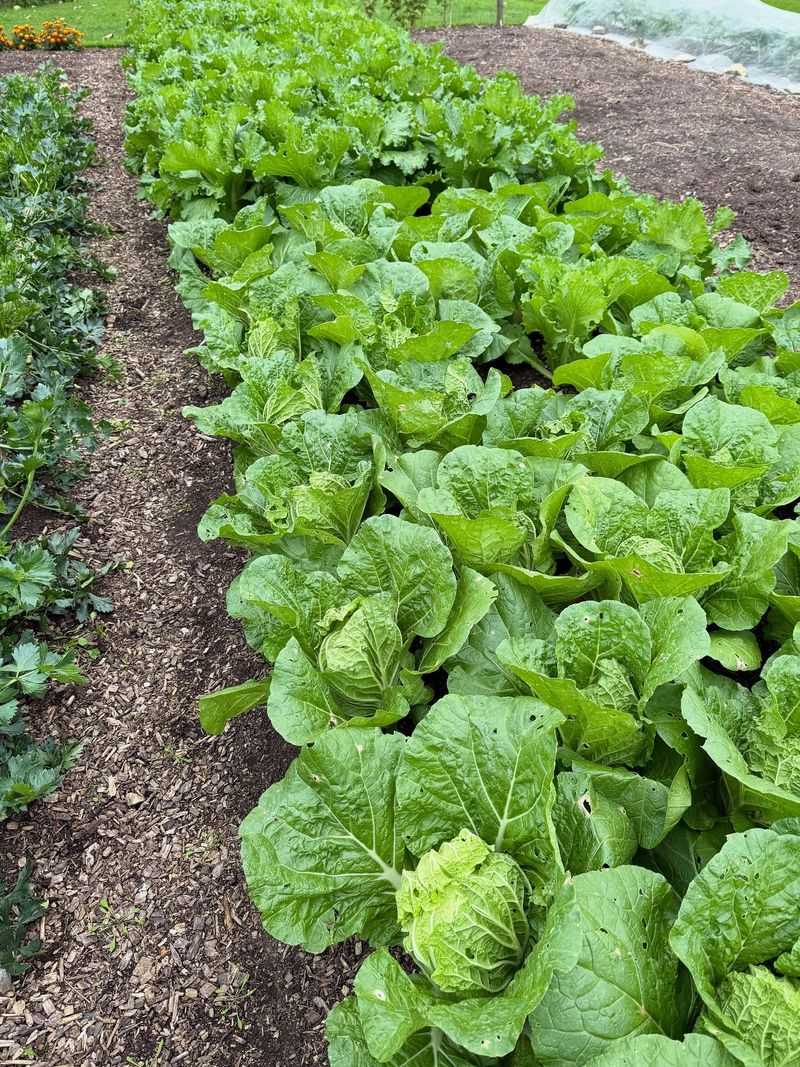
Do this right, and your garden will surprise you. Fall harvests that once felt like a bonus can become as productive as your best summer months.
Within two weeks of amending, most gardeners notice a visible difference in plant color. Leaves that looked tired start filling back in with color.
Root vegetables like carrots and beets respond especially well to phosphorus-rich amendments. Their roots grow faster and deeper, which leads to more flavorful and fuller produce at harvest time.
Brassicas like kale, broccoli, and cabbage thrive in the newly enriched environment. These crops love the cool weather and a well-fed soil gives them the fuel to grow aggressively before frost.
Fed beds routinely push harvest well past what unfed soil can manage, sometimes by several extra weeks. That extra time adds up to a significant amount of food on your table.
Soil that has been properly fed also holds moisture better through fluctuating fall temperatures. Plants experience less stress from the warm days and cold nights that define Michigan autumns.
Gardeners often report that fall produce grown in amended soil tastes noticeably sweeter. Cool nights trigger that natural sugar boost, and a well-fed plant is better equipped to make the most of it.
This isn’t a passing trend. It’s a seasonal strategy with a track record, proven in real backyards across the Great Lakes region.
Feed your soil now, and your fall table will thank you in the most delicious way possible. That is a reward worth every bit of the effort.