These 8 Plants Keep Spiders, Ants And Flies Away From Your Texas Home Naturally
Nobody wants to share their home with spiders, ants, and flies, but reaching for chemical sprays every time you spot one gets old fast. What most people do not realize is that some of the best pest deterrents are already growing in gardens across Texas.
Certain plants produce natural oils and scents that bugs genuinely cannot stand, and when you grow them close to your home, they create a barrier that works around the clock without any effort from you. This is not a folk remedy or a gardening myth.
Many of these plants have been used for exactly this purpose for a very long time, and they actually work. The bonus is that most of them are easy to grow in the Texas climate, some even thrive on neglect.
If you are tired of dealing with unwanted bugs inside and around your home, the solution might just be a trip to your local nursery.
1. Lavender
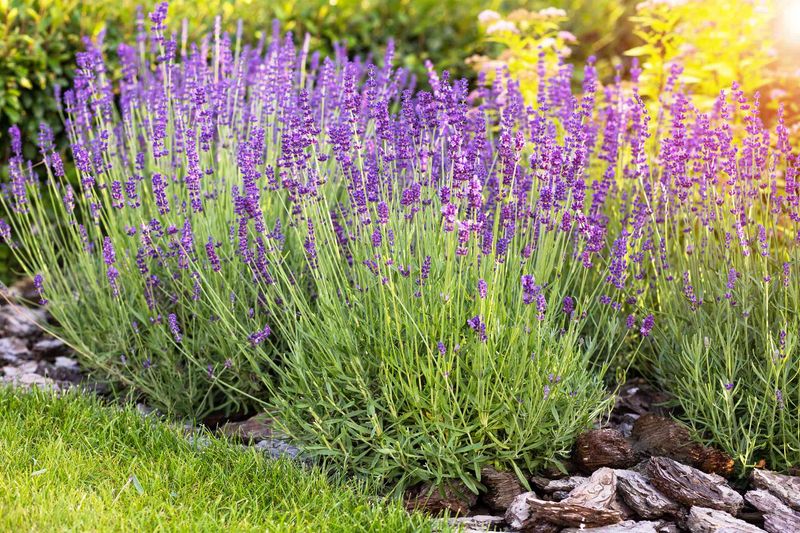
Walk past a lavender plant and you immediately understand why people love it. That deep, sweet floral scent is calming for humans, but for flies, spiders, and other insects, it is a signal to stay away.
Lavender contains natural compounds like linalool that bugs find overwhelming and unpleasant.
In Texas, lavender grows best in well-drained soil with plenty of sunshine, which is something the Lone Star State has no shortage of. Plant it near your front door, along a walkway, or in pots on your patio to create a natural barrier.
The Spanish lavender variety tends to do especially well in the Texas heat compared to other types.
Keeping lavender near windows and entryways is a smart move because it targets the exact spots where flies and spiders try to sneak inside.
You can also cut fresh sprigs and place them in small bundles indoors for added protection. The dried flowers hold their scent for a surprisingly long time.
Beyond pest control, lavender attracts pollinators like bees and butterflies, which are actually beneficial for your garden.
So while it is pushing the bad bugs away, it is welcoming the good ones in. It is one of the most versatile and rewarding plants you can add to a Texas home garden.
2. Mint
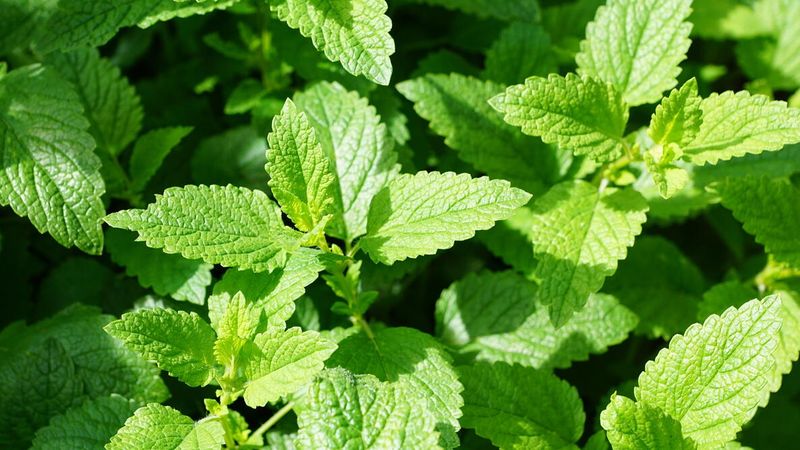
Few plants punch above their weight quite like mint. It is small, easy to grow, and produces one of the most powerful natural scents in the plant world.
Ants absolutely hate it, and flies are not big fans either. The strong menthol aroma messes with their senses and keeps them from wanting to hang around.
One of the best things about mint is how easy it is to grow in Texas. It does well in both pots and garden beds, and it does not need much attention once it gets going.
In fact, mint spreads so aggressively that most gardeners recommend keeping it in containers so it does not take over your entire yard.
Place pots of mint near outdoor dining areas, trash cans, or anywhere ants tend to trail. You can also crush a few leaves and rub them along windowsills or door frames to boost the deterrent effect.
Your Texas Garden Changes Every Week. Your Plan Should Too.
Gardening in Texas changes quickly throughout the season. Every Friday you’ll receive a simple weekly plan showing exactly what to plant, prune, fertilize, harvest, and protect so you never miss the right timing.
The oils released from crushed leaves are especially potent. Did you know that ancient Romans used mint to scent their bathhouses and banquet halls? They were onto something.
Whether you use it fresh, dried, or as an essential oil, mint has been a trusted natural repellent for centuries. Plus, you get fresh herbs for cooking as a bonus, making it one of the most practical plants on this list.
3. Citronella Grass
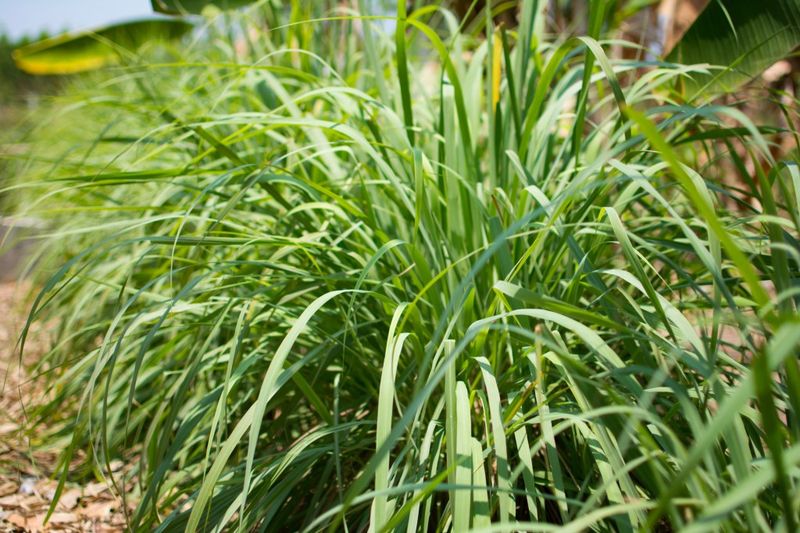
If you have ever used a citronella candle at a backyard barbecue, you already know the basic idea behind this plant.
Citronella grass is the real deal, the actual source of that familiar lemony scent that mosquitoes and other flying insects find so off-putting. Growing the real plant is even more effective than the candle version.
Citronella grass thrives in warm climates, which makes Texas an ideal home for it. It can grow quite tall, sometimes reaching five or six feet, so it works beautifully as a natural screen along a fence line or around an outdoor seating area.
The tall, flowing blades also add a tropical look to any backyard. Plant it in large containers or directly in the ground where you spend the most time outdoors.
When you brush against the leaves, they release more of their aromatic oils, giving you an extra burst of natural protection.
Some people even rub the leaves directly on their skin as a casual bug deterrent during evening gatherings.
Citronella grass is a perennial in warmer parts of Texas, meaning it comes back year after year without replanting. In cooler northern regions of the state, bringing it indoors during winter keeps it healthy.
For Texas families who love spending evenings outside, this grass is a must-have addition to any outdoor space.
4. Basil
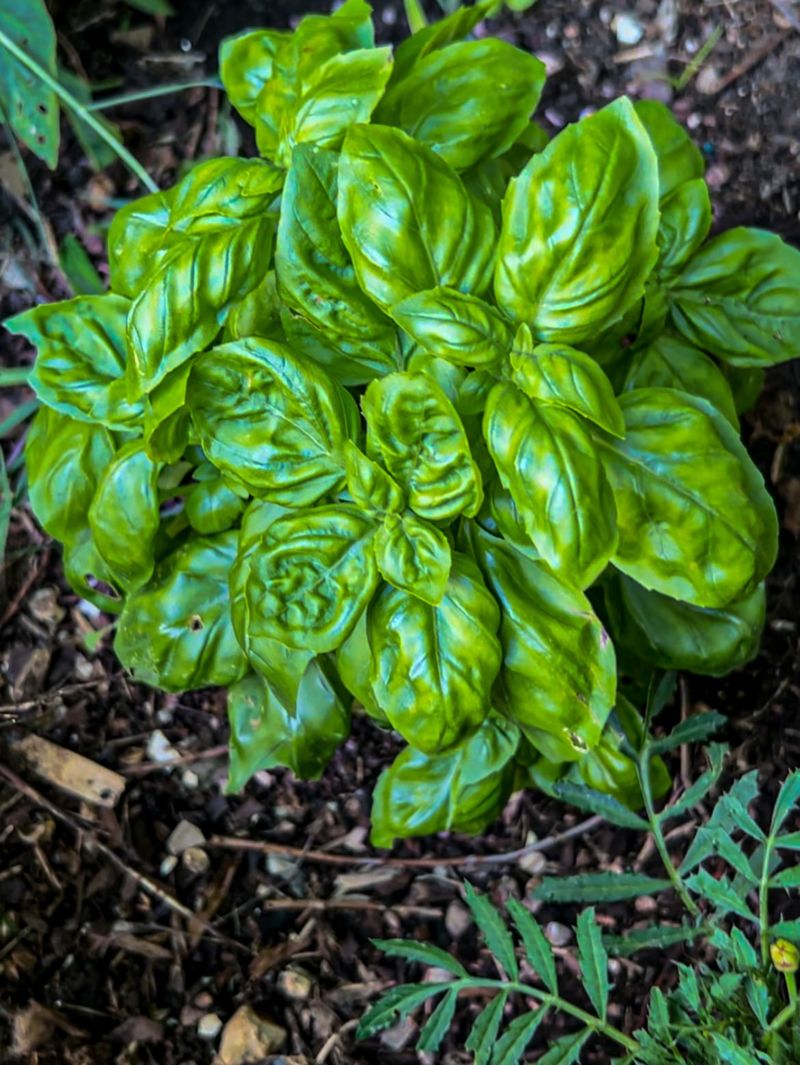
Basil smells amazing to us, but flies feel the complete opposite way about it. The strong, spicy-sweet aroma that makes basil so popular in the kitchen is exactly what sends flies heading in another direction.
Keeping a pot of fresh basil near your outdoor dining table can make a noticeable difference during summer meals.
Growing basil in Texas is fairly straightforward. It loves heat and sunshine, both of which Texas provides in abundance from spring through early fall.
Water it regularly, give it a sunny spot, and it will reward you with lush, aromatic leaves all season long. Basil does best in well-drained soil, so avoid overwatering.
Place pots near your back door, on your porch railing, or right on the dining table for maximum effect.
Some homeowners plant basil directly in vegetable garden beds to help protect tomatoes and peppers from insects at the same time. It is a two-for-one deal that experienced gardeners swear by.
Beyond its pest-deterring qualities, fresh basil gives you a ready supply of herbs for cooking. Caprese salads, pasta sauces, and homemade pesto are all just a few steps away when you have basil growing nearby.
It is hard to think of another plant that does so much for both your kitchen and your outdoor comfort at the same time.
5. Rosemary
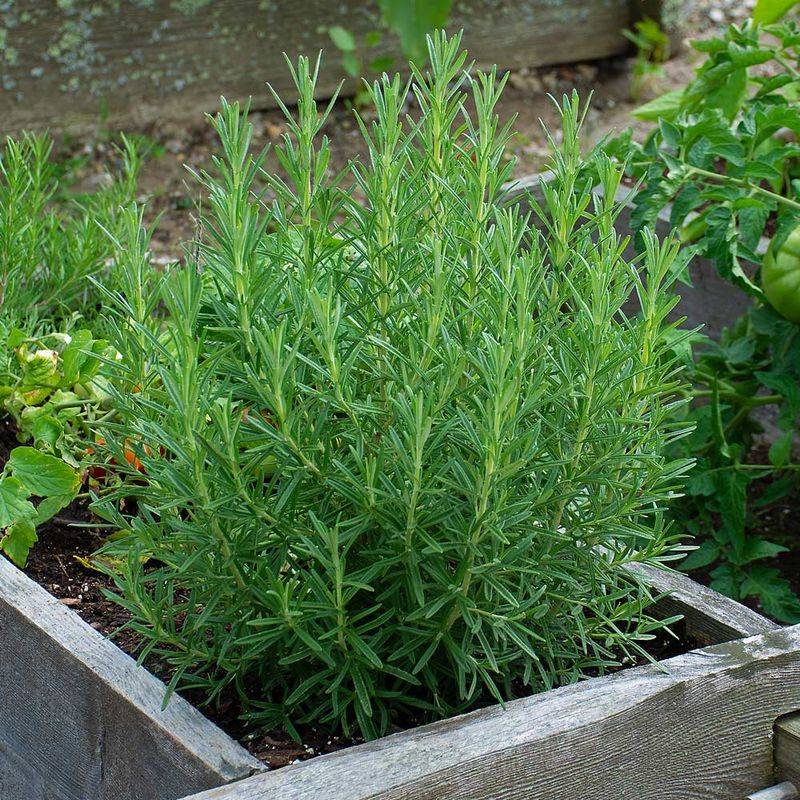
Rosemary is practically built for Texas. It loves hot, dry conditions and does not need much water once it is established, making it one of the most low-maintenance plants you can grow in the state.
But beyond its toughness, rosemary has a sharp, piney fragrance that many insects find deeply unappealing.
Spiders, flies, and certain types of ants tend to steer clear of rosemary. The plant contains natural aromatic compounds, including camphor and eucalyptol, that act as natural deterrents.
Planting rosemary along walkways, near doorways, or around your garden perimeter creates a fragrant barrier that bugs are not eager to cross.
Rosemary grows into a sturdy shrub over time and can even be shaped into a hedge with regular trimming.
In Texas, it can survive year-round outdoors in most regions, which means you get continuous pest protection without replanting each season. That kind of reliability is hard to beat.
One fun trick is to toss a few fresh rosemary sprigs on a backyard fire pit or grill. The smoke carries the scent further and helps keep flying insects away from your whole outdoor gathering area.
Rosemary also pairs wonderfully with grilled meats, so it pulls double duty as a pest deterrent and a cooking herb. Few plants are as genuinely useful as this one.
6. Marigold
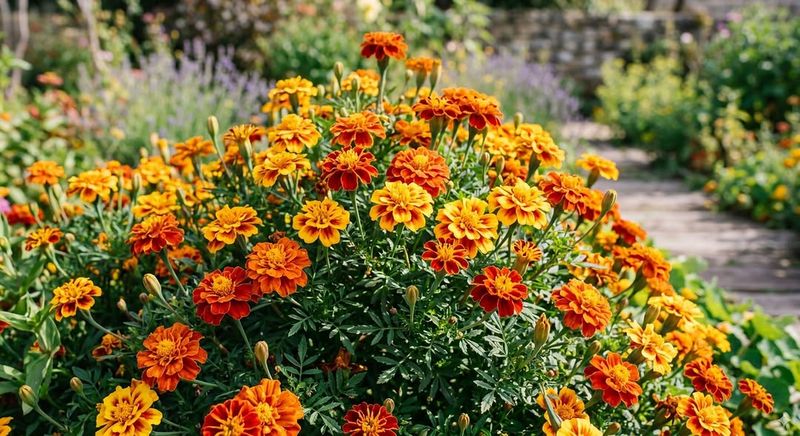
Marigolds are one of the most cheerful plants you can grow, and they happen to be incredibly useful too. Gardeners across Texas have planted them near vegetable beds and doorways for generations, not just for their bold orange and yellow colors, but because they have a reputation for keeping pests at a distance.
The secret is in the scent. Marigolds produce a strong, slightly bitter aroma that many insects find unpleasant.
Ants, flies, and even some spider species tend to avoid areas where marigolds are blooming. The roots also release compounds into the soil that can discourage certain ground-dwelling pests over time.
Planting marigolds along the edges of your garden beds or in pots near your front and back doors is a simple and colorful strategy.
They bloom from spring all the way through the first cool snap of fall in Texas, giving you months of both beauty and protection. They are also extremely easy to grow from seed, which makes them budget-friendly.
Here is a fun fact: marigolds have been used in Mexican and Indian cultures for centuries in celebrations, religious ceremonies, and even medicine. Their vibrant colors and strong fragrance have made them culturally significant across the world.
In your Texas garden, they bring that same powerful energy while quietly doing the practical work of keeping unwanted bugs away from your home.
7. Lemongrass
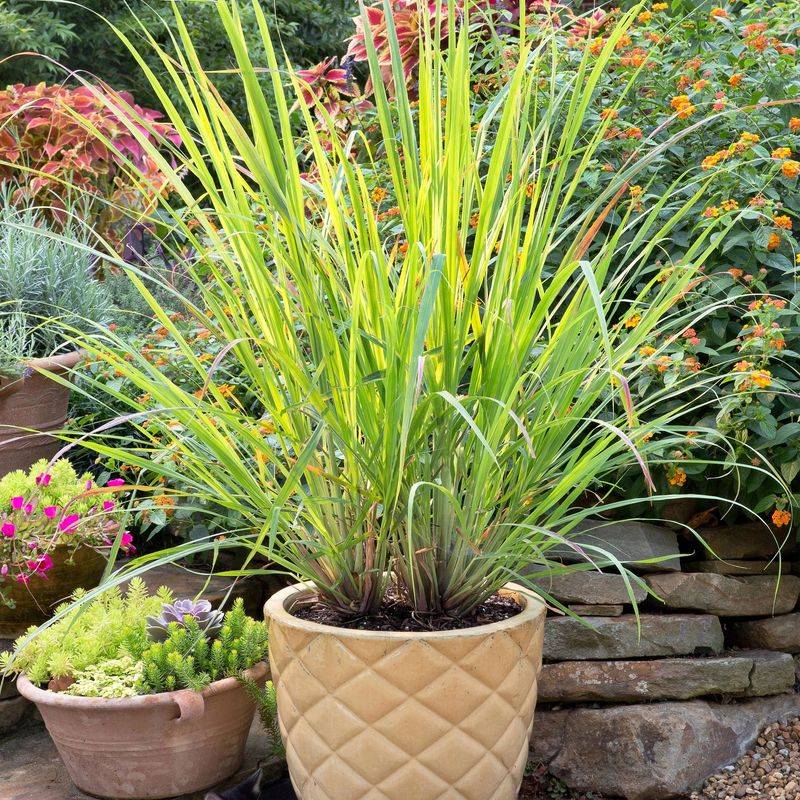
Lemongrass has a fresh, citrusy scent that humans find energizing and pleasant. Insects, on the other hand, are not fans.
The plant contains citronellal and geraniol, two natural aromatic oils that are widely associated with keeping flying insects and other pests at bay. It is essentially a living, growing version of the insect-repelling products you find at the store.
In Texas, lemongrass is a fantastic choice because it absolutely loves heat and humidity. It grows quickly during the warm months and can reach impressive heights, sometimes three to four feet tall.
Planted in large containers or directly in garden beds, it creates a bold visual statement while quietly doing pest-deterrent work.
Grouping a few lemongrass plants together near outdoor seating areas creates a more concentrated scent barrier.
Some people also crush the leaves and rub them on outdoor furniture cushions or along patio edges to spread the protective aroma further. The fresh lemony smell makes this task genuinely enjoyable.
Lemongrass is also a staple ingredient in Thai and Vietnamese cooking, so having it in your garden means fresh flavor is always within reach. Soups, stir-fries, and marinades all benefit from fresh lemongrass stalks.
Growing it in Texas gives you a plant that is equally at home in your kitchen and your garden, making it one of the most rewarding additions to any outdoor space.
8. Catnip
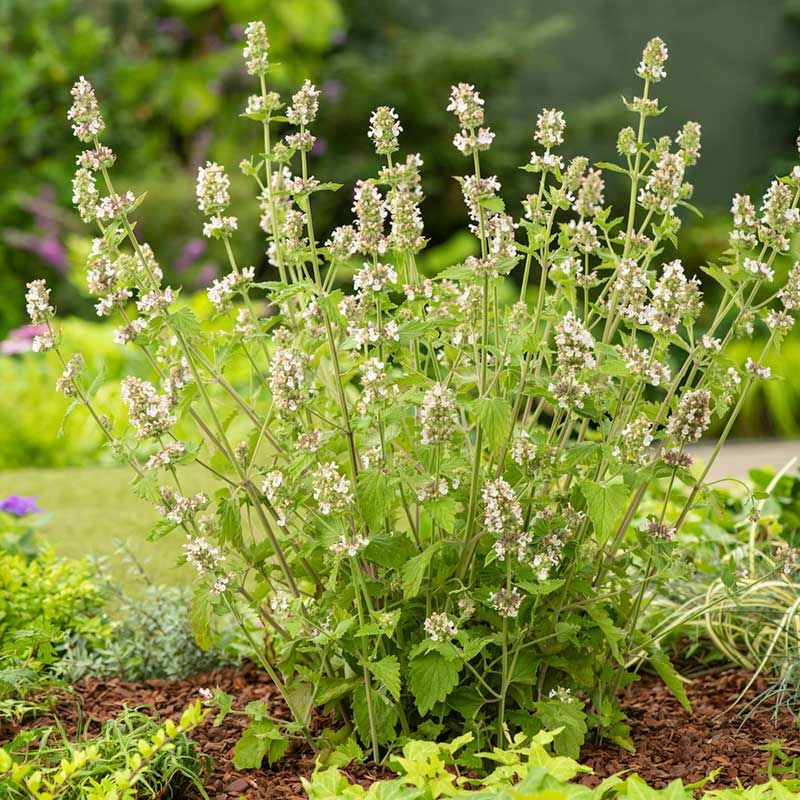
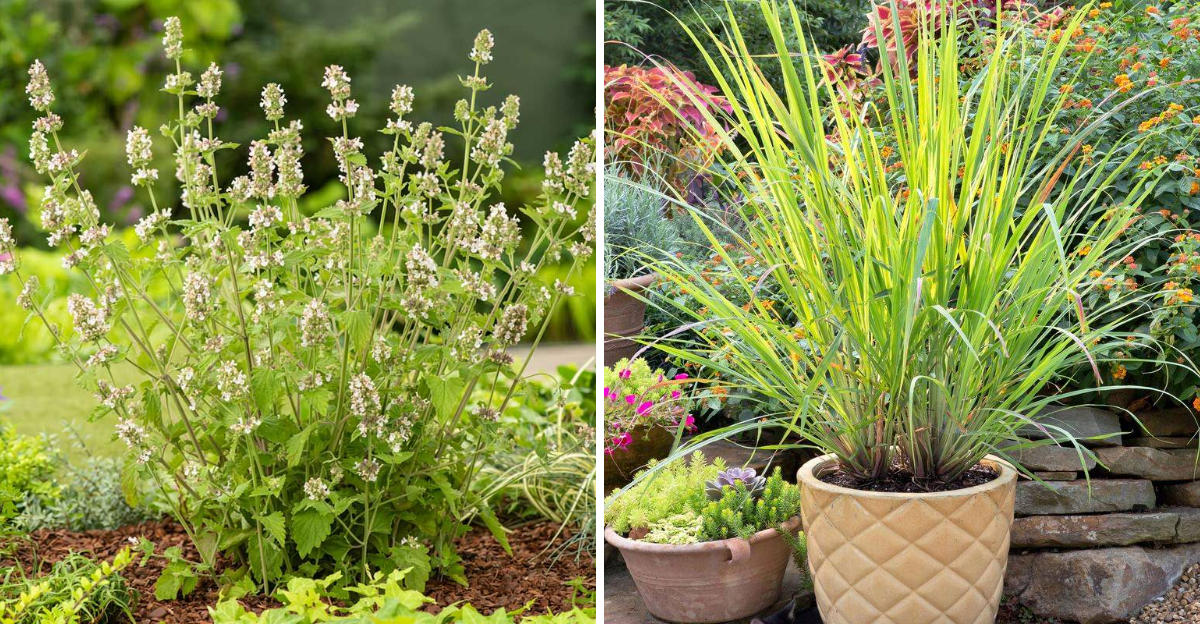
Most people know catnip as the plant that sends cats into a playful frenzy. But there is another side to this humble herb that does not get nearly enough attention.
Catnip contains a compound called nepetalactone, and research has suggested it may be more effective at repelling certain insects than some common chemical-based repellents. That is a pretty impressive claim for a backyard plant.
Flying insects like gnats and certain flies tend to avoid areas where catnip is growing. Some studies also suggest it may help deter spiders and other crawling bugs.
The scent is subtle to humans but apparently overwhelming to many insects, which makes it a smart addition to any natural pest management plan for a Texas home.
Catnip is easy to grow and does well in Texas conditions. It prefers full sun to partial shade and grows into a bushy, leafy plant that produces small white or lavender flowers.
Like mint, it can spread quickly, so planting it in containers is a good way to keep it manageable.
Place catnip near windows, garden borders, or shaded seating areas where insects tend to gather. Just be prepared for the possibility that neighborhood cats may become very interested in your garden.
That is a small trade-off for a plant that works hard to keep the bugs away all season long without any chemicals involved.