The One Thing North Carolina Apple Trees Need In August Before Bitter Rot Ruins The Harvest
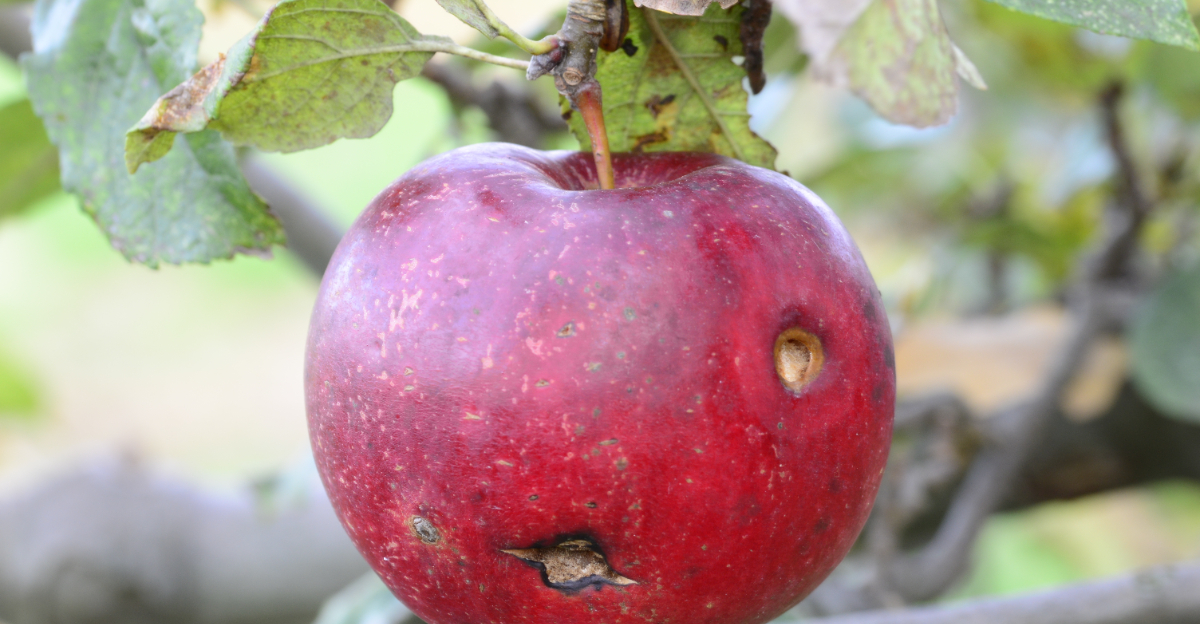
Good airflow around developing fruit is essential for North Carolina apple trees in August if bitter rot is going to be kept under control.
This fungal disease thrives in humid, poorly ventilated conditions, spreading quickly once it establishes itself within a tree’s canopy.
Thinning overcrowded branches improves circulation, helping leaves and fruit dry faster after rain or morning dew. Removing any already infected fruit promptly prevents spores from spreading to healthy apples nearby.
Checking fruit regularly for small, sunken brown spots helps catch bitter rot before it spreads significantly further. Avoiding overhead watering reduces the moisture buildup that gives this fungal disease the conditions it needs to thrive.
Cleaning up fallen fruit around the base of the tree also removes a common source of lingering spores. Staying ahead of airflow and sanitation now can protect this year’s apple harvest from serious loss.
1. Protect Fruit Before Wet Weather
Most people think protection means reacting to a problem after it shows up. With bitter rot, that thinking will cost you your harvest.
The fungus responsible, Colletotrichum acutatum and related species, spreads through spores that travel in water, landing on fruit surfaces and germinating within hours when temperatures climb above 80 degrees Fahrenheit and moisture lingers.
August in North Carolina delivers those exact conditions almost every single day. Afternoon thunderstorms roll through, leave everything soaked, and then the heat returns to lock in that moisture.
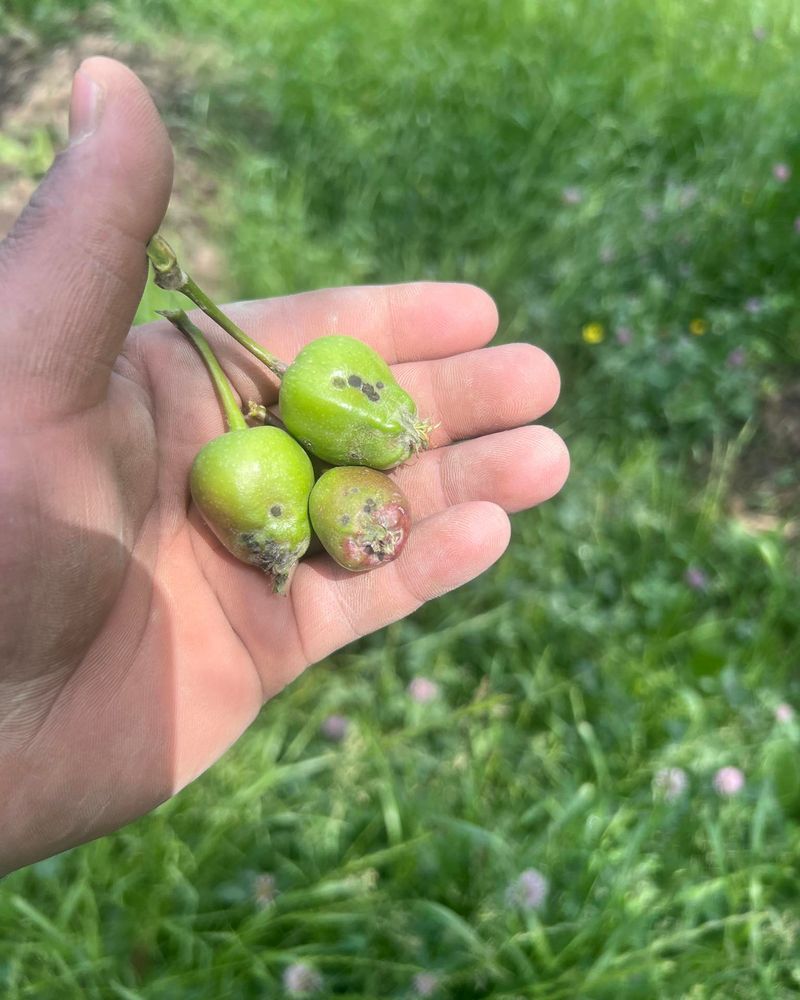
Fruit that goes unprotected during those windows becomes vulnerable almost immediately, and by the time you spot a small tan spot on an apple, the infection is already well underway inside the flesh.
Preventive fungicide applications, applied before rain events rather than after, form a protective barrier on the fruit surface that stops spores from getting a foothold.
This approach is called a protectant strategy, and plant pathologists at North Carolina State University consistently recommend it as the backbone of any bitter rot management plan.
Waiting until you see symptoms is waiting too long. The goal is to never let the spores find bare, unprotected skin on your fruit.
Checking weather forecasts regularly and timing your applications ahead of warm, wet stretches gives your apples the best possible shield going into the riskiest weeks of the season.
2. Do Not Wait For Rot To Appear
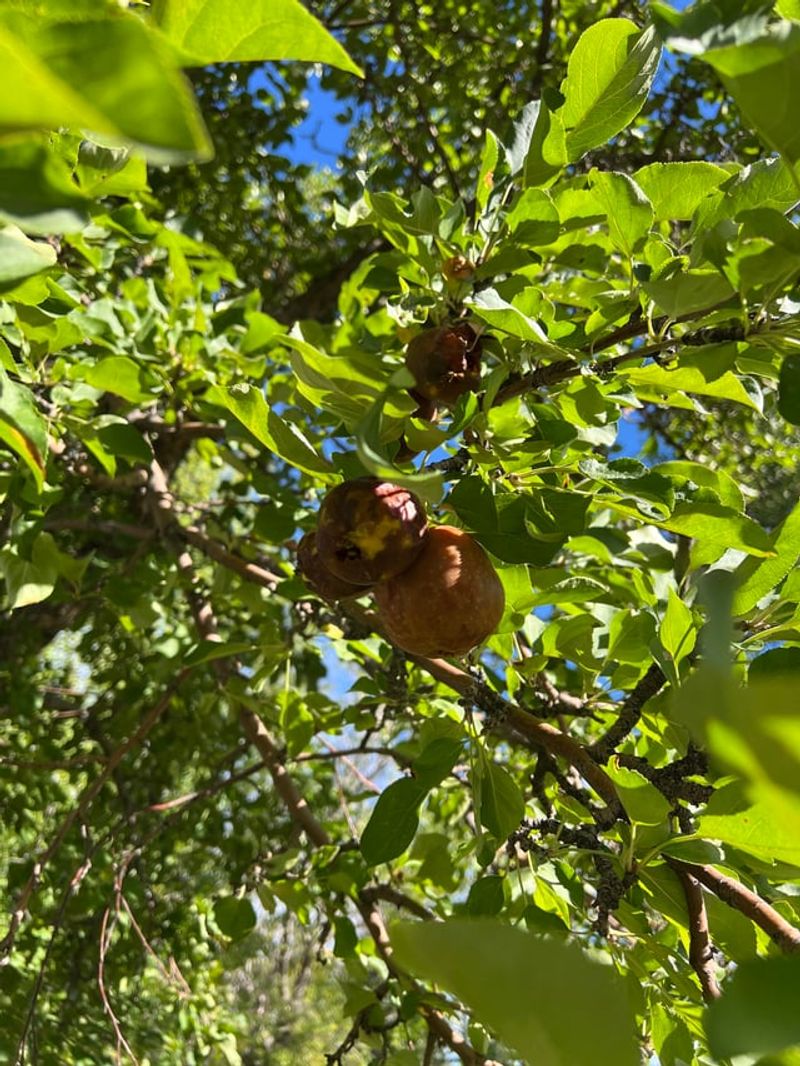
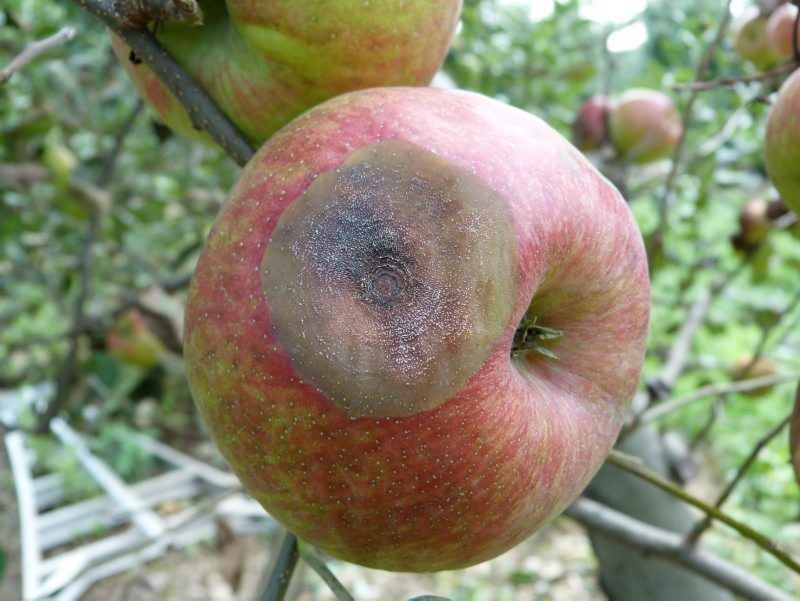
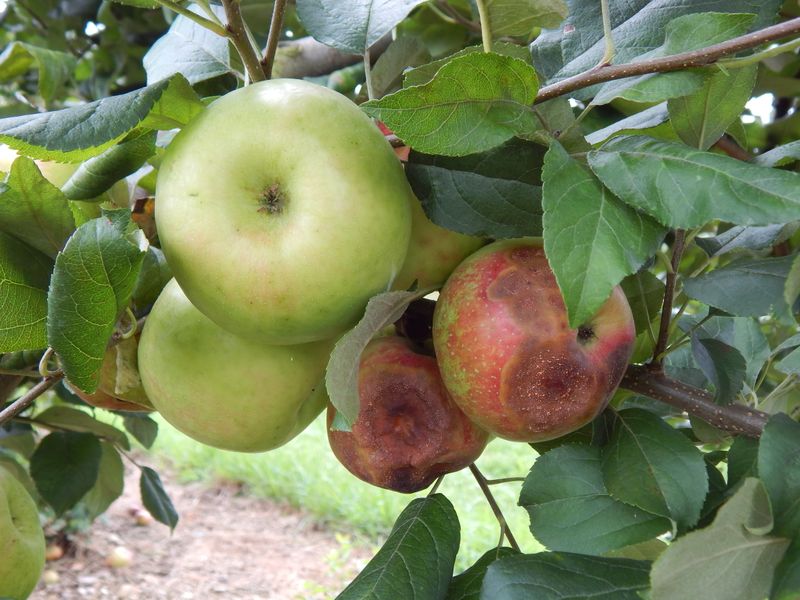
Bitter rot has a sneaky way of looking minor at first. A small, light brown circle on the skin of an apple seems harmless enough, easy to dismiss as a bruise or minor blemish.
The problem is that by the time that spot is visible, the fungus has already been working inside the fruit for days, breaking down tissue, producing more spores, and preparing to spread to every apple hanging nearby.
Research from university extension programs confirms that once bitter rot lesions are visible on fruit, chemical controls become significantly less effective. Fungicides work by preventing infection, not by reversing one that has already started.
Spraying after you see rot is a bit like putting on a raincoat after you are already soaked. The action is too late to do the job it was meant to do. Growers who wait for visible symptoms also risk rapid spread throughout the canopy.
Your North Carolina Garden Changes Every Week. Your Plan Should Too.
Gardening in North Carolina changes quickly throughout the season. Every Friday you’ll receive a simple weekly plan showing exactly what to plant, prune, fertilize, harvest, and protect so you never miss the right timing.
Infected fruit produces enormous quantities of spores that wash onto healthy apples below during rain events, creating a chain reaction that can move through a whole block of trees in just a few days.
The warm, wet August weather accelerates this cycle dramatically. Starting your protection program on schedule, before the first lesion appears, is the only way to stay ahead of this disease.
Scouting your orchard every few days through August keeps you informed and ready to adjust your spray timing if conditions get especially wet or warm.
3. Keep Disease Protection Going Toward Harvest
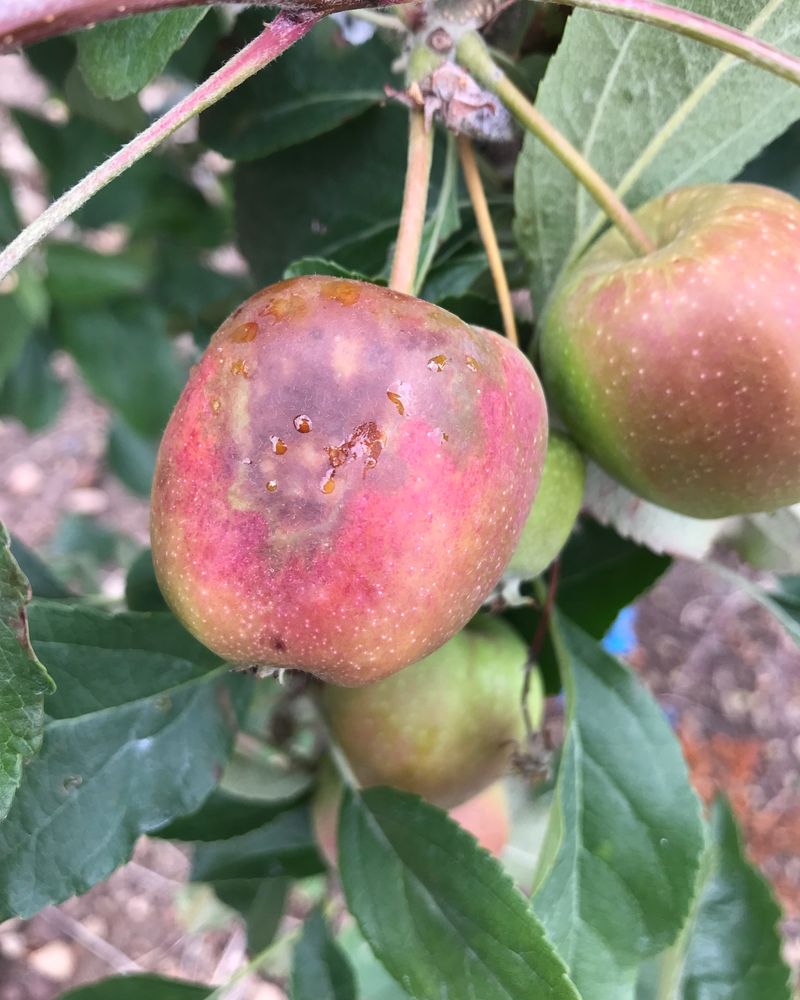
There is a temptation, especially as harvest approaches, to ease up on the spray schedule. The apples look full and colorful, the season feels almost done, and skipping an application or two seems like it might not matter much at this point.
That temptation is one of the most common mistakes apple growers make in late summer. Ripening fruit is actually more susceptible to bitter rot infection than younger, greener fruit.
As apples mature, their natural defenses weaken slightly, and the sugars that develop in the flesh create an even more attractive environment for the Colletotrichum fungus.
August and early September represent peak infection risk for many North Carolina apple varieties, precisely because the fruit is ripening at the same time that heat and humidity are at their highest.
Maintaining consistent spray coverage through the final weeks before harvest is not optional, it is essential.
Many extension recommendations call for 7 to 14 day spray intervals during high-risk periods, with shorter intervals when rainfall is frequent and temperatures stay high.
Skipping even one cycle during a wet stretch can leave fruit exposed long enough for infections to take hold.
The good news is that keeping up with applications right through the preharvest interval gives your crop the protection it needs to make it from the tree to the table in good shape. Finishing strong is just as important as starting on time.
4. Pay Extra Attention After Rain
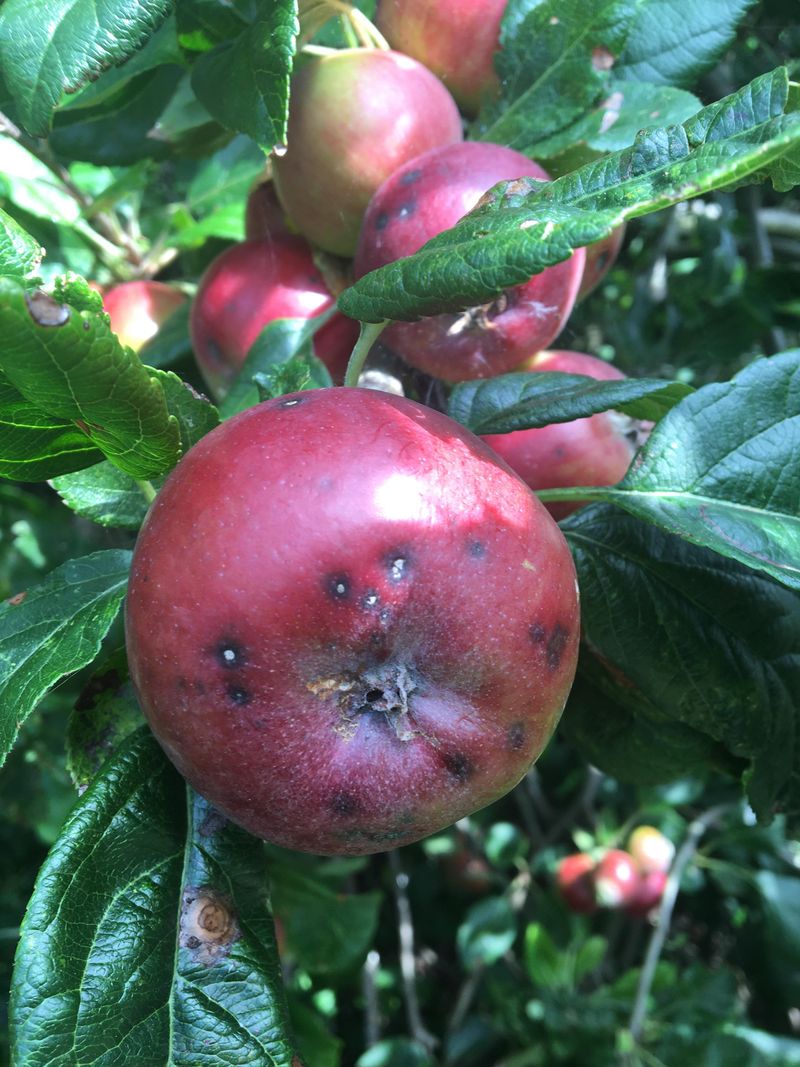
Rain changes everything in an apple orchard during August. The moment water starts falling, bitter rot spores that have been sitting dormant on bark, mummified fruit, and plant debris get activated and start moving.
They splash onto fruit surfaces, cling to wet skin, and begin germinating almost immediately if temperatures are warm enough, which in North Carolina in August, they almost always are.
The combination of prolonged leaf wetness and high temperatures is what plant pathologists call a high-risk infection period.
Studies have shown that even six hours of continuous wetness at temperatures above 80 degrees Fahrenheit is enough to allow significant bitter rot infection to occur on unprotected fruit.
After a heavy summer rain, those conditions are often present for far longer than six hours, especially in dense, shaded canopies where drying is slow.
Checking your spray coverage after significant rainfall events is a smart habit. Heavy rain can wash away fungicide residues faster than expected, especially if more than an inch of rain falls in a short period.
Some growers use a reapplication rule, if more than an inch of rain falls within 24 hours of a spray, they plan to reapply as soon as conditions allow.
Keeping a simple log of rainfall amounts and spray dates helps you spot gaps in coverage before they become a problem.
Being responsive to what the weather is actually doing, rather than just following a calendar, makes a real difference in bitter rot outcomes.
5. Remove Infected Fruit And Mummified Wood
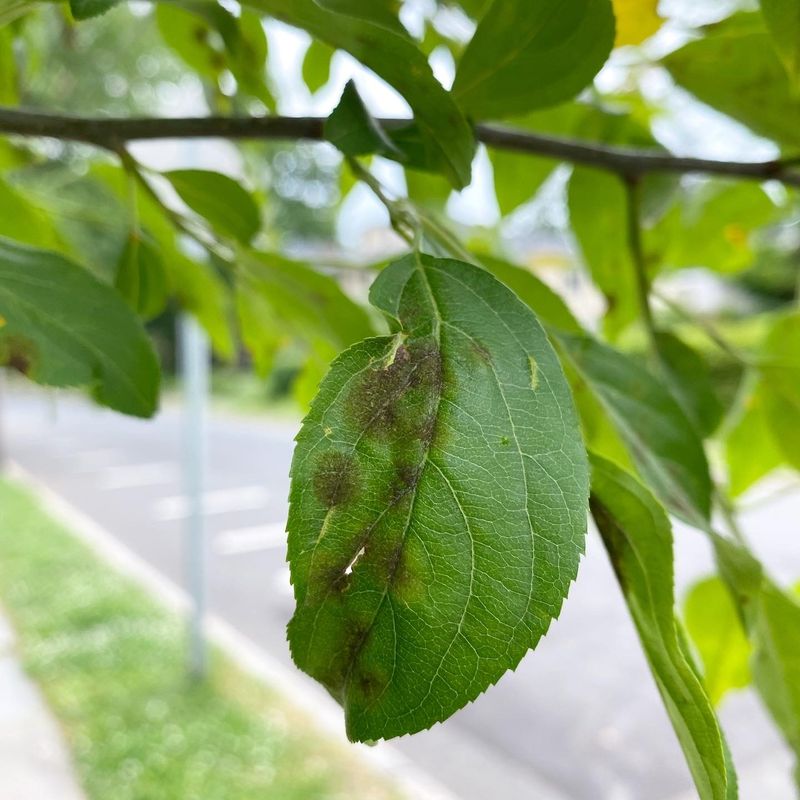
Sanitation might not sound as exciting as a carefully timed spray program, but it is one of the most powerful tools available against bitter rot.
The fungus that causes this disease survives between seasons on infected fruit, mummified apples left hanging in the tree, and diseased wood tissue.
Each of those sources holds thousands of spores ready to launch a new round of infection the moment conditions turn warm and wet.
Walking your orchard regularly in August and removing any fruit that shows early rot symptoms is genuinely worth the time. Every infected apple you remove from the tree or ground is a spore source you have eliminated.
Mummified fruit from previous seasons should have been removed during dormant pruning, but if any remains in the canopy now, getting it out before it contributes to this season’s disease pressure is still worthwhile.
Diseased wood and cankers also serve as overwintering sites for the pathogen. While major pruning is best left for dormancy, removing obviously infected small twigs or water sprouts during summer is acceptable and helpful.
Anything you remove should go into a sealed bag or be buried away from the orchard, not left on the ground beneath the tree where spores can still splash back up onto fruit.
Combining good sanitation with a solid fungicide program creates a two-layer defense that is far stronger than either approach on its own. Cleaner trees mean fewer spores competing to infect your fruit.
6. Improve Airflow Through The Tree
Picture two apple trees side by side. One has a thick, tangled canopy packed with crossing branches and dense foliage.
The other has been carefully pruned with an open center, letting sunlight and air move freely through every part of the tree. After a summer rainstorm, the open tree dries out in an hour or two.
The dense one stays wet for most of the day. That difference in drying time is the difference between low infection risk and high infection risk for bitter rot. Fungicides can only do so much when a canopy stays wet for extended periods.
Spores need moisture to germinate, and a tree that holds water for eight or ten hours after rain gives the pathogen far more opportunity to establish than one that dries quickly.
Improving canopy airflow is a structural solution that makes every other management tool more effective.
Summer pruning in August, while not as extensive as dormant pruning, can still make a meaningful difference. Removing water sprouts, crossing branches, and excessively shaded interior growth opens up the canopy and allows better air and light penetration.
Better airflow also improves fungicide coverage, since spray droplets can reach inner fruit more easily when branches are not packed too tightly together.
Over time, consistent attention to tree structure reduces the overall disease pressure in your orchard by simply making the environment less friendly to the fungus.
Healthy structure and smart pruning are long-term investments that pay back every single season.
7. Watch Susceptible Apple Varieties Closely
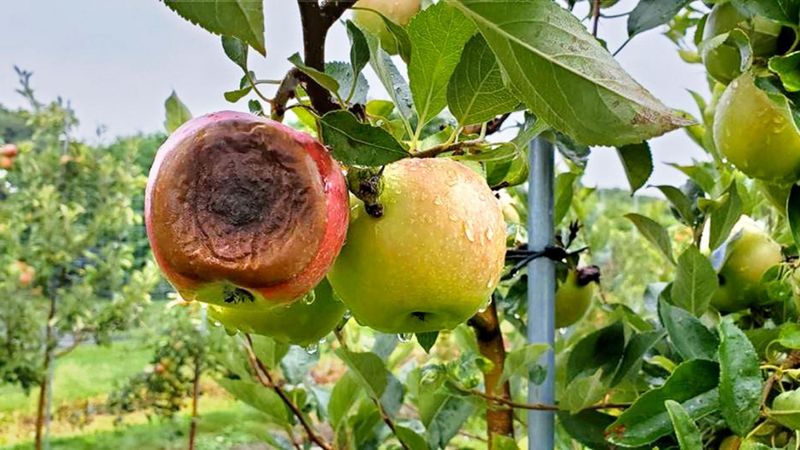
Not all apples are created equal when it comes to bitter rot resistance. Some varieties shrug off moderate disease pressure without much trouble, while others seem almost magnetically attracted to every spore that floats by.
Knowing where your trees fall on that spectrum helps you prioritize your scouting and spray timing with much better accuracy.
Golden Delicious and its many offspring, including varieties like Mutsu, Ginger Gold, and Gala, are widely recognized as being among the most susceptible apple types to bitter rot.
North Carolina grows a significant number of these varieties because they produce well and sell reliably, but their vulnerability to this disease means growers need to be especially vigilant with them through August.
Even a brief gap in protection during a wet period can result in serious fruit loss on these cultivars.
By contrast, some older heirloom varieties and certain newer disease-resistant cultivars tend to show better tolerance, though no apple is completely immune under severe disease pressure.
If you grow multiple varieties, focusing your most intensive monitoring on the susceptible ones makes practical sense.
Scouting those trees first after every rain event, checking spray coverage more carefully, and shortening spray intervals during high-pressure periods are all smart adjustments.
Understanding your specific variety’s risk level transforms your management approach from a generic routine into a targeted strategy.
Knowing your trees that well is one of the real advantages experienced apple growers have over those just starting out.
8. Follow The Fungicide Label Before Harvest
The fungicide label is a legal document, not just a suggestion.
Every product registered for use on apples has gone through a rigorous testing process to establish exactly how it should be used, at what rate, how often, and how many days before harvest the final application must occur.
That last point, called the preharvest interval or PHI, is especially critical in August when harvest is approaching fast.
Using a product past its PHI, or applying it more frequently than the label allows, can result in chemical residues on fruit that exceed legal limits.
Beyond the regulatory issue, misusing fungicides also accelerates the development of fungicide resistance in the bitter rot pathogen, which makes future control harder for everyone growing apples in the region.
North Carolina has seen resistance issues develop in some fungicide groups, particularly strobilurins, which is exactly why following label rates and rotating between different fungicide classes matters so much.
Products commonly recommended for bitter rot control in North Carolina include captan, myclobutanil, and various strobilurin and SDHI fungicides, but the specific products available and their PHI requirements vary.
Always confirm that the product you choose is labeled specifically for apples and for bitter rot control.
Reading the label before every application, not just the first time you open a container, keeps you aware of any restrictions that apply as harvest draws closer.
Staying compliant keeps your fruit safe, your customers protected, and your orchard operating within the rules that protect everyone in the food system.