Hawks Are Nesting Closer To North Carolina Homes Than Ever And What Your Garden Has To Do With It
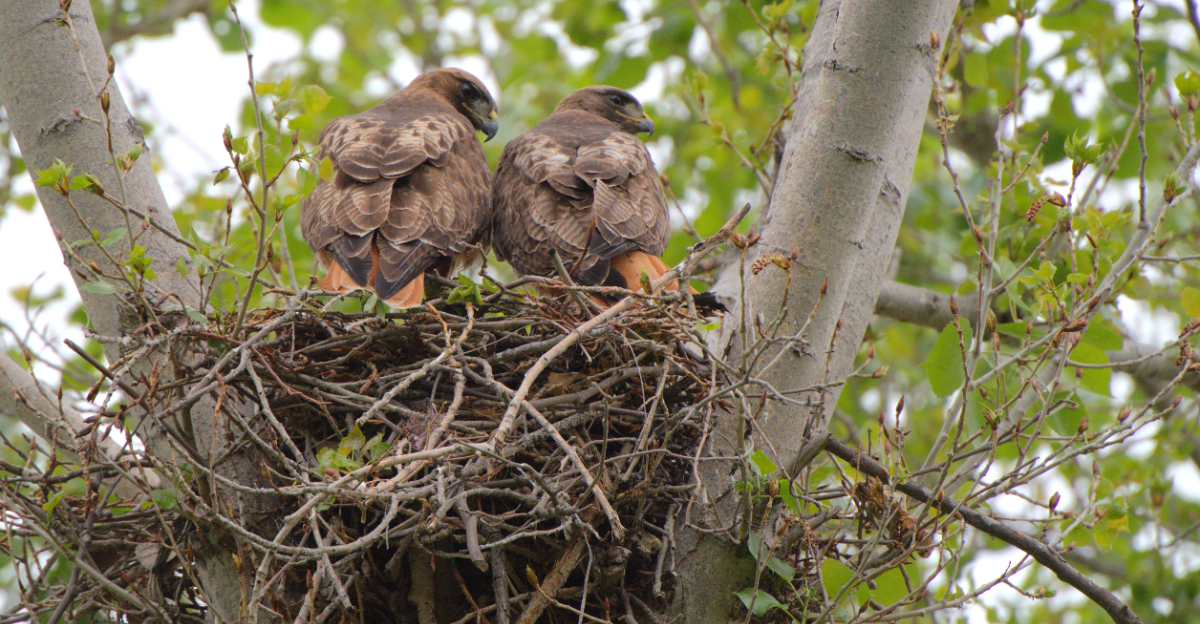
Hawk nesting activity near residential properties across North Carolina has increased noticeably in recent years, and the shift is not random.
These birds are making calculated decisions about where to establish nesting territory based on what specific landscapes offer them in terms of food, canopy structure, and reliable prey activity.
What surprises most homeowners is how directly their own gardening choices influence those decisions.
The plants you grow, the way you manage ground cover, and the wildlife your yard attracts all factor into whether a hawk finds your property worth nesting near.
Understanding that connection reframes the whole experience from something that happens to your yard into something your yard is actively participating in through the choices made in it over time.
1. Understanding Why Hawks Are Nesting Near Homes
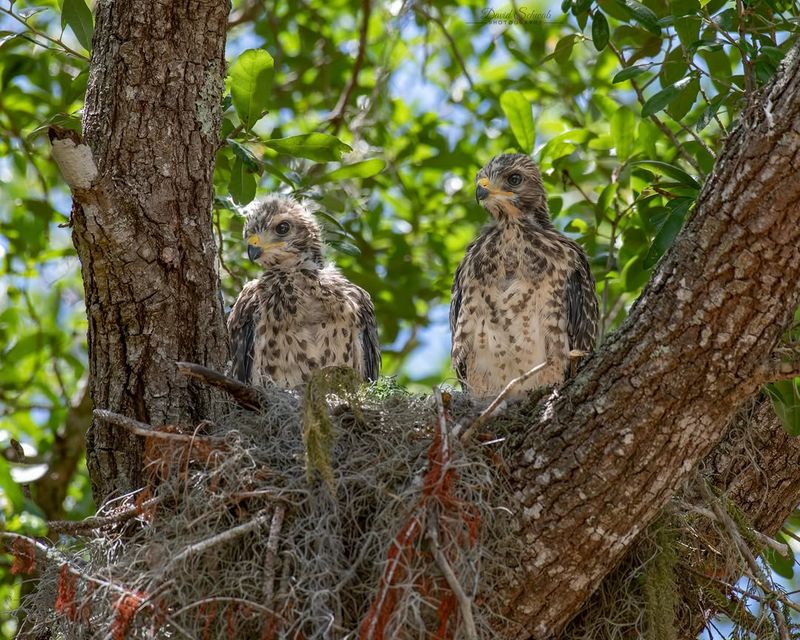
Hawks are not moving into neighborhoods by accident. Over the past decade, suburban areas across North Carolina have quietly become some of the most attractive hunting grounds available to raptors.
More food, fewer threats, and plenty of tall trees make residential yards almost irresistible to birds like Red-tailed Hawks, Cooper’s Hawks, and Sharp-shinned Hawks.
Think about what a typical backyard offers: bird feeders packed with songbirds, compost piles that attract mice, and mature oak or pine trees perfect for nesting.
Hawks are opportunistic hunters, and a yard full of activity is basically an open buffet. Suburban gardens have expanded dramatically across the Piedmont and Triangle regions, giving hawks more territory to claim as their own.
Reduced hunting pressure in residential areas also plays a huge role. Hawks feel safer near homes because natural predators are scarce.
Pair that with the warmth and shelter that mature landscaping provides, and nesting near a house becomes a logical choice for these clever birds.
Knowing why they come is the first step toward managing your yard in a way that works for both you and your wildlife neighbors.
Awareness really is the most powerful tool a North Carolina homeowner can carry into the garden.
2. Plantings That Attract Small Birds And Rodents
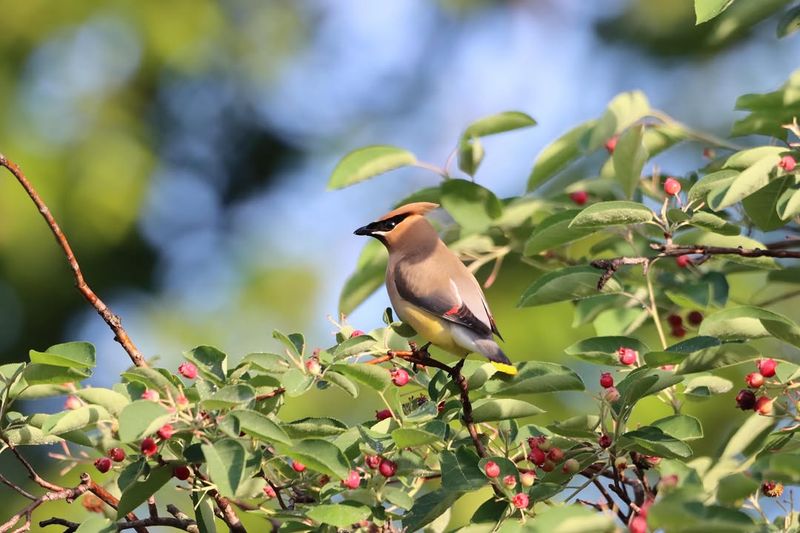
Your plant choices do more than make your yard look beautiful. Dense native shrubs, fruiting trees, and berry-producing plants create a thriving food web that stretches from insects all the way up to hawks.
American Beautyberry, Eastern Red Cedar, and Serviceberry are all beloved by North Carolina gardeners, and they happen to be magnets for the small birds and rodents that hawks prefer to hunt.
Serviceberry trees produce small fruits that attract robins, waxwings, and thrushes in large numbers. Where songbirds gather, hawks follow.
Similarly, dense shrub borders made of Wax Myrtle or Inkberry provide perfect hiding spots for sparrows and mice, both of which are high on a hawk’s menu.
Native plantings are wonderful for the ecosystem, but understanding their full impact helps you make smarter placement decisions around your yard.
Fruiting plants near open lawn areas are especially risky because they draw prey into exposed spaces where hawks can swoop easily. Grouping berry shrubs near thicker cover gives small birds a better chance of escaping.
Your North Carolina Garden Changes Every Week. Your Plan Should Too.
Gardening in North Carolina changes quickly throughout the season. Every Friday you’ll receive a simple weekly plan showing exactly what to plant, prune, fertilize, harvest, and protect so you never miss the right timing.
You do not have to remove your favorite native plants. Simply being strategic about where you place them relative to open sky, feeding stations, and sheltered spots can significantly reduce how often hawks find easy hunting success in your garden.
3. Maintain Safe Feeding And Water Stations
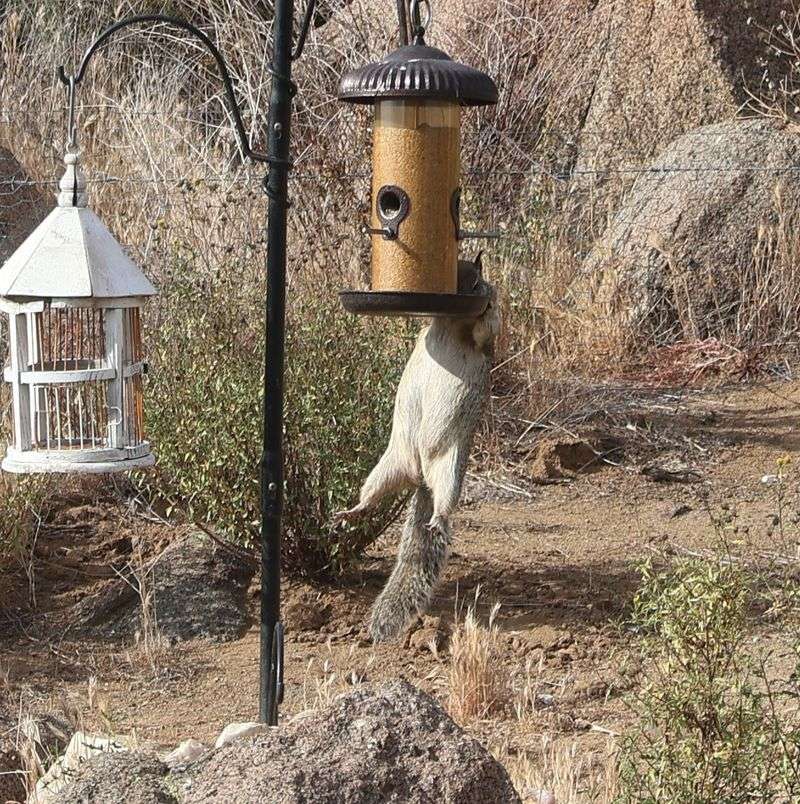
Placement matters more than most people realize when it comes to bird feeders and birdbaths. Hanging a feeder in the middle of an open yard is like setting up a target.
Hawks are ambush hunters, and a feeding station surrounded by open space gives small birds almost no chance to escape when a raptor comes in fast and low.
Positioning feeders within ten feet of dense shrubs or evergreen cover gives songbirds a quick escape route. Think of thick plantings as a safety net.
Birds can dart into the branches the moment a shadow passes overhead. Birdbaths work the same way.
When birds are bathing, they are distracted and vulnerable, so placing water stations near protective cover is just as important as where you hang your seed feeders.
Avoid placing feeders directly under large, open trees where hawks can perch and watch from above. Instead, choose spots with layered cover, meaning tall shrubs below mid-sized trees, so that birds have multiple escape options.
Cleaning up spilled seed regularly also reduces the rodent activity that draws hawks into the area in the first place.
A little thoughtful positioning makes your feeding stations far more enjoyable for backyard birds and far less productive for hungry raptors cruising your neighborhood skies.
4. Encourage Tall And Protective Cover
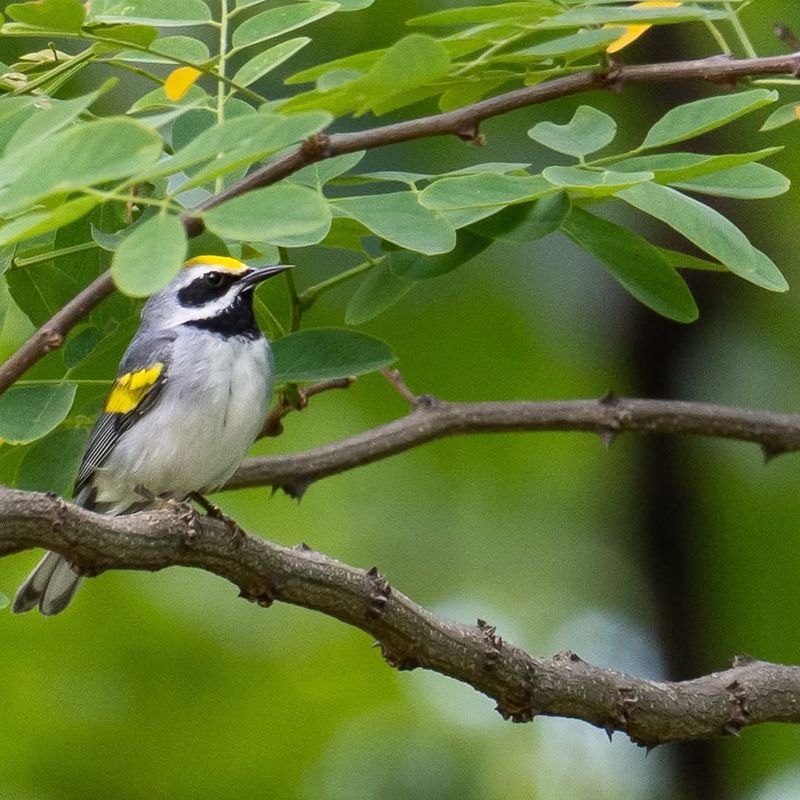
One of the most effective ways to protect small birds in your yard is also one of the most rewarding gardening projects you can take on. Planting dense, layered native shrubs creates a living shield that hawks find very difficult to hunt through.
Unlike open lawns or sparse flowerbeds, thick native plantings force hawks to work much harder for a meal.
Spicebush is a fantastic choice for North Carolina yards. It grows quickly, provides excellent dense cover, and produces berries that attract migrating birds in fall.
Eastern Red Cedar offers year-round evergreen shelter and nesting sites for many species. American Holly is another winner, staying green all winter and giving small birds a reliable refuge even on the coldest days.
The goal is to create layered planting zones rather than single-species hedges. When you combine tall shrubs with mid-level plantings and low ground covers, you build a habitat that small birds can navigate easily but hawks find frustrating to hunt in.
Dense cover also discourages hawks from setting up permanent nests nearby because the yard becomes less productive as a hunting ground.
Over time, thoughtful planting transforms your garden into a genuine sanctuary where songbirds thrive and raptors simply move on to easier territory down the street.
5. Avoid Attracting Unintended Prey
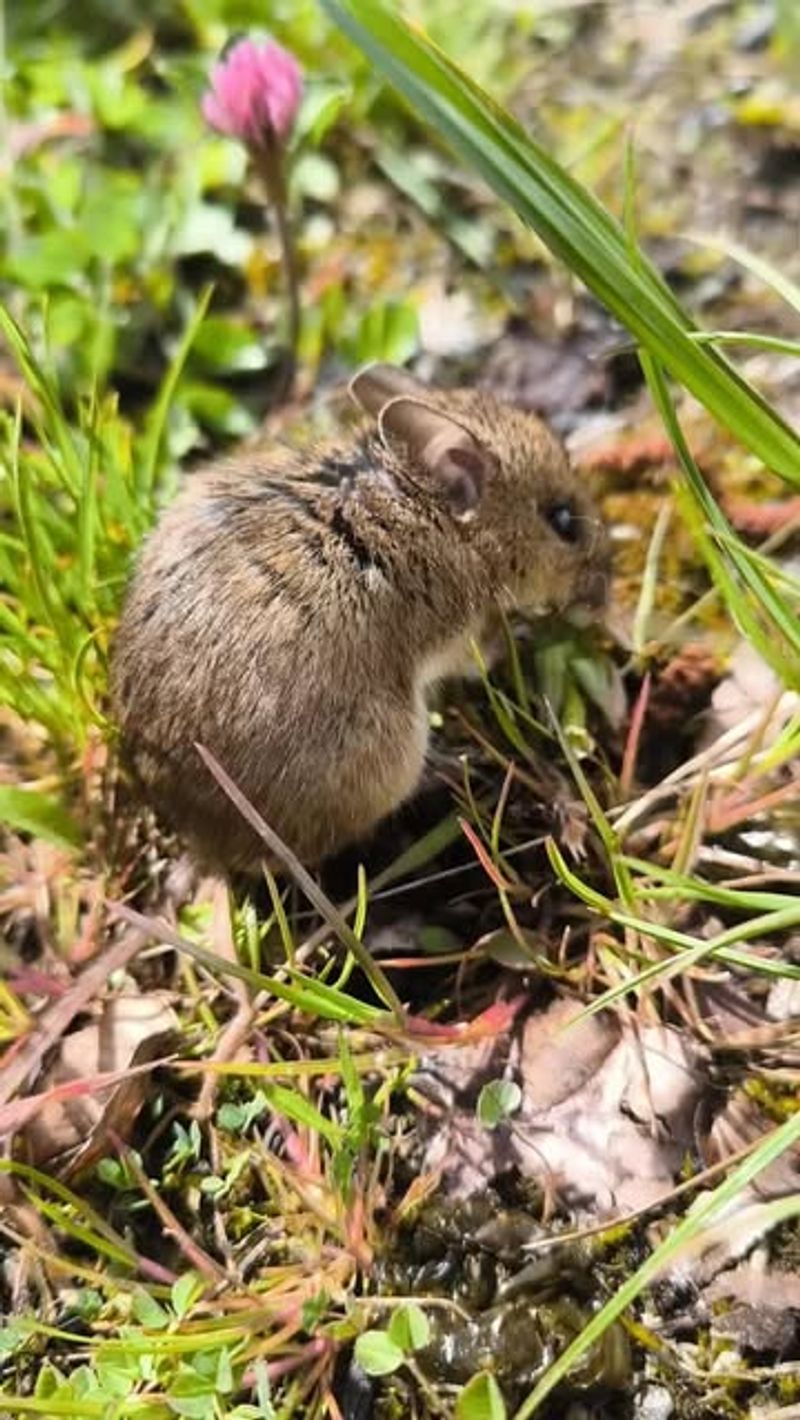
Mice and voles are a hawk’s favorite meal, and your garden might be rolling out the welcome mat without you even knowing it.
Spilled birdseed beneath feeders, fallen fruit from apple or pear trees, and open compost piles are among the top reasons rodents move into suburban yards across North Carolina. Where rodents go, hawks follow.
Switching to no-waste seed blends is one of the simplest fixes available. Hulled sunflower seeds, nyjer, and peanuts without shells leave very little debris on the ground.
Cleaning beneath feeders every few days removes the leftover material that attracts mice overnight. Fallen fruit should be picked up promptly rather than left to rot, and compost bins with tight-fitting lids keep organic material contained and out of reach.
Reducing rodent activity in your yard does more than just discourage hawks. It also protects your vegetable garden, reduces the chance of pest damage to bulbs and roots, and keeps your overall ecosystem healthier.
A well-maintained garden that does not accidentally feed a rodent population creates a natural balance where hawks have less reason to hunt nearby.
You still support a rich, diverse backyard habitat, you just stop offering the easy pickings that turn your yard into a hawk hunting zone every single season.
6. Monitor And Adjust Your Yard Layout
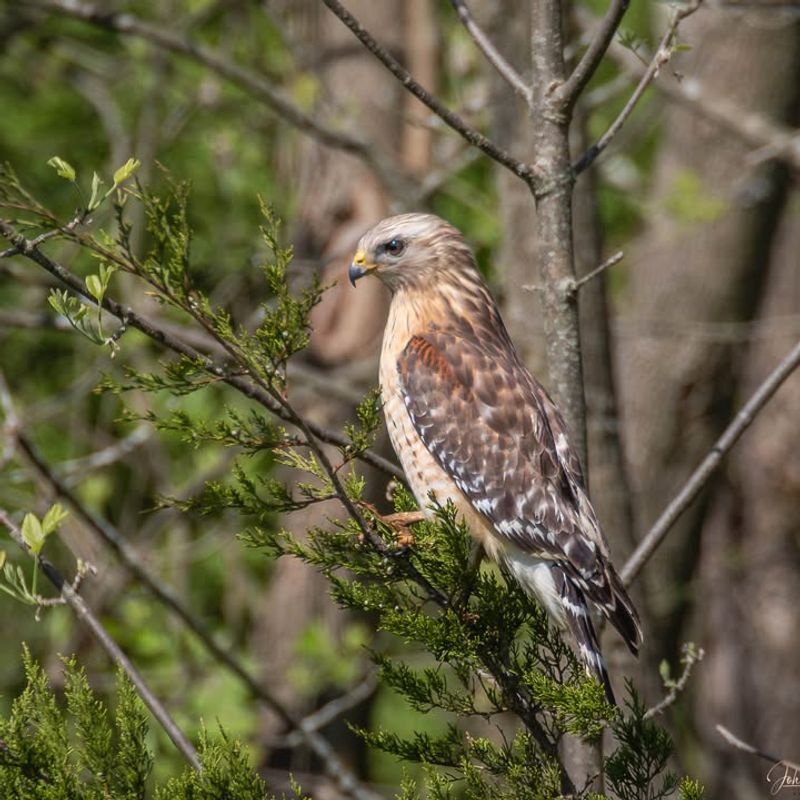
Watching what actually happens in your yard is one of the most underrated gardening skills around. Many homeowners set up feeders and plant shrubs without ever observing how hawks use the space.
Spending even fifteen minutes watching your yard in the morning and evening can reveal patterns you would never notice otherwise, like which tree a hawk uses as a lookout or which open patch of lawn it prefers for hunting runs.
Once you identify hawk activity zones, you can make targeted adjustments. If a hawk consistently perches on a specific branch to watch your feeder, adding dense shrubs between that perch and the feeder breaks the sightline.
Relocating a feeder by just a few feet can sometimes make a dramatic difference in how safe your visiting birds feel. Seasonal changes matter too, because hawk behavior shifts during nesting season in spring and migration periods in fall.
Keeping a simple garden journal helps you track these patterns over time. Note which species visit, where hawks appear, and how your plantings change the dynamic as they grow.
Gardening is never a one-and-done project, and your yard’s relationship with local wildlife evolves every single year.
Staying observant and flexible means you can keep improving your space so that it works beautifully for the birds you love while staying one step ahead of the raptors.
7. Use Natural Deterrents Strategically
Hawks are incredibly smart birds, and they adapt quickly to anything that stays in the same place too long. That is the most important thing to understand before you invest in visual deterrents.
A plastic owl bolted to a fence post works for about three days before a Cooper’s Hawk figures out it has never moved and starts ignoring it completely.
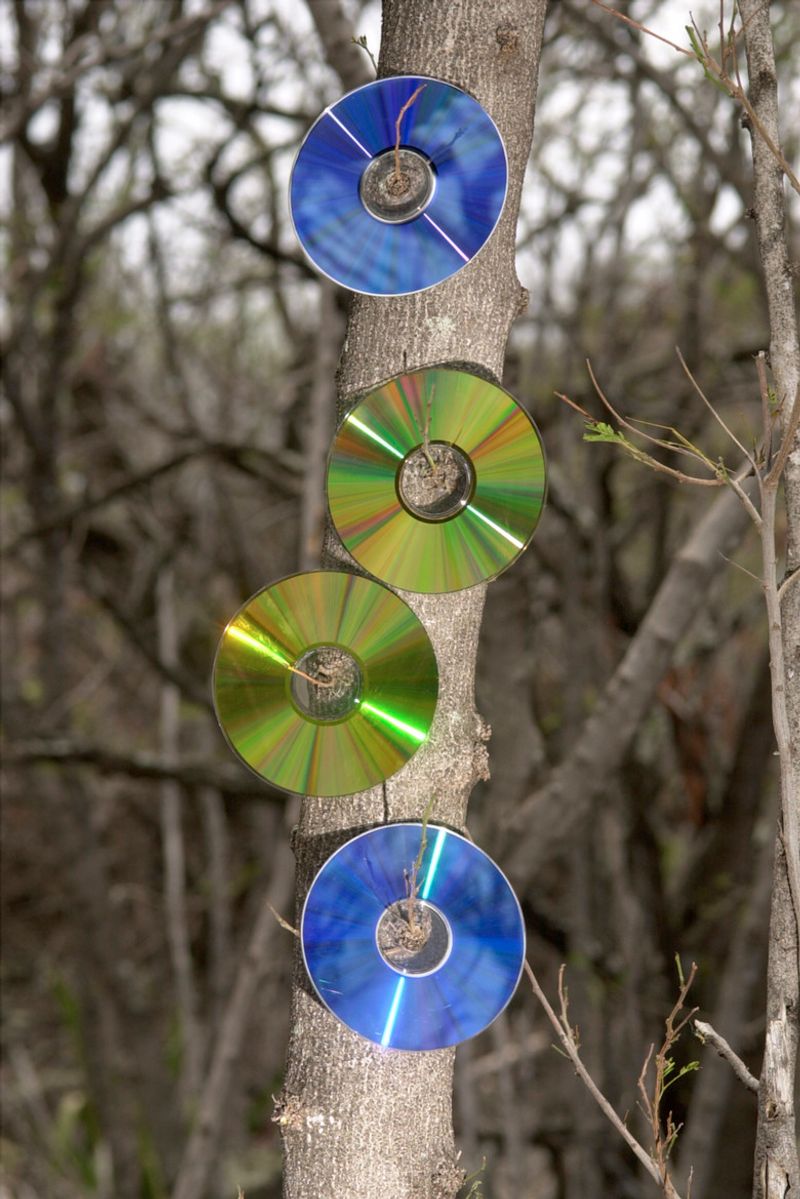
The key to making deterrents work is rotation and unpredictability. Reflective tape, old CDs, and metallic pinwheels catch light and create movement that makes hawks uncomfortable.
But you need to move them to different spots every few days to maintain their effectiveness.
Some gardeners use multiple deterrents and rotate through them on a weekly schedule, which keeps local hawks guessing and less confident about hunting near feeders.
Realistic hawk or owl decoys can also be useful when moved frequently and placed in visible, elevated spots. Pairing a decoy with reflective elements nearby adds an extra layer of visual disruption that raptors find unsettling.
Never rely on a single deterrent method alone. Combining reflective movement, decoy placement, and strategic shrub cover creates a layered defense that is far more effective than any one trick on its own.
Consistency and creativity are what separate a yard that hawks avoid from one they visit every single morning without hesitation.
8. Promote A Balanced Backyard Ecosystem
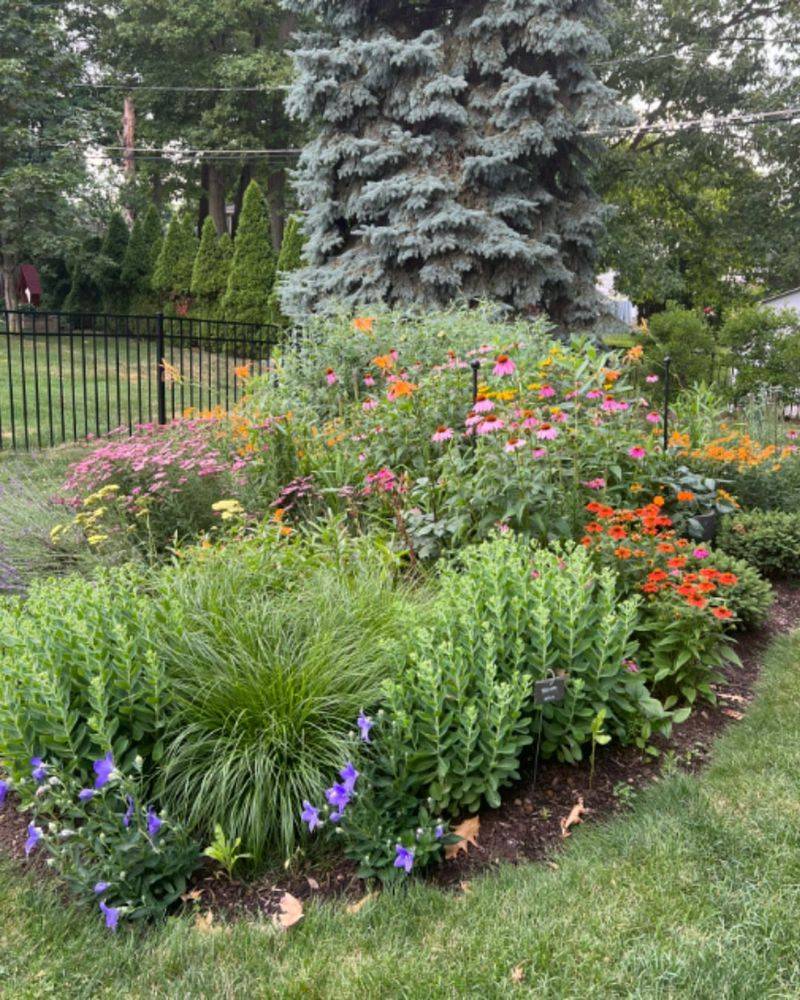
A backyard that buzzes with insects, pollinators, and diverse plant life is genuinely one of the most hawk-resistant environments you can create. It sounds counterintuitive at first, but hear it out.
When a garden supports a wide variety of wildlife rather than concentrating one type of prey in one spot, hawks have less reason to set up a permanent hunting territory nearby.
Native wildflowers like Black-eyed Susan, Purple Coneflower, and Wild Bergamot attract pollinators that support insect-eating birds.
Those birds spread out across the garden rather than crowding a single feeder, which makes them harder for hawks to target efficiently.
Adding native grasses and layered shrub plantings gives small mammals and ground-feeding birds more cover and more dispersed food sources across the yard.
Biodiversity also strengthens your garden against pest outbreaks, drought stress, and seasonal changes in ways that monoculture planting never can.
A healthy, balanced yard takes care of itself more easily, requires fewer interventions, and rewards you with incredible wildlife watching throughout the year.
When hawks do visit, and they likely will occasionally, they tend to pass through rather than settle in because the prey is spread out and well-protected. Building a balanced ecosystem is not just good for the birds.
It is good for every living thing that calls your North Carolina garden home.
9. Educate Yourself On Local Raptors
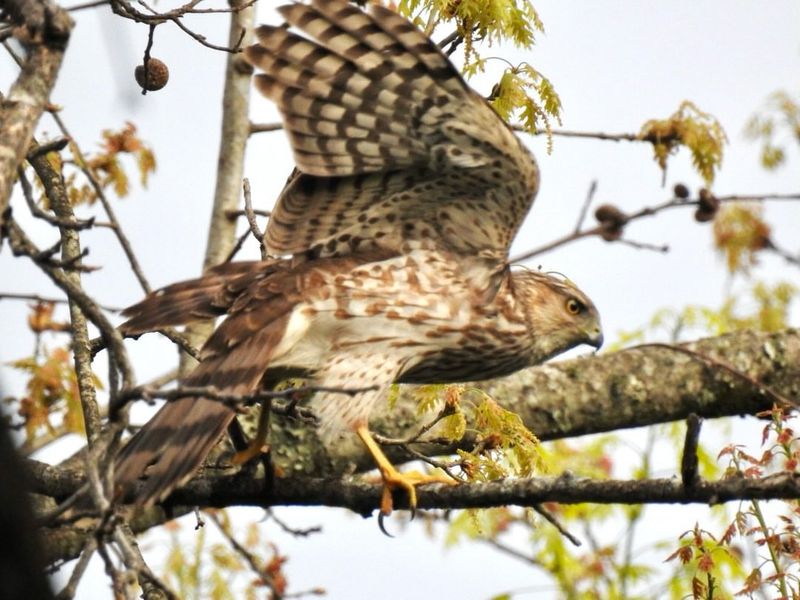
Knowing your local hawks by name and habit changes everything about how you manage your garden. North Carolina is home to several raptor species, and each one behaves a little differently.
The Red-tailed Hawk is the big, broad-winged bird you often see soaring over open fields and highway medians. The Cooper’s Hawk is the sneaky one, built for threading through trees at high speed to ambush feeder birds in your backyard.
Sharp-shinned Hawks look almost identical to Cooper’s Hawks but are smaller and tend to visit during fall migration rather than nesting year-round.
Broad-winged Hawks pass through in impressive numbers each September during migration, though they rarely linger long enough to cause issues around feeders.
Understanding these seasonal patterns helps you anticipate when your feeder birds face the most risk and when you can relax your guard a little.
Resources like the Cornell Lab of Ornithology website, local Audubon Society chapters, and the North Carolina Wildlife Resources Commission all offer excellent identification guides and seasonal activity maps.
Connecting with local birding groups gives you real-time information about what species are active in your area.
The more you know about the raptors sharing your neighborhood, the better equipped you are to design a landscape that keeps your favorite songbirds safe while still honoring the incredible wildness that hawks bring to every North Carolina sky.