The One Thing North Carolina Fig Trees Need Before The First Freeze To Protect Their Wood
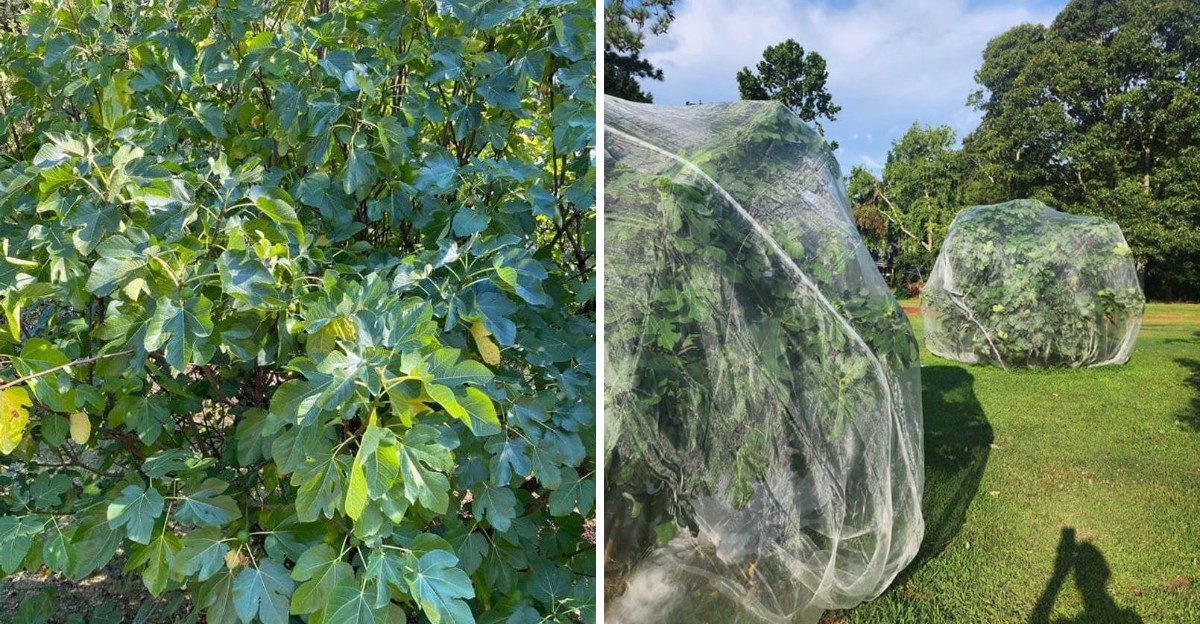
Fig wood is surprisingly vulnerable compared to most fruit trees grown in North Carolina, and one specific step before the first freeze plays an outsized role in whether a tree comes through winter with its branches intact.
Because figs originated in a much milder Mediterranean climate, their wood lacks the natural cold tolerance that apples, pears, and other common orchard trees have built up over generations of adaptation to harsher winters.
Skipping this protective step can mean losing significant portions of a tree’s structure to cold damage, even in a winter that isn’t particularly severe by North Carolina standards.
The good news is that this protection doesn’t require much time or expense, just the right timing before that first hard freeze actually arrives.
1. Protect The Lower Trunk With Loose Soil Or Mulch
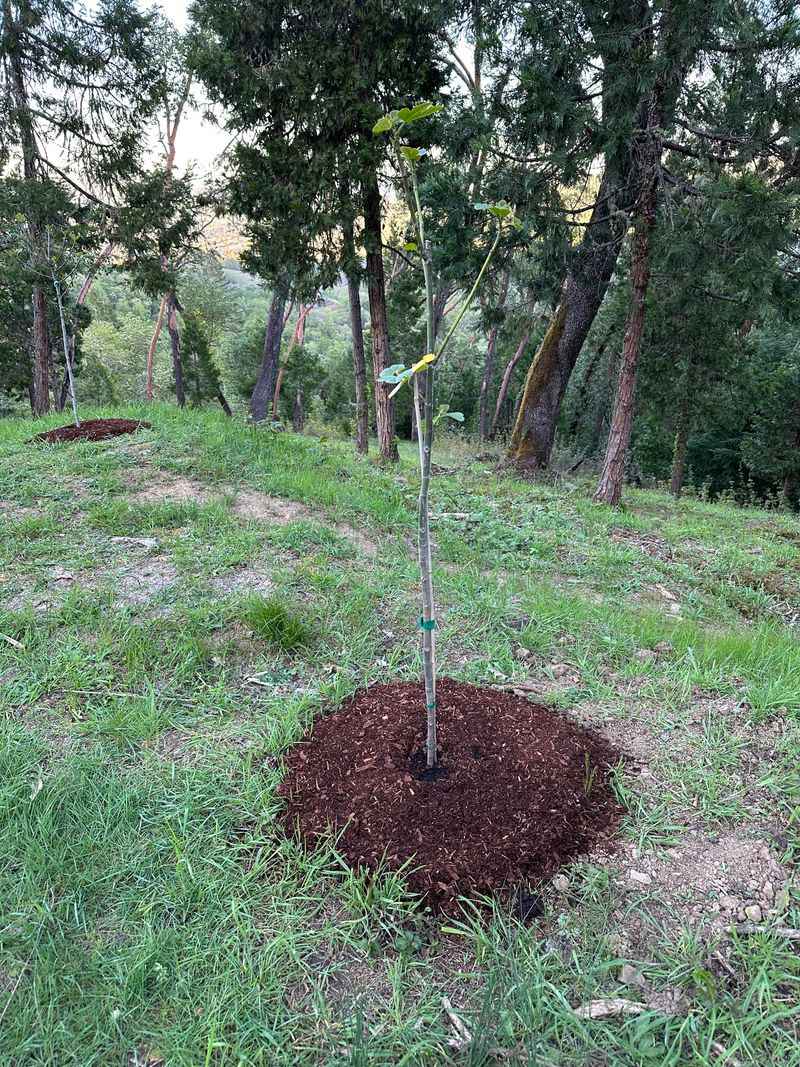
Frosty mornings demand a solid layer of defense against the chill. A fig tree needs something similar, only lower down, right where the trunk meets the ground.
NC State Extension suggests piling loose soil or mulch about 1 to 2 feet high around the base of fig trunks in late fall. Why the bottom?
Figs are tough in many ways, but their wood is not built for long, hard cold snaps. When a severe freeze hits, the tops can freeze back, sometimes all the way to the ground.
If the lower trunk stays safe under a mound, buds hidden inside it can push out fresh shoots once spring arrives. That pile works like a blanket, trapping warmth from the earth and slowing sudden temperature swings on icy nights.
Even in the Piedmont or mountains, where winters bite harder than on the coast, this simple step can save years of growth.
Loose material matters here. Packed, heavy dirt can hold too much water and squeeze air away from the bark, while fluffy mulch or crumbly soil lets the trunk breathe.
Good choices include shredded leaves, pine straw, wood chips, or garden soil pulled from another bed.
Start by clearing weeds from the base so pests have fewer hiding spots. Then heap your material evenly around the trunk, shaping it into a wide cone.
A quick check after heavy rain helps too, since storms can wash part of the pile away. It takes maybe twenty minutes, yet the payoff could be a fig that bounces back strong and loaded with sweet fruit next summer.
2. Young Figs Need Extra Protection
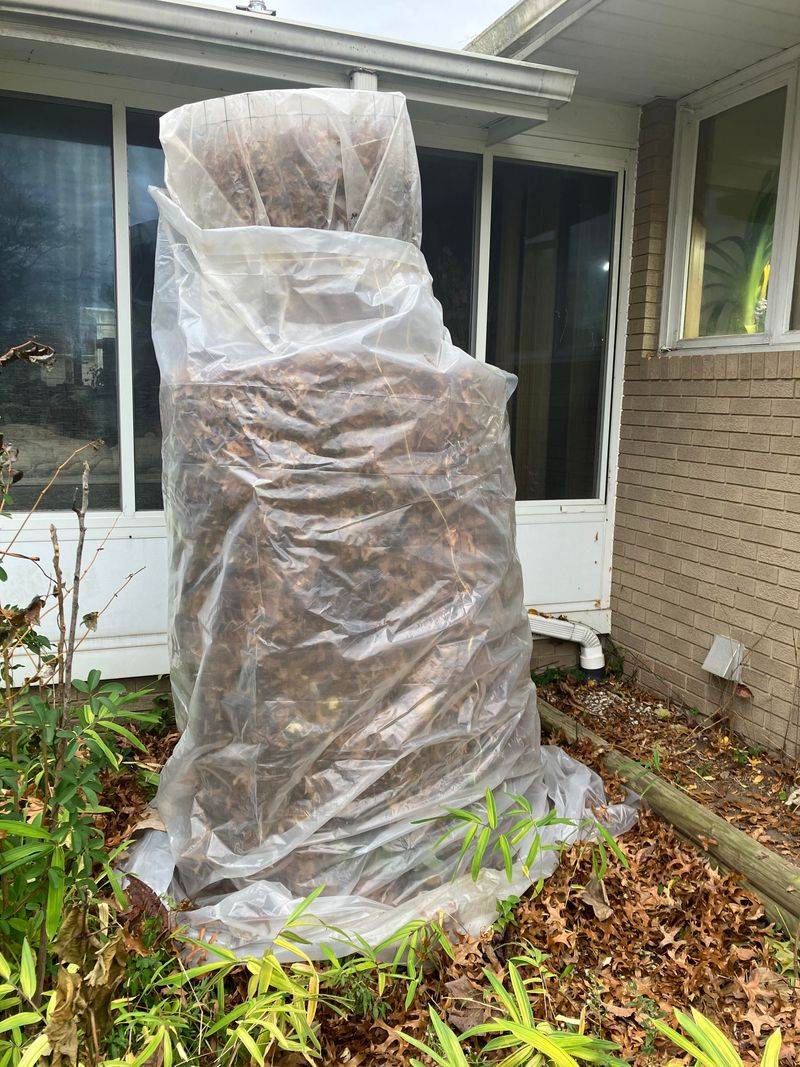
Planted a new fig this year? Congratulations, and also, keep a close eye on it as the weather cools. Young figs are far more likely to suffer winter injury than older, well-rooted trees.
The reason comes down to size and strength. A baby fig has thin stems with little stored energy, and its roots have not yet spread deep into the soil.
Older trunks develop thicker bark and more tissue that can handle a cold shock, while fresh wood simply has less armor.
Roots play a big role too. A fig planted in spring or summer has only had a few months to settle in, so it lacks the reserves needed to recover quickly from damage.
Your North Carolina Garden Changes Every Week. Your Plan Should Too.
Gardening in North Carolina changes quickly throughout the season. Every Friday you’ll receive a simple weekly plan showing exactly what to plant, prune, fertilize, harvest, and protect so you never miss the right timing.
If a hard freeze hits the top growth, a young plant may struggle to push new shoots without that healthy base.
That is exactly why the lower trunk deserves special attention on recently planted figs. Mounding soil or mulch around the base protects the buds that matter most, since those buds can rebuild the plant even if everything above ground freezes back.
Think of it as an insurance policy for your investment. Container figs need care of their own. Pots expose roots to cold air from every side, so many North Carolina gardeners roll them into an unheated garage or shed for the coldest weeks.
Here is a handy tip for in-ground plants. Wrapping a ring of chicken wire around the trunk, then filling it with shredded leaves or straw, keeps the insulation from blowing away.
After two or three winters, your fig will be sturdier and much easier to protect.
3. Wait Until Late Fall
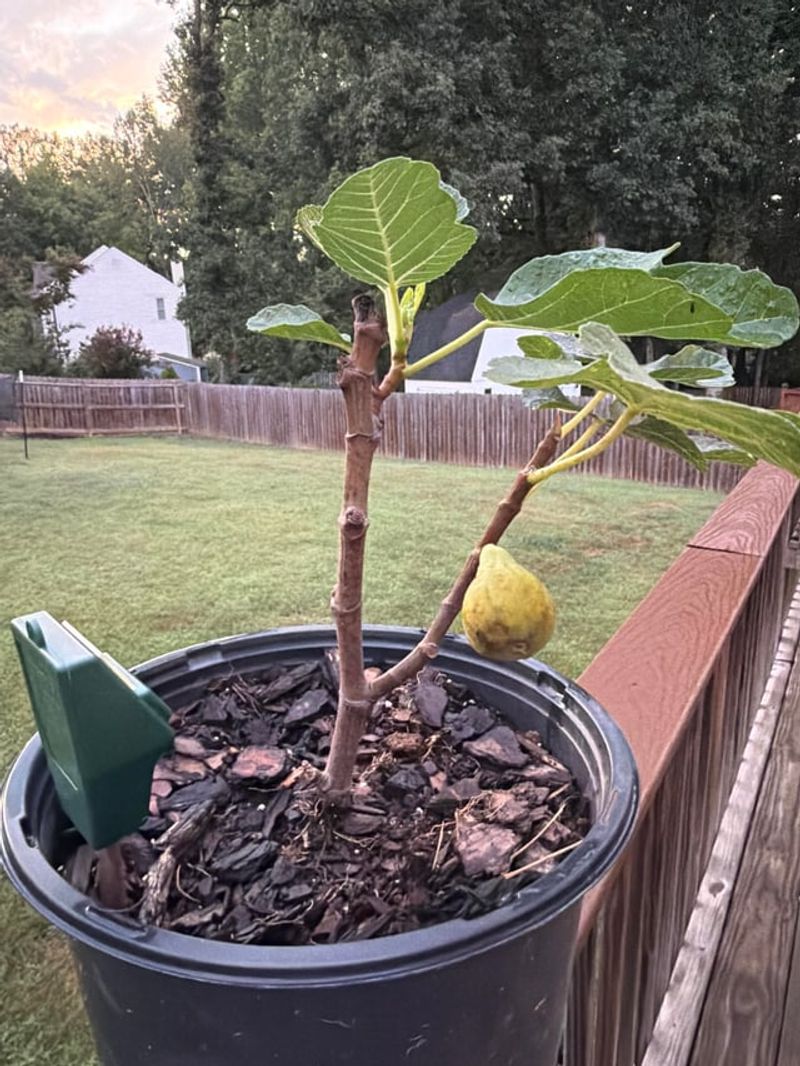
Patience pays off with figs, especially in autumn. Rushing to bundle up your tree in early October might feel responsible, but it can actually work against the plant.
Figs, like many woody plants, read the season through shorter days and cooler nights. As daylight fades, the tree slows its growth, drops its leaves, and starts hardening its wood for winter.
Those first light frosts send another signal that says, loud and clear, time to rest. Cover the trunk too soon, and you interrupt that natural process. A mound of warm, moist mulch piled on during mild weather may keep tissues softer than they should be.
Early insulation can also invite fungus problems, insects, and even hungry voles looking for a snug winter home.
So when is the right moment? For most of North Carolina, late fall works best, usually after the leaves have dropped and a few frosts have passed.
Along the coast, that might be late November or early December, while mountain gardeners often act a few weeks sooner.
Watch the tree rather than the calendar. Yellowing leaves, a bare canopy, and those first crunchy frosty mornings on the lawn are your cue to grab the mulch.
Keep an eye on the forecast as well. If an unusually early arctic blast is coming before your fig has fully rested, adding protection a little ahead of schedule makes sense.
The goal is balance, giving the plant time to toughen up on its own while still stepping in before truly harsh cold arrives. A little waiting now leads to stronger wood later.
4. Do Not Prune Hard Before The Freeze
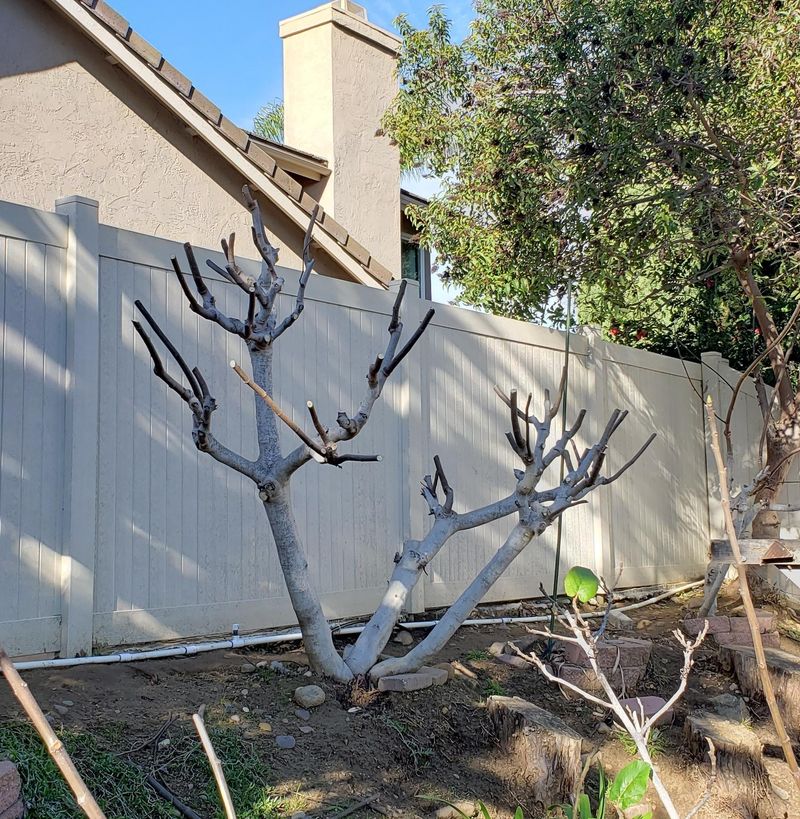
Grabbing the loppers in October can feel like tidying up before winter guests arrive. With figs, though, that instinct can backfire in a big way.
Pruning sends a message to a plant that says grow. After a hard cut, a fig may try to push fresh shoots from buds near the wound, and that tender growth has no chance to harden before cold weather arrives.
One sharp freeze can then damage both the new sprouts and the surrounding wood. Fresh cuts create another weak spot. Open wounds on stems give cold air an easy path inside, and they can make it harder for the branch to seal itself during winter.
Leaving the branches alone lets the tree go into dormancy whole and steady. There is a bonus reason to wait. Even if the top of your fig suffers some winter damage, you cannot always tell which branches made it until spring.
Pruning in fall means you might remove healthy wood and leave behind the injured parts by mistake.
NC State advises saving major fig pruning for late winter, just before new growth begins. In much of North Carolina, that means February or early March.
By then you can spot brown, brittle branches and cut them back to live, green tissue. A quick scratch test helps here. Scrape a tiny bit of bark with your thumbnail, and if you see green underneath, that wood is still alive.
Small fall fixes are fine, like removing a branch that snapped in a storm. Just keep the big shaping job for later, when the tree is ready to grow.
5. Avoid Excess Nitrogen Late In The Season
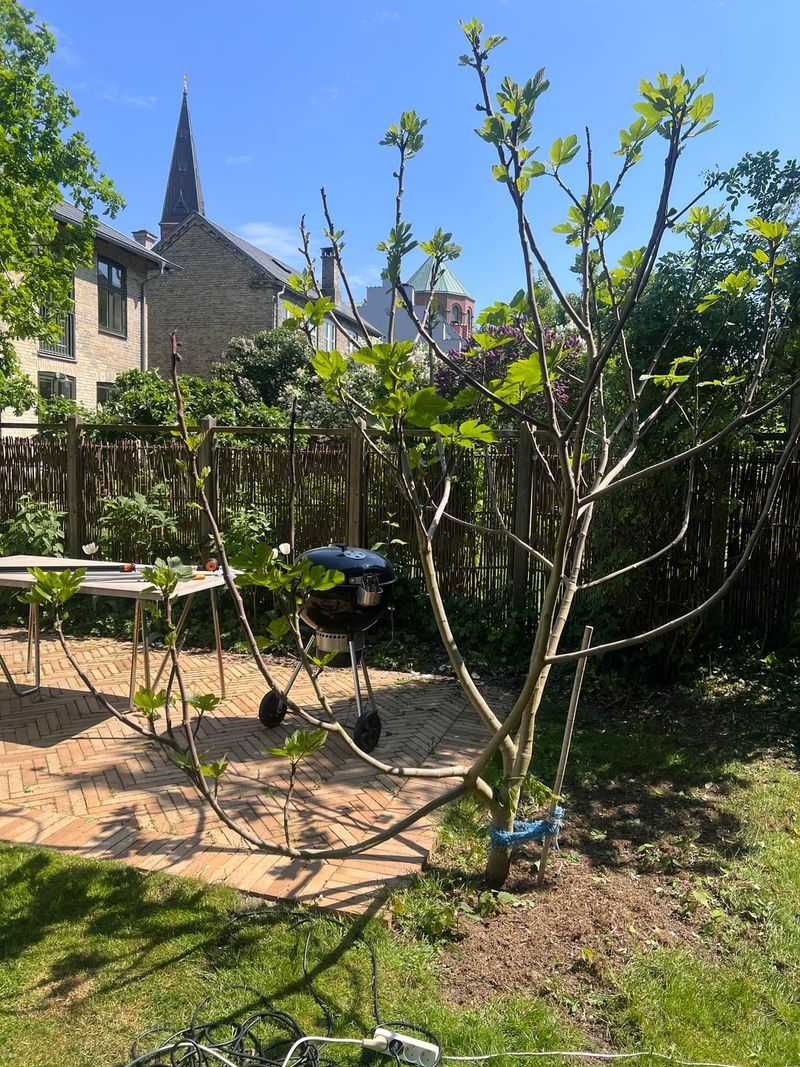
Nitrogen is like an energy drink for plants. A little boost helps leaves grow green and lush, but too much at the wrong time keeps a fig running when it should be winding down.
According to NC State, excess nitrogen can push figs to produce succulent late-season growth. Those soft, sappy shoots are full of water and have not had time to toughen into sturdy wood.
When the first hard freeze rolls in, that tender growth is the first to suffer, and injury can spread deeper into the branch.
Figs are light feeders compared with many fruit crops. Heavy fertilizing often leads to plenty of leaves and long stems but fewer ripe figs, so more is rarely better.
A tree that grows over a foot of new shoot length in a season may not need fertilizer at all.
Timing matters most. If your fig needs feeding, spread a balanced fertilizer in late winter or early spring, with an optional light follow-up by early summer.
After about July, skip the fertilizer bag entirely so the tree can shift its focus toward ripening fruit and hardening off.
Watch out for hidden nitrogen sources too. Lawn fertilizer spread nearby can wash into the fig’s root zone, and heaps of fresh manure or grass clippings can add more than you expect.
A simple soil test through the North Carolina Department of Agriculture shows exactly what your soil needs, and it is free for residents during much of the year. Guessing less and testing more keeps your fig healthy, balanced, and ready for winter.
6. Give The Root Zone Appropriate Moisture
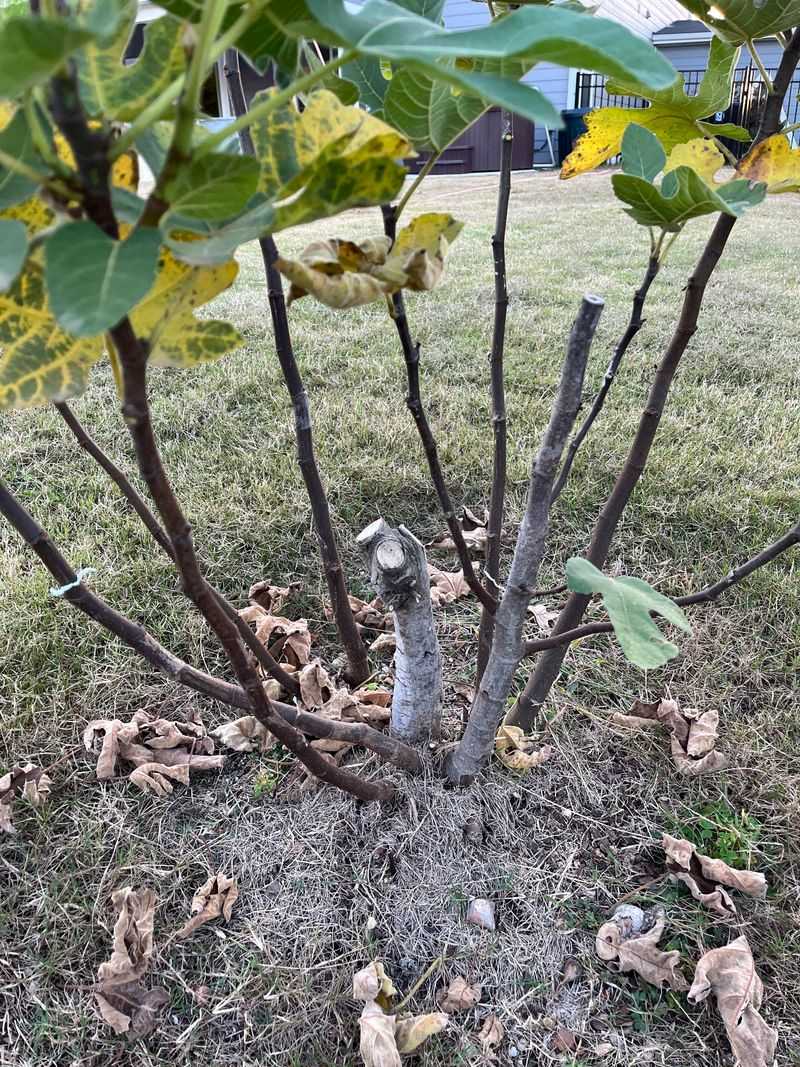
Thirsty roots make for a rough winter. Many gardeners forget about watering once summer ends, yet a fig that heads into cold weather bone-dry is already starting at a disadvantage.
Here is what happens. Winter wind and sun pull moisture from stems even while the tree rests, a process called desiccation.
When the soil is dry or frozen, roots cannot replace that lost water, and the wood can end up damaged by drying out as much as by the cold itself.
Moist soil also holds heat better than dry soil. That stored warmth rises slowly overnight, giving the root zone a little extra cushion during a sudden freeze.
That explains why many growers give their plants a deep drink a day or two before a hard cold snap is forecast.
Fall in North Carolina can bring surprise dry spells, especially in September and October. If rain has been scarce, water deeply once a week, soaking the soil several inches down instead of giving a quick sprinkle.
Balance is key, though. Figs dislike soggy feet, and roots sitting in waterlogged soil for weeks can struggle to get the oxygen they need.
Heavy clay, common across the Piedmont, drains slowly, so check before you water by pushing a finger a couple of inches into the ground.
Damp but not muddy is the sweet spot. If the soil already feels wet, skip the hose and let nature do the job.
Mulch helps here as well, holding moisture steady while shielding roots from temperature swings. One smart habit can end up doing double duty.
7. Protect More Than Just The Trunk When Severe Cold Is Expected
Twenty degrees. That number should make any North Carolina fig grower sit up and check the forecast twice.
Figs can freeze back to the ground when temperatures drop to around 20°F or lower. A mound at the base protects the lower buds, but the branches above stay exposed.
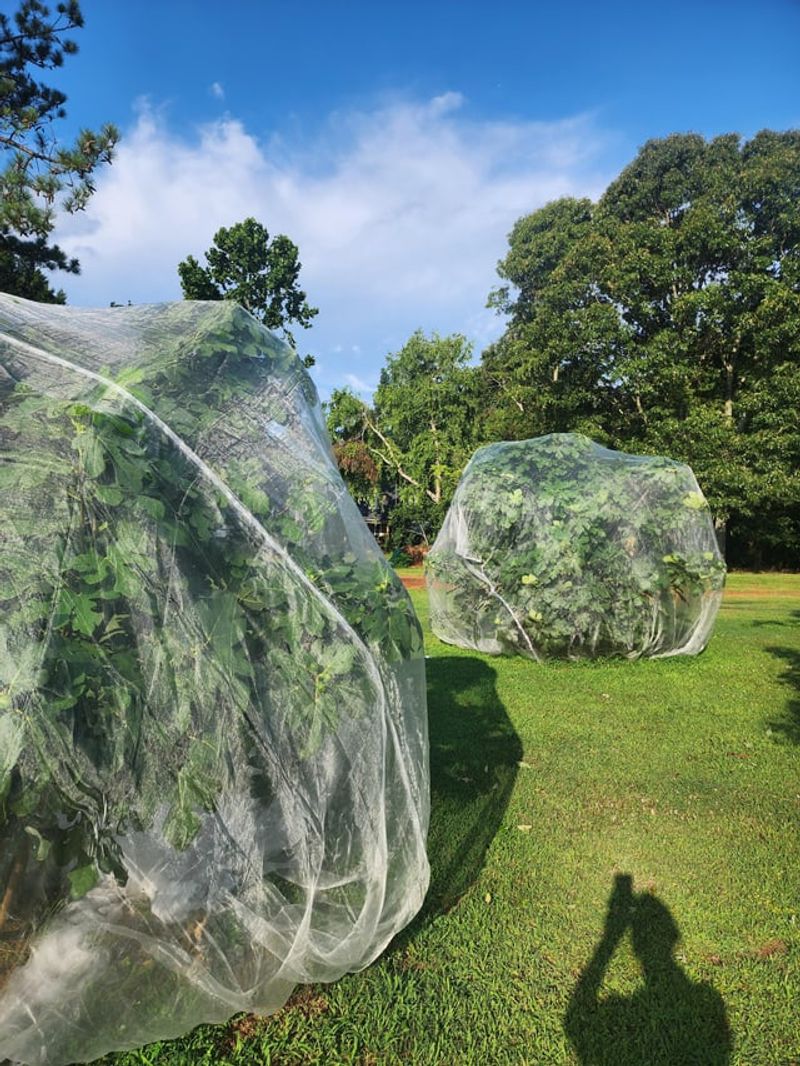
When a truly harsh cold wave is on the way, NC State suggests covering the whole plant with materials such as straw, tarpaulins, or cornstalks.
Old-time Southern gardeners have used these tricks for generations. Some tied bundles of cornstalks upright around their fig bushes like a teepee, while others stuffed straw between the branches and wrapped everything in burlap or a tarp.
A simple method works well for smaller trees. Gently pull the branches together with soft twine, then surround them with a cage of chicken wire or stakes.
Fill the space with straw or dry leaves, and top it with a tarp to shed rain and block harsh wind.
Take care with plastic sheeting. If it touches the branches directly, cold can pass right through, and on sunny days trapped heat may build up inside. Frost cloth or burlap layered over straw usually does a better job.
For large, mature figs, full wrapping may not be practical. In that case, focus on protecting the lower trunk well, and accept that some top growth might freeze back.
Once the cold snap passes and milder days return, loosen or remove the covers so air can move freely. Your fig will thank you with healthy spring leaves.
8. Remove The Winter Protection In Spring
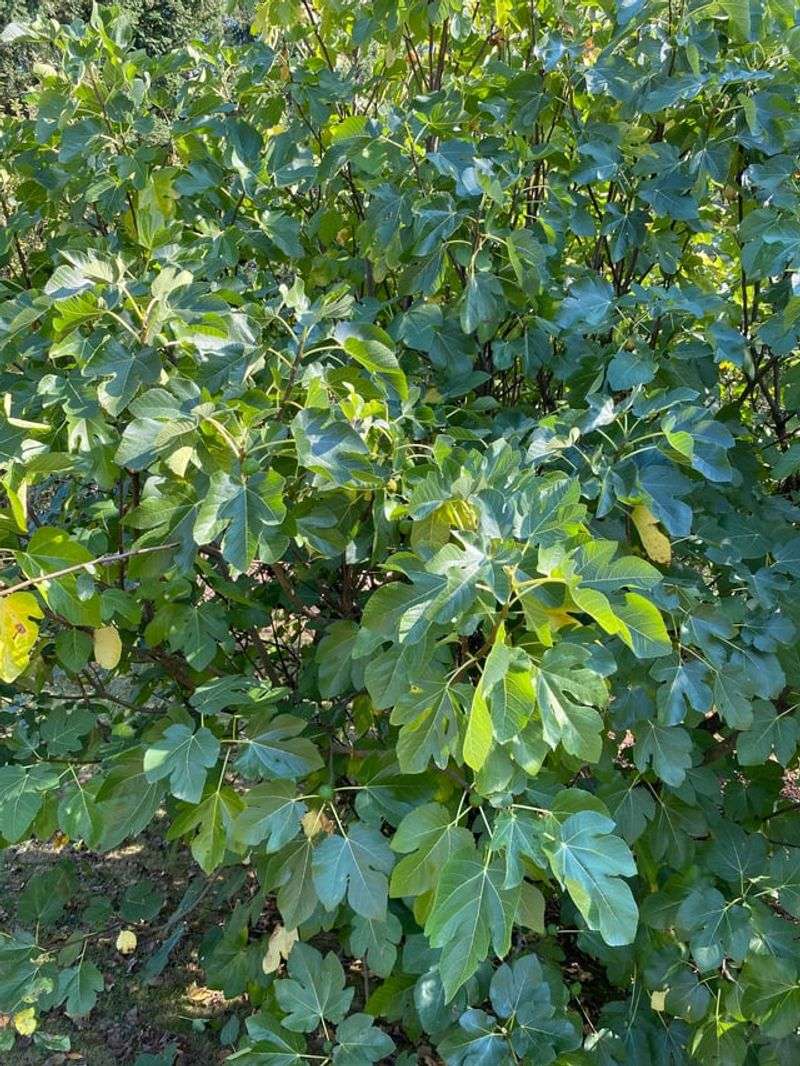
Spring in North Carolina arrives with dogwood blooms, pollen on every car, and one more fig chore to finish. The soil or mulch you piled around the trunk last fall has done its job, and now it needs to come off.
Why not just leave it? Bark on a fig trunk is meant to be exposed to air and sunlight during the growing season.
Keeping it buried in damp material for months can soften the bark, invite rot, and create a hiding spot for insects and rodents.
The mound also changes how the trunk grows. With too much soil against it, the tree may try sending roots from the buried stem, which is not how a healthy fig should grow in the long run.
Timing is everything. Wait until the danger of frost has passed for your area, since a late cold snap can still harm tender new shoots.
In the Piedmont and farther east, that often means April, while mountain gardeners may need to hold off until May.
Use your hands or a small rake to pull the material back gently. Buds and young sprouts near the base can be fragile, so work slowly around them.
Nothing goes to waste, either. Spread the pulled mulch in a thin layer, about 2 to 3 inches deep, across the root zone, keeping it a few inches away from the trunk.
Afterward, take a close look at the stems and celebrate the fresh green growth. Your fall effort paid off beautifully. Soon enough, those branches will be heavy with sweet summer figs.