The One Thing North Carolina Sweet Corn Needs In July Or Earworms Will Ruin Every Ear
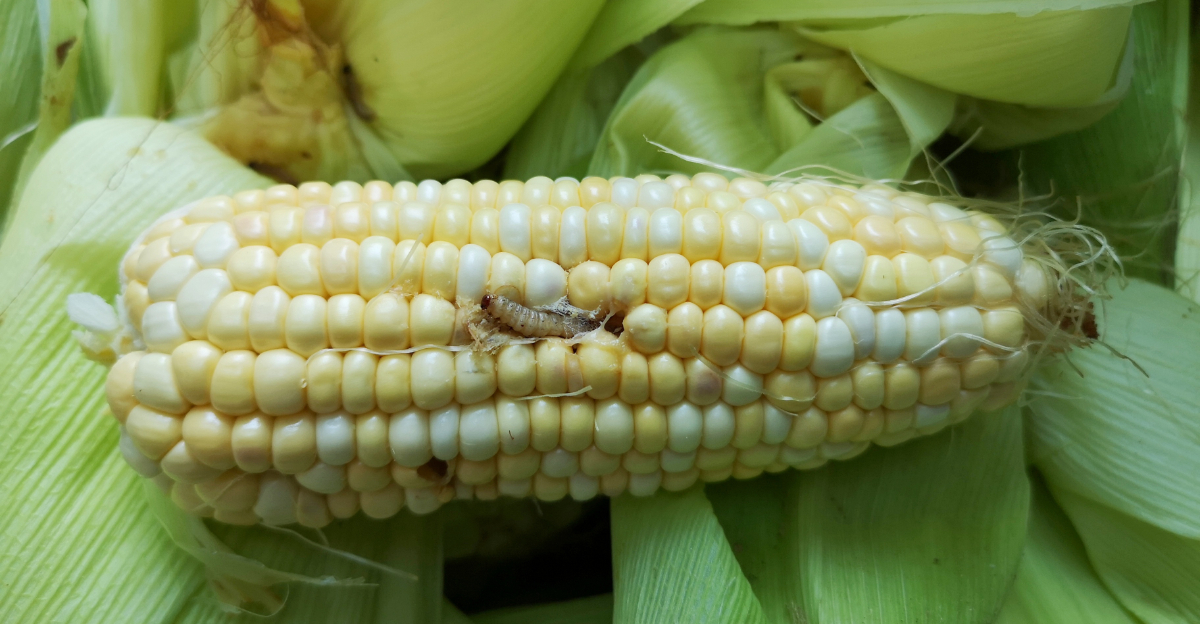
Corn earworms are one of the most reliable disappointments in a North Carolina vegetable garden, showing up inside husks that looked perfect from the outside until the moment they were peeled back.
July is when the window for meaningful prevention is open, and it closes faster than most gardeners expect once silking begins and the plant becomes fully vulnerable.
There is one specific thing sweet corn needs during this window that directly interrupts the earworm’s access to the developing ear. Miss it and the damage is already done before harvest arrives.
Apply it correctly and at the right stage and the ears that come off the stalks in late summer actually reflect the full effort put into growing them all season long.
1. Protect Fresh Silks In July
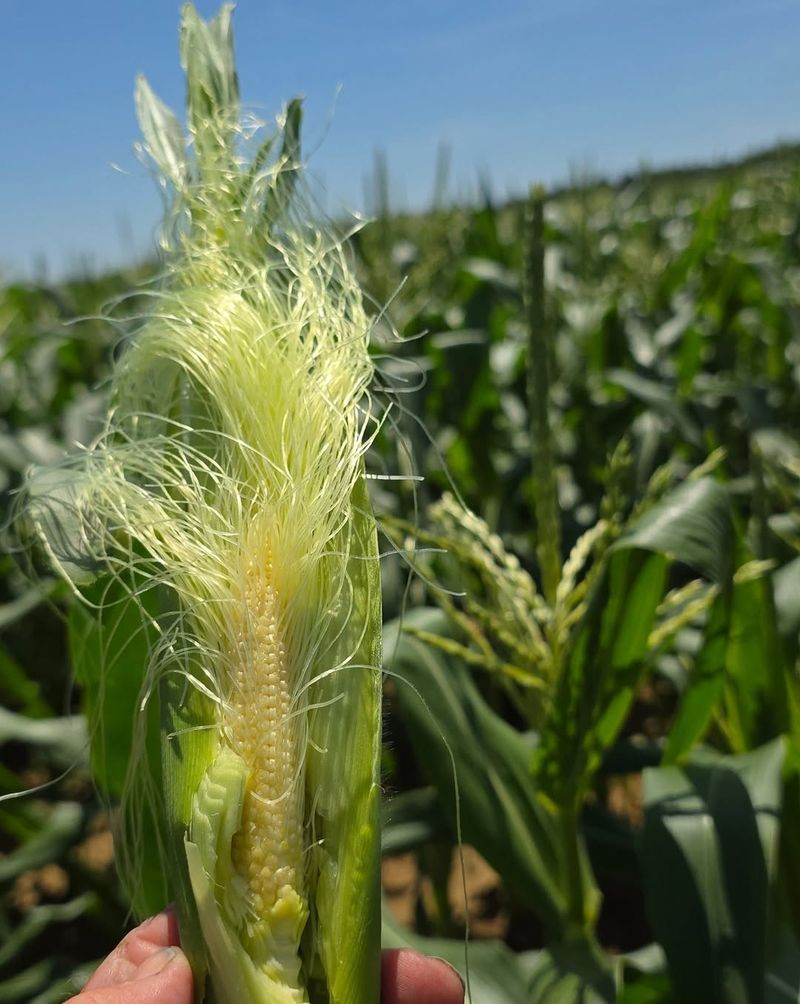
Fresh silks are the most important part of your sweet corn plant in July, and here is why that matters so much. Corn earworm moths are active during warm summer nights, and they search specifically for those soft, newly emerged silks to lay their eggs.
Each tiny egg is placed right on or near the silk, and once it hatches, the young caterpillar immediately starts moving downward through the silk channel toward the ear. By the time you notice anything wrong, the pest is already inside.
The silk stage is genuinely the best window you have to take action. Once silks appear, usually brown or golden-green and soft to the touch, that is your signal to start paying close attention.
Waiting even a few days too long can mean the difference between a clean ear and one full of damage. Gardeners who understand this timing have a real advantage over those who only check their corn every few days or wait for visible problems.
North Carolina summers create perfect conditions for earworm activity because of the warm nights and high humidity. Moths can lay hundreds of eggs over a short period, and the warm soil temperatures speed up hatching time dramatically.
Protecting silks means protecting every ear on your corn plants, so think of the silk stage as your one true opportunity to stay ahead of the problem. Act early, stay consistent, and your harvest will reflect the effort.
2. Do Not Wait Until The Ears Look Damaged
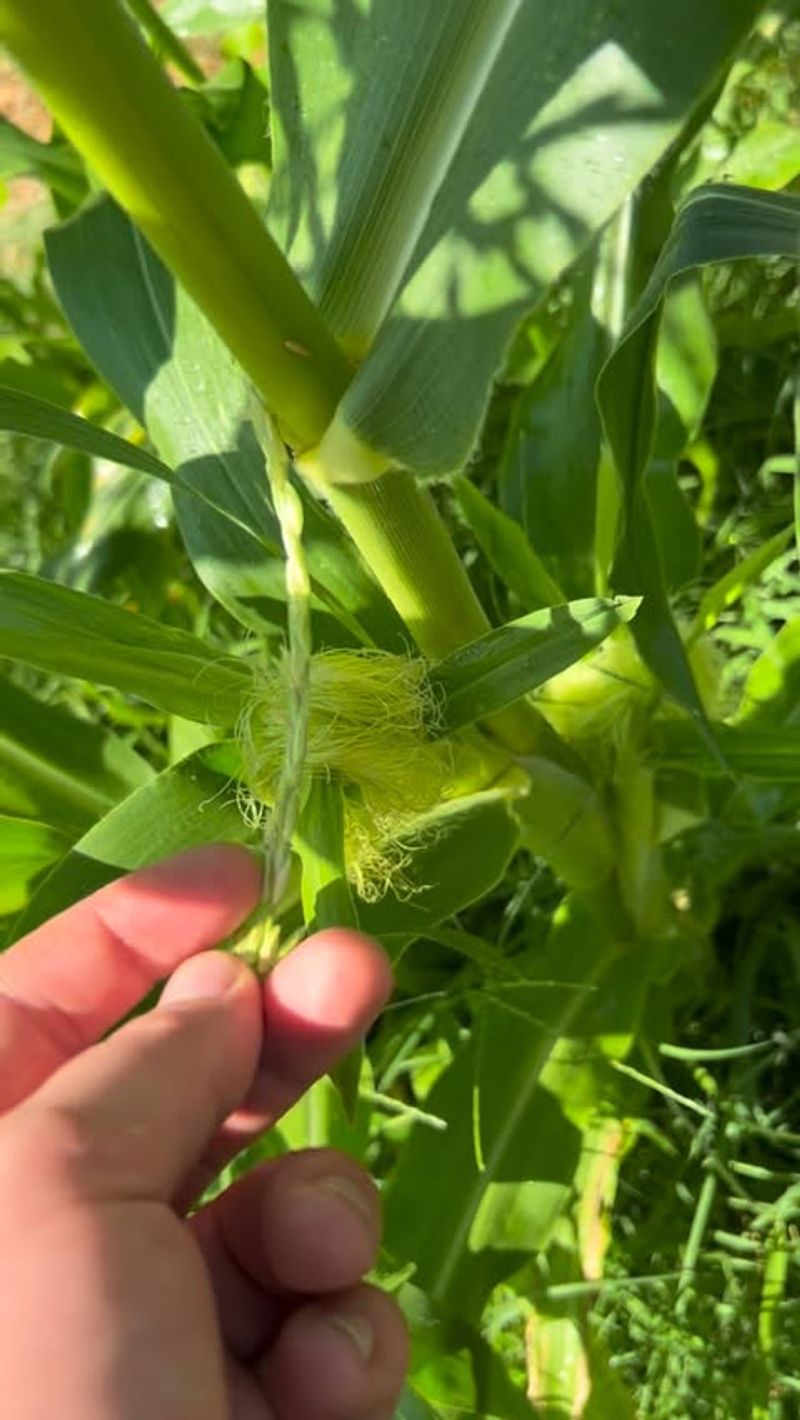
Many gardeners make the same honest mistake every season. They walk through their corn patch, see everything looking green and healthy on the outside, and assume there is nothing to worry about.
The problem with that approach is that corn earworms do their worst damage from the inside out, and by the time you see any sign of trouble on the outside of the ear, the caterpillar has already been feeding for days.
Once a caterpillar enters the ear through the silk channel, it moves quickly toward the tip of the developing kernels. At that point, reaching it with any surface treatment becomes nearly impossible.
The husk acts like a protective barrier that keeps sprays and other treatments from getting anywhere near the pest. So the idea of waiting to see damage and then responding is really not a workable plan for sweet corn in a North Carolina July.
Your North Carolina Garden Changes Every Week. Your Plan Should Too.
Gardening in North Carolina changes quickly throughout the season. Every Friday you’ll receive a simple weekly plan showing exactly what to plant, prune, fertilize, harvest, and protect so you never miss the right timing.
Sweet corn protection has to happen while silks are still fresh and before the pest gets inside. Think of it like locking the door before someone walks through rather than trying to chase them out after they are already inside.
The earlier you start paying attention, the more options you have. Gardeners who shift their mindset from reactive to proactive tend to see far better results at harvest time.
Check your silks, know what to look for, and plan your response before you ever spot a problem. That timing is everything when earworm pressure is at its peak.
3. Check Silks Every Day During Peak Pressure
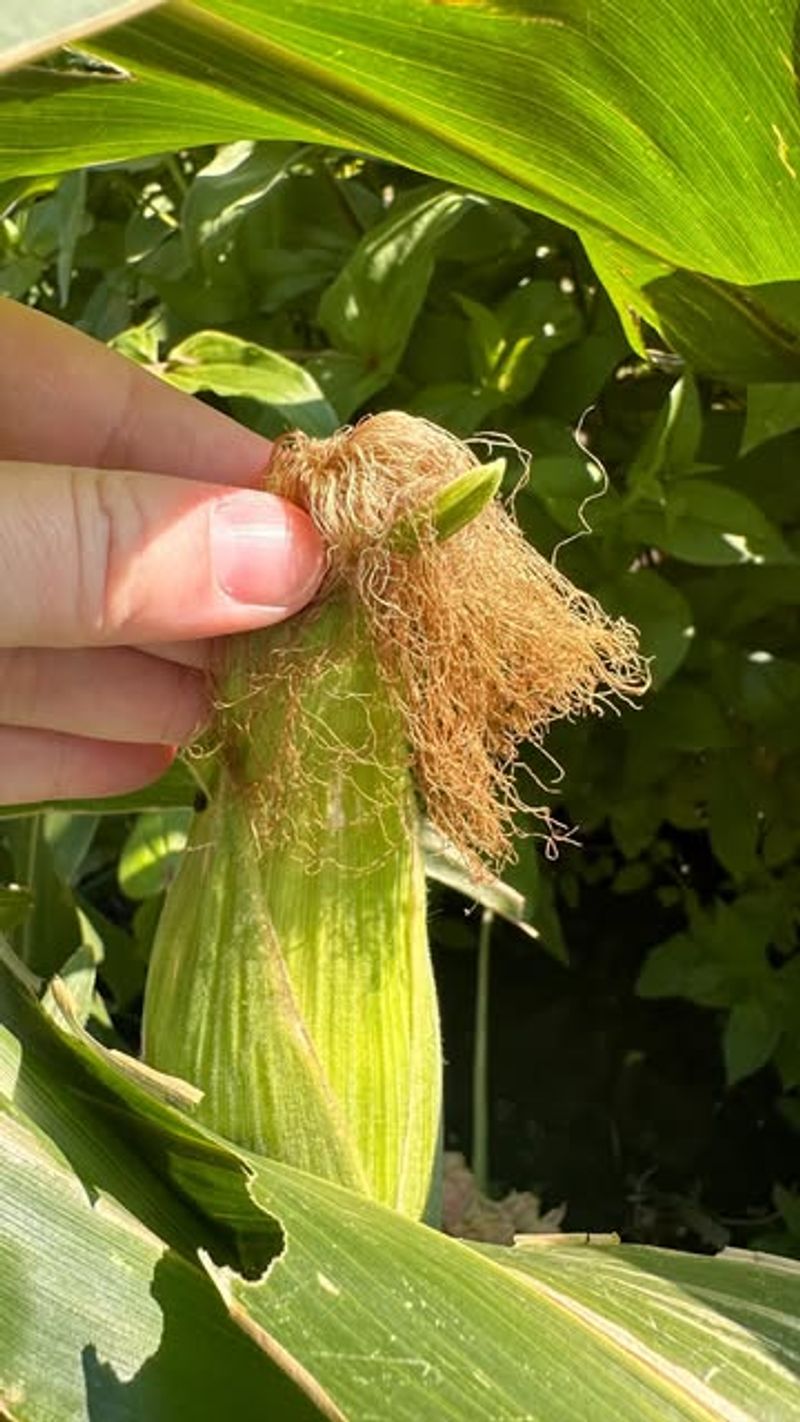
Once silks appear on your sweet corn, daily inspections become one of the most valuable habits you can build.
Warm July temperatures in North Carolina can speed up egg hatching faster than you might expect, and a single missed day of checking can give earworms just enough time to move past the silk and into the ear.
That small window closes quickly, and consistent monitoring is what keeps you in control.
When you walk your corn rows each morning, focus on the newest silks first. Fresh, light-colored silks that have just emerged are the ones earworm moths prefer for egg laying.
Look closely at the very tip of the ear where the silks come out, and also scan nearby leaves for any signs of moth activity or frass, which is the fine powdery material caterpillars leave behind as they feed.
You do not need any special equipment, just your eyes and a few minutes of focused attention.
Moth pressure in North Carolina tends to increase as summer moves from July into August, so the urgency of daily checks actually grows over time rather than fading.
Growers who stay consistent with their inspections catch problems at the earliest possible stage, which is exactly when you have the most options available.
Make it part of your morning routine, like watering or weeding. A quick walk through the corn patch every single day costs almost nothing but can protect the entire harvest you have been working toward since spring planting.
4. Time Ear Tip Treatment Carefully
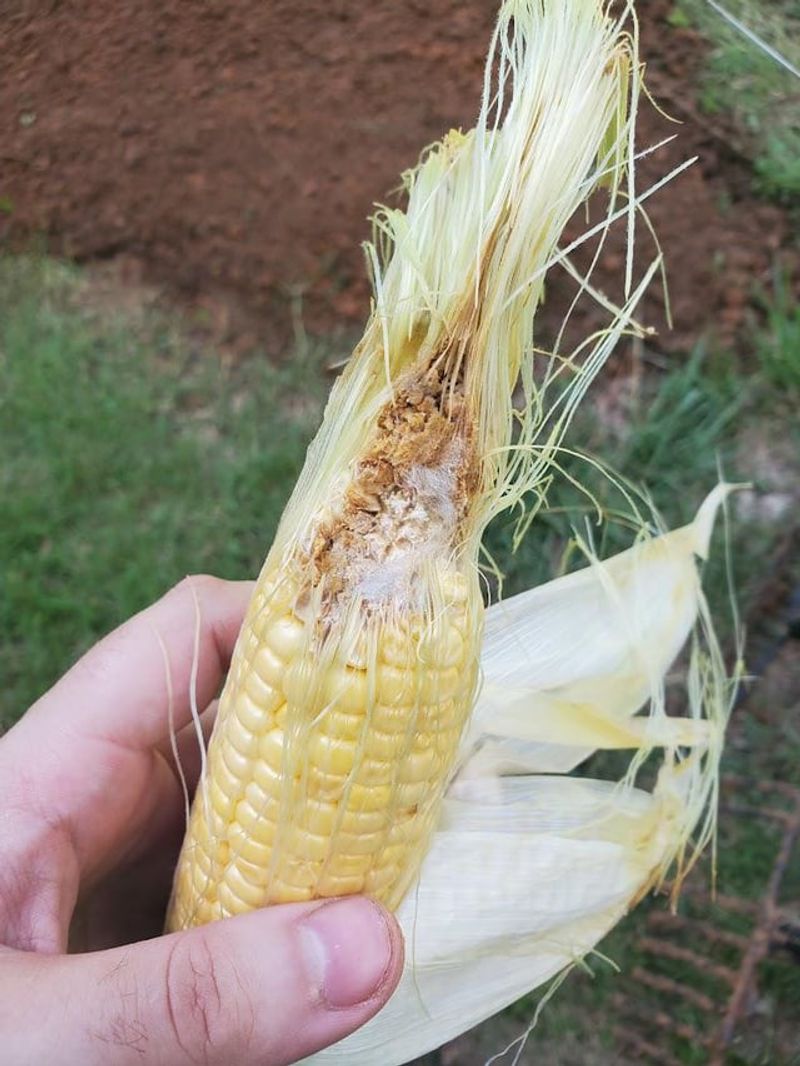
Timing is everything when it comes to treating ear tips, and getting it right can make a real difference in how many clean ears you bring in at harvest.
Some small-scale home gardeners use a mineral oil application at the ear tip once silks have fully emerged and been pollinated.
The idea is to create a barrier that makes it harder for newly hatched caterpillars to travel down the silk channel. When combined with a labeled product like Bacillus thuringiensis, commonly known as Bt, or pyrethrum, the approach can be even more effective.
Bt is a naturally occurring soil bacteria that affects caterpillars specifically without harming beneficial insects when used correctly.
It works best when caterpillars are young and actively feeding near the surface, which is another reason why timing the application to the silk stage is so important.
Always read and follow the product label exactly, because the label is the legal and practical guide for how and when to apply any treatment safely.
Using a product outside of its labeled instructions can reduce effectiveness and may create other problems in your garden.
Treating after caterpillars have already entered the ear offers very little benefit. The husk seals around the pest and prevents any surface treatment from reaching it.
Think of ear tip treatment as a well-timed first line of response rather than a last resort. Apply it when silks are fresh, follow label directions carefully, and repeat according to the product schedule if pressure continues through the season.
5. Planting Earlier Helps Avoid The Worst Pressure
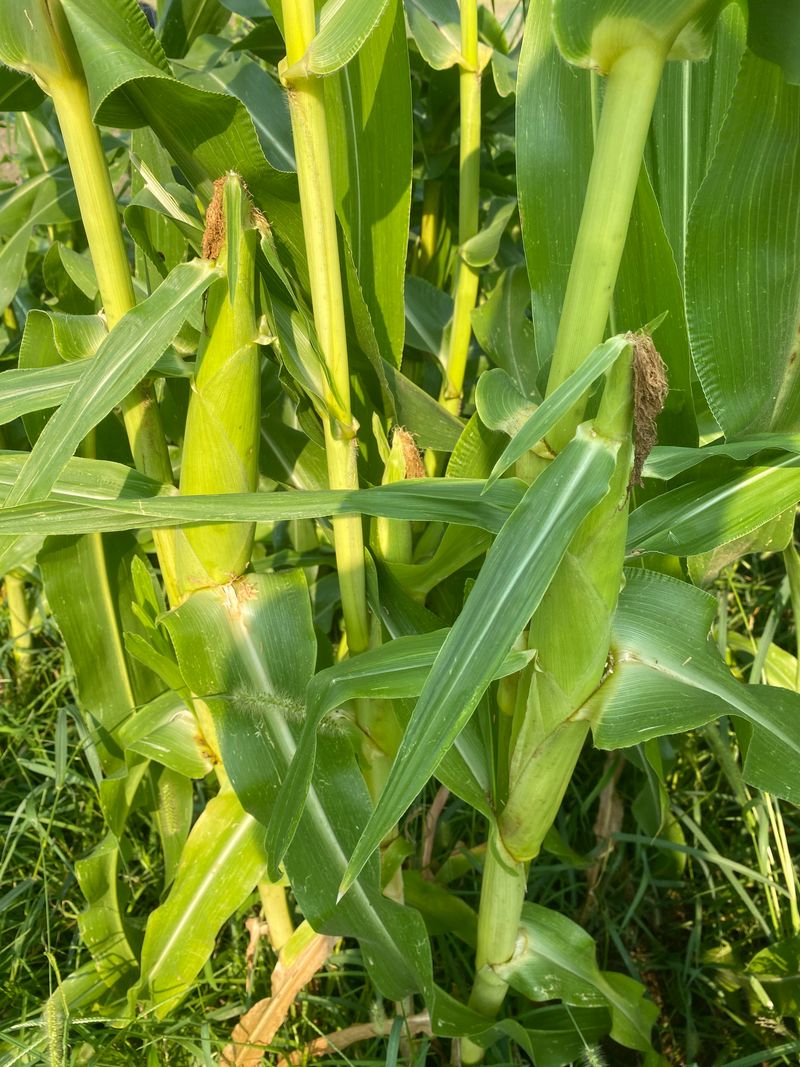
One of the smartest moves a North Carolina sweet corn grower can make actually happens months before July even arrives.
Planting your corn early enough to reach harvest before the height of summer pest pressure is a strategy that experienced gardeners in the region swear by.
NC State University extension resources note that many growers deliberately plan their planting schedule so that ears are ready to pick before August, when both earworm and armyworm populations tend to peak across the state.
Early-planted corn benefits from cooler nights during its most vulnerable growth stages, and the moth populations that cause the most damage are simply lower in late spring and early summer than they are in the heat of July and August.
That does not mean early corn is completely free from pest pressure, but the scale of the problem is usually more manageable.
Gardeners who harvest in late June or early July often report noticeably cleaner ears than those still picking in August.
Now is a great time to start thinking about next year, even if your current crop is already in the ground. Mark your calendar with the dates you planted this season and the dates you started seeing silk, then track when earworm pressure felt highest.
That personal record from your own yard is incredibly valuable for planning future plantings. Small shifts in timing, even just two or three weeks earlier, can change your results significantly.
Early planning and early planting are two of the most practical tools available to any North Carolina sweet corn grower.
6. Tight Husks Give Ears More Protection
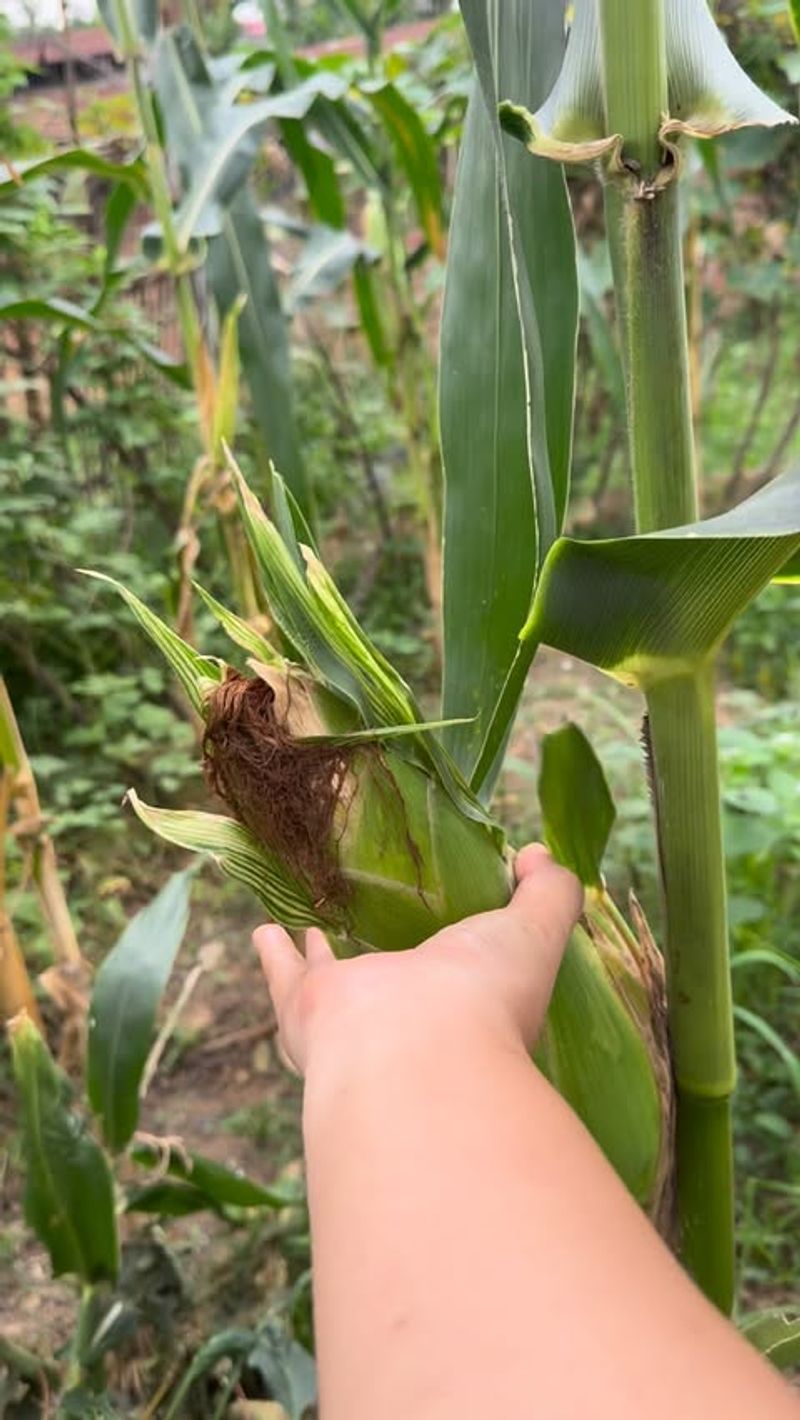
Not all sweet corn varieties are created equal when it comes to standing up to pest pressure, and husk tightness is one trait worth paying attention to when you choose what to plant next season.
Ears with husks that wrap tightly around the tip create a physical barrier that makes it harder for newly hatched caterpillars to find their way inside.
While no variety is completely immune to earworm damage, some do offer a meaningful degree of extra protection simply through their structure.
The difference between a loosely wrapped ear and a tightly wrapped one might not seem like much, but in a season with heavy moth pressure, that small physical barrier can reduce the number of ears that get damaged.
Tighter husks extend past the tip of the ear and give caterpillars less of an easy entry point.
Combined with timely treatments and daily monitoring, choosing a variety with better husk coverage gives you one more layer of defense without adding much extra effort to your routine.
Picking the right variety for your specific location in North Carolina is something your local Cooperative Extension office can genuinely help with.
Extension agents track which varieties perform well in local conditions, including pest pressure, heat, and soil type.
Asking for their recommendations before you order seeds next year is one of the most practical steps you can take.
Variety choice alone will not solve an earworm problem, but it is a smart piece of a larger strategy that starts long before the first seed goes in the ground.
7. Keep Corn Growing Without Stress
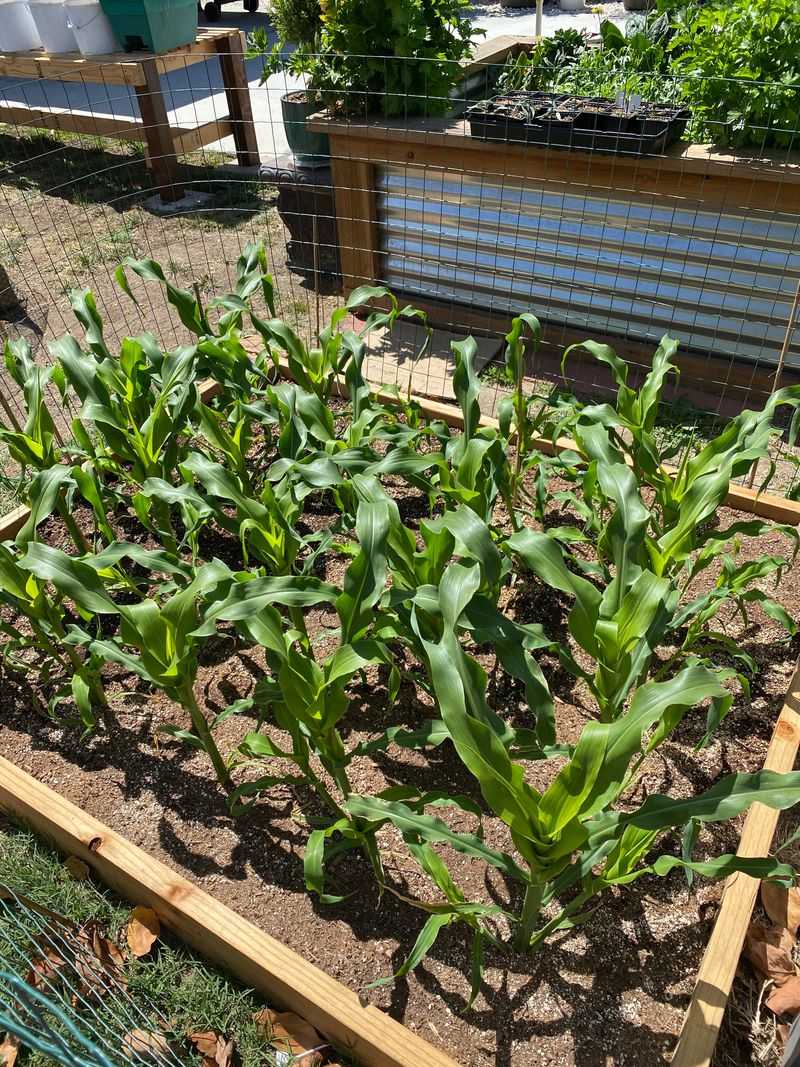
Sweet corn that is struggling to grow cannot put its energy into making strong, healthy ears. After tassels appear and silks begin to emerge, your corn plants are working incredibly hard to complete pollination and fill out every kernel on each ear.
That process demands a consistent and steady supply of water, and any interruption during this period can weaken the ear and reduce your overall harvest quality. Stress at this stage also makes plants less able to recover from pest activity.
Deep, consistent watering is the goal once your corn reaches the silking stage. Shallow watering encourages shallow roots, which makes plants more vulnerable to heat stress during the hottest weeks of a North Carolina July.
Water deeply and less frequently rather than giving a little every day, and aim to keep soil moisture even rather than letting it swing from bone-dry to soaking wet.
Mulching around the base of your corn with straw or wood chips can help hold moisture in the soil and reduce how often you need to water.
Stressed plants show it in their silks, which can dry out too quickly and reduce the window for pollination and ear development.
Healthy, well-watered corn produces better silks that stay viable longer, which also gives you more time to apply any protective treatments at the ear tip.
Keeping your corn growing strong through July is not just about yield, it is about giving your plants the best possible foundation to withstand everything the season throws at them, including pest pressure.
8. Harvest As Soon As Ears Are Ready
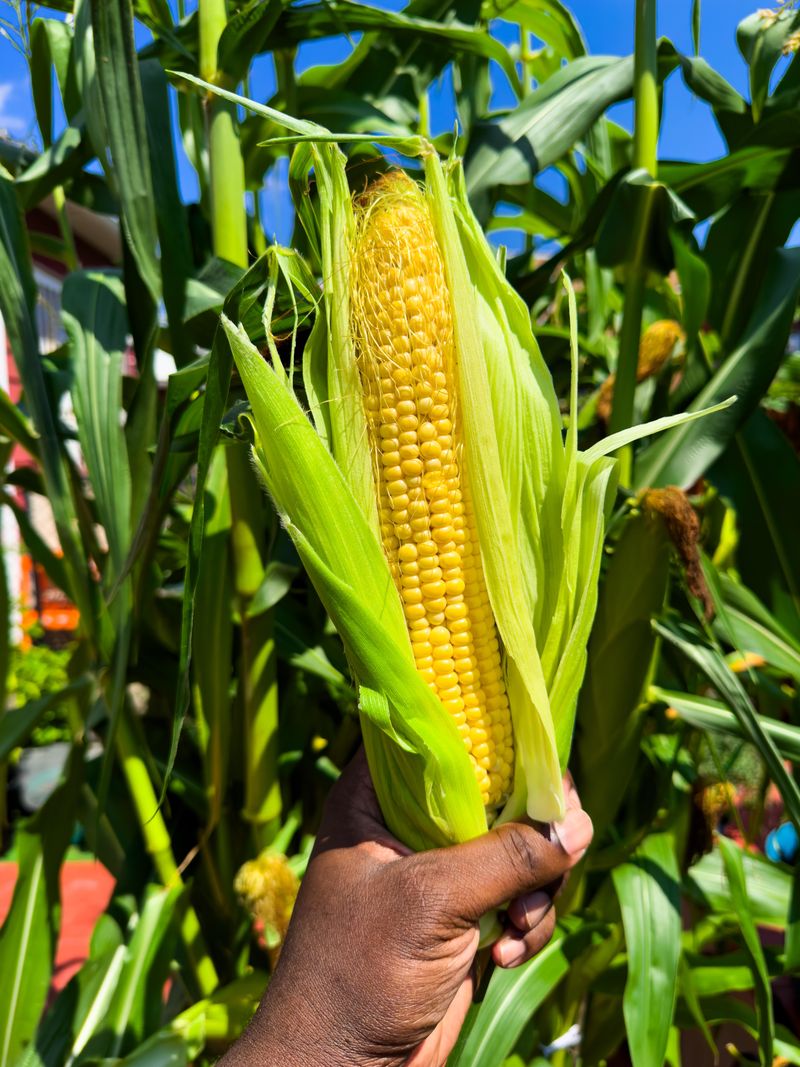
When your sweet corn reaches prime harvest stage, picking it promptly is one of the best decisions you can make during a high-pressure summer season.
Ripe ears that stay on the stalk too long become more attractive to pests, and the longer they hang there during peak July and August activity, the more exposure they get.
Getting ears off the plant and into your kitchen quickly is a simple but powerful step that protects everything you worked for all season.
Knowing when an ear is ready takes a little practice but becomes easy once you get the feel for it. The silks should be brown and dry at the tip while the husk stays green and firm.
Squeeze the ear gently and feel for the fullness of the kernels underneath. You can also peel back just a small section of husk at the tip to check whether the kernels look plump, milky, and tightly packed.
If they are, that ear is ready and waiting is not going to improve it.
The main rule for North Carolina sweet corn in July really comes down to four connected habits that build on each other. Watch your silks closely from the moment they appear.
Protect ear tips early while caterpillars are still on the surface. Keep your plants watered deeply and consistently through the silking and fill stages.
Then harvest quickly and confidently the moment ears reach their peak. Follow that rhythm every season and your sweet corn patch will reward you with far more clean, delicious ears than you might think possible.