The One Thing North Carolina Green Beans Need In June Or Root Rot Will Take Out The Whole Row
Green beans have a reputation for being one of the easier crops to grow, and in the right conditions that reputation is completely justified.
North Carolina’s heavy June rains and clay soils create a hidden trap for gardeners: waterlogged ground that easily rots bean crops.
Root rot moves through a bean row with speed that leaves very little time to respond once symptoms become visible above ground.
Taking action in June before heavy rains saturate the soil is critical for your bean crop. Getting this one step right separates a summer-long harvest from a row of plants that collapses early.
1. June Drainage Matters More Than Extra Water
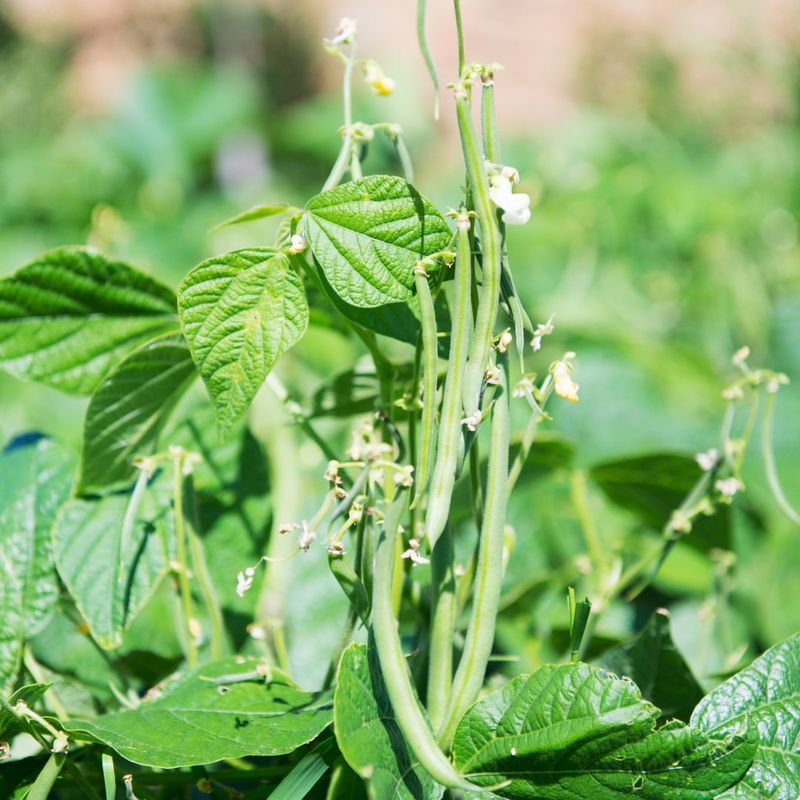
Most gardeners assume the biggest June threat to green beans is not watering enough. The real danger, though, is the opposite.
Warm temperatures, frequent afternoon thunderstorms, and heavy soil can combine to keep roots sitting in water far longer than the plant can handle. That waterlogged condition is exactly where root rot gets its start.
North Carolina June weather tends to swing between dry spells and sudden downpours. When rain falls hard and fast, even good garden soil can become temporarily saturated.
The roots need oxygen just as much as they need water, and when soil stays wet for too long, that oxygen gets pushed out. Without it, roots weaken fast and become vulnerable to soil-borne fungi.
The goal for June bean care is not to keep soil wet but to keep it evenly moist with good airflow. Think of it like a wrung-out sponge rather than a soaking one.
Water should pass through the root zone steadily, not pool around it. Checking drainage before June storms arrive gives you a real advantage over root problems before they even begin.
Steady moisture supports strong pod production and healthy vine growth. Saturated soil does the opposite.
Focusing on drainage rather than just watering frequency is the single most important shift a North Carolina bean gardener can make heading into the warmest, wettest part of the growing season. Start there, and everything else becomes much easier to manage.
2. Beans Need Loose Soil Around Their Roots
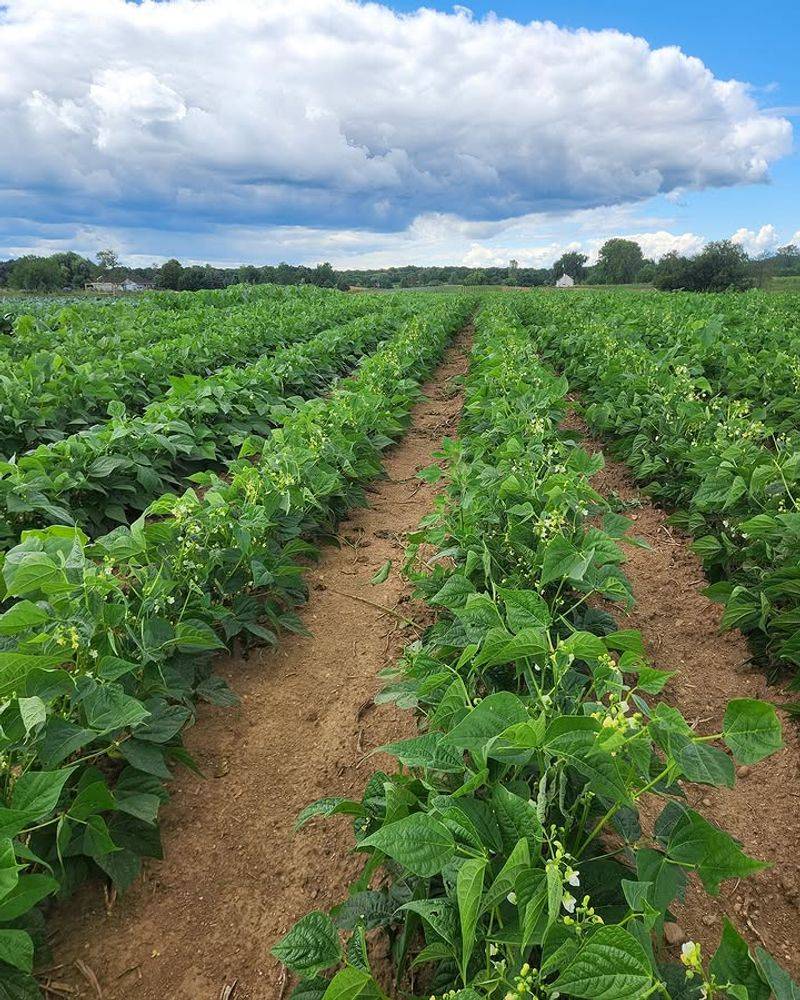
Squeeze a handful of your garden soil. If it clumps hard and stays that way, your green beans are already working against a problem.
Compacted soil holds water too long, limits the movement of air, and makes it nearly impossible for roots to spread out and anchor properly. Loose, crumbly soil is what green beans genuinely thrive in.
Before planting, work the bed thoroughly to break up any packed layers. Adding well-finished compost or aged organic matter improves both drainage and soil structure over time.
It also feeds the beneficial organisms that help keep roots healthy. You do not need a perfect garden bed, but you do need one where water can move through without stagnating.
Foot traffic beside the bean row is one of the most overlooked causes of compaction. Every time someone walks along the row, the soil beneath the surface gets pressed tighter.
Setting up a simple board or stepping path beside the planting area keeps pressure off the root zone without much effort. Small adjustments like this pay off in a big way by midsummer.
Your North Carolina Garden Changes Every Week. Your Plan Should Too.
Gardening in North Carolina changes quickly throughout the season. Every Friday you’ll receive a simple weekly plan showing exactly what to plant, prune, fertilize, harvest, and protect so you never miss the right timing.
Soil that crusts on the surface after rain is another warning sign. That crust blocks water from soaking in evenly, which can lead to runoff and dry pockets beneath the surface.
Breaking the crust gently with a hand cultivator after heavy rain helps water reach the roots more evenly. Loose, open soil is not just a nice bonus for green beans.
It is a genuine requirement for keeping roots healthy through a wet North Carolina June.
3. Raised Rows Help In Heavy North Carolina Clay
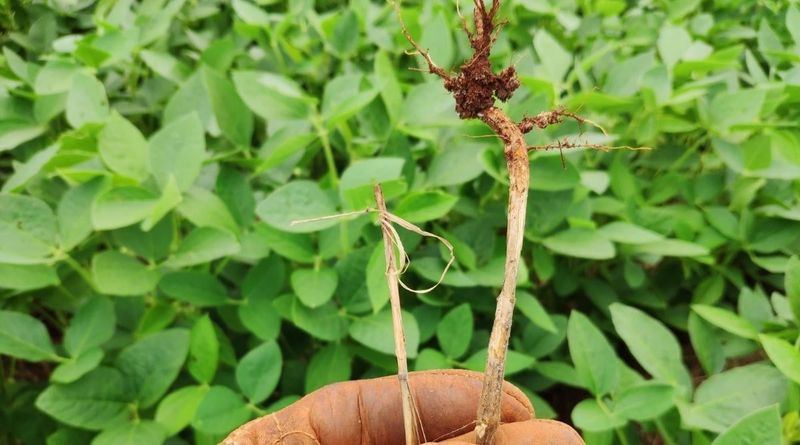
Clay soil has a reputation for being stubborn, and in North Carolina, that reputation is well earned. Large parts of the Piedmont and coastal plain sit on heavy clay that drains slowly and holds moisture long after a rainstorm passes.
For green beans, that slow drainage in June can create exactly the kind of root zone conditions that invite trouble fast.
Raising the planting row even a few inches above the surrounding soil makes a real difference. A mounded or ridged bed sheds excess rainwater to the sides rather than letting it pool around the base of the plants.
The center of the row stays moist but not saturated, and roots have better access to the oxygen they need. This simple technique has been used by Southern gardeners for generations, and it works.
Building a raised row does not require major construction. Pulling soil up into a low ridge six to eight inches high and twelve inches wide gives beans a comfortable, well-drained spot to grow.
Mix in some compost while forming the row to improve the structure right from the start. Avoid packing the sides too firmly, since water needs to run off freely.
For gardeners who have dealt with root rot in past seasons, a raised row is one of the most reliable preventive steps available. It changes the drainage pattern of the entire planting area without requiring new materials or raised bed kits.
On a heavy North Carolina clay lot, that slight elevation can be the difference between a strong June harvest and a row that struggles from the ground up.
4. Water Only When The Soil Actually Needs It
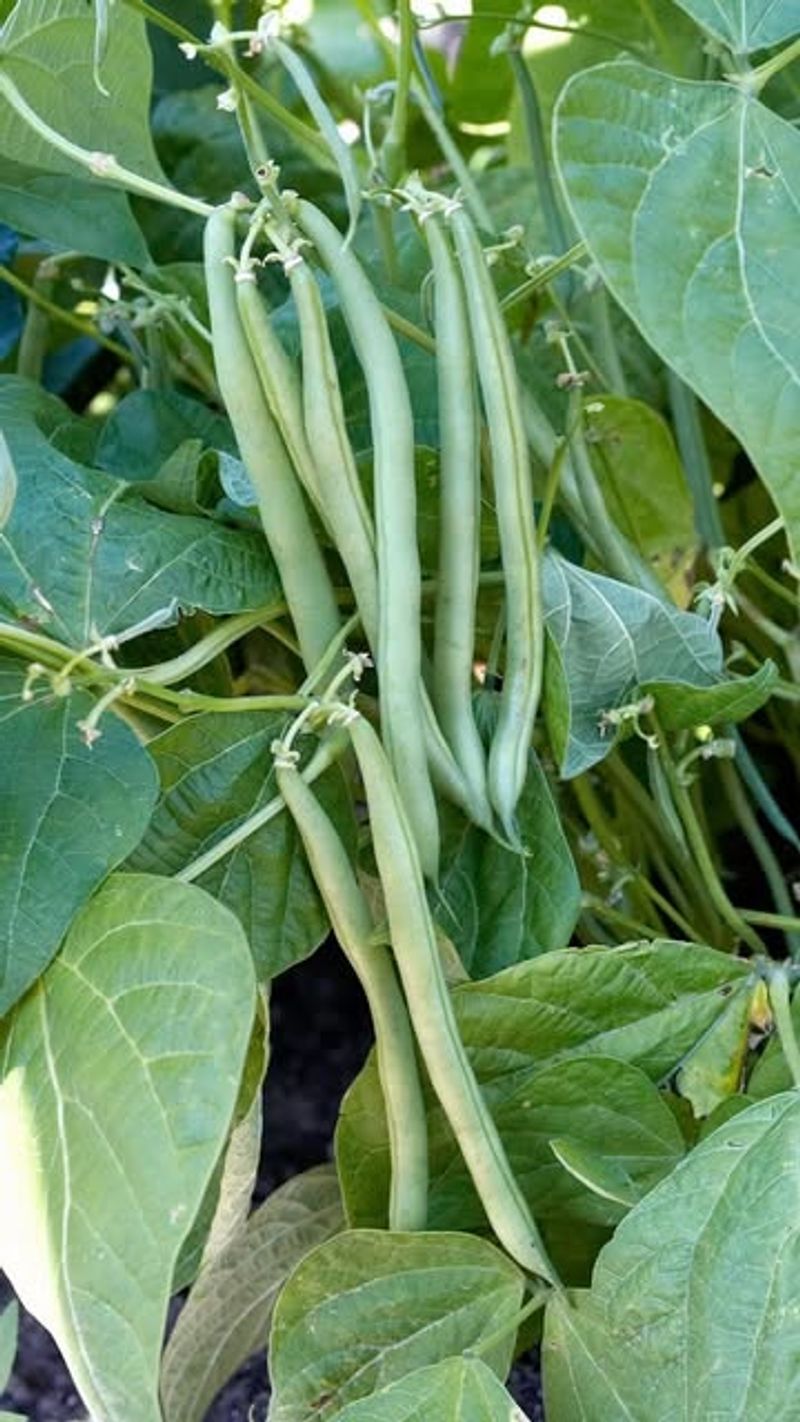
Watering on a set schedule sounds responsible, but in June it can actually cause more harm than good.
North Carolina summers bring unpredictable rain, and if a gardener waters on Tuesday regardless of what happened Monday night, the soil can end up far wetter than the beans need.
Overwatering is one of the most common reasons root rot shows up in otherwise healthy garden rows.
Before adding water, push a finger two to three inches into the soil beside the bean row. If it feels damp and cool at that depth, the plants do not need more water yet.
If it feels dry and powdery, that is the time to water. This simple test takes about five seconds and takes all the guesswork out of the equation.
Beans are not complicated, but they do communicate through the soil if you pay attention.
When you do water, slow and steady at soil level is the right approach. A soaker hose or drip system delivers moisture directly to the root zone without splashing leaves or stems, which also helps reduce the spread of fungal issues.
Watering in the morning gives any surface moisture time to evaporate before evening, keeping the area around the stem drier overnight.
Steady, consistent moisture supports strong flowering and pod development. Soggy soil does not.
Beans need enough water to keep growing vigorously, but they also need the soil to dry slightly between watering sessions.
Finding that balance in June, especially when rain is unpredictable, is one of the most practical skills a North Carolina bean gardener can develop. Trust the soil, not the calendar.
5. Keep Mulch Light Around Bean Stems
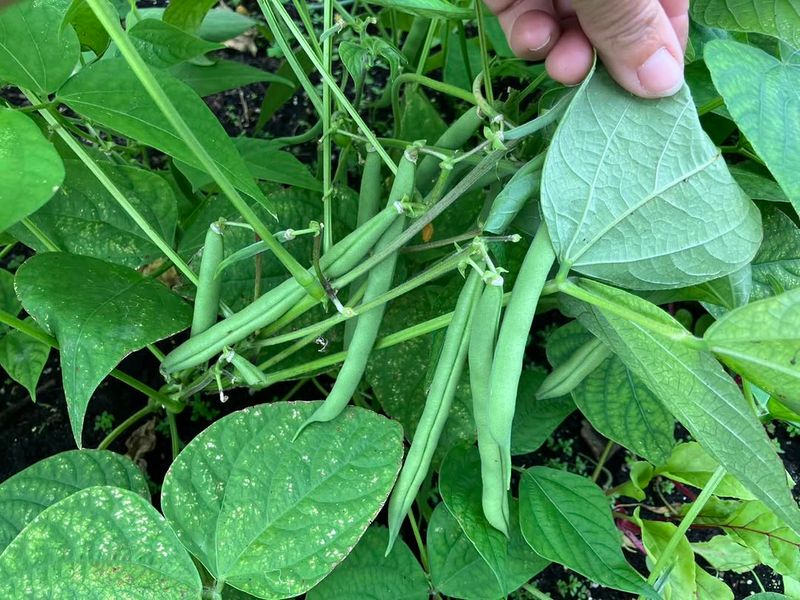
Mulch is one of the most useful tools in a summer garden. It slows evaporation, keeps soil temperature stable, and cuts down on weeds that compete with bean roots for space and nutrients.
But there is a catch: too much mulch piled against the base of a green bean plant can trap moisture right where you least want it, directly around the stem and upper root zone.
A light layer of clean straw, shredded leaves, or pine straw works well for bean rows in June. Aim for about two inches of mulch spread along the row, but pull it back a couple of inches from the base of each plant.
That small gap allows airflow around the stem and prevents the kind of prolonged dampness that encourages fungal growth at the soil line. It is a small detail with a surprisingly big impact.
Pine straw is a popular and practical choice across North Carolina because it stays loose and allows water to pass through easily.
Unlike dense mulch materials that mat together after rain, pine straw keeps a more open structure that lets the soil breathe.
It also breaks down slowly, which means you do not have to replace it as often through the season.
Checking your mulch after heavy rain is a smart habit to build. Wet mulch can shift, clump, and press against stems in ways that create problems over several days.
Fluffing it back up and clearing the area around each stem only takes a few minutes. That quick check after storms helps keep the root zone environment healthy, open, and well-ventilated all the way through harvest.
6. Open The Row After Heavy Rain
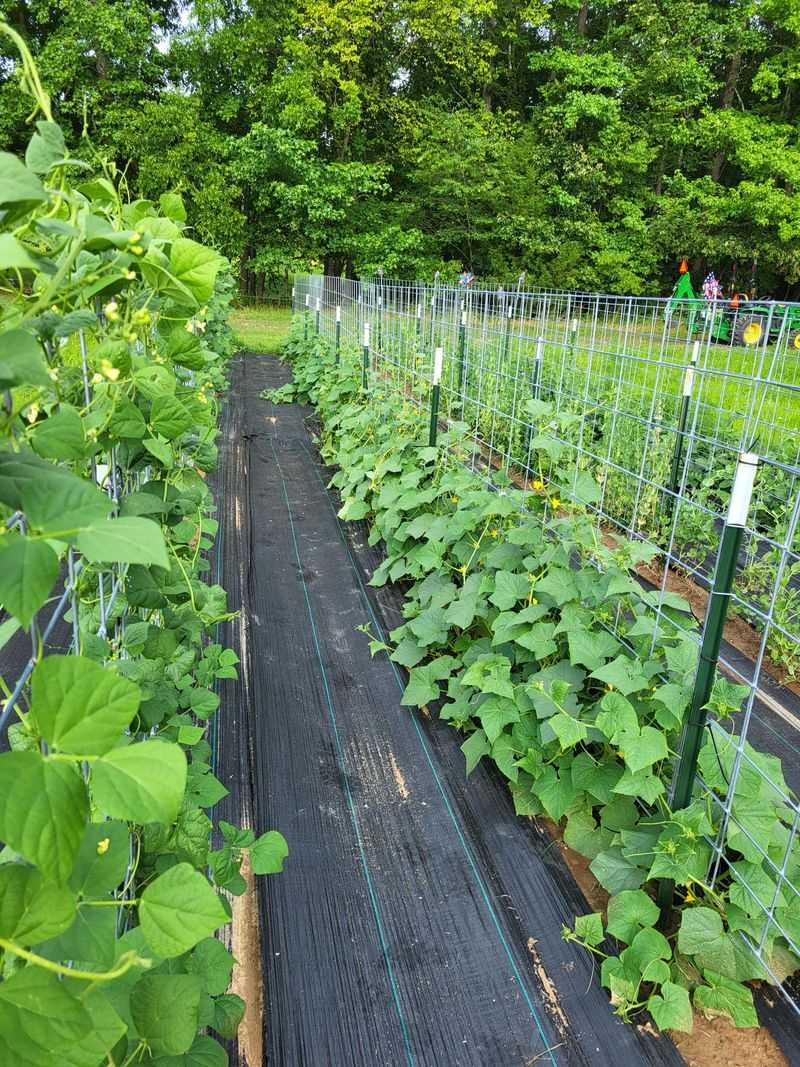
After a big North Carolina thunderstorm rolls through, your bean row deserves a quick checkup.
Heavy rain can compact the soil surface, push mulch against stems, and block the small furrows or channels that normally allow water to drain away from the planting area.
When water sits around the root zone for even a few hours after a storm, conditions for root rot improve quickly.
Walk the row and look for any spots where water is pooling or where the soil looks darker and wetter than the surrounding area. If a drainage furrow has clogged with debris, gently open it back up using a hand tool or even a stick.
Moving packed mulch away from the base of the plants also helps the soil surface dry out faster once the rain stops. These small actions take very little time but make a real difference in root health.
One thing to keep in mind is that bean roots are surprisingly shallow and spread out close to the surface. Avoid digging deeply right beside the plants when clearing drainage paths.
A light, careful touch is all that is needed. You want to move water away from the root zone, not disturb the roots themselves in the process.
Getting into the habit of checking the row after every significant rain event is one of the best protective routines a gardener can build in June.
North Carolina can see multiple heavy storms in a single week during early summer, and each one is an opportunity to either catch a drainage problem early or let it quietly build into something bigger. Stay ahead of it by checking early and acting fast.
7. Rotate Beans Away From Problem Beds
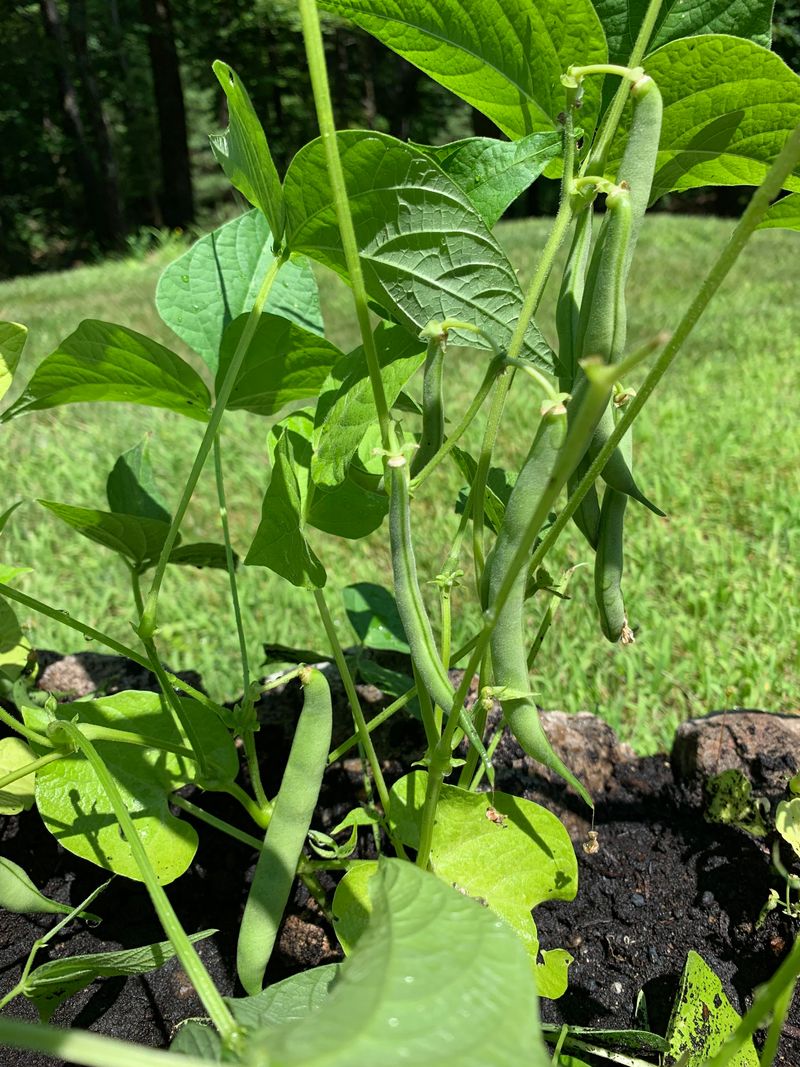
If a specific garden bed has struggled with bean root rot before, planting beans or peas there again the very next season is a gamble that rarely pays off.
The organisms responsible for root rot can survive in the soil for extended periods, waiting for the right host plant to come along.
Returning beans to the same spot gives those soil-borne problems exactly what they need to thrive again.
NC State Extension consistently recommends crop rotation as one of the most effective long-term strategies for managing soil-borne diseases in vegetable gardens.
When root rot has been a repeated issue in a particular bed, a longer rotation away from beans and related legumes gives the soil time to shift its microbial balance.
Moving beans to a fresh area of the garden, even just a few rows over, can dramatically reduce the chance of repeated problems.
Rotation also benefits the soil in other ways. Beans fix nitrogen from the air into the soil, which feeds the next crop planted in that spot.
Following beans with a heavy feeder like corn or squash makes good use of that natural fertility boost. Planning the rotation with both disease management and soil health in mind turns a simple precaution into a full garden strategy.
Keeping simple notes about where you plant each crop each year makes rotation planning much easier. Even a rough hand-drawn map of your garden beds at the end of each season gives you a useful reference for the following year.
Over time, those records help you spot patterns, avoid problem areas, and make smarter planting decisions that keep your bean rows healthy from the very beginning of the season.
8. Watch For Early Root Zone Warning Signs
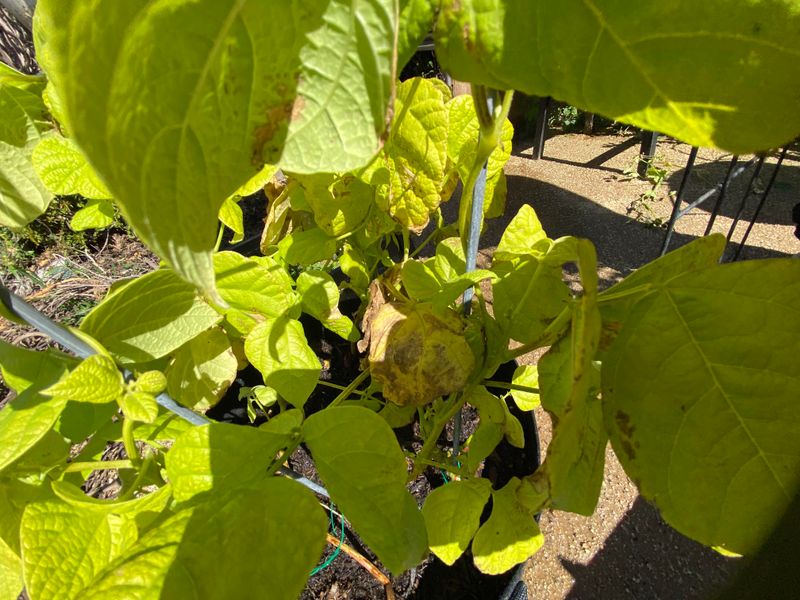
Your green bean plants will tell you something is wrong before the problem becomes serious, if you know what to look for.
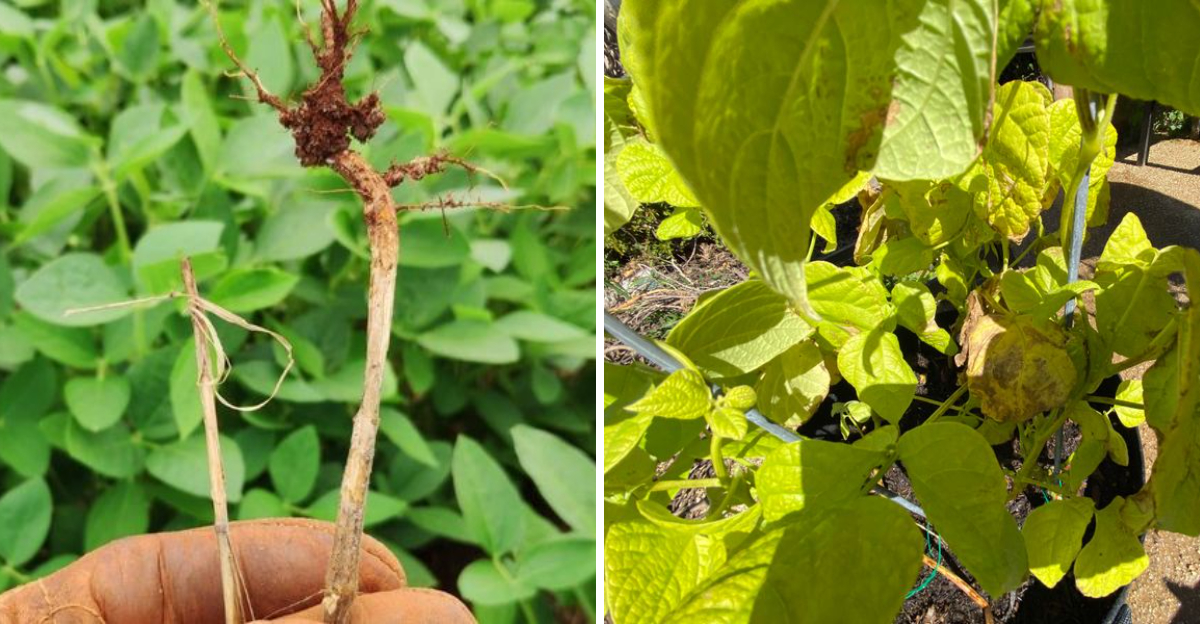
Yellowing leaves near the base of the plant, wilting even when the soil feels wet, and patches of weak or slow growth along the row are all early signals worth paying close attention to in June.
Catching these signs early gives you a real chance to correct the problem before it spreads.
Wilting that happens despite adequate soil moisture is one of the most telling signs. When roots are struggling, they cannot move water up through the plant efficiently, even if the soil is damp.
The plant looks thirsty but adding more water only makes things worse. If you see this pattern, pull back on watering immediately and check whether the root zone has been staying too wet after recent rain or irrigation.
Plants failing in patches along the row rather than all at once is another pattern to watch for. Root rot often moves through a section of a bed rather than striking every plant equally, especially when drainage problems are concentrated in one low spot.
Identifying where the patches are helps you locate the drainage issue and address it directly rather than treating the whole row the same way.
The key message for North Carolina green bean gardeners in June comes back to the same foundation every time: well-drained soil, careful watering, light mulch, open rows after storms, and smart rotation away from problem beds.
Stay observant, act quickly when warning signs appear, and keep the focus on root zone health.
A little attention in June goes a long way toward a full, satisfying harvest later in the season.