The One Thing People Forget When Starting A Garden In Florida
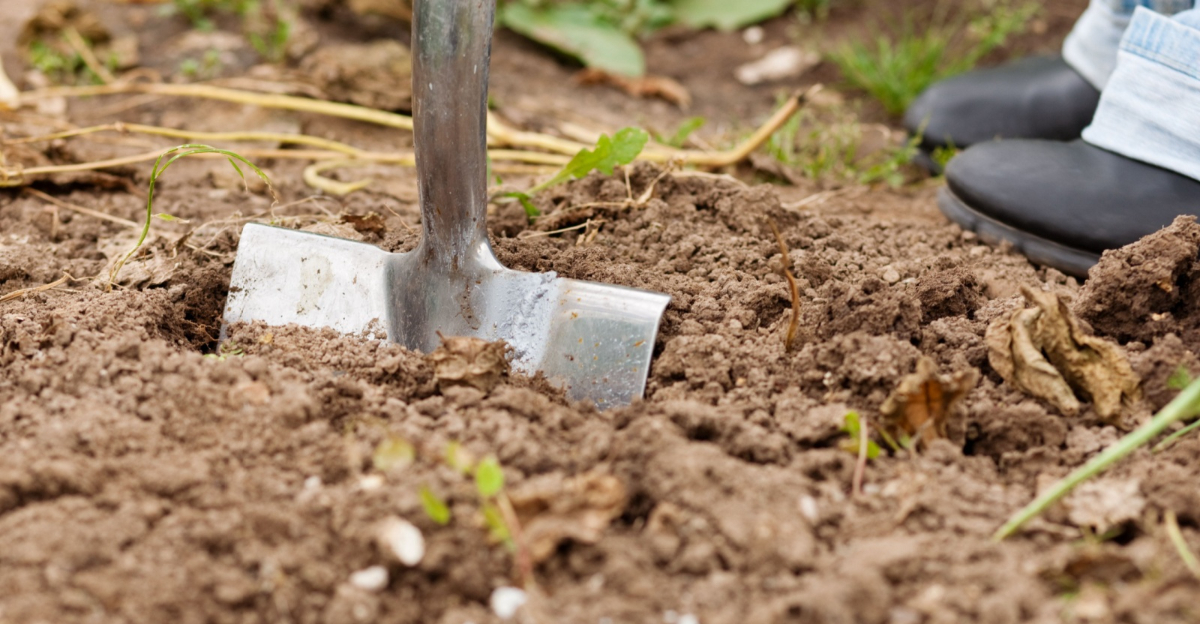
Starting a garden in Florida feels simple at first. Sun shines almost year round, garden centers overflow with colorful plants, and inspiration spreads fast across social feeds.
New gardeners sketch layouts, buy soil, plant eagerly, and picture lush growth within weeks. Then something stalls.
Leaves yellow, growth slows, pests appear, and early excitement fades into confusion. Many assume the problem comes from heat, rain, or plant choice, yet the real issue often hides in plain sight.
One overlooked detail shapes success more than watering schedules, fertilizer brands, or design plans. Experienced Florida growers check this factor before planting a single seed, since it influences roots, drainage, nutrients, and long term plant health.
Skip it, and even strong plants struggle. Get it right, and your garden gains a powerful advantage from day one.
1. Florida Soil Works Differently Than You Think
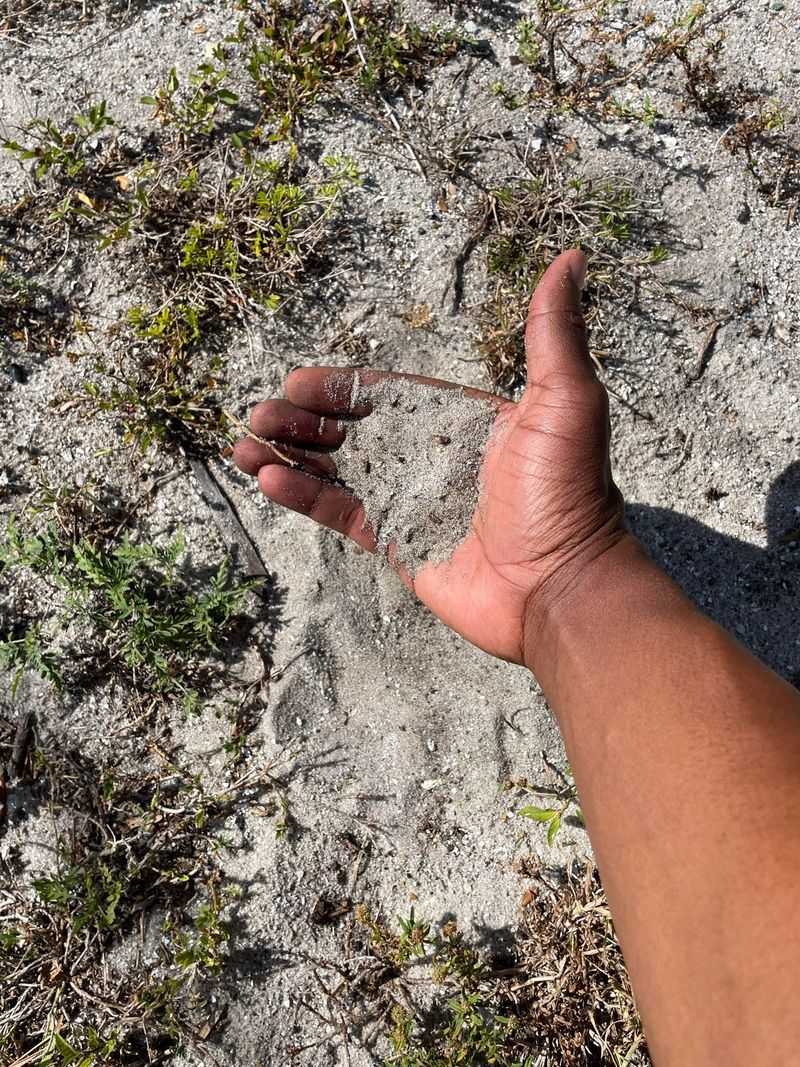
Most of Florida sits on top of ancient sand deposits that create a growing environment unlike anywhere else in the United States. Walk into your backyard and scoop up a handful of soil, and you’ll likely find it feels more like beach sand than the rich, dark earth you see in gardening magazines.
Sandy soils dominate the state because Florida’s geological history left behind layers of quartz sand with almost no clay or organic material mixed in.
Water moves through this sand incredibly fast, which means it doesn’t hold moisture the way heavier soils do in other states. Nutrients that plants need also wash away quickly instead of staying available for roots to absorb.
Without organic matter to act like a sponge, sandy soil just can’t retain what plants need to thrive over time.
This difference affects every aspect of gardening in Florida, from how often you water to which fertilizers actually work. Plants that would flourish in Georgia or North Carolina struggle here because their roots can’t access consistent moisture or nutrition.
Understanding that Florida soil behaves completely differently than what most gardening guides describe helps you make smarter choices from the very beginning.
When you recognize that your soil needs serious help before it can support a productive garden, you stop blaming yourself or your plants when things don’t grow as expected. The problem isn’t your gardening skills.
Your soil simply needs the right improvements to function properly in Florida’s unique climate.
2. Start With The Dream Not The Dirt
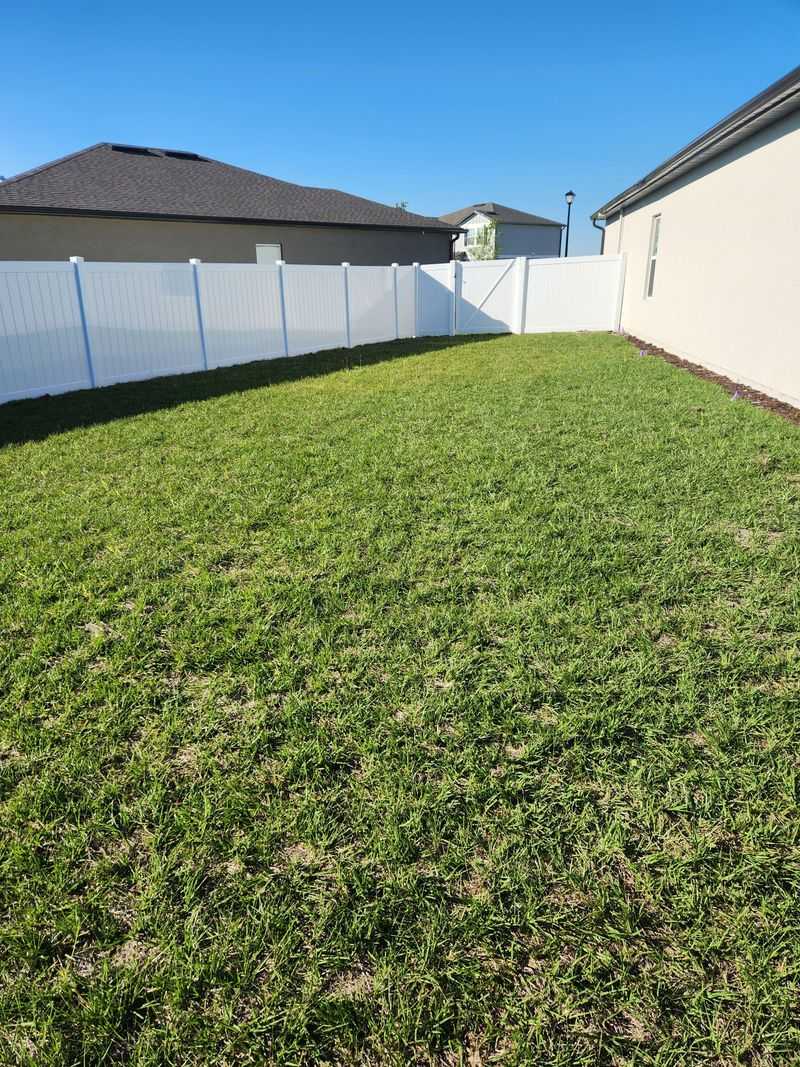
Picture this: You visit a garden center on a beautiful Saturday morning, and suddenly you’re loading your cart with tomato plants, herb seedlings, and colorful flowers. You’ve already mapped out where everything will go in your yard.
The excitement of creating your dream garden takes over, and you rush home ready to plant immediately. But you haven’t thought once about what’s actually in the ground where those plants will live.
Beginners almost always focus on the fun, visual parts of gardening first. They choose plants based on how they’ll look, plan elaborate layouts, and imagine harvesting fresh vegetables within weeks.
Preparing the soil feels like boring work that can wait until later. After all, dirt is just dirt, right?
Wrong. In Florida, skipping soil preparation guarantees disappointment.
When you plant directly into unprepared sandy soil, your new plants struggle from day one. They can’t establish strong roots, they dry out constantly, and they never develop the way they should.
You end up watering twice as much, watching plants wilt despite your efforts, and wondering why gardening seems so impossibly hard. The frustration builds quickly.
Successful Florida gardeners know the secret: Start with the soil, not the plants. Before you buy a single seedling, invest time improving what’s already in your yard.
Mix in compost, build up organic matter, and create an environment where roots can actually thrive. When your soil is ready, the plants you love will flourish with far less effort and frustration.
3. Sandy Soil Drains Faster Than You Think
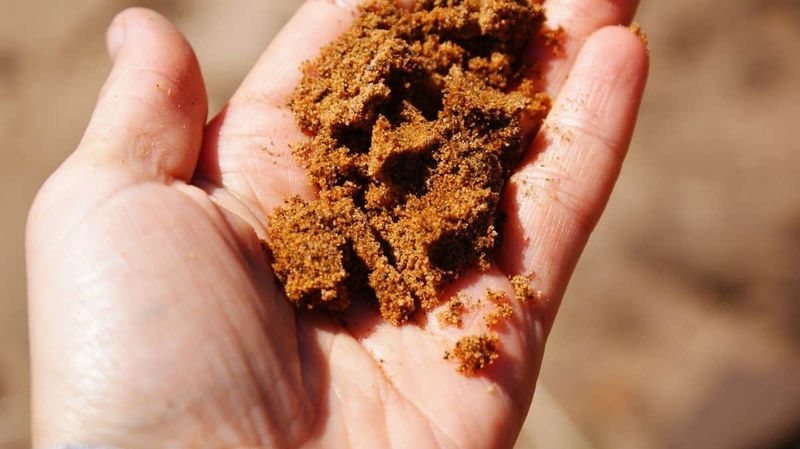
Pour a bucket of water onto Florida sand and watch what happens. Within minutes, the surface looks completely dry again, as if you never watered at all.
That water didn’t evaporate instantly; it drained straight down through the loose sand particles, moving far below where plant roots can reach it. Sandy soil has massive spaces between particles that allow water to flow through like a sieve instead of holding it in place.
Florida’s intense heat makes this drainage problem even worse. The sun beats down on exposed soil, pulling moisture out through evaporation at the same time water is draining away below.
Your plants face a double threat, losing access to water from both directions faster than you can keep up with.
New gardeners often think they’re watering enough because they see wet soil right after watering. But an hour later, that moisture has vanished, leaving roots dry and stressed.
Plants start wilting by midday even though you watered that morning. You water again in the evening, and the cycle repeats endlessly without ever truly solving the problem.
Understanding how quickly Florida sand drains explains why traditional watering schedules don’t work here. Your garden needs soil that can actually hold water long enough for roots to absorb it.
Without organic matter to slow drainage and retain moisture, you’ll spend your entire summer standing at the end of a hose, watching your plants struggle despite constant watering. Improving soil structure solves this exhausting problem permanently.
4. Nutrients Wash Away Quickly In Florida Rain
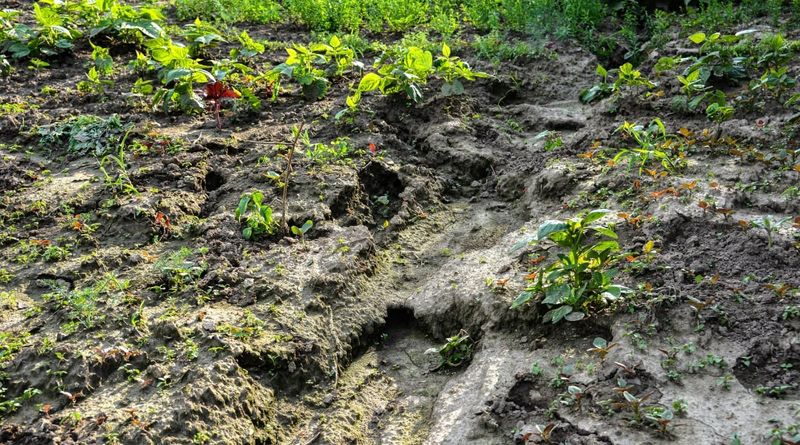
Florida receives more rainfall than almost any other state, with summer storms dumping inches of water in just hours. While all that rain might seem like a blessing for gardeners, it creates a serious problem in sandy soil.
Every time heavy rain falls, it carries dissolved nutrients straight through the sand and out of reach of your plants’ roots. Nitrogen, phosphorus, potassium, and other essential elements wash away before plants can use them.
You might think adding more fertilizer solves this problem, but it doesn’t address the real issue. No matter how much fertilizer you apply, it will continue washing away with the next rainstorm if your soil can’t hold onto nutrients.
You end up spending money on fertilizer that literally drains into the groundwater instead of feeding your plants. This isn’t just wasteful; it’s also environmentally harmful.
The University of Florida IFAS Extension emphasizes that soil structure matters more than fertilizer quantity when it comes to nutrient retention. Sandy soil lacks the organic matter and clay particles that bind nutrients in place.
Without these components, fertilizer passes through Florida sand almost as quickly as water does, leaving plants nutrient-starved despite regular feeding.
Building better soil structure through organic matter addition changes everything about nutrient management. Compost and other organic materials create spaces that hold both water and dissolved nutrients, keeping them available for plant roots over time.
When your soil can actually retain nutrients, you fertilize less often, spend less money, and see much better plant growth and health.
5. Roots Struggle In Poor Soil Conditions
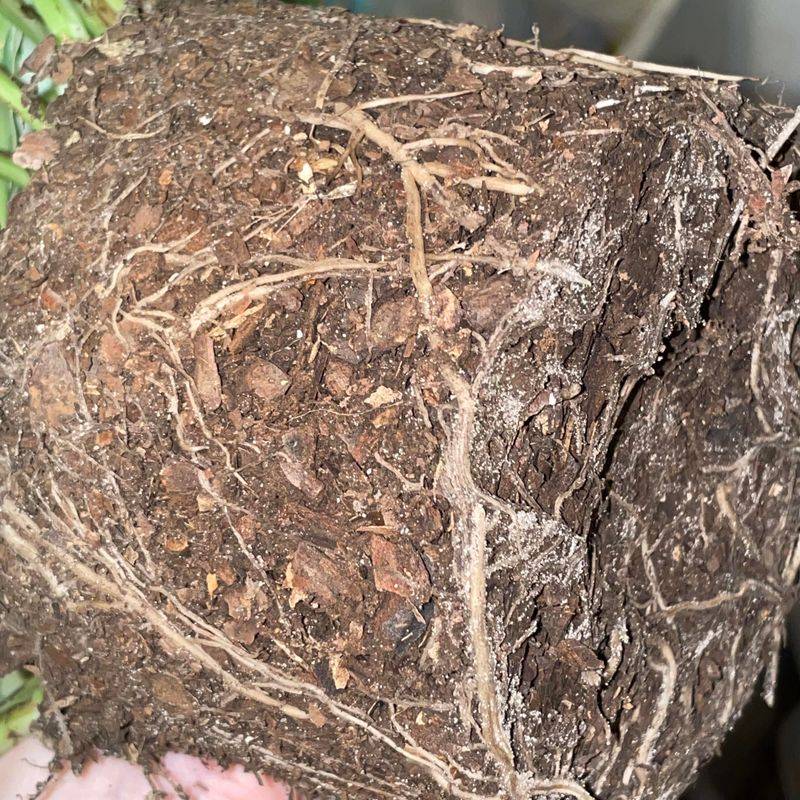
Healthy plants start with healthy roots, but poor Florida soil makes it nearly impossible for roots to develop properly. When sandy soil can’t hold moisture or nutrients, roots constantly search for resources they can’t find.
They stay shallow and weak because there’s nothing deeper in the soil worth reaching for. Shallow root systems leave plants vulnerable to drought, heat stress, and wind damage throughout the growing season.
Root development depends on consistent access to both water and nutrients in the soil zone where roots grow. In unprepared sandy soil, water drains away too quickly and nutrients wash out with every rain.
Roots can’t establish the strong, deep networks they need to support vigorous plant growth above ground. Even when plants manage to survive in poor soil, they never reach their full potential or produce abundant harvests.
Weak roots also make plants more susceptible to pests and diseases because stressed plants can’t defend themselves effectively. You might notice yellowing leaves, stunted growth, or plants that wilt easily despite regular watering.
These symptoms often indicate root problems caused by inadequate soil conditions rather than issues with the plants themselves.
When you improve soil before planting, roots spread easily through organic-rich material that holds moisture and nutrients right where roots can access them. Strong root systems develop naturally, supporting vigorous top growth, better flowering, and higher yields.
Plants become more resilient to Florida’s challenging conditions, requiring less intervention and troubleshooting from you. The difference between struggling plants and thriving ones almost always traces back to what’s happening underground with the roots.
6. Compost Changes Everything
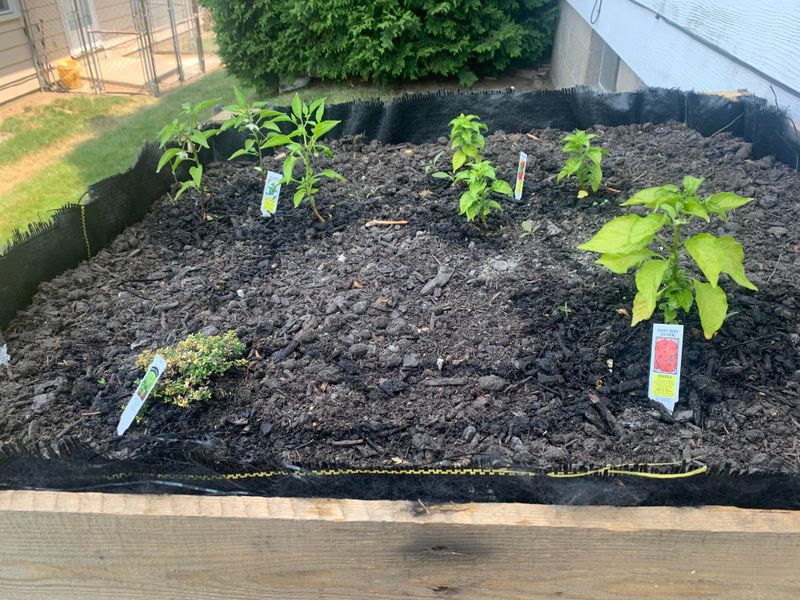
Adding compost to Florida’s sandy soil creates a transformation that feels almost miraculous. Compost is decomposed organic matter that acts like a sponge in sandy soil, soaking up water and nutrients and holding them in place where plant roots can access them.
Just a few inches of compost mixed into your planting beds dramatically improves moisture retention, reduces how often you need to water, and keeps nutrients available for weeks instead of days.
The University of Florida IFAS Extension consistently recommends organic matter addition as the single most important soil improvement for Florida gardens. Compost doesn’t just help with water and nutrients; it also supports beneficial soil microorganisms that help plants absorb nutrients more efficiently.
These microscopic helpers create a living soil ecosystem that continues improving over time as you add more organic matter each season.
You don’t need expensive amendments or complicated soil tests to get started. Good quality compost, mixed thoroughly into the top six to eight inches of soil before planting, makes an immediate difference you can see and feel.
The soil becomes darker, holds together better when squeezed, and doesn’t dry out within hours of watering.
Making compost part of your regular garden routine ensures long-term success in Florida. Add a fresh layer each planting season, and your soil will continue improving year after year.
Plants grow stronger, produce more abundantly, and require far less maintenance. Compost truly changes everything about gardening in Florida’s challenging sandy conditions, turning frustration into genuine enjoyment.
7. Mulch Is Not Just For Looks
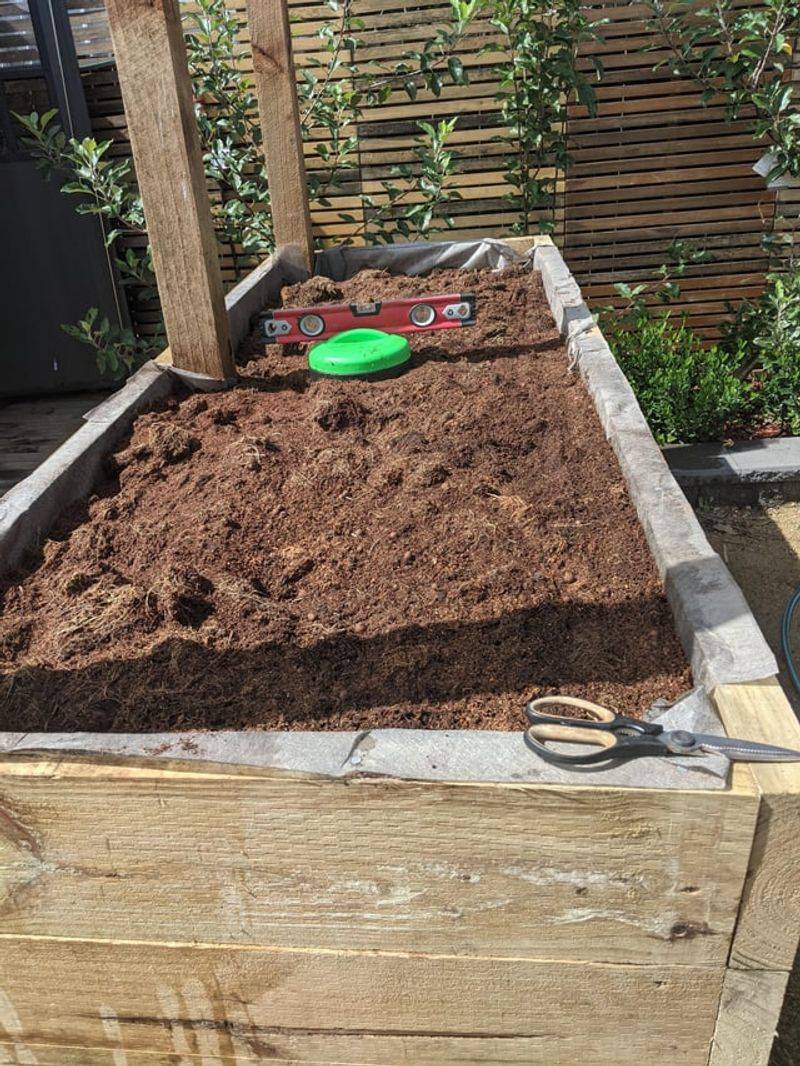
Many gardeners think of mulch as decorative material that makes garden beds look tidy and finished. While mulch certainly improves appearance, its real value in Florida gardens goes far beyond aesthetics.
A proper layer of organic mulch acts as a protective blanket over your soil, slowing water evaporation, moderating soil temperature, and preventing weed growth that competes with your plants for resources.
Florida’s intense sun can heat bare soil to temperatures that damage shallow roots and accelerate moisture loss. Mulch shades the soil surface, keeping it significantly cooler and reducing the amount of water that evaporates before plants can use it.
During summer heat, this cooling effect can mean the difference between plants that thrive and plants that barely survive despite constant watering.
Organic mulches like wood chips, pine bark, or shredded leaves provide an additional benefit as they slowly decompose. They gradually add organic matter to your soil, improving its structure over time without any extra work from you.
This slow, steady improvement complements the compost you mixed in earlier, continuing to build better soil year after year.
Apply mulch two to three inches deep around plants, keeping it pulled back slightly from stems to prevent rot. Replenish mulch as it breaks down, typically once or twice a year.
This simple practice reduces your watering needs, suppresses weeds that would otherwise require constant pulling, and continuously improves your soil’s ability to support healthy plant growth. Mulch works quietly in the background, making your Florida garden easier to maintain while improving results dramatically.
8. Healthy Soil Makes Gardening Easier
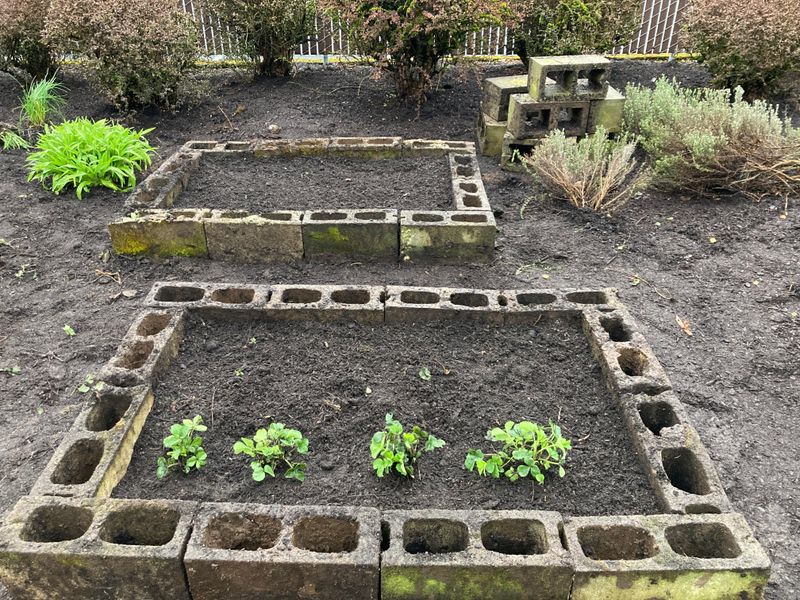
Everything about Florida gardening becomes simpler when you start with healthy, well-prepared soil. Plants establish quickly, grow vigorously, and resist pests and diseases more effectively when their roots have access to consistent moisture and nutrition.
You spend less time troubleshooting problems and more time enjoying the rewards of your garden. Watering becomes less frequent and less stressful because improved soil actually holds moisture where plants can use it.
Strong plants growing in good soil need less fertilizer overall because the soil structure retains nutrients instead of letting them wash away. You save money on both water and fertilizer while getting better results than you would with poor soil no matter how much you spent on amendments.
The return on investment from soil improvement pays dividends every single season.
Healthy soil also supports beneficial organisms that help plants thrive naturally. Earthworms, beneficial bacteria, and fungi all contribute to plant health when soil conditions allow them to flourish.
These natural helpers work for you around the clock, improving nutrient availability and protecting plants from harmful organisms. You create a self-sustaining system that requires less intervention over time.
The foundation of successful Florida gardening isn’t about choosing perfect plants or following complicated schedules. It’s about recognizing that healthy soil makes everything else easier and more rewarding.
When you invest time improving your soil before planting, you set yourself up for gardening success that builds year after year. Start with the soil, and you’ll discover that growing a productive, beautiful Florida garden is far more achievable than you ever imagined.