The One Thing You Must Do To North Carolina Anise Shrubs Before Fall Ends
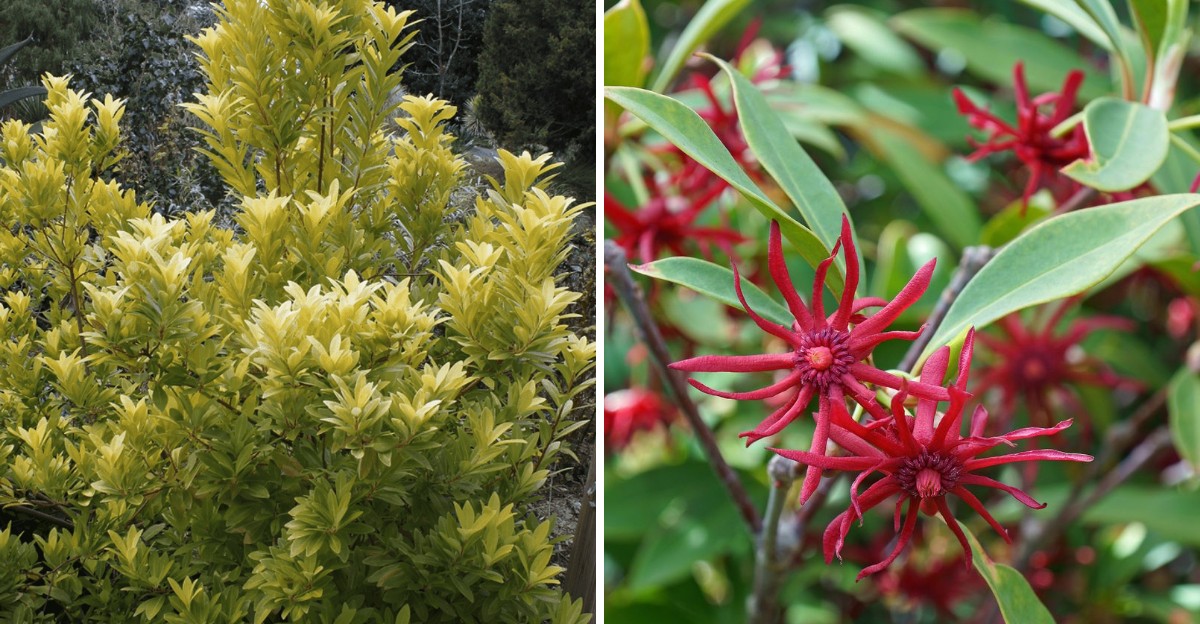
Anise shrubs are one of those dependable North Carolina landscape plants that tend to get a little less attention once summer winds down and fall takes over. Out of sight, out of mind, right?
But here is something worth knowing before you fully shift into fall mode: these evergreen shrubs keep their leaves through colder months, which means they can still lose moisture even as temperatures start dropping.
That is not a dramatic crisis waiting to happen, but it is worth a little proactive attention before winter settles in.
Checking the soil around the root zone and watering during dry fall stretches is one of the simplest and most genuinely helpful things you can do right now. Anise shrubs prefer moist, well-drained conditions, so the goal is steady and comfortable, not soggy.
1. Fall Soil Checks Help Prevent Winter Moisture Stress
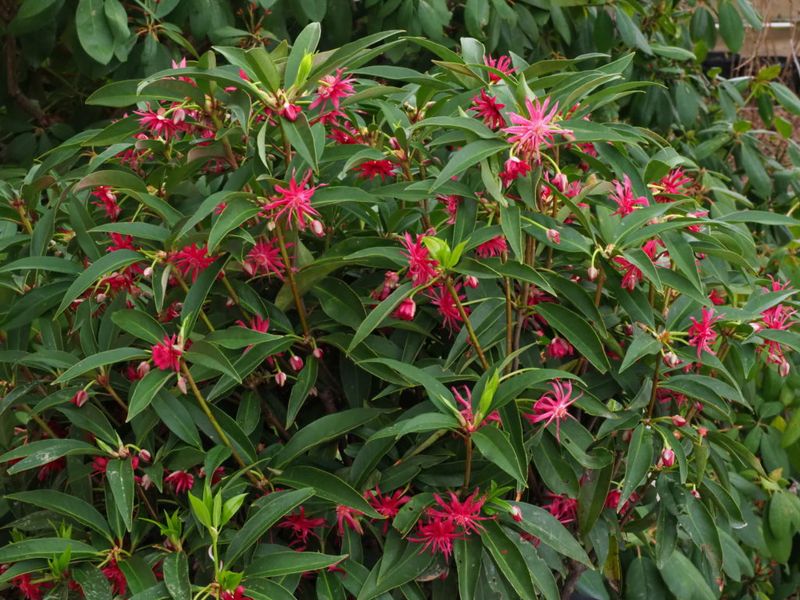
Stepping out to check a planting bed after several dry weeks can tell you a lot more than a quick glance at the surface ever could. The soil beneath your anise shrub might look fine from above, but a few inches down, the root zone could be noticeably dry.
Checking soil moisture before winter arrives is one of the most practical habits a gardener can build.
North Carolina fall weather often includes stretches of dry, warm days that can pull moisture away from garden beds faster than expected. A bed that received good rainfall in September may not hold that moisture into October or November.
Soil type, sun exposure, and surrounding plants all influence how quickly conditions change beneath the surface.
Rather than watering on a fixed schedule, check the root zone by pressing your finger or a small tool a few inches into the soil near the shrub. If the soil feels adequately moist, additional water likely is not needed at that time.
If it feels dry or barely damp, that is a signal worth responding to before colder weather arrives.
Anise shrubs, including species like Illicium floridanum and Illicium anisatum, generally prefer moist, well-drained soil. Keeping the root zone reasonably moist before winter is not about saturating the ground but about avoiding prolonged dryness.
Paying attention to actual soil conditions rather than the calendar gives you a much clearer picture of what your shrubs genuinely need.
2. Dry Roots Can Create Problems For Evergreen Anise Shrubs
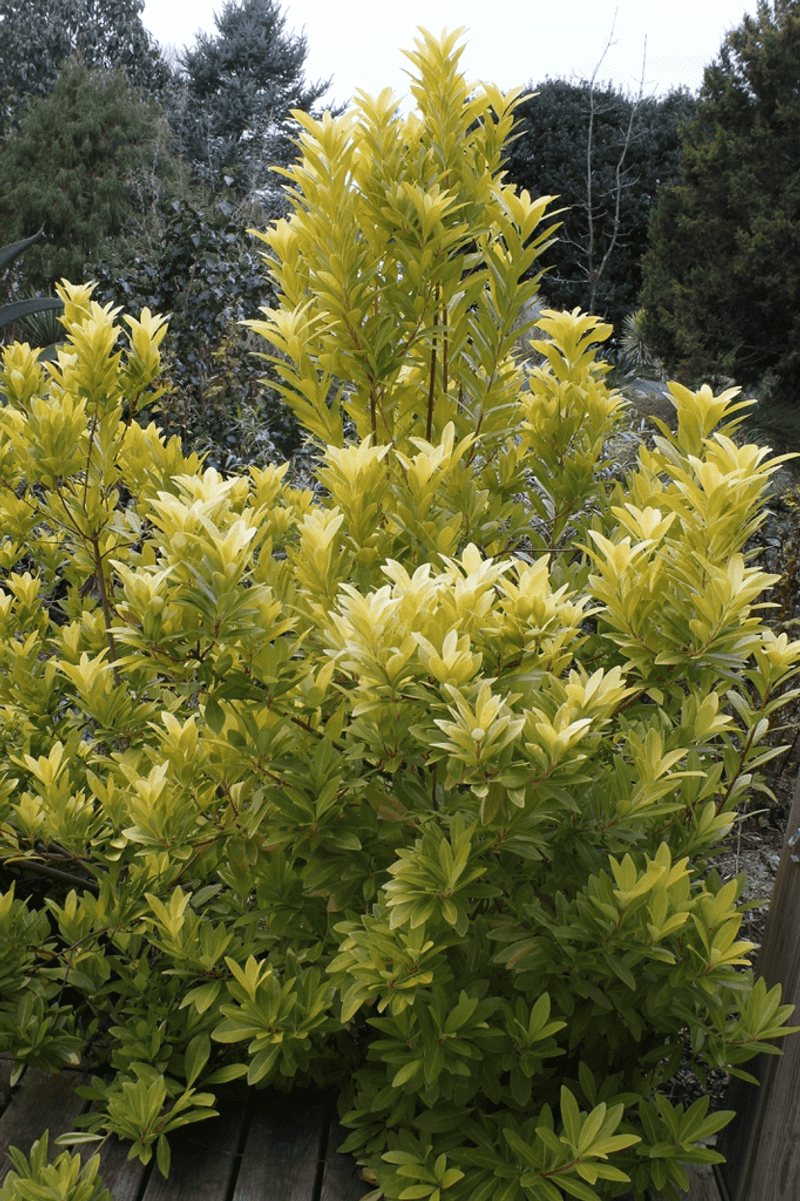
Unlike deciduous shrubs that drop their leaves before winter and slow down significantly, evergreen anise shrubs keep their foliage all season long. That distinction matters more than many gardeners realize.
Leaves continue releasing water into the air through a process called transpiration, even when temperatures are cool, which means the plant is still drawing on available soil moisture.
When the root zone becomes too dry heading into winter, the shrub has fewer resources to draw from during cold, windy, or exposed conditions.
Wind in particular can speed up moisture loss from leaves, and a shrub already dealing with dry soil may struggle to keep up.
Your North Carolina Garden Changes Every Week. Your Plan Should Too.
Gardening in North Carolina changes quickly throughout the season. Every Friday you’ll receive a simple weekly plan showing exactly what to plant, prune, fertilize, harvest, and protect so you never miss the right timing.
Established plants in sheltered spots with suitable soil tend to handle short dry periods better than newly planted shrubs or those growing in open, exposed areas.
Moisture stress does not always show up immediately in visible ways. By the time foliage starts looking off, the roots may have been dry for a while.
Checking conditions early and responding when the soil is genuinely dry gives the shrub a better chance of entering winter in good shape.
Keeping the language honest here matters. Not every dry spell causes serious problems for anise shrubs, especially well-established plants in appropriate locations.
The point is not to create worry but to explain why maintaining reasonable root-zone moisture before winter is a worthwhile and practical habit for evergreen shrubs growing in North Carolina landscapes.
3. Watering Before Winter Helps Support Healthy Evergreen Foliage
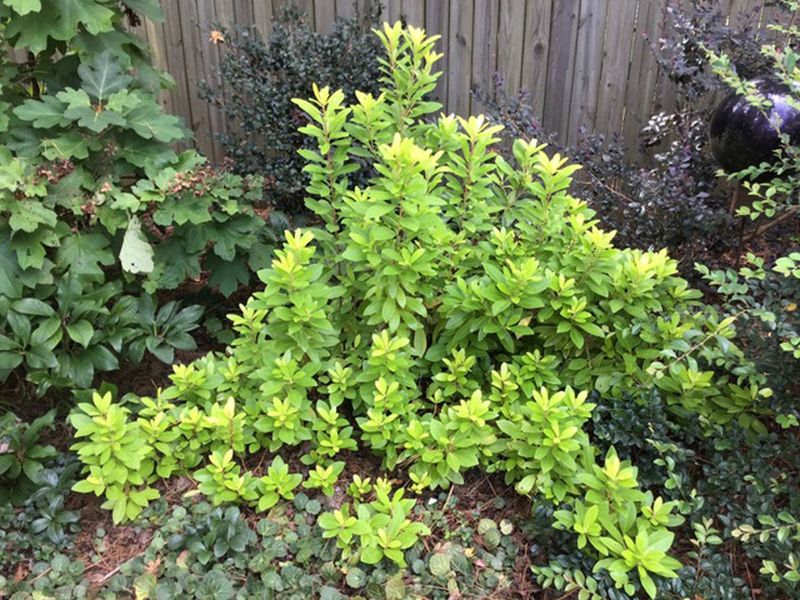
Most gardeners scale back watering once summer heat fades, which makes sense for many plants. For evergreen shrubs like anise, though, fall watering still has a role to play.
The goal is not to keep the soil constantly wet but to make sure the root zone has adequate moisture going into colder months when the plant is still holding and losing water through its leaves.
Watering deeply and less frequently is generally more effective than applying small amounts often. When you water deeply, moisture reaches further into the root zone where the plant can actually access it.
Shallow watering tends to stay near the surface and evaporates more quickly, which does not provide the same benefit for the roots below.
Avoid watering frozen ground, as water applied to frozen soil cannot move into the root zone and may sit on the surface or run off.
The right time to water is during dry fall periods when the soil is still workable and the plant can actually take up the moisture being provided.
One deep watering does not eliminate the need to keep watching conditions. Dry weather can continue through late fall, and plant needs shift depending on rainfall, temperature, and exposure.
Checking the root zone periodically through the season helps you respond to actual conditions rather than assumptions. Anise shrubs benefit most from consistent attention rather than a single action taken once and forgotten before winter arrives.
4. Mulch Helps Slow Moisture Loss Around Anise Shrub Roots
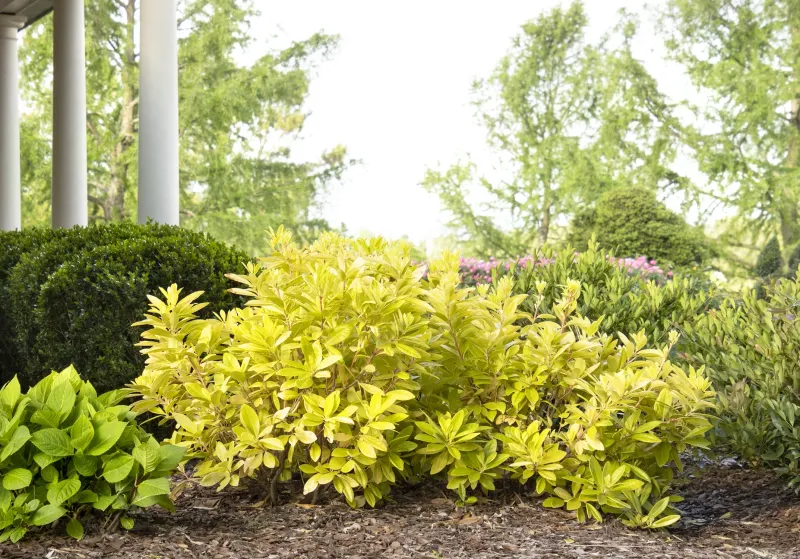
One of the most practical tools available for protecting soil moisture around anise shrubs does not come from a hose.
Organic mulch applied around the base of the shrub can slow evaporation, buffer soil temperature swings, and help the root zone hold onto moisture longer during dry fall stretches.
It works quietly in the background, doing its job without much attention.
Shredded bark, wood chips, or pine straw are common choices that work well in North Carolina landscapes. Apply mulch in a layer roughly two to three inches deep, keeping it spread out to cover the root zone area.
The critical detail is to leave space between the mulch and the base of the shrub’s stems. Piling mulch directly against the trunk can trap moisture against the bark and create conditions that are not good for the plant.
Mulch is a helpful supporting practice, but it does not replace the need to check soil moisture. The surface of a mulched bed can feel and look relatively moist while the soil several inches below is actually quite dry.
Pulling back the mulch to feel the soil directly gives a more accurate reading of what is actually happening at root level.
Think of mulch as one part of a broader approach to fall preparation.
Combined with appropriate watering when dry conditions occur, a proper mulch layer helps create a more stable environment around the root zone as temperatures begin to shift toward winter in North Carolina.
5. Newly Planted Anise Shrubs Need Closer Moisture Monitoring
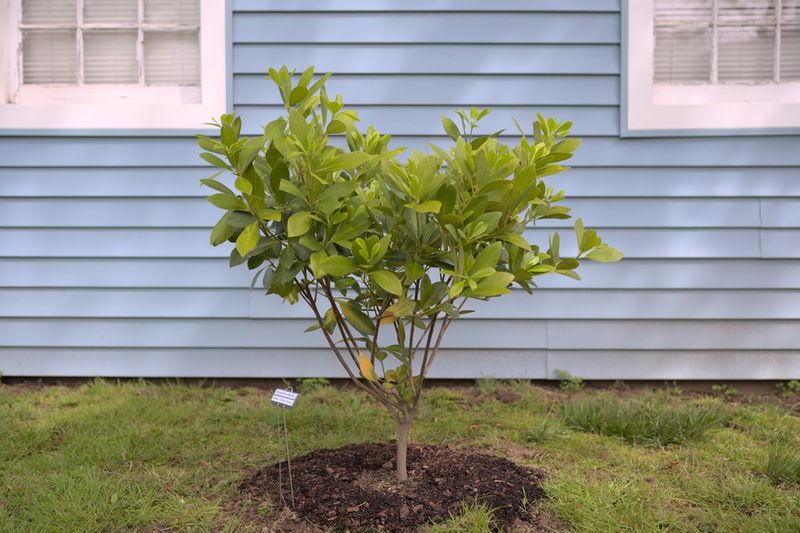
A shrub that went into the ground this past spring or summer is in a very different position than one that has been growing in the same spot for five years.
Newly planted anise shrubs are still building their root systems, which means the network of roots available to pull moisture from the surrounding soil is much smaller and more limited than what an established plant has developed.
That limited root reach makes newly planted shrubs more vulnerable during dry fall periods. Even if surrounding soil holds reasonable moisture, a new shrub may not yet have roots extending far enough to access it.
Checking moisture in the immediate root zone around a new planting is more important than checking the broader bed, because that smaller area is where the roots are actually living and working.
Fall is genuinely a valuable season for new plantings in North Carolina. Cooler temperatures reduce heat stress, and roots can continue developing even as the weather changes.
Giving new shrubs adequate moisture through fall helps them settle in before winter, which can support their ability to resume active growth in spring.
How often to water depends on rainfall, soil type, drainage, and temperature rather than a fixed number of days. Check moisture more frequently during dry stretches, especially if the shrub is growing in a sunny or exposed location.
The goal is to keep the root zone moist but not waterlogged as the planting continues to establish itself through the season.
6. North Carolina Weather Can Create Unexpected Fall Dry Periods
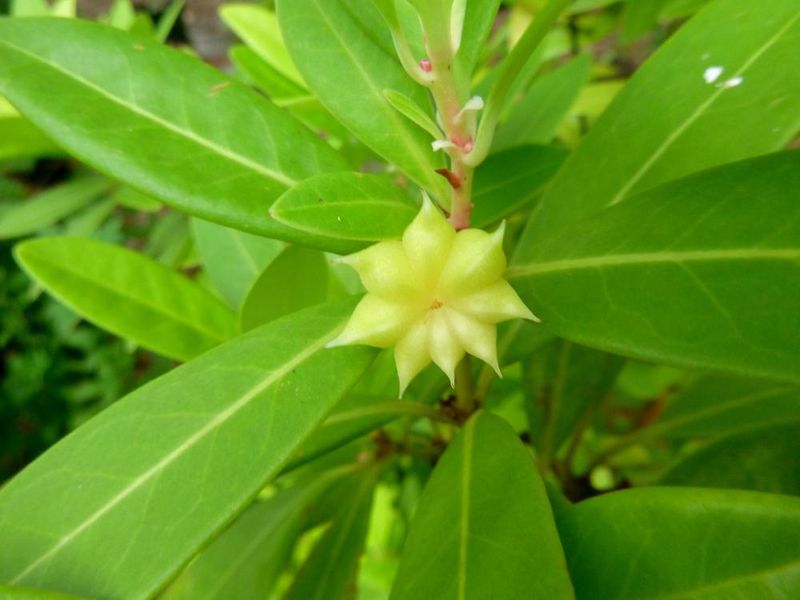
Autumn in North Carolina does not always look the way gardeners might expect.
While the season can bring welcome rain and cooler temperatures, it can also include extended warm spells, low humidity, and surprisingly dry stretches that leave garden beds thirstier than anticipated.
Assuming that fall automatically means consistent rainfall can lead to missing signs that your anise shrubs actually need water.
Regional differences across the state add another layer of variability. Conditions in the Mountains, Piedmont, and Coastal Plain can differ noticeably during fall, with some areas receiving more consistent rainfall and others experiencing prolonged dry periods.
A gardener near Asheville may be working with very different soil moisture conditions in October than someone gardening near Wilmington or Raleigh.
Keeping an eye on local weather rather than following a statewide or national schedule makes a meaningful difference.
If your area has gone several weeks without meaningful rainfall and temperatures remain warmer than expected, that is worth paying attention to even if fall has officially arrived on the calendar.
Observing your own landscape is the most reliable guide. Look at the soil, feel it at root depth, and consider how much sun and wind the planting receives.
Anise shrubs growing in sheltered spots with naturally moist soil may need less attention during dry periods than those planted in open areas with faster-draining conditions.
Letting actual garden observations guide your watering decisions is far more useful than following a generic fall schedule.
7. Well-Drained Soil Still Needs Consistent Moisture
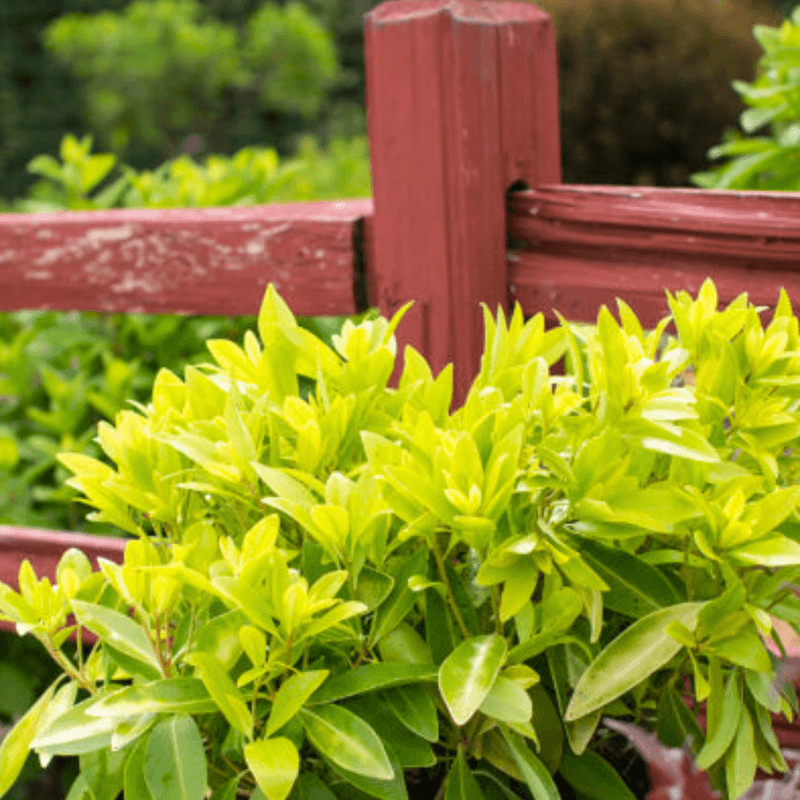
Good drainage and dry soil are not the same thing, and understanding that difference is important when caring for anise shrubs.
Well-drained soil allows excess water to move away from the root zone rather than pooling around the roots, which is exactly what anise shrubs need.
However, well-drained does not mean the soil should dry out completely between watering events.
The ideal condition for anise shrubs is soil that holds enough moisture for roots to access while still allowing extra water to drain away. Think of it as a balance rather than an extreme in either direction.
Soil that drains too freely, like very sandy soil, may dry out quickly and require more frequent attention during dry fall periods. Soil that stays consistently waterlogged creates a different set of problems by reducing the oxygen available around the roots.
Checking soil a few inches below the surface helps you understand what your specific planting conditions are doing.
If the soil feels crumbly and dry at that depth, the drainage may be working well but moisture is not being retained long enough for the roots to benefit.
Adjusting your watering response to match actual soil behavior is more useful than following general rules.
Amending soil with organic matter over time can help improve both drainage and moisture retention in many North Carolina garden beds.
Good soil structure supports anise shrubs through seasonal changes by helping maintain the moist-but-well-drained conditions these plants genuinely prefer heading into winter months.
8. Knowing When To Water Helps Prepare Anise Shrubs For Winter
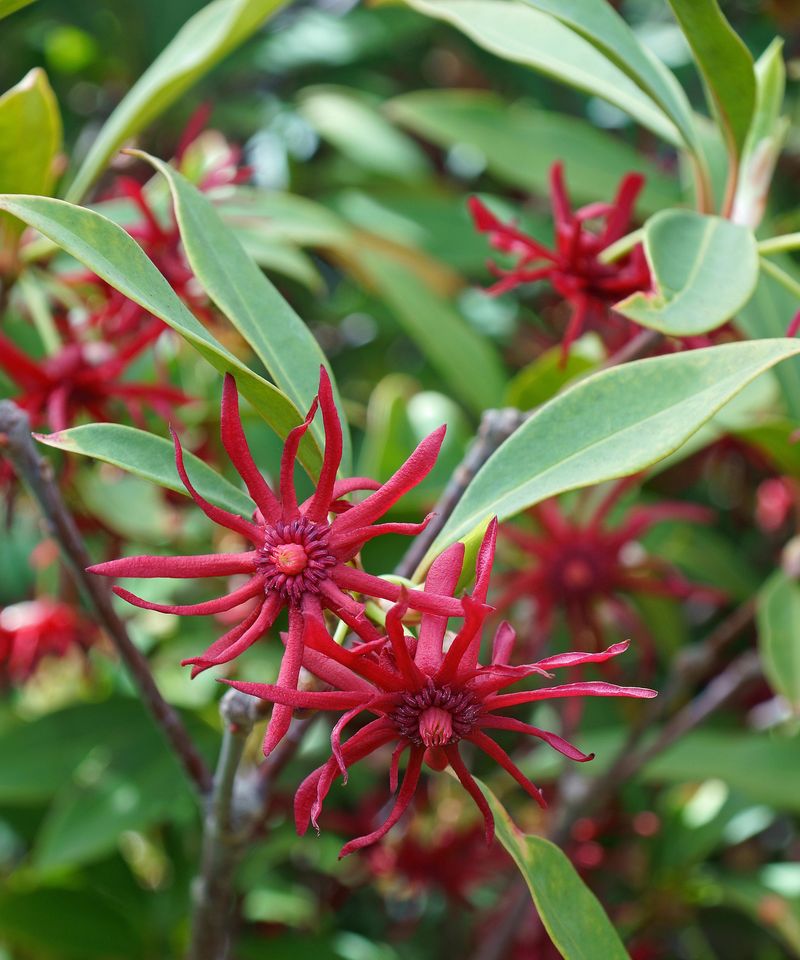
Pulling together everything about fall moisture care comes down to one practical skill: reading your garden and responding to what you actually find rather than following a rigid routine.
Soil condition, recent rainfall, plant age, and planting location all feed into the decision of whether your anise shrubs need water on any given fall day.
Start with a soil check rather than a schedule. Press your finger or a small probe a few inches into the root zone near the shrub.
If the soil feels adequately moist, hold off and check again after a few days, especially if dry weather continues. If the soil feels noticeably dry at that depth, providing a deep watering can help restore moisture before colder temperatures settle in more firmly.
Newly planted shrubs, plants in exposed or windy spots, and those growing in faster-draining soils may need more frequent checks than established shrubs in sheltered, naturally moist areas.
Adjust your attention based on what each planting situation actually requires rather than treating every anise shrub in your landscape the same way.
A well-rounded fall preparation routine for anise shrubs combines appropriate watering during dry periods, a proper mulch layer, good drainage, and thoughtful plant placement.
No single action guarantees a trouble-free winter, but maintaining suitable root-zone moisture before cold weather arrives is a meaningful and practical step that supports these beautiful evergreen shrubs through the season ahead.