Prune Your Arizona Gardenias This Fall The Right Way To Protect Next Year’s Blooms
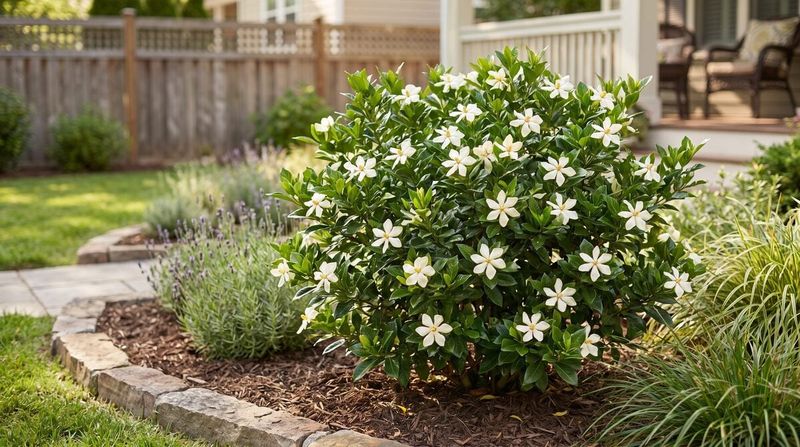
Fall is when many Arizona gardeners feel the urge to tidy up their gardenias, but cutting back at the wrong time can quietly cost you next season’s flowers. Gardenias often begin forming flower buds in fall, so routine shaping cuts remove exactly what you were hoping to protect.
The real rule is simpler than it sounds: skip the shaping, pull out your pruners only when something is clearly dead or broken, and save any corrective work for after the plant finishes blooming.
Protect future flowers by skipping routine fall shaping
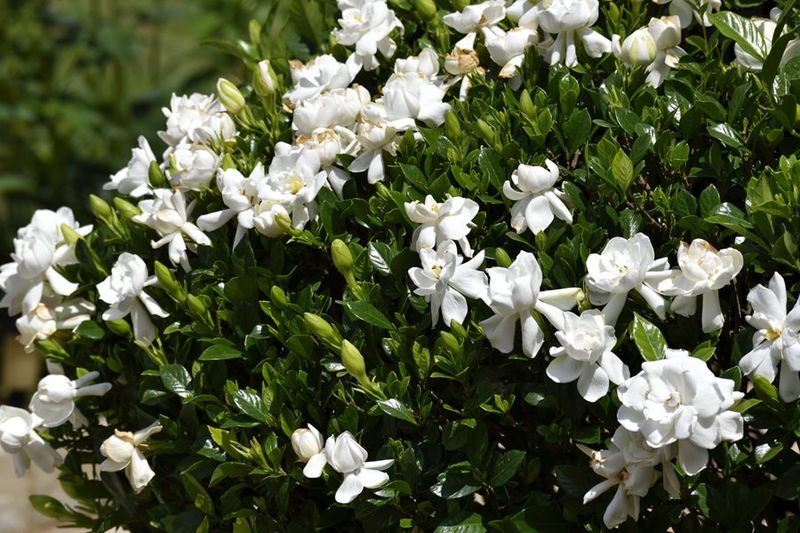
Routine fall shaping is the one pruning habit most likely to cost an established Arizona gardenia its next round of flowers. Gardenias commonly begin setting flower buds in fall for the next bloom cycle, and any shearing or reshaping done during that period removes the very growth that carries those buds.
The plant cannot tell the difference between a tidy-up cut and a damaging one; the bud is gone either way.
University of Arkansas Cooperative Extension recommends pruning immediately after the first major bloom and cautions against fall pruning for exactly this reason. Established plants growing in the Phoenix or Tucson area deserve the same restraint, even if the weather still feels warm enough for yard work.
Fall intervention is not completely off the table. Removing growth that is clearly dead, broken, or diseased remains appropriate whenever you spot it.
The line to hold is between necessary corrective removal and optional reshaping. Healthy living stems with potential flower-bearing growth should stay in place.
Skip the cosmetic session now, and the plant keeps its best shot at a strong next bloom cycle.
Why timing matters more than a calendar date
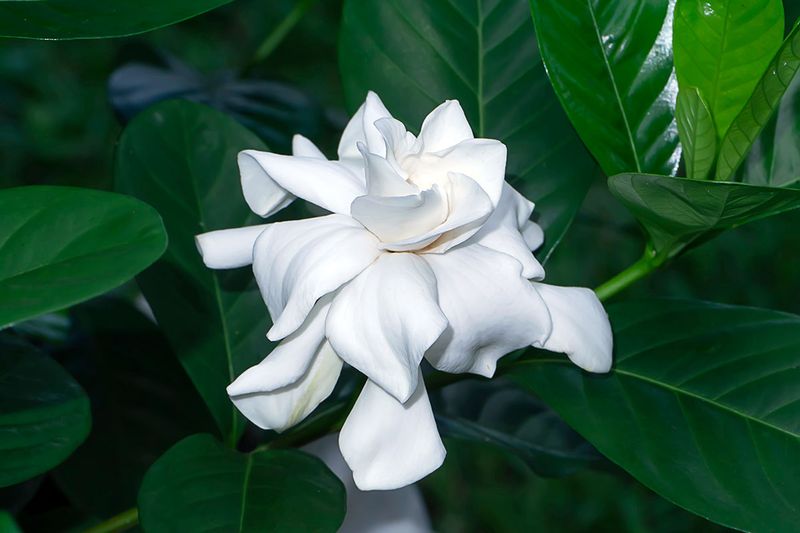
Gardenias operate on a bud-setting schedule that does not align neatly with a single date on any calendar. The plant typically finishes its main flowering push in late spring or summer, then shifts energy toward forming the buds that will carry the next bloom cycle.
Pruning during that bud-setting phase cuts off the payoff before it ever arrives.
Clemson Cooperative Extension notes that gardenias generally flower in early summer, and that pruning should follow immediately after flowering so the plant has time to push replacement growth before bud set begins again. That post-flowering window is when cuts do the least damage and give the most recovery time.
The complication for Arizona growers is that not every gardenia follows the same schedule. Cultivars differ in when they bloom, whether they rebloom, and how quickly they transition from flowering into bud formation.
A plant finishing its flowers in June faces a very different clock than one still blooming into August. Climate variation between Phoenix’s lower elevations and Tucson’s slightly cooler conditions adds another layer.
Rather than watching the calendar, watch the plant: once flowers fade and the main flush is clearly finished, that is the opening for any light corrective work.
Make only necessary fall cuts
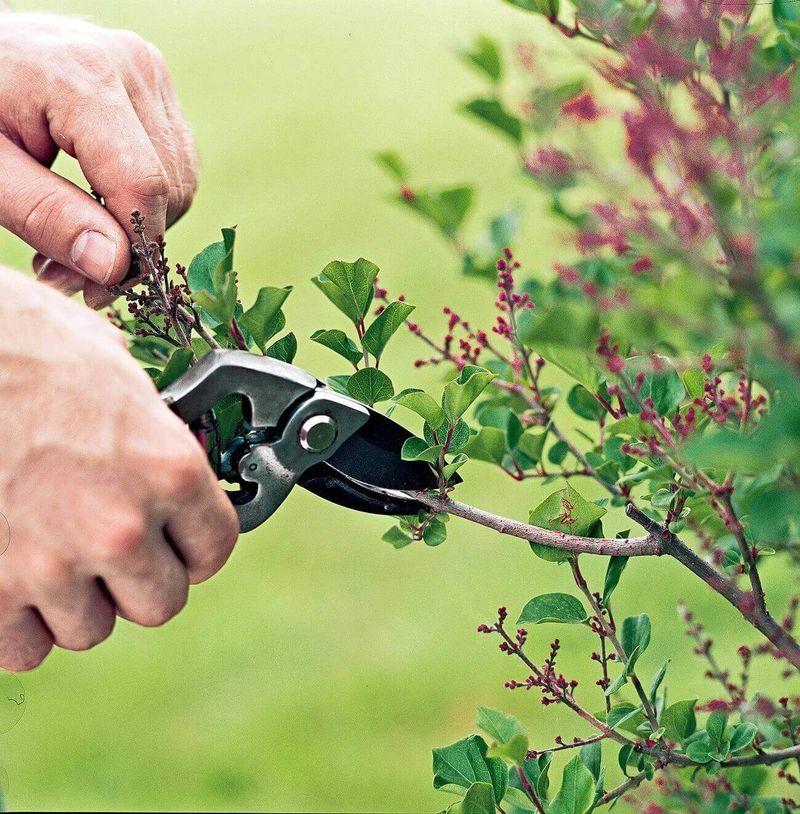
When fall arrives and a gardenia has a few obviously dead stems, a broken branch from summer monsoon winds, or a section showing signs of disease, those pieces can and should come out. Removing them does not threaten next season’s flowers; leaving diseased or dead material in place can create bigger problems over winter.
Your Arizona Garden Changes Every Week. Your Plan Should Too.
Gardening in Arizona changes quickly throughout the season. Every Friday you’ll receive a simple weekly plan showing exactly what to plant, prune, fertilize, harvest, and protect so you never miss the right timing.
The practical test before each cut is straightforward. Ask whether the stem is clearly dead, physically broken, or visibly diseased.
If the answer is yes to any of those, the cut is justified. If the answer is no, put the pruners down.
Resist the temptation to clean up the silhouette, reduce overall size, or remove branches simply because they look a little unruly. Those healthy stems are holding potential buds, and the gardenia’s shape can be addressed properly once flowering wraps up next season.
Use clean tools when a cut cannot wait
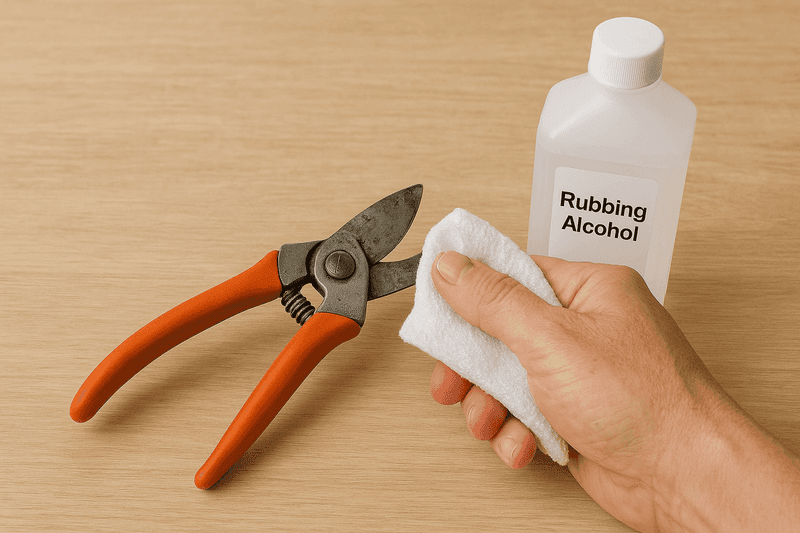
Any cut made in fall should be executed cleanly. Sharp bypass hand pruners leave a smooth wound that heals faster than the ragged tear left by dull blades or loppers used on stems too small for them.
Crushing a stem instead of cutting it cleanly creates an entry point for pathogens exactly when you are trying to remove a problem, not create one.
A quick wipe with a disinfectant solution between plants is a small step that prevents moving a fungal or bacterial problem from one part of the garden to another.
Keep the scope of the work narrow. Clean tools are for making the necessary corrective cuts identified in the previous step, not a green light for additional pruning.
Make the cut just outside the branch collar, avoid leaving a long stub, and move on. The goal is to remove the problem with minimal disturbance to surrounding healthy growth.
Resume light pruning after the main flowering period
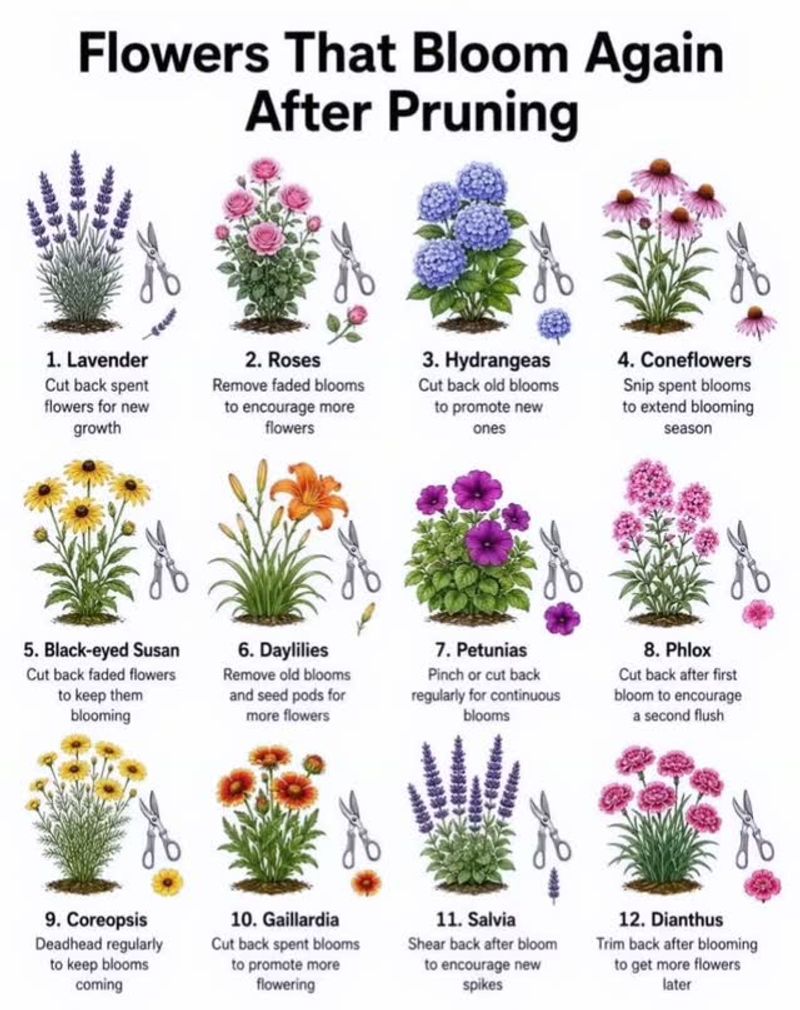
Once the main flowering period wraps up and the last faded blooms have dropped or browned, that is the window to do any light corrective shaping the plant needs. This timing gives the gardenia the longest possible runway to push new growth, let that growth mature, and begin forming buds for the next bloom cycle before fall arrives again.
UF/IFAS Extension’s gardenia guidance describes the preferred pruning window as immediately after flowering, generally in midsummer, and University of Arkansas Extension gives the same basic recommendation. Clemson Extension adds that post-bloom pruning should target straggly branches and faded flowers rather than a wholesale renovation of the plant’s size or structure.
Light is the operative word here. Gardenias do not need hard annual cutbacks to perform well.
Removing faded flowers, shortening a branch that has grown well beyond the plant’s natural outline, or cutting out a stem that crosses awkwardly through the center of the shrub covers most of what a healthy plant actually requires. Avoid treating post-bloom pruning as an opportunity to dramatically reduce the plant’s overall size, since heavy renovation cuts push the same bud-protection logic in reverse: the more you remove, the more flowering potential you sacrifice.
Keep cuts minimal, purposeful, and limited to what genuinely improves the plant’s health or structure.
Let the cultivar and location guide the timing
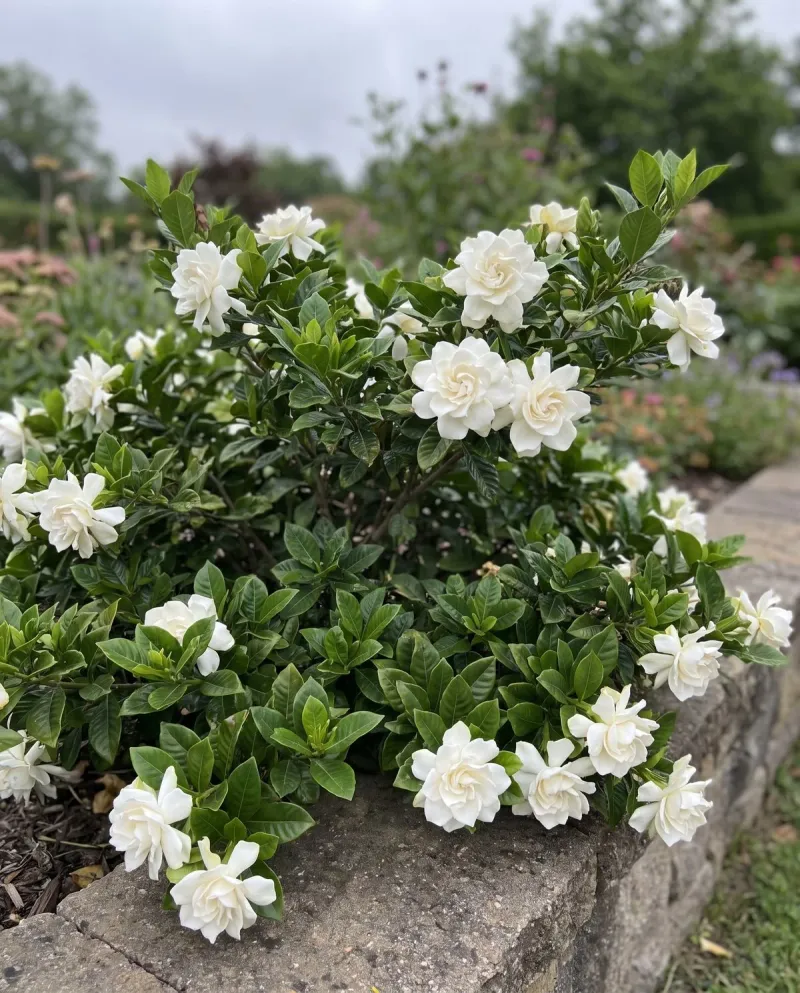
The fall-bud caution is well grounded, but applying it correctly means knowing a little about the specific gardenia in your yard. Not every cultivar follows the same flowering calendar or sets buds at the same point in the season.
Clemson Cooperative Extension lists repeat-blooming cultivars that flower on both old and new wood, which changes how aggressively a fall cut affects the next bloom cycle compared with a once-per-season variety that flowers only on old wood.
University of Arkansas Extension notes that some newer gardenia selections can produce flowers on current-season growth as well as on fall-set buds, meaning the bud-removal risk is somewhat lower for those plants. That is a meaningful distinction, but it does not make fall shaping the right call for most established gardenias.
It means the stakes vary rather than disappear.
Regional cutoff dates from other states add another layer of confusion. UF/IFAS uses October 1 as a hard-pruning warning point for Florida conditions, and an Ask Extension response from North Carolina gives an earlier regional cutoff suited to that climate.
Neither date translates directly to Phoenix, Tucson, a 3,000-foot elevation property, or a gardenia in a container on a west-facing patio with afternoon shade. Microclimate, elevation, and container placement all shift when a plant transitions into bud set.
Watch the plant’s behavior in your specific spot rather than borrowing a date from a different climate entirely.
Separate pruning from Arizona growing problems
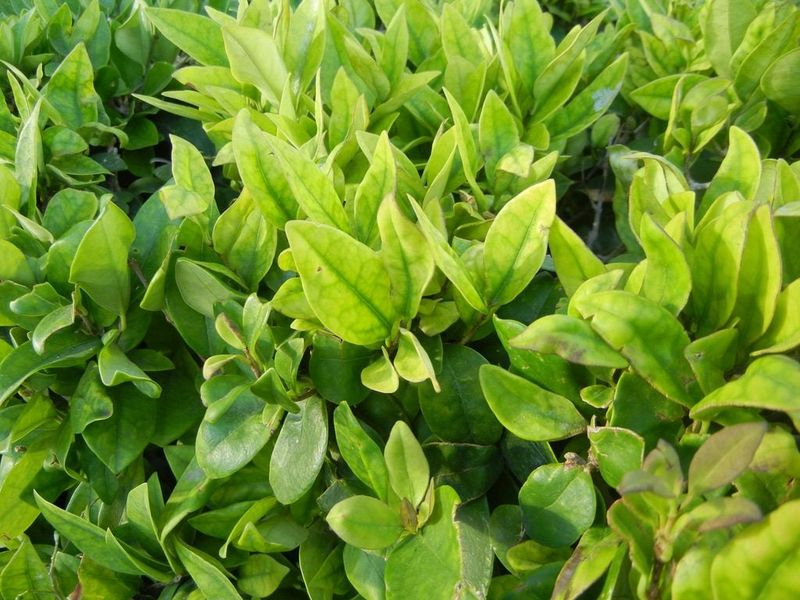
Skipping fall pruning protects potential buds, but it cannot fix a gardenia that is already struggling with Arizona’s soil and climate conditions. The two problems operate independently, and mixing them up leads to frustration when correct pruning timing still fails to produce flowers.
Alkaline and calcareous soils, which are common across the Phoenix and Tucson metro areas, limit iron availability to the plant. When iron uptake drops, gardenias develop chlorosis, showing yellowing leaves with green veins, and overall vigor declines.
University of Arizona Cooperative Extension’s guidance on iron deficiency explains this nutrient-availability problem in detail. Soil pH is the root cause, not the pruning schedule.
Heat, low humidity, inconsistent watering, and winter cold exposure are separate factors that can each affect bud retention or flowering on their own. Clemson Extension identifies bud drop causes that include high temperatures, water stress in either direction, and low humidity, none of which pruning timing can address.
A gardenia that drops buds due to a late cold snap or an irregular watering schedule is not a pruning failure.
Placement and container culture can improve the odds. A spot with morning sun and afternoon shade reduces heat load, and growing gardenias in large containers with acidic, well-drained potting media sidesteps the worst of Arizona’s native soil constraints.
No placement guarantees bloom, but matching the plant’s actual needs to the site it occupies is a more direct path to flowers than any pruning adjustment alone.
Protect potential buds without promising a flower crop
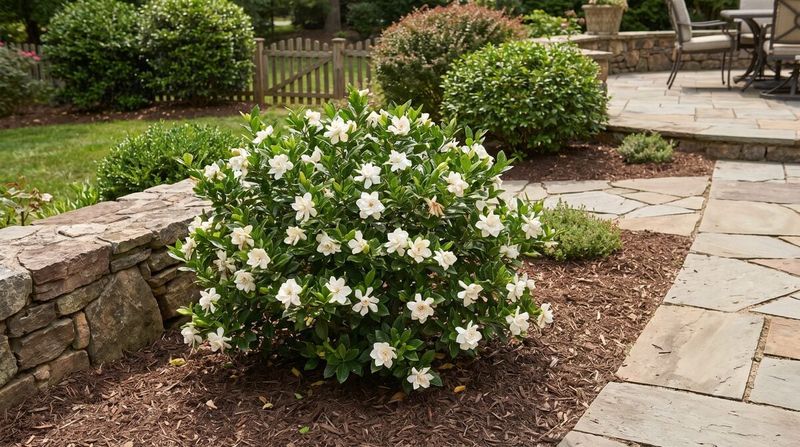
The actionable sequence is short. Skip routine fall shaping entirely.
Remove only growth that is clearly dead, broken, or diseased, using clean sharp tools and targeted cuts. Do not treat fall pruning as a reason to fertilize, since late feeding can push tender new growth that may suffer cold damage.
Then wait for the main flowering period to end before doing any light corrective work on shape or structure.
Following that sequence protects whatever flower buds the plant has already begun forming, which is the most a gardener can do from the pruning side of the equation.
Protecting buds and guaranteeing flowers are two different things. Cultivar behavior, soil conditions, heat, water consistency, light, and winter temperatures all influence whether a gardenia retains its buds and carries them through to bloom.
Good pruning timing removes one obstacle; the rest depends on how well the plant’s environment matches its actual needs. A gardenia that gets the timing right but sits in compacted alkaline soil with afternoon reflected heat is still working against the odds.
The pruning rule is worth following, and it works best when the plant is otherwise well cared for.