The One Thing You Must Do to Peonies in Ohio Before Winter
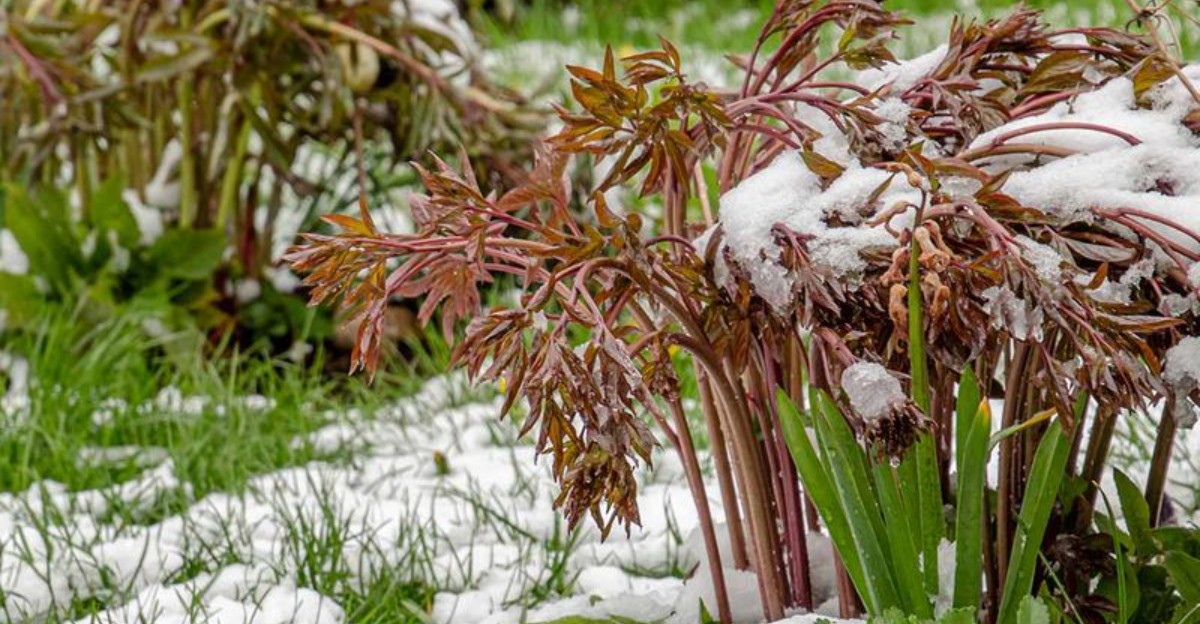
Those big spring flowers can carry fungus spores straight through winter on their old leaves. Wait until you hear what that means for next year’s blooms.
The spores hide in brown stems and fallen foliage. Cold weather does not bother them much. Come spring, rain splashes them right onto fresh shoots.
I learned this the hard way in my own Ohio garden. One year I skipped a simple fall chore. The next May, half my buds turned brown and never opened.
Personally, I now mark this task on my calendar every autumn. It takes less than ten minutes per plant. Want to know what it is and how to do it right?
Your Peony Patch Is Hiding a Secret Under Those Fading Leaves
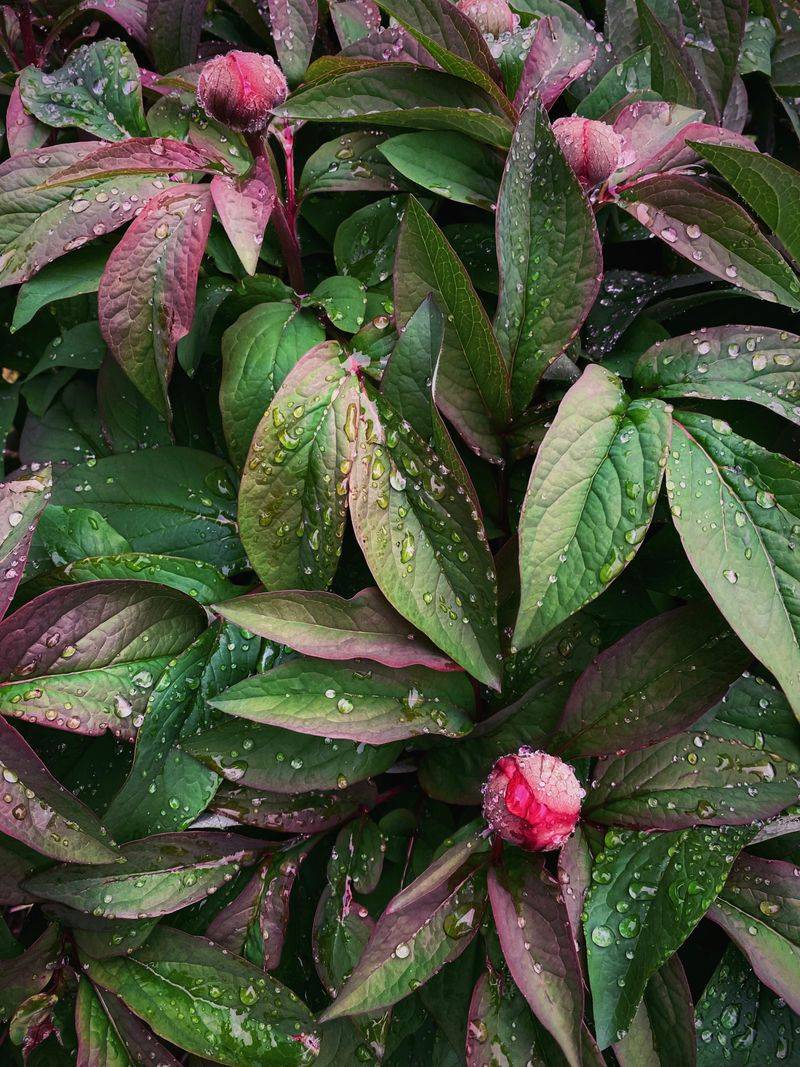
Walk past your peony bed in late October and you might see a tired mess of bronze and yellow leaves. Most folks shrug and leave it alone.
That mess, though, is doing more than looking sleepy.
Old peony foliage often holds tiny fungal spores from summer. You may have noticed spotted leaves or gray fuzz on buds back in June.
Those problems did not just disappear when the weather cooled.
Spores settle into the stems and leaves as they fade. They rest there all winter, tucked against the soil near the crown.
When spring rain arrives, they splash onto brand-new red shoots and start the cycle again.
I like to think of the old leaves as a winter hotel for trouble. Leave the hotel standing, and the guests check back in next season.
Take it down, and many of them have nowhere to stay.
So the one task that matters most is simple. You need to cut back and clear away your peony foliage before winter.
It sounds almost too easy, but this single step often makes a bigger difference than fertilizer, extra water, or fancy sprays.
Cutting Peony Stems in Fall Breaks the Fungus Cycle
Ohio summers are warm, humid, and often wet. Fungi love that kind of weather.
Peonies, sadly, are one of their favorite hosts.
Ohio State University Extension points to fall cleanup as a key way to manage peony diseases. The reason comes down to biology.
Many fungi survive winter on infected plant tissue, then release spores in spring when conditions turn damp.
Botrytis blight is the big one. It turns buds brown and makes young stems flop over at the base.
Peony leaf blotch, also called red spot or measles, leaves purple and brown marks on leaves and stems.
Both of these troublemakers overwinter in old debris. When you cut the stems and haul them off, you remove a large share of the spores.
Fewer spores mean fewer infections when the plant wakes up.
Cleanup will not make your plants immune. A rainy spring can still bring some spotting.
Still, gardeners who stay on top of this chore usually see cleaner buds, healthier leaves, and more flowers that actually open.
Think of it as stacking the odds in your favor. A few snips now can save you weeks of frustration next May.
Your Ohio Garden Changes Every Week. Your Plan Should Too.
Gardening in Ohio changes quickly throughout the season. Every Friday you’ll receive a simple weekly plan showing exactly what to plant, prune, fertilize, harvest, and protect so you never miss the right timing.
Wait for a Hard Frost Before You Trim Those Peony Leaves
Patience pays off with this job. Cutting too early can actually shortchange your plant.
Those green leaves are still busy making food for the roots.
All summer and into fall, peony foliage sends energy down into the thick storage roots. That stored energy fuels next spring’s shoots and flowers.
Chop the leaves in August, and you rob the plant of fuel it needs.
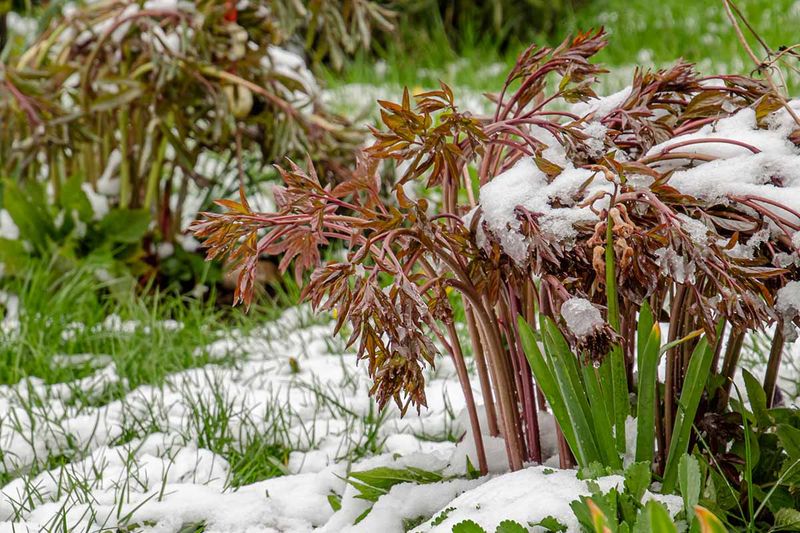
The best signal is a hard frost. Once temperatures dip into the upper twenties, the leaves blacken or flop.
At that point, they have finished their work for the year.
In northern Ohio, that frost often arrives in October. Southern parts of the state may wait until late October or early November.
Watch your own yard rather than a calendar date.
Yellowing leaves are another good clue. If the foliage looks tired and limp, you can usually go ahead even before frost.
One exception exists. If leaves are badly spotted or moldy by late summer, you can remove the worst ones early.
Just leave some healthy foliage to keep feeding the roots. Balance is the goal, and a little waiting goes a long way.
Grab Your Pruners and Cut Peonies Close to the Ground

Clean, sharp pruners make this chore quick and tidy. Dull blades crush stems and leave ragged ends.
Wipe your tool with a disinfectant before you start, especially if your plants had spots this year.
Gather the stems in one hand like a bouquet. Snip them about one to three inches above the soil line.
Leaving short stubs helps you remember where the plant sits, so you do not dig into it by accident.
Be careful around the crown. Peonies form pinkish or red buds, called eyes, just below the soil surface.
Those eyes become next year’s stems, so avoid scraping or digging near them.
Move from plant to plant and wipe your blades again between each one. This small habit helps keep spores from hitching a ride.
It takes only seconds with a rag and some rubbing solution or a bleach mix.
Wear gloves if the stems feel slimy or moldy. Some gardeners lay a tarp beside the bed to catch clippings as they work.
That trick makes cleanup faster and keeps fallen bits off the soil, which is exactly where you want them gone.
Skip the Compost Pile With Those Peony Clippings
Tossing clippings onto the compost heap feels like the responsible move. For diseased peony leaves, it is usually a mistake.
Home compost piles rarely get hot enough to break down fungal spores.
Bag the trimmed stems and leaves instead. Many Ohio communities offer yard waste pickup in fall.
Large municipal facilities often reach higher temperatures that handle plant disease better than a backyard bin.
Next, look closely at the soil around each plant. Fallen leaves and little leaf bits can hide there.
Rake them up gently with your fingers or a small hand rake.
I like to finish by checking under nearby shrubs and along the bed edge. Wind loves pushing peony leaves into corners.
Every scrap you remove means fewer spores waiting for spring.
If your plants looked healthy all season, the stakes are lower. Some gardeners still bag everything just to be safe.
It is a small habit with a real payoff.
Once the bed is clear, step back and enjoy it. The area looks neat, the crowns can breathe, and you have handled the part that counts most before snow arrives.
You Might Spot These Peony Troubles If You Skip Cleanup
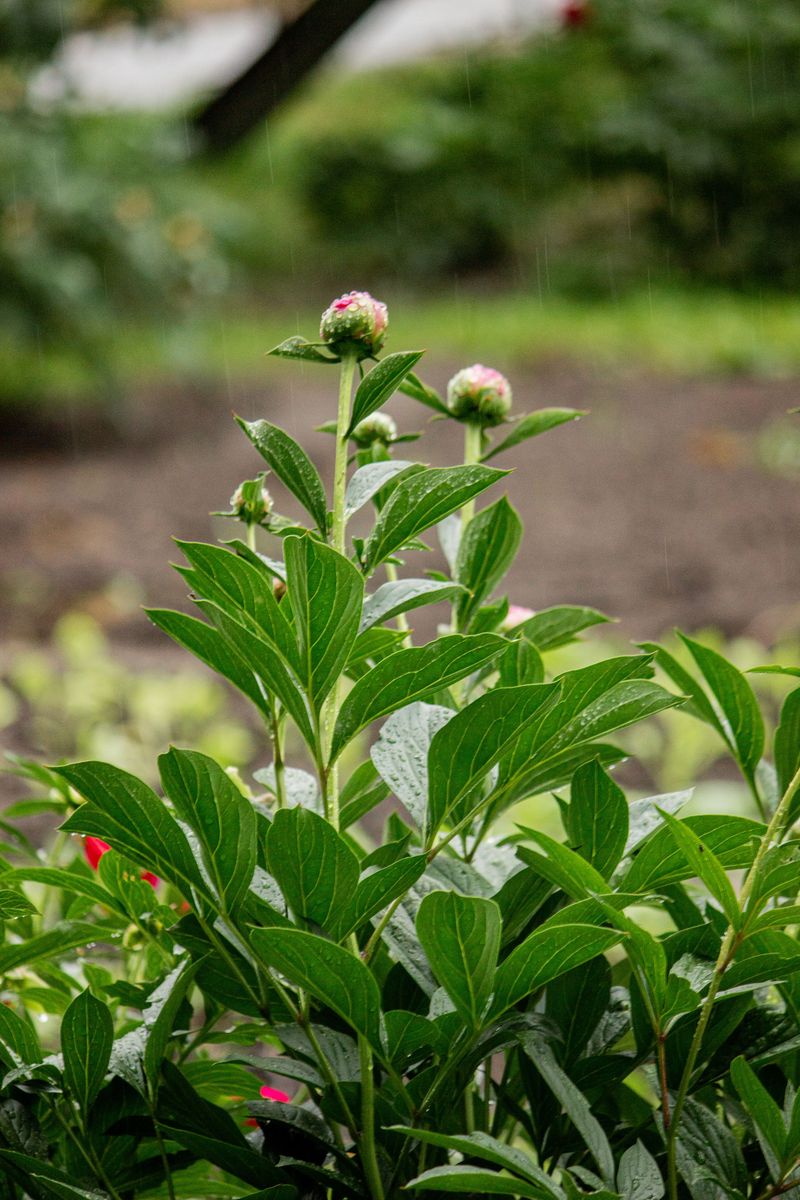
Brown, shriveled buds that refuse to open are a heartbreaking sight. Many gardeners blame ants or cold snaps.
More often, botrytis blight is the true culprit.
Botrytis shows up in cool, wet springs. Young stems may darken at the base and suddenly wilt.
Later, buds and petals can grow a fuzzy gray coating, especially after a stretch of rainy days.
Leaf blotch looks different. You will see glossy purple or reddish spots on leaves that grow into larger brown patches.
By late summer, the whole plant can look scorched and messy.
Powdery mildew also visits peonies, mostly in late summer. It coats leaves in a white, dusty film.
It looks ugly but usually causes less harm than the other two.
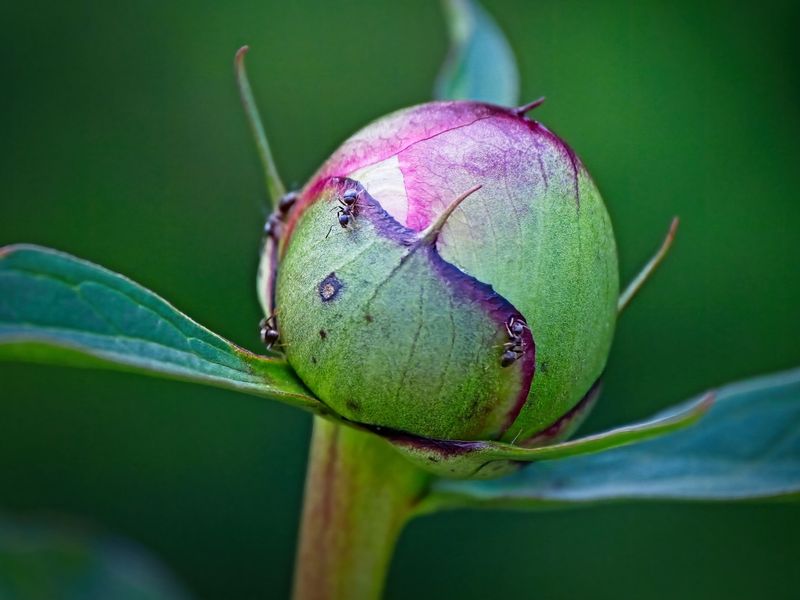
Fun fact for curious gardeners. Ants crawling on peony buds are not the problem at all.
They simply feed on sweet nectar and leave the flowers alone.
All three fungal problems share one weak spot. They depend on leftover plant tissue to carry them into the next season.
Fall cleanup cuts off that lifeline, and good spacing for airflow helps even more.
Should Your Peonies Get a Winter Mulch Blanket in Ohio

Here is a pleasant surprise for busy gardeners. Established peonies are tough and handle Ohio winters well.
In fact, they need a cold period to bloom their best.
Most mature plants do fine without any mulch at all. Their roots have settled in and can handle freezing soil.
A heavy layer can even trap moisture and invite rot around the crown.
New plantings are a different story. If you planted or divided peonies this fall, a light mulch helps.
It keeps the soil from freezing and thawing over and over, which can push young roots out of the ground.
Use loose material like shredded bark or pine needles. Spread about two to four inches after the ground starts to freeze.
Avoid matted leaves, since they hold water against the plant.
Come early spring, pull the mulch back before red shoots appear. This lets the soil warm and keeps the crown dry.
Also check planting depth. Peony eyes should sit no more than about two inches below the soil.
Plant them deeper, and they may grow leaves but skip flowers. A little care now sets up a beautiful June.