Apply This To Ohio Lawns Before August Ends Or Crabgrass Wins The Fall
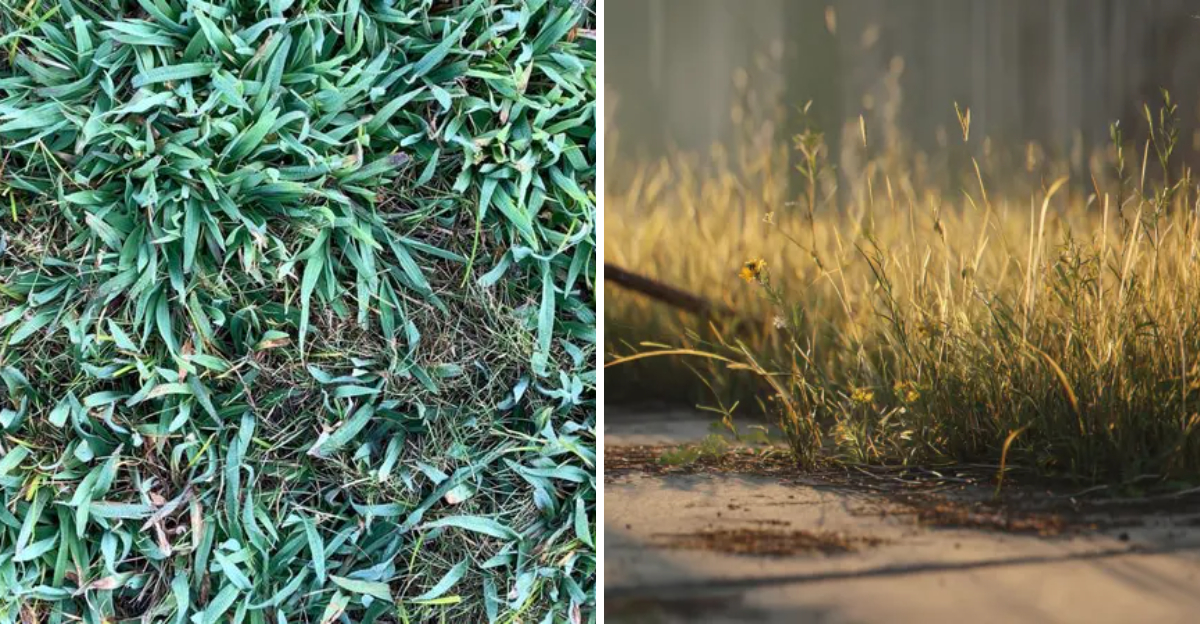
Crabgrass does not announce its fall strategy. It just executes it, quietly, while Ohio lawns coast through August on whatever momentum summer left behind.
By the time the damage is obvious, the window for stopping it has already closed. August is the last real chance.
Not September, not when the crabgrass is thick and the seed heads are already dropping into the soil for next year. Right now, before the month ends, is when the right application changes what the lawn looks like in October.
The products that work are specific. The timing within August matters more than the bag instructions communicate.
Applied too late, they accomplish almost nothing. Applied now, they interrupt a cycle that would otherwise repeat itself through every fall season that follows.
Crabgrass is already planning for next year. The lawn that does not respond in August is the one it wins.
1. Use Post Emergent Control While Crabgrass Is Still Growing
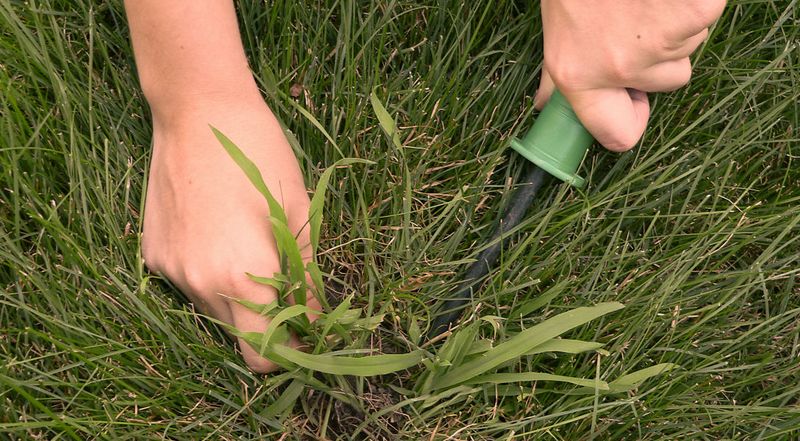
A flat, wide crabgrass patch creeping toward the sidewalk is a clear signal that germination already happened months ago. At this point, a spring preventer will not do a thing.
The product category that may actually help now is a labeled post-emergent crabgrass control, applied only while the weed is still actively growing.
Post-emergent herbicides target weeds that have already emerged from the soil, which is exactly where late-summer crabgrass stands. OSU Extension turfgrass guidance notes that post-emergent options work best on younger, smaller plants.
Mature crabgrass in late August may be harder to fully control because the plants are large, heat-stressed, and close to producing seed.
Before applying anything, check three things carefully. First, confirm the product is labeled for use on your specific grass type, since some post-emergent controls can injure certain cool-season turf species.
Second, check the weed stage, because very large or already-seeding plants may respond poorly. Third, read the reseeding interval on the label if you plan to overseed this fall.
Weather also matters. Most labels warn against applying during drought stress or extreme heat.
Following the label is not optional; it is a legal and safety requirement. Turfgrass specialists recommend treating crabgrass while it is young and actively growing for the best chance at meaningful control before frost arrives.
2. Skip Spring Preventer Once Crabgrass Has Already Sprouted
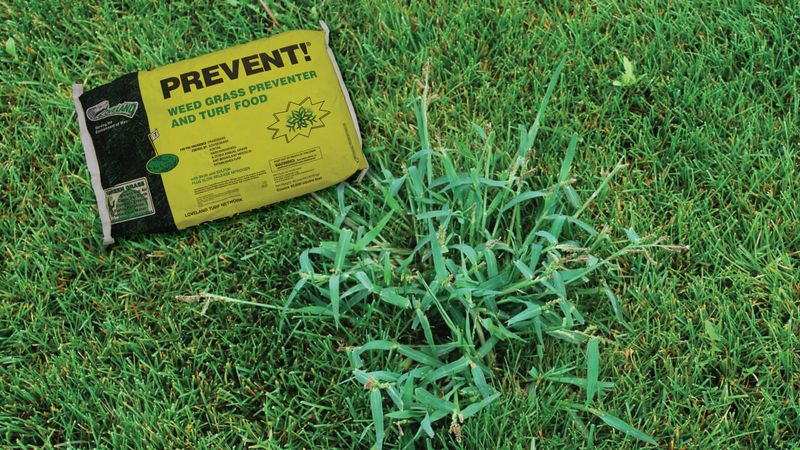
Picking up a bag of crabgrass preventer from the garage and spreading it across a lawn that is already full of green, spreading crabgrass plants is a common move. It’s actually one of the most common late-summer lawn mistakes.
Spring pre-emergent products are designed to create a chemical barrier in the soil that stops germinating seeds. They are not built to remove plants that have already rooted and grown.
Extension weed-control resources explain that pre-emergent herbicides work by disrupting root development in germinating seeds. Once a crabgrass plant has pushed through the soil and established itself, that barrier has no meaningful effect on it.
Applying a preventer now will not destroy visible crabgrass, and it may interfere with fall grass seeding if spread too late in the season.
Your Ohio Garden Changes Every Week. Your Plan Should Too.
Gardening in Ohio changes quickly throughout the season. Every Friday you’ll receive a simple weekly plan showing exactly what to plant, prune, fertilize, harvest, and protect so you never miss the right timing.
Save the pre-emergent planning for next spring. Use this August to note exactly where crabgrass pressure was worst in your yard.
Those hot spots are likely thin, compacted, or low-mowed areas that gave crabgrass seeds the bare soil they needed to germinate. Mapping those areas now helps you target pre-emergent applications more effectively next year.
For right now, focus energy on spot control with a labeled post-emergent product where appropriate, and on repairing thin turf this fall. Getting the timing right in spring is where pre-emergent preventers earn their place in a lawn-care plan.
3. Identify Crabgrass Before Treating The Wrong Weed
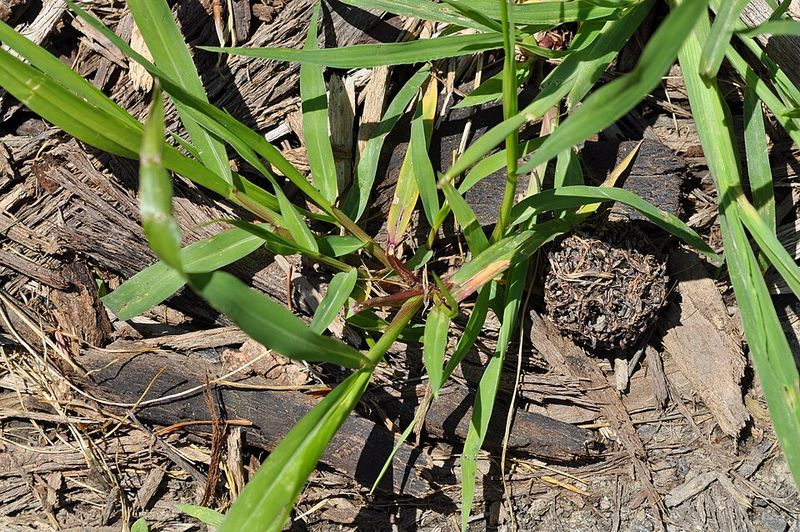
Not every coarse, clumpy grassy weed spreading across a lawn is crabgrass. Treating the wrong plant with the wrong product wastes money, stresses good turf, and leaves the actual problem untouched.
Getting a solid identification before reaching for any herbicide is one of the most practical steps an Ohio homeowner can take.
Large crabgrass, the most common species in Ohio, grows low and spreads outward in a crab-like pattern. Its leaf blades are wider than typical lawn grass, and the plant produces distinctive finger-like seed heads that branch out from a central stem.
University extension crabgrass guidance points to the sprawling, prostrate growth habit and the coarse leaf texture as two of the most reliable identification features.
Crabgrass is often confused with goosegrass, tall fescue clumps, or other grassy weeds. Goosegrass tends to have a flattened, star-shaped base and a silvery center stem.
Tall fescue clumps grow upright rather than sprawling. These distinctions matter because post-emergent crabgrass controls are not always effective on other weed species.
If identification is uncertain, OSU Extension offices and local turfgrass professionals can help confirm the weed using photos or samples. Many extension programs offer online identification tools as well.
Skipping this step and randomly spraying every grassy patch risks injuring desirable turf and missing the actual target entirely. Accurate identification is the foundation of any effective weed-control plan.
4. Spot Treat Young Plants Before They Sprawl And Seed
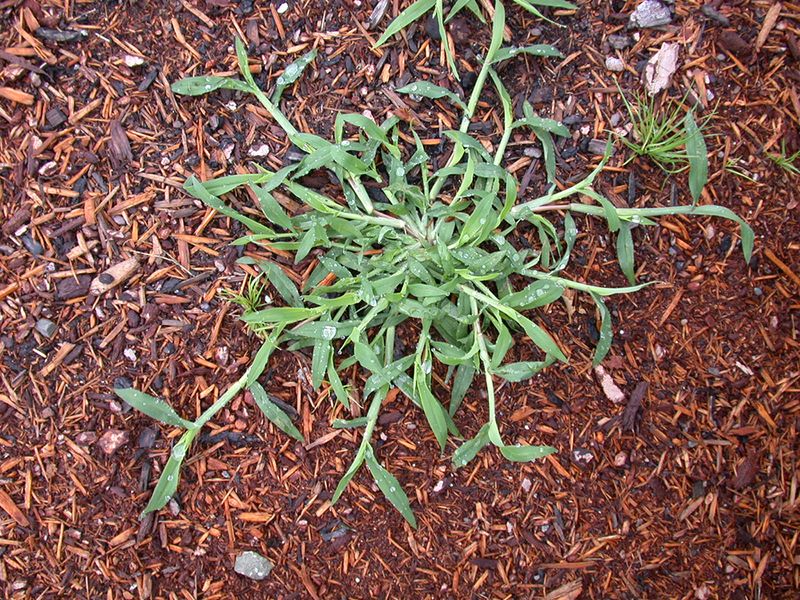
Scattered crabgrass patches across an otherwise healthy lawn do not always call for a full blanket application. Spot treatment is often the smarter, more targeted approach.
This is especially true when crabgrass is still in smaller, younger patches rather than covering large sections of the yard.
Treating small, defined areas reduces the amount of product applied to the lawn overall. It also lowers the risk of injuring surrounding desirable turf.
This matters most when cool-season grasses like tall fescue or Kentucky bluegrass are already under late-summer stress. Extension weed-control resources note that post-emergent controls work best on actively growing, younger crabgrass plants.
This makes early spot treatment more likely to succeed than waiting until plants are fully mature.
Very large, mature crabgrass plants that are already producing seed heads may respond less predictably to late-season treatment. Turfgrass specialists acknowledge that control of mature plants near the end of the growing season can be limited.
In some cases, pulling isolated plants by hand is a practical option where the infestation is light and soil is moist enough to remove roots cleanly.
The priority with spot treatment is preventing seed production where possible. Each crabgrass plant can produce thousands of seeds that remain viable in the soil for years, according to university turfgrass guidance.
Reducing seed input now, even partially, can lower next year’s germination pressure. Always follow label directions for coverage, rate, and safety, and avoid applying near desirable plants not listed on the label.
5. Read The Label Before Fall Seeding Begins
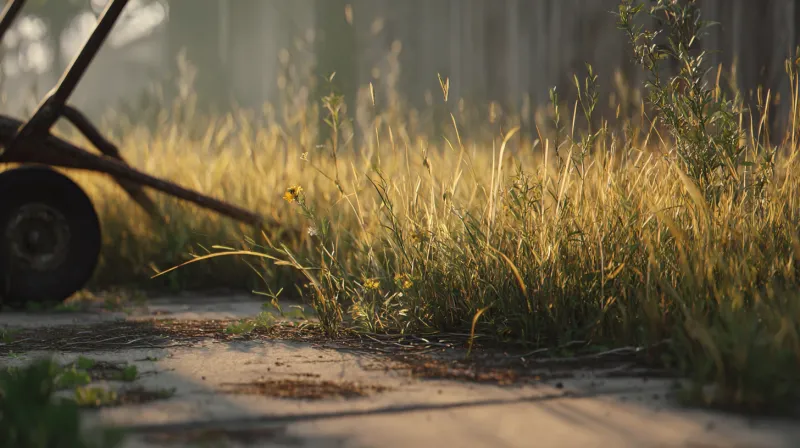
Fall is the best window for cool-season lawn seeding in Ohio, but some crabgrass control products can create a conflict with that plan. Certain post-emergent herbicides require a waiting period before new grass seed can be safely established in treated areas.
Skipping that step can mean wasted seed, poor germination, or patchy results.
Pesticide label guidance requires that reseeding intervals be followed exactly as written. These intervals vary by product and active ingredient, so there is no single universal wait time that applies to every crabgrass control on the market.
Some products may require only a short interval, while others may require several weeks before overseeding is safe.
The choice between treating crabgrass now and overseeding this fall may come down to priorities in each specific area of the lawn. If a patch is heavily infested with crabgrass but also badly thin, deciding which step to take first can be tricky.
It requires reading the label and possibly consulting extension guidance for that product and grass species.
Lawn renovation guidance advises Ohio homeowners to also check whether a product is labeled as safe for the specific cool-season grass being planted. This includes checking for grasses like tall fescue, Kentucky bluegrass, or perennial ryegrass.
Not every product is cleared for every turf species. Reading the full label before buying or applying any product protects both the investment in new seed and the surrounding turf that is already established.
6. Protect Stressed Turf Before Spraying Anything
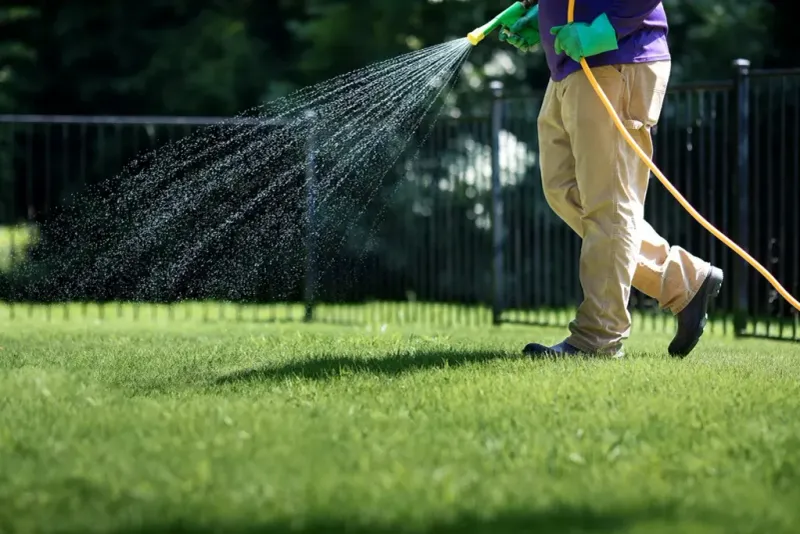
By late August, many lawns across Ohio are running on fumes. Weeks of summer heat, reduced rainfall, and close mowing can leave cool-season turf thin, dry, and barely hanging on.
Applying a post-emergent herbicide to a lawn that is already under serious stress can make things worse, not better.
Most herbicide labels include specific warnings against applying to drought-stressed, heat-stressed, or dormant turf. These warnings exist because stressed grass is less able to metabolize herbicide compounds safely, increasing the risk of turf injury.
Extension weed-control resources emphasize reading stress-related application restrictions before treating any lawn that looks brown, wilted, or struggling.
If the lawn is visibly dry, watering adequately before making any treatment decision is a practical first step. Proper soil moisture helps desirable turf recover and also helps herbicides move into actively growing weed tissue more effectively.
Mowing at the correct height for the grass species also reduces stress before treatment.
Turfgrass specialists recommend mowing cool-season grasses at three to four inches during summer stress periods. Cutting too short removes leaf tissue the plant needs to photosynthesize and survive heat.
Raising the mowing height before considering any herbicide application gives desirable turf a better chance of tolerating the treatment.
Protecting the lawn’s health is just as important as targeting the weed. A turf that recovers well from summer stress has a stronger foundation for fall repair and is better positioned to resist future crabgrass pressure.
7. Repair Thin Spots So Crabgrass Has Less Room
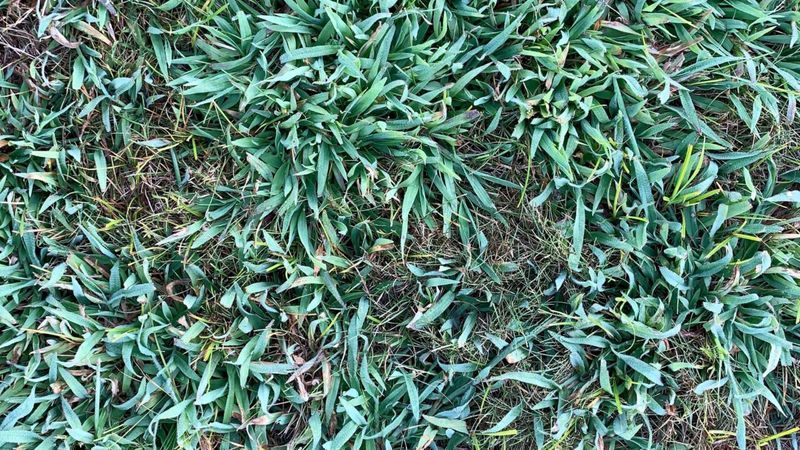
Bare soil is an open invitation for crabgrass. Every thin patch, compacted area, or low-mowed strip gives crabgrass seeds exactly the warm, exposed ground they need to germinate come spring.
Repairing those weak areas this fall is one of the most effective long-term steps in any crabgrass management plan.
OSU Extension turfgrass guidance notes that dense, healthy turf shades the soil surface. This makes it harder for crabgrass seeds to receive the light and warmth they need to germinate.
A thick stand of cool-season grass is a natural competitor against annual weeds like crabgrass, which grows from seed each year and withers after the first hard frost.
Fall is the ideal time for overseeding cool-season grasses in this region. Soil temperatures are still warm enough for germination, air temperatures are cooling, and competition from summer weeds is winding down.
Lawn renovation guidance advises improving seed-to-soil contact by raking thin areas lightly. It also recommends addressing compaction with aeration where needed and watering new seed consistently until it establishes.
Check the label of any crabgrass control product used nearby before overseeding, since some products can inhibit new grass establishment. Choosing areas to treat versus areas to seed may require making a zone-by-zone decision across the lawn.
Overseeding alone will not solve every weed problem, but thickening the turf removes the bare-soil conditions that let crabgrass dominate year after year. Repair now, and next spring starts with less open ground for weeds to claim.