The One Thing You Should Never Do To Texas Redbud Trees This Fall
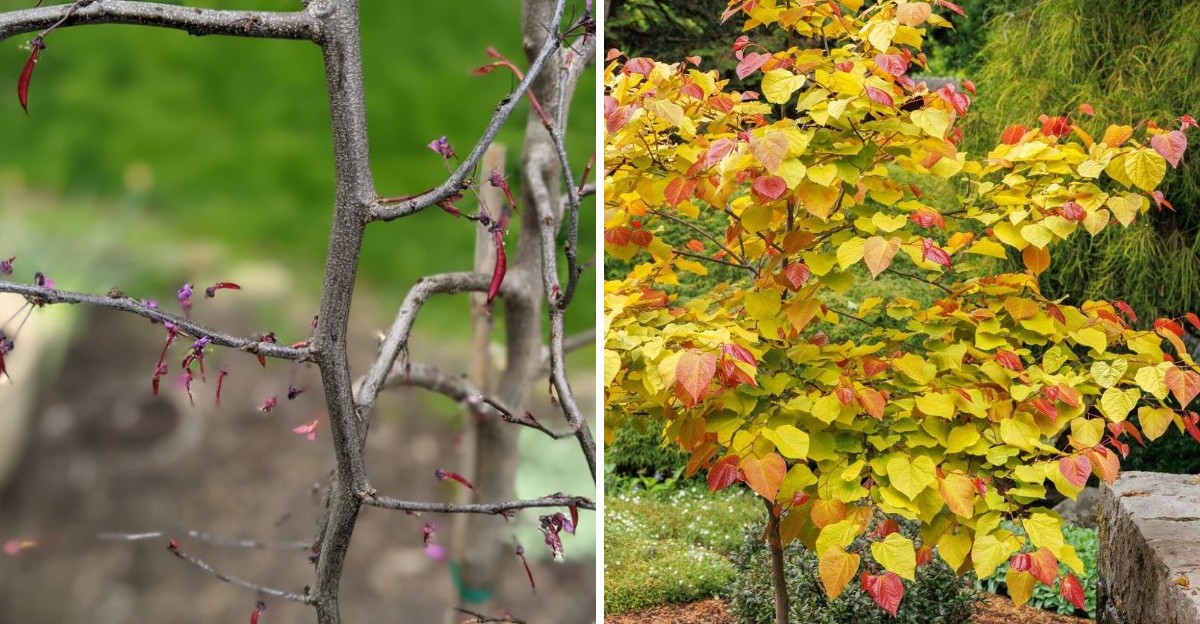
Texas redbuds have a delightful habit that few trees share. In early spring, their bright pink-magenta blossoms don’t just cover the branches.
They burst straight out of the trunk and older limbs, too, wrapping the whole tree in color before a single leaf appears. It’s one of the first signs that spring has arrived, and it all starts months earlier.
Next spring’s flower buds are already forming right now. They sit quietly along the branches all winter, waiting for warmer days.
That’s what makes fall such a risky time for one common yard chore. A move that seems harmless, or even helpful, can wipe out next spring’s show before it ever begins.
Many homeowners don’t realize the mistake until March, when their redbud produces only a handful of blooms.
A little restraint this fall can keep your tree covered in color when spring rolls around.
Don’t Prune Texas Redbuds In Fall
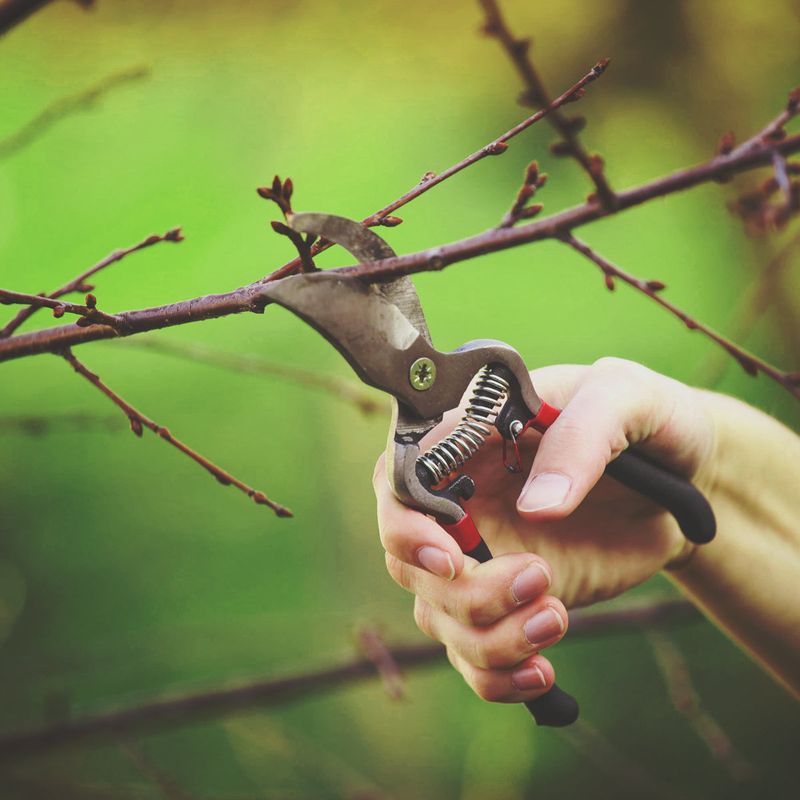
Every fall, someone in the neighborhood pulls out the loppers and starts snipping away at their redbud. It looks like good yard work. Sadly, it is one of the most common mistakes people make with these trees.
Fall cleanup feels like a fresh start. You rake leaves, pull old plants, and trim shrubs so the yard looks neat for winter. It is easy to treat the redbud the same way. After all, a few stray branches seem harmless to remove.
The problem is timing. Texas redbuds work on a different schedule than many other plants. By the time fall rolls around, the tree has already done its planning for spring. Every cut you make now can take away part of that plan.
So what happens if you prune anyway? The tree will usually be fine overall. However, you may notice far fewer flowers when spring arrives. Instead of a cloud of bright pink, you might see bare patches and only a few scattered blooms.
For many homeowners, those flowers are the whole reason they planted a redbud. Losing them for a year can be a real letdown. It is a little like skipping your favorite holiday because you cleaned house on the wrong day.
Here is a simple rule to remember. If your redbud looks a bit shaggy in fall, let it stay that way for now. Put the pruning tools back in the shed and focus on other chores.
You can even make a note on your calendar for spring. That way, you will remember to shape the tree later. A little patience in fall pays off with a much brighter show when winter finally ends.
Next Spring’s Flowers Are Already In Place
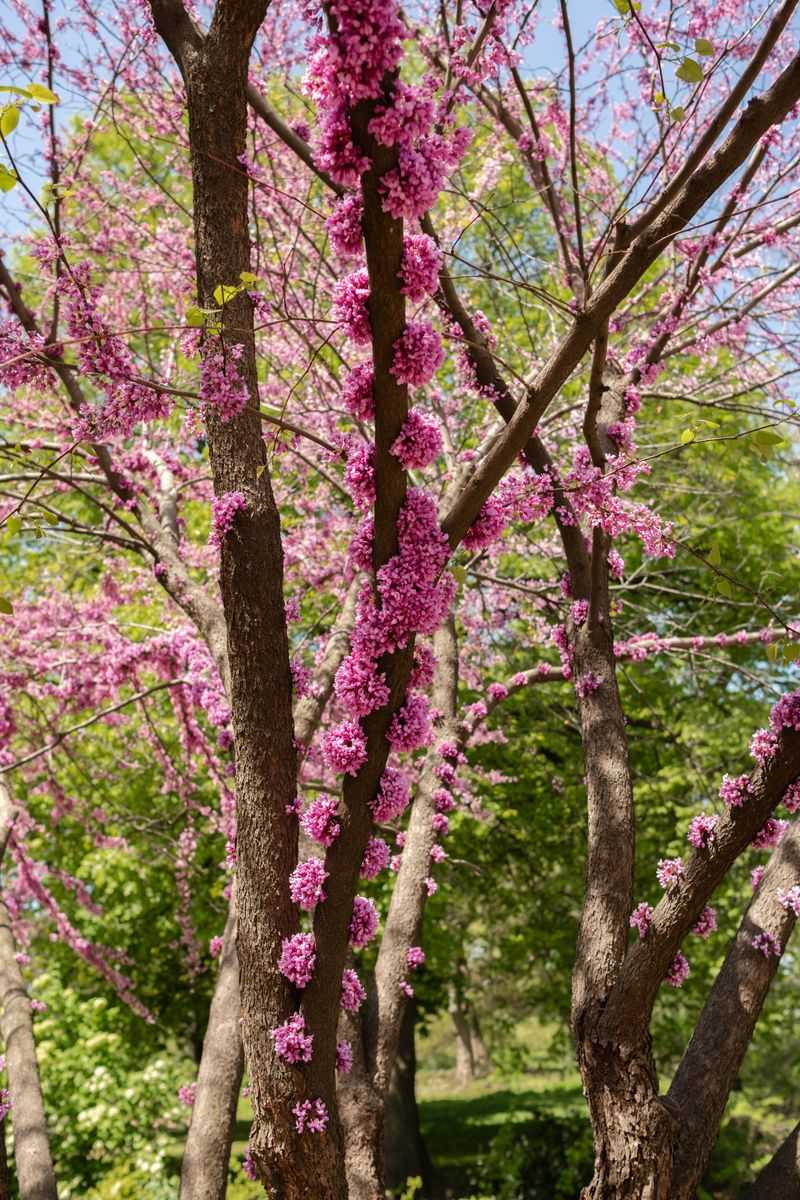
Did you know redbuds can bloom right on their trunks? It sounds strange, but it is true. Tiny pink flowers often pop out of thick, old bark, almost like the tree is wearing jewelry.
That quirky habit has a name. Botanists call it cauliflory, which simply means flowering on the trunk or main stems. Cacao trees, the source of chocolate, do the same thing. Your backyard redbud is part of a pretty fun club.
Your Texas Garden Changes Every Week. Your Plan Should Too.
Gardening in Texas changes quickly throughout the season. Every Friday you’ll receive a simple weekly plan showing exactly what to plant, prune, fertilize, harvest, and protect so you never miss the right timing.
Now here is why it matters for pruning. Texas redbuds bloom on older wood, not on brand new growth.
During summer and early fall, the tree quietly forms flower buds along its branches. By the time the leaves turn yellow, next spring’s blooms are already sitting there, waiting.
If you look closely in late fall or winter, you can often spot them. They are small, rounded bumps, usually in little clusters. Some sit along thin twigs, while others hide on thick limbs and even the main trunk.
When you cut branches in fall, you remove those buds along with the wood. Each branch you take off is a handful of spring flowers gone. Big cuts on larger limbs can wipe out a surprising number of blooms all at once.
Think of the buds as gifts already wrapped under a tree. Pruning now is like tossing some of those presents out before anyone opens them. Nobody wants that.
Try this fun activity with kids or friends this fall. Walk out to your redbud and count how many bud clusters you can find on one branch. It is a great way to see the spring show forming before your eyes.
Pruning Wounds Can Invite Problems
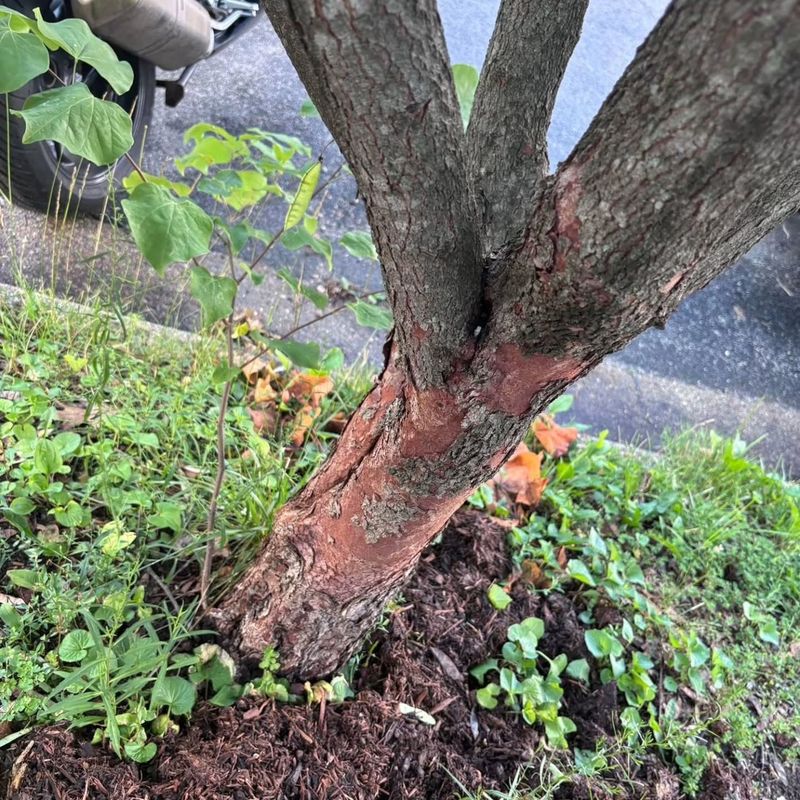
A fresh cut on a tree is a lot like a scrape on your knee. It is an open spot, and germs love open spots. For a redbud, those germs are often fungi waiting for a chance to move in.
Redbuds are known to struggle with a disease called canker. Canker shows up as sunken, dark, or cracked areas on the bark. Over time, it can weaken branches and make them wilt or break.
Fungal spores travel easily on wind, rain, and even garden tools. When you prune, you create a doorway straight into the living wood. Cool, damp fall weather can make it even easier for spores to settle in.
In spring and early summer, a healthy redbud heals cuts more quickly. It is actively growing and can seal wounds faster. In fall, the tree is slowing down and getting ready to rest, so healing takes longer.
There is also the issue of stress. As days get shorter, your redbud shifts energy toward its roots and stored food for winter. A round of pruning forces it to deal with fresh wounds at a time when it would rather relax.
Picture someone asking you to run a race right before bed. You could do it, but you would feel worn out the next day. Trees feel a similar strain.
If you ever do need to cut, a few habits help a lot. Use sharp, clean tools so cuts are smooth. Wipe blades with rubbing alcohol between trees to avoid spreading disease. Most of all, save the bigger trimming jobs for a better season.
Prune Right After Spring Blooming Instead
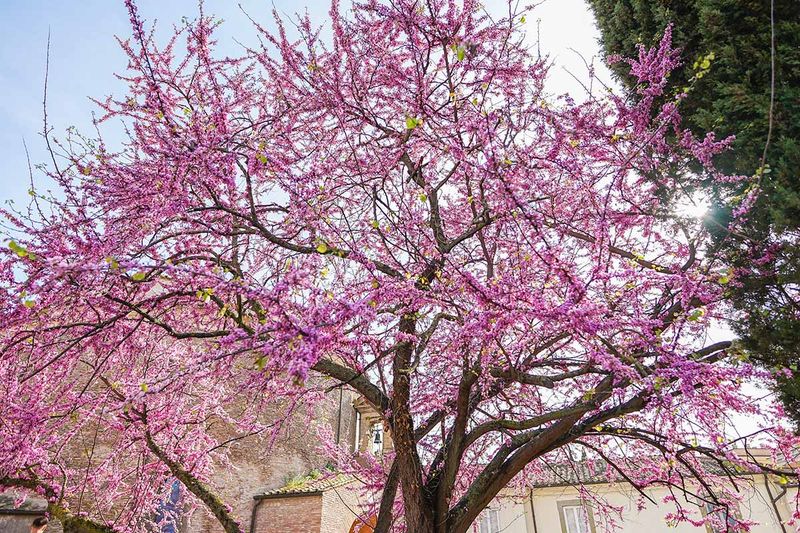
Good news for anyone with an itchy pruning hand. There is a perfect window to shape your redbud, and it comes right after the flower show ends in spring.
Texas redbuds usually bloom from late February to early April, depending on where you live. Once the pink blossoms fade and fresh leaves start to unfold, grab your tools. That is your green light.
Why is this timing so great? You get to enjoy every single flower first. Then the tree has the whole growing season to heal cuts and form new buds for the next year. Everyone wins.
Start by stepping back and looking at the tree’s overall shape. Redbuds naturally grow with several trunks or a wide, rounded crown. Try to work with that form instead of fighting it.
Next, look for branches that cross or rub against each other. Rubbing can wear down bark over time, so remove the weaker one. You can also thin out crowded spots in the center to let in light and air.
Keep your cuts modest. A good rule is to never remove more than about one quarter of the tree in a single year. Heavy pruning can shock the tree and lead to lots of messy sprouts.
Try to finish your trimming by early summer. Waiting too long means you may start cutting off the buds forming for next spring.
A quick tip from experienced gardeners: set a phone reminder for when the blooms drop. It is an easy way to catch the right moment. Your redbud will look tidy and still put on a spectacular display year after year.
Dry Or Broken Branches Are The Exception
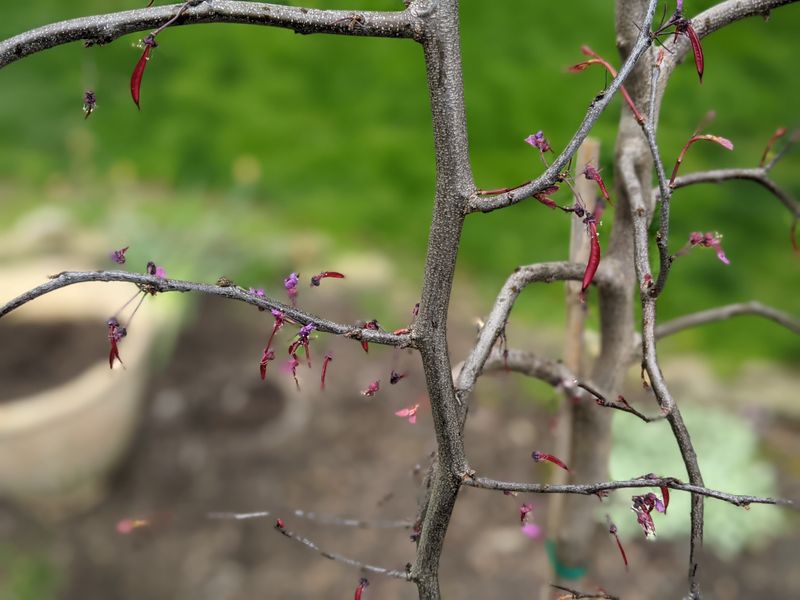
Storms do not check the calendar. A strong Texas wind or an ice storm can snap a redbud branch any time of year. When that happens, you do not have to wait until spring to fix it.
Dry, broken, or damaged branches are the big exception to the no-fall-pruning rule. These limbs are not helping the tree anymore. In fact, leaving them can cause more harm.
A hanging, cracked branch can tear bark as it swings. Dry, lifeless wood can also attract insects and decay. Removing it quickly keeps the rest of the tree safer and healthier.
Not sure if a branch is truly lifeless? Try the scratch test. Gently scrape a tiny bit of bark with your fingernail. Green underneath means it is still alive, while brown and brittle means it can go.
Now for the most important part, which is where you cut. Look for the branch collar. That is the slightly swollen ring where a branch joins the trunk or a larger limb.
Make your cut just outside that collar. Do not cut flush against the trunk, and do not leave a long stub. The collar holds special cells that help the tree seal the wound naturally.
For heavier branches, use a three-cut method to avoid tearing bark. First, make a small cut underneath a short distance out. Then cut from the top a bit farther out to drop the weight. Finally, trim the leftover stub at the collar.
Skip wound paint or tar. Research shows trees heal better on their own. Clean tools and a careful cut are all your redbud needs.
What To Do For Redbuds This Fall Instead
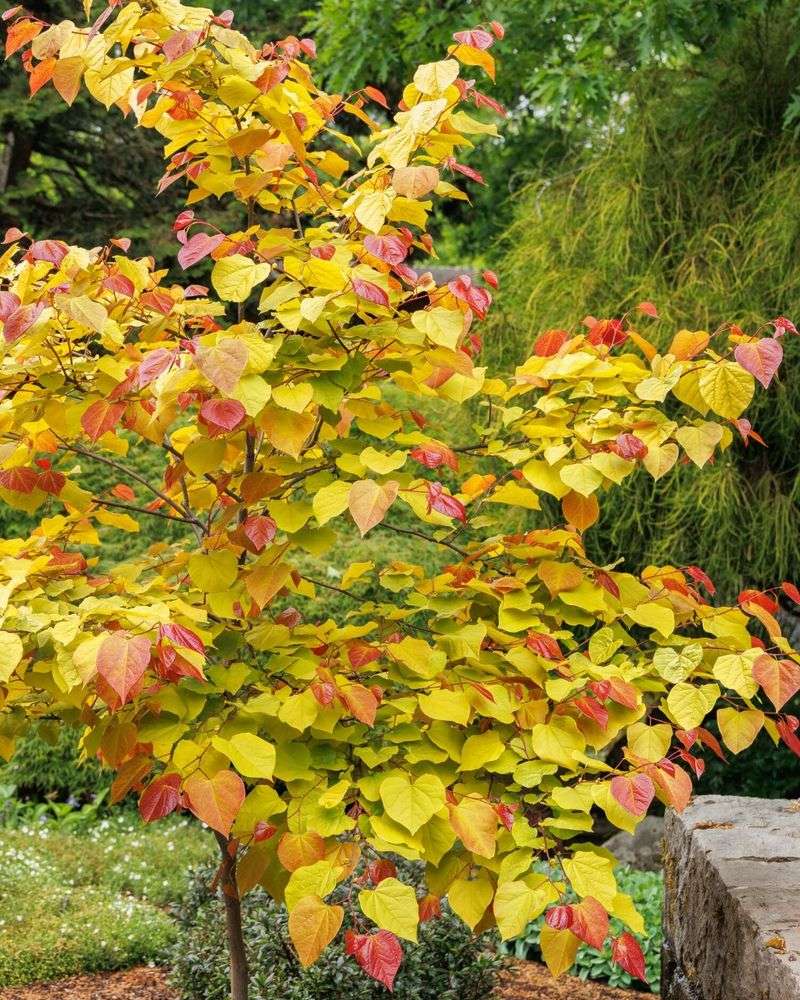
Put down the pruners and pick up the hose. Fall is actually a wonderful season to pamper your redbud in ways that really count.
Start with water. Texas falls can be surprisingly dry, and roots keep growing even after leaves drop. During long dry spells, give your tree a deep, slow soak about every two weeks.
A soaker hose or a gentle trickle from a garden hose works well. Let it run long enough for water to sink several inches into the soil. Deep watering encourages strong roots that can handle next summer’s heat.
Mulch comes next. Spread a two to three inch layer of shredded bark or wood chips around the root zone. Aim for a wide circle, reaching out toward the edge of the branches if you can.
Here is the key detail. Keep mulch a few inches away from the trunk. Piling it up against the bark, sometimes called a mulch volcano, traps moisture and invites rot and pests.
Mulch helps in many ways. It holds in moisture, keeps soil temperatures steady during cold snaps, and slowly feeds the soil as it breaks down. It also keeps lawn mowers and string trimmers from bumping the trunk.
Thinking about adding another redbud? Fall is the best time to plant one in Texas. Cooler air means less stress, while the warm soil lets roots spread for months before summer arrives.
Pick a spot with full sun to light shade and good drainage. Water the new tree well after planting. By spring, you might enjoy two trees full of flowers instead of one.