The One Tree That Truly Thrives In Florida Heat
By the time a Florida summer settles in, most yards tell the same story. Leaves start to droop, colors fade a bit, and even well-loved plants look like they are just trying to hang on through the heat.
It is not from lack of care. It is simply how intense the sun and humidity can get day after day.
That is why choosing the right tree matters more than most people expect. A tree that actually enjoys these conditions can change the whole feel of a yard, offering shade, steady growth, and a sense that something is finally working with the climate instead of against it.
Some trees look promising in spring but struggle when the real heat arrives, leaving gaps where you hoped for lasting structure and comfort.
There is one tree that handles Florida heat with surprising ease, staying strong when others struggle. It brings a kind of reliability that makes you rethink what works in this climate.
1. Meet Crapemyrtle, The Small Tree Florida Heat Barely Slows Down
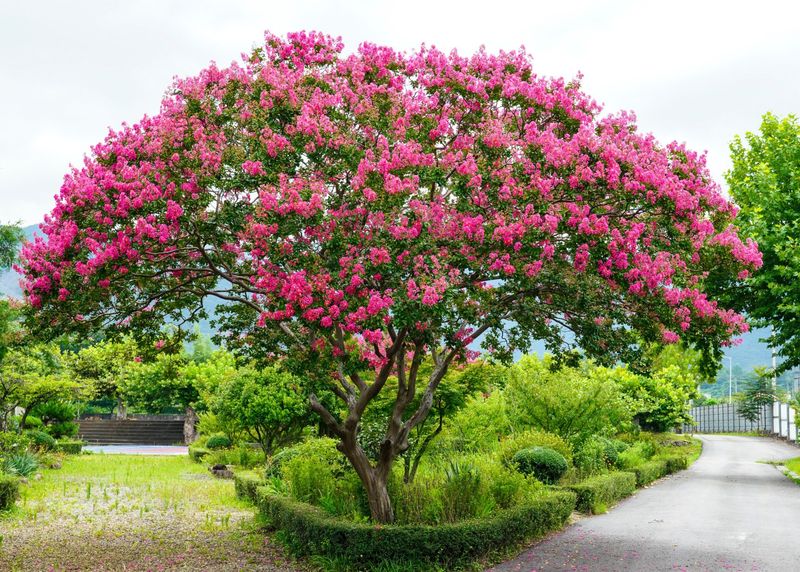
Few trees earn their spot in a Florida yard quite like the crapemyrtle. Known scientifically as Lagerstroemia indica, this small to medium-sized tree has become one of the most recognizable plants across the state, and it is easy to see why once you watch it bloom in the middle of a sweltering July afternoon.
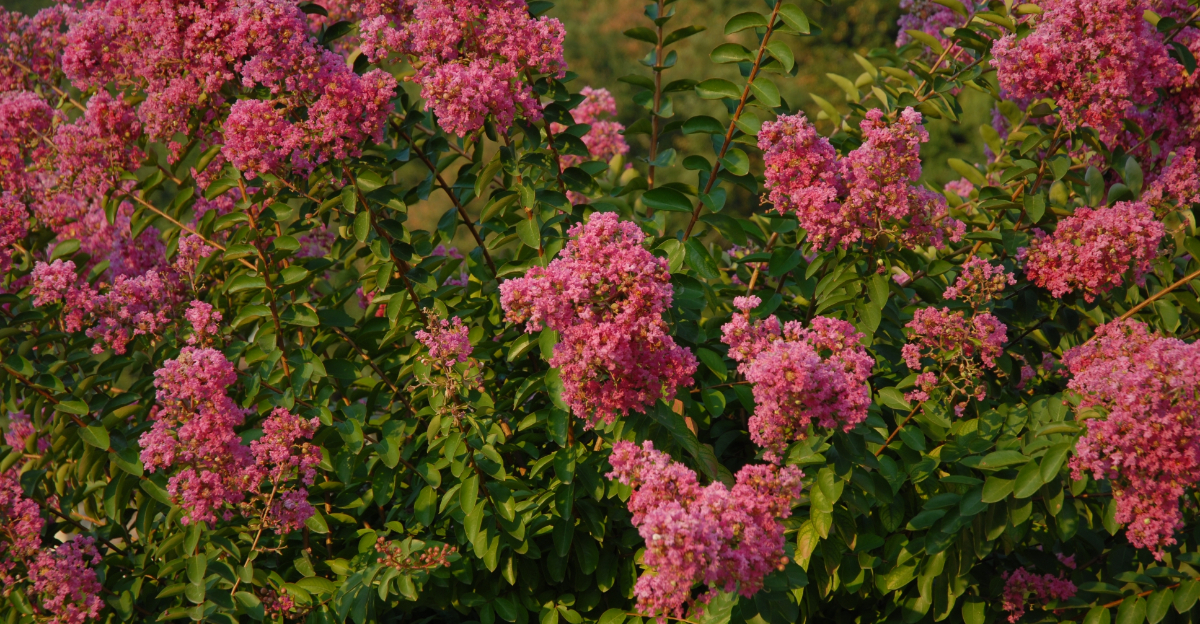
Florida gardeners appreciate the crapemyrtle because it continues performing well even when temperatures climb. While other trees look stressed and droopy by midsummer, the crapemyrtle bursts into color, showing off clusters of crepe-textured flowers in shades of white, pink, red, lavender, and deep purple.
The blooms can last from early summer all the way through early fall, giving Florida yards months of continuous color.
Originally from China and Southeast Asia, the crapemyrtle found a second home in the American South, and Florida quickly became one of its favorite places to grow. The tree handles full sun like a champ, tolerates poor soils, and bounces back after storms without much fuss.
It grows anywhere from six to thirty feet tall depending on the variety, making it flexible enough for small yards and large landscapes alike. For anyone planting in Florida for the first time, starting with a crapemyrtle is one of the smartest moves you can make.
2. Why Full Sun Brings Out Its Best Flowering And Strongest Form
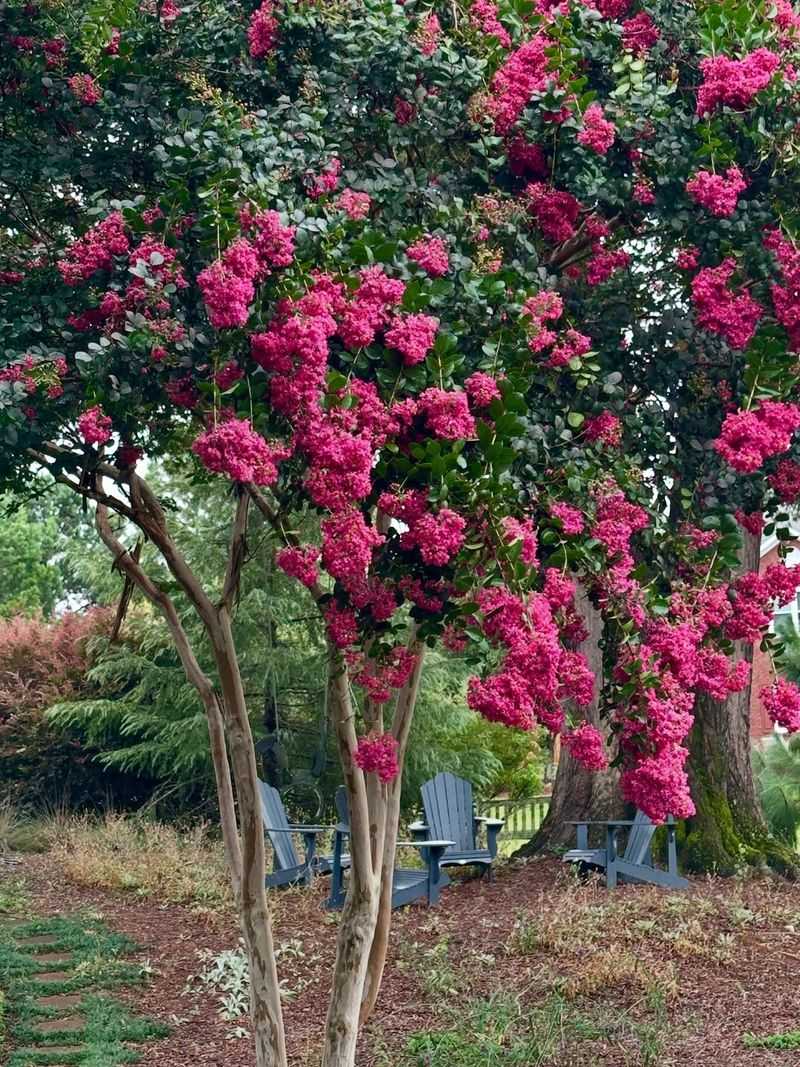
Sunlight is basically fuel for a crapemyrtle. Plant one in a shady corner and you will get a lanky, weak tree that barely flowers.
Plant the same tree in a spot that gets at least six to eight hours of direct sun each day, and you will have a showstopper that blooms heavily from top to bottom all summer long.
Florida is one of the sunniest states in the country, which makes it a near-perfect environment for this tree to reach its full potential. The more direct sunlight a crapemyrtle receives, the more flower clusters it produces, and the stronger and more upright its trunk and branch structure becomes over time.
Weak, shaded specimens tend to grow crooked, produce fewer blooms, and are more vulnerable to pests and fungal issues.
Choosing the right planting spot matters more than most people realize. Look for a location away from large shade trees, buildings, or fences that might block morning or afternoon light.
South-facing and west-facing spots in Florida yards tend to work especially well. Full sun also helps dry out the foliage faster after Florida’s frequent afternoon thunderstorms, which reduces the chance of powdery mildew forming on the leaves.
A sunny location is not just about looks. It genuinely supports the tree’s overall health, structure, and longevity in the Florida landscape for many years ahead.
3. How Its High Drought Tolerance Helps It Handle Tough Florida Summers
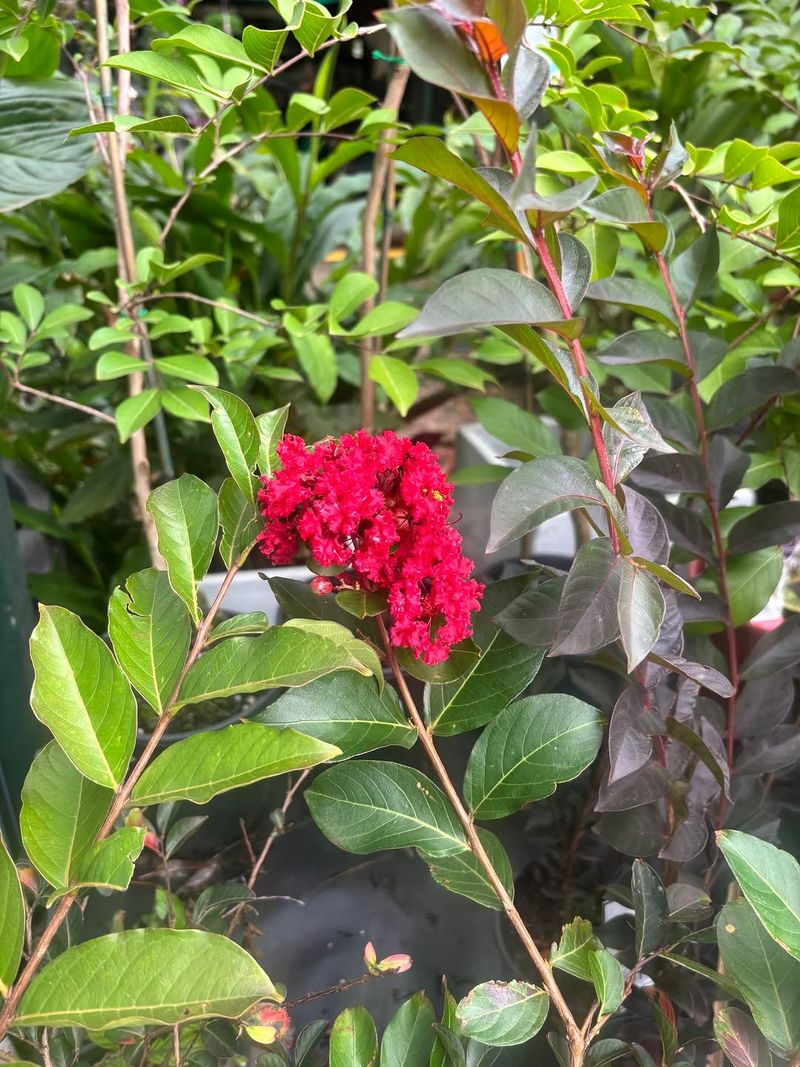
Florida summers are no joke. Between the intense heat, weeks of no rain followed by sudden downpours, and sandy soils that drain fast, many trees struggle to stay healthy from June through September.
The crapemyrtle, on the other hand, handles these conditions with remarkable ease once it gets established in the ground.
Drought tolerance is one of the crapemyrtle’s most impressive qualities. After its first one to two growing seasons, the tree develops a deep, spreading root system that can access moisture well below the surface.
This means that even during a stretch of hot, dry days that would stress most other trees, the crapemyrtle stays green, keeps blooming, and shows very little sign of trouble. Sandy Florida soils actually suit it quite well because good drainage prevents the root rot issues that plague trees planted in heavy, waterlogged ground.
That said, drought tolerance does not mean the tree never needs water. During extreme dry spells in Florida, a deep watering once a week can make a real difference in bloom quality and overall appearance.
Mulching around the base of the tree also helps lock in ground moisture and keeps the roots cooler during peak summer heat. A two to three inch layer of organic mulch spread around the base, kept a few inches away from the trunk, is one of the easiest and most effective things any Florida gardener can do for this tree.
4. Why The Right Mature Size Matters Before You Plant
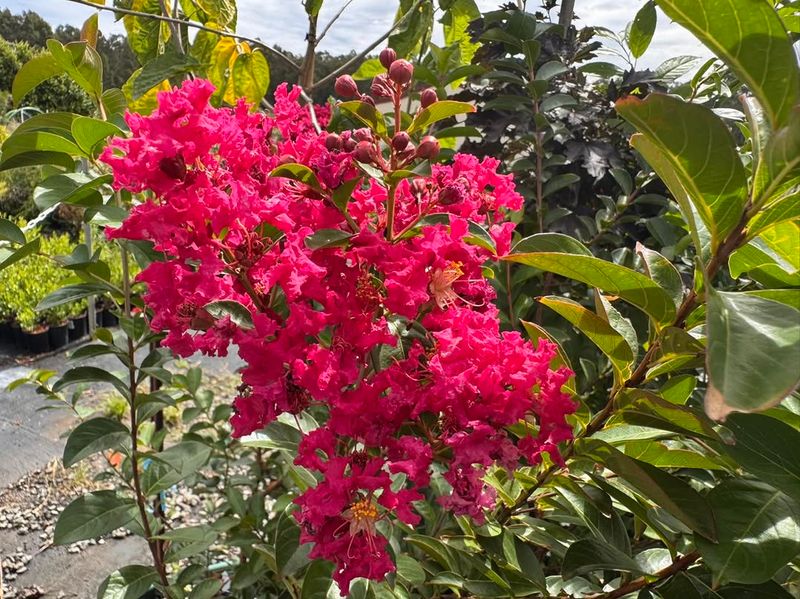
Walk through any Florida neighborhood and you will almost certainly spot a crapemyrtle that has been crammed into the wrong space. A tree that was supposed to grow eight feet tall is now pushing twenty, wedged under a power line or smashed against a roof overhang.
Picking the right size variety before you plant saves years of frustration and prevents the need for aggressive cutting later.
Crapemyrtle cultivars come in a wide range of mature sizes, from dwarf varieties that stay under four feet to standard trees that can reach twenty-five to thirty feet at full height. In Florida, where yards vary dramatically in size from compact urban lots to sprawling suburban properties, matching the variety to the space is one of the most important planting decisions you will make.
Dwarf types work well in containers or as low borders. Mid-size varieties, typically reaching ten to fifteen feet, are excellent as focal points or along driveways.
Larger varieties shine as shade trees or natural privacy screens.
Before purchasing any crapemyrtle at a Florida nursery, always check the mature height and spread listed on the tag. Do not rely on how small the plant looks in the pot.
Research the specific cultivar name, such as Natchez, Tuscarora, or Acoma, because each one has predictable growth habits. Planting the right size in the right spot means less pruning, a healthier tree, and a landscape that looks intentional and well-planned for the long run.
5. How To Help A New Crapemyrtle Establish Without Overdoing Water
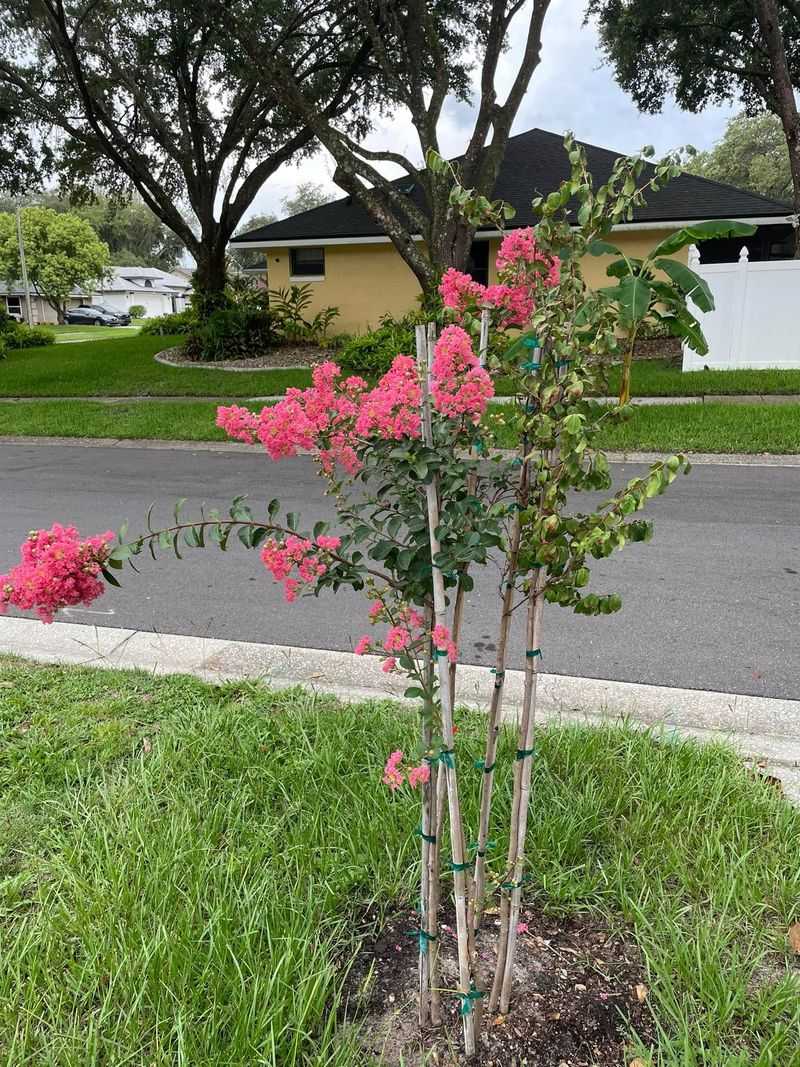
Planting a new crapemyrtle in Florida is exciting, but the first few months in the ground are the most critical. New trees need consistent moisture to grow their root systems out into the surrounding soil, but too much water is just as harmful as too little.
Getting that balance right from the start sets the tree up for long-term success.
For the first two to three weeks after planting, water the new crapemyrtle every two to three days. After that initial period, you can gradually stretch the intervals out to once or twice a week, depending on rainfall and temperature.
Florida’s summer rain season, which typically runs from June through September, often provides enough natural moisture to reduce or even eliminate the need for supplemental watering. Pay attention to the soil rather than following a strict schedule.
If the top two inches of soil feel dry, it is time to water. If they still feel moist, hold off.
Avoid the temptation to water daily. Constantly wet soil around the roots encourages fungal problems and can prevent the tree from developing a strong, independent root system.
Planting at the right depth also matters. The top of the root ball should sit level with or just slightly above the surrounding soil surface.
Planting too deep is a common mistake in Florida that leads to poor drainage around the base and slows establishment significantly. A little patience in year one pays off with years of strong, healthy growth ahead.
6. The Pruning Mistake That Ruins Its Natural Shape
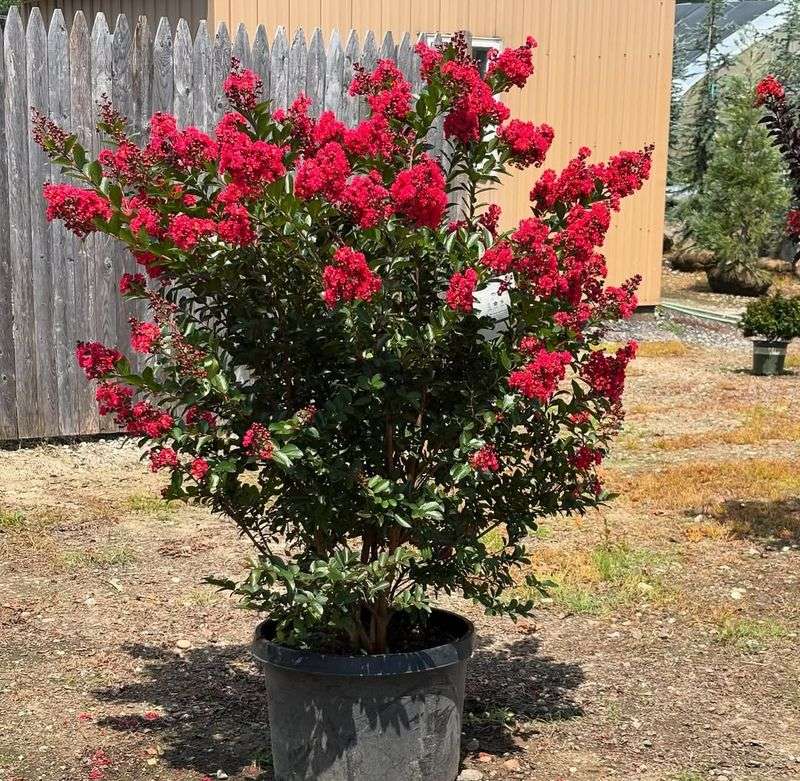
If you have spent any time driving around Florida neighborhoods, you have probably seen it. Rows of crapemyrtles cut down to ugly, knobby stubs every winter, looking more like hat racks than trees.
This practice is so common and so damaging that horticulturists gave it a nickname: crape murder. Despite being widespread, it is one of the worst things you can do to this beautiful tree.
Heavy topping removes the natural branching structure the tree has spent years developing. Instead of graceful arching limbs that support hundreds of flower clusters, the tree responds by sending out a burst of weak, fast-growing shoots from the cut ends.
These new shoots are spindly, often too heavy for their own weight, and produce smaller, less impressive flower clusters than a properly shaped tree would. Repeated topping year after year leaves permanent disfiguring knobs at the ends of every branch.
Proper crapemyrtle pruning in Florida is minimal and strategic. The best time to prune is in late winter, right before new growth begins, typically in February or early March depending on your region of Florida.
Focus only on removing crossing branches, branches that rub against each other, and any suckers growing from the base. Lightly shaping the interior to improve airflow is also helpful.
The goal is to enhance the tree’s natural form, not fight against it. A well-pruned crapemyrtle looks elegant and open, with a strong silhouette that adds real beauty to any Florida yard.
7. Why Disease-Resistant Cultivars Matter In Humid Florida
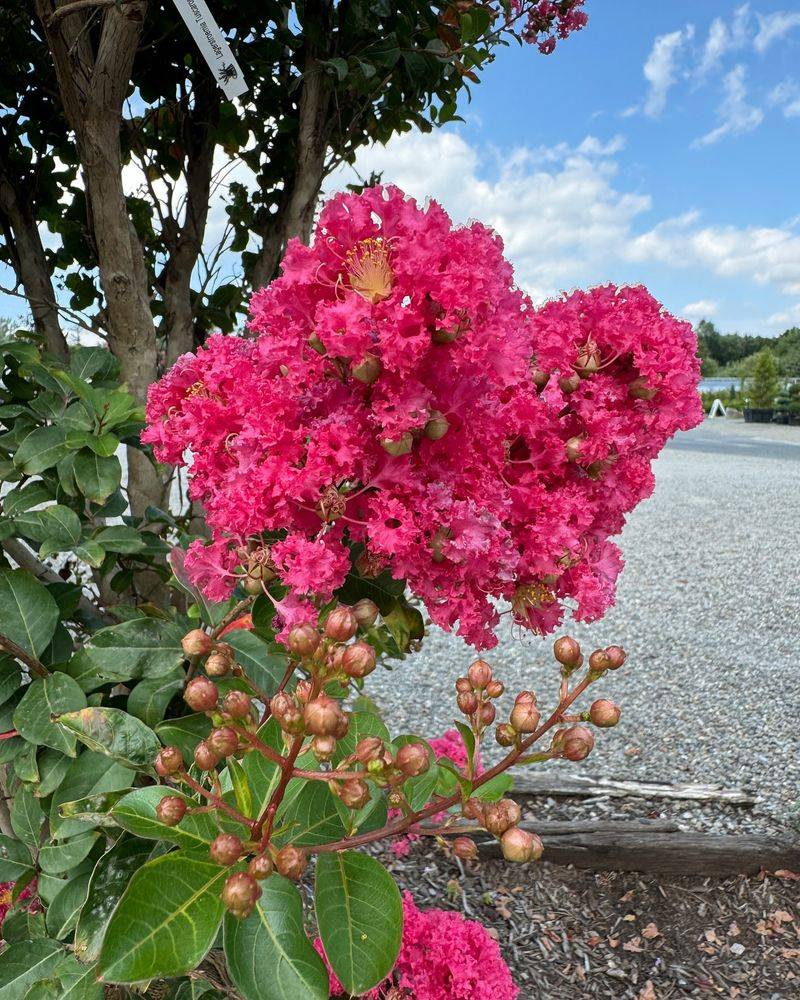
Humidity is a fact of life in Florida, and while the crapemyrtle handles heat like a natural, that same thick, sticky air can create problems if you plant the wrong variety. Powdery mildew is the most common disease issue for crapemyrtles in humid climates, coating leaves with a white, chalky film that weakens the tree and reduces its flowering over time.
The good news is that decades of plant breeding have produced a long list of disease-resistant crapemyrtle cultivars specifically suited to humid southern climates like Florida’s. The National Arboretum’s Native American series, which includes popular names like Natchez, Muskogee, Tuscarora, and Acoma, was developed with mildew resistance as a top priority.
These varieties perform consistently well across Florida, from the cooler Panhandle region to the warmer Central and South Florida zones.
When shopping at a Florida nursery, always ask specifically about mildew resistance before buying. Older or unnamed cultivars may look appealing in the pot, but they can struggle once Florida’s wet season arrives and humidity levels stay high for weeks at a time.
Aphids are another occasional pest to watch for, as they tend to cluster on new growth and produce a sticky residue that can lead to sooty mold on the leaves below. Choosing a resistant variety from the start dramatically reduces the need for chemical treatments and keeps the tree looking its best throughout Florida’s long, humid growing season without constant intervention.