The One Vine That Brings Hummingbirds Back To Florida Yards
Few sights make a Florida yard feel more alive than hummingbirds darting through the garden, flashing in the sun, then vanishing as quickly as they came. Homeowners plant bright flowers, hang feeders, and hope for repeat visits, yet many still miss the one thing that matters most.
Hummingbirds return to spaces that offer the right kind of blooms, the right shape, and a reliable food source through the season. That is why plant choice can make such a dramatic difference.
A yard with the right vine does more than look beautiful. It creates movement, color, and a reason for these tiny visitors to keep coming back.
For gardeners who want a landscape that feels more vibrant and connected to Florida wildlife, one standout vine rises above the rest. It is native, eye-catching, and especially good at drawing hummingbirds in.
That vine is coral honeysuckle.
1. Coral Honeysuckle Makes A Big First Impression
Picture a vine so loaded with clusters of slender red blooms that passing neighbors actually slow down to look. That is what coral honeysuckle does to a Florida yard.
From the moment it begins to bloom, usually in late winter or early spring, it commands attention in a way that few plants can match without requiring a ton of effort from you.
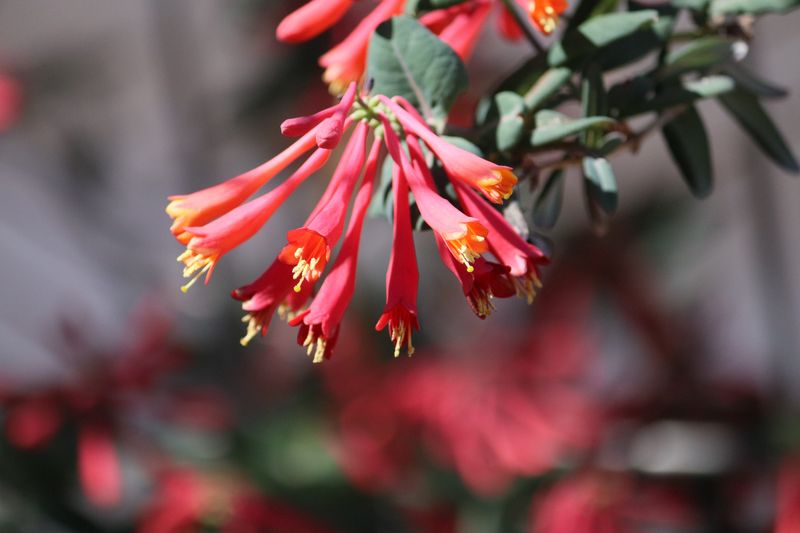
The flowers are a deep coral-red on the outside and soft yellow-orange inside, creating a two-tone effect that looks almost tropical. The glossy, blue-green leaves provide a clean backdrop that makes those blooms pop even harder.
Even before the hummingbirds show up, the vine itself is simply a pleasure to look at.
Florida gardeners who have planted coral honeysuckle often say it surprised them with how quickly it established and started performing. It is not a slow starter that sits in the ground looking sorry for itself.
Give it a decent spot with reasonable sunlight and something to climb, and this vine makes its presence known fast. For anyone trying to bring more life and color to a Florida landscape, coral honeysuckle is one of the most rewarding first impressions a plant can deliver.
2. Hummingbirds Cannot Resist Those Bright Tubular Blooms
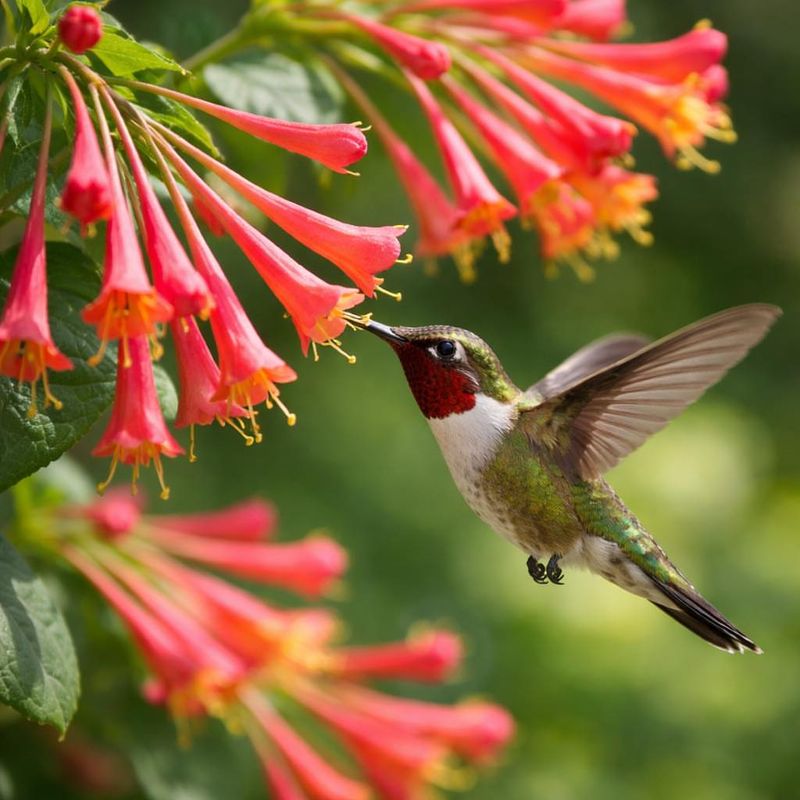
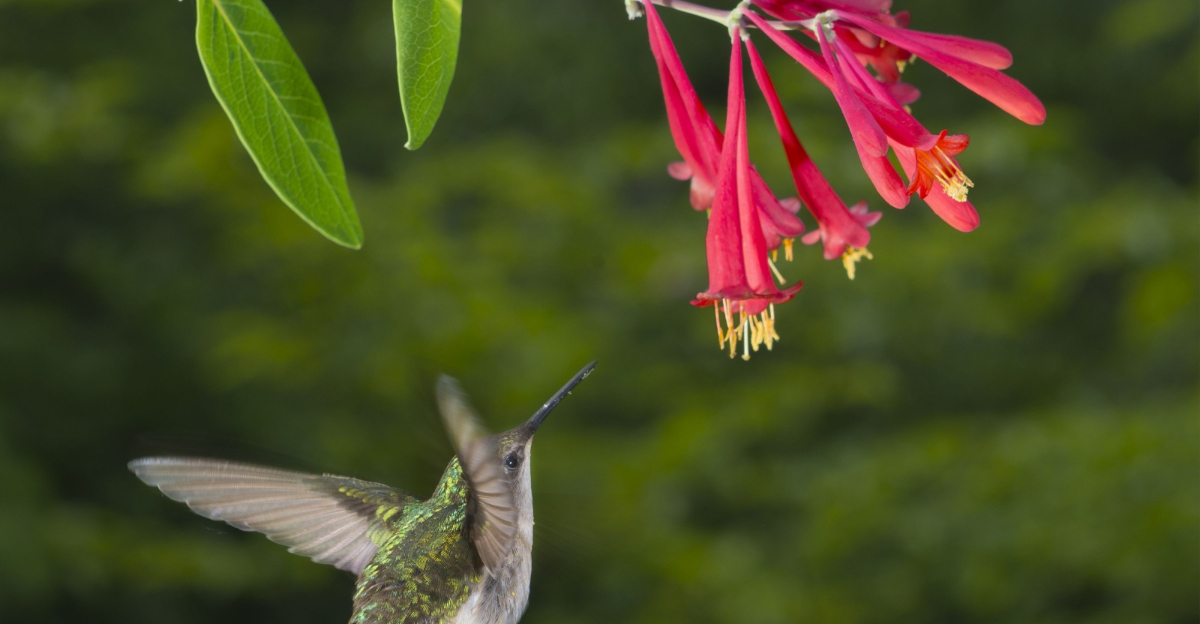
Hummingbirds are visual hunters. They scan yards for color, and nothing signals “nectar here” faster than a cluster of long, tube-shaped red flowers.
Coral honeysuckle delivers exactly that kind of signal, and ruby-throated hummingbirds, the most common hummingbird species passing through Florida, respond to it with almost instant loyalty.
The tubular shape of the blooms is not just pretty, it is functional. Hummingbirds have long, slender bills perfectly built to reach into narrow flower tubes where bees and butterflies cannot easily follow.
That means the nectar inside coral honeysuckle blooms stays available almost exclusively for hummingbirds, making every visit highly rewarding for the bird and highly entertaining for you.
Red is the color that hummingbirds are most strongly drawn to, and coral honeysuckle delivers that in abundance without any artificial dye or feeder required. Florida wildlife researchers and native plant advocates alike point to this vine as one of the most reliable natural attractants for hummingbirds in the region.
Pairing it with other hummingbird-friendly plants like cross vine or trumpet creeper gives your yard even more pulling power, but coral honeysuckle is often the anchor plant that keeps hummingbirds coming back reliably.
3. This Native Vine Feels Right At Home In Florida
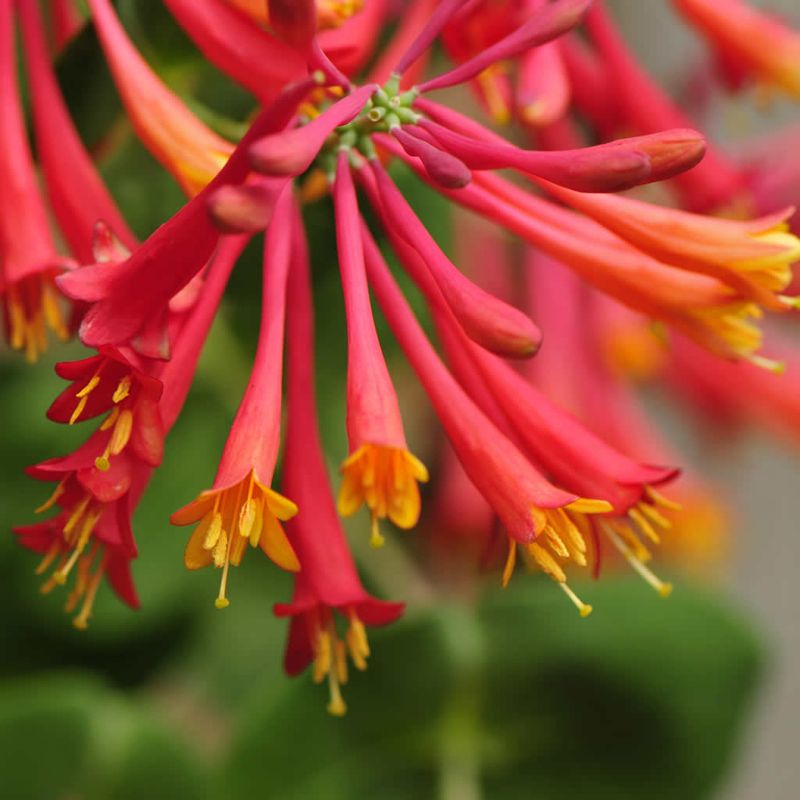
Coral honeysuckle is native to the eastern United States, and Florida sits comfortably within its natural range. That nativity matters more than many gardeners realize.
A plant that evolved alongside Florida’s soils, rainfall patterns, and wildlife is simply better equipped to thrive here than something imported from a completely different climate zone.
UF IFAS, the University of Florida’s agricultural and environmental extension service, recognizes coral honeysuckle as a strong choice for Florida landscapes. It tolerates the state’s heat, handles periods of drought once established, and plays well with the local ecosystem by supporting not just hummingbirds but also native bees and butterflies that feed on its nectar.
Growing conditions do vary across the state, and that is worth knowing before you plant. In North Florida, coral honeysuckle may behave more like a semi-deciduous plant during cooler winters, losing some leaves before bouncing back strong in spring.
In Central Florida and South Florida, it tends to stay more evergreen year-round, giving the garden consistent foliage and more extended bloom periods. No matter which part of Florida you call home, this vine has a natural connection to the land that shows up clearly in how well it grows and performs season after season.
4. A Trellis Is All It Needs To Steal The Show
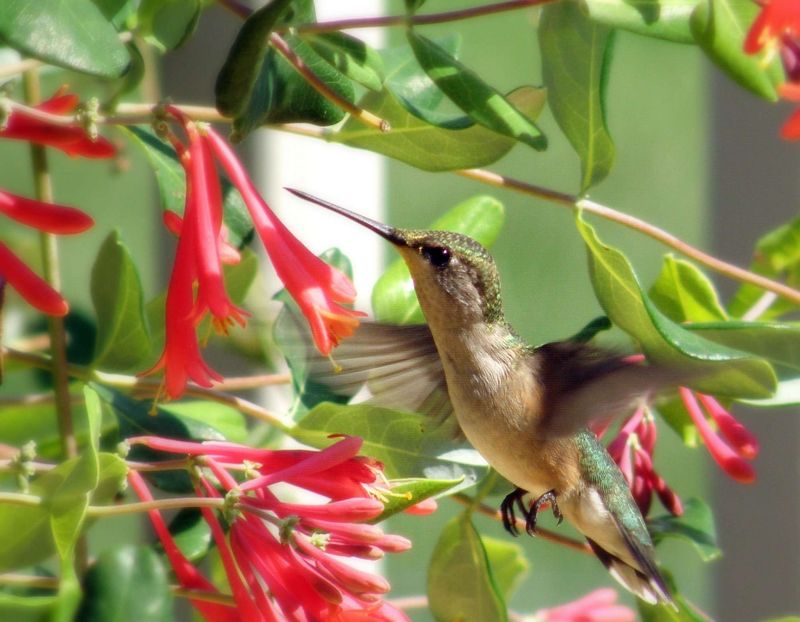
One of the most satisfying things about coral honeysuckle is how naturally it adapts to whatever structure you give it. A simple wooden trellis, a chain-link fence, a cedar arbor, or even a mailbox post can become a stunning floral display with very little effort.
The vine twines as it climbs, wrapping stems around supports without needing to be constantly tied or redirected.
For Florida homeowners working with a smaller yard or a narrow side garden, a vertical trellis covered in coral honeysuckle is a smart space solution. You get bold color and wildlife value without sacrificing much ground space at all.
Placed near a porch, patio, or outdoor seating area, the vine creates a natural curtain of blooms that makes spending time outside feel like a real treat.
Choosing the right support matters for long-term results. The vine can reach eight to fifteen feet in length depending on conditions, so a lightweight trellis may need reinforcing over time.
A sturdy fence post or a heavy arbor gives the plant room to mature and spread in a way that looks intentional and polished. Florida gardeners who install a solid support from the start tend to get the most visually impressive results as the plant fills in and blooms year after year.
5. The Long Bloom Season Keeps The Action Going
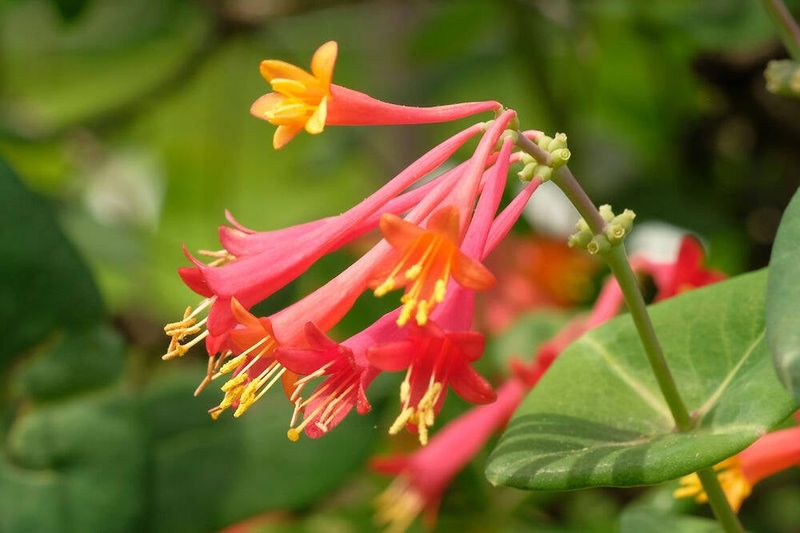
Few vines in Florida give you color for as many months as coral honeysuckle does. The main bloom flush typically kicks off in late winter or early spring, which is perfectly timed to welcome ruby-throated hummingbirds as they begin moving through Florida on their northward migration.
That early bloom timing is not a coincidence, it reflects millions of years of co-evolution between the plant and the birds.
After the initial spring peak, coral honeysuckle continues to push out new flower clusters through summer and into fall in many Florida gardens. The bloom intensity may vary depending on heat, rainfall, and local conditions, and gardeners in South Florida sometimes see a slightly different rhythm than those gardening in the Gainesville or Tallahassee areas.
Managing expectations is fair – this is not a vine that blooms heavily every single week without pause.
What makes the extended season valuable is that it keeps hummingbirds visiting your yard well beyond a single short window. Hummingbirds passing through Florida during fall migration also benefit from the late-season blooms.
Supplementing with a clean hummingbird feeder during slower bloom periods helps bridge any gaps and keeps the birds returning. The combination of natural nectar from the vine and a reliable feeder nearby gives your Florida yard serious staying power as a hummingbird destination.
6. Why Florida Gardeners Love This Low Fuss Vine
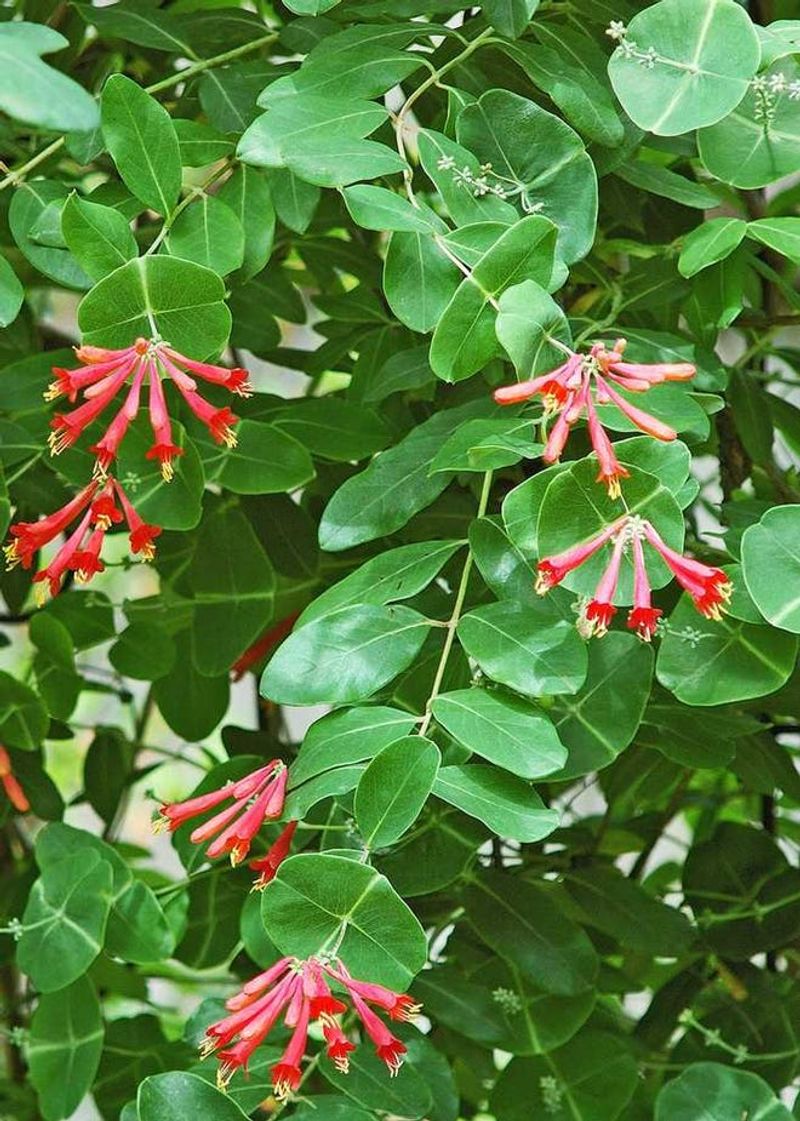
Ask any experienced Florida gardener what they love most about coral honeysuckle and the answer almost always includes some version of the phrase “it just grows.” After the first season in the ground, this vine requires surprisingly little intervention to look good and perform well. That kind of reliability is genuinely hard to find in a state where heat, humidity, and sandy soils can be tough on less-adapted plants.
Watering needs drop off significantly once the vine establishes a strong root system, usually within the first growing season. Occasional deep watering during extended dry spells keeps it happy, but coral honeysuckle handles Florida’s unpredictable rainfall patterns better than many ornamental vines that demand consistent moisture.
Fertilizing heavily is actually not recommended; too much nitrogen pushes leafy growth at the expense of flowers.
Light pruning after the main bloom period helps keep the vine tidy and encourages fresh growth and new flower buds. Removing old or tangled stems also improves airflow, which reduces the risk of powdery mildew, a fungal issue that can appear in humid Florida summers.
Compared to high-maintenance ornamentals that demand weekly attention, coral honeysuckle offers Florida gardeners a genuinely rewarding return on a modest investment of time and care.
7. The Right Spot Can Bring Even More Hummingbirds In
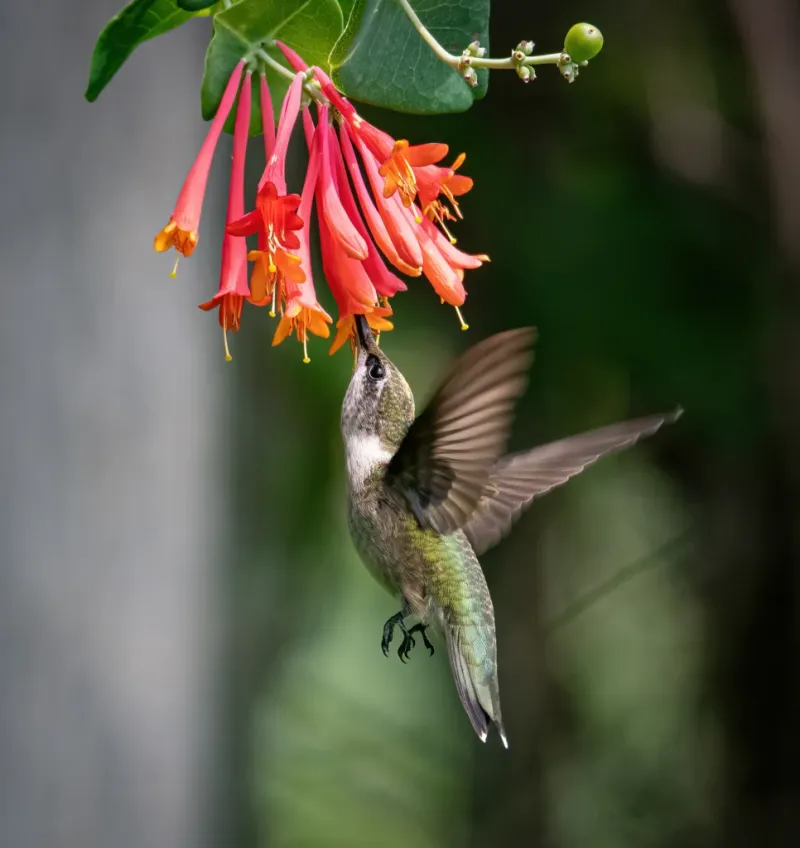
Placement can make a real difference in how well coral honeysuckle performs and how many hummingbirds actually find it. Full sun to partial shade is the sweet spot for this vine, with at least four to six hours of direct sunlight producing the strongest bloom set.
Shady spots tend to give you lush foliage but fewer flowers, which means fewer hummingbird visits overall.
Positioning the vine where it is visible from a window or outdoor seating area turns every hummingbird visit into a front-row experience. Florida gardeners who place the vine near a porch or along a fence that faces the yard tend to get far more enjoyment out of it than those who tuck it into a back corner where it blooms unseen.
Visibility matters for both the gardener and the bird – hummingbirds scout from above and are more likely to spot a vine that is out in the open.
Soil drainage is another factor worth thinking about carefully. Coral honeysuckle handles a range of Florida soil types, including sandy soils common across much of the state, but it does not appreciate sitting in waterlogged ground for extended periods.
Raised beds or slightly elevated planting spots help in low-lying areas. Getting these basics right from the start gives the vine the foundation it needs to bloom generously and keep hummingbirds coming back.
8. This Is The Vine That Turns A Yard Into A Stopover
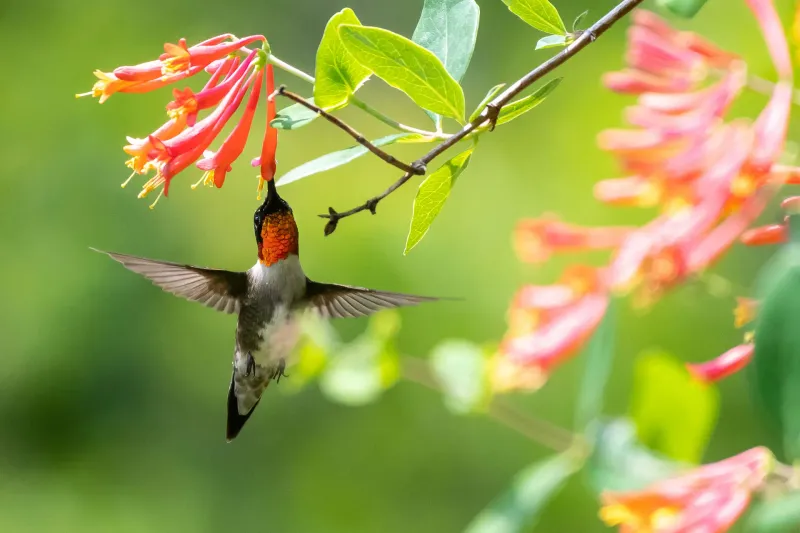
There is a moment every Florida gardener dreams about: standing quietly in the yard, coffee in hand, while a hummingbird works through a cluster of blooms just a few feet away. Coral honeysuckle has a way of making that moment happen more often than almost any other plant you can choose.
It transforms an ordinary fence or arbor into something that feels genuinely alive with wildlife energy.
Beyond the hummingbirds, the vine also attracts native bees and butterflies, and its red berries later in the season bring in songbirds as well. That layered wildlife value turns a simple vine into a full ecosystem feature that keeps your Florida yard interesting from late winter all the way through fall.
Neighbors notice. Kids notice.
Even people who have never paid much attention to gardening tend to stop and stare when a hummingbird shows up.
Starting with one vine is all it takes to get the ball rolling. As it matures and spreads, you can add more along a fence line or train a second plant up a different structure to create multiple feeding stations.
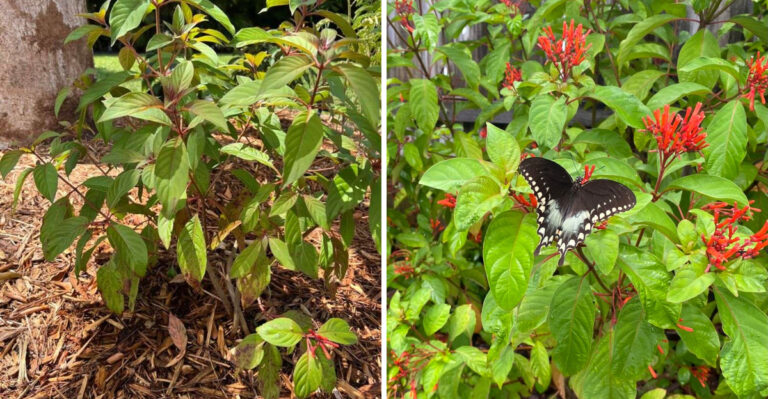
Florida yards that incorporate coral honeysuckle alongside other native plants like cross vine or firebush become genuine hummingbird destinations rather than occasional pit stops. Plant one this season and watch what comes to visit.