Save those coffee grounds and eggshells – 4 kitchen scraps that quietly feed your Oregon beds
If you garden west of the Cascades, you already know our wet winters and dry summers keep our soil working overtime. The good news is that some of the best food for your beds is sitting in your kitchen trash right now.
Coffee grounds, eggshells, and a few other leftovers can quietly enrich your soil while cutting down on waste. Here are four everyday scraps worth saving before they hit the bin.
1. Coffee Grounds
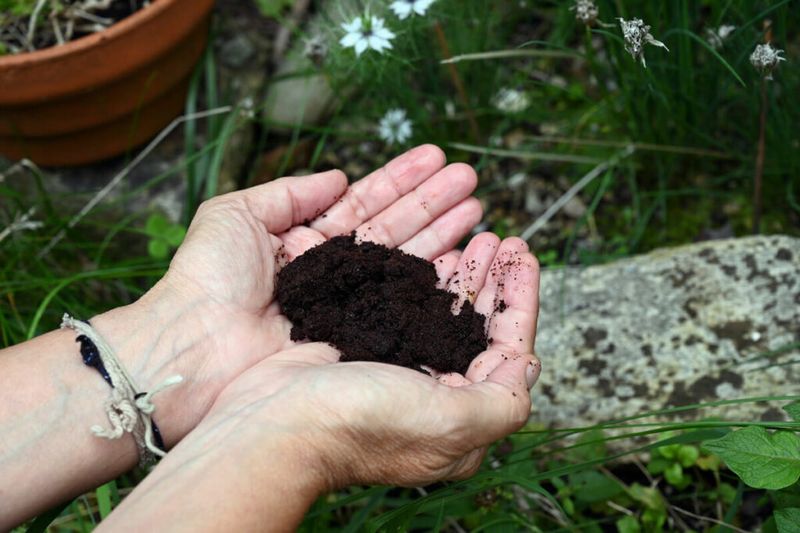
Every Oregon gardener seems to run on coffee, so it feels almost poetic that the leftover grounds can keep your beds humming too. Spent grounds carry small amounts of nitrogen, phosphorus, potassium, and trace minerals like magnesium and copper, all released slowly as they break down.
In our damp maritime climate, working a thin layer into the top inch of soil can help improve texture and hold moisture through those dry July stretches. Earthworms tend to love them, and more worms means better-aerated soil for your roots.
A rough guideline is up to six pounds per 100 square feet, worked in rather than dumped.
Grounds also shine as a compost booster, counting as a nitrogen-rich green that helps heat up the pile. Keep them to roughly 10 to 20 percent of the total so things stay balanced.
As mulch around berries, currants, or cane fruit, a half-inch layer is plenty, since piling them thick invites mold in our humid springs.
Slugs, the eternal PNW nemesis, may be deterred by a strong brewed coffee drench, one part water to two parts strong coffee, poured near vulnerable seedlings. It won’t win the whole war, but it’s a satisfying first jab.
2. Eggshells
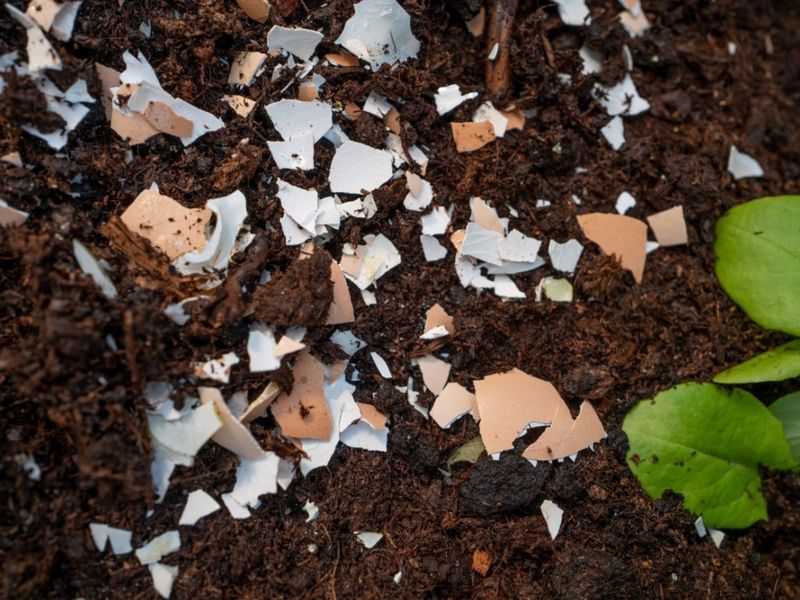
There’s a small thrill in realizing the shells you’d normally toss are basically free calcium tablets for your tomatoes. Calcium builds strong plant cell walls and helps head off blossom end rot, that heartbreaking sunken spot on tomatoes, peppers, zucchini, and squash.
Unlike lime, eggshells add calcium without swinging your soil pH much, which is handy when you’re already fussing over acid-loving neighbors. Start by rinsing and drying them fully so they don’t smell or mold.
A quick bake at 300 degrees for five to ten minutes crisps them for grinding.
Ground into a fine powder, they break down faster and get to your plants sooner, so mix that dust straight into beds or potting soil. Larger crushed pieces work in the compost bin, releasing calcium gradually over the seasons.
Some gardeners scatter sharp, jagged shards around plant bases hoping the rough edges slow down slugs and snails. Results vary in our slug-heavy region, so treat it as one small line of defense rather than a fortress wall.
3. Banana Peels
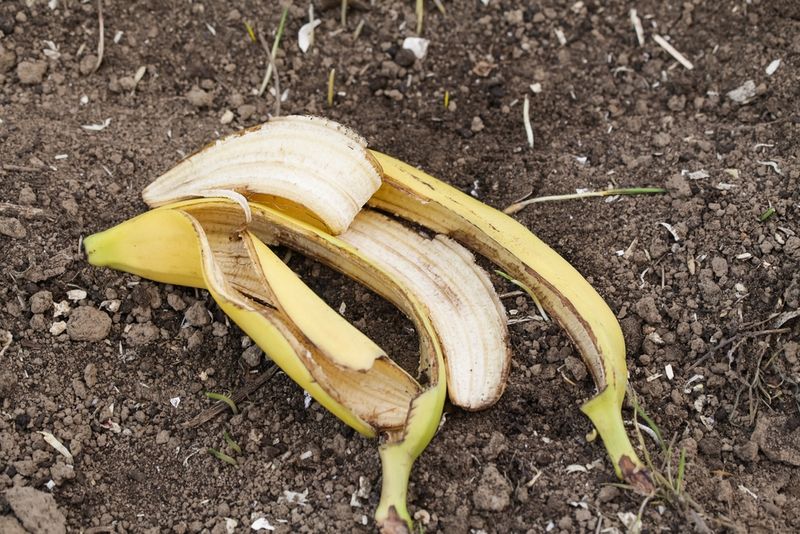
Banana peels rarely get invited to the compost party, which is a shame, because they’re loaded with potassium. That nutrient fuels strong flowering and fruit development, exactly what your dahlias and tomatoes crave heading into an Oregon summer.
Peels also bring a little phosphorus and calcium along, so they pull double duty against blossom end rot in fruiting veggies. One easy trick is peel tea: chop the skins into half-inch pieces, soak them in water for a day or two, then pour that nutrient-tinted water around blooming or fruiting plants.
Your Oregon Garden Changes Every Week. Your Plan Should Too.
Gardening in Oregon changes quickly throughout the season. Every Friday you’ll receive a simple weekly plan showing exactly what to plant, prune, fertilize, harvest, and protect so you never miss the right timing.
Prefer no fuss? Chop peels small and bury them a few inches deep near your plants, letting them feed the soil as they rot.
You can also dry and grind them into a powder to sprinkle as a side dressing, just keep it off tender roots.
The softened leftovers from your peel tea can go right into the compost afterward, so nothing gets wasted. It’s the kind of quiet, low-effort feeding that makes you feel like you finally have your act together.
4. Used Tea Leaves
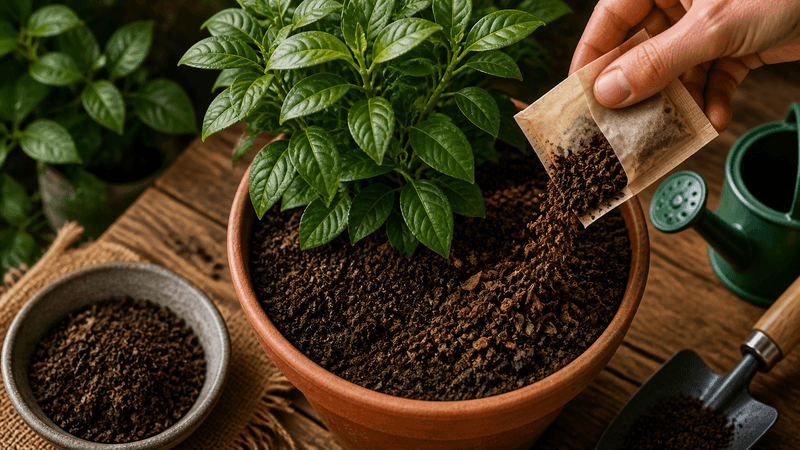
That drained mug of tea on your desk still has one more job to do. Spent leaves, especially from green teas, offer a modest dose of nitrogen along with potassium and phosphorus, plus they feed the microscopic life that keeps soil alive.
Many classic PNW plants respond well to a little tea-leaf love, including roses, rhododendrons, and ferns that thrive in our mild, moist conditions. Add loose leaves or plastic-free tea bags to the compost pile, where they balance out dry brown material like fallen leaves.
For a gentle top dressing, sprinkle cooled, damp leaves lightly around acid-loving plants to nudge moisture retention and trickle out nutrients. Keep the layer thin, since thick clumps can turn moldy fast in our humid air.
You can also steep used bags overnight in a watering can for a weak liquid feed poured at the base of plants. The tannins and scent may even discourage ants, snails, and slugs a bit, giving you a small, natural head start before the summer parade of pests arrives.