The Oregon Juniper Problem That Gets Worse When Damaged Twigs Stay Through Fall
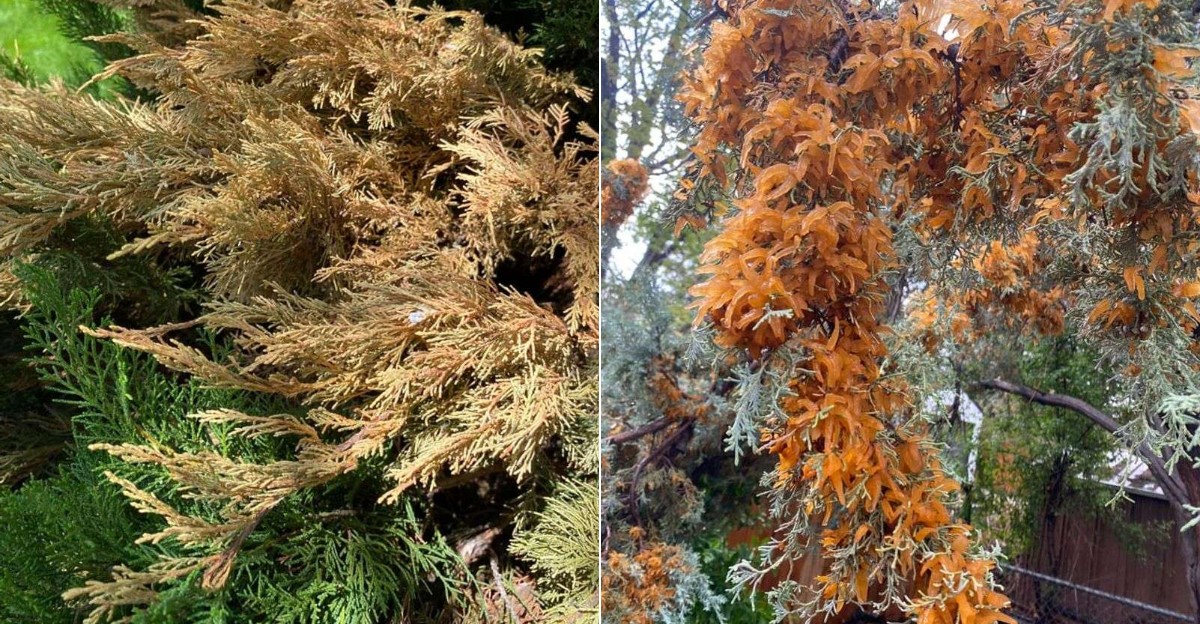
A damaged juniper branch may not seem like a big concern at first, especially when the rest of the plant still looks healthy.
But leaving broken twigs and withered sections in place through fall can create the kind of conditions that allow problems to spread. Small damage now can become a bigger issue when the plant is already dealing with seasonal changes.
Oregon junipers are tough plants, but they still need proper care after injury. Removing damaged growth at the right time helps improve airflow, reduce hiding spots for pests, and keep the shrub looking its best.
The key is knowing what should be trimmed, what should be left alone, and how to avoid causing more stress.
A quick fall check can help you catch problems early and give your juniper a better chance of staying healthy through the colder months.
1. Damaged Twigs Can Become A Source Of Problems
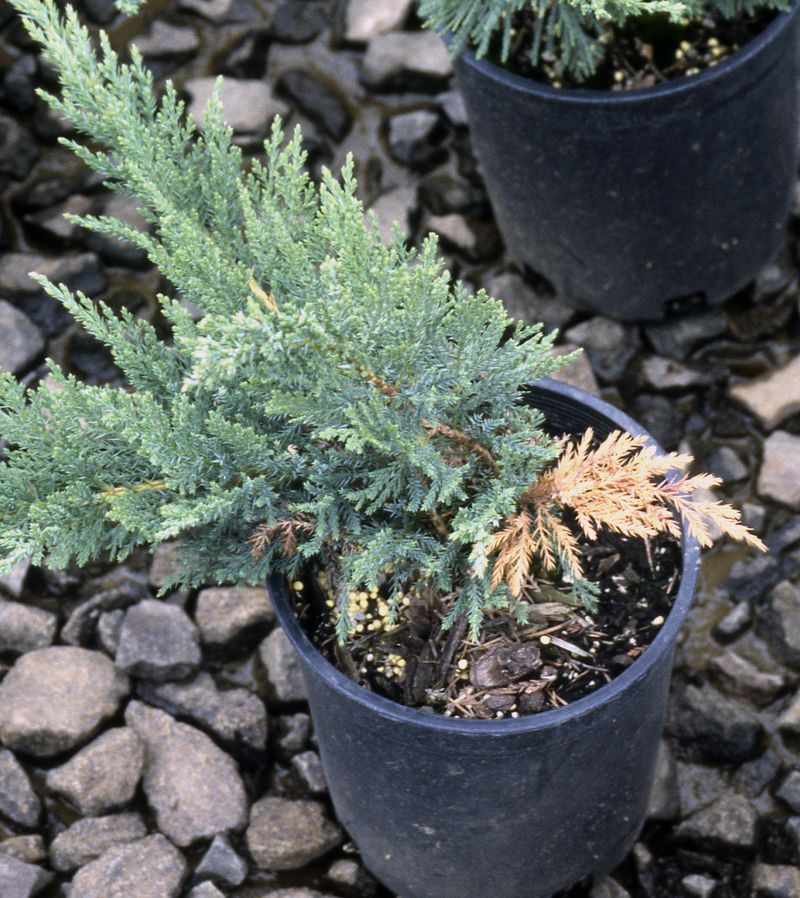
A broken twig might look harmless, but it opens the door for trouble. When a branch snaps or gets scraped, the wound gives fungus and pests a spot to settle in.
Oregon’s damp air makes these weak points even riskier. Moisture collects on the injured wood and helps unwanted growth take hold fast. From there, the problem can creep into healthy parts of the shrub.
You may not notice a single hurt twig at first. It hides among the thick green needles and blends right in. That is exactly why small injuries often get ignored until they spread.
Checking your juniper every few weeks helps you catch these spots early. Run your eyes along the branches and look for any wood that seems dry, cracked, or off-color. A quick glance can save you a lot of work later.
Once you find a damaged twig, snip it off with clean shears. Cutting back to healthy wood removes the weak point before it invites bigger issues. This simple step keeps the rest of the plant strong.
Think of it like caring for a small cut on your skin. Cleaning and covering it early stops an infection from setting in. Junipers work in a similar way, and quick attention pays off nicely.
2. Withered Branch Tips Should Not Stay Hidden In The Shrub
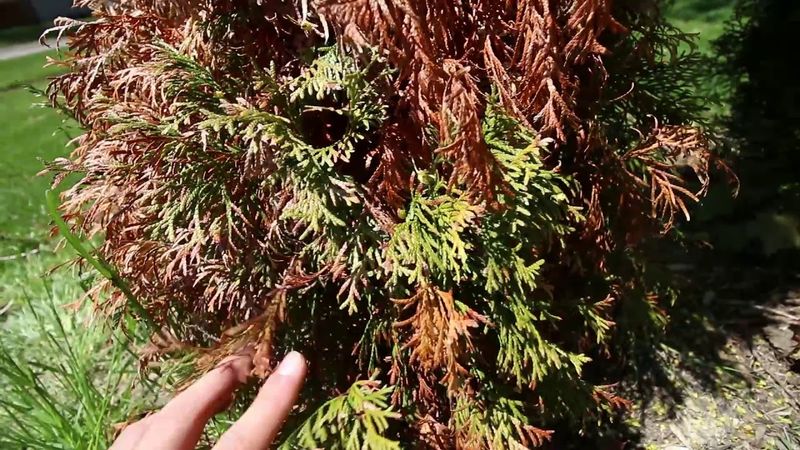
Brown branch tips are easy to overlook when they sit deep inside the plant. The thick outer layer of needles covers them like a curtain. But leaving them there can lead to more damage over time.
Withered tips are often the first sign that something is wrong. They may point to a pest, a fungus, or an old injury that never healed. Ignoring them lets the trouble settle in quietly.
When you part the branches and peek inside, you get a clearer picture. Gently push aside the outer growth and look toward the center. Hidden problems usually show up in these shady spots.
Removing withered tips does more than tidy the shrub. It clears out material that traps moisture and blocks fresh air from moving through. Both of those changes help the plant stay healthy.
Your Oregon Garden Changes Every Week. Your Plan Should Too.
Gardening in Oregon changes quickly throughout the season. Every Friday you’ll receive a simple weekly plan showing exactly what to plant, prune, fertilize, harvest, and protect so you never miss the right timing.
Try to make inspection a regular habit rather than a one-time task. A slow walk around the juniper once a month works well. You will start spotting issues before they grow.
Keep a small bucket nearby for the clippings you pull out. Getting rid of them right away stops spores from spreading to nearby stems. Clean-up matters just as much as the trimming itself.
These small efforts add up to a stronger, tidier shrub through the seasons.
3. Moist Fall Weather Can Favor Fungal Issues
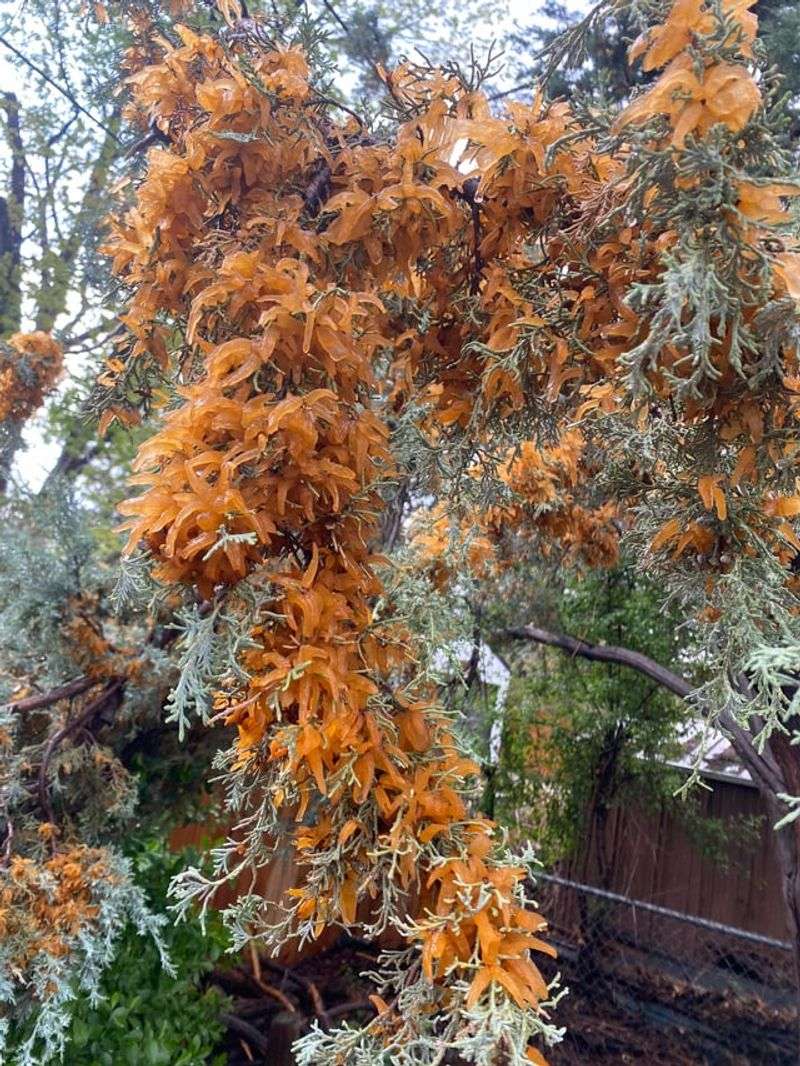
Fall in Oregon brings cooler days and plenty of rain. That mix of moisture and mild temperatures is exactly what fungus loves. Damp foliage becomes the perfect home for spores.
When water sits on needles and twigs for long stretches, trouble builds up. Fungal growth spreads faster in these wet conditions than during dry summer days. Your juniper feels the effect quickly.
Damaged twigs make the situation worse. Their open wounds give spores an easy way inside. A single weak spot can turn into a patch of unhealthy growth.
You can lower the risk with a few timely steps. Clear out any withered material before the rainy stretch settles in. Less trapped moisture means fewer places for fungus to grow.
Watering habits matter too, even in fall. Try to water the soil rather than the leaves whenever you can. Keeping the foliage drier helps a lot.
Good drainage around the base also makes a difference. Soggy soil keeps the whole plant damp and stressed. Loosening compacted ground lets extra water drain away.
Watch for gray or rusty patches on the needles as the season turns. Spotting these signs early gives you time to act. A quick response keeps a small issue from taking over your shrub during the wettest weeks.
4. Junipers Need Good Airflow Around Branches
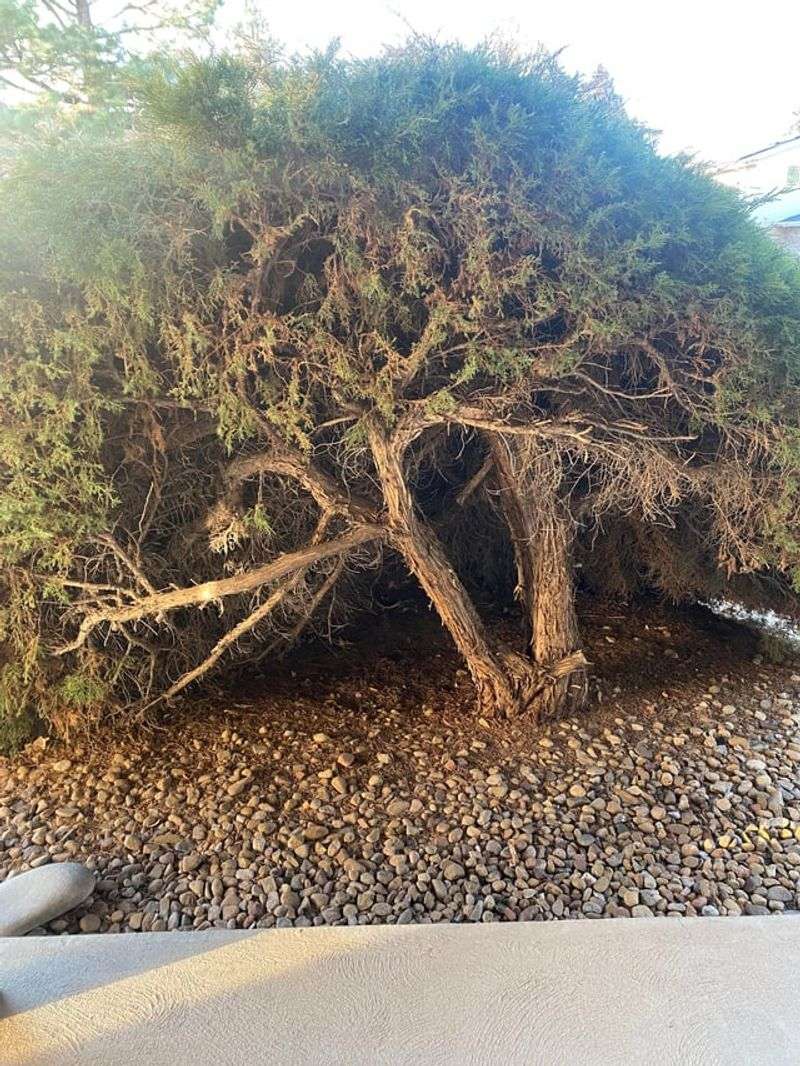
Fresh air moving through a shrub is one of the best natural defenses it has. When branches sit too close together, air gets stuck. Trapped, humid pockets invite fungus and pests to move in.
Opening up the plant lets breezes pass through freely. That airflow dries the foliage faster after rain or morning dew. Dry needles are much less likely to develop problems.
Crowded growth also blocks sunlight from reaching inner branches. Those shady spots stay damp and weak. Thinning the shrub a bit brightens the whole thing up.
You do not need to cut aggressively to help. Remove a few tangled or crossing branches here and there. Even light thinning makes a real difference.
Pay attention to the center of the plant most of all. That is where air tends to sit still and moisture lingers. Clearing some clutter there brings quick rewards.
Space between nearby plants counts too. When shrubs are packed tightly along a fence or bed, they shade each other. Giving them room lets each one breathe.
A juniper with good airflow simply looks healthier over time. The color stays richer, and problems show up less often. Taking a little time to open up the branches keeps your plant in great shape through Oregon’s changing seasons and damp stretches.
5. Remove Affected Growth Before Winter Weather
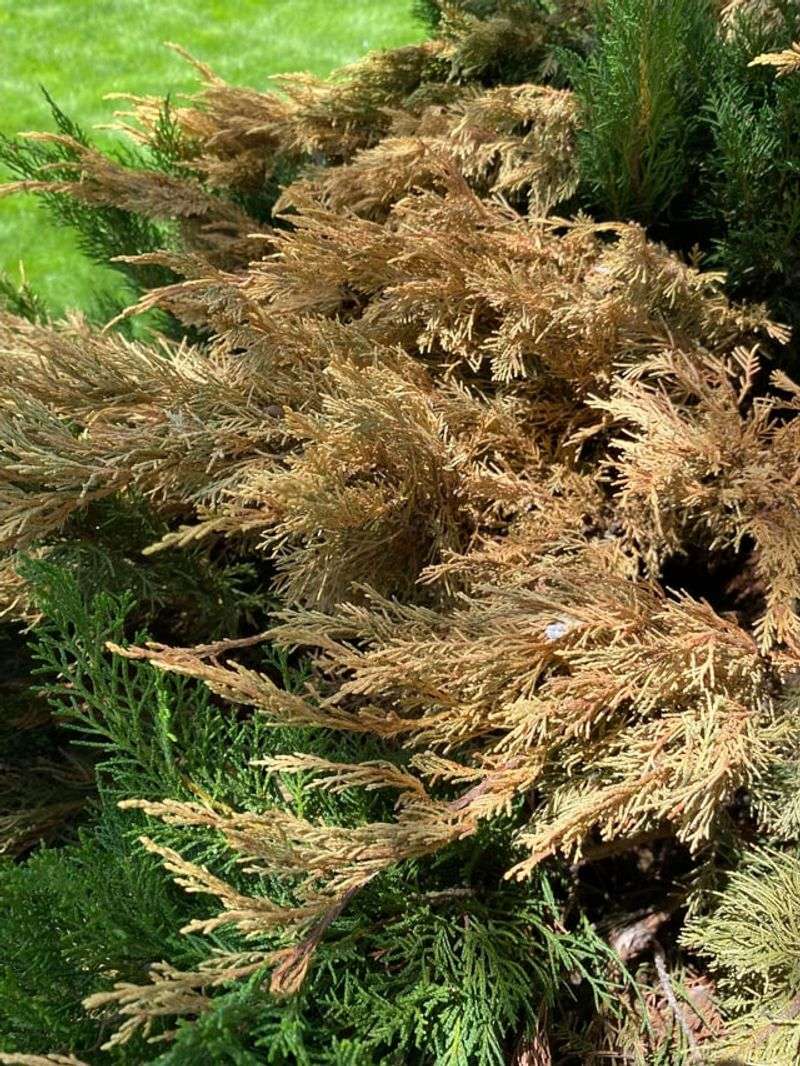
Late fall is a smart time to clean up your juniper. Cutting away troubled growth before winter sets the plant up for a fresh start. It also stops problems from resting inside all season.
Cold, wet winters keep damaged twigs damp for months. Anything left behind just sits there and festers. Removing it early clears the way for healthier spring growth.
Grab your shears and target the brown, weak, or hurt sections first. Cut back to firm, green wood so the plant heals cleanly. Sharp, clean cuts make recovery easier.
Try to finish this task before the first hard frost. Working in mild weather is easier on you and the shrub. Frozen branches are more brittle and harder to trim well.
Gather up every piece you remove and toss it out. Leaving clippings on the ground lets spores linger nearby. A tidy base helps keep next year cleaner.
Avoid heavy cutting this late in the year, though. Big trims can stress the plant right when it needs to rest. Focus only on the parts that clearly need to go.
A little effort now saves plenty of trouble later. Your juniper enters winter lighter, cleaner, and stronger. Come spring, you will see the payoff in fresh, healthy growth pushing out from tidy branches.
6. Avoid Shearing Junipers Too Heavily
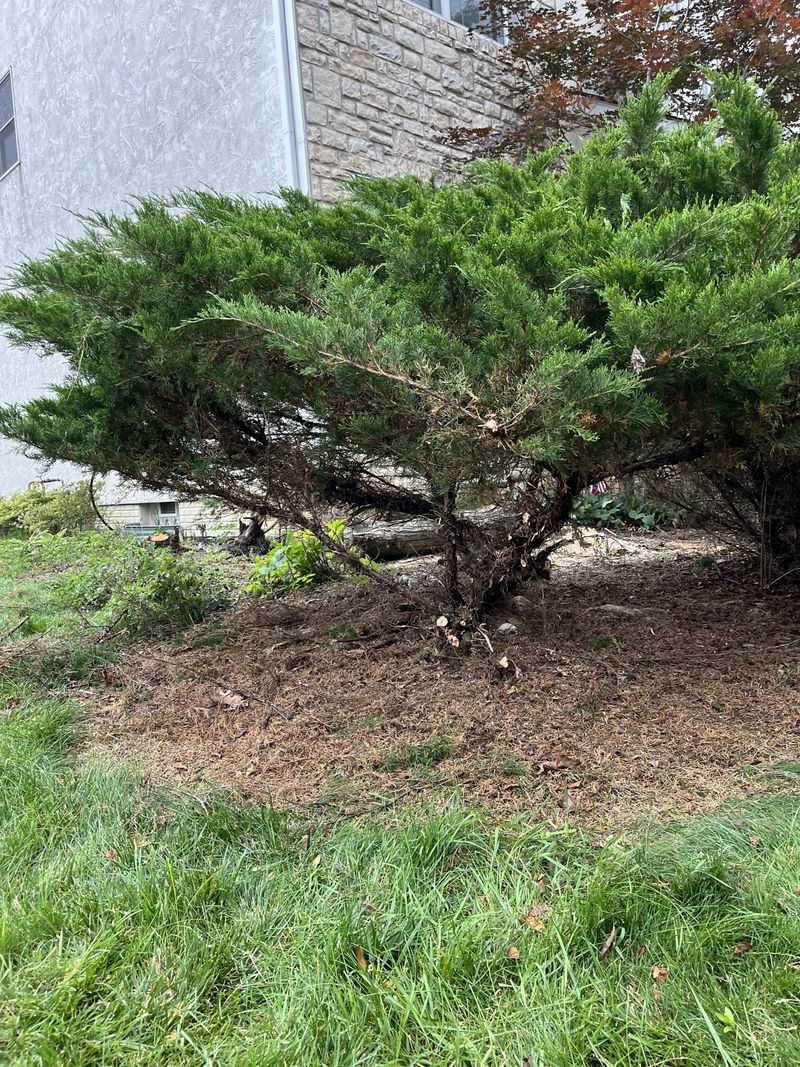
It is tempting to shear a juniper into a neat, tidy shape. But cutting too much at once can backfire. Heavy shearing leaves the plant weak and full of bare spots.
Junipers do not bounce back well from harsh cuts. Their inner wood rarely sprouts new green growth. Once you cut past the living needles, that area often stays bare.
Light, careful trimming is a much safer approach. Snip a little at a time and step back to check your work. Slow and steady keeps the shape natural and full.
Heavy shearing also creates lots of small wounds at once. Each cut is a doorway for moisture and fungus during Oregon’s wet months. Fewer cuts mean fewer weak points.
Dense shearing can trap humidity inside too. The outer shell gets thick while the center stays damp and shaded. That combination invites the very problems you want to avoid.
Aim to follow the plant’s natural form instead of forcing a tight box. Junipers look their best when their shape flows a bit. Working with their growth keeps them stronger.
When you do trim, focus on shaping and thinning rather than scalping. A gentle touch protects the plant’s health. Your juniper will reward you with fuller, greener growth that holds up well through every season.
7. Clean Tools Before Moving Between Plants
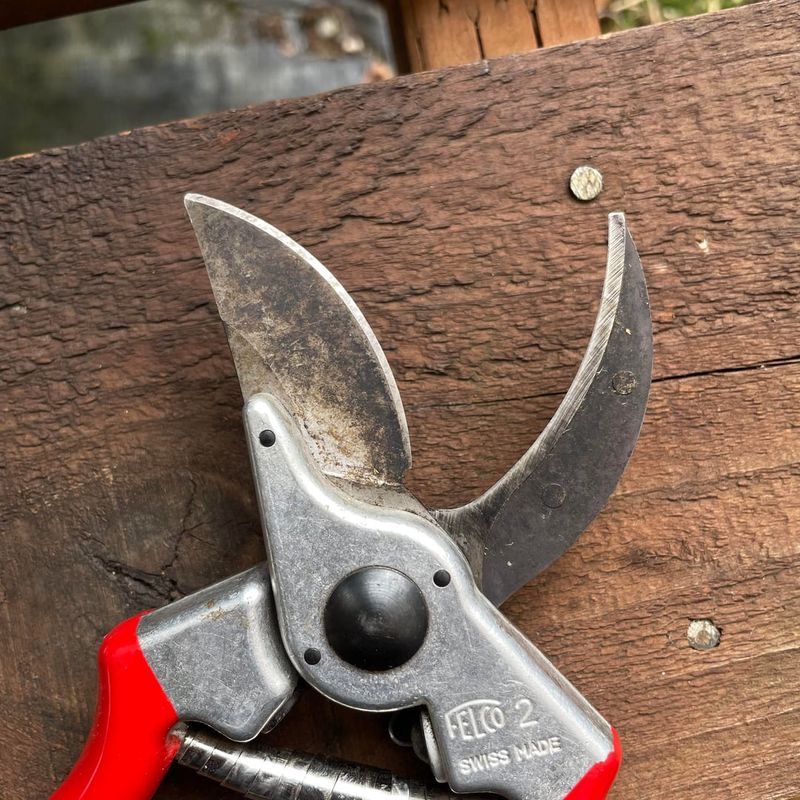
Your pruning tools can carry trouble from one plant to the next. Spores and germs cling to the blades after each cut. Moving on without cleaning spreads the problem around.
A quick wipe between plants makes a big difference. Keep a rag and a little disinfectant handy while you work. Clean blades protect every shrub you touch.
Junipers with a fungal issue are especially risky. Cutting an infected twig coats your shears with spores. The next healthy plant gets those spores pressed right into fresh wounds.
Rubbing alcohol works well for a fast cleanup. Dip a cloth and wipe the blades down before switching plants. It dries quickly and does the job.
Sharp tools help too, believe it or not. Clean, sharp blades make smooth cuts that heal faster. Ragged tears from dull blades leave the plant more open to trouble.
Store your tools dry when you finish for the day. Damp blades can rust and hold onto germs. A dry, clean spot keeps them ready for next time.
Building this habit takes only a moment each time. Yet it stops the quiet spread of problems across your yard. Clean tools are one of the simplest ways to keep all your junipers and other plants in good shape.
8. Dense Growth Makes Problems Harder To Spot
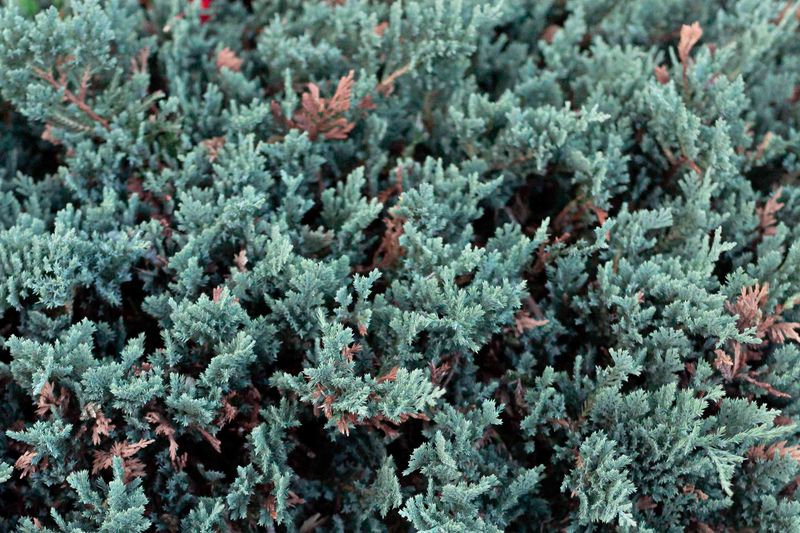
Thick, full junipers look lush and healthy from the outside. But all that density hides what happens underneath. Problems can grow for weeks without anyone noticing.
The outer layer of needles acts like a shield. It blocks your view of the inner branches completely. Damaged twigs and brown tips stay out of sight.
By the time trouble shows on the surface, it has often spread. What started as one small twig may now cover several branches. Early catches become much harder.
Parting the foliage regularly helps you stay ahead. Reach in and gently open the branches to peek inside. A flashlight can make those shady spots easier to check.
Thinning dense growth also serves double duty. It lets you see the interior and improves airflow at the same time. Both benefits keep the plant healthier.
Pay extra attention after wet stretches of weather. Damp, crowded centers are where issues love to start. A careful look during those times catches things early.
Do not let a beautiful, bushy shape fool you into skipping checks. The fullest plants sometimes hide the most. Regular inspections keep surprises to a minimum.
A few minutes of poking around inside your juniper pays off big. You spot problems sooner and treat them faster. That simple habit keeps even the densest shrubs thriving year-round.