The Dreamy White Gardens Oregon Homeowners Can Pull Off In Spring
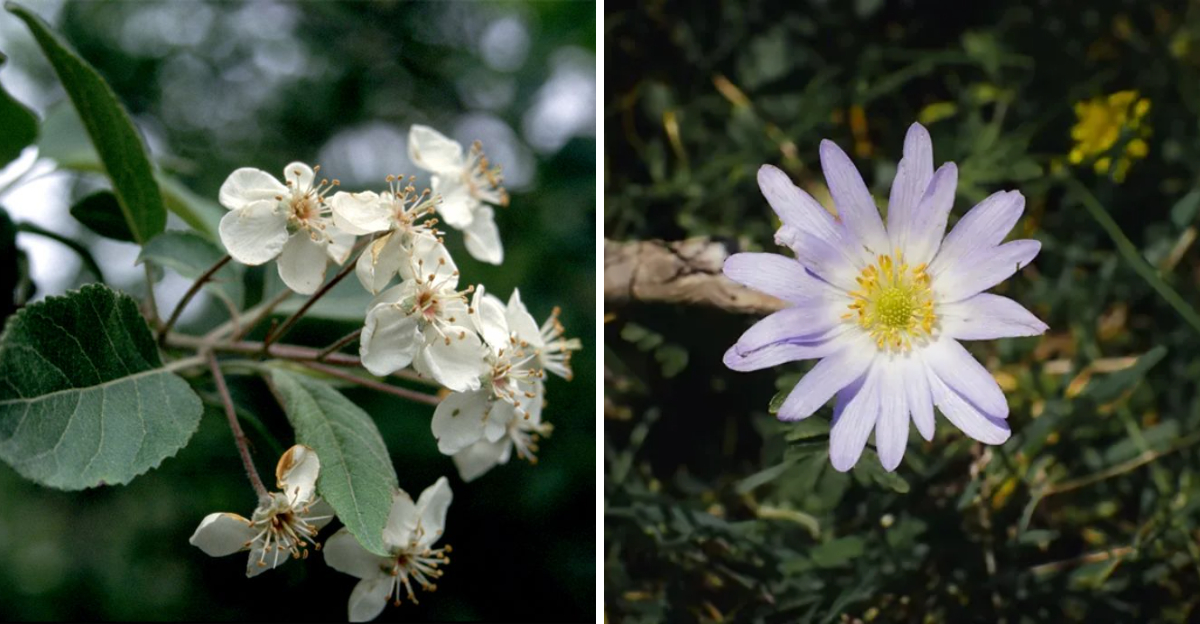
Oregon springs have a quiet magic. The soft rain and filtered light create a backdrop that makes white flowers absolutely glow against our lush green landscapes.
While a dreamy “moonlight garden” sounds like a professional feat, it is surprisingly easy to pull off with the right local plants.
From the Willamette Valley to the coast, our mild, moist climate is a paradise for white-flowering shrubs and perennials.
You can brighten a dark corner or soften an entry path with just a few smart choices. These eight Oregon favorites bloom together to create a peaceful, effortless space that truly shines during those cool, misty mornings.
1. Serviceberry Brings Soft White Spring Blossoms
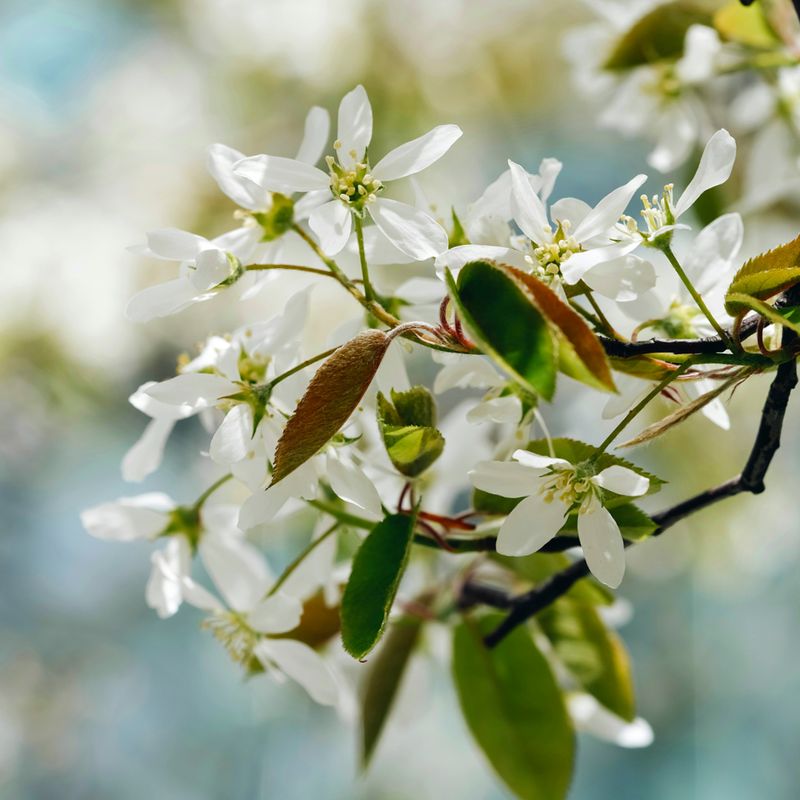
Few sights in an Oregon spring garden feel as quietly beautiful as a serviceberry covered in clusters of small, star-shaped white flowers.
This native shrub, sometimes called Saskatoon or shadbush, blooms very early in the season – often before most other plants have woken up.
That early burst of white makes it a standout in any yard, especially along borders or near woodland edges where the soft blossoms catch the low spring light.
Serviceberry handles Oregon’s rainy springs with ease. It does well in both full sun and partial shade, which gives homeowners a lot of flexibility when deciding where to place it.
Planting it near a fence line or at the back of a mixed border lets it act as a graceful backdrop for shorter plants that bloom a little later.
Beyond the flowers, serviceberry offers multi-season interest with attractive fall color and small edible berries that birds love. In western Oregon, it tends to bloom in late February through March, giving your garden a head start on the white flower season.
Pairing it with fawn lily or candytuft underneath creates a layered effect that feels natural and lush.
This plant is widely available at Oregon native plant nurseries, and it settles in quickly once established, needing very little attention beyond occasional watering during dry spells.
2. Pacific Crabapple Covers Branches In White Flowers
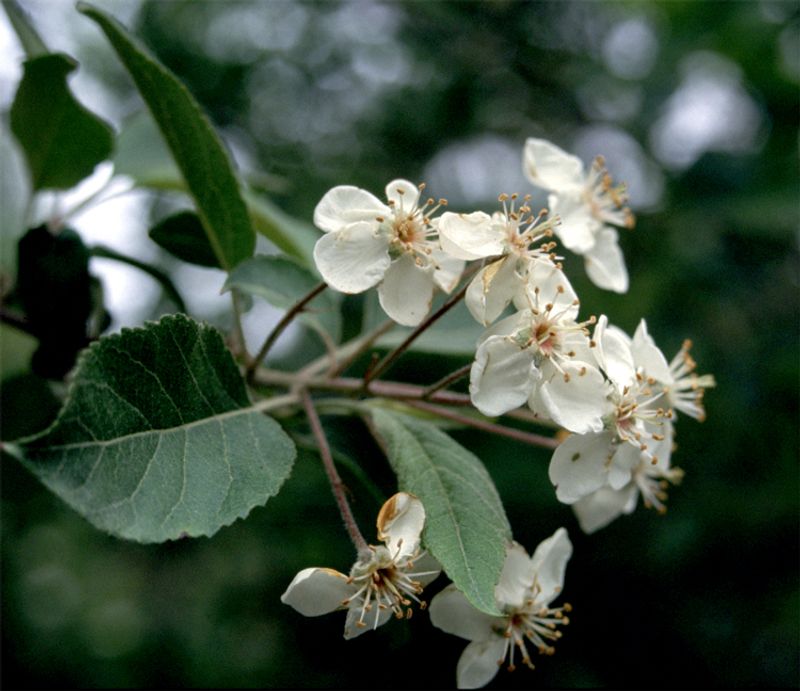
Walking past a Pacific crabapple in full bloom is one of those spring moments that stops you in your tracks.
This small native tree produces an almost unbelievable number of white flowers along every branch, creating a cloud-like display that can last for two to three weeks during Oregon’s mid-spring season.
The visual impact is dramatic without being fussy, which makes it a reliable anchor for a white-themed garden design.
Pacific crabapple grows naturally along stream banks and woodland edges throughout western Oregon, so it is well adapted to the state’s wet winters and dry summers.
In a home landscape, it works beautifully as a specimen tree near an entry or patio, where the spring bloom show can be enjoyed up close.
It prefers full sun but tolerates partial shade, and it tends to stay compact enough for smaller yards.
One practical tip for Oregon homeowners is to plant Pacific crabapple where it gets good air circulation, since wet spring conditions can sometimes encourage fungal issues on susceptible trees. Choosing a site with morning sun helps the foliage dry out after rain.
Your Oregon Garden Changes Every Week. Your Plan Should Too.
Gardening in Oregon changes quickly throughout the season. Every Friday you’ll receive a simple weekly plan showing exactly what to plant, prune, fertilize, harvest, and protect so you never miss the right timing.
After the flowers fade, small fruits develop and attract wildlife through summer and fall.
Combining this tree with lower-growing white bloomers like candytuft or Grecian windflower beneath it creates a layered spring display that feels cohesive and thoughtfully designed.
3. Western Mock Orange Adds White Blooms And Fragrance
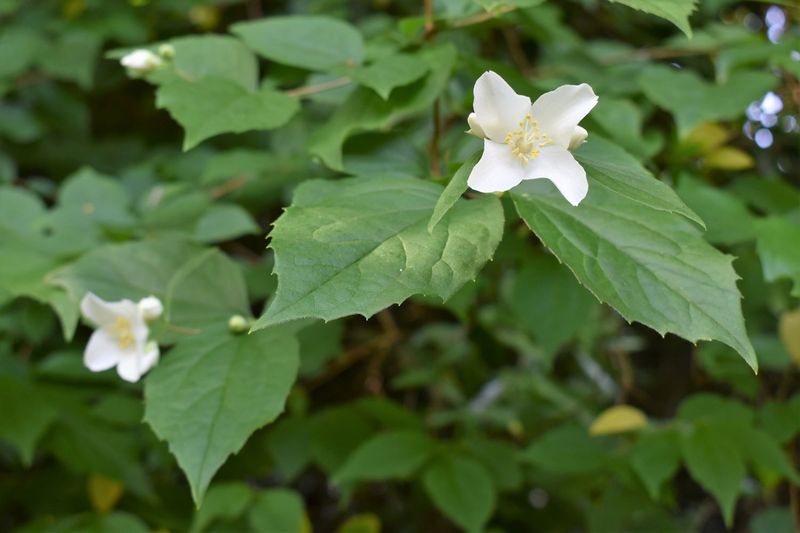
The moment a western mock orange opens its flowers, the fragrance alone is enough to make you stop and pay attention.
This native shrub produces clusters of pure white, four-petaled blooms that carry a sweet, citrus-like scent reminiscent of orange blossoms – which is exactly how it got its name.
In Oregon gardens, it typically blooms in late spring, bridging the gap between early bloomers and summer perennials.
Western mock orange is a sturdy, adaptable shrub that grows well across much of Oregon, from the coast range to the Cascade foothills.
It handles partial shade gracefully, making it a strong choice for spots under tall trees or along the shaded side of a fence.
Full sun encourages heavier flowering, so placing it in a sunny border will reward you with an especially generous bloom display.
Mature plants can reach six to ten feet tall, so giving mock orange room to spread naturally produces the best results. Pruning right after flowering keeps the shape tidy without sacrificing next year’s blooms.
For a layered white garden, try planting it behind shorter white-flowering perennials or groundcovers so the fragrant upper canopy floats above a carpet of smaller blooms.
Oregon homeowners near the coast or in the Willamette Valley often find that mock orange thrives with minimal care, rewarding them with a reliable and wonderfully scented spring show year after year.
4. Pacific Ninebark Fills Borders With White Flowers
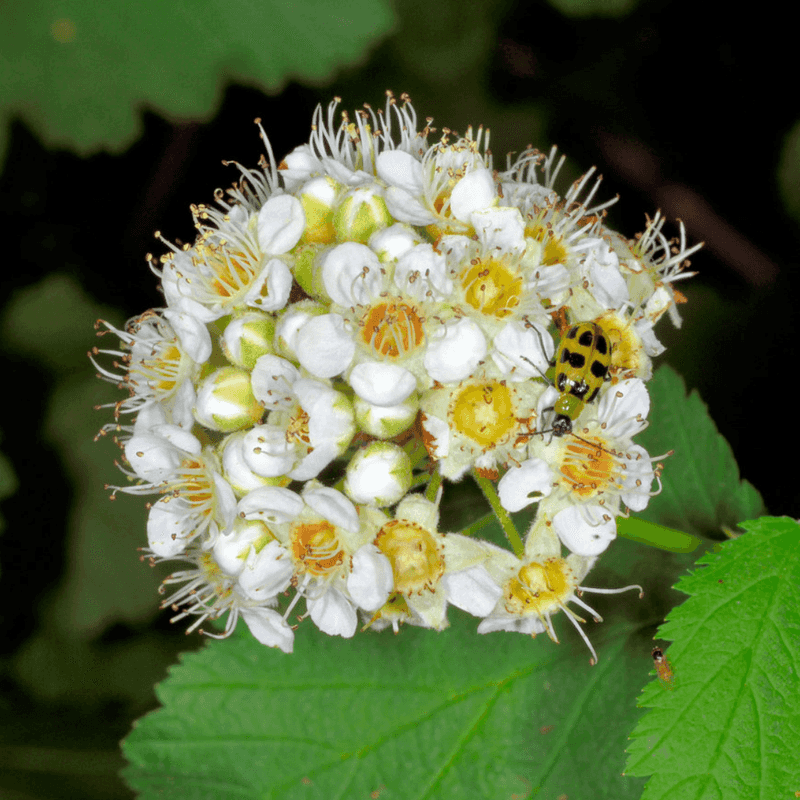
Pacific ninebark is the kind of shrub that earns its place in a garden by doing several things well at once. In spring, it produces dense clusters of small white flowers that cover the arching branches in a way that looks almost like a light snowfall.
The effect is soft and full, making it an excellent choice for filling gaps along borders or softening the edges of a property line.
This native shrub is incredibly tough and well suited to Oregon’s variable spring weather. It tolerates both wet and occasionally dry conditions, which means it can handle the heavy rains of a western Oregon spring without complaint.
Pacific ninebark grows in full sun to partial shade, so it fits into a wide range of garden spots, from open sunny borders to lightly shaded areas beneath taller trees or near structures.
Beyond the spring flowers, the exfoliating bark – which peels in thin, papery layers – adds interesting texture to the garden even when the plant is not in bloom.
Plants typically grow six to ten feet tall and wide, so spacing them generously lets them develop their naturally graceful, arching form.
For a cohesive white spring border, combine Pacific ninebark with serviceberry or mock orange at similar heights, then layer fawn lily or candytuft at the base.
Oregon native plant enthusiasts often appreciate how little maintenance this shrub needs once it gets established in the right spot.
5. Fawn Lily Brings Delicate White Woodland Charm
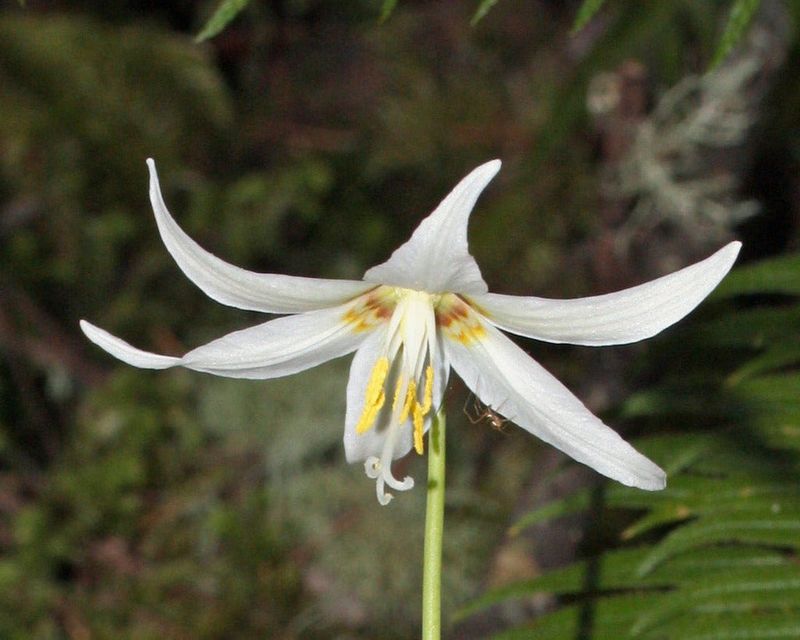
There is something genuinely magical about finding fawn lily in bloom on an Oregon woodland floor.
Also known as Oregon fawn lily or Erythronium oregonum, this native bulb produces nodding white flowers with reflexed petals that curve gracefully upward, giving each bloom an elegant, almost lantern-like shape.
The mottled green and brown leaves add to the charm, making this plant as interesting to look at as it is in flower.
Fawn lily is naturally at home under the canopy of Oregon’s native oaks, maples, and conifers, where it gets filtered spring light before the tree leaves fully emerge.
In a home garden, it works beautifully in shaded borders, under deciduous shrubs, or along a naturalistic woodland path.
It is not a plant for full sun or hot, dry spots, so matching it to the right conditions is key to success.
Because fawn lily goes dormant by early summer, pairing it with shade-tolerant groundcovers or ferns helps fill the space after the flowers fade. Planting it in small groups of five or more creates a more natural, drifted look that suits the woodland aesthetic well.
Oregon homeowners in the Willamette Valley and along the coast tend to have the best luck with this plant, as the mild, moist climate closely mirrors its native habitat.
Once settled in the right spot, fawn lily spreads gradually into beautiful, low-maintenance colonies.
6. Candytuft Creates A Bright White Spring Carpet
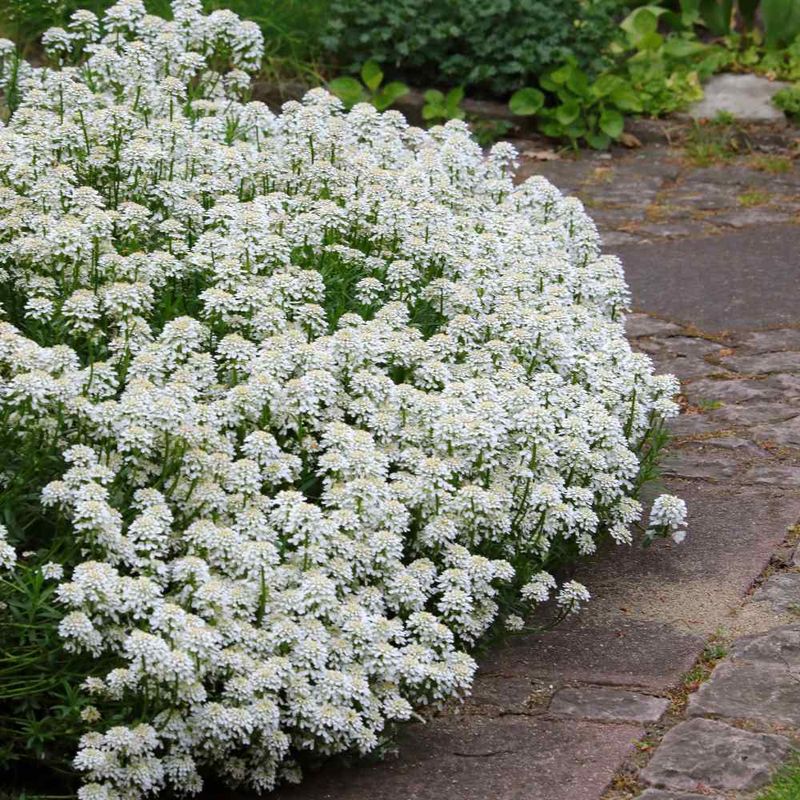
Candytuft is one of those low-growing plants that delivers far more visual impact than its modest size would suggest.
When it blooms in spring, the entire plant disappears beneath a flat, dense carpet of bright white flower clusters that seem to glow even on overcast Oregon days.
That luminous quality makes it especially effective along border edges, spilling over retaining walls, or framing the base of taller white-flowering shrubs.
This evergreen perennial is tough, reliable, and well suited to Oregon’s spring conditions. It prefers full sun and well-drained soil, so raised beds, rock gardens, and sloped borders where water moves away freely tend to suit it best.
In areas of western Oregon with heavier clay soils, amending the planting area with compost and coarse grit before planting helps candytuft establish without sitting in waterlogged ground during wet spring months.
Candytuft typically blooms from March through May in most parts of Oregon, overlapping nicely with serviceberry, fawn lily, and Grecian windflower.
After the flowers finish, a light trim keeps the foliage tidy and can sometimes encourage a second flush of blooms in fall.
The deep green leaves remain attractive all year, giving the garden structure even when nothing is in flower.
For homeowners building a layered white spring garden, candytuft works as a reliable front-of-border anchor that ties together taller plants behind it with a clean, bright edge.
7. White Forsythia Offers An Unusual Pale Spring Bloom
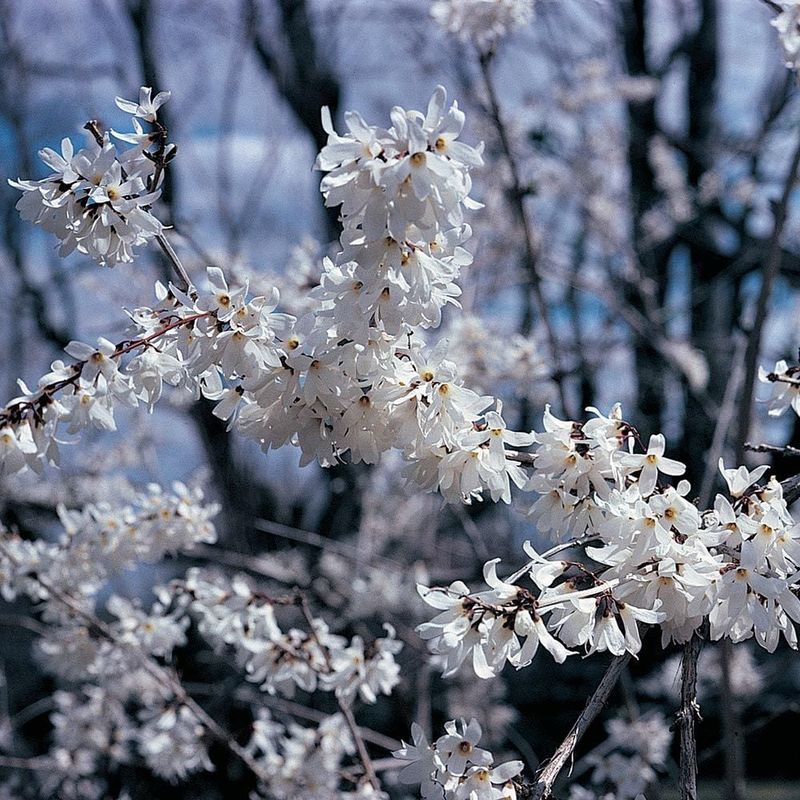
Most gardeners know forsythia as a blaze of yellow that signals the very start of spring, but white forsythia – technically Abeliophyllum distichum – offers something more understated and unexpected.
Its small, pale white flowers open on bare arching branches in late winter to very early spring, often appearing before almost anything else in the garden has stirred.
The effect is delicate and a little mysterious, especially on misty Oregon mornings when the pale blooms seem to float against a gray sky.
White forsythia is not a true forsythia but earns the nickname because of its similar growth habit and early bloom time. It grows into a rounded shrub about three to five feet tall and wide, making it a manageable size for most home landscapes.
Full sun encourages the best flowering, though it tolerates light shade without too much complaint. In Oregon, planting it against a south-facing wall or fence can give it a bit of extra warmth that helps it bloom even earlier.
The flowers carry a faint, pleasant fragrance that is easy to miss outdoors but becomes noticeable when cut branches are brought inside.
Homeowners who want a cutting garden element woven into their white spring display will find white forsythia a satisfying choice.
It pairs well with early bulbs and fawn lily at its feet, and its unusual bloom time helps extend the white garden season in Oregon from late winter all the way through mid-spring.
8. Grecian Windflower Adds A Light Touch To Spring Beds
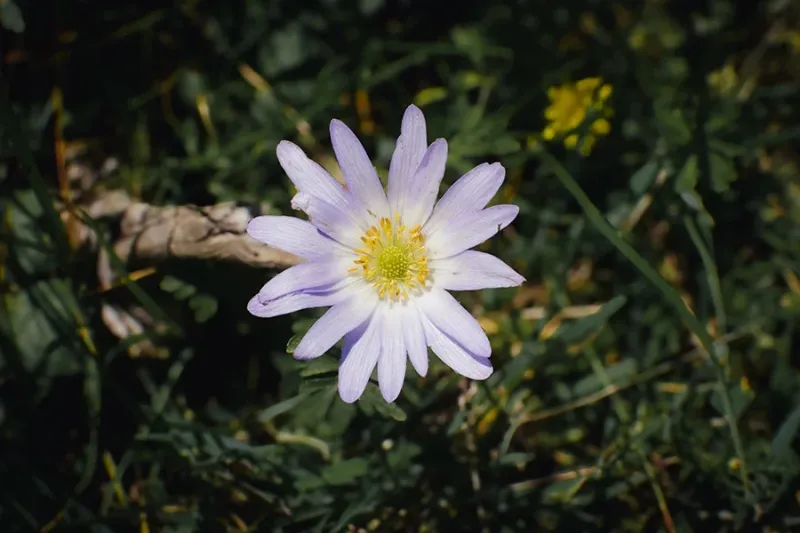
Grecian windflower has a kind of cheerful lightness that feels exactly right for an Oregon spring garden.
The small, daisy-like blooms open wide on sunny days and close up at night or when rain rolls in, giving the flowers a lively, almost animated quality that makes a bed of them genuinely fun to watch.
White-flowering varieties produce blooms with clean white petals surrounding a bright yellow center, and they naturalize readily into low, spreading colonies over time.
Anemone blanda grows from small, knobby corms that are planted in fall, much like other spring bulbs.
They prefer well-drained soil and do well in full sun to partial shade, which makes them versatile enough for a range of garden spots – from open sunny borders to the dappled shade beneath deciduous trees.
In Oregon, they tend to bloom in March and April, fitting neatly into the mid-spring window when candytuft and serviceberry are also at their peak.
Because the foliage fades by early summer, Grecian windflower works especially well when interplanted with summer perennials or groundcovers that will fill in the space as the season progresses.
Planting them in informal drifts rather than rigid rows gives beds a relaxed, naturalistic look that suits Oregon’s lush spring landscape.
For homeowners putting together a white spring garden on a budget, these corms are usually inexpensive and widely available, making them one of the easiest ways to add a light, airy white element to the seasonal display.