The Pennsylvania Fruits At Absolute Peak Harvest At The End Of August
The end of August is one of the most rewarding moments in the Pennsylvania growing season, and fruit is a big part of why.
After the long, patient wait through spring planting and summer tending, certain fruits hit their absolute peak right now, delivering flavors that are impossible to replicate at any other point in the season.
For gardeners and foragers who know what to look for, the end of August is essentially the best few weeks of the year.
This is when flavor peaks. Not almost ripe, not nearly there. Perfectly ripe, right now.
The window for catching these fruits at their best is narrow. Wait too long and quality drops quickly, birds and wildlife move in, and fruit that was perfect one week becomes overripe or unreachable the next.
Knowing which Pennsylvania fruits peak at the end of August and what to look for at the right moment makes all the difference.
Whether you’re growing them in your yard or foraging in the landscape, here’s what’s reaching its absolute peak in Pennsylvania right now.
1. Peaches
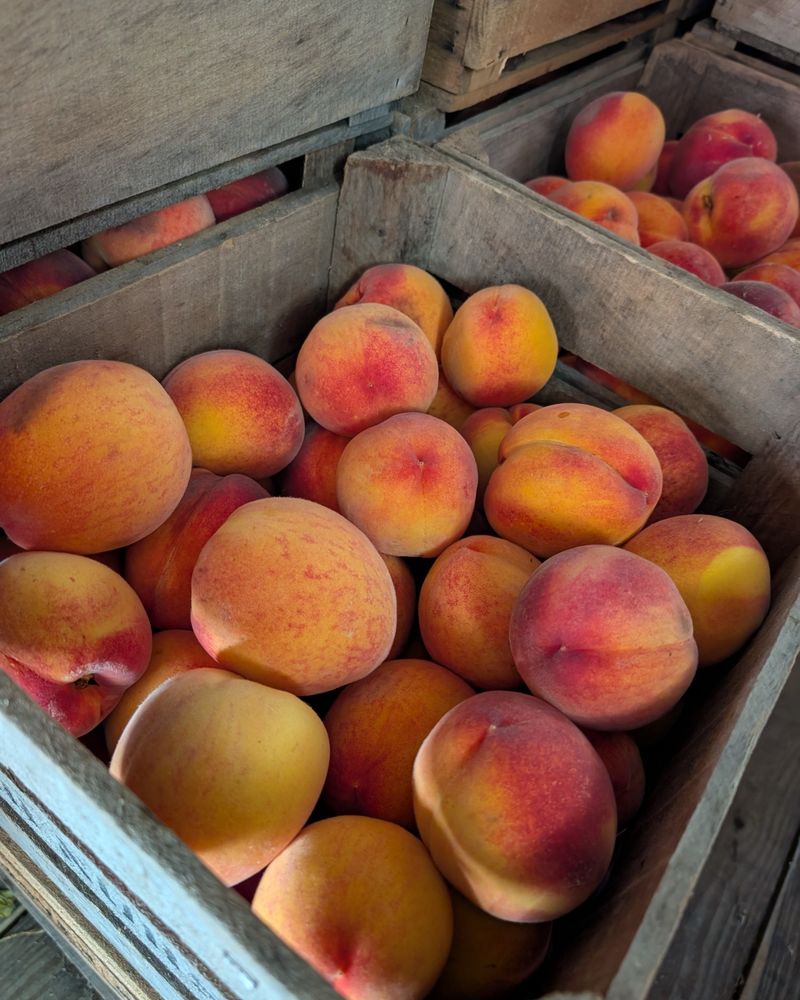
There is something almost magical about biting into a perfectly ripe Pennsylvania peach in late August. The juice runs down your chin, the aroma fills the air, and the flavor is nothing like what you find in a supermarket in January.
Penn State Extension places the general Pennsylvania peach harvest from mid-July through the third week of September, which means late August falls right in the sweet spot of peak season.
Freestone varieties are especially popular this time of year because the pit separates easily from the flesh, making them great for slicing, baking, and canning.
Pennsylvania’s official PA Preferred seasonal calendar also confirms that peaches are freshly harvested throughout July, August, and September.
That means local farm stands and farmers markets are well stocked with mid- to late-season cultivars right now.
When shopping for peaches, skip the ones that feel rock hard. A ripe peach gives slightly when you press it gently near the stem. Smell it too. A strong, sweet fragrance is one of the best signs that the fruit is ready to eat.
Avoid refrigerating peaches until they are fully ripe, since cold temperatures can make the texture mealy and dull the flavor. Store them at room temperature on the counter instead.
Local peaches also tend to be picked closer to peak ripeness than those shipped from farther away, which means better flavor and more nutrients. Look for varieties like Reliance, Loring, or Redhaven at Pennsylvania orchards.
If you have never done a peach-picking outing, late August is honestly the perfect time to try it for the first time.
2. Nectarines
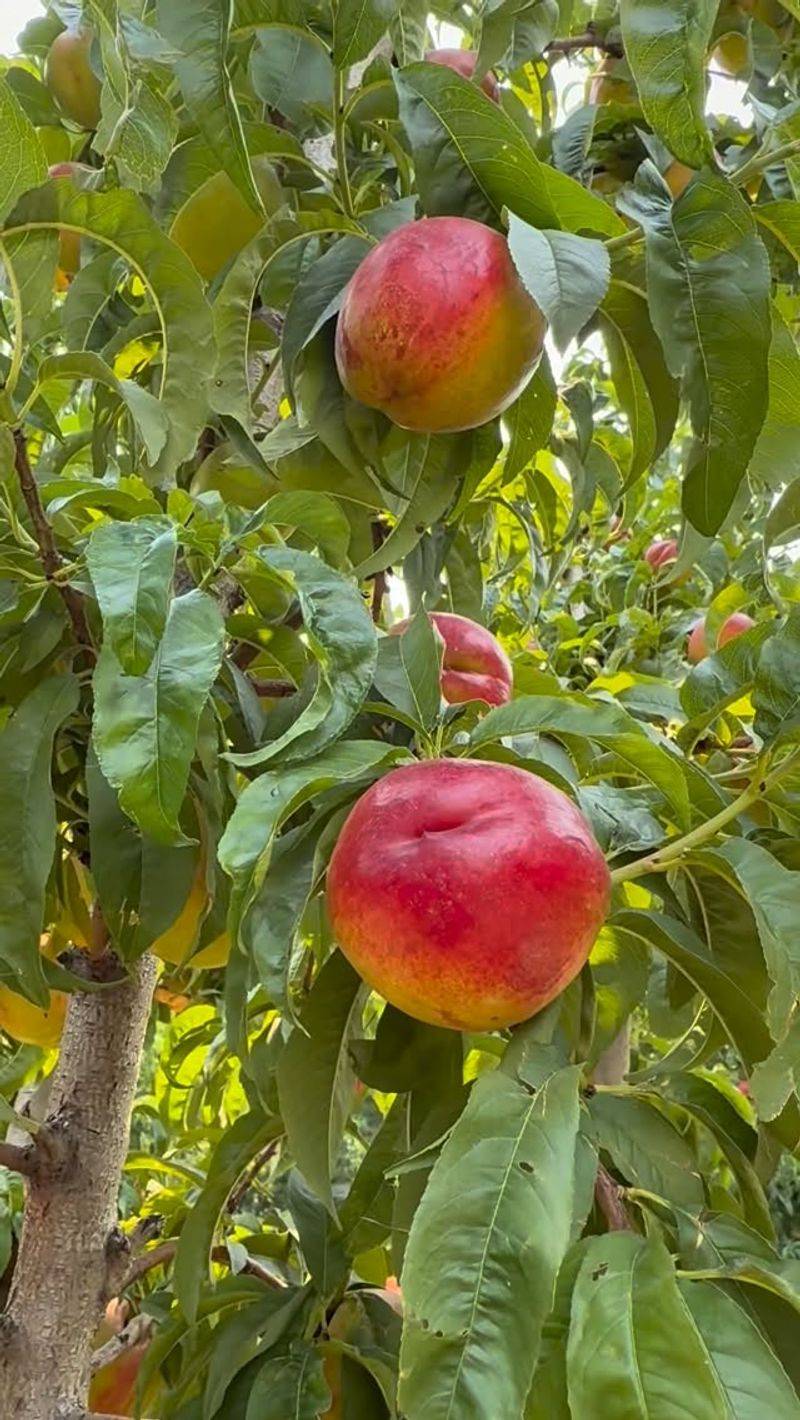
Nectarines do not always get the spotlight that peaches do, but they absolutely deserve it. Smooth-skinned and slightly firmer than a peach, nectarines pack an intense, sweet-tart flavor that fans of stone fruit absolutely love.
Pennsylvania’s PA Preferred seasonal calendar lists nectarines as fresh picked during July, August, and September, confirming that late August is a prime time to find them locally grown.
Your Pennsylvania Garden Changes Every Week. Your Plan Should Too.
Gardening in Pennsylvania changes quickly throughout the season. Every Friday you’ll receive a simple weekly plan showing exactly what to plant, prune, fertilize, harvest, and protect so you never miss the right timing.
One thing that makes nectarines especially fun to shop for is the variety. Different cultivars mature at different times throughout the summer, so even if you missed the earliest crop in July, there are still locally harvested nectarines available well into September.
Farmers who grow multiple cultivars can often offer fresh nectarines over a longer stretch of the season, giving shoppers more chances to find them at peak quality.
A common mistake people make when picking nectarines is judging ripeness by color alone. A bright red blush looks appealing, but it does not always mean the fruit is ripe.
Instead, look for fruit that is fully colored for its specific variety and gives off a noticeable, sweet aroma. A gentle squeeze near the stem should reveal a slight softness when it is ready.
Nectarines are incredibly versatile in the kitchen. Slice them over yogurt or oatmeal for breakfast, grill them for a smoky-sweet side dish, or bake them into a crisp with oats and brown sugar.
They also hold up well in salads paired with arugula and goat cheese. Buying from a local Pennsylvania grower in late August means you are getting fruit at its freshest and most flavorful point of the entire year.
3. Plums And Pluots
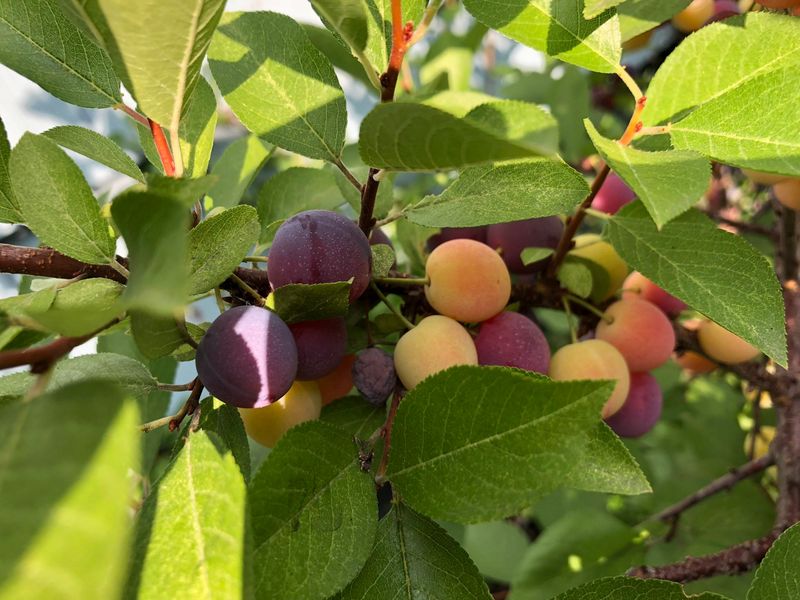
Plums are one of those fruits that people often overlook at the farmers market, but late August is genuinely the best time to pay attention to them in Pennsylvania.
Penn State Extension gives the general harvest window for Pennsylvania plums as mid-August through the end of September.
That means the final weeks of August mark the opening of one of the best stretches for fresh, locally grown plums you can find all year.
Pluots, which are a hybrid between a plum and an apricot, are also worth seeking out during this window. They tend to be sweeter than standard plums and have a smooth, almost candy-like richness that makes them fantastic for eating fresh.
Pennsylvania’s PA Preferred seasonal calendar identifies August and September as fresh-picking months for both plums and pluots, so farm stands should have solid selections available right now.
When choosing plums, look for fruit that feels heavy for its size and has a slight give when pressed gently. A dusty, powdery coating on the skin, called the bloom, is completely natural and actually a good sign of freshness.
Avoid fruit with broken skin or mushy spots, since plums bruise easily and can spoil quickly once damaged.
Plums are fantastic eaten fresh out of hand, but they also shine when cooked. Try roasting them with a little honey and thyme for a simple dessert, or simmer them into a chunky jam to preserve the late-August harvest for months ahead.
Plum sauce also pairs beautifully with roasted pork. If you have never tried a locally grown Pennsylvania plum at peak season, late August is the time to change that.
4. Blackberries
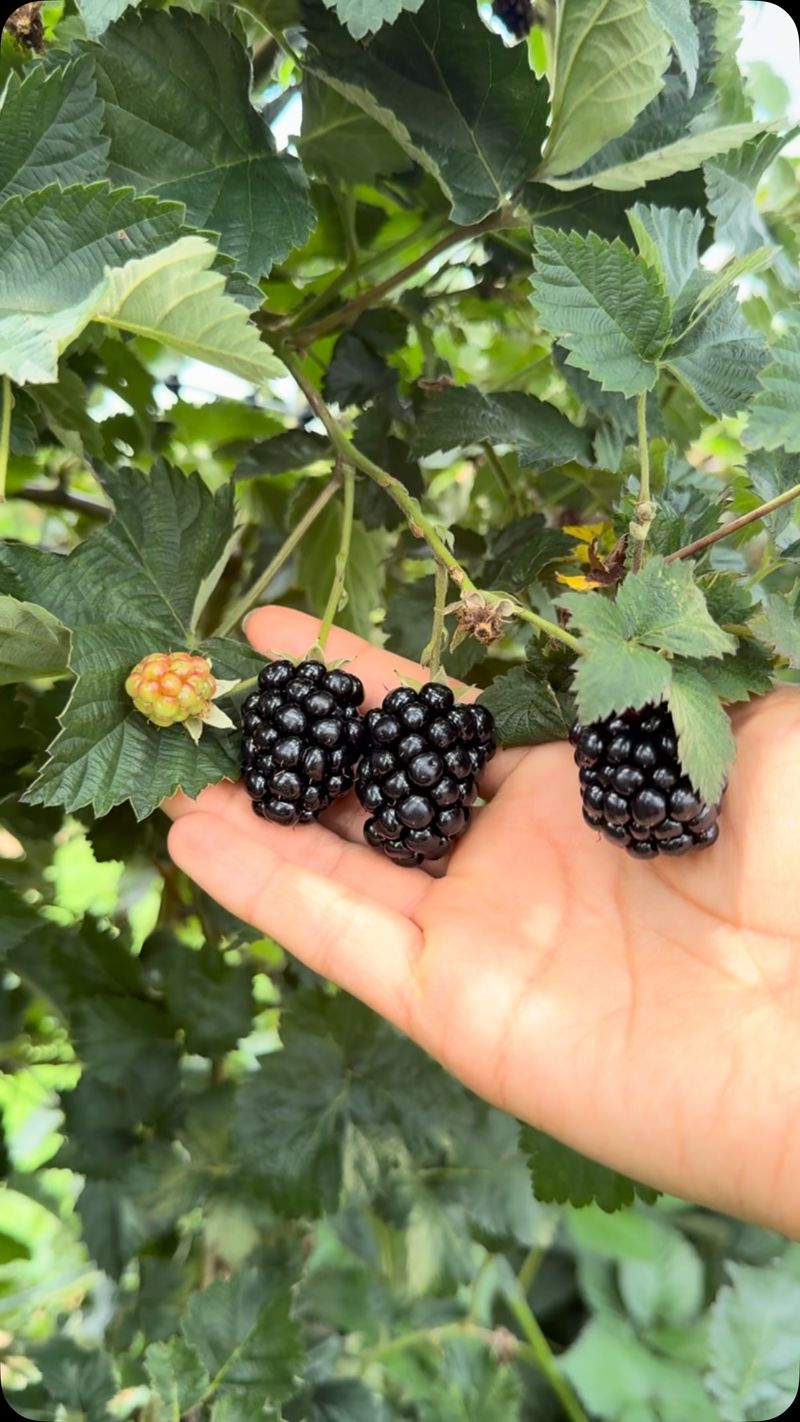
Few fruits say “end of summer” quite like a handful of ripe, juicy blackberries. Pennsylvania-grown blackberries are a strong late-August fruit, and the PA Preferred seasonal calendar confirms they are freshly harvested throughout July, August, and September.
That makes right now an excellent window to find locally picked blackberries at farm stands and pick-your-own operations across the state.
One important thing to know about blackberries is that, unlike some other fruits, they do not continue to ripen after they have been picked. A blackberry that is harvested too early will stay sour and firm.
This is actually a great reason to buy from local growers, since they can afford to wait until the fruit is fully ripe before picking.
Commercially shipped berries are often harvested early to survive long transport, which means they rarely match the flavor of a truly local, vine-ripened berry.
Because blackberries are highly perishable, you need a plan for them the moment you get home. Refrigerate them right away and plan to use them within two to three days.
Do not wash them until you are ready to eat or cook with them, since moisture speeds up spoilage. If you pick more than you can use quickly, freeze them in a single layer on a baking sheet first, then transfer them to a bag so they do not clump together.
Blackberries are fantastic in smoothies, stirred into yogurt, baked into muffins, or simply eaten fresh with a little cream. Their bold, slightly tart flavor also pairs well with peaches, which are conveniently at peak season at exactly the same time.
A blackberry-peach crisp made with late-August Pennsylvania fruit is hard to beat on a warm evening.
5. Late-Summer Raspberries
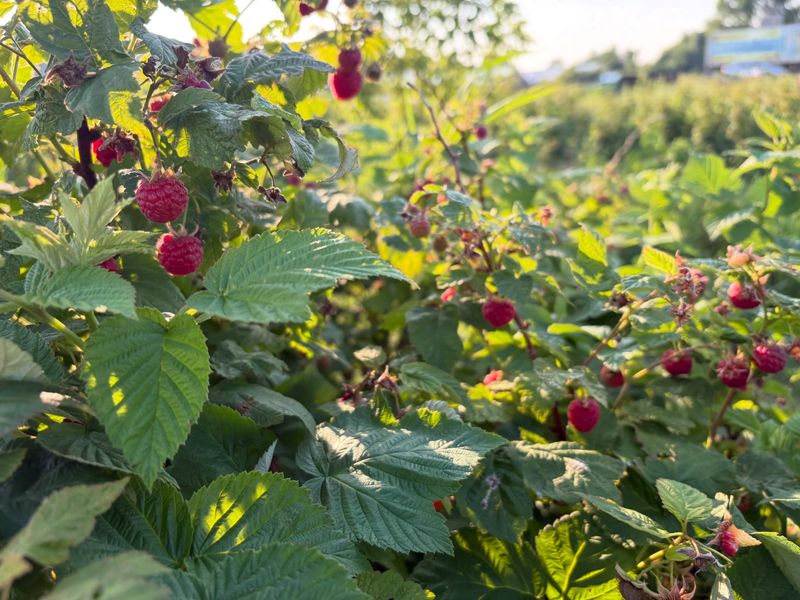
Raspberries are a bit more complicated than other fruits on this list, and that is actually what makes them interesting. Not all raspberry patches peak at the same time, and the variety being grown makes a huge difference in when the fruit is ready.
Pennsylvania’s PA Preferred seasonal calendar shows the state’s raspberry season running through July, August, and September, but the timing of your local crop depends heavily on which cultivars your grower has planted.
Summer-bearing raspberries typically produce one large crop in early to mid-summer, so by late August, those plants may be winding down. Fall-bearing varieties, however, are a different story.
These cultivars can begin producing their late-summer and fall crop right around the end of August, extending fresh harvests well into September.
If you have been visiting a farm stand that seemed to have no raspberries recently, check again now because the fall-bearing crop may be just starting.
When buying raspberries, look for berries that are fully colored, firm but not hard, and free of mold or leaking juice. A fresh raspberry should have a bright, clean scent.
Avoid containers where the bottom berries look crushed or wet, since that is a sign they have been sitting too long.
Raspberries are one of the most versatile berries you can bring home. Use them in vinaigrettes, blend them into lemonade, layer them in a trifle, or fold them into pancake batter for a weekend breakfast treat.
They also freeze beautifully, so stocking up when local fall-bearing raspberries are at peak quality in late August is a smart way to enjoy Pennsylvania-grown flavor well into the colder months ahead.
6. Cantaloupe
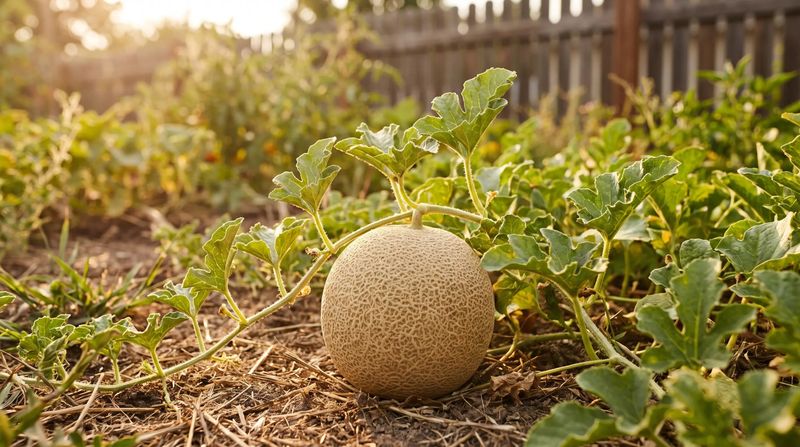
August is cantaloupe season in Pennsylvania, and the end of the month is a particularly rewarding time to seek out locally grown melons.
The PA Preferred seasonal calendar marks August and September as the two fresh-picking months for Pennsylvania cantaloupes, which means right now is when local growers are bringing their best fruit to market.
Buying locally grown cantaloupe at this time of year means you are getting a melon that traveled a short distance and ripened under Pennsylvania’s late-summer sun.
Choosing a ripe cantaloupe takes a little know-how, but once you get the hang of it, it becomes second nature. Look for a melon with a strong, sweet, musky aroma at the blossom end, which is the end opposite the stem.
The skin underneath the netting should have shifted from green to a creamy tan or gold color. A ripe muskmelon-type cantaloupe may also separate readily from the vine when fully mature, which is called full-slip in farming terms.
Late-summer heat plays a big role in making Pennsylvania cantaloupes especially flavorful this time of year.
Hot days and warm nights help concentrate the sugars in the fruit, which is why August cantaloupes often taste noticeably sweeter and more aromatic than those you find in spring.
Farm stands across the state tend to carry impressive selections right now, so it is worth stopping to browse.
Fresh cantaloupe is wonderful on its own, chilled and sliced on a hot afternoon. Wrap it with prosciutto for an easy appetizer, blend it into a chilled soup, or add cubed cantaloupe to a fruit salad alongside blackberries and raspberries for a Pennsylvania late-August fruit bowl that is hard to improve upon.
7. Watermelon
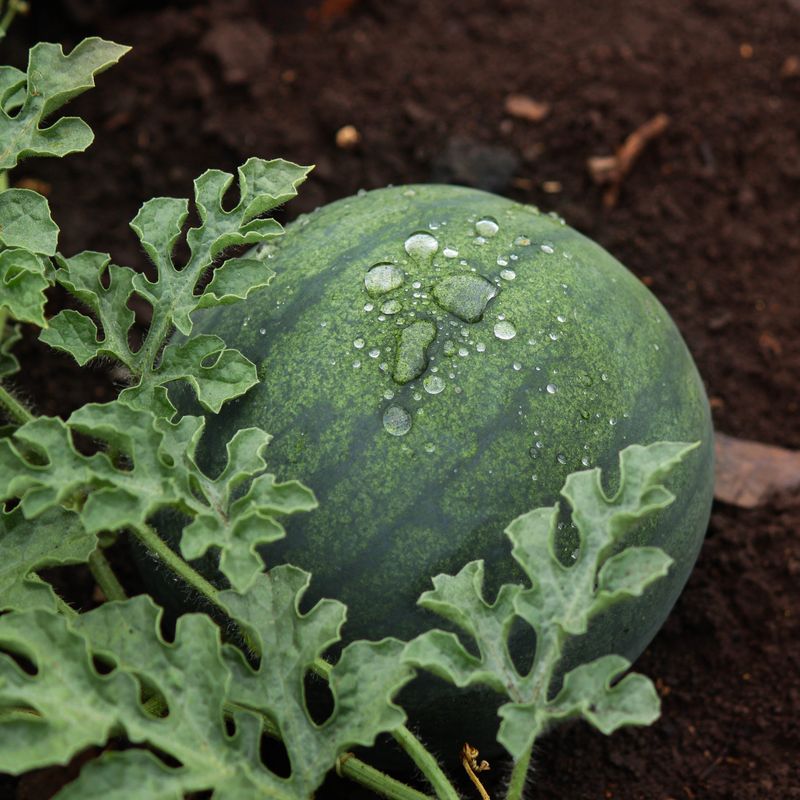
Watermelon might feel like a July fruit to most people, but do not count it out just yet. PA Preferred lists July and August as Pennsylvania’s fresh watermelon harvest period, which means the final days of August are actually a critical window.
Locally grown watermelon is still in season right now, but the state’s general harvest window is getting close to its end. Think of late August as your last, best chance to grab a Pennsylvania-grown watermelon before the season wraps up.
There is a real difference between a locally grown watermelon and one that has been shipped across the country.
Local melons are allowed to ripen longer on the vine before harvest, which means better flavor, deeper color in the flesh, and a sweeter, more satisfying bite.
Once you taste a Pennsylvania-grown watermelon at peak ripeness in August, it is hard to go back to the out-of-season alternative.
Picking a ripe watermelon is easier than most people think. Look for a melon with a creamy yellow or orange field spot on the underside, which is where it rested on the ground while ripening.
The surface should feel firm and the skin should have a dull, matte appearance rather than a shiny one. A hollow, deep thump when you knock on it is another classic sign of ripeness.
Watermelon is the ultimate late-summer refresher. Slice it thick and eat it cold on a hot afternoon, cube it into a salad with feta and fresh mint, or blend it into a chilled agua fresca.
However you enjoy it, buying a locally grown Pennsylvania watermelon before August ends is one of the smartest and most delicious seasonal choices you can make right now.