This Strange Bug In Arizona Gardens Is Doing Gardeners A Favor
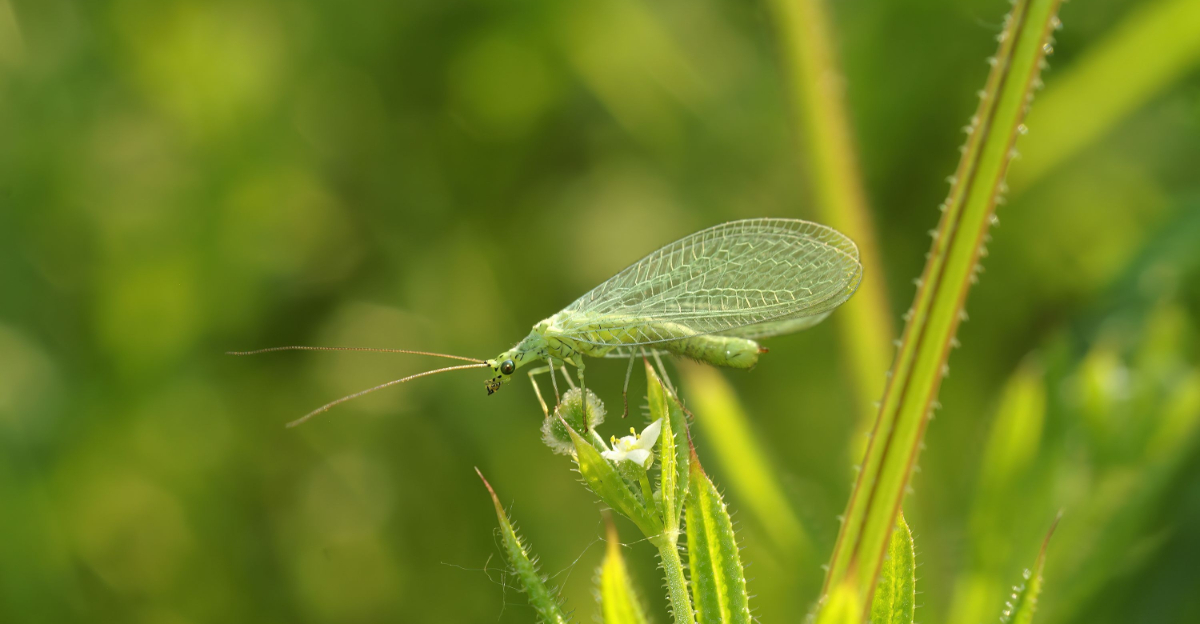
Spotting a strange bug crawling between your plants might make you reach for a quick solution. Before you remove it, take another look because this unusual visitor could actually be helping your garden.
Not every insect hanging around leaves and stems is there to cause trouble. Some spend their time hunting other tiny creatures that can damage the plants you care about.
That makes knowing what you are looking at especially useful. Mistaking a helpful garden visitor for an unwanted pest can work against you.
During warm Arizona weather, beneficial insects can stay active around gardens where prey is available.
Watch how this bug moves and where it spends its time before deciding what to do.
Once you recognize its role, you may be surprisingly glad to spot it among your plants.
1. Green Lacewings Are More Helpful Than They Look
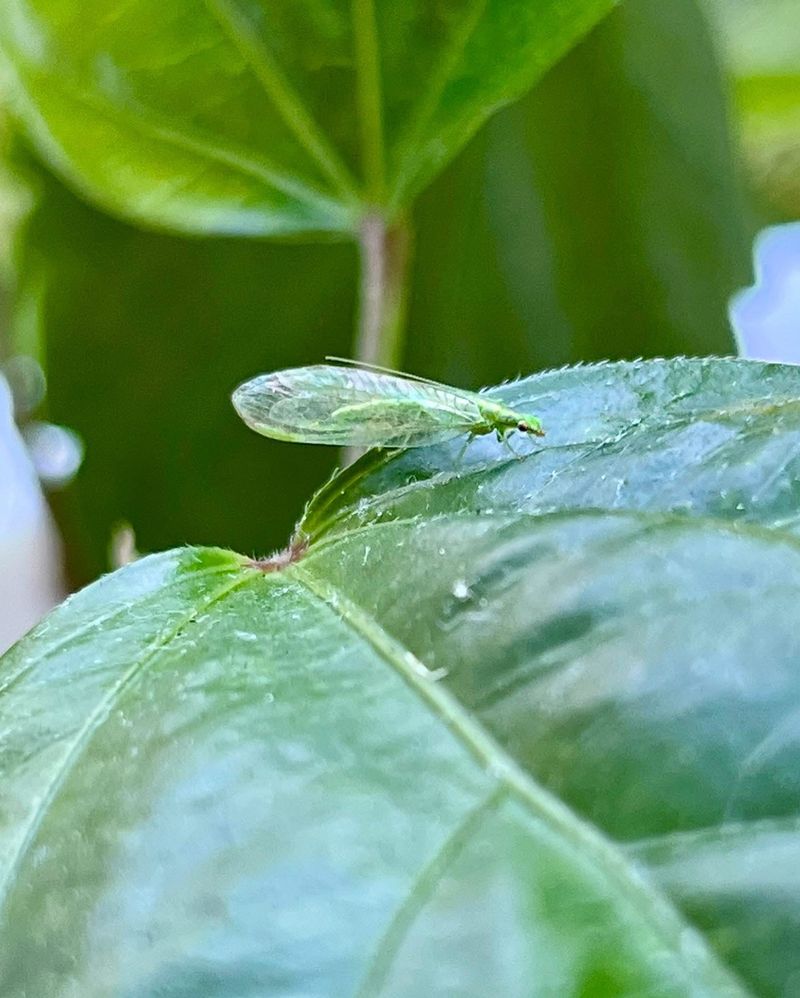
At first glance, green lacewings seem too fragile to be useful. Thin wings, big golden eyes, and a body barely the size of a paperclip.
Most people either ignore them or try to wave them away.
Looks can be misleading with this one. Green lacewings are known as one of the most effective natural pest controllers you can find in a backyard setting.
Gardeners across Arizona have started recognizing them as allies rather than random visitors.
Adult lacewings mostly feed on nectar, pollen, and honeydew. They are not the ones hunting pests directly.
But their presence matters because it means eggs are being laid nearby, and what hatches from those eggs is where the real action begins.
Lacewings tend to show up more during warmer months, which lines up perfectly with peak pest season. Spotting one near your roses or vegetable beds is actually a sign your garden has something working in its corner.
Encouraging these insects does not require much effort. Planting nectar-rich flowers like dill, fennel, or coreopsis can attract adult lacewings.
Once they settle in, the cycle of natural pest management can start on its own without any intervention from you.
2. The Larvae Do Most Of The Pest Hunting
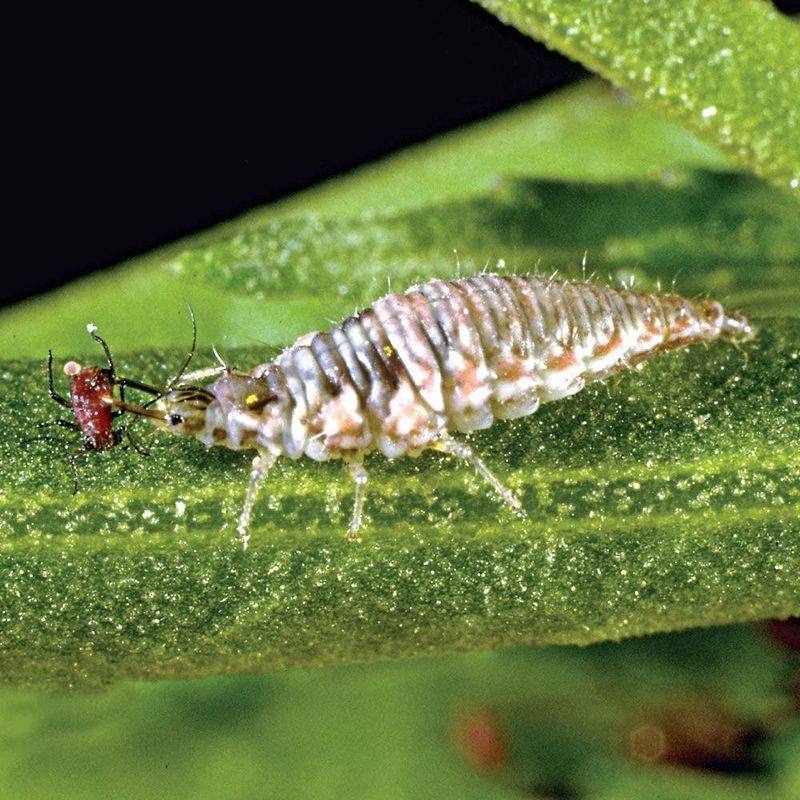
Forget the adults. Lacewing larvae are the ones doing serious work in your garden beds.
Right after hatching, they start searching for prey with a kind of focused aggression that is surprising for something so tiny.
Larvae are sometimes called “aphid lions” because of how aggressively they feed. Pointy mandibles, a curved body, and zero hesitation.
They move through leaves and stems looking for soft-bodied insects to consume.
Each larva can feed on a large number of pest insects during its development period. The exact amount varies depending on temperature, food availability, and how long the larval stage lasts.
In warm Arizona conditions, that cycle can move quickly.
One thing worth knowing is that lacewing larvae are not picky. If pest populations are low, they may feed on other small insects nearby, including beneficial ones.
So the balance matters, and a healthy garden with mixed plantings tends to support that balance better.
Larvae do not look anything like the adults. Spotting them can be tricky since they are small, brownish, and easy to miss among leaf debris.
Your Arizona Garden Changes Every Week. Your Plan Should Too.
Gardening in Arizona changes quickly throughout the season. Every Friday you’ll receive a simple weekly plan showing exactly what to plant, prune, fertilize, harvest, and protect so you never miss the right timing.
Some even camouflage themselves by sticking debris on their backs.
Once you know what to look for, you will start noticing them more often. And once you do, leaving them alone becomes an easy choice.
3. Aphids Are One Of Their Main Targets
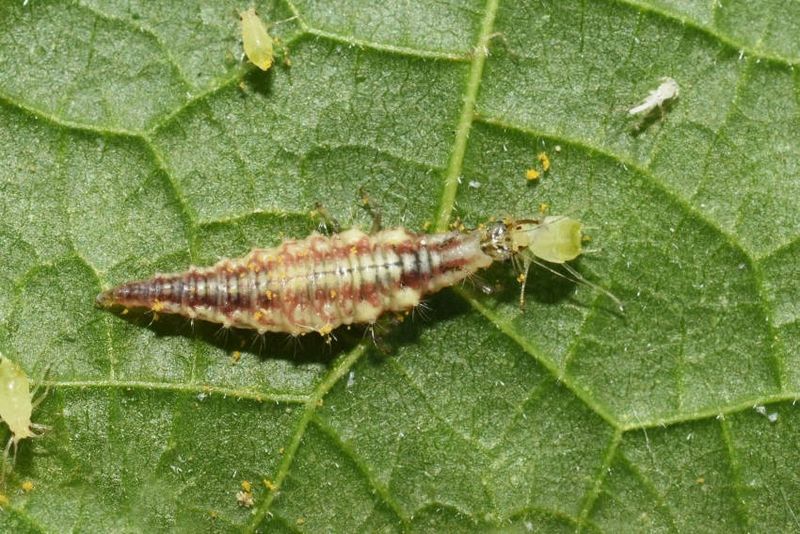
Aphids are one of the most frustrating pests a gardener can face. Soft, small, and fast-reproducing, they can cover new plant growth in what feels like overnight.
Lacewing larvae target aphids with real efficiency. A single larva can consume dozens of aphids before it reaches adulthood.
In gardens where aphid pressure is high, that kind of feeding can make a noticeable difference over time.
Roses, peppers, citrus trees, and leafy greens are common targets for aphids in warm-climate gardens. If you grow any of these in Arizona, you have probably dealt with aphid clusters more than once.
Having lacewings present adds a layer of natural defense that does not cost anything.
Aphids reproduce fast, so one round of lacewing larvae may not eliminate an infestation on its own.
Combining lacewing activity with other practices, like removing heavily infested growth or using a water spray to knock aphids off leaves, tends to give better results.
Lacewings are not a guaranteed fix. Pest pressure, plant variety, and garden layout all play a role in how effective natural predators can be.
But as part of a broader approach, they pull real weight.
Keeping aphid populations manageable is the goal, and lacewings are genuinely good at contributing to that without any chemical input needed.
4. Other Tiny Garden Pests Can Become Prey Too
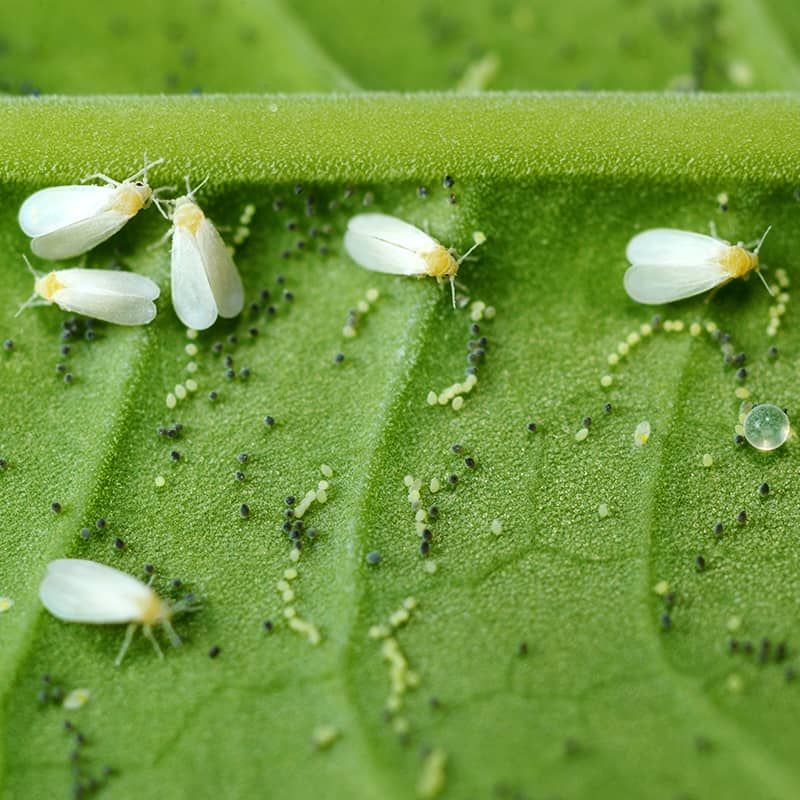
Aphids get most of the attention, but lacewing larvae are not limited to just one type of prey. Several other common garden nuisances also end up on their menu.
Whiteflies, thrips, mealybugs, small caterpillars, and spider mite eggs are all fair targets for a hungry lacewing larva.
Gardeners dealing with multiple pest problems at once may find that a healthy lacewing population helps chip away at more than one issue simultaneously.
Mealybugs in particular can be stubborn pests on succulents and citrus. Lacewing larvae have been observed feeding on mealybug clusters, though their effectiveness can vary based on infestation size and plant structure.
Thrips are another pest that tends to spike during dry, hot stretches. Arizona gardens face this regularly.
Lacewing larvae can reduce thrip numbers when present in good quantities, though results depend on timing and garden conditions.
One honest note: lacewings are not a silver bullet. Heavy infestations may still need additional management.
Natural predators work best as part of a balanced approach, not as a standalone solution.
Variety in your garden plantings tends to support a wider range of beneficial insects. More diversity above ground often means more natural balance happening below the surface and across the leaves where it counts most.
5. Their Strange Appearance Can Be Easy To Misread
Plenty of gardeners see a green lacewing and feel uneasy. Something about the large, shiny eyes and papery wings reads as “weird bug” rather than “helpful visitor.”
That reaction is understandable. Green lacewings do have an unusual look.
Their wings catch the light in a way that almost looks iridescent. Up close, the eyes appear almost too large for the head.
It is not the kind of insect most people grew up learning to appreciate.
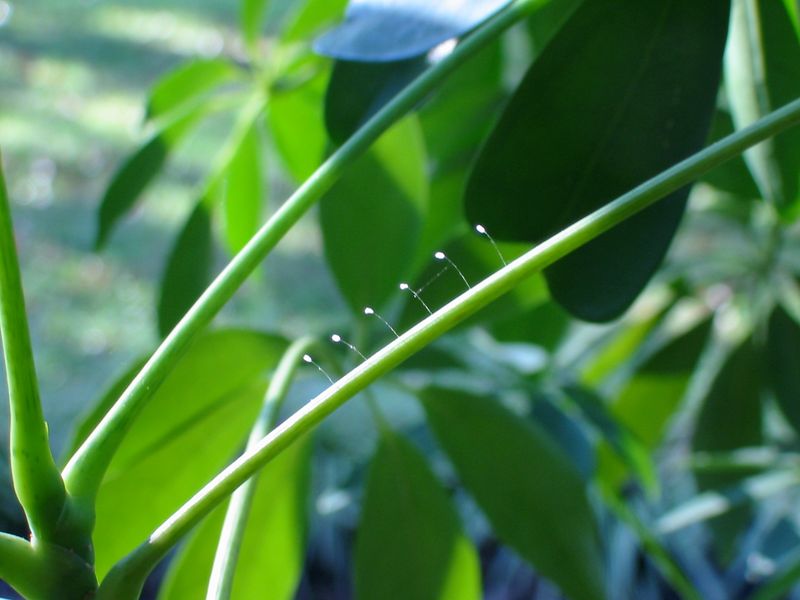
Lacewing eggs are even stranger looking. They are laid on thin silk stalks attached to leaves, standing upright like tiny white pinheads on stems.
Many gardeners have noticed them and had no idea what they were looking at.
Mistaking them for something harmful is a common reaction. Some people assume any unfamiliar insect is a threat to their plants.
With lacewings, that assumption works against the garden’s natural balance.
Learning to recognize both the adult and the egg stage helps a lot. Once you can spot those tiny stalked eggs, you know larvae are coming and pest pressure may ease up on its own soon after.
A quick image search or visit to a local extension resource can help with identification. Knowing what you are looking at makes it much easier to make the right call about leaving them alone.
6. Harsh Sprays Can Remove These Useful Garden Visitors
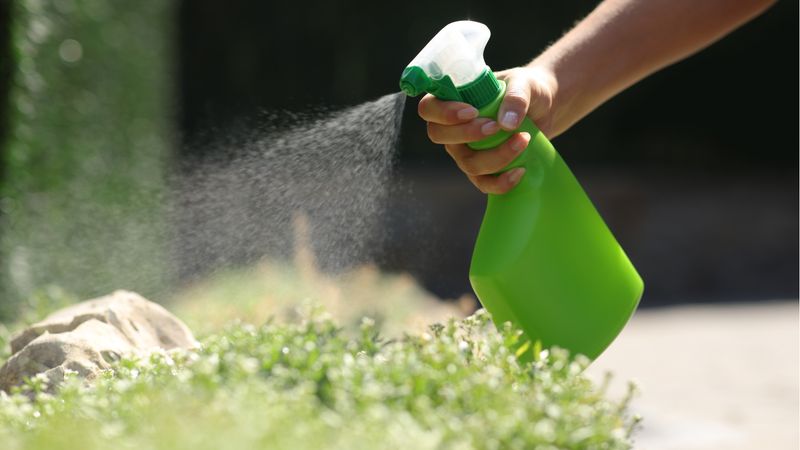
Broad-spectrum pesticide sprays do not distinguish between pests and beneficial insects. Lacewings, both adults and larvae, are vulnerable to the same products that target aphids or whiteflies.
Spraying your garden without knowing what is present can set back the natural balance you might have been building without even realizing it. A single application at the wrong time can reduce the lacewing population significantly in a treated area.
Even some organic sprays, including certain neem oil concentrations and insecticidal soaps, can affect lacewing larvae on direct contact. Timing and application method matter more than most gardeners realize.
If pest pressure forces you to spray, consider spot-treating only the heavily affected areas. Avoiding broad coverage gives beneficial insects in other parts of the garden a better chance of surviving and returning.
Spraying in the early morning or late evening, when lacewings are less active, can also reduce unintended contact. No method is perfect, but small adjustments can make a real difference in what survives.
Arizona gardeners dealing with persistent pest problems often find that reducing spray frequency over time, while encouraging beneficial insects, leads to steadier results.
Patience plays a bigger role than most people expect when shifting toward a more natural approach in the garden.
7. Leaving Lacewings Alone Lets Them Keep Working
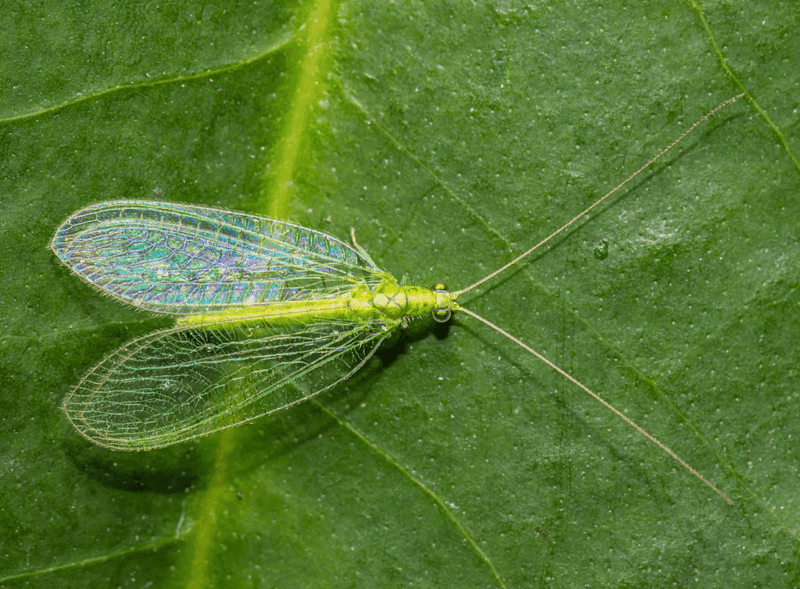
Doing nothing is sometimes the best move in a garden. When lacewings are present and actively feeding, stepping back and letting them work tends to produce better results than intervening.
Gardeners who practice minimal intervention often notice pest populations stabilizing over time. Natural predators like lacewings need a chance to establish before their impact becomes visible.
Rushing to spray at the first sign of pests can interrupt that process.
Supporting lacewings does not take much. Avoid removing all leaf litter and debris from garden beds, since larvae and eggs can be tucked into those spots.
Leaving a little messiness in the garden actually creates habitat.
Planting flowering herbs and native plants nearby gives adult lacewings a reason to stay and reproduce. Dill, yarrow, and sweet alyssum are solid choices for attracting them.
In Arizona, native wildflowers also serve this purpose well during the warmer growing season.
Water sources matter too. A shallow dish with pebbles and water placed near garden beds can support a range of beneficial insects, including lacewings.
Building a garden that supports natural predators takes a season or two to really take shape. Results are not instant, and pest pressure will still occur.
But over time, a garden with active lacewing populations tends to need fewer interventions and stays more balanced through the season.