The Pennsylvania Garden Tasks To Tackle Up In September
September in Pennsylvania is one of the most productive and most underused months in the gardening calendar. Most homeowners are mentally winding down with the season, assuming the real work is behind them and fall is just a matter of waiting for the first frost.
But experienced Pennsylvania gardeners treat September as one of the most important months of the year, because what gets done now determines how well the garden performs next spring. The window September opens is specific and it closes fast.
Soil that still holds warmth from summer, conditions that are perfect for planting and dividing, and the weeks ahead before hard frost all combine to create a gardening opportunity that simply doesn’t exist in the same way at any other point in the fall.
Miss September and you’re waiting until spring to do the things that would have been far more effective now.
1. Plant Cool-Season Vegetables
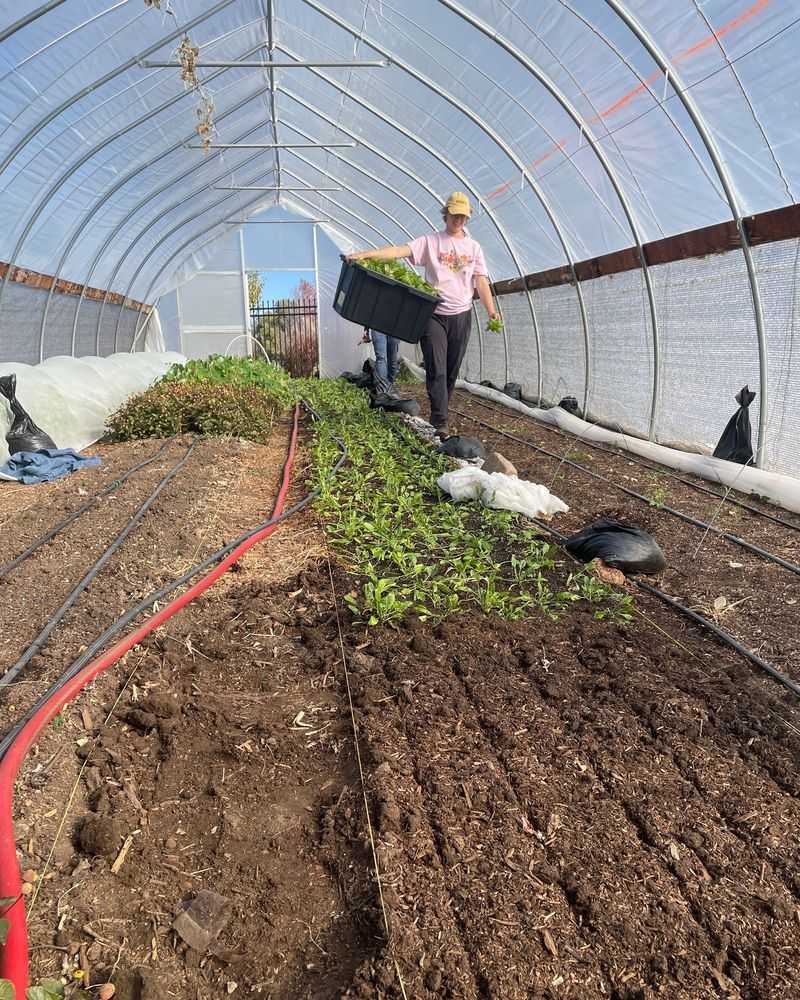
There is still time to squeeze a whole extra harvest out of your garden beds. Cool weather crops love the mild days and crisp nights that September brings across Pennsylvania.
Lettuce, spinach, radishes, and kale grow quickly when temperatures drop. They actually taste sweeter after a light frost, since the plants store extra sugars to protect themselves.
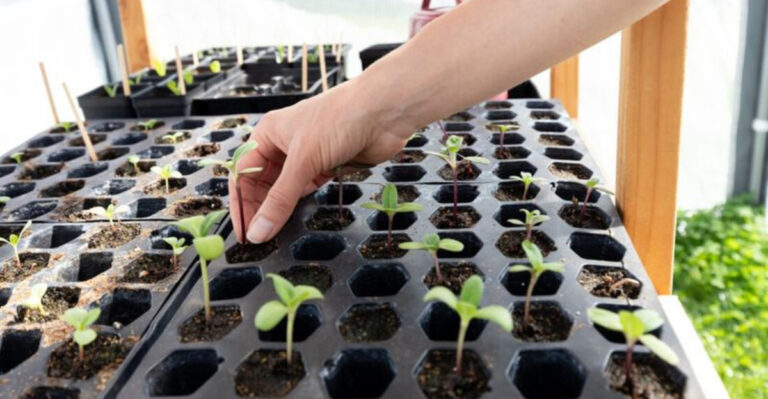
Start by clearing out any tired summer plants that have finished producing. Loosen the soil, mix in a little compost, and rake the surface smooth before you sow.
Seeds like spinach and arugula sprout best when the ground is not too hot. Water gently after planting, and keep the soil damp until you see little green shoots poking through.
Radishes are a fun choice if you want fast results. Many varieties are ready to pull in just three or four weeks, which feels like magic to younger gardeners.
Pay attention to the days-to-maturity number printed on each seed packet. Count backward from your area’s first frost date so your crops have enough time to fill out.
In much of Pennsylvania, that first frost often arrives in mid to late October. That gives September plantings a comfortable window to reach the table.
Row covers can stretch your growing season even further. A light fabric layer traps warmth and shields tender leaves from surprise chilly nights.
Label your rows so you remember what went where. By the time salad season rolls around, you will be glad you planned ahead and used those extra weeks wisely.
2. Plant Spring-Flowering Bulbs
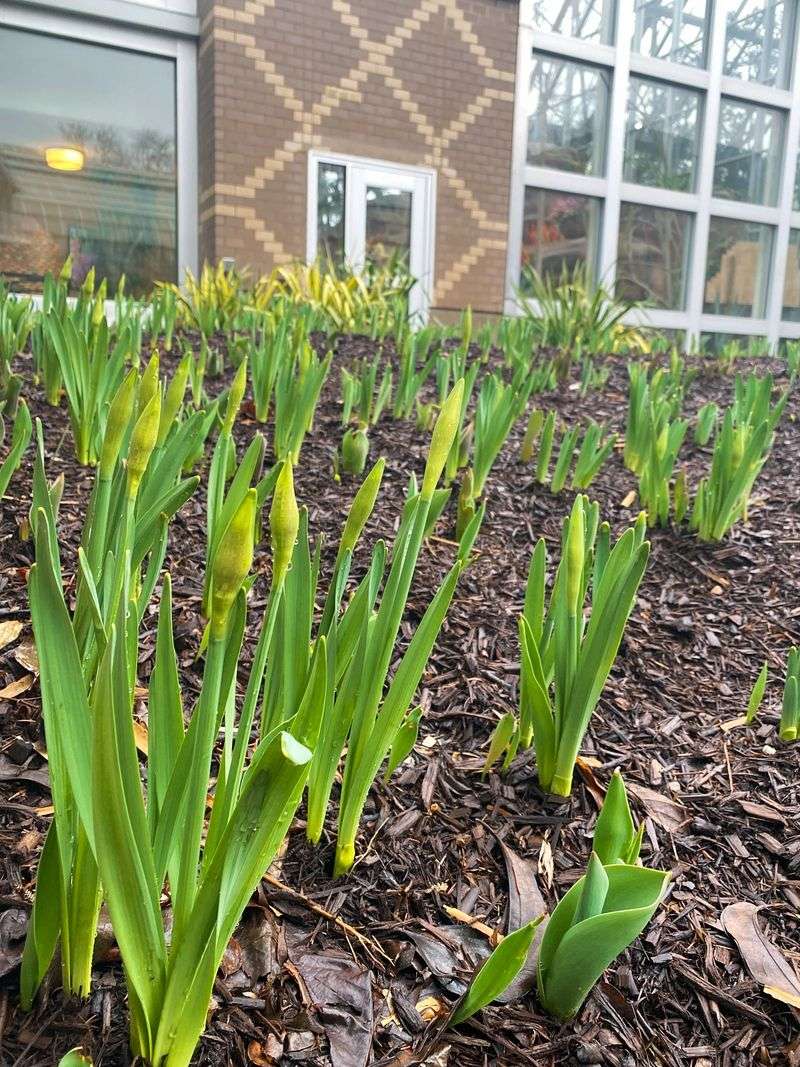
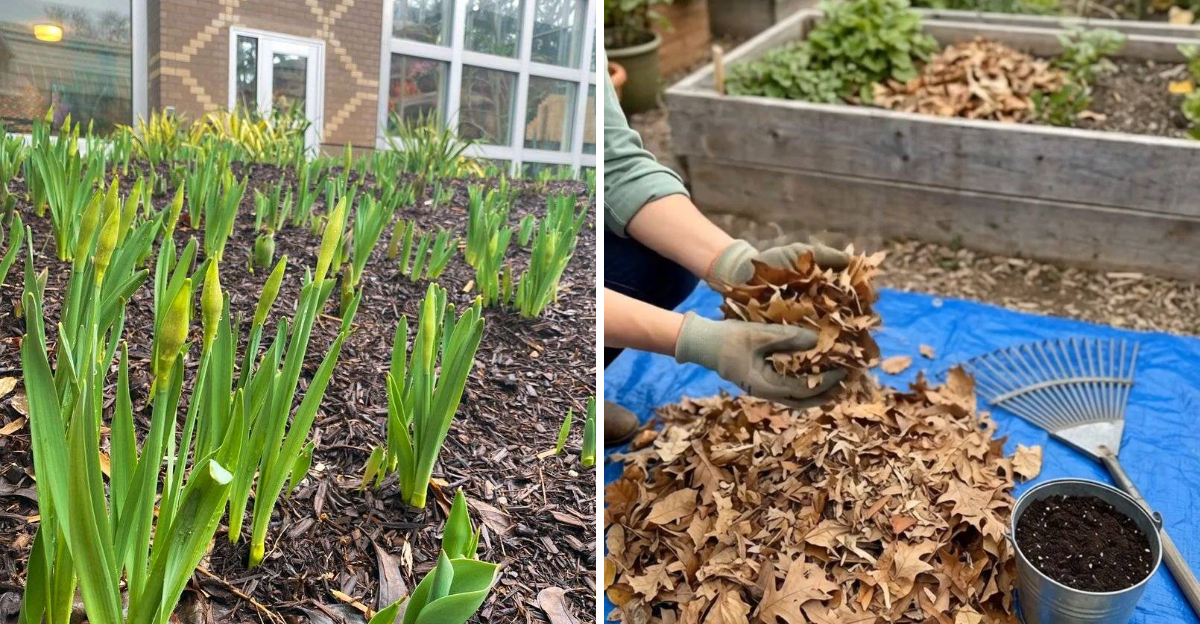
Here is a little secret about the most cheerful spring flowers: you plant them while everyone else is thinking about pumpkins. Tulips, daffodils, and crocuses all go into the ground now.
Bulbs need those cold winter months underground to trigger their blooms. Skipping this step means missing out on that first burst of color when the snow finally melts.
Choose a spot that drains well and gets decent sunlight in spring. Bulbs sitting in soggy ground may rot before they ever get a chance to grow.
A good rule of thumb is to plant each bulb about three times as deep as it is tall. So a two-inch bulb sits roughly six inches down in the soil.
Your Pennsylvania Garden Changes Every Week. Your Plan Should Too.
Gardening in Pennsylvania changes quickly throughout the season. Every Friday you’ll receive a simple weekly plan showing exactly what to plant, prune, fertilize, harvest, and protect so you never miss the right timing.
Always place the pointy end facing up and the flat, rooty end down. If you cannot tell which way is which, planting it sideways usually works out fine.
Group bulbs in clusters rather than single lonely lines. Clumps of ten or more create a fuller, more natural-looking splash of color.
Daffodils have a nice bonus for Pennsylvania gardeners dealing with hungry critters. Squirrels and deer tend to leave them alone because they taste bitter.
Tulips, on the other hand, are like candy to those same animals. A layer of chicken wire over the planting area can protect them until they sprout.
Water the bed once after planting to help roots settle in. Then simply wait, and let winter do the rest of the quiet work below.
3. Divide Overgrown Perennials
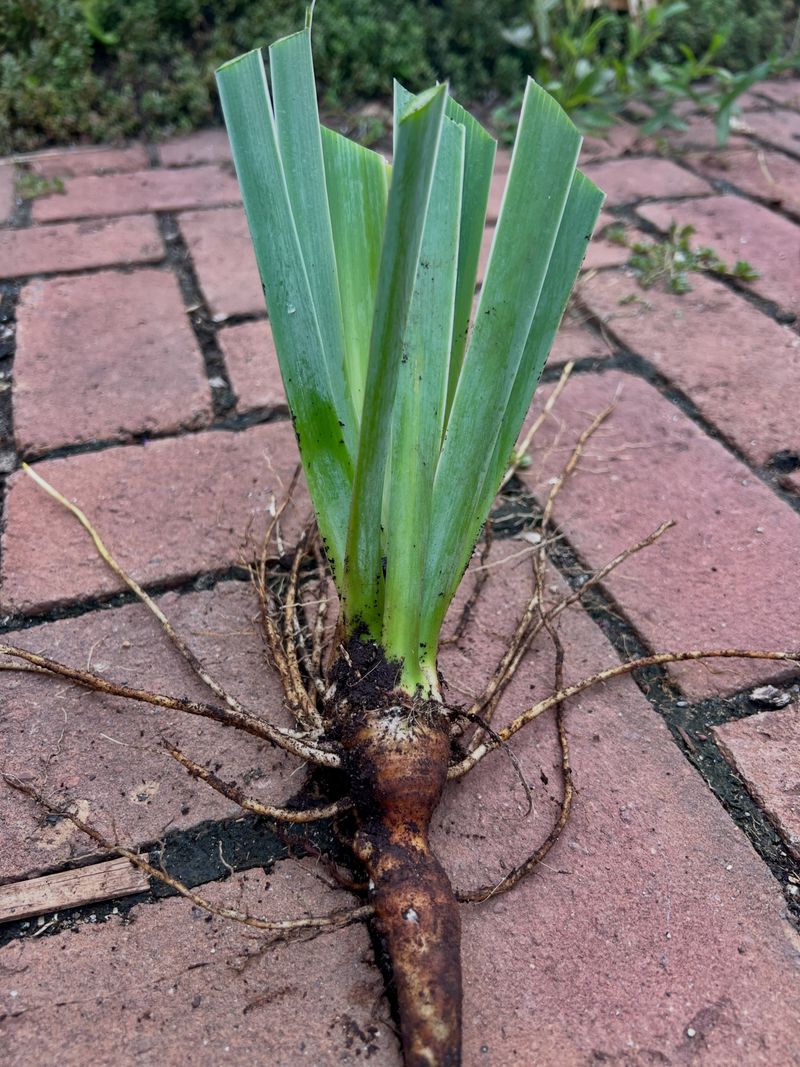
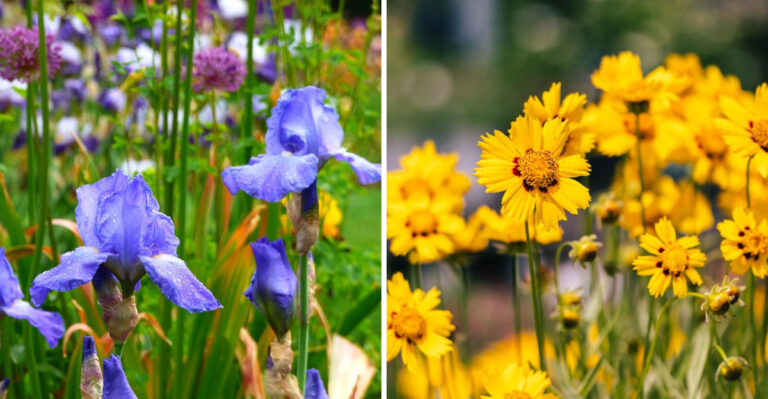
Some plants get a little too comfortable and start crowding their neighbors. When your hostas, daylilies, or coneflowers form giant clumps, September is a great time to give them room.
Dividing perennials keeps them healthy and gives you free plants to spread around. One tired clump can become three or four fresh, energetic ones.
The cooler air helps roots recover without the stress of summer heat. Plants have several weeks to settle in before the ground freezes solid.
Start by watering the plant a day before you dig. Moist soil makes lifting the root ball far easier on both you and the plant.
Dig a wide circle around the clump and lift the whole thing out. Shake off loose dirt so you can see where the natural sections are.
Use a sharp spade or two garden forks to split it apart. Each new piece should have healthy roots and a few leafy shoots attached.
Replant the divisions right away at the same depth they were before. Firm the soil gently around them and give everything a thorough drink.
Toss a handful of compost into each new hole for a nutrient boost. Spreading mulch on top helps the roots stay cozy as nights turn chilly.
Share your extra divisions with neighbors or friends. Many Pennsylvania gardeners love passing plants around, and it makes your whole street a bit greener.
Come next summer, those crowded flowers will reward you with a stronger, more vibrant show than ever before.
4. Overseed And Feed The Lawn
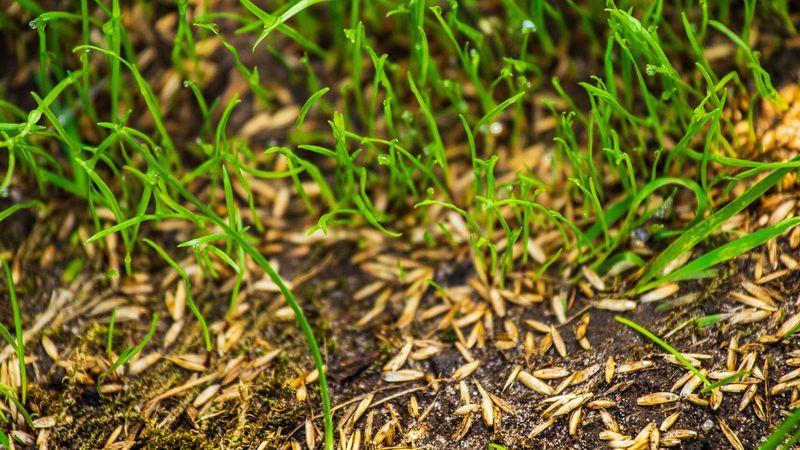
Your lawn secretly loves September more than any other month. The soil is still warm from summer, but the air has cooled to just the right level for grass to thrive.
Fall is the best window for repairing thin or patchy spots. New grass seed sprouts quickly and has time to root before winter arrives.
Start by raking up thatch and any leftover debris. Loosening the surface helps seeds make solid contact with the soil below.
Spread a quality cool-season blend like fescue or ryegrass, which suits Pennsylvania yards well. A handheld or push spreader gives you nice, even coverage.
Water lightly once or twice a day to keep the seedbed moist. Tiny sprouts can struggle if the surface dries out too fast.
September is also a smart time to feed established grass. A fall fertilizer helps roots store energy for a strong green comeback in spring.
Mow at a slightly higher setting during this stretch. Taller blades shade the soil and help new seedlings hold onto moisture.
Keep foot traffic light over freshly seeded areas. Little sprouts are fragile, and stepping on them slows their progress.
Within a couple of weeks, you should notice a fuzzy green tint filling in the bare patches. That is your reward for planting at the perfect time.
A little effort now saves you from staring at brown spots all summer long. Your Pennsylvania lawn will look thick, lush, and neighbor-worthy by the time warm weather returns.
5. Clean Up And Compost Garden Debris
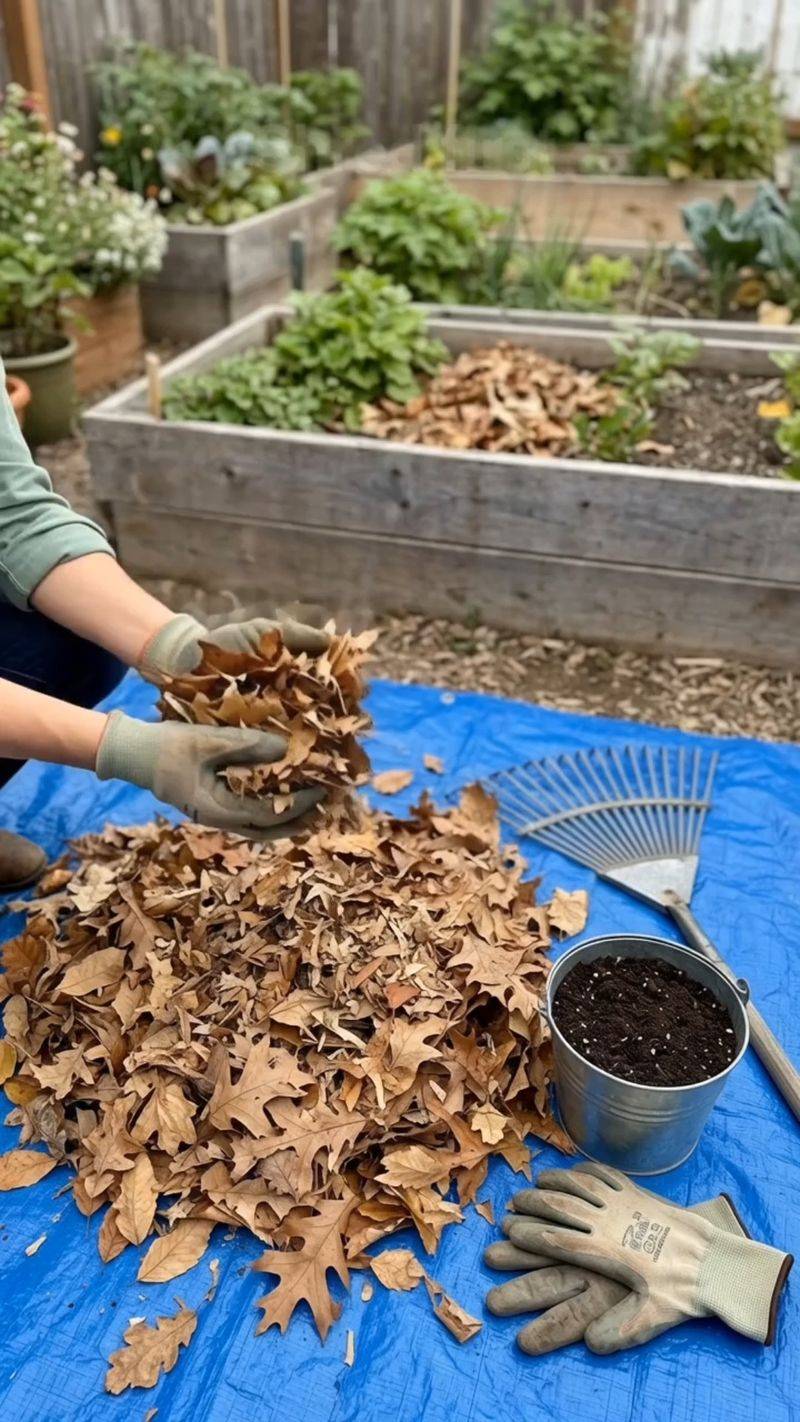
By September, Pennsylvania gardens start looking a bit shaggy and worn. Faded flowers, spent vegetable vines, and dropping leaves pile up everywhere you look.
Tidying up now does more than make things pretty. Clearing away old plant material removes hiding spots for pests and reduces disease problems next year.
Pull out tired annuals that have stopped blooming. Yank the finished tomato and squash plants that are past their prime.
Most of this leftover material makes excellent compost. Tossing greens and browns into a bin turns yard waste into rich, crumbly soil food.
Balance your compost pile with a mix of ingredients. Green scraps add nitrogen, while dry leaves and stems provide carbon.
Turn the pile every week or two with a fork. Adding air speeds up the process and keeps unpleasant odors away.
Skip composting anything that looks spotted or unhealthy. Diseased leaves can carry trouble into your finished compost and spread it around.
Fallen leaves are gardening gold when you shred them first. Running a mower over a leaf pile breaks them down faster in the bin.
Leave a few seed heads standing if you enjoy watching birds. Coneflowers and sunflowers feed hungry finches through the colder weeks.
Rake debris off garden paths and patios too. Wet leaves can get slippery and stain stone or wood surfaces.
All this cleanup pays off big next spring. You will start the new season with healthier beds and a fresh batch of homemade compost ready to use.
6. Protect Plants From Early Frost
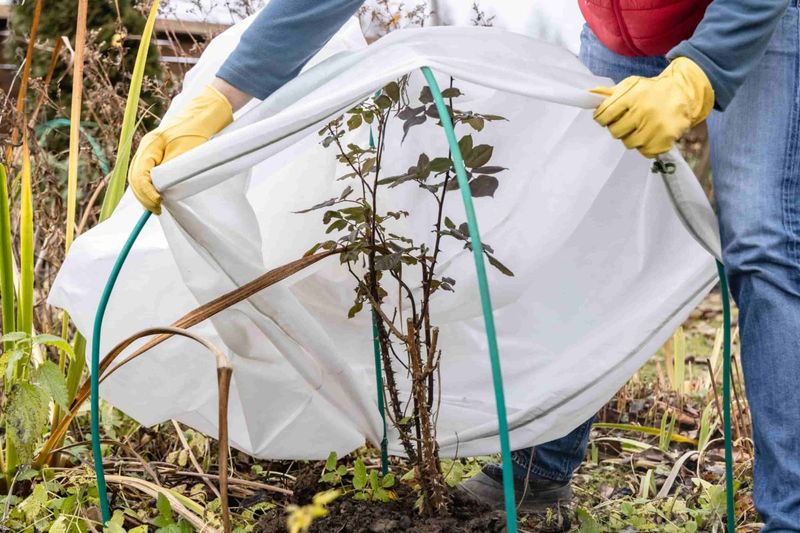
Pennsylvania weather has a habit of surprising gardeners. One warm week can flip into a chilly night that catches tender plants off guard.
Keeping an eye on the forecast becomes a September ritual. When temperatures dip toward the mid-30s, your frost-sensitive plants need a little help.
Tomatoes, peppers, and basil are especially touchy about cold. A single frosty night can damage their leaves and fruit.
Old bedsheets, blankets, or special row covers work wonders. Drape them over plants in the evening and remove them once morning warms up.
Try not to let the fabric touch the leaves directly. Use stakes or hoops to hold it up so cold does not transfer through.
Watering the soil in the afternoon can also help. Moist ground holds heat better and releases it slowly overnight.
Potted plants are easy to rescue since you can move them. Bring containers into a garage or shed when frost threatens.
Harvesting early is another smart option. Green tomatoes will ripen indoors on a sunny windowsill over the following days.
Mulch spread around the base of plants adds a cozy blanket for roots. A few inches of straw or shredded leaves makes a real difference.
Many September frosts are light and short-lived. A warm stretch often follows, giving your garden extra weeks to keep producing.
Staying prepared means you will not lose your crops to one careless night. A stack of covers by the door keeps you ready for whatever the sky sends your way.
7. Harvest And Store Late-Season Crops
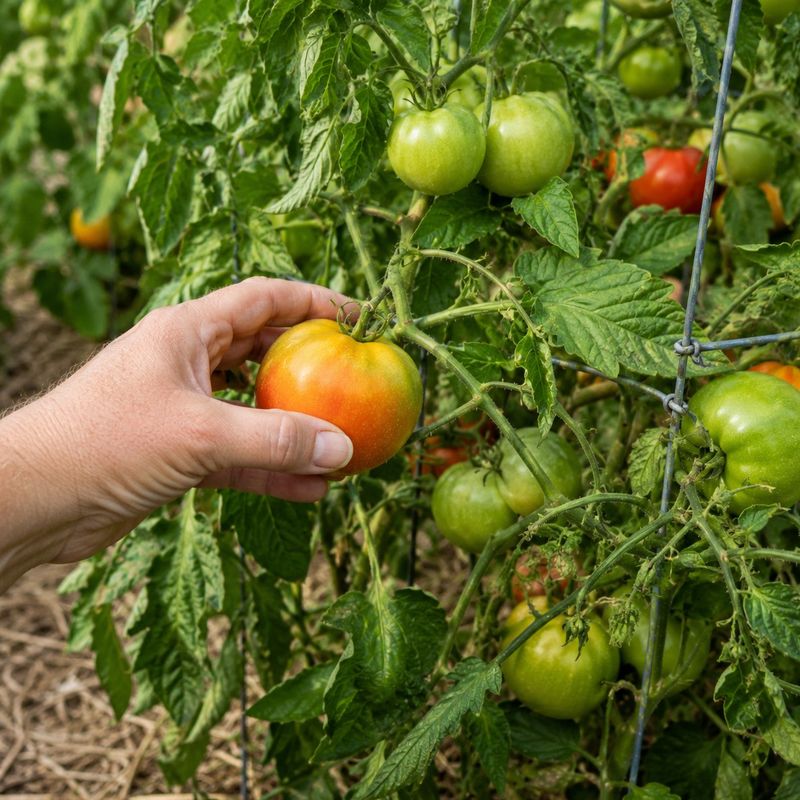
September is the month your garden finally pays you back in full. Baskets fill up with tomatoes, peppers, squash, apples, and fragrant herbs.
Bringing in the harvest at the right moment matters for flavor. Vegetables picked at their peak taste far better than ones left too long.
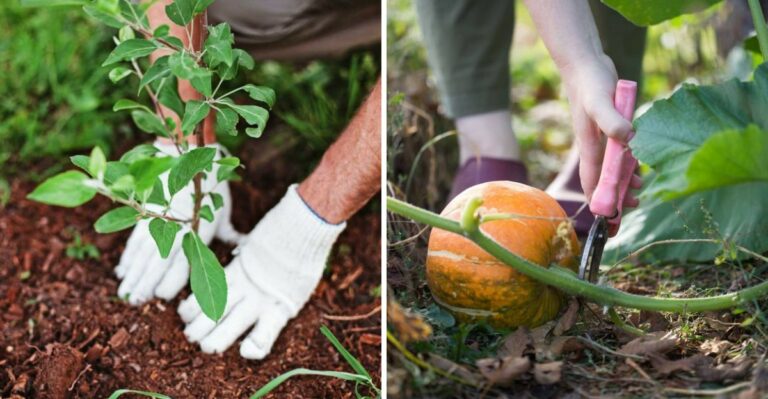
Winter squash like butternut and acorn should stay on the vine until fully colored. Their skins turn hard, which means they will store for months.
Let squash cure in a warm, dry spot for a week or two. This toughens the skin and helps them last through winter.
Tomatoes ripening slowly can be picked while still green. Set them on a counter, and they will blush red over the next few days.
Herbs such as basil, oregano, and thyme are ready for preserving. Snip the stems, tie them in bundles, and hang them upside down to dry.
You can also freeze chopped herbs in ice cube trays with a bit of water or oil. Pop out a cube whenever a recipe calls for fresh flavor.
Apples and pears store nicely in a cool basement or fridge. Wrap each one in paper to keep bruises from spreading.
Onions and garlic need drying before storage too. Spread them in a single layer until the outer skins feel papery.
Keep a notebook of what grew well this year. Those notes become a helpful guide when you plan next spring’s garden.
Enjoy every bite of your homegrown bounty. All those months of watering and weeding taste pretty sweet right about now.