The Native Arizona Plants That Bring Fireflies Back To Your Yard All Summer
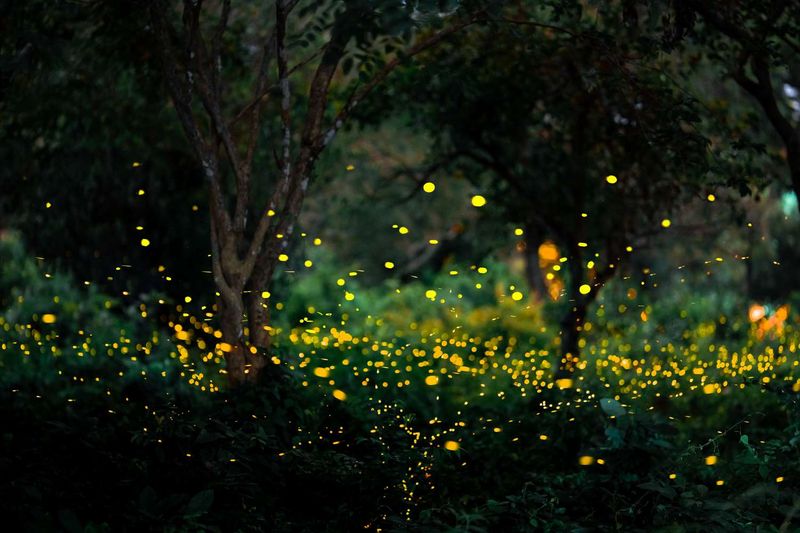
Fireflies might feel like something you only see in movies or on trips out east, but Arizona is actually home to about two dozen firefly species. The catch is that these glowing insects need damp soil, leaf litter, and dark nights to survive their entire life cycle.
By planting the right native species and creating cool, moist microclimates, you can turn your yard into a place where fireflies come back summer after summer. Here are the plants that make it happen.
1. Desert Willow Creates Shady Arizona Firefly Retreats
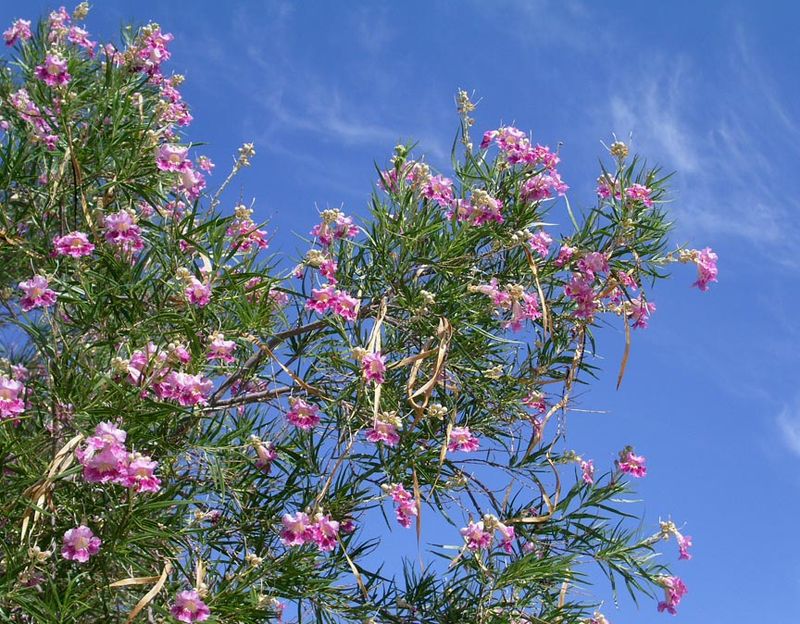
Picture a graceful little tree that lines Arizona’s desert washes and streambeds, throwing light, feathery shade over the ground beneath it. Desert Willow (Chilopsis linearis) does exactly that, and the cooler, moister soil it helps create is prime real estate for firefly larvae.
Though it handles drought once established, this deciduous beauty rewards a little extra water during the hottest months with more blooms. Those trumpet-shaped flowers pull in butterflies and hummingbirds, which builds up the wider insect community that a healthy firefly habitat depends on.
Plant it in fall so its roots settle before summer, then run a drip line underneath to keep that patch of ground damp. In Arizona, a small pool of shade and moisture can mean the difference between fireflies passing through and fireflies staying put.
2. Common Buttonbush Anchors Arizona Firefly Wet Zones
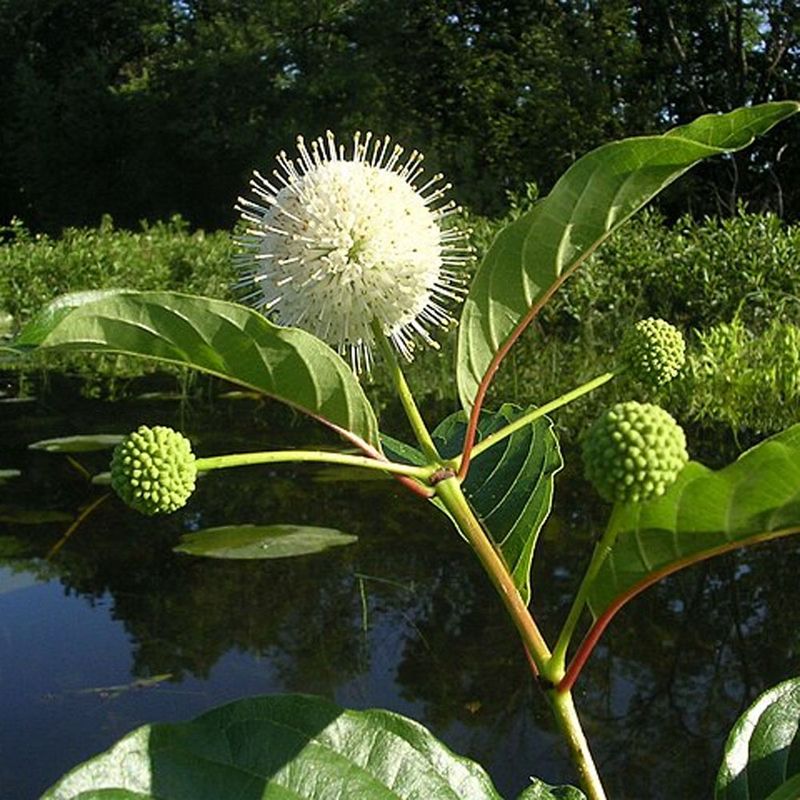
If there is one plant practically written into the firefly recipe book, it is Common Buttonbush (Cephalanthus occidentalis). This Arizona native is an obligate wetland species, meaning it lives in or right next to water and simply will not tolerate drought.
That thirst is a feature, not a bug. Tuck buttonbush into a rain garden or a dedicated damp corner and it will hold that moisture in place, giving firefly larvae the consistently wet ground they need to hunt snails, slugs, and worms.
Its odd little spherical white flowers look like fragrant pincushions, and they draw butterflies, native bees, and hummingbirds all season. Because it demands steady water, pair it with roof runoff or a water-wise pond so you are not fighting Arizona’s dry heat to keep it happy.
3. Velvet Mesquite Builds Arizona Firefly Shade Cover
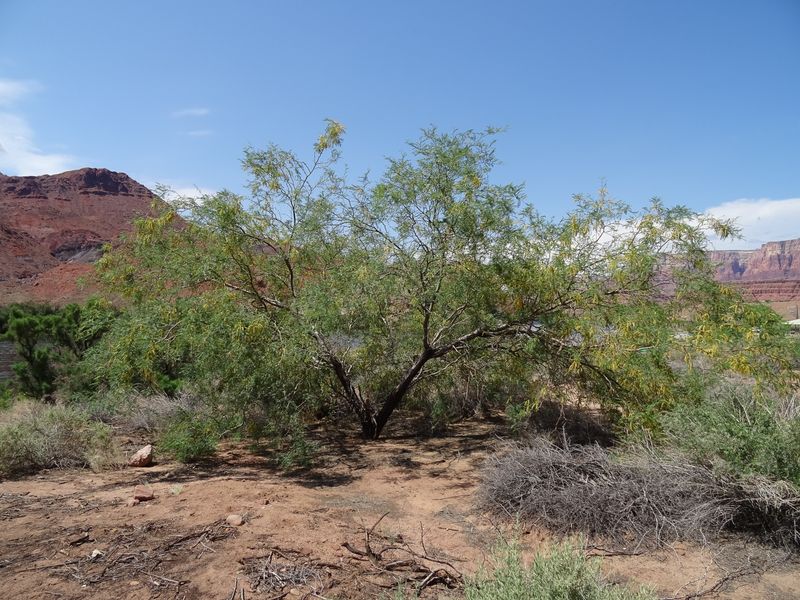
Few trees say Arizona quite like the Velvet Mesquite (Prosopis velutina), and its value to fireflies comes from what happens down at ground level. The canopy blocks harsh sun, helping the soil beneath stay cooler and hold onto moisture when you supplement with water.
Drought-tolerant and tough as nails, mesquite is a low-fuss anchor for a habitat yard. It also drops leaf litter and small woody debris, exactly the kind of undisturbed cover where adult fireflies hide during the day and larvae develop.
Resist the urge to rake everything clean beneath it. That messy shaded floor, kept slightly damp with drip irrigation, becomes a nursery for the invertebrates fireflies feed on.
Bonus for Arizona homeowners: the shade knocks summer ground temperatures down noticeably.
4. Frogfruit Carpets Arizona Firefly Larvae Habitat
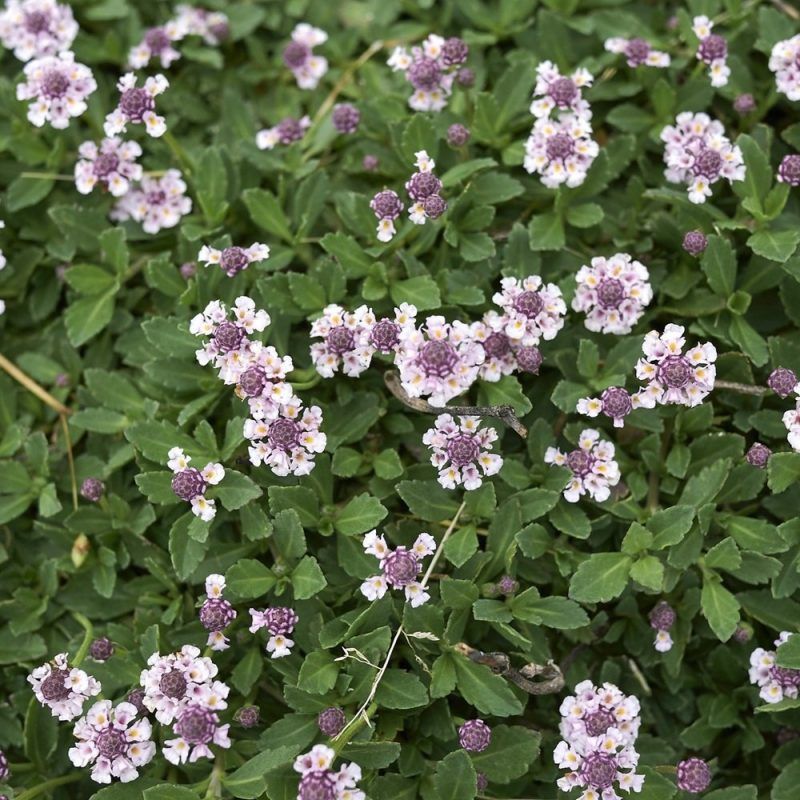
Meet the humble overachiever of the firefly garden. Frogfruit (Phyla nodiflora), also called turkey tangle fogfruit, is a creeping perennial native to several Arizona counties that spreads into a low, dense mat right where fireflies want it most.
Your Arizona Garden Changes Every Week. Your Plan Should Too.
Gardening in Arizona changes quickly throughout the season. Every Friday you’ll receive a simple weekly plan showing exactly what to plant, prune, fertilize, harvest, and protect so you never miss the right timing.
Its groundcover habit does double duty. The tight green carpet shades and cools the soil to lock in moisture, and its tiny flowers pull in a steady parade of nectar-feeding pollinators that feed the food web supporting firefly larvae.
It does like regular water and naturally gravitates toward moist, disturbed, riparian-style soils, so give it a spot near your damp zone or under a dripline. As a living mulch around buttonbush or milkweed, frogfruit ties the whole moist microclimate together beautifully.
5. Deergrass Forms Dense Arizona Firefly Shelter
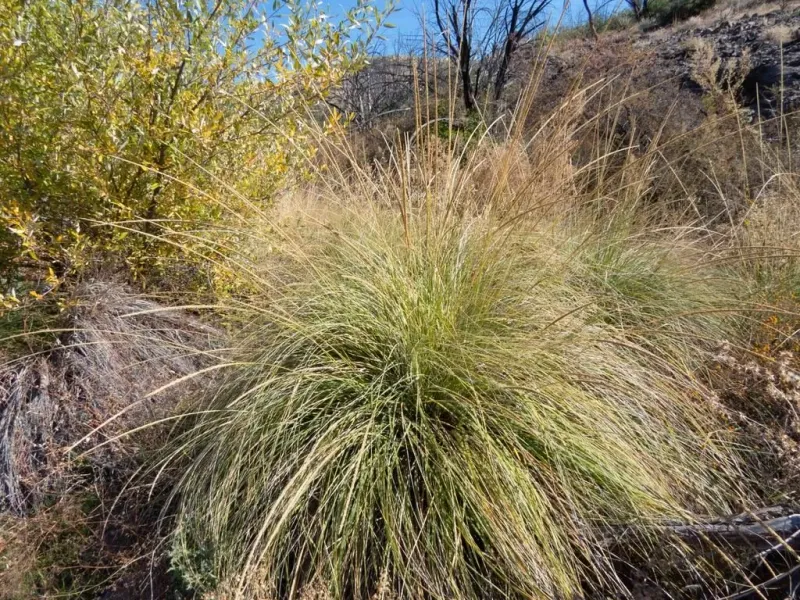
Some plants protect fireflies simply by being wonderfully bushy. Deergrass (Muhlenbergia rigens) is a native Arizona bunchgrass that grows into big, rounded clumps of fine blades, creating shady pockets at its base where humidity lingers.
That dense cover matters because adult fireflies need daytime hiding spots and their soft-bodied larvae need protection from the drying sun. A cluster of deergrass gives both, while its roots help hold soil moisture in the surrounding ground.
It is also refreshingly low-maintenance, asking little once established and shrugging off Arizona heat. Space a few clumps around your moist zone to build a layered, sheltered edge, and you will have created the kind of cool, undisturbed cover fireflies quietly rely on.
6. Sideoats Grama Supports Arizona Firefly Prey Base
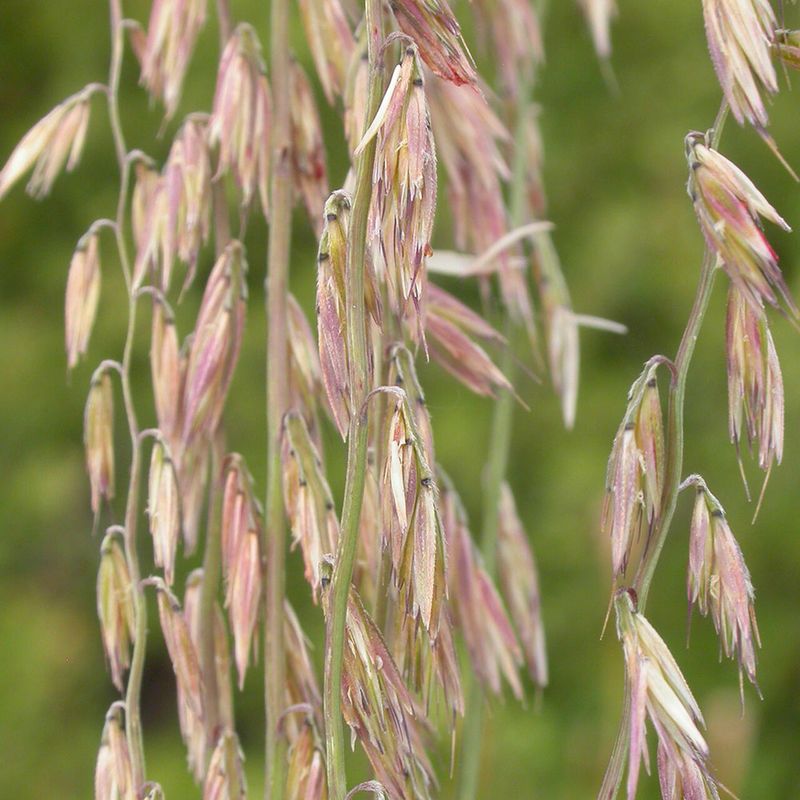
Look closely at Sideoats Grama (Bouteloua curtipendula) and you will spot its signature: little oat-like seeds dangling neatly along one side of each stem. Arizona’s state grass cousin is a native bunchgrass that quietly earns its keep in a firefly-friendly yard.
Its clumping form provides valuable low cover for fireflies and, just as importantly, for the small invertebrates that firefly larvae hunt. A grassy, undisturbed base traps humidity and gives soft ground creatures a place to thrive.
Tough, drought-adapted, and easy to weave among wildflowers, sideoats grama helps build the messy, layered structure a habitat yard needs. Skip the pesticides here entirely, because the whole point is a living, buzzing ground layer that keeps the firefly food chain fed.
7. Arizona Milkweed Feeds The Firefly Food Web
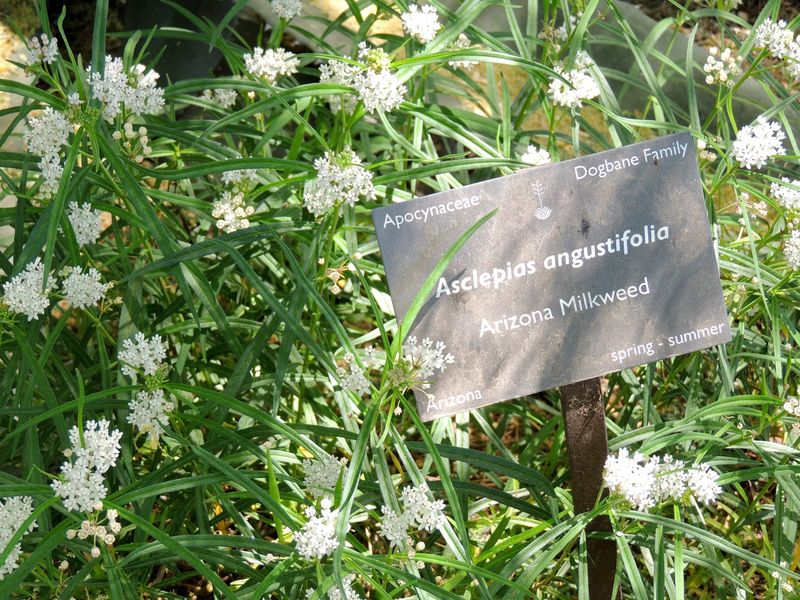
Milkweed usually gets celebrated for monarchs, but it plays a sneaky supporting role in the firefly story too. Arizona is home to nearly 30 native milkweed species, and Arizona Milkweed (Asclepias angustifolia) is a standout for shadier, moister corners.
Unlike its sun-baked relatives, this one appreciates some protection from harsh summer rays and a bit of extra water, which makes it a natural fit for the same damp, partly shaded zones fireflies favor. It fuels monarch and queen caterpillars, and those insects add to the abundant prey base larvae can tap into.
For hotter, fully exposed spots, its cousin Desert Milkweed (Asclepias subulata) handles blazing sun and minimal water with ease. Between the two, you can keep pollinators fed across every microclimate in your Arizona yard.
8. Goldenrod Fuels Late-Summer Arizona Firefly Nectar
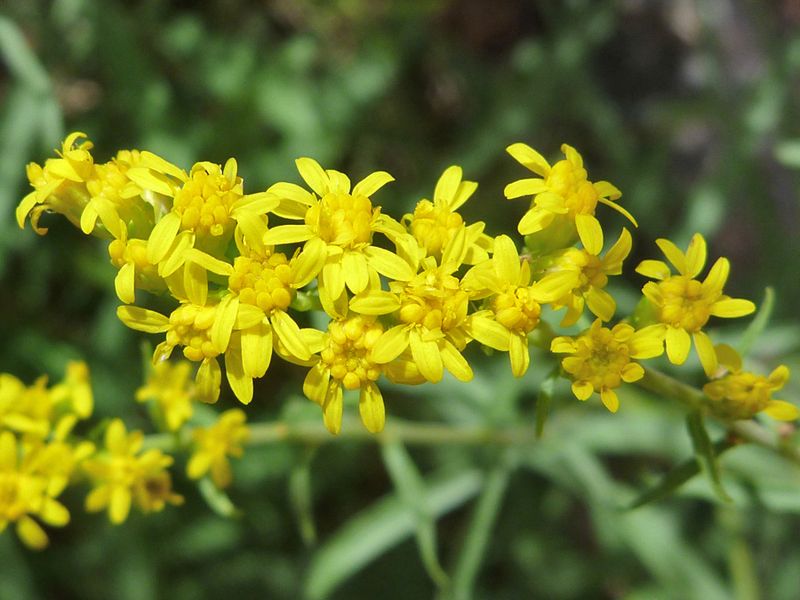
When late summer rolls in, Goldenrod (Solidago missouriensis) lights up with plumes of golden flowers just as pollinator activity peaks. This native Arizona species shows up in the nursery trade and can settle into low-desert yards with a little care.
Give it part sun, shield it from reflective heat bouncing off walls and pavement, and keep it regularly watered, and it will reward you with nectar-rich blooms. Bees, butterflies, and countless small insects flock to it, thickening the overall food web that firefly larvae depend on down in the soil.
Slot it near your moist, shaded zones so it extends the buffet into the after-monsoon stretch when some firefly species are still active. A yard that stays alive with insects into September is a yard that keeps fireflies glowing longest.