The Pennsylvania Native Evergreen That Outlasts Leyland Cypress As A Privacy Screen
Leyland cypress can shoot up three to five feet in a single year, yet plenty of those speedy hedges turn brown and patchy before they ever reach their prime. Nobody warned me about that part.
A gap in a privacy screen feels bigger than any slow start. Canker diseases, winter burn, and heavy snow often punch holes in the green wall you paid good money for.
Believe it or not, a tough native tree has lined old Pennsylvania fence rows for centuries. Birds plant it for free. It shrugs off drought, poor soil, and road salt better than most evergreens.
I truly believe the fastest screen is the one still standing strong in year ten. Personally, I would trade a flashy first summer for a hedge that stays thick and green from top to bottom. So which homegrown evergreen wins the long race?
That Speedy Leyland Cypress Hedge Has A Hidden Catch
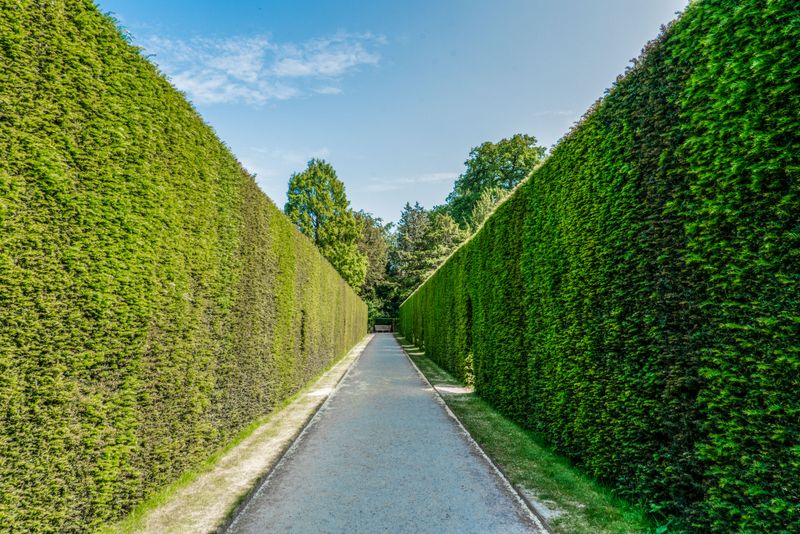
Leyland cypress earns its fame honestly. Nursery tags promise three to five feet of growth a year, and young plants really can deliver that pace in good conditions.
The trouble shows up later. University extension services point to Seiridium and Botryosphaeria cankers as common problems, especially on stressed trees.
Branches turn brown one section at a time, and pruning out the damage leaves holes you can see straight through.
Cold adds another wrinkle. Leyland cypress is mostly rated for USDA zones 6 through 10, so gardeners in the colder northern counties of Pennsylvania risk winter burn and broken tops. Heavy, wet snow can split those tall, narrow trees too.
Size surprises plenty of homeowners as well. A Leyland can top 60 feet and spread 15 to 25 feet wide, which crowds driveways and power lines fast. Keeping it trimmed becomes a yearly job on a tall ladder.
None of this means every Leyland struggles. Plenty of them look fine for years. Still, a screen built from one hybrid with known disease issues puts all your eggs in a single basket, and that basket can crack right when the hedge finally gets tall enough to matter.
Eastern Redcedar Is The Native Evergreen Worth Planting Instead
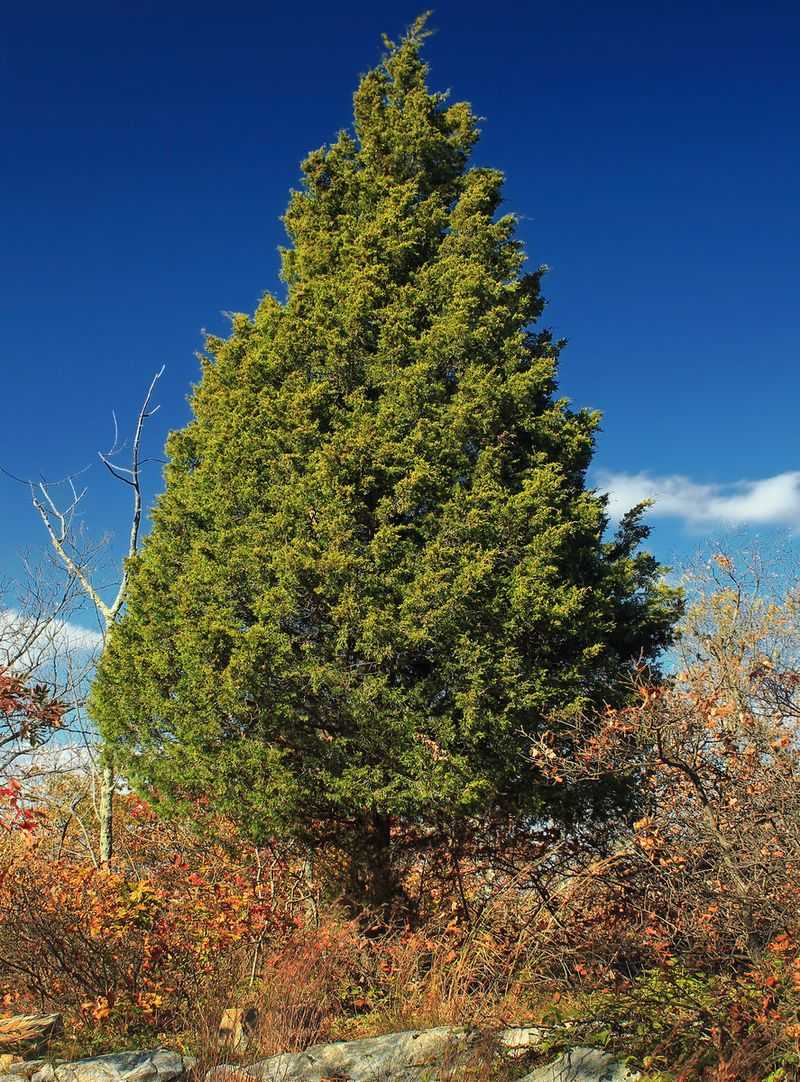
Every fall, cedar waxwings and robins drop seeds along fence lines, and a new evergreen pops up wherever they land. That free-planting tree is the Eastern redcedar, Juniperus virginiana, and it grows wild across much of the state.
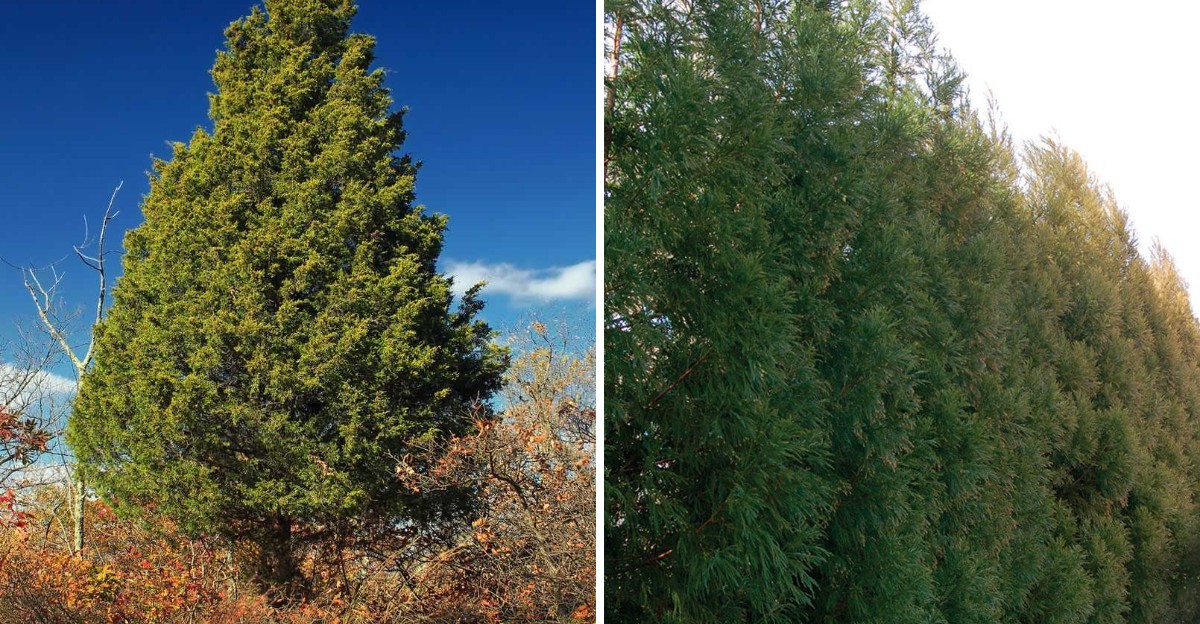
Despite the name, it is a juniper, not a true cedar. Young trees form a dense, pointed column of soft green foliage that stays full to the ground in full sun.
Mature trees usually reach 30 to 50 feet tall and about 8 to 20 feet wide, a size that suits many suburban lot lines better than a towering Leyland.
Hardiness is where it shines. Eastern redcedar handles USDA zones 2 through 9, which covers every corner of Pennsylvania, from the Erie snow belt to the warm Philadelphia suburbs. It tolerates clay, rocky ridges, dry slopes, and roadside salt spray.
Wood from this tree carries that famous cedar-chest scent. Early settlers used it for fence posts because the heartwood resists rot for decades.
Look for nursery selections bred for tight shapes, such as ‘Taylor’, ‘Emerald Sentinel’, or ‘Burkii’. These cultivars stay narrower and more uniform than wild seedlings, which helps a planted row look tidy and intentional.
Slow And Steady Redcedar Growth Wins The Privacy Race
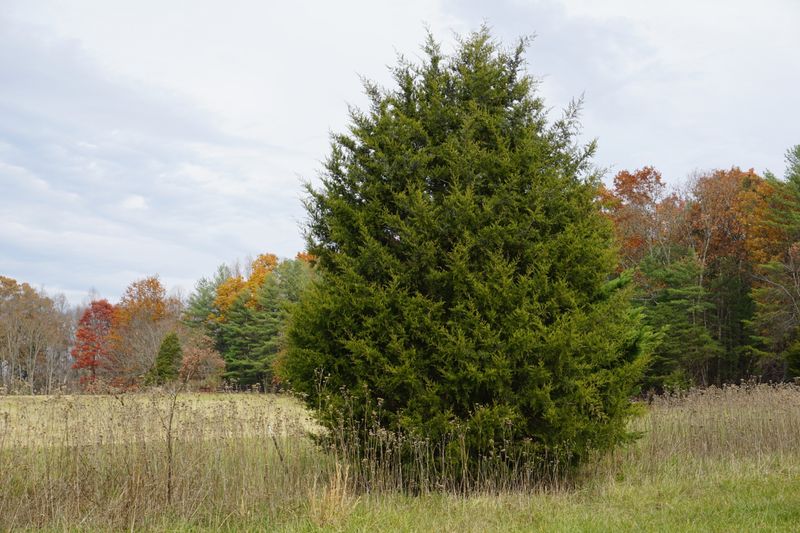
Let me be straight with you. Eastern redcedar will not outrun a Leyland in a one-year sprint.
Most sources list redcedar growth at roughly one to two feet per year once roots settle in, compared with three feet or more for Leyland. On raw height alone, the headline’s claim does not hold up.
Speed of a screen, though, involves more than inches. A privacy hedge works when it blocks views from the ground up, year after year.
Redcedar keeps branches low and thick in sunny spots, so even a six-foot plant gives you real coverage at eye level. Leylands planted tightly for quick results often shade each other out and lose lower foliage.
Gaps matter too. Replacing one cankered Leyland in year eight resets that section of fence to square one. A sturdy native that rarely needs replacing reaches a dependable, finished look sooner in many real yards.
Want a head start? Buy larger container or balled-and-burlapped trees, five to six feet tall. They cost more, but they shave several seasons off the wait.
Pair that with good watering during the first two summers. Growth often picks up noticeably by the third year.
Those Blue Redcedar Berries Bring Cedar Waxwings To Your Yard
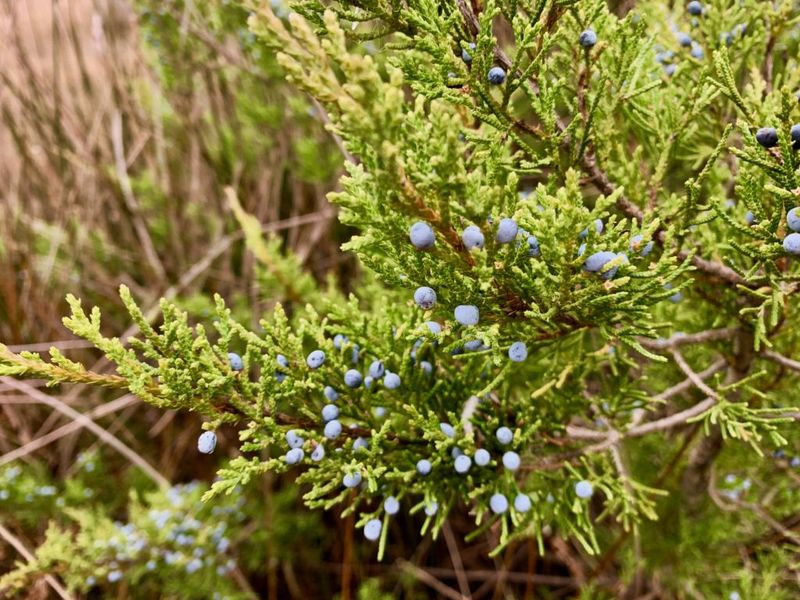
Cedar waxwings got their name from this very tree. Flocks of these sleek, masked birds descend on redcedars in late fall and winter to gobble the dusty blue berries.
Those berries are actually tiny, fleshy cones. Only female trees produce them, since redcedar plants are either male or female.
If you want the bird buffet, include a few female cultivars or seed-grown trees in your row. Male trees release clouds of yellow pollen in late winter instead.
Birds use the dense branches for much more than snacks. Song sparrows, mockingbirds, and chipping sparrows tuck nests inside the prickly foliage, and roosting birds escape icy wind there.
A Leyland hedge offers shelter too, but it feeds far fewer local creatures. Butterfly fans have another reason to cheer. The juniper hairstreak, a small green butterfly, lays its eggs on redcedar, and its caterpillars rely on junipers for food.
Deer usually browse redcedar less than arborvitae, though hungry herds may nibble young trees in a hard winter.
A loose wrap of burlap or deer netting around new plantings during their first couple of winters offers cheap protection while they size up and toughen.
Plant Your Redcedar Screen In Full Sun With Room To Spread
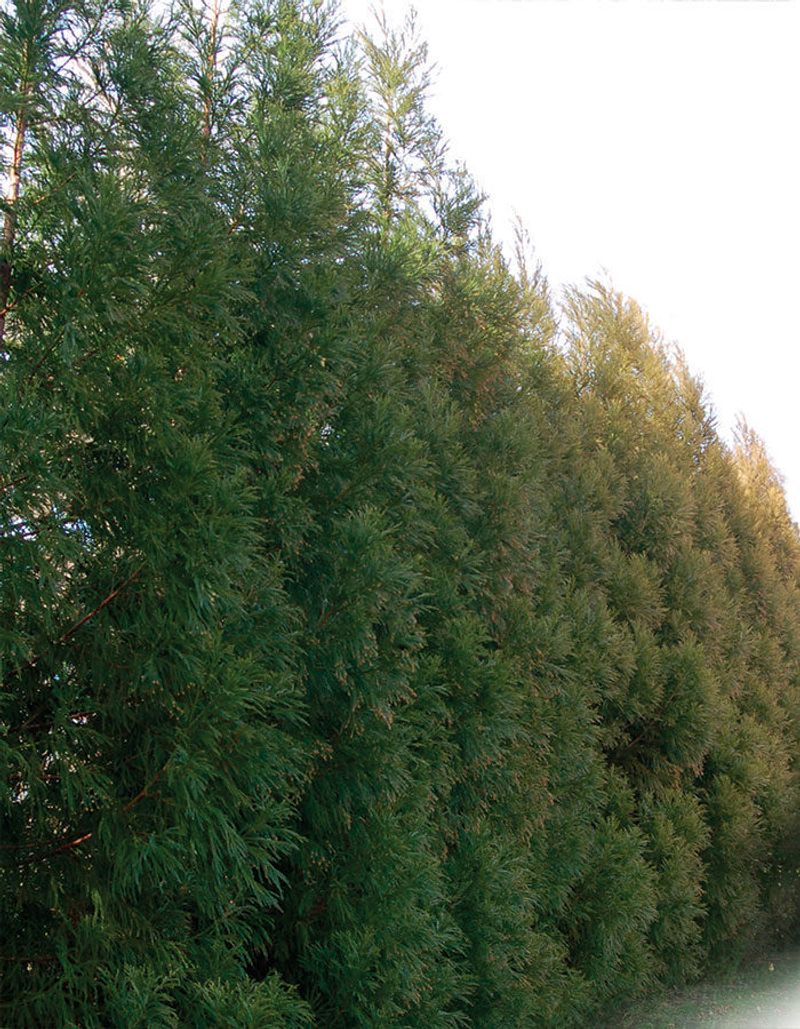
Sunlight is the one thing redcedar refuses to compromise on. Give it at least six hours of direct sun, and it stays thick from the soil line to the tip. In heavy shade, it turns thin and leggy.
Drainage comes next. The tree handles poor, rocky, or clay soil, but it sulks in spots where water sits after rain. Skip low, soggy corners or plant on a slight mound.
Spacing decides how soon your screen closes. For a single row, set trees about 6 to 8 feet apart, measured center to center.
Keep the row at least 8 to 10 feet from fences and property lines, so mature branches stay on your side.
Timing helps roots get going. In Pennsylvania, early spring and early fall are ideal planting windows, with mild temperatures and steady rain. Avoid the hottest weeks of July.
Dig a hole two to three times wider than the root ball but no deeper. The root flare should sit at or slightly above ground level.
Backfill with native soil and water deeply. Spread two to three inches of mulch, keeping it a few inches away from the trunk to prevent rot.
Staggered Rows Of Young Redcedars Fill Gaps Faster
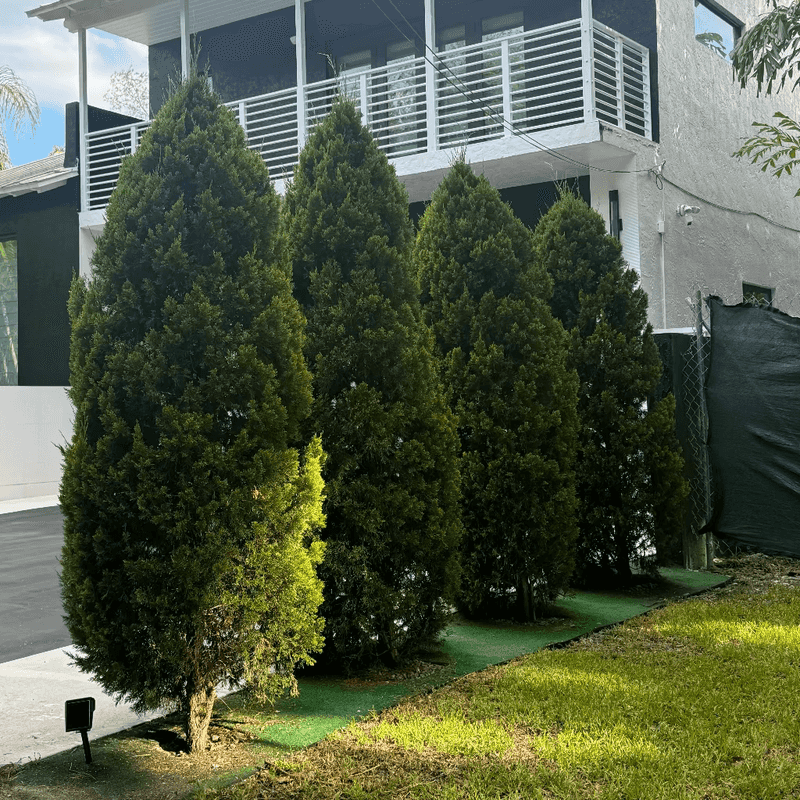
Landscape designers have a neat trick for faster privacy, and it costs nothing but a little more planning. Plant in a zigzag.
A staggered double row places trees in two lines, with each back-row tree sitting behind a gap in the front row.
From the street, the branches overlap sooner, so the screen looks solid years before a straight single row would. Space rows about 6 to 8 feet apart and trees about 8 to 10 feet apart within each row.
Mixing sizes also helps. Use bigger trees where you need privacy most, like across from a neighbor’s deck, and smaller, cheaper plants along less critical stretches.
Water makes the biggest difference in growth speed. During the first two growing seasons, give each tree a deep soaking about once a week when rain falls short of an inch.
Soaker hoses or drip lines snaked along the row save plenty of time. Hold off on heavy fertilizer. Redcedar evolved in lean soil, and extra nitrogen mostly produces soft growth.
A soil test from Penn State Extension tells you if anything is truly missing. Light shearing in early spring encourages denser branching on young plants.
Orange Cedar-Apple Rust Galls Look Scarier Than They Are
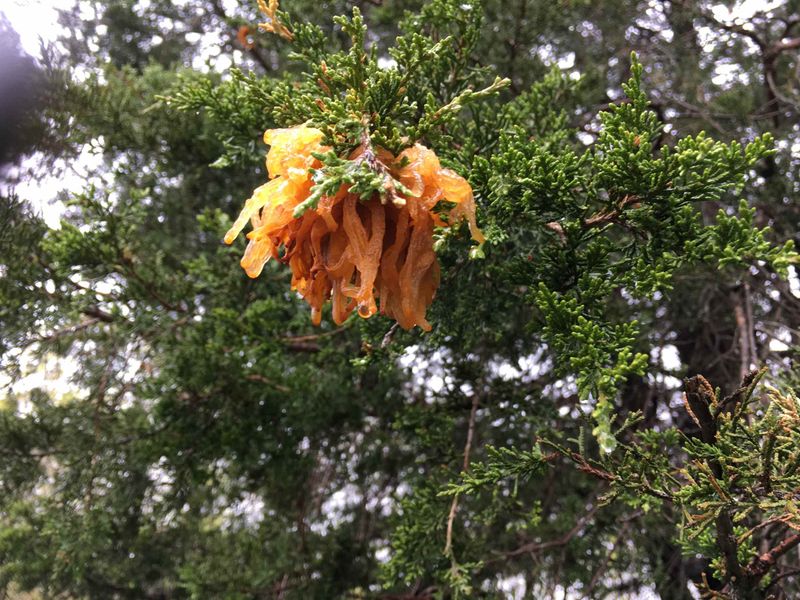
Orange, slimy blobs dangling from your evergreen after a spring rain can look like an alien invasion. Relax, they belong to cedar-apple rust, a fungus that needs two different hosts to complete its life cycle.
On redcedar, the fungus forms brown, woody galls about the size of a golf ball. In wet spring weather, those galls sprout gooey orange tendrils that release spores.
The spores blow to apple and crabapple trees, causing yellow-orange leaf spots there before the cycle returns to the cedar.
For the redcedar itself, the damage is mostly cosmetic. You can snip off galls in late winter if they bother you.
Apple growers feel more of the impact. If you have backyard apples, choose rust-resistant varieties such as ‘Liberty’ or ‘Freedom’, or keep the two plants a good distance apart. Some crabapples resist rust too, so check plant tags before buying.
Bagworms are the other pest to watch. Those little cone-shaped sacks hang from branches and can strip foliage on junipers and Leylands alike.
Hand-pick bags in winter before eggs hatch in late spring. For bigger problems, Bt sprays work well on young caterpillars in early summer.
A Mixed Native Evergreen Hedge Gives You Extra Insurance
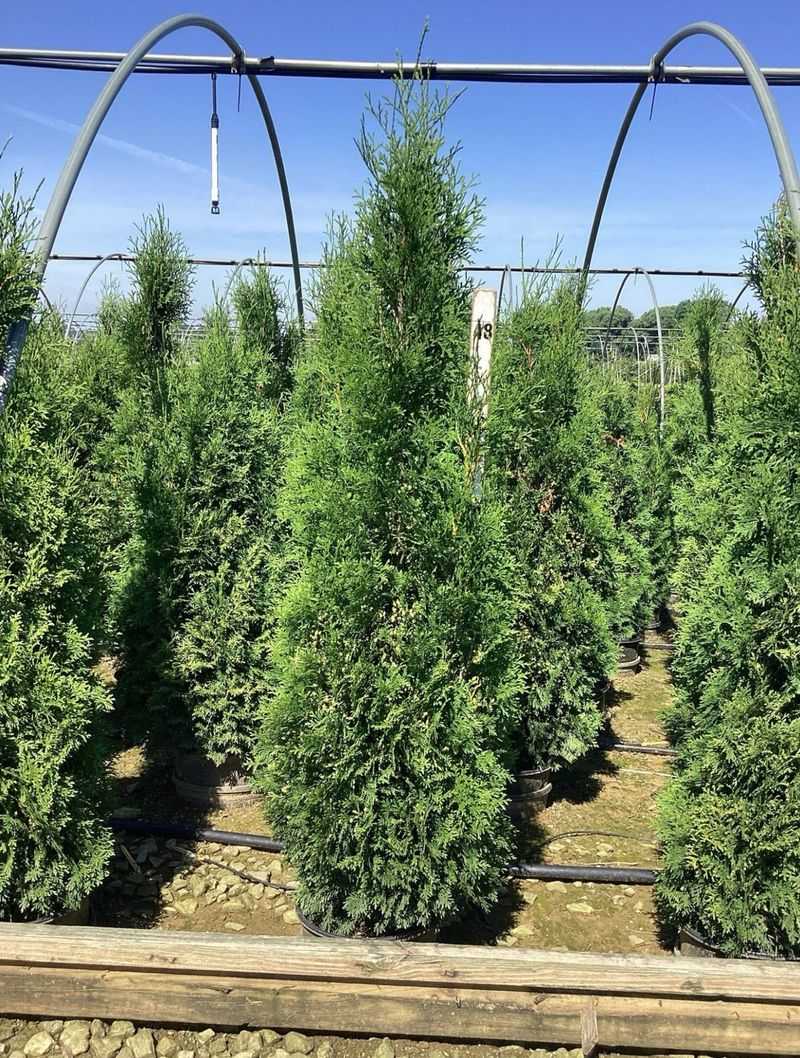
A hedge made from a single type of plant is a bit like a team with no bench players. One bad disease year can leave the whole lineup struggling.
Mixing a few native evergreens spreads the risk and adds texture. American holly brings glossy leaves and red berries in the southeastern part of the state.
Eastern white pine grows fast, often two to three feet a year, though it thins at the bottom with age and fits best at the back of a wide border.
Inkberry holly and mountain laurel can fill the lower layer under taller trees. Eastern hemlock, our state tree, is lovely in shade but often battles hemlock woolly adelgid, so treat it as an accent rather than a backbone.
Steer clear of invasive picks sold for quick screens, like Japanese barberry, burning bush, or privet. Pennsylvania restricts the sale of some of these plants, and all of them escape into nearby woods.
Your best next step is simple. Measure the space, note how much sun it gets, and visit a local native plant nursery this season.
A few sturdy redcedars planted now will guard your privacy long after the quick fixes on your street have come and gone.