Native Pennsylvania Ground Covers That Suppress Weeds Better Than Mulch
Mulch is the default answer for weed control in Pennsylvania gardens, and it does a reasonable job for a season or two before it breaks down, thins out, and needs to be replaced all over again.
The cycle is familiar to most gardeners, and the cost in time and money adds up faster than it probably should for something that only works temporarily.
Native Pennsylvania groundcovers take a fundamentally different approach. Instead of sitting on top of the soil and gradually losing the battle, they grow into it, spreading outward and shading out weeds in a way that actually improves with time.
These plants are already adapted to Pennsylvania soil and climate, which means they establish without much fuss and spread reliably without needing to be replaced season after season.
Several of them add genuine visual interest on top of the weed suppression, turning a maintenance problem into one of the better looking parts of the yard.
1. Pennsylvania Sedge
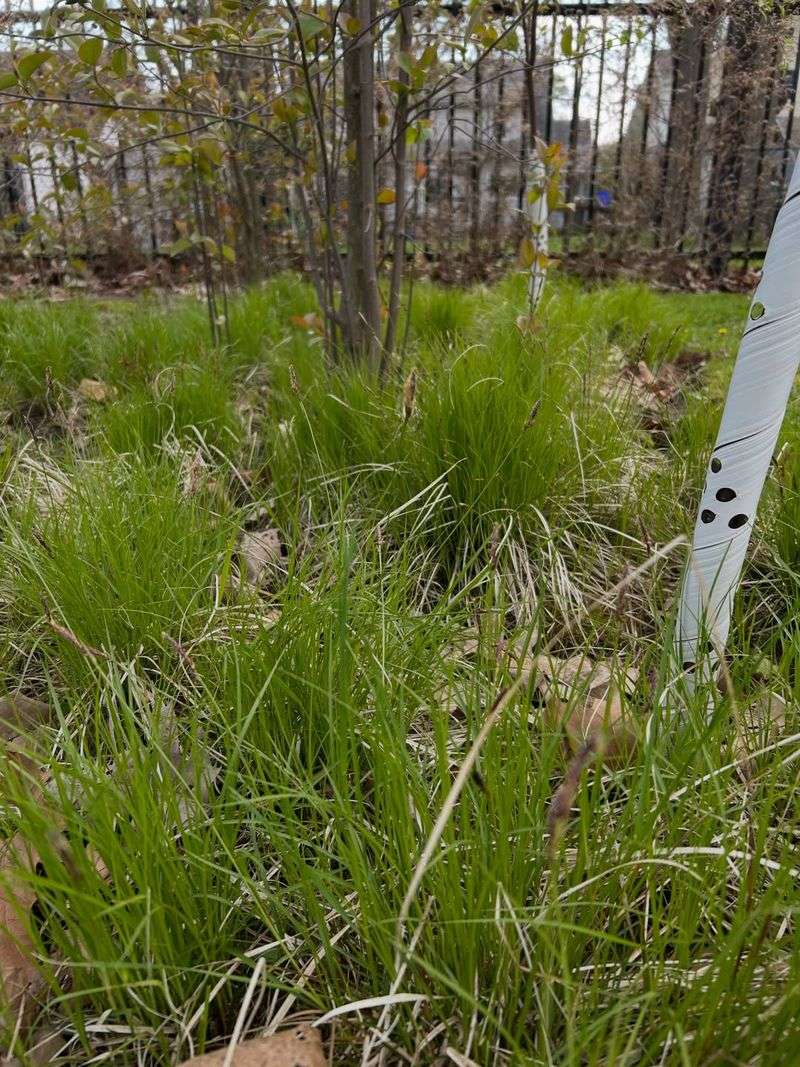
Pennsylvania sedge has a quiet kind of magic. It looks like fine, wispy grass, but it behaves more like a slow-spreading carpet that fills in shaded spots with soft, arching green blades. Most grasses give up in deep shade, but Pennsylvania sedge keeps going strong.
This native sedge spreads through both seeds and underground rhizomes, which means it fills in bare patches steadily over time.
Once it covers the ground, weeds have a very hard time finding the space or sunlight they need to grow. The dense coverage works as a natural weed barrier that costs nothing to maintain.
One of the best things about Pennsylvania sedge is how adaptable it is. It handles dry shade, moist shade, and even occasional foot traffic without much complaint.
Homeowners often use it under large trees where nothing else seems to grow well. It is also a great choice for slopes where erosion is a concern.
Unlike lawn grass, Pennsylvania sedge does not need frequent mowing. It grows to about six to twelve inches tall and then naturally arches over, giving it a soft, meadow-like look.
Many gardeners let it grow freely and only trim it once a year in early spring to keep things tidy.
Pair it with native wildflowers like wild ginger or foamflower for a layered woodland garden that looks beautiful and works hard. It is a low-fuss plant that truly earns its place in any Pennsylvania landscape.
2. Wild Ginger
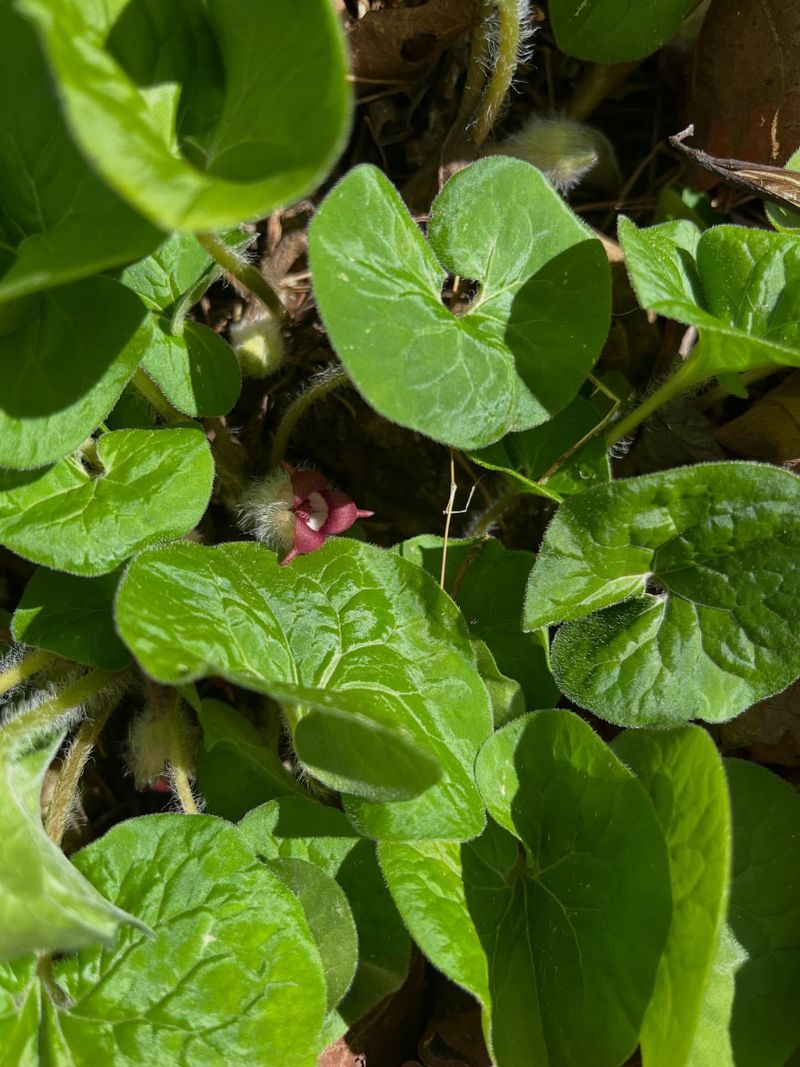
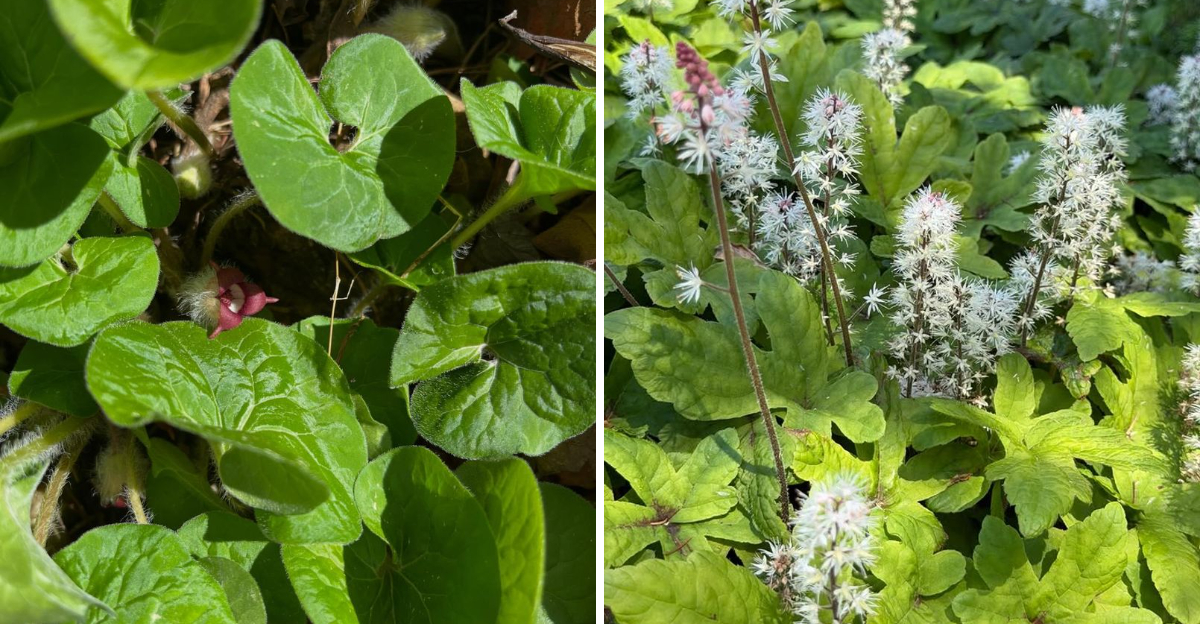
Walk through any shaded Pennsylvania woodland and you might spot wild ginger hugging the ground like a living green blanket. Its broad, heart-shaped leaves grow so close together that sunlight barely reaches the soil beneath them.
That shade is exactly what stops weed seeds from sprouting and taking hold. Wild ginger spreads slowly through underground rhizomes, meaning it expands naturally over time without becoming invasive.
Once it gets established, it forms a thick mat that is surprisingly tough. Gardeners love it because it does not need much attention after the first season or two.
This plant thrives in moist, shaded areas where grass and most other ground covers struggle. It grows well under tall trees, along shaded paths, and in woodland garden beds.
Your Pennsylvania Garden Changes Every Week. Your Plan Should Too.
Gardening in Pennsylvania changes quickly throughout the season. Every Friday you’ll receive a simple weekly plan showing exactly what to plant, prune, fertilize, harvest, and protect so you never miss the right timing.
The leaves stay green from spring through fall, giving you months of weed suppression without lifting a finger.
One fun fact about wild ginger is that its roots have a spicy, ginger-like scent when crushed. Native Americans used the roots for flavoring and medicine for centuries. Even though it is not related to culinary ginger, the smell is unmistakably similar.
Plant wild ginger in rich, well-drained soil with plenty of organic matter. Water it regularly during the first growing season to help it settle in.
After that, it is largely self-sufficient and will slowly fill in bare spots on its own, keeping weeds out of your shaded garden beds season after season.
3. Green-And-Gold
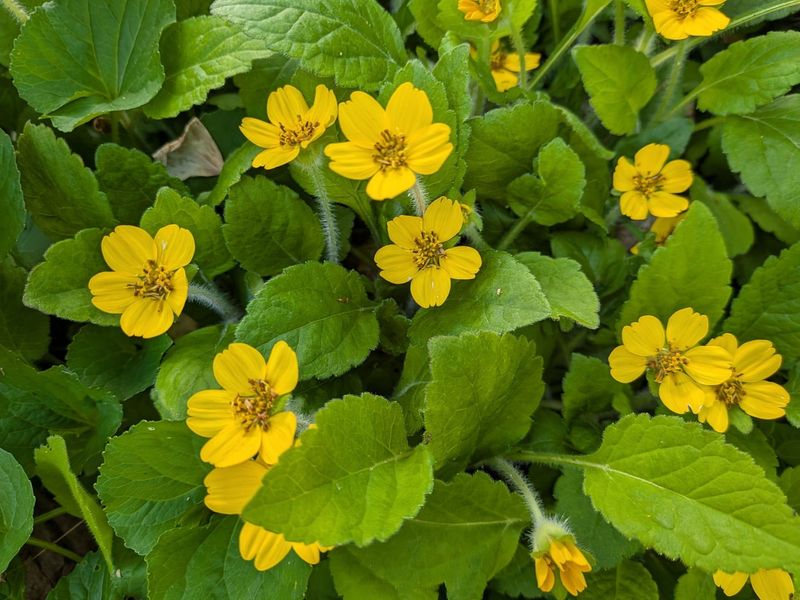
Imagine a ground cover that gives you thick, weed-smothering foliage AND cheerful yellow flowers. That is exactly what green-and-gold brings to the table.
Also known by its botanical name Chrysogonum virginianum, this low-growing native is one of the most rewarding plants you can add to a shaded Pennsylvania garden.
Green-and-gold stays low to the ground, usually reaching just six to nine inches tall. Its leaves are dense enough to block sunlight from reaching the soil, which makes it very effective at stopping weed seeds from sprouting.
The bright yellow blooms appear in spring and sometimes again in fall, giving pollinators a welcome source of food.
This plant spreads through both runners and seeds, so it fills in garden beds at a moderate pace. It works especially well along shaded borders, under deciduous trees, and in spots where you want color without a lot of maintenance.
Once established, it handles dry spells better than many other shade-loving plants. Green-and-gold is also semi-evergreen in Pennsylvania, meaning the leaves often stay green well into winter.
That extra coverage means fewer bare soil patches where weeds can sneak in during the cold months. It is a plant that works for you even when the growing season winds down.
Plant it in well-drained soil with partial to full shade for the best results. Space plants about twelve to eighteen inches apart to encourage faster coverage.
Within a couple of seasons, you will have a dense, flowering carpet that needs very little from you.
4. Foamflower
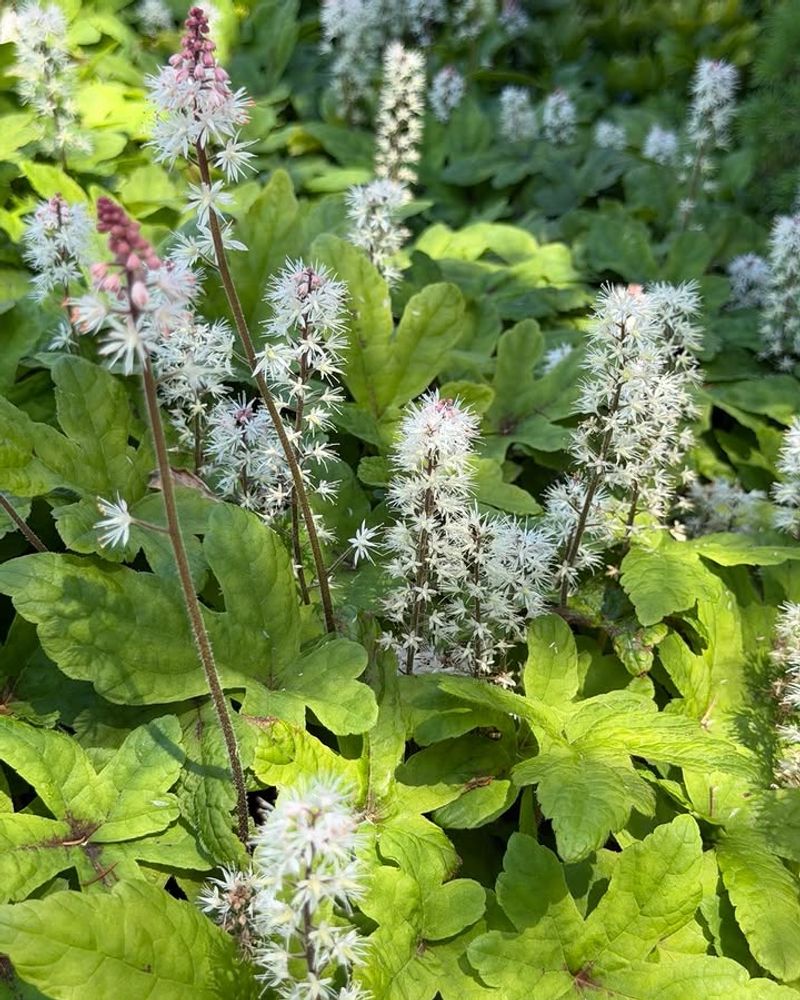
Few native plants are as charming as foamflower. Its delicate, frothy white flower spikes rise above a sea of heart-shaped leaves every spring, making it look like something straight out of a fairy-tale garden.
But do not let its soft appearance fool you. Foamflower is a tough, reliable weed suppressor.
Known botanically as Tiarella cordifolia, foamflower spreads gently through stolons, which are above-ground runners that root where they touch the soil.
Over time, it creates a lush, layered carpet that covers bare ground and blocks weed growth naturally. It is especially effective in moist, shaded woodland settings.
Foamflower pairs beautifully with ferns, wild ginger, and hostas in shaded beds. The combination creates a multi-textured ground layer that is both visually interesting and highly functional.
Gardeners who use it often say it transforms bare, weedy patches under trees into something that looks intentional and polished.
One of its standout features is its leaf color. Depending on the variety, foamflower leaves can have deep burgundy markings that intensify in cooler weather.
This gives the plant a decorative quality that goes beyond just weed suppression. You get beauty and function in one package.
Plant foamflower in moist, humus-rich soil with good drainage and partial to full shade. Water it consistently during the first season to encourage strong root development.
After that, it is largely self-sustaining and will spread on its own to cover more ground each year, reducing the need for weeding significantly.
5. Creeping Phlox
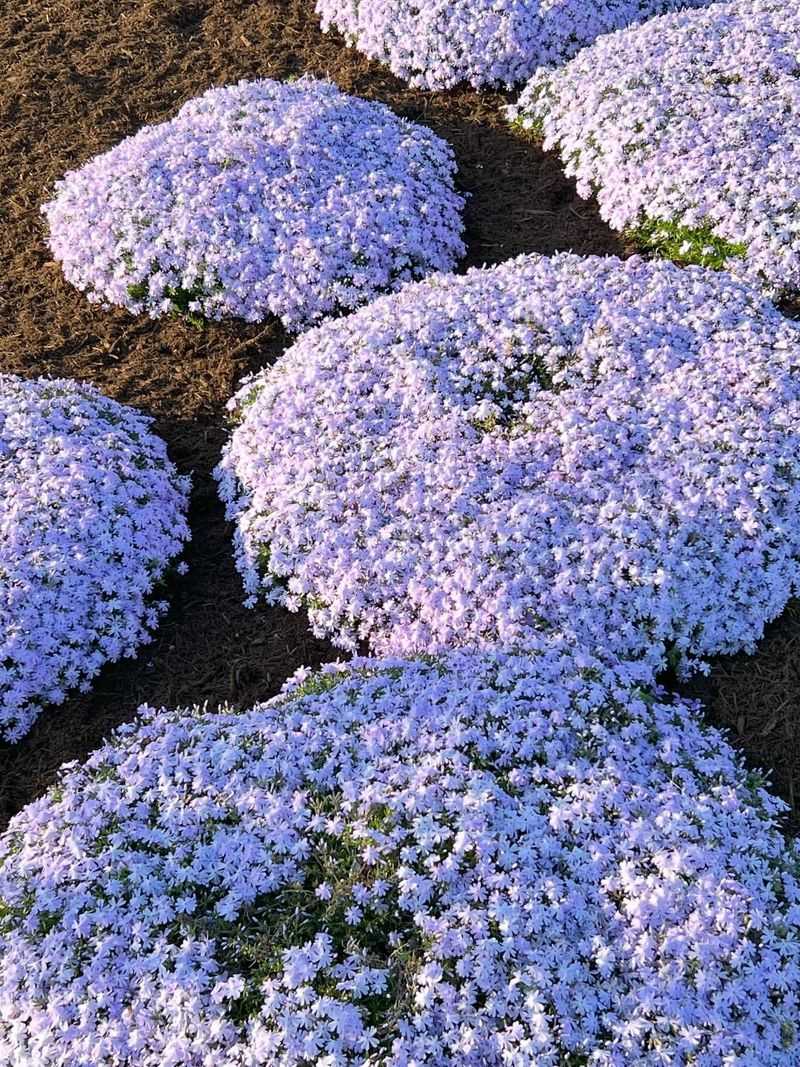
Every spring, creeping phlox puts on a show that stops people in their tracks. Slopes and rock gardens suddenly burst into waves of pink, purple, and white blooms that seem almost too vibrant to be real.
But beyond the beauty, creeping phlox is doing some serious weed-fighting work underneath all those flowers.
Creeping phlox, or Phlox subulata, forms dense, low-growing mats that hug the ground tightly. The needle-like evergreen leaves stay in place year-round, covering the soil and leaving very little room for weeds to take root.
On sunny slopes where erosion is also a concern, it holds the soil firmly in place with its spreading root system.
This native thrives in full sun and well-drained soil, making it perfect for spots that get hot and dry in summer.
Unlike many ground covers that need shade and moisture, creeping phlox actually prefers the tough conditions that challenge other plants. That resilience makes it an excellent choice for difficult garden spots.
After the spring bloom fades, the foliage remains dense and green, continuing to suppress weeds throughout the rest of the growing season.
A light trim after flowering helps keep the mat tidy and encourages even thicker growth the following year. It is one of the easiest native ground covers to maintain.
Plant creeping phlox about eighteen inches apart in full sun with sandy or loamy, well-drained soil. Avoid heavy clay, which can cause root problems.
With minimal care, it spreads steadily and delivers stunning seasonal color while keeping weeds out of your sunny garden spaces.
6. Allegheny Spurge
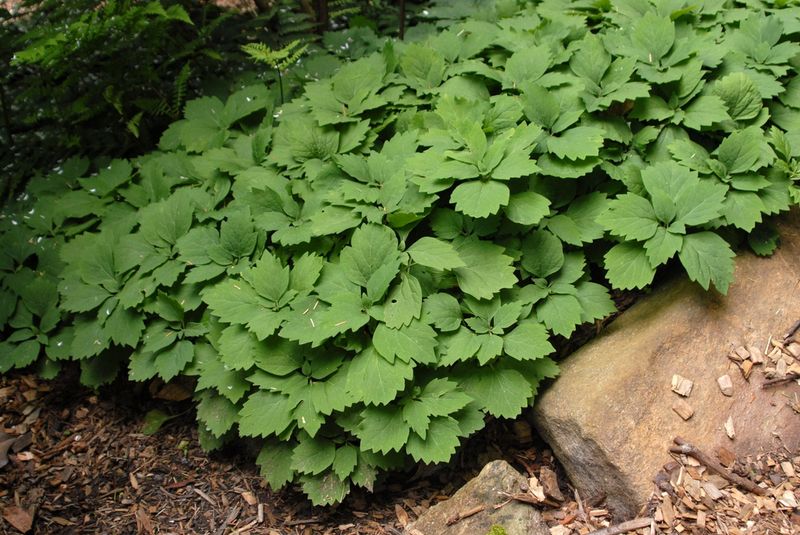
Here is a plant that deserves far more attention than it gets. Allegheny spurge, known scientifically as Pachysandra procumbens, is the native American cousin of the commonly planted Japanese pachysandra.
And in many ways, it is actually the better choice for Pennsylvania gardens. Unlike its Asian relative, Allegheny spurge is not invasive.
It spreads slowly and politely, forming a thick mat of broad, patterned leaves that suppress weeds without taking over surrounding plants.
The leaves have a beautiful mottled silver-green pattern that looks especially striking in shaded areas beneath large trees and shrubs.
Allegheny spurge is semi-evergreen to evergreen in Pennsylvania, meaning it holds its leaves through most of the winter. That extended coverage is a huge advantage when it comes to weed suppression.
Bare soil in winter is an open invitation for weed seeds to settle in, and Allegheny spurge helps close that door.
In early spring, it produces small, fragrant white flower spikes close to the ground before the new leaves fully emerge.
These blooms attract early pollinators looking for food after a long winter. It is a plant that gives back to the ecosystem while also making your garden look great.
Plant Allegheny spurge in moist, well-drained, acidic soil with full to partial shade. It grows best in conditions that mimic a woodland floor, so adding compost at planting time is a smart move.
Give it a couple of seasons to establish, and it will reward you with years of reliable, low-maintenance ground coverage.
7. Christmas Fern
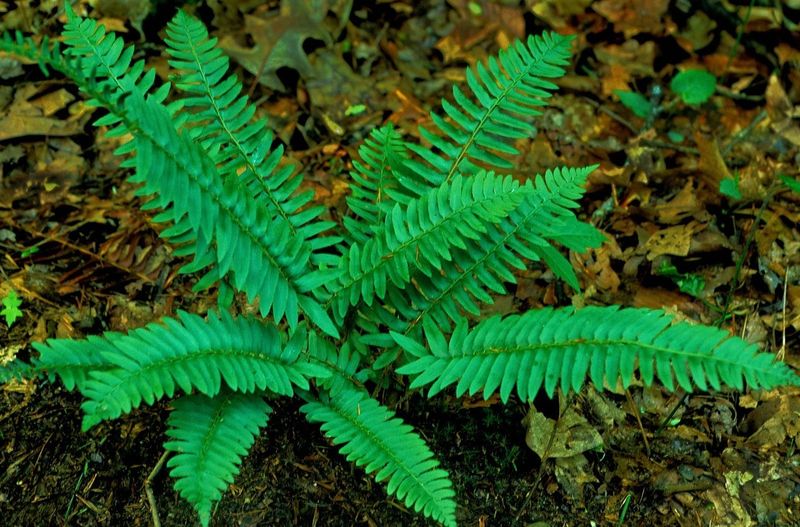
Christmas fern earned its festive name because its fronds stay green straight through the holiday season, even when snow is on the ground. That staying power is exactly what makes it such a valuable weed suppressor in Pennsylvania gardens.
While other plants go dormant and leave bare soil exposed, Christmas fern keeps on covering.
Known botanically as Polystichum acrostichoides, this native fern grows in graceful, arching clumps that spread slowly outward over time. The dense fronds shade the soil beneath them, blocking the light that weed seeds need to germinate.
In shaded woodland gardens and under large trees, it is one of the most effective natural weed barriers available.
Christmas fern is incredibly tough. It handles deep shade, dry soil, slopes, and rocky terrain without skipping a beat.
Many gardeners plant it along shaded hillsides where erosion is a problem, because its roots grip the soil firmly while the fronds provide surface coverage. It is a two-in-one solution for difficult landscape challenges.
Wildlife benefits from Christmas fern too. Small mammals use the dense clumps for shelter, and birds sometimes nest nearby.
The plant creates a mini ecosystem that supports more than just your garden aesthetic. Planting it is a small act with a surprisingly large positive impact on local wildlife.
Plant Christmas fern in partial to full shade with moist, well-drained, slightly acidic soil. Space clumps about two feet apart to allow room for natural spreading.
Once established, it needs almost no care at all, making it one of the most rewarding native ground covers you can add to a Pennsylvania landscape.