The Pennsylvania Native Perennial That Does More For Your Garden Than Any Other Plant
Every garden has workhorses. Plants that show up reliably, do their job without demanding much, and contribute something real to the space season after season.
But every once in a while, a plant comes along that goes so far beyond the workhouse category that comparing it to typical garden plants almost doesn’t make sense.
There is one native Pennsylvania perennial that does more for a garden than any other single plant most homeowners could choose.
It feeds pollinators from spring through fall with a consistency and abundance that few other plants match. It supports beneficial insects that keep pest pressure down across the entire garden.
It provides structure, seasonal interest, and wildlife habitat all at once, and it does all of this while being genuinely beautiful and remarkably low maintenance.
It’s been growing in Pennsylvania landscapes for centuries. It’s available at native plant nurseries across the state.
And yet most Pennsylvania gardeners have never made it a priority or fully understood what they’ve been missing by leaving it out of the garden.
Here’s the native Pennsylvania perennial that earns its place more thoroughly than anything else you could plant.
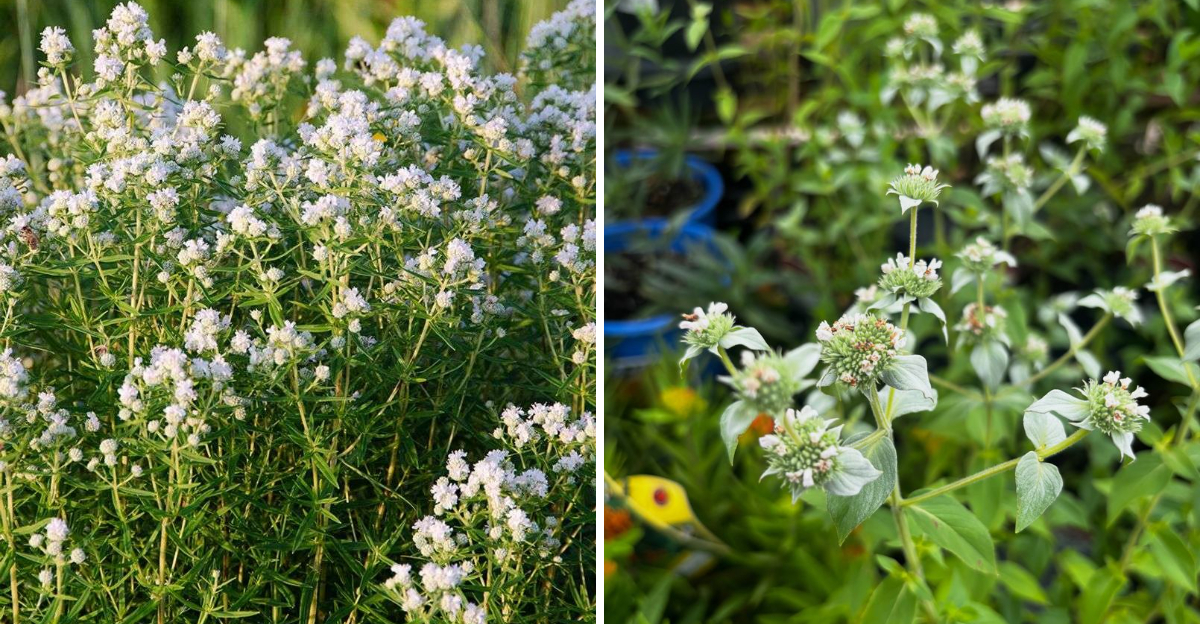
Clustered Mountain Mint Is A Pollinator Powerhouse
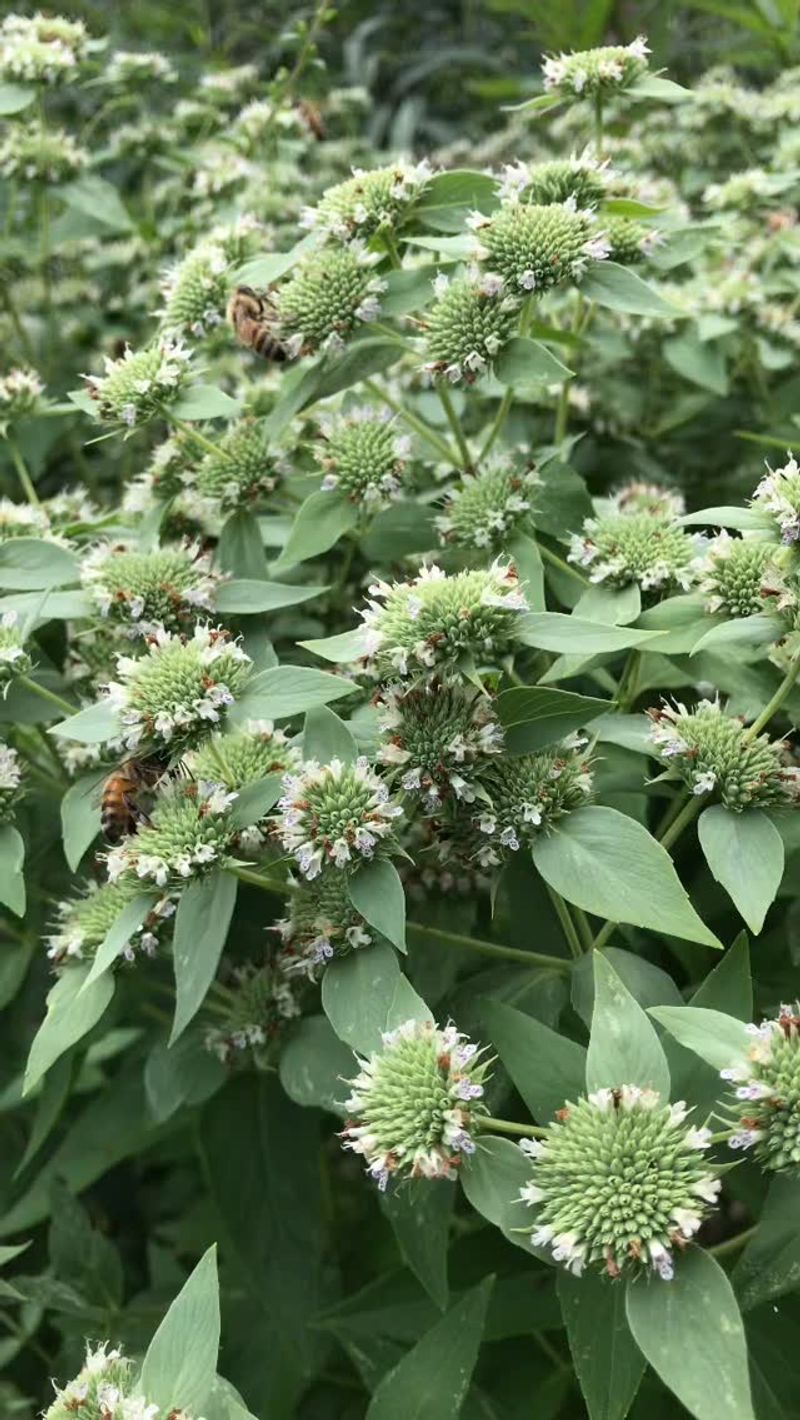
Researchers at Penn State ran field trials to find out which native plants attracted the most pollinators, and clustered mountain mint came out near the top every single time. The numbers were not close.
Plots of this plant were buzzing with activity from morning until the light faded each evening.
What makes it so effective is the variety of insects it pulls in. Bees of all sizes show up regularly, including native bumblebees, sweat bees, and mason bees.
Butterflies float in throughout the day. Even wasps and flies, which are often overlooked but genuinely useful in the garden, visit the flowers in large numbers.
Many gardeners focus only on attracting monarch butterflies or honeybees. Clustered mountain mint casts a much wider net.
Supporting a broad range of pollinators makes your whole yard healthier and more productive. Vegetable gardens nearby tend to benefit from better fruit set when this plant is in the mix.
The flowers themselves are small and pale, almost white with tiny purple spots. They are not flashy, but insects find them irresistible.
Scientists believe the strong minty scent plays a big role in drawing pollinators from a distance. Plant just one clump and you will notice the difference within a single season. It is genuinely one of the most wildlife-friendly plants available to Pennsylvania gardeners.
It Blooms For Weeks In Summer
Most flowering perennials give you a week or two of color, then fade fast. Clustered mountain mint plays by different rules.
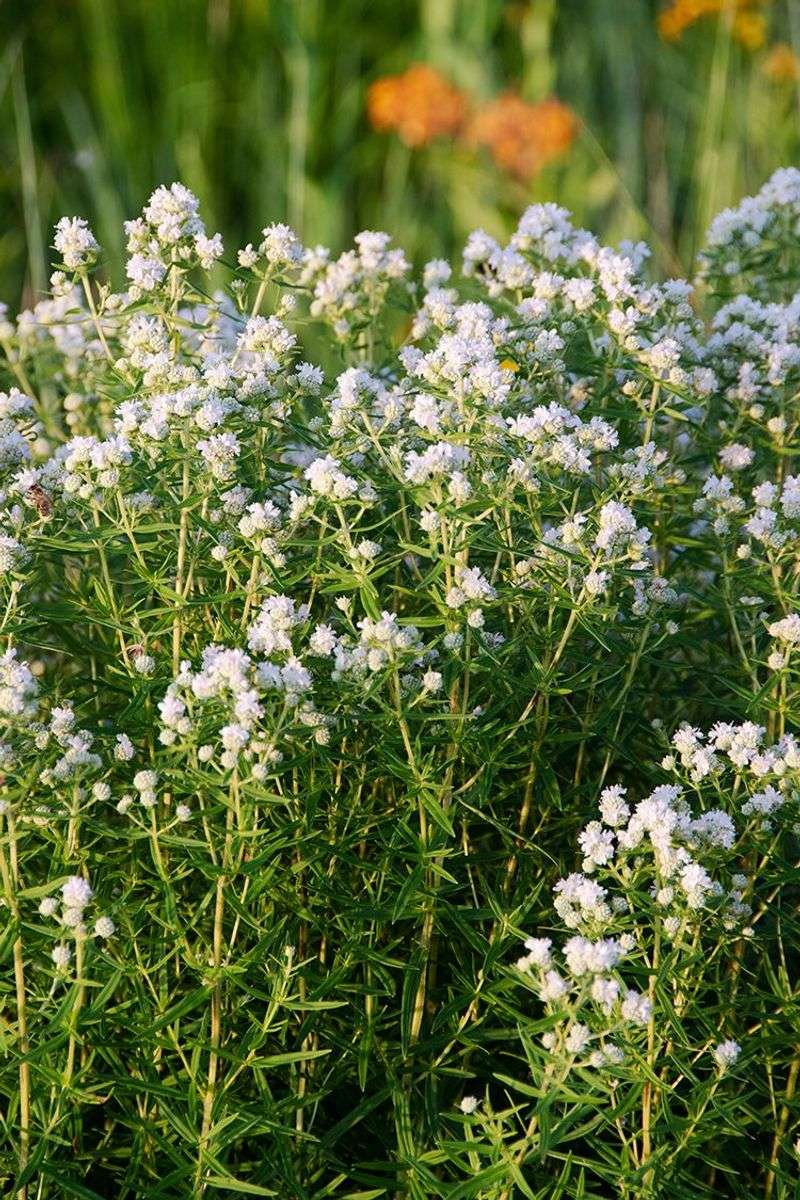
Its pale flower clusters open in early to midsummer and keep going strong for weeks, sometimes stretching well into late summer depending on your local conditions.
That extended bloom period is a big deal for gardeners who want their yards to support wildlife over the long haul. Pollinators need reliable food sources throughout the season, not just for a brief window.
Your Pennsylvania Garden Changes Every Week. Your Plan Should Too.
Gardening in Pennsylvania changes quickly throughout the season. Every Friday you’ll receive a simple weekly plan showing exactly what to plant, prune, fertilize, harvest, and protect so you never miss the right timing.
When one plant can cover that much of the calendar, it earns a permanent spot in the landscape.
The flowers do not put on a dramatic show the way coneflowers or black-eyed Susans do. The blooms are small, clustered, and soft in color.
But what they lack in flashiness, they more than make up for in staying power and in the sheer volume of insect activity they support week after week.
Gardeners in Pennsylvania often struggle to find plants that bridge the gap between the spring bloomers and the fall flowers. Clustered mountain mint fills that middle stretch of summer beautifully.
Pair it with early-season plants like wild geranium and late-season plants like asters, and you will have something blooming and buzzing in your yard from spring all the way through fall.
That kind of continuity is what a truly wildlife-friendly garden is built on, and this plant is a cornerstone of making it happen.
Deer And Rabbits Usually Leave It Alone
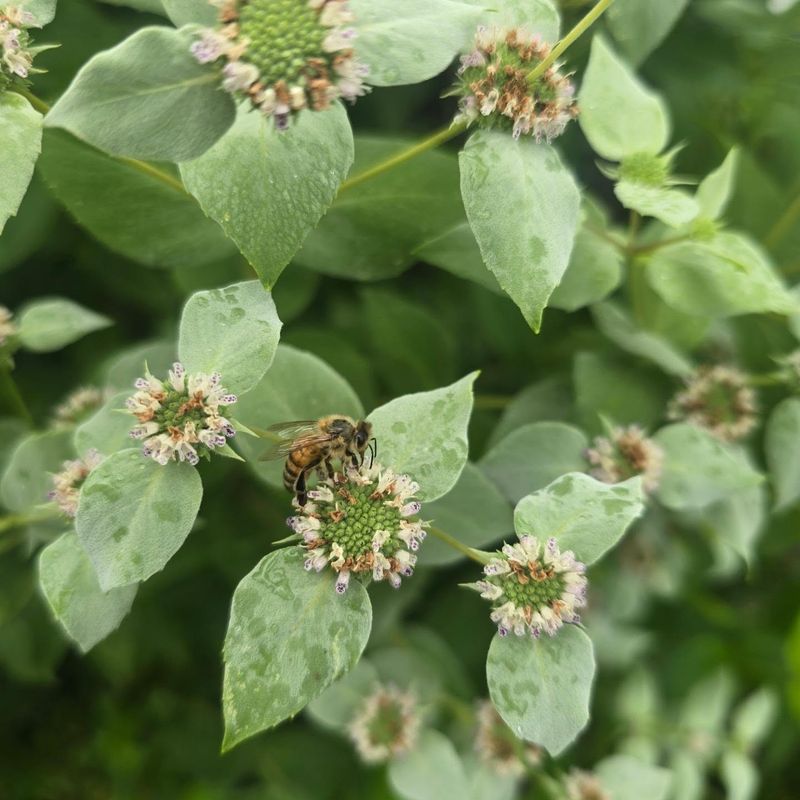
Ask any Pennsylvania gardener about their biggest frustration, and there is a good chance deer or rabbits come up fast. These animals can wipe out a carefully planted garden bed overnight.
Finding plants they consistently avoid is one of the most practical things a gardener can do. Clustered mountain mint has a strongly aromatic quality that most browsing animals find unappealing. The minty, slightly medicinal scent comes from oils in the leaves.
When deer or rabbits brush against the foliage, that scent intensifies, and most animals quickly lose interest and move on to something else nearby.
No plant is completely guaranteed to be ignored by wildlife under all circumstances. During a harsh winter or when food is very scarce, animals will eat things they normally avoid.
But under typical Pennsylvania conditions, clustered mountain mint holds up well. Gardeners who have tried it in high-pressure areas often report that it gets passed over even when neighboring plants get browsed heavily.
This makes it especially useful for planting along woodland edges, near fence lines, or in open beds without physical barriers. You can focus your deer-protection efforts on more vulnerable plants and let the mountain mint take care of itself.
Over time, as the plant spreads into a dense colony, it creates a fragrant block of foliage that animals tend to walk right around.
That kind of low-maintenance resilience is exactly what busy gardeners need in a landscape that has to hold its own against regular wildlife pressure.
It Handles Tough Pennsylvania Conditions
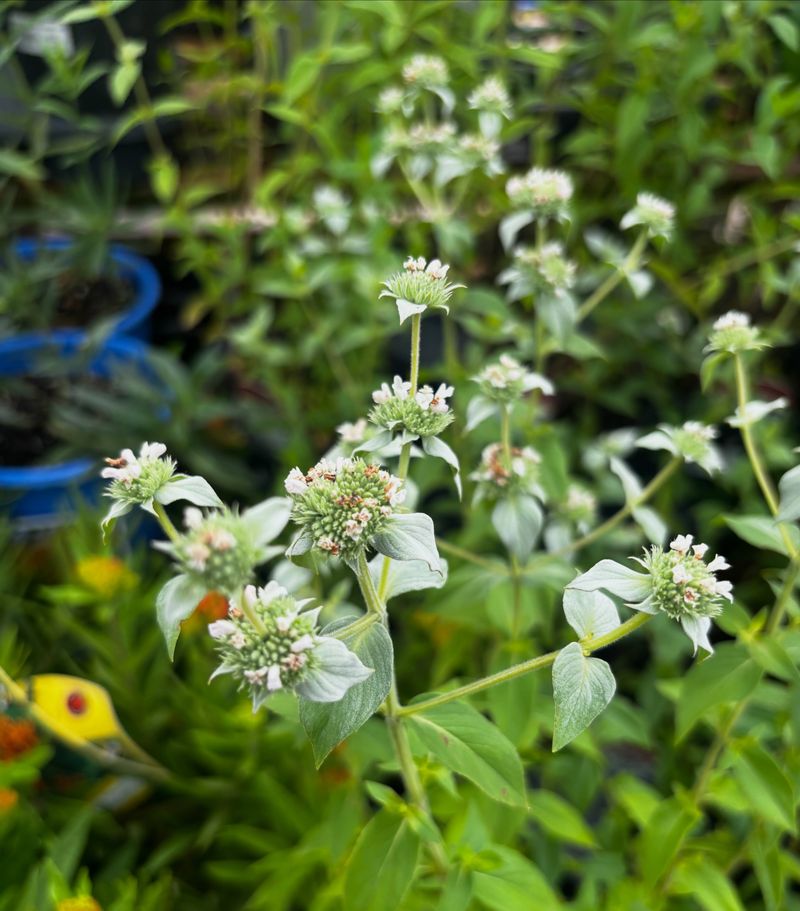
Pennsylvania gardens are not always easy. Heavy clay soils are common across much of the state.
Summer dry spells can stress plants that are not well-suited to local conditions. Many ornamental perennials struggle without regular watering, amended soil, and careful attention.
Clustered mountain mint was shaped by Pennsylvania’s natural landscape over thousands of years. It evolved alongside the region’s variable weather and less-than-perfect soils.
Once it gets established in your garden, usually after one full growing season, it develops a deep root system that helps it handle dry stretches without much help from you.
Clay soil is worth talking about specifically because so many gardeners fight it. Most plants rot or stunt in poorly draining clay.
Clustered mountain mint tolerates it reasonably well. It prefers a site with decent drainage, but it will not fall apart in the heavy soils that are so common in central and eastern Pennsylvania.
That makes it far more adaptable than many native plants that need sandy or loamy conditions to perform well.
Full sun is where this plant truly shines. Give it a sunny spot and decent soil, and it will reward you with vigorous growth and heavy flowering.
It can manage in light shade, but the growth tends to be looser and the bloom less impressive. For most Pennsylvania gardeners, finding a sunny location is not difficult.
Plant it in the right spot once, and you will likely never need to fuss over it again. Tough, reliable, and low-maintenance are three words that describe it perfectly.
It Helps Fill Bare Ground
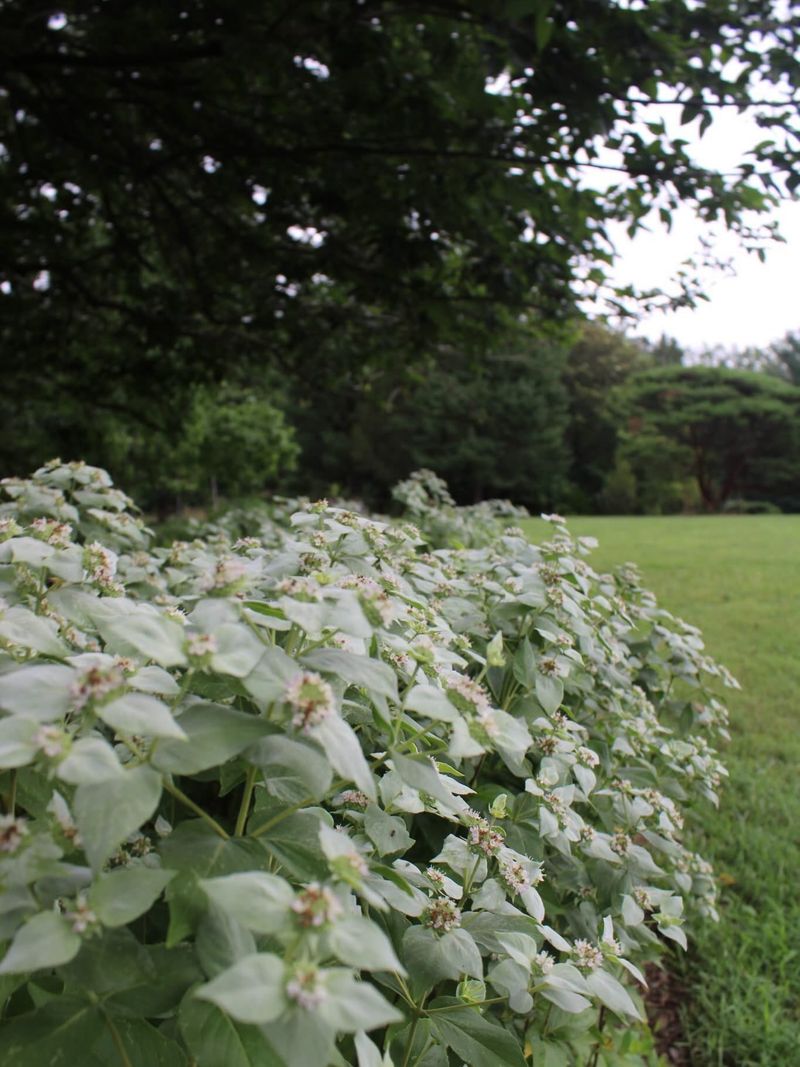
Bare ground in a garden is an open invitation for weeds. The moment soil is exposed, weed seeds blow in, germinate, and start competing with everything around them.
One of the smartest things a gardener can do is cover the ground with plants that crowd weeds out before they get a foothold.
Clustered mountain mint spreads over time by sending out underground stems called rhizomes. A single plant can gradually expand into a broad, dense colony.
The foliage grows thick enough to shade the soil beneath it, which makes it much harder for weed seeds to sprout and establish. Over a few seasons, a well-placed patch of this plant can dramatically reduce the amount of weeding you need to do in that area.
This spreading habit is one of the plant’s most practical qualities. Many gardeners spend a lot of time and money on mulch to suppress weeds.
Clustered mountain mint does something similar, but it also feeds pollinators, repels deer, and looks attractive all summer long. That is a lot of value from one plant doing what comes naturally to it.
It works well along borders, in rain gardens, on slopes, or anywhere you have open ground that needs coverage. It is not a delicate edging plant.
Think of it more as a bold, working plant that earns its space by doing real jobs in the garden.
Pair it with other spreading natives like wild ginger or golden groundsel for a low-maintenance ground layer that manages itself season after season with very little input from you.
Give It Room Because It Can Spread
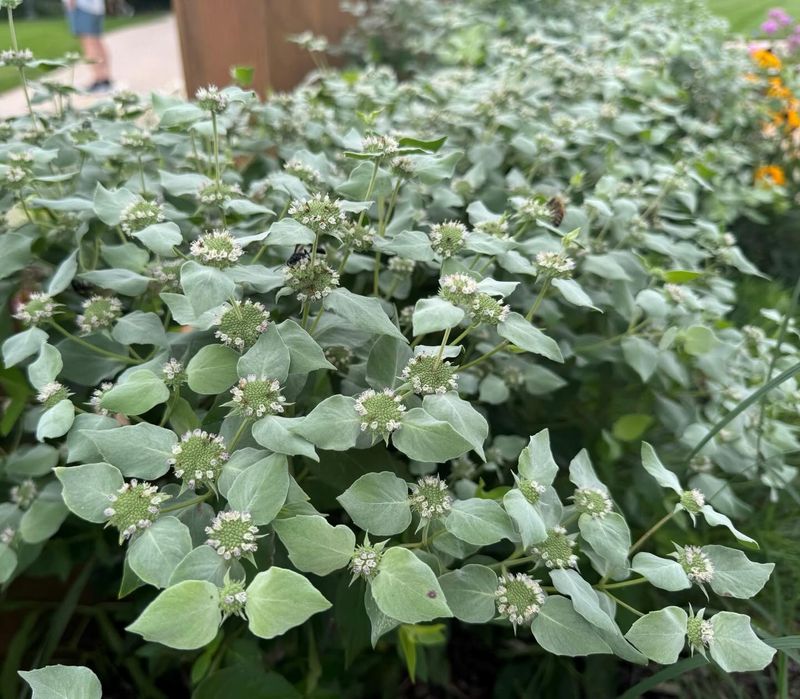
Clustered mountain mint is not a shrinking violet. It is a vigorous, enthusiastic grower that will claim more space over time if you let it.
Before you plant it, it is worth having a clear plan for where you want it to go and how much room you are willing to give it.
In the right setting, the spreading habit is a feature, not a problem. Large naturalized areas, meadow gardens, and open slopes are ideal.
The plant can fill those spaces beautifully over a few years without much help. Neighbors and visitors will notice the buzzing activity around a mature colony and wonder what you planted to attract so many insects.
In a more structured garden bed, you will want to manage the spread. The good news is that this is easy to do.
Clustered mountain mint does not spread so aggressively that it becomes unmanageable. Digging up the edges of the colony once a year keeps it right where you want it.
You can share the divisions with neighbors or move them to other areas of your yard where more coverage is welcome.
Dividing the clumps every few years also keeps the plant healthy and vigorous. Older clumps can get woody in the center and produce fewer flowers.
Fresh divisions replanted into good soil bounce back quickly and bloom more reliably. Think of dividing as a reset button that keeps the plant performing at its best.
With just a little attention each season, clustered mountain mint stays exactly as big as you want it to be, making it a genuinely manageable and rewarding native perennial for any Pennsylvania garden.