What Pennsylvanians Should Know When Bobcats Start Visiting Their Yard
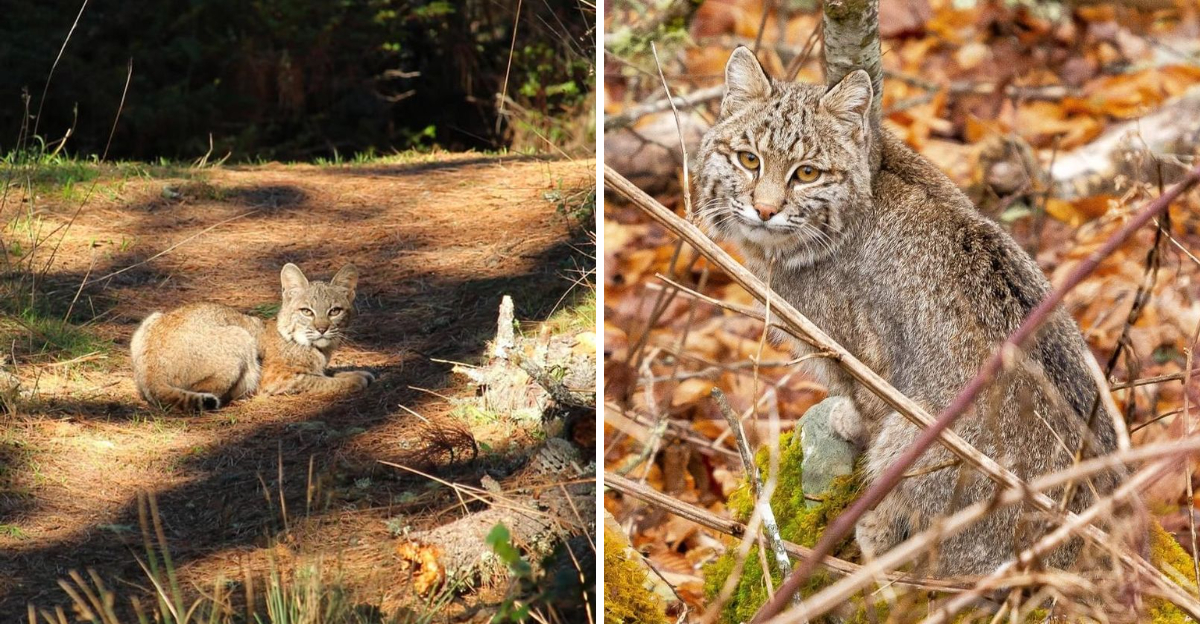
A bobcat in your Pennsylvania yard is not something most homeowners ever expect. These animals have been expanding their range into suburban and semi-rural areas across the state, and the first encounter tends to catch people completely off guard.
Whether you spot one crossing the yard at dusk or find it sitting calmly near the tree line, a bobcat commands attention that most other wildlife simply doesn’t.
And if one has started visiting regularly, there’s more going on than a wild animal passing through.
Bobcats are territorial and purposeful. They return to the same locations for specific reasons, and a yard that keeps attracting one is offering something that consistently meets their needs.
Understanding what that is gives you practical information about your property and how to respond effectively.
Here’s what Pennsylvania homeowners should know when a bobcat starts showing up in the yard.
1. A Bobcat Visit Means Your Yard Is Part Of Its Territory
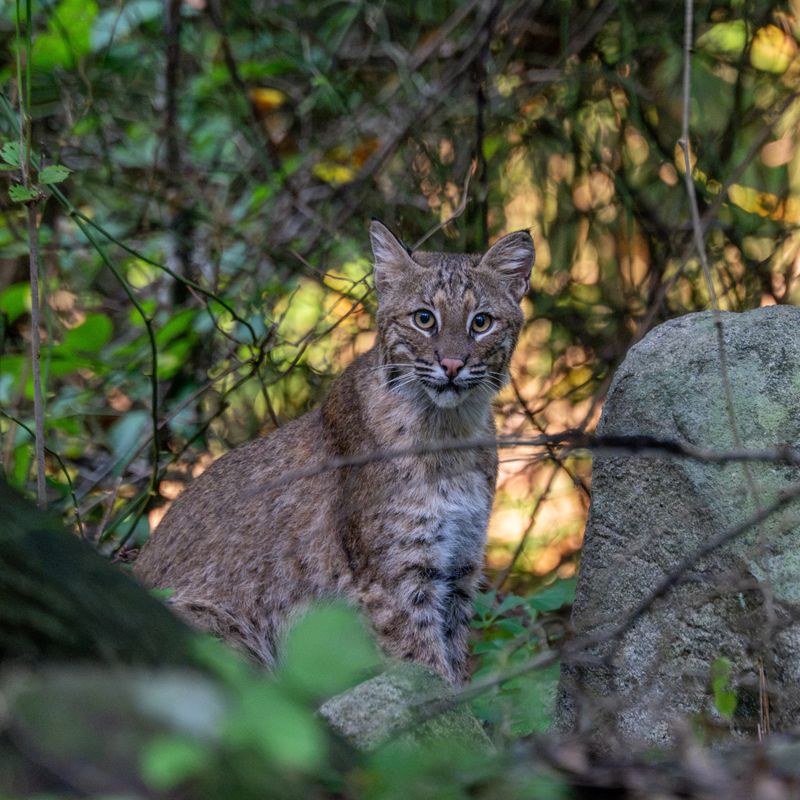
That flash of fur crossing your lawn is not random luck. Bobcats keep large home ranges, and your yard may simply sit along one of their regular travel routes.
In Pennsylvania, these cats roam forests, fields, and the edges where trees meet neighborhoods. When a subdivision grows near woods, a bobcat’s old path often runs right through the new backyards.
A visiting bobcat is usually searching for the basics of survival. Food, water, and a safe place to rest all pull them through familiar territory.
Male bobcats can cover ranges of many square miles, while females tend to stay a bit closer to home. Either way, a single yard is just one small stop on a much bigger loop.
Seeing tracks, scat, or the animal itself tells you that your property offers something useful. It might be cover from shrubs, a quiet corner, or nearby prey to hunt.
You do not need to feel invaded by this news. A bobcat passing through is behaving exactly as it has for generations, long before the houses arrived.
Understanding this can ease a lot of worry. Instead of thinking the cat is targeting you, picture it following an invisible map it has memorized over months.
If you want fewer visits, you can adjust what your yard offers. Trimming dense brush and reducing hiding spots makes the space less appealing as a stopover.
Respecting that shared boundary goes a long way. Your yard sits inside a wild web of trails, and for a moment, you get a front-row view of it.
2. Bobcats Are Usually Avoiding People, Not Looking For Trouble
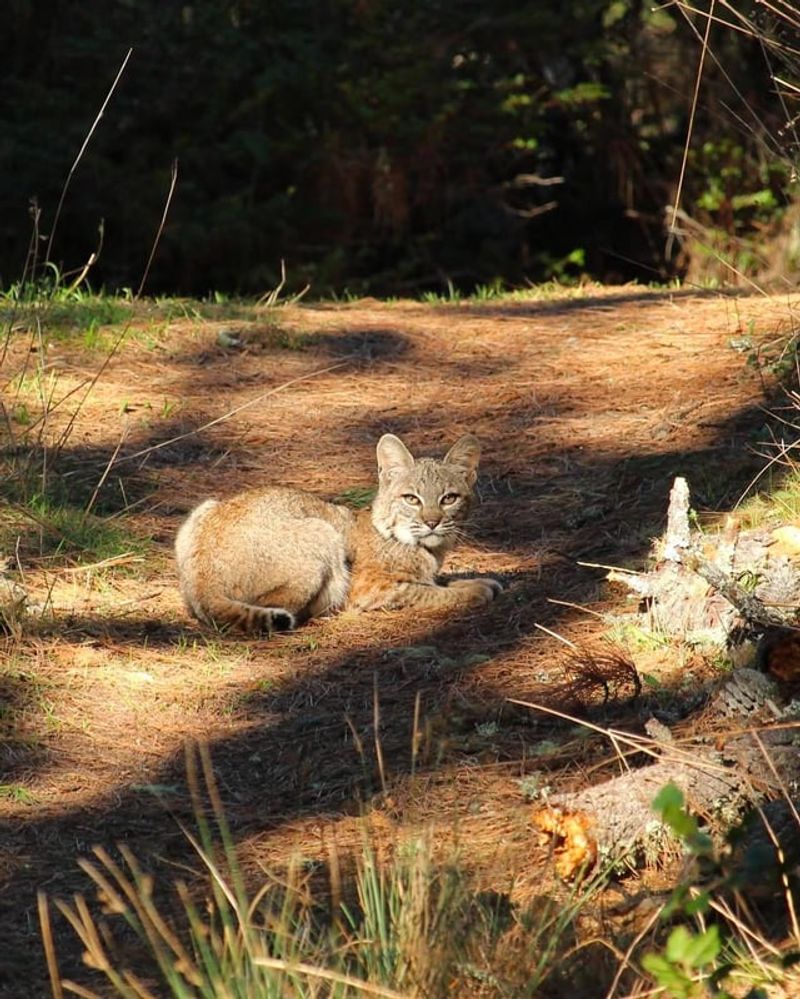
Spotting a bobcat can send a quick jolt of alarm through anyone. The good news is that these cats would much rather slip away than stick around near you.
Bobcats in Pennsylvania are naturally cautious animals. They spend most of their lives dodging attention, hunting at quiet hours, and melting into cover at the first sign of humans.
Most yard sightings last only seconds. The cat notices you, decides you are not worth the risk, and disappears into the nearest brush or treeline.
Your Pennsylvania Garden Changes Every Week. Your Plan Should Too.
Gardening in Pennsylvania changes quickly throughout the season. Every Friday you’ll receive a simple weekly plan showing exactly what to plant, prune, fertilize, harvest, and protect so you never miss the right timing.
Their shyness is a survival habit built over thousands of years. Staying hidden keeps them safe from larger predators and helps them sneak up on the small prey they rely on.
Attacks on people are extremely rare in the state. A healthy bobcat sees a human as something to steer clear of, not something to challenge.
That said, respect still matters. Giving the animal space to leave on its own keeps both of you comfortable and calm.
If a bobcat lingers, you can gently encourage it along. Clapping your hands, speaking loudly, or waving your arms usually reminds the cat that people are best avoided.
Feeding wildlife is where trouble often starts. A cat that learns to associate humans with easy meals may lose that helpful fear over time.
Enjoy the sighting for what it is. A shy predator briefly sharing its world with yours is a rare treat, not a reason to panic.
Keep a respectful distance, and the encounter almost surely ends peacefully for everyone involved.
3. Your Yard May Be Attracting Bobcat Prey
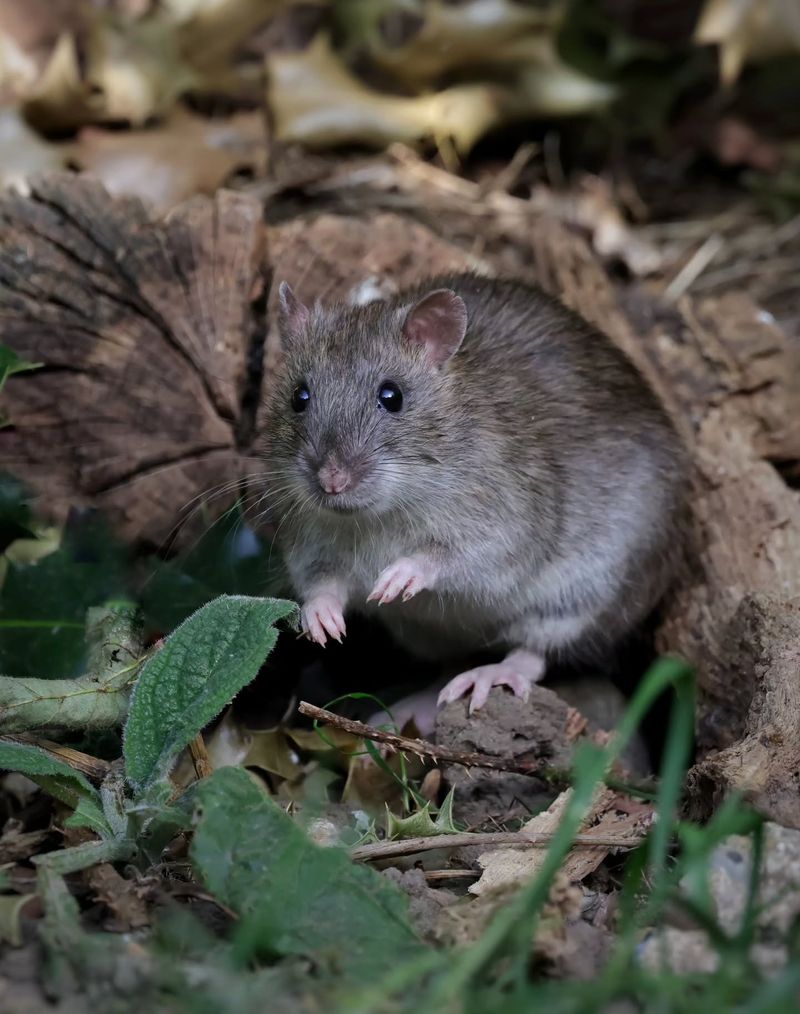
Here is a secret about that bobcat visit. It might not be your yard the cat wants, but the smaller creatures already living there.
Bobcats are skilled hunters that chase rabbits, mice, chipmunks, squirrels, and ground-feeding birds. If your property hosts plenty of these animals, it becomes a natural buffet.
Bird feeders are a common surprise culprit. Spilled seed draws rodents and small birds, and those critters draw the predators that eat them.
Brush piles, tall grass, and overgrown gardens give prey animals cozy places to hide. Where prey feels safe, bobcats soon follow the trail of dinner.
Open compost or pet food left outside adds another layer of temptation. These scraps feed the small wildlife that a bobcat is happy to hunt.
Thinking of your yard as a food chain helps everything make sense. Reduce the bottom of that chain, and the top of it tends to wander elsewhere.
Simple changes can shift the balance. Storing seed in sealed containers, cleaning up fallen fruit, and tidying clutter removes the meals that lure prey in.
Keeping grass trimmed also matters more than people expect. Short, open lawns give mice and rabbits fewer hiding spots and less reason to gather.
You do not have to make your yard barren to see results. Small adjustments often lower the number of critters a bobcat finds worth chasing.
Once the prey thins out, the predator usually loses interest. In this way, managing the little animals quietly manages the big cat too.
4. Seasonal Changes Can Bring Bobcats Closer To Homes
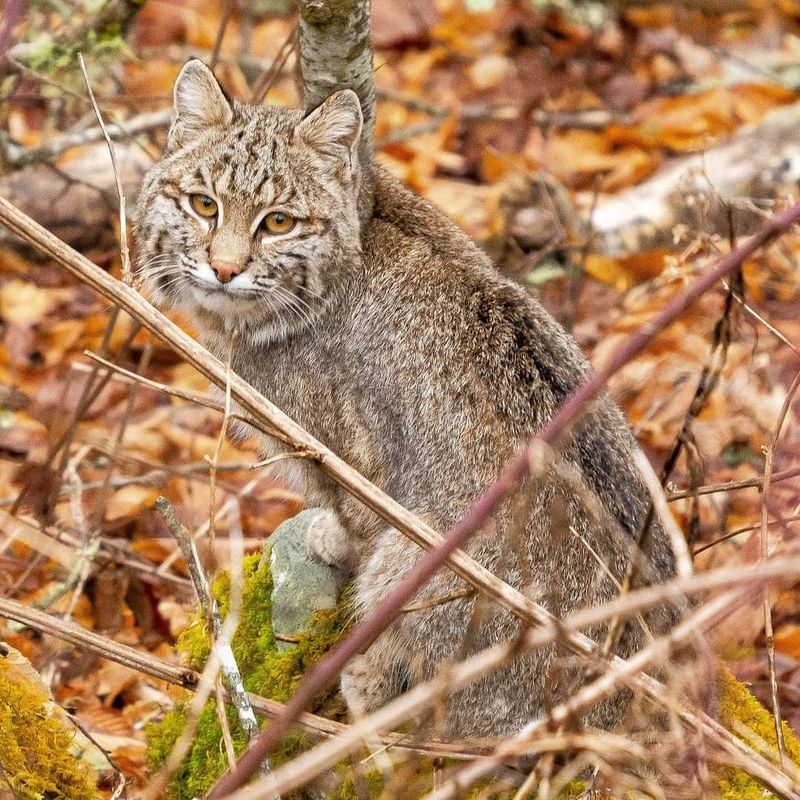
Bobcats do not follow a calendar, but the seasons still shape their movements. Certain times of year nudge them closer to where people live.
During winter in Pennsylvania, natural food becomes harder to find. Snow and cold push prey into sheltered spots, and hungry bobcats often follow them toward neighborhoods.
Late winter also brings breeding season. Cats travel farther than usual to find mates, which raises the odds you might glimpse one crossing your yard.
Spring introduces young kittens to the world. Mother bobcats work harder to feed their families, expanding their hunting into new areas including quiet backyards.
Summer and early fall can shift things again. Growing kittens begin exploring on their own, sometimes wandering into places older cats might avoid.
Weather events play a role too. Storms, droughts, or habitat changes can disturb an area and send wildlife searching for steadier ground.
Knowing these patterns takes the mystery out of sudden sightings. A winter appearance often means a cat is simply following the food, not seeking your home.
You can prepare by staying extra tidy during colder months. Securing trash, feeders, and pet supplies matters most when natural meals grow scarce.
Keeping outdoor lights and motion sensors handy also helps in the darker seasons. A little illumination reminds shy cats that the area is active.
These rhythms are part of living near Pennsylvania’s wild spaces. Once you learn the seasonal beat, an unexpected visitor feels far less startling and much more understandable.
5. Protect Pets And Remove Things That Attract Wildlife
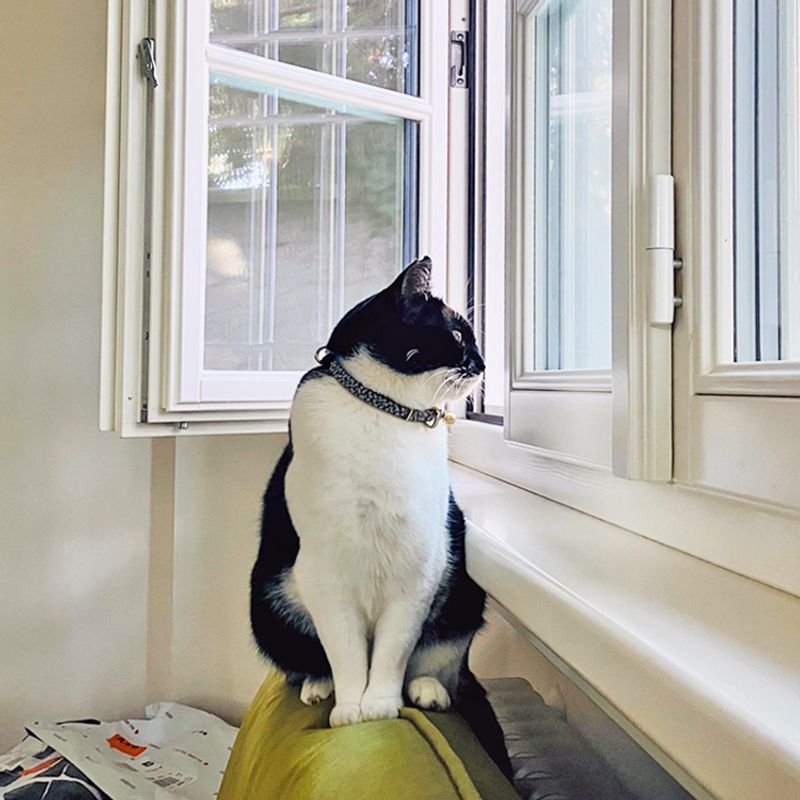
A bobcat sighting is nature’s gentle nudge to double-check your habits. A few smart steps keep your pets safe and your yard less inviting to wild guests.
Small pets deserve the most attention. Cats and little dogs are best supervised outdoors, especially during dawn, dusk, and nighttime when bobcats are most active.
Bringing pets inside after dark is one of the simplest safeguards. A secure home removes the risk of an outdoor run-in with a curious predator.
Feeding pets outside can backfire quickly. Leftover kibble attracts rodents and raccoons, and those visitors invite the bobcats that hunt them.
Trash cans deserve a good lid and a sturdy latch. Open garbage draws all kinds of critters that turn your yard into a wildlife magnet.
Fencing offers extra peace of mind. Tall, well-maintained barriers make it harder for both prey and predators to treat your yard as a shortcut.
Clearing brush piles and sealing spaces under decks also helps. These cozy nooks make tempting shelters for the small animals a bobcat pursues.
Motion-activated lights and sprinklers can gently discourage wanderers. Sudden movement or light often convinces a shy cat to move along.
None of this means turning your home into a fortress. Small, steady habits usually do more than any dramatic effort ever could.
Think of it as good housekeeping for the outdoors. When you remove the perks, your yard becomes a quieter place that wildlife passes by rather than settles in.
6. Knowing When A Bobcat Encounter Is Concerning
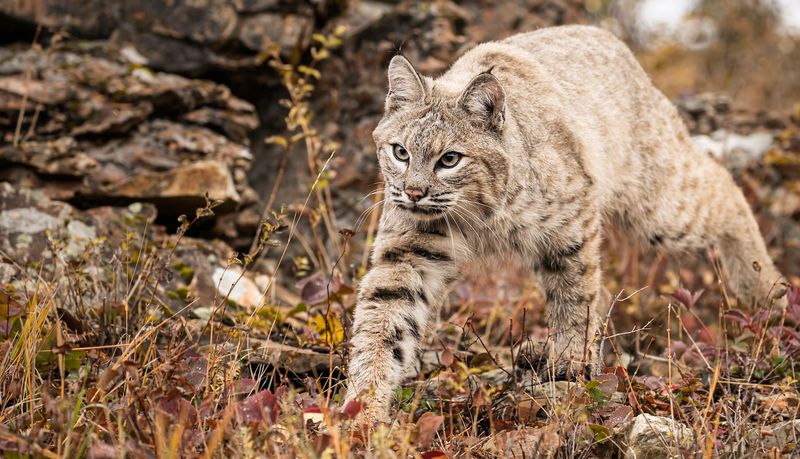
Almost every bobcat sighting ends without any trouble. Still, it pays to recognize the rare moments that call for a closer look.
Healthy bobcats act shy and alert. A cat that seems bold, wobbly, or strangely calm around people may be unwell and worth watching carefully.
Repeated close approaches raise a yellow flag. A wild animal that keeps returning and does not spook could be losing its natural caution.
Signs of illness matter too. Heavy drooling, stumbling, disorientation, or aggression can point to a sick creature that needs professional attention.
Daytime activity alone is not a warning sign. Bobcats sometimes hunt during daylight, so a midday stroll across your yard can be perfectly normal.
An injured animal deserves compassion and distance. Never try to help it yourself, since a frightened, hurt cat may react unpredictably.
When something feels off, the Pennsylvania Game Commission is your best resource. Their staff can advise you and respond to genuine wildlife concerns.
Keep phone numbers for your regional office handy. Quick access to the right contact saves time if a real problem arises.
Documenting what you see also helps experts. Noting the time, behavior, and appearance gives officials useful details before they respond.
Trust your instincts while staying grounded in facts. A single relaxed sighting is nothing to fear, but persistent or odd behavior is worth reporting.
With a bit of awareness, you can tell an ordinary visit from a true concern. That knowledge lets you enjoy Pennsylvania’s wild neighbors with confidence and calm.